If you’re a fan of bold, aromatic flavors and melt-in-your-mouth meat, then this is a must-try. Curry goat is a blend of tender goat meat, fragrant spices, and a kick of Jamaican curry powder.
Now, before we get into the nitty-gritty of the recipe, let’s address a common question: Is it “goat curry” or “curry goat”? Well, my friend, if you’re in Jamaica, you’d better get it right – it’s “curry goat.” Jamaicans take their culinary traditions seriously and will passionately correct you if you utter the words “goat curry” in their presence.
Image Credit: Jamaicansdotcom
So, what makes Jamaican curry goat so special? It all starts with the goat meat itself. Unlike other proteins like chicken or beef, goat meat has a distinct flavor often described as rich, slightly gamey, and incredibly flavorful. It’s a meat that demands bold seasonings and spices and that’s where the Jamaican curry powder comes into play.
Jamaican curry powder is a combination of spices that can vary from household to household but typically includes ingredients like turmeric, cumin, coriander, fenugreek, and a hint of spicy heat from scotch bonnet peppers or other chilies. This unique blend gives the dish a vibrant yellow-orange color and a complex, aromatic flavor profile that will have you savoring every bite.
Perfect Accompaniments For Curry Goat Recipe
Now, let’s talk about the perfect accompaniments for this Jamaican masterpiece. In Jamaica, curry goat is often served with rice and peas, a coconut-infused rice dish that perfectly complements the bold flavors of the curry. But why stop there? Boiled yams, boiled or baked plantains, and flatbread are all excellent choices to enjoy the rich, flavorful sauce.
If you’re feeling adventurous, try pairing your curry goat with roasted breadfruit. This starchy fruit, when roasted, takes on a delightful nutty flavor that perfectly complements the bold spices of the curry.
In a large bowl, combine the goat meat, curry powder, thyme, diced onion, minced garlic, and minced ginger. Mix well to ensure the meat is evenly coated with the spices. Allow it to marinate.
Heat the vegetable oil over medium heat.
Add the diced potatoes and carrots to the pot with the browned meat. Stir well to combine.
If using, add the Scotch bonnet pepper to the pot for additional heat.
Pour enough water into the pot to just cover the meat and vegetables. Bring the mixture to a simmer.
Reduce the heat to low, cover the pot, and let it simmer gently for 2hrs or until the meat is tender. Stir occasionally and check the liquid level, adding more water if necessary to prevent it from drying out.
Once the meat is tender, season the curry goat with salt and pepper to taste. Adjust the seasoning as needed.
Serve the Jamaican curry goat hot, traditionally with rice and peas or plain rice. You can also serve it with fried plantains or steamed vegetables on the side.
Africa is a continent that is beaming with cultural heritage and luckily, South Africa is one of the countries that still retains its culture and holds it dear.
Surely, when talking about culture, you can’t do so without emphasizing the way of life, language, and FOOD. Food was capitalized because when one is hungry, one may forget language and way of life. Lol. Over in South Africa, they have a lot of mind-blowing meals, and luckily, after reading this from another country other than South Africa, you can easily go to the market and get a hang of what they have to offer.
Most of these South African dishes are quite easy to whip up, others need you to pay attention to every detail and cook with utmost precision. As usual, we will talk about some of the mind-blowing dishes that originated from South Africa and you’ll leave comments on how they worked out for you after you tried them out. Ready? Here we go!!!
Here are 13 Most Popular Traditional South African Dishes
Chakalaka and Pap – An All-Time Favorite South African Dish
This is so indigenous and delicious that it turned out to be the mainstay in every South African dining room. Chakalaka is a vegetable dish made of onions, tomatoes, peppers, carrots, beans, and spices, and is often served cold. Pap, meaning ‘porridge’, is similar to American grits and is a starchy dish made from white corn maize.
Chakalaka and pap are often served together, along with barbecued meat or as the locals call it, bread meat, bread, salad, and stews.
When you try out the recipe for this all-time favorite South African Dish, do make sure you have a lovely meal. Here are some health benefits of this dish, giving more reason to opt in for this healthy meal. See Recipe
Health benefits
Tomatoes: Tomatoes are rich in something called lycopene, tomatoes help to prevent prostate cancer and are good for your heart.
Carrots: Carrots are loaded with healthy vitamins and fiber! Carrots are full of beta-carotene, a natural chemical that the body changes into vitamin A. Carrots are good for your eyes, your colon, and your heart – and they have anti-cancer benefits.
Onions: Onions make Vitamin C work better for you. They also have chromium, which helps to improve the way your body manages blood sugar. Onions may also help protect against cancer and reduce heart attack risk!
Green pepper: Green, yellow and red peppers contain Vitamin C, which is great for making your immune system stronger. Full of fiber, which is great for your digestion, peppers also help to prevent some eye conditions.
Spices: Spice mixes for curry usually include cumin, ginger, and turmeric – these spices are good for everything from improving digestion to reducing inflammation in your body.
Chilli: Regarding health, chilies are little superstars of the vegetable world! Not only does their burn add zing! to everything, but they also have more vitamin C than oranges. It doesn’t stop there either; chilies contain vitamins A and E, folic acid, potassium, and beta-carotene. So, put them in!
Potjiekos
A very traditional South African dish. Nothing is more traditionally South African than a potjie and good company. It translates to “small pot food and is a stew prepared outdoors.
It is traditionally cooked in a round, cast iron, three-legged pot, the potjie, descended from the Dutch oven brought from the Netherlands to South Africa in the 17th century and found in the homes and villages of people throughout southern Africa.
The pot is heated using small amounts of wood or charcoal or, if fuel is scarce, twisted grass or even dried animal dung.
Traditionally, the recipe for this South African dish includes meat, vegetables like carrots, cabbage, cauliflower, or pumpkin, and starches like rice or potatoes, all slow-cooked with Dutch and Malay spices, the distinctive spicing of South Africa’s early culinary melting pot.
Other common ingredients include fruits and flour-based products like pasta. Potjiekos originated with the Voortrekkers, evolving as a stew made of venison and vegetables (if available), cooked in the potjie. As trekkers (pioneers) shot wild game, it was added to the pot. The large bones were included to thicken the stew.
Each day when the wagons stopped, the pot was placed over a fire to simmer. New bones replaced old and fresh meat replaced meat eaten. The game included venison, and poultry such as guinea fowl, warthog, bushpig, rabbit, and hare. This food has a lot of recipes but the most common potjiekos are the chicken and vegetable potjiekos. See Recipe
Butternut Soup
Image from cookingclassy
This soup sold out of South Africa and was advanced in Ghana and became a household favorite soup. Legend has it, that because of the export rate, they had to trademark the soup by adding the country’s name. For sure it’s the legend that’s having it, all we have to do is praise the highest for inspiring our forefathers to try this delicacy out and pass it on.
The ingredients needed for this invigorating South African dish are not far-fetched. They are;
See, it’s not far-fetched neither is it heaven sent, you can find it in any local market around you. Here comes the tricky part, the preparation. As a chef or culinary enthusiast, knowing all meals need to be prepared with love is just the basis while knowing some meals need to be prepared with extra care is another.
This is one meal that has to be easily prepared with both love and an extra touch of care. It’s worth the stress after all the gym slogan is “no pain, no gain” A treat is a gain. See Recipe.
Bobotie
Image from thegingeredwhisk
Another dish thought to have been brought to South Africa by Asian settlers, bobotie is now the national dish of the country and is cooked in many homes and restaurants, it is pronounced as bo-bo-tea.
To prepare this glorious South African dish, minced meat is simmered with spices, usually curry powder, herbs, and dried fruit then topped with a mixture of egg and milk and baked until set.
It is a very popular South African dish that was selected by 2008 Masters golf champion and South African native Trevor Immelman as the featured menu item for Augusta National‘s annual “Champions Dinner” in April 2009.
Each year, the reigning champion at The Masters golf tournament, played every year in Augusta, Georgia, hosts the gathering and tends to create a menu featuring delicacies from his home region.
Today, bobotie is much more likely to be made with beef or lamb, although pork can also be used. Early recipes of this South African dish incorporated ginger, marjoram, and lemon rind; the introduction of curry powder has simplified the recipe but the basic concept remains the same. Some recipes also call for chopped onions and almonds to be added to the mixture.
Traditionally, this South African dish incorporates dried fruit like raisins or sultanas. It is often garnished with bay leaves, walnuts, chutney, and bananas. Although not particularly spicy, the dish incorporates a variety of flavors that can add complexity. For example, the dried fruit (usually apricots and raisins/sultanas) contrasts the curry flavoring.
The texture of the dish is also complex, with the baked egg mixture topping complementing the milk-soaked bread which adds moisture to the dish. Bobotie is usually served with “yellow rice”, which is rice cooked with turmeric. See Recipe.
Cape Malay Curry
Image credit: Facebook
This is another delicious South African dish that came along with foreigners. In the 17th century, the Dutch and French landed and settled in Cape Town, bringing slaves from Indonesia, India, and Malaysia, along with their spices and traditional cooking methods.
When combined with local produce, aromatic spices such as cinnamon, saffron, turmeric, and chili create fragrant curries and stews. The health benefit of the ingredients used in preparing this South African dish is one of the things that makes it so popular.
A meal brought in by foreigners but generally accepted and embedded into the culture of the people is accepted as a South African dish. See Recipe.
Koeksister
Don’t attempt pronouncing this without proper guidance. It’s pronounced “cook sister” and you were surely saved from a tongue-biting moment there. This is a traditional South African dish, they are sticky donut treats that are deliciously sweet, sticky, crunchy, and drenched in syrup, laced with cinnamon, lemon, and ginger.
Perfect for snack or tea time and even breakfast. Not a weekend should go by without an occasional indulgence in this South African dish. See Recipe.
Biltong and Droëwors: Snacks Fit for a Road Trip
image from: Pinterest.com
No South African road trip or sports event would be complete without biltong and droëwors. These cured meat delicacies are intrinsically woven into South African culture, serving as tasty companions for watching rugby, cricket, and football (soccer) – the nation’s most popular sports.
Biltong, an ancient maritime method of preserving meat, is made by soaking meat cuts in brine and hanging them to cure. While some might consider it unhealthy, locals prefer their biltong with generous layers of fat. See Recipe.
Image credit: Taste Atlas
Droëwors, on the other hand, undergoes a similar curing process but with a twist. Instead of meat cuts, ground beef mince and mutton fat are expertly blended with aromatic spices to create a thin, cured sausage that packs a punch of flavor in every mouthful. See Recipe.
Boerewors
Image Credit; Pinterest
In South Africa, the quality of a butcher is often judged by the excellence of their boerewors, a beloved sausage that holds a special place in the hearts (and stomachs) of many South Africans. While it may appear unassuming to visitors, the creation of this authentic delicacy is governed by strict rules that butchers in South Africa adhere to with reverence.
The boerewors must contain at least 90% meat or fat from beef, pork, lamb, or goat, with a majority of roughly ground beef acting as the base. Pork and lamb may be added for their distinct flavors and textural contributions, but the sausage must never contain more than 30% fat.
South Africans traditionally braai (barbeque) boerewors over an open fire, and while cooking, it is essential not to prick the casing – because it would allow the precious juices to escape, resulting in a dry sausage. This beloved delicacy is also a staple in neighboring countries like Namibia, Botswana, and Zimbabwe. See Recipe.
Mealie Pap
Image Credit: FAEPA
Mealie pap, a coarse maize meal porridge, is a staple in a majority of South African households. Its affordability, and long shelf life, made it a beloved. Whether it’s the thick and hearty stywe pap or the crumbly porridge similar to couscous, mealie pap is a comforting and nourishing presence on many South African tables.
For those seeking a more fluid version, slap pap, a runny porridge, is often enjoyed for breakfast, adorned with milk, sugar, and butter – a simple yet satisfying start to the day.
South African cuisine is a region of diverse influences, and one dish that shows the Malay heritage is the beloved sosaties, more commonly known as kebabs in other parts of the world. These skewered morsels of meat and vegetables, marinated in a spicy sauce describe the fusion of flavor in South Africa.
Whether it’s succulent lamb, tender chicken, juicy beef, or savory pork, the meat is combined with different vegetables and infused with an aromatic marinade. South African love cooking these sosaties outdoors on a braai (barbeque), allowing the smoky flavors to permeate every bite, creating a truly unforgettable experience. See Recipe.
Melktert
Image credit: Somebody feed seb
No discussion of South African desserts would be complete without mentioning the tantalizing melktert, a decadent milk tart that has captured the hearts and taste buds of generations. With its sweet pastry crust and a filling similar to a light cheesecake.
The filling, a blend of milk, flour, sugar, and eggs, is carefully mixed to balance the creamy texture and a predominant milky flavor. A dusting of powdered cinnamon this delectable dessert, adds a subtle warmth to the flavors.
Over the years, South Africans have embraced innovation, creating recipes that cater to various dietary needs, such as substituting regular milk with lactose-free versions, ensuring that everyone can enjoy this beloved treat.
Malva Pudding
Alongside the melktert, malva pudding stands as one of South Africa’s most loved desserts, gracing tables across the nation with its irresistible allure. This soft and springy cake, infused with the delectable flavors of apricot jam and caramel, is topped with a sweet, creamy sauce, creating a dessert that is simply divine.
Served with a thin custard and a scoop of ice cream, malva pudding is a treat that transcends mere dessert. See Recipe.
Hertzoggies
Image Credit: The South African
Hertzoggies, or Hertzogkoekie in Afrikaans, hold a unique place. These pastry tartlets, filled with a delightful combination of apricot jam and coconut, were discovered during a pivotal moment in the nation’s history.
Their origins can be traced back to the campaign of General JBM Hertzog, who promised to grant women the right to vote and ensure equal rights for the Cape Malay people, alongside white South Africans. While his promise to the Cape Malay community remained unfulfilled, the hertzoggies maintained their elegance and served as the perfect accompaniment to English tea. See Recipe.
Melkkos
Image Credit: Facebook
When the chill of winter sets in, South Africans turn to the comforting embrace of melkkos, a traditional milk porridge that warms both the body and the soul. With its simple yet satisfying ingredients, this dish is a beloved staple among many households, particularly grandparents who have mastered the art of its preparation.
Melkkos is a quick and easy mix of milk cooked with flour until thickened, infused with the warmth of cinnamon and sweetened with sugar. Often topped with a pat of butter and a sprinkle of tangy naartjie or orange zest.
Have you ever heard of okra water? If not, get ready to be amazed by this humble yet powerful natural drink that’s quickly gaining popularity for its incredible health benefits.
Okra water is a refreshing drink made by soaking okra pods in water, allowing the nutrients to infuse into the liquid. It’s a simple yet ingenious way to enjoy the goodness of okra without dealing with its slimy texture, which can be a turn-off for some.
Okra, also known as “lady’s fingers,” is a nutrient-dense veggie that has been celebrated for centuries in various cultures for its medicinal properties. But before we dive into the benefits of okra water, let’s take a moment to know the remarkable nutritional profile of this unassuming vegetable.
Image Credit: Facebook
Nutritional Information of Okra Water?
Okra itself is a nutritional powerhouse, packed with vitamins, minerals, and beneficial plant compounds. Here’s a quick breakdown of what you can expect to find in a cup of okra water (based on the nutrients found in 100 grams of raw okra pods):
Nutrient
Amount
Calories
33 kcal
Carbohydrates
7g
Protein
1.9g
Fiber
3.2g
Vitamin C
23mg
Vitamin K
31.3mg
Folate
60mcg
Calcium
82mg
Potassium
299mg
Magnesium
57mg
Iron
0.6mg
As you can see, okra is an excellent source of fiber, vitamins C and K, folate, and minerals like calcium, potassium, and magnesium. While the exact nutrient content of okra water may vary depending on factors like the soaking time and the okra variety used, one thing is certain: this drink is a nutritional goldmine!
5 Health Benefits of Okra Water
Now, let’s see the incredible benefits of okra water and how it can enhance your overall health and well-being.
Antioxidants
Okra is loaded with antioxidants, including polyphenols, flavonoids, and vitamins A and C. These powerful compounds help neutralize harmful free radicals in the body, reducing oxidative stress and protecting your cells from damage.
By incorporating okra water into your diet, you’re giving your body a natural defense against various chronic diseases, including heart disease, cancer, and premature aging.
Supports Healthy Weight Management
If you’re on a weight-loss journey, okra water can be a valuable ally. Thanks to its high fiber content and low-calorie count, this drink can help you feel fuller for longer, reducing your overall calorie intake and supporting healthy weight management.
Additionally, the nutrients in okra water may help regulate blood sugar levels, which can curb those pesky cravings and prevent overeating.
Boosts Digestive Health
Fiber is essential for a healthy digestive system, and okra water is an excellent source of this nutrient. The soluble fiber in okra water can help regulate bowel movements, prevent constipation, and promote a healthy gut microbiome.
Plus, the anti-inflammatory properties of okra may help soothe digestive issues like irritable bowel syndrome (IBS) and ulcerative colitis.
Promotes Heart Health
Okra water is a heart-friendly beverage thanks to its impressive nutrient profile. The potassium in okra helps regulate blood pressure, while the fiber and antioxidants work together to lower cholesterol levels and reduce inflammation in the arteries.
Additionally, the magnesium in okra water supports healthy blood sugar levels, which is crucial for maintaining cardiovascular health.
Enhances Bone Health
Calcium and vitamin K, both found in okra water, are essential for strong, healthy bones. Calcium is the building block of bones, while vitamin K plays a vital role in calcium absorption and bone mineralization.
By incorporating okra water into your diet, you’re providing your body with the nutrients it needs to maintain strong bones and prevent conditions like osteoporosis.
Benefits of Okra Water to Ladies Sexually
Benefits of Okra Water for Ladies Sexually Okra water has been gaining attention as a potential natural remedy for enhancing female sexual health and function. Here are some of the ways it may benefit women in the bedroom:
Boosts Libido
One of the most well-known benefits of okra water for women is its potential to increase libido. Okra is believed to help raise estrogen levels, which is a crucial hormone for maintaining a healthy sex drive in women.
Additionally, the antioxidants and nutrients in okra water may improve blood flow and support overall hormone balance, both of which can contribute to a heightened sense of desire.
Improves Vaginal Health
Okra water is rich in anti-inflammatory compounds and antioxidants, which may help maintain a healthy vaginal environment.
By reducing inflammation and supporting pH balance, okra water may help prevent infections and discomfort, contributing to overall vaginal health and comfort during intimacy.
Enhances Fertility
While more research is needed, some studies suggest that okra water may support female fertility. The folate in okra water is essential for preventing birth defects and supporting healthy fetal development, making it a valuable addition to the diet for women trying to conceive.
Additionally, the antioxidants in okra water may improve egg quality and support overall reproductive health.
Promotes Lubrication
Adequate vaginal lubrication is crucial for comfortable and pleasurable sexual experiences. Okra water is believed to help increase vaginal lubrication, reducing friction and discomfort during intimacy.
This benefit may be particularly helpful for women experiencing vaginal dryness due to age, hormonal changes, or certain medications.
Enhances Overall Sexual Pleasure
By supporting vaginal health, increasing lubrication, and potentially boosting libido, okra water may contribute to an overall enhanced sexual experience for women.
When combined with a healthy lifestyle and open communication with your partner, okra water could be a natural ally in promoting a fulfilling and enjoyable intimate life.
Okra Water Benefits Before Bed
Okra Water Benefits Before Bed While okra water can be enjoyed at any time of the day, some proponents suggest drinking it before bed for added benefits. Here’s why sipping on a glass of okra water before hitting the hay might be a good idea:
Hydration
Staying hydrated is crucial for overall health and well-being, and okra water is an excellent way to replenish your fluid levels before bed.
Adequate hydration can help prevent headaches, fatigue, and other symptoms associated with dehydration, ensuring you wake up feeling refreshed and energized.
Promotes Better Sleep
Okra water contains compounds like magnesium and calcium, which are known to promote better sleep quality. Magnesium, in particular, has been shown to help regulate melatonin production, the hormone responsible for regulating sleep-wake cycles.
By consuming okra water before bed, you may find it easier to fall asleep and experience more restful slumber.
Supports Overnight Detoxification
While you sleep, your body goes through a natural detoxification process, flushing out toxins and waste products.
Drinking okra water before bed can provide your body with a boost of antioxidants and hydration, supporting this essential detoxification process and helping you wake up feeling refreshed and rejuvenated.
Curbs Late-Night Cravings
The fiber and water content in okra water can help you feel fuller for longer, reducing the temptation to snack on unhealthy foods late at night.
By curbing those late-night cravings, you’re not only supporting your weight management goals but also promoting better sleep quality, as heavy meals close to bedtime can interfere with restful sleep.
How Often Should a Woman Drink Okra Water?
While there’s no definitive guideline on how often a woman should drink okra water, moderation is key. As with any dietary addition, it’s essential to listen to your body and consume okra water in a way that feels comfortable and beneficial for you.
Generally, drinking one to two cups of okra water per day is considered safe and may provide you with the desired health benefits. However, it’s essential to consult with your healthcare provider, especially if you have any underlying medical conditions or are pregnant or breastfeeding.
Can Okra Water Cure Infections?
While okra water is not a cure-all for infections, it does possess some antimicrobial properties that may help support your body’s natural defenses against certain pathogens.
Okra contains polyphenols, which have been shown to have antibacterial and antifungal effects against harmful microorganisms like Staphylococcus aureus, Escherichia coli, and Candida albicans. Additionally, the vitamin C in okra water can boost your immune system, helping your body fight off infections more effectively.
However, it’s important to note that while okra water may support your body’s defenses, it should not be considered a substitute for proper medical treatment. If you suspect you have an infection, it’s crucial to seek medical advice and follow the recommended course of treatment prescribed by your healthcare provider.
How Do I Prepare Okra Water?
Preparing okra water is incredibly simple and requires just a few ingredients and minimal effort. Here’s a step-by-step guide to making this refreshing and nutritious drink:
Ingredients:
4-5 fresh okra pods
2 cups (480 ml) of water
Optional: Lemon wedges, honey, or your favorite herbs/spices
Instructions:
Thoroughly wash the okra pods and pat them dry with a clean towel.
Slice the okra pods into thin rounds or halves, leaving the skin on for added fiber and nutrients.
Place the sliced okra into a clean jar or pitcher.
Pour the water over the okra, making sure all the pieces are submerged.
Cover the container and let it sit at room temperature for at least 4 hours, or preferably overnight (up to 12 hours) to allow the okra to infuse its nutrients into the water.
After the soaking period, strain the okra water to remove the solids, or simply drink it with the okra pieces if you don’t mind the texture.
Optionally, you can add lemon wedges, honey, or your favorite herbs and spices to enhance the flavor of your okra water.
Tips:
For added convenience, you can prepare a large batch of okra water and store it in the refrigerator for up to 3 days.
Experiment with different okra varieties or combine them for a unique flavor profile.
If you prefer a smoother texture, blend the soaked okra with the water before straining.
For a hot beverage, you can gently warm the okra water on the stovetop or in the microwave, being careful not to bring it to a boil to preserve the nutrients.
Embrace the Benefit of Okra Water, it is a true hidden gem, offering a wide range of health benefits that can enhance your overall well-being, from promoting weight management and digestive health to supporting heart and bone health. But what truly sets okra water apart is its potential to enhance women’s sexual health by boosting libido, improving vaginal health, and promoting a more enjoyable intimate experience.
So, why not embrace of this natural vegetable and incorporate okra water into your daily routine? With its refreshing taste and ease of preparation, it’s a simple and delicious way to nourish your body from the inside out. Cheers to a healthier, happier, and more vibrant you!
As we commemorate International Women’s Day, it’s important to spotlight the incredible women-led organizations that are transforming the African food industry. These trailblazers are not only nourishing the continent but also empowering communities, fostering sustainable practices, and reshaping global narratives about African cuisine.
The African Women in Agribusiness Network (AWAB)
They stand as a beacon of hope, addressing challenges in food security and identifying opportunities for women in the agricultural sector. This initiative is led by Graça Machel Trust, a Pan-African advocacy organisation focused on child health and nutrition, education, women’s economic and financial empowerment, leadership and good governance.
This ambitious network advocates for initiatives that enhance women’s competitiveness in local and global markets, fostering market linkages, and providing access to resources, knowledge, and training.
One of AWAB’s groundbreaking projects is the Food Basket Project, an innovative, sustainable, and home-grown solution to resolve one of Africa’s most pressing concerns – quality seed production.
This inclusive business model benefits women from diverse backgrounds, encompassing three phases: pre-production, production, and post-production. As Grace Mijiga Mhango, the AWAB Malawi representative, eloquently stated, “The Food Basket Project will put food on tables and money in women’s pockets.”
African Food Changemakers (AFC) is another organization that deserves recognition for its unwavering commitment to supporting small and medium-sized enterprises – the lifeblood of Africa’s food ecosystem. AFC believes that these enterprises, driven by visionary, dynamic, and innovative entrepreneurs, are the driving force behind the continent’s culinary renaissance.
Through the AFC Hub, African entrepreneurs receive funding, training, visibility, market linkages, and a community of support to scale their businesses successfully.
AFC also recognizes the power of food in changing narratives, and they are dedicated to celebrating Africa’s contributions to the global food ecosystem, showing innovations, amplifying proudly African food and beverage brands, and ensuring that more people globally experience the diversity and richness of the continent’s gastronomic heritage and exciting future.
One of AFC’s flagship programs is the Leading African Women in Food Fellowship (LAWFF), which seeks out exceptional women shaping the future of food in Africa. This incredible fellowship empowers disruptors, enablers, entrepreneurs, policymakers, chefs, trendsetters, and storytellers in the African food ecosystem, offering six months of intensive training, mentorship, a robust community of support, and unmatched visibility to showcase their achievements on a global stage.
Bountifield International (Combatting Food Loss and Empowering Rural Women)
Bountifield International is another organization that deserves recognition for its efforts in creating opportunities across Africa for rural entrepreneurs. By providing tools and services to efficiently process, save, and sell more food, Bountifield tackles the alarming issue of post-harvest food loss, which accounts for up to 50% of food produced in sub-Saharan Africa.
Recognizing the intrinsic link between climate, hunger, and poverty, Bountifield equips rural entrepreneurs and farmers with the right tools to decrease food loss, improve output, and increase local food supply, leading to stronger food security in their communities and beyond.
One of Bountifield’s pioneering initiatives is the “She Feeds Africa” program, which aims to create a network of women-owned postharvest businesses to make mechanized processing equipment accessible to rural women farmers.
In partnership with the Cereal Growers Association (CGA), Bountifield has identified and onboarded 10 new women entrepreneurs, providing them with a bootcamp training to teach them the essentials of running a profitable postharvest processing business.
The Power of Women-Led Solutions
These remarkable organizations are addressing the pressing challenges of food security and sustainable agriculture and empowering women to take the lead in shaping Africa’s food systems.
By providing access to resources, training, market linkages, and support networks, these organizations are making known the potential of women entrepreneurs, farmers, and changemakers across the continent.
Moreover, their efforts extend beyond food production and distribution. They are also reshaping narratives, celebrating African culinary traditions, and ensuring that the world experiences the richness and diversity of African cuisine.
Through their initiatives, these organizations are paving the way for a more equitable, sustainable, and resilient food future for Africa and the world.
As we celebrate International Women’s Day, let us honor and amplify the voices of these extraordinary organizations. Their tireless efforts, innovative solutions, and unwavering commitment to empowering women in the food industry are catalyzing positive change and inspiring generations to come.
Together, we can continue to support and uplift these remarkable women, ensuring that their impact resonates across the globe and that their stories serve as a beacon of hope and inspiration for all those striving to create a better, more nourishing world.
You know how when you go to the grocery store, you’ll sometimes see beef that looks bright cherry red, and other times it might look more purplish-red or even brownish-red? Well, there’s a perfectly natural reason for those color variations.
It all comes down to the exposure to oxygen. Beef contains myoglobin, which is a protein that stores oxygen in the muscle. When myoglobin is exposed to oxygen, it turns that bright cherry red color that we typically associate with fresh beef.
However, if the beef hasn’t been exposed to oxygen for a while, the myoglobin loses its oxygenated form, and the meat takes on a more purplish-red hue. This is perfectly normal and safe to eat.
And if you see some beef that looks brown, that’s usually a sign that it’s been exposed to the air for too long, and the myoglobin has oxidized further. While it might not look as appetizing, it’s still safe to consume as long as it hasn’t spoiled.
So, in short, the color of fresh beef is mainly determined by how much oxygen the myoglobin in the meat has been exposed to. Isn’t it fascinating how something as simple as oxygen levels can create such a vibrant color palette in our food?
What Color Should Fresh Beef Be?
Beef is another name for cow meat. The optimum surface color of fresh beef is usually cherry-red, but other color variations are seen, colors like purple-red and brownish-red. Note that colour variations are not an indication of spoilage.
Most times the color of fresh beef can be a total turnoff to you when making a choice in the market. People tend to go for beef with a red colour more often. There is a scientific explanation about the varieties of fresh beef colour you find in the market. Knowing this priceless information will help you choose beef when next you visit the market.
Color Variation As A Result of Myoglobin
Purple-red color: This color is possessed by beef that has not been exposed to air. The purple-red colour is a result of the myoglobin in the meat muscles and when myoglobin is exposed to air, it changes to oxymyoglobin, which gives the meat a pleasing cherry-red colour.
Cherry-red color: The cherry-red colour is the optimum colour of fresh beef sold in the market. This color is highly unstable and short-lived. The colour changes quickly due to many factors like oxygen and myoglobin. To help retain the cherry-red colour of fresh beef, you can use a plastic wrap that allows oxygen to pass through.
Brownish-red color: This color results when the meat has been exposed to either store lighting or sunlight for a long period. It can also result when the meat has been exposed to oxygen for a long period. When this happens, the oxymyoglobin reacts with the oxygen and forms metmyoglobin which is the pigment that gives fresh meat the brownish-red colour.
Rainbow Color: Fresh beef can possess many colours, ranging from shiny green to silver color, but this does not mean that the meat is spoilt. Fresh meat is made up of different compounds like iron and fat. When light hits the compounds, it can cause the colours to split and cause a rainbow effect.
Color Variation As A Result of Animal Stress
When the cow is being transferred to the abattoir for slaughter, there are various factors which can impose stress on the cow. Such factors include environmental stress, nutritional stress, pre-slaughter stress and other stress factors.
These stress factors have a direct effect on the color and texture of the meat. Stress factors mainly cause fresh beef to have 2 distinct colours which are;
Pale red Color: This color of meat occurs when the cow is subjected to severe anxiety and fright caused by man-handling. Also when they engage in fights in their pens a few hours before they are slaughtered. All this results in biochemical processes in the muscles.
The biochemical processes cause the glycogen in the muscles to break down rapidly and this produces meat which is pale red. It is important to note that such meat has poor flavour. This meat color turns people off because it is not appealing to the eye and eventually, the meat becomes a waste.
Dark red color: A meat that is very dark in colour is indicative that the glycogen in the cow muscles was used up before slaughter. The glycogen gets used up during handling, transport and pre-slaughter.
Especially when the cows were not fed properly a day before the slaughter. Such dark coloured meats have inferior quality and less pronounced taste. Also, such meats have a shorter shelf life and can spoil faster than normal.
Is It OK to Eat Discolored Beef?
No, it’s generally not recommended to eat discolored beef. Discoloration can be a sign that the meat has spoiled or been contaminated with bacteria. While a slight browning on the surface is normal due to oxidation, any sliminess, off-odors, or green/grey/yellow tinting could indicate the presence of harmful microorganisms.
What Color Is Freshly Slaughtered Beef?
Freshly slaughtered beef has a bright, cherry-red color. This vibrant hue comes from the oxygenation of the myoglobin protein in the muscle tissue. Myoglobin is what gives beef its characteristic red color when exposed to oxygen.
As beef ages or is exposed to air over time, the bright red slowly turns to a duller brownish-red as the myoglobin becomes more oxidized. But that initial, freshly cut beef should have a very vivid, cherry-red appearance.
Why Is My Raw Beef Green in The Fridge?
If your raw beef has turned green or greenish-brown in the fridge, it’s a sign that the meat has spoiled and should not be eaten. The green coloration is likely due to the growth of spoilage bacteria like Pseudomonas, Lactobacillus, or Achromobacter.
These bacteria produce pigments that can cause meat to turn shades of green, blue, grey, or brown. While some slight discoloration on the surface is normal, an overall green color indicates advanced spoilage and increased risk of foodborne illness.
How Long Is Beef Good in The Fridge?
Raw beef can typically last 3-5 days in the refrigerator before starting to spoil. Ground beef tends to have a slightly shorter shelf life of 1-3 days due to the increased surface area exposed to air.
Proper refrigeration at 40°F or below is key, as warmer temperatures allow bacteria to multiply faster. Tightly wrapping beef in plastic, ziplock bag or storing it in an airtight container also helps slow spoilage. if the beef smells off, feels sticky or slimy, or has changed color, it’s best to discard it.
Be aware of the causes of meat colour variations so you can make the right choice in the market. Remember, a colour change does not necessarily mean that the meat is spoilt.
Cameroon, the vibrant Central African country, is a country of cultures, traditions, and flavors. Its cuisine combines African, European, and local influences, creating a unique and diverse culinary experience.
Cameroonian Foods combines locally sourced ingredients, bold spices, and centuries-old cooking techniques. If you’re planning a visit or simply want to explore this fascinating cuisine, here are 18 popular Cameroon foods you should try, divided into appetizers, main dishes, and desserts.
18 Popular Cameroonian Foods You Fall in Love With
Appetizers
Banana Fritters (Beignets de Banane)
These addictive fritters are a popular street food in Cameroon. Made with ripe plantains or bananas, they are mashed, seasoned with salt, and deep-fried to golden perfection. Crunchy on the outside and soft on the inside, these delightful morsels are best enjoyed hot, straight from the pan. See Recipe.
Image Credits: Immaculatebites
Cameroonian Soya (Grilled Skewered Meat)
Soya, or grilled skewered meat, is a beloved snack found on almost every street corner in Cameroonian cities. The Cameroun food is marinated in a blend of spices and herbs, and the meat (usually beef or goat) is threaded onto skewers and grilled over hot coals, infusing a smoky flavor that will tantalize your taste buds.
Chin Chin (Croquettes)
Chin Chin, or croquettes, are crispy, bite-sized pastries that are a staple at parties and gatherings. These crunchy treats come in various shapes and sizes and are made with flour, sugar, eggs, butter, and flavorings, often dusted with powdered sugar for an extra sweet touch. See Recipe.
Main Dishes
Ndolé
It is considered the national dish of Cameroon, Ndolé is a flavorful stew made with bitter leaves (known as ndolé leaves), peanuts, crayfish, beef, and a blend of spices. This hearty and aromatic dish is typically served with miondo (a starchy mixture of ground cassava wrapped in banana leaves) or plantains. See Recipe.
Poulet DG, or “Boss Chicken”
A French-inspired dish that has become a beloved classic in Cameroonian food. Succulent chicken pieces are simmered in a rich tomato sauce with fried plantains, creating a harmonious blend of flavors and textures. It’s a must-try for anyone visiting Cameroon.
Image Credit: Facebook
Ekwang Ekwang
A labor-intensive Cameroon food that’s well worth the effort. Grated cocoyams are wrapped in cocoyam leaves and cooked with a flavorful mix of meats, dried fish, crayfish, and palm oil. This dish is a true representation of the time-honored cooking traditions of Cameroon.
Achu Soup
A vibrant yellow soup that is a staple in the Western and North-West regions of Cameroon. Made with a combination of beef or chicken broth, limestone, red oil, and a medley of spices, this delicate soup is typically enjoyed with achu (pounded cocoyam) or huckleberry. See Recipe.
Jollof Rice or Jellof Rice
A beloved dish not just in Cameroon but throughout West Africa. This flavorful one-pot meal features long-grain rice cooked in a rich tomato-based broth, infused with a blend of spices and vegetables. It’s a comforting and satisfying dish that can be enjoyed any time of day. See Recipe
Kati Kati
Kati Kati is a traditional grilled chicken dish from the North-West province of Cameroon. A whole chicken is rubbed with a blend of spices and herbs, and then roasted over an open flame, imparting a smoky flavor that will have you licking your fingers. It’s often served with roasted vegetables or plantains. See Recipe.
Egusi Soup with Cabbage
Egusi Soup with Cabbage is a healthy and flavorful stew that combines the nutty taste of egusi (melon seeds) with the freshness of cabbage. This hearty dish is not only delicious but also nutritious, making it a popular choice for those seeking a wholesome meal.
Kwacoco Bible
Kwacoco Bible is a traditional dish from the Bakweri tribe in the South-West province of Cameroon. Grated cocoyams are mixed with smoked fish, red oil, spinach, and various spices, then wrapped in plantain leaves and steamed to perfection. This dish is a true representation of the region’s culinary heritage.
Fufu
Fufu is a staple food in Cameroon and many other West African countries. This starchy dumpling is made by combining cassava and green plantain flour with water, and then shaping it into a ball. Fufu is typically served alongside sauces and soups and is eaten with the hands, using it to scoop up the flavorful accompaniments. See Recipe.
Desserts
Groundnut Sweets (Caramel)
These crunchy, sweet treats are a beloved snack in Cameroon. It is made by coating peanuts in a caramelized sugar coating. Groundnut sweet is a delightful combination of nutty and sugary flavors. They’re the perfect taste to satisfy your sweet tooth.
Image Credit: Cameroon How To
Condensed Milk Cake
While not a traditional Cameroonian recipe, the Condensed Milk Cake has become a popular dessert in the country. This rich and decadent cake is made with sweetened condensed milk, creating a moist and indulgent treat that will satisfy any sweet craving.
Fish Rolls
They are delightful and addictive snacks that combine the flavors of smoked fish and a crispy pastry shell. These bite-sized treats are often served at parties and gatherings, and they’re sure to disappear quickly from any plate they’re served on.
Image Credit: Facebook
Koki Corn
Koki Corn is a healthy and vegan-friendly dish that showcases the versatility of Cameroonian cuisine. Coarsely ground black-eyed peas are mixed with spinach and red oil, then steamed in plantain or banana leaves, creating a flavorful and nutrient-dense treat. See Recipe.
image credit: Precious core
Eru (Miondo)
Eru, also known as Miondo, is a beloved starchy side dish in Cameroon. Made by wrapping a mixture of grated cassava and other ingredients in banana leaves, this dish is typically served alongside stews and soups, providing a satisfying and filling accompaniment.
Ndomba
This is a unique Cameroon food and flavorful papillote dish that can be made with fish, chicken, or pork as the main ingredient. The protein is seasoned with a blend of spices, including pèbè (false nutmeg), country onions, wild basilica, and more, then wrapped in banana leaves and steamed or baked, creating a fragrant and delicious meal.
What Is the National Dish of Cameroon?
The national dish of Cameroon is widely considered to be Ndolé. This delightful stew is a true celebration of Cameroonian flavors, a blend of bitter ndolé leaves (also known as bitter leaf), peanuts, crayfish, beef, and a medley of aromatic spices.
Ndolé is a staple at ceremonies, banquets, and family gatherings, and it’s often the first dish that tourists rave about after visiting the country. Deeply rooted in the culinary traditions of the Duala people, this hearty and flavorful stew is a must-try for anyone seeking an authentic taste of Cameroonian cuisine.
Is Cameroon Food Spicy?
Cameroonian food is renowned for its bold and spicy flavors. While the staple dishes like fufu, miondo, and plantains may seem bland on their own, they serve as the perfect combination for the vibrant and often fiery sauces and stews that accompany them.
The peanut-based ndolé brimming with habanero peppers and the intensely spiced mbongo tchobi fish stew, Cameroonian cuisine is not for the faint of heart when it comes to heat. However, the skillful use of spices and aromatics ensures that the dishes are bursting with complex flavors.
Does Cameroon Have Fast Food?
Street vendors offer quick bites like Accra banana (fried plantain fritters), soya (grilled skewered meat), and puff-puff (fluffy doughnuts).
Roadside stalls and makeshift eateries serve up hearty dishes like poulet DG (chicken with fried plantains) and ndolé (peanut stew) for those seeking a faster version of traditional fare. These fast food options cater to the busy lifestyles of city dwellers while still allowing them to enjoy the bold and comforting flavors of Cameroo food on the go.
What Is the Dining Etiquette in Cameroon?
In Cameroon, dining etiquette involves tasting all food presented and informing the host if you are unable to eat a particular dish. Additionally, it is customary for diners to pass around a wet towel to wash their hands before the meal, reflecting the cultural practice of eating with hands in Cameroon
These customs highlight the importance of respect and consideration during dining experiences in Cameroonian culture.
Conclusion
Cameroonian cuisine is a true feast for the senses, combining rich flavors, vibrant colors, and diverse ingredients. Whether you’re exploring the street food in Cameroon or enjoying the traditional dishes in a restaurant, these 18 popular Cameroonian foods are sure to leave a lasting impression and ignite your love for these incredible dishes.
Prepare to be blown away into a world where humble ingredients like eggs, spices, and a touch of creativity come together to create a combination of flavors. We will show you the secrets to achieving the perfect texture, color, and consistency for your egg sauce. Let’s get started.
Are you looking for a delicious Ogbono soup recipe guaranteed to come out absolutely delicious every single time? Here’s the recipe for you!
Enjoy the Richness of Ogbono Soup: A Hearty Blend of Ground Ogbono Seeds, Assorted Meats, and Vegetables. Perfectly Made!
Why Does Ogbono Soup Taste Bitter?
Not cooking it long enough. Ogbono seed need ample time (at least 20 minutes) on low heat to release its flavor and thicken the soup. Cooking for only 5 minutes will lead to a bland, bitter taste.
Using ogbono seeds that have gone moldy or rancid. This can impart bitter flavors. Always inspect ogbono seeds before using and discard any that look discolored or smell off.
Not adding enough ingredients. Ogbono can taste bland and bitter if you don’t add enough seasonings. Make sure to properly season the soup.
Why Your Ogbono Taste Like Soap?
Ogbono develops a soapy taste when stored for too long due to the breakdown of its natural oils. Over time, exposure to air and moisture can lead to rancidity, altering the taste. This change in taste resembles the chemical characteristics of soap, often detected upon cooking.
To avoid this, it’s essential to store Ogbono in airtight containers and consume it within a reasonable timeframe to maintain freshness and flavor integrity.
500gproteins of Choice (chicken, beef, or assorted meat)
¼cuppalm oil
handfuluziza leaves
handfulugwu leaves
2medium-sizedsmoked Titus (smoked mackerel)
2medium-sizedsmoked hake fish / Panla
1cupponmo (cow skin) ((diced)
2tablespooncrayfish (ground)
6piecesyellow and Red Scotch bonnet peppers
salt - to taste
1teaspooncameroon pepper
seasoning cubes
Instructions
Prepare your proteins by cutting them into bite-sized pieces. Wash thoroughly and set aside.
500g proteins of Choice (chicken, beef, or assorted meat)
Heat palm oil in a pot over medium heat.
¼ cup palm oil
Add the chopped peppers to the pot and sauté for another 3 minutes until fragrant.
6 pieces yellow and Red Scotch bonnet peppers
Stir in the ground crayfish and Cameroon pepper, then add the smoked fish (Titus and hake), protein of choice and ponmo. Allow them to simmer for about 5 minutes, allowing the flavors to meld together.
2 medium-sized smoked Titus (smoked mackerel), 2 medium-sized smoked hake fish / Panla, 2 tablespoon crayfish (ground), 1 teaspoon cameroon pepper, 1 cup ponmo (cow skin) ((diced)
Pour in about 4 cups of water and bring to a gentle boil.
While the broth is boiling, mix the Ogbono with a little water to form a smooth paste.
½ cup ogbono (ground African wild mango seeds)
Once the broth is boiling, gradually pour in the Ogbono paste. Let it simmer for about 10-15 minutes until the Ogbono is fully cooked and the soup thickens.
Finally, add the chopped uziza and ugwu leaves to the pot. Stir well and let it simmer for another 3-5 minutes until the leaves are wilted and incorporated into the soup. Adjust seasoning with salt and seasoning cubes if necessary.
handful uziza leaves, handful ugwu leaves, salt - to taste, seasoning cubes
Your delicious Ogbono soup is ready to be served hot with your choice of swallow (e.g., fufu, pounded yam, or eba). Enjoy!
If you’re on the hunt for a flavorful and satisfying meal, look no further than our mouthwatering chicken kebab recipe. Prepared to perfection, these succulent chicken kebabs are grilled to juicy, tender perfection, making them an irresistible choice for any occasion.
Whether you’re hosting a backyard barbecue or simply craving a delicious dinner, chicken kebabs are sure to hit the spot. So fire up the oven or grill, gather your loved ones, and get ready to savor the delightful taste of our incredibly satisfying chicken kebabs!
In a mixing bowl, combine ginger & garlic paste, onion powder, paprika, chicken seasoning, and salt. Mix well to form a smooth paste.
½ tbsp ginger & garlic paste, ½ tbsp onion powder, ½ tbsp paprika, ½ tbsp chicken seasoning, ¼ tsp salt, seasoning cubes
Cut the chicken breast into bite-sized chunks and add them to the marinade. Make sure each piece is well coated with the marinade.
chicken breast
Cover the bowl and let it marinate in the refrigerator for at least 30 minutes to allow the flavors to infuse.
olive oil
Preheat your grill to medium-high heat. If using an indoor grill pan or oven, preheat accordingly.
Chop the red and green bell peppers and onions into chunks. Take a skewer and thread pieces of marinated chicken alternately with chunks of bell peppers and onions until the skewer is filled, leaving a little space at both ends.
red bell peppers , green bell peppers , chopped onions
Lightly brush the grill grates with oil to prevent sticking. Place the assembled kebabs on the grill and cook for about 6-8 minutes, turning occasionally, until the chicken is cooked through and has nice grill marks on all sides.
Once done, remove the kebabs from the grill and let them rest for a couple of minutes. Serve hot with your favorite dipping sauce or alongside rice, salad, or flatbread.
Enjoy your delicious homemade chicken kebabs!
Notes
Note: While the chicken is marinating, soak wooden skewers in water for about 20-30 minutes to prevent them from burning during grilling.
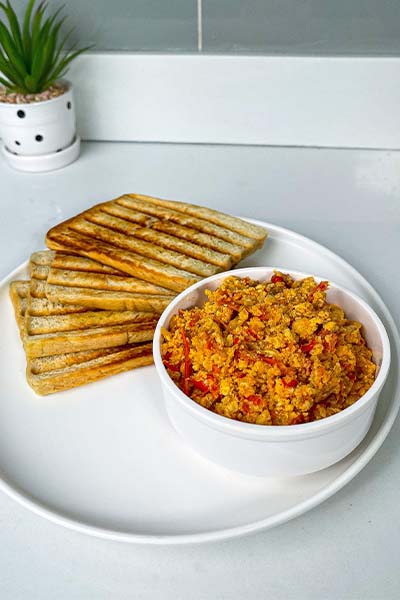
Egg stew is a simple, comforting dish that can be made in a hurry with just a few basic ingredients. Eggs are essential, adding protein and richness. Onions and other veggies like tomatoes can also be added for extra nutrition and taste. Egg stew makes for a warm, nourishing meal any time of day.