

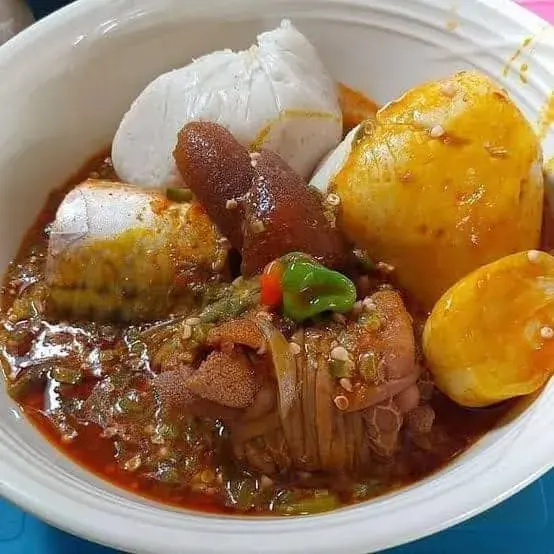
Easy and Simple Way to Make Banku
Overview
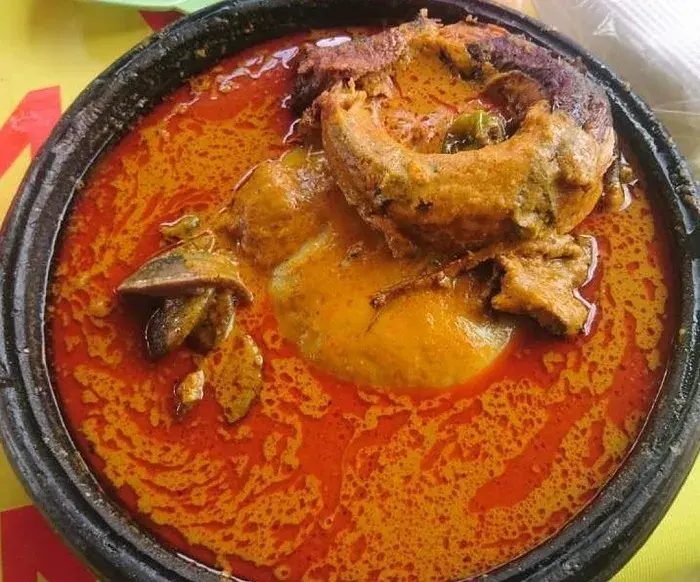
Banku is a Ghanaian swallow food made from fermented corn and cassava dough. To make banku, you leave the dough to ferment for two to five days, until it smells clearly sour. Then you stir it over heat for about twenty minutes until it's thick and smooth, and shape it into balls. That sourness is the whole point of the dish. Without the ferment, the same ingredients give you something else. The name is Ga-Dangme. It's thought to come from ba mi ku, meaning food in leaves, because banku was once stored wrapped in leaves. Banku is most closely tied to the Ga-Dangme of southern Ghana, though you'll find it all over the country. Both of its crops came from across the Atlantic: Portuguese traders brought maize and cassava to Africa in the 16th century. You eat it with your hands, pinching off a piece to scoop up soup or sauce. The best known plate is banku with grilled tilapia and hot pepper sauce, with okra stew and light soup close behind. Ghanaians keep it apart from akple, its close cousin that the Ewe eat with okra soup. They also keep it apart from Ghanaian fufu, which is pounded from boiled cassava with plantain or cocoyam and isn't fermented.
AFN Heritage Note
Banku takes its name from the Ga-Dangme language of southern Ghana, and is built on the fermentation of maize dough with cassava. Maize reached West Africa through Atlantic trade from the 16th century, and cassava by the same routes, making the pairing that defines banku a post contact combination of two introduced crops into an older fermentation practice.
Ingredients
Dietary tags are provided by contributors as a guide, not verified by AFN, and they depend on the products you buy. If you have a serious allergy, check every ingredient yourself. Cooking, allergies and your own judgement
Directions
- 1
Mix the corn flour thoroughly with the warm water in a jar or container.
- 2
Cover with a clean cloth and leave in a warm place for about two days. In cold weather this will take longer.
- 3
Bring at least 2 cups of water to the boil in a pot.
- 4
Add the fermented corn dough slowly to the boiling water.
- 5
Stir constantly and thoroughly for about 20 minutes until the mixture is thick. Add water if it becomes too dry.
- 6
Shape into orange sized balls and wrap tightly to hold their warmth.
Africook’s Notes
 Personal notes from Jennifer Ezeokoli
- Fermentation time is weather dependent, not clock dependent. Two days in a warm kitchen may take four or five in a cold one. Judge it by smell: the dough should be distinctly sour, not merely damp.
- The stirring stage is continuous and physical. Twenty minutes of unbroken work against a stiffening dough is what produces the smooth texture, and stopping to rest leaves lumps that will not come out later.
- Wrapping the balls in cling film immediately after shaping keeps them warm and stops a skin forming. Banku that has cooled and set is difficult to bring back.
- Grilled tilapia with hot pepper sauce is the canonical pairing. Okra stew and light soup are the other standards.
Questions cooks ask
What is banku made of?
Banku is traditionally made of fermented corn dough and cassava dough, cooked with water until it sets into a smooth, slightly sour mass. Salt usually goes in too. AFN's version here uses corn dough only: corn flour and warm water for the ferment, then fermented corn dough and water for cooking. Our list has no salt, so taste and add a little if you like.
What is banku in Ghana?
In Ghana, banku is a soft, slightly sour ball of cooked fermented corn and cassava dough, eaten with the hands alongside soup, stew or pepper sauce with fish.
How do you prepare banku step by step?
Mix the corn flour with warm water, cover it with a clean cloth and leave it somewhere warm. Two days is usually enough in a warm kitchen, but go by smell rather than the clock. It's ready when it smells clearly sour, not just damp. Bring water to the boil, add the fermented dough slowly and stir without stopping for about 20 minutes. If it gets too dry, add a splash of water. Shape it into balls about the size of an orange and wrap them tightly so they stay warm.
What is banku eaten with?
The classic Ghanaian plate is banku with grilled tilapia and a hot pepper sauce. It's also eaten with okra stew and with light soup, and you pinch off a piece to scoop up whatever's on the plate.
Is banku the same as fufu?
No. Banku is made from fermented corn and cassava dough stirred over heat, so it's sour. Ghanaian fufu is pounded from boiled cassava with plantain or cocoyam, and it isn't fermented. Nigerian fufu, also called akpu, is made from fermented cassava, so it has a tang of its own, but there's no corn in it. All of them are eaten the same way, with the hands and alongside soup, but they taste and feel quite different.
How long should banku dough ferment?
Two to five days, depending on the temperature. In warm weather two days is often enough, and in cold weather it can take five or more. The dough is ready when it smells clearly sour. Under-fermented dough gives you a flat, bland banku, which is a common fault the first time you make it.
Can I buy the fermented corn dough instead of making it?
Yes. Ready fermented corn dough and cassava dough are sold in Ghanaian markets, and African grocers in diaspora cities stock them frozen or chilled. Buying it saves you the wait of several days and gives a steadier sourness than a first home ferment usually does.
What is the difference between banku and akple?
They're close cousins, made from similar fermented corn and cassava doughs. Akple is the one most tied to the Ewe, who usually eat it with an okra soup they call fetri detsi. Banku is the softer of the two, and it's the version the Ga-Dangme eat.
Reviews
5 reviews
You Might Also Like
Browse all Ghanaian recipes →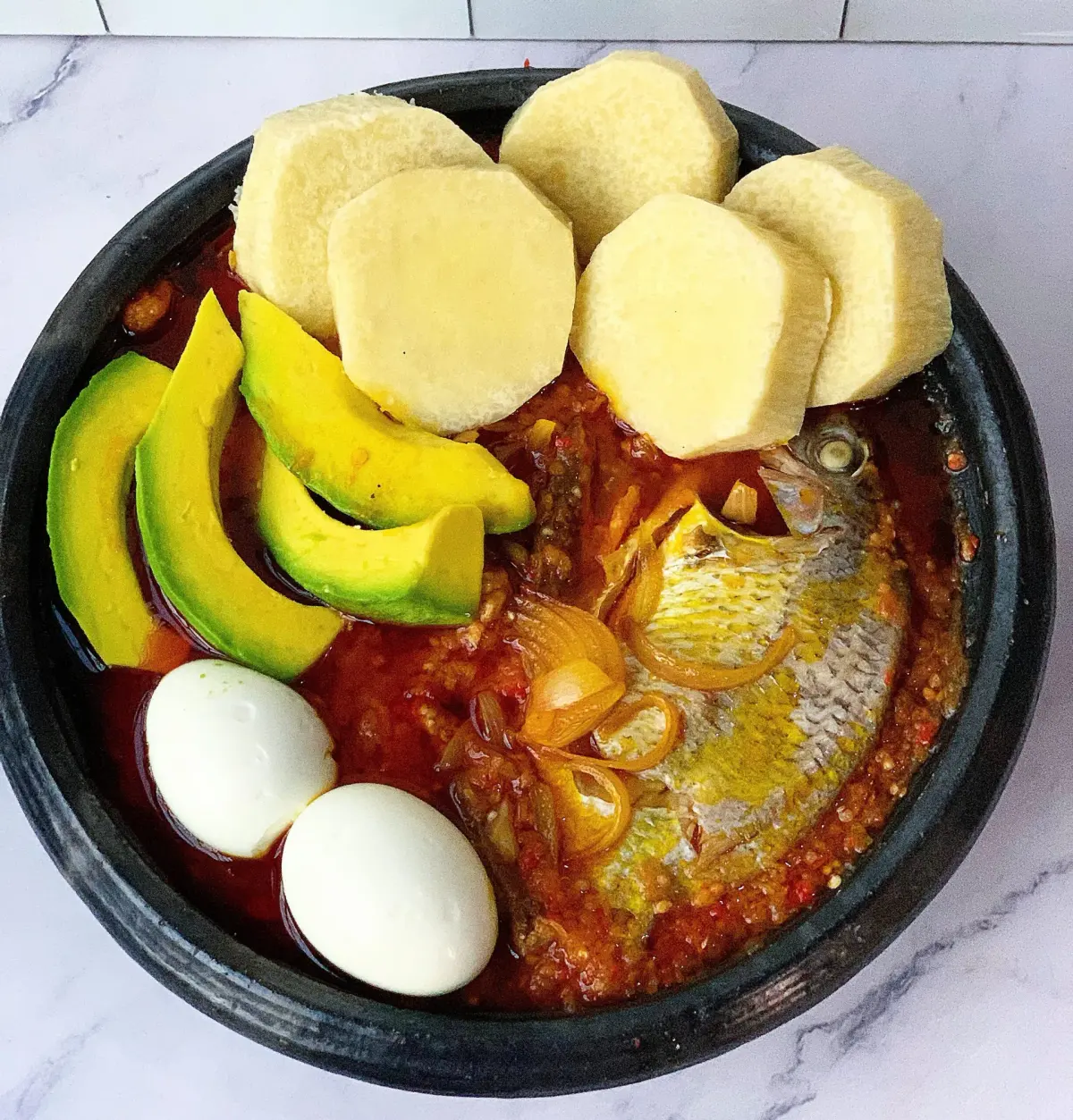
Garden Egg Stew (Earthenware Bowl Method)
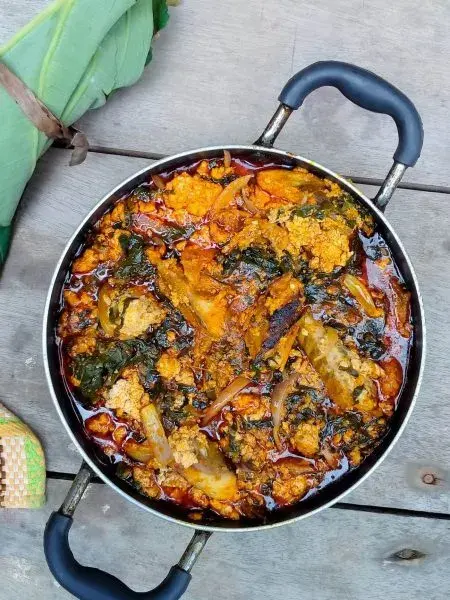
Kontomire Stew
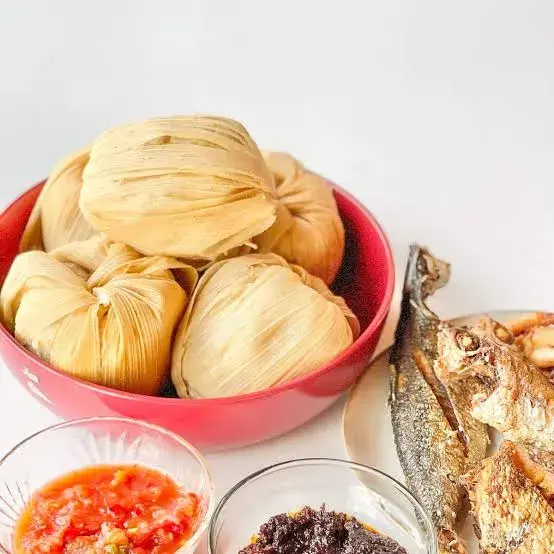
Kenkey
What is the right ratio of corn dough to cassava dough for banku?
Three parts corn to one part cassava is the common starting point, and it is worth treating as a starting point rather than a rule. More cassava makes it stretchier and slightly sweeter, more corn makes it firmer and more sour. Households differ and both are correct. Whichever you use, the dough needs to have fermented properly first, which is where the sourness comes from.
Tried this to see how it compares to our local pap. The 2 cups of corn flour mixed with warm water fermented nicely, but adding the fermented dough into the boiling water got far too lumpy. Took me way longer than 20 minutes of vigorous stirring to break down the lumps, and it was still a bit too dense. Taste was interesting but the method needs tweaking for me.
Got my corn flour from the international market near Duluth. The 2 day fermentation worked out fine in the Georgia heat, but during cooking, 20 minutes of constant stirring was serious work. I had to add nearly another cup of water halfway through because the mixture got way too thick before it was fully cooked. Good result in the end though.
London cold is no joke o. I left the corn flour mixture by the radiator for four full days before it got that proper sour smell, because two days just was not enough in this weather. But once I started stirring it in the pot for that 20 minutes, it came together so smooth. Paired it with fried tilapia and hot pepper, e sweet sha!