

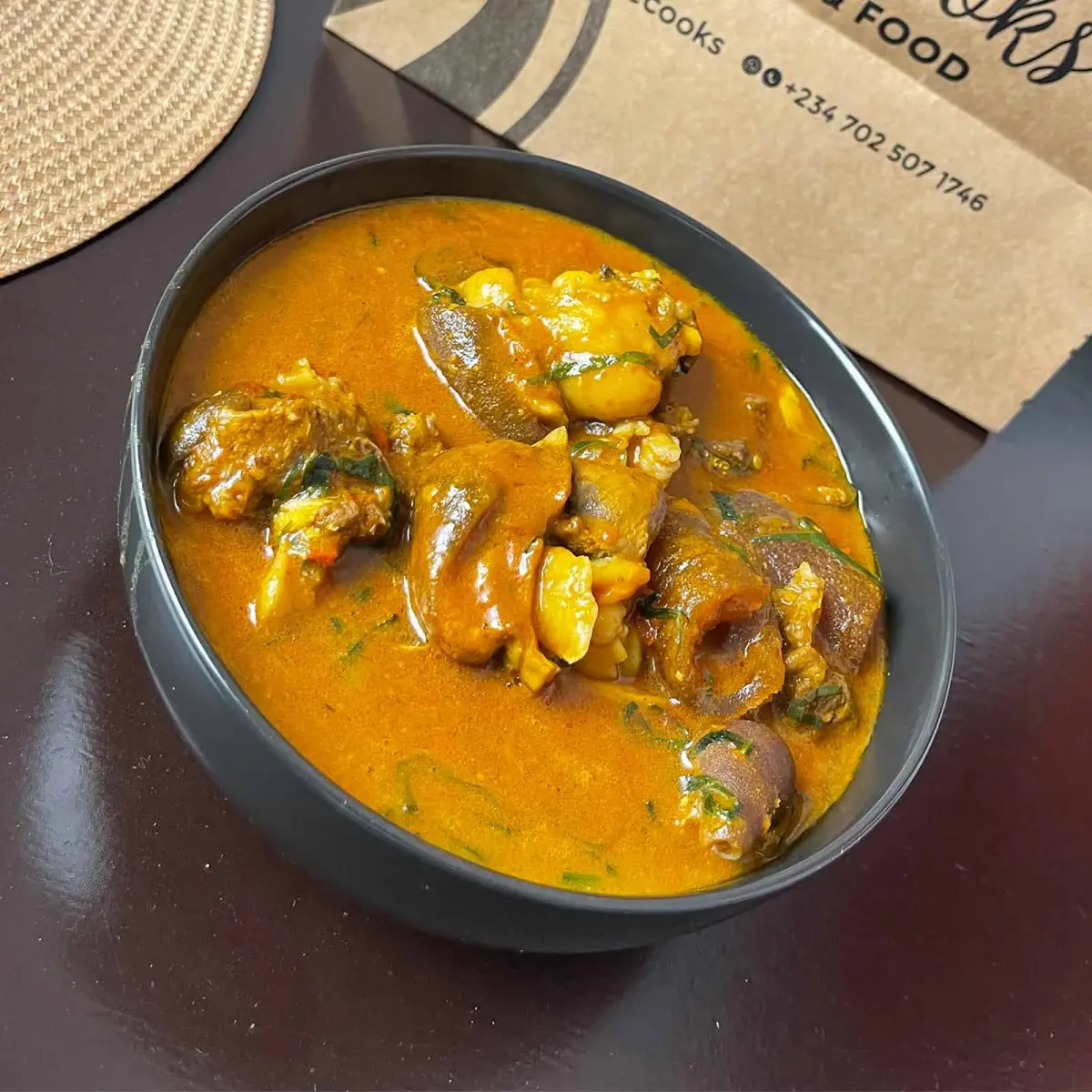
Ogbono Soup
Overview
Ogbono soup is thickened with ground ogbono, the seed of the African wild mango, and the texture it produces is what the soup exists for. Ground ogbono draws into long strands when stirred, giving a slippery, elastic consistency that Nigerians describe as drawing, and which okra also produces by a different route. It is a southeastern Nigerian soup, eaten across the country, and it is built like most Nigerian soups: assorted meat and ponmo, smoked and dried fish, ground crayfish, palm oil, scotch bonnet and leafy greens. Uziza and ugwu, the fluted pumpkin leaf, go in at the end. Two things go wrong with it and the source addresses both directly. Bitterness comes from not cooking the ogbono long enough, it needs a good twenty minutes on low heat to release its flavour and thicken properly, and five minutes gives a bland, bitter soup. A soapy taste means the ogbono itself has gone off: the seeds are oily and the oils turn rancid with exposure to air and moisture, producing a flavour that genuinely reads as soap. Buying ogbono in small quantities, storing it airtight and checking it before use is the whole answer to that.
AFN Heritage Note
Ogbono soup is thickened with the ground seed of the African wild mango, Irvingia gabonensis, and belongs to southeastern Nigerian cooking, where it is eaten with a swallow.
Ingredients
Dietary tags are provided by contributors as a guide, not verified by AFN, and they depend on the products you buy. If you have a serious allergy, check every ingredient yourself. Cooking, allergies and your own judgement
Directions
- 1
Cut the protein into bite sized pieces, wash thoroughly and set aside.
- 2
Heat the palm oil in a pot over medium heat.
- 3
Add the chopped peppers and sauté for about 3 minutes until fragrant.
- 4
Stir in the ground crayfish and Cameroon pepper, then add the smoked fish, the protein and the ponmo. Let them cook together for about 5 minutes.
- 5
Pour in about 4 cups of water and bring to a gentle boil.
- 6
While the broth heats, mix the ogbono with a little water to form a smooth paste.
- 7
Gradually pour the ogbono paste into the boiling broth and let it cook for 10 to 15 minutes, until the ogbono is fully cooked and the soup has thickened.
- 8
Add the chopped uziza and ugwu leaves, stir well and cook for another 3 to 5 minutes until wilted.
- 9
Adjust the seasoning with salt and seasoning cubes.
- 10
Serve hot with fufu, pounded yam or eba.
Africook’s Notes
 Personal notes from Sobecooks
- Give the ogbono at least twenty minutes on low heat. Under-cooked ogbono tastes bland and bitter, and this is the most common complaint about the soup.
- Check the ogbono before you use it. If it smells off or tastes soapy the oils have gone rancid, and no amount of cooking will fix it.
- Mix the ogbono into a paste with a little water first. Tipped in dry it clumps and never disperses.
- Buy ogbono in small quantities and store it airtight. It is high in oil and does not keep well once opened.
- Season properly. An under-seasoned ogbono soup reads as bitter even when it has been cooked long enough.
- Add the leaves at the very end so they wilt rather than cook down.
Reviews
3 reviews
You Might Also Like
Browse all Nigerian recipes →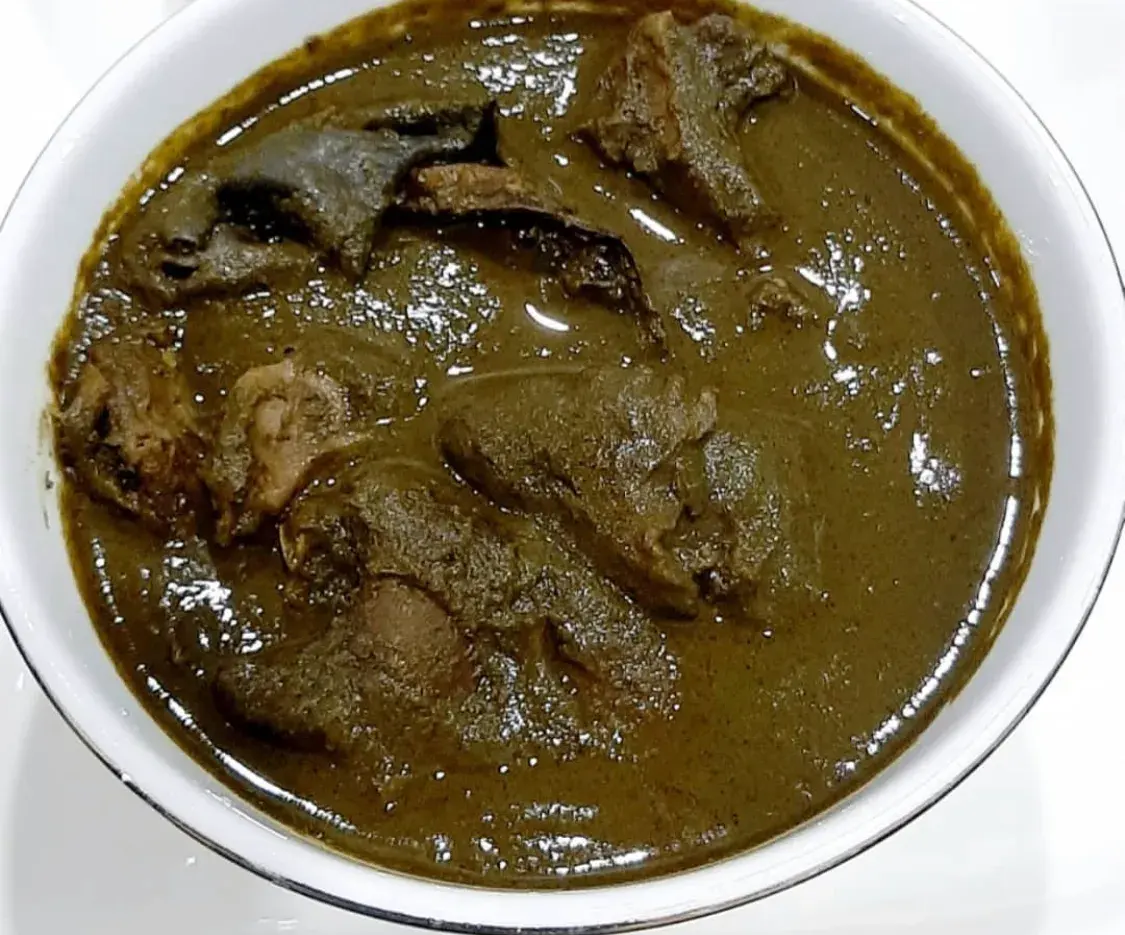
Edo Black Soup
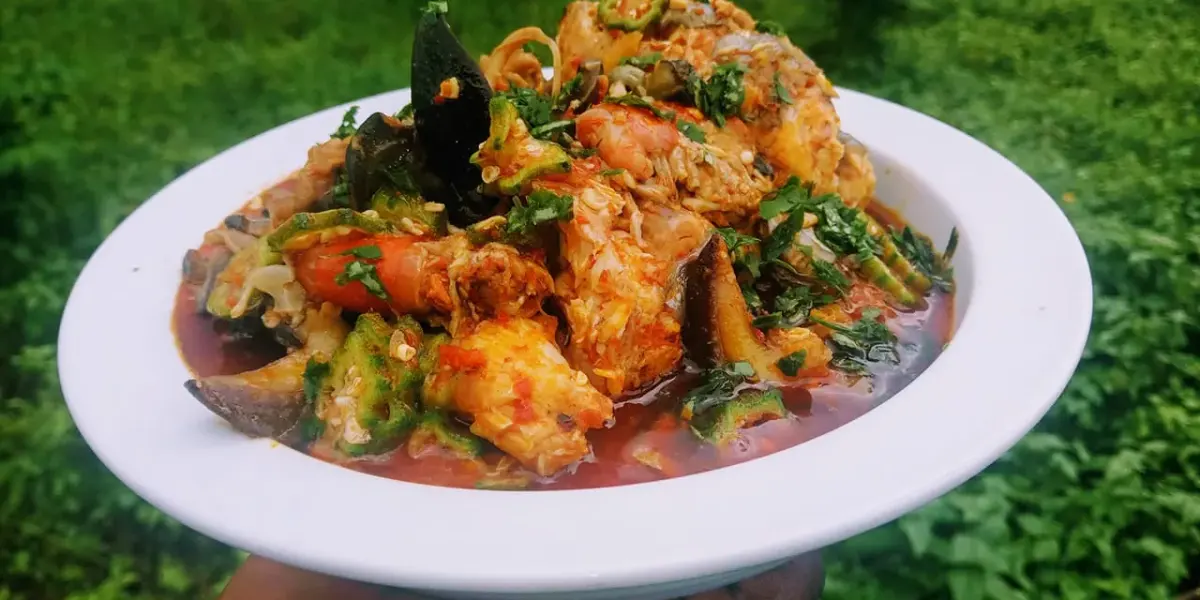
Nigerian Fisherman Soup
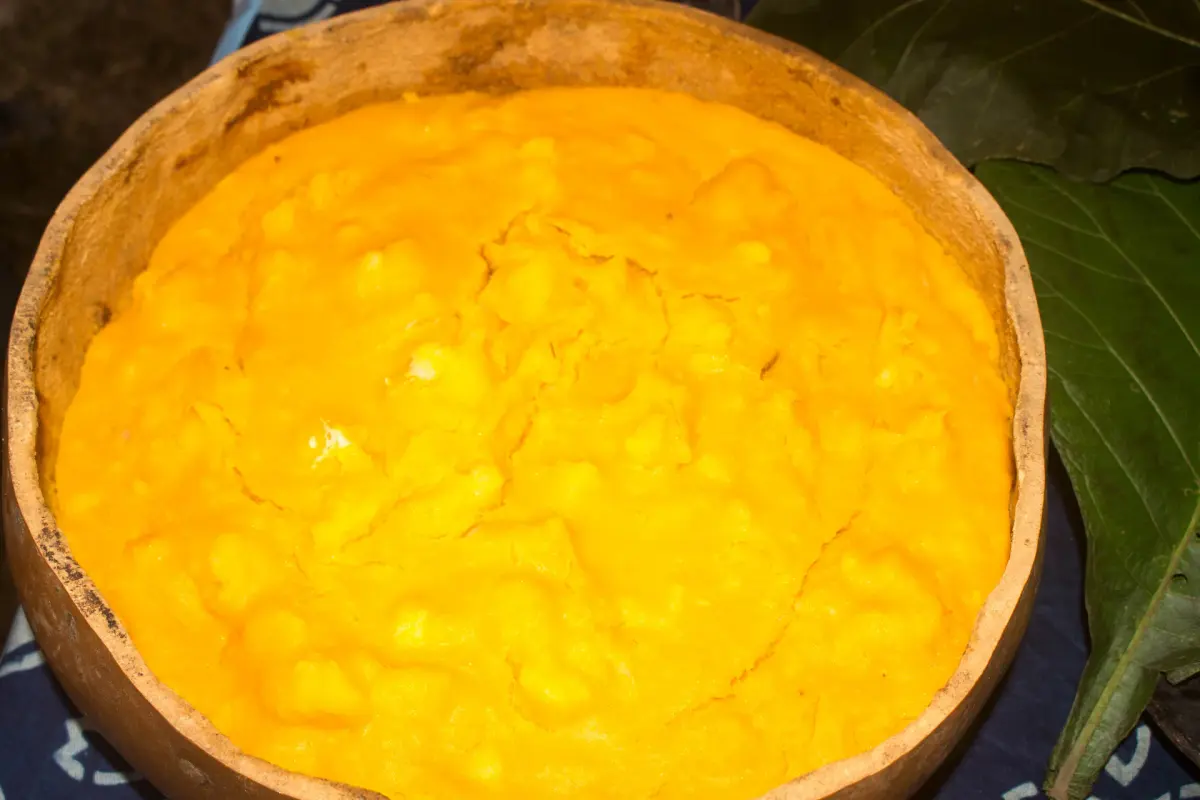
Igbo Yam Porridge
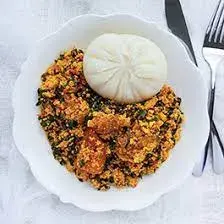
I could not find fresh ugwu anywhere in Silver Spring, so I used frozen spinach mixed with dried uziza from the market on Georgia Ave. Reminds me a bit of making pondu back home with the slippery texture. My husband ate it with cassava fufu and cleared his plate. The smoked mackerel and crayfish flavor is so rich.
frying the peppers in the palm oil first before adding water is a game changer, the aroma was everywhere. used beef and plenty panla. only thing is 6 scotch bonnets was a bit too fiery even for me in Jos, next time ill cut it to 4 sha. e sweet well well.
I managed to get ground wild mango seeds from the spice shop in Durban. Had to swap the Titus for local smoked mackerel, but man that uziza leaf smell at the end was lekker! Didn't expect it to draw so much, had to add extra warm water to loosen it up.