

Switching to a vegetarian diet might seem like a foolproof way to lose weight, but the reality is a bit more nuanced. While research does show that vegetarian diets are often associated with lower BMI and leaner body mass, simply cutting out meat isn’t a guarantee for weight loss.
The Basics of a Vegetarian Diet
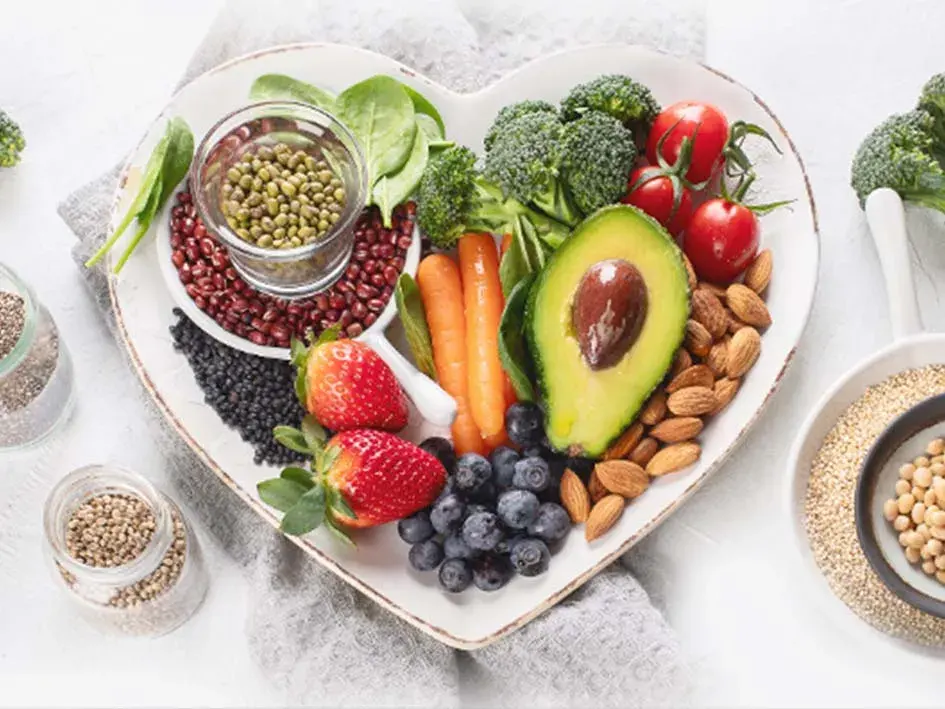
A vegetarian diet excludes meat, poultry, and fish but includes plant-based foods like vegetables, fruits, grains, legumes, nuts, and seeds. Sounds healthy, right? And it is, but like any diet, it’s all about how you balance your food choices.
Why a Vegetarian Diet Might Help with Weight Loss
Lower in Calories: Many plant-based foods are naturally lower in calories compared to animal products. For example, fruits and vegetables are packed with water and fiber, which can help you feel full without consuming a lot of calories.
Higher in Nutrients and Fiber: A well-planned vegetarian diet can be rich in essential nutrients and fiber, which aids digestion and can keep you feeling full longer. Fiber, in particular, is a key player in weight loss because it slows digestion and stabilizes blood sugar levels.
Lower in Saturated Fats: Plant-based diets tend to be lower in saturated fats, which are found in high amounts in meat and dairy products. Reducing saturated fat intake can contribute to better heart health and easier weight management.
Pitfalls to Avoid on a Vegetarian Diet
However, not all vegetarian diets are created equal. If you're not careful, you might find yourself consuming too many calories, leading to weight gain instead of loss. Here are some common pitfalls:
Overloading on Carbs: Filling your plate with bread, cereals, and grains without a balance of vegetables, fruits, or legumes can result in a diet that’s high in calories but low in nutrients. Whole grains are important but they should be part of a varied diet.
Eating Highly Processed Foods: Replacing meat with processed vegetarian foods like meat substitutes, refined carbohydrates, and junk foods can be counterproductive. These foods often contain added sugars, unhealthy fats, and extra calories.
Ignoring Portion Sizes: Even healthy foods can lead to weight gain if eaten in large quantities. Nuts, seeds, dried fruits, and oils are all high in calories, so it's important to pay attention to portion sizes.
Making a Vegetarian Diet Work for Weight Loss
Focus on Whole, Unprocessed Foods: Prioritize fruits, vegetables, whole grains, legumes, nuts, and seeds. These foods are nutrient-dense and can help you feel full on fewer calories.
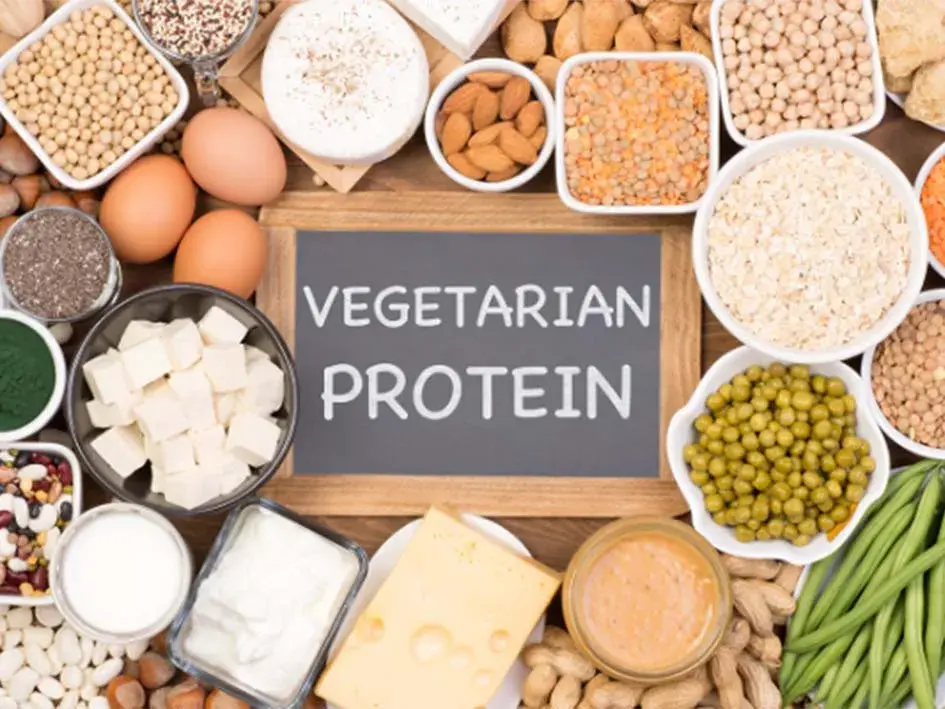
Get Enough Protein: Protein is essential for muscle maintenance and can help keep you feeling satisfied. Good vegetarian sources of protein include beans, lentils, tofu, tempeh, and Greek yogurt.
Watch Your Portion Sizes: Be mindful of how much you’re eating, even of healthy foods. For example, a small handful of nuts is a great snack, but eating several handfuls can add up quickly in calories.
Balance Your Meals: Aim for balanced meals that include protein, vegetables, whole grains, and healthy fats. This will help you stay full and satisfied, reducing the temptation to overeat.
Tips for a Balanced Vegetarian Diet
Plan Your Meals: Take some time each week to plan your meals and snacks. This can help you avoid reaching for convenient but unhealthy options when you’re hungry.
Stay Hydrated: Sometimes thirst is mistaken for hunger. Drink plenty of water throughout the day to stay hydrated and help control your appetite.
Listen to Your Body: Pay attention to your hunger and fullness cues. Eating slowly and mindfully can help you recognize when you’re satisfied, preventing overeating.
Stay Active: Combine your healthy eating habits with regular physical activity. Exercise not only burns calories but also boosts your mood and overall health.
Focus on Whole, Minimally Processed Foods: Stick to whole grains, fresh fruits, vegetables, legumes, nuts, and seeds. Avoid highly processed vegetarian foods, refined carbs, and sugary items.
Portion Control: Even healthy foods can lead to weight gain if eaten in large quantities. Pay attention to serving sizes, especially with calorie-dense foods like nuts and seeds.
Balance Your Plate: Aim for balanced meals that include a mix of protein, fiber, and healthy fats. This combination can help keep you full and satisfied, reducing the temptation to overeat.
Common Misconceptions
Vegetarian Means Unlimited Eating: Some people think that a plant-based diet allows unlimited eating. Remember, a calorie is still a calorie, whether it comes from plants or animals. Eating more calories than your body needs will lead to weight gain.
Vegetarian Diets Are Always Healthy: Just because something is labeled vegetarian doesn’t mean it’s healthy. It’s essential to make informed food choices and focus on nutrient-dense foods rather than processed options.
You’ll Automatically Lose Weight: Weight loss on a vegetarian diet isn’t automatic. It requires a balanced approach, portion control, and attention to overall calorie intake.
What Are the Best Vegetarian Foods to Eat for Weight Loss
Protein-Rich Foods
Protein is crucial for weight loss because it helps build muscle and keeps you feeling full longer. Here are some vegetarian protein powerhouses:
Beans and Lentils: Chickpeas, black beans, lentils, and other legumes are fantastic sources of protein. They’re also rich in fiber, which aids digestion and keeps you satisfied.
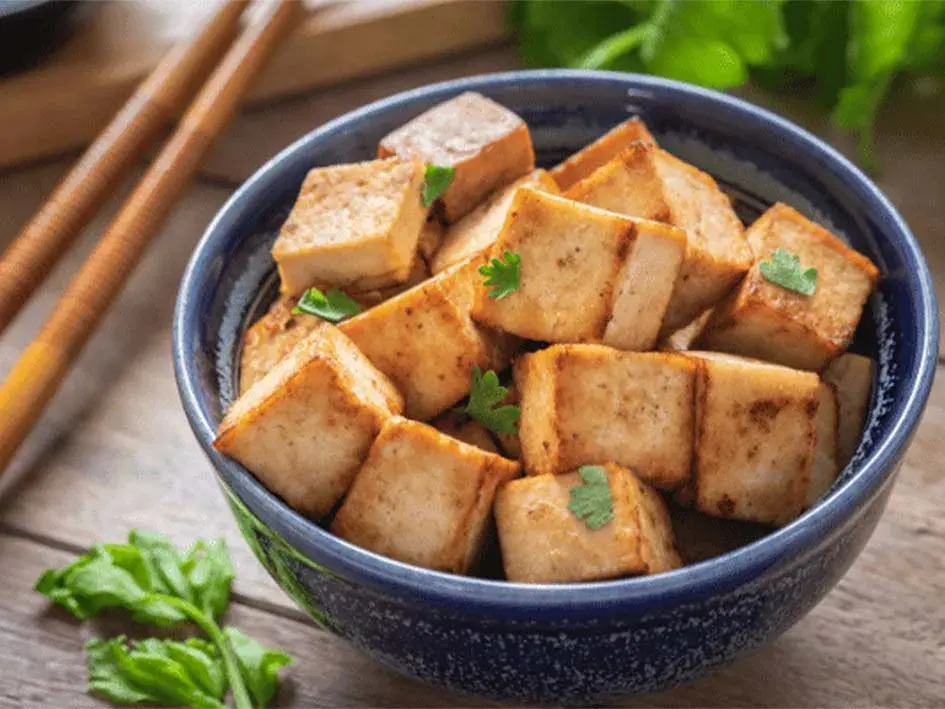
Tofu and Tempeh: These soy-based proteins are versatile and can be used in a variety of dishes. They’re low in calories but high in protein, making them great for weight loss.
Greek Yogurt: Opt for low-fat Greek yogurt, which has more protein and less sugar than regular yogurt. It’s perfect for breakfast or a snack and can be paired with fruits or nuts.
Nuts and Seeds: Almonds, walnuts, chia seeds, and flaxseeds are nutrient-dense and provide a good amount of protein and healthy fats. Just remember to eat them in moderation since they are calorie-dense.
High-Fiber Foods
Fiber is your friend when it comes to weight loss. It helps you feel full, regulates blood sugar levels, and supports healthy digestion. Here are some high-fiber options to include in your diet:
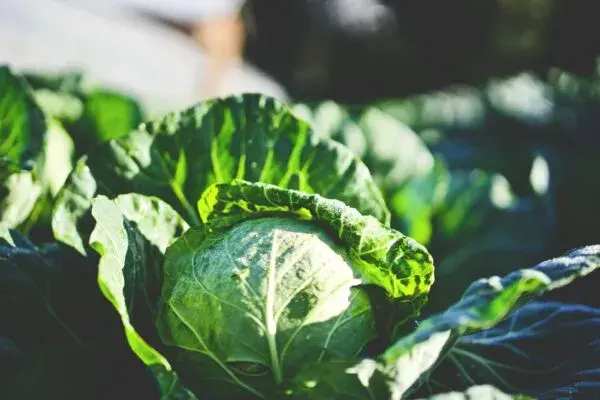
Non-Starchy Vegetables: Leafy greens like spinach and kale, cruciferous veggies like broccoli and cauliflower, and other options like mushrooms are low in calories but high in fiber and nutrients.
Whole Grains: Quinoa, brown rice, oats, and barley are great sources of fiber and can keep you full for longer periods. They’re also packed with vitamins and minerals.
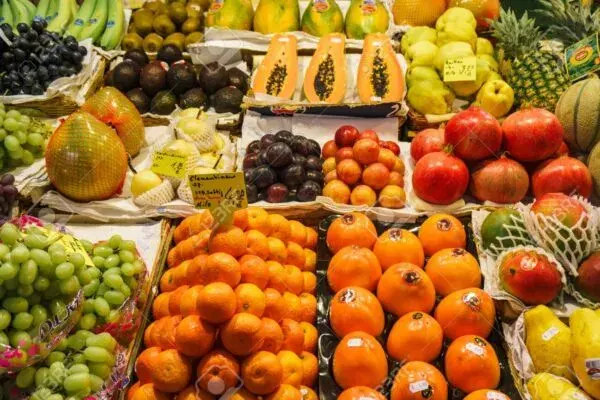
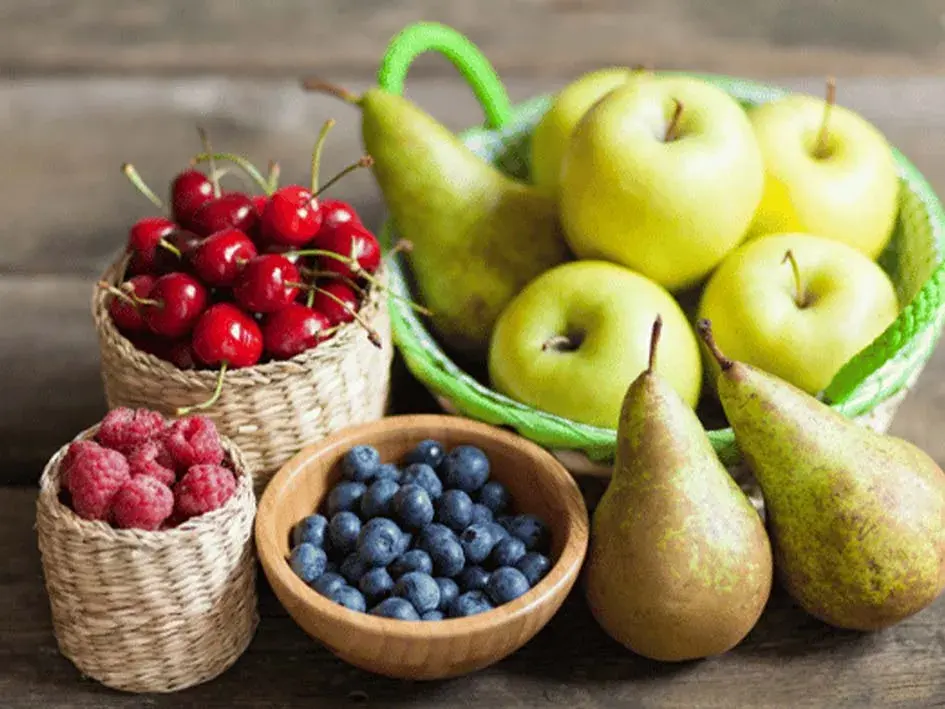
Fruits: Berries, citrus fruits, apples, and pears are excellent choices. They’re sweet, satisfying, and high in fiber while being relatively low in calories.
Healthy Fats
Healthy fats are essential for overall health and can help you feel full and satisfied, preventing overeating. Here are some top picks:
Avocado: Packed with monounsaturated fats, fiber, and various nutrients, avocados are a great addition to salads, smoothies, or on toast.
Olive Oil: A staple in many healthy diets, olive oil is great for cooking or as a dressing for salads. It’s rich in monounsaturated fats and antioxidants.
Nuts and Seeds: As mentioned earlier, nuts and seeds are not only good sources of protein but also healthy fats. Use them to add a crunch to your dishes or as a quick snack.
Key Takeaway
A vegetarian diet can be an effective way to lose weight, but it’s not a magic bullet. The key is to focus on whole, minimally processed foods, watch your portion sizes, and make sure you’re getting enough protein and other essential nutrients. By making mindful food choices and staying active, you can achieve your weight loss goals while enjoying the benefits of a vegetarian lifestyle.
Remember, everyone’s body is different, and what works for one person may not work for another.