

Miyan Kuka (Baobab Leaves Soup)
Overview
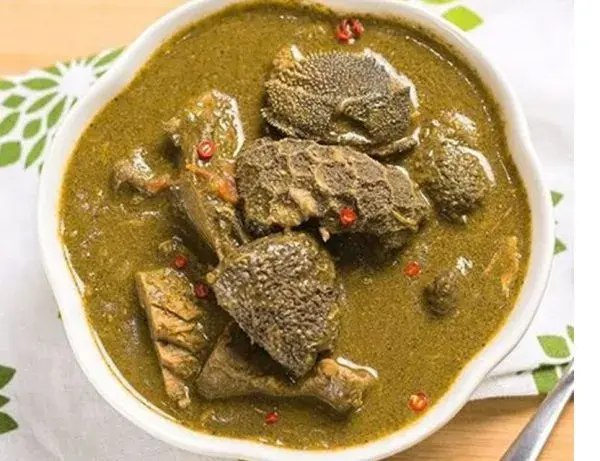
Miyan kuka is Hausa soup made from powdered baobab leaves, and it is the one Northern Nigerian dish that people warn you about before they serve it. It is dark green, mucilaginous and thick, and it does not look like anything anyone finds appetising on first sight. Northerners are entirely aware of this and serve it anyway, because the taste is not in dispute even where the appearance is. Kuka is the dried and ground leaf of the baobab, sold as a dark green powder in markets across the north and instantly recognisable to anyone who has shopped there. The powder is whisked into a seasoned stock at the very end of cooking, which is where the soup gets both its body and its drawing texture. It is also called luru. Nigeria's soups map closely onto its peoples, and miyan kuka is the north's entry in that map: Yoruba households have ewedu, Igbo have ofe ugba, Edo have bitter leaf soup, the riverine south has fisherman soup. Miyan kuka is eaten with tuwon shinkafa, tuwon dawa or any swallow, and it is one of the dishes that is genuinely better on the second day, which is a claim its cooks make readily and which holds up.
AFN Heritage Note
Miyan kuka is made from the dried and ground leaf of the baobab, Adansonia digitata, a tree native to the African savannah and long used across the Sahel for its leaves, fruit and bark. The soup is documented as a Hausa preparation of Northern Nigeria, where it is also known as luru.
Ingredients
Dietary tags are provided by contributors as a guide, not verified by AFN, and they depend on the products you buy. If you have a serious allergy, check every ingredient yourself. Cooking, allergies and your own judgement
Directions
- 1
Heat the oil and fry the onion and garlic until golden brown.
- 2
Wash and cook the assorted meat thoroughly until done.
- 3
Add water to the oil along with the ginger, pepper, seasoning and salt to taste.
- 4
Add the washed fish and cook for 5 minutes so the seasoning gets into it.
- 5
Lift the fish out and set it aside so it does not break up.
- 6
Take the pot off the heat and whisk in the kuka powder until it blends smoothly.
- 7
Return the pot to the heat and cook for about 2 minutes.
- 8
Serve with tuwon shinkafa or any swallow.
Africook’s Notes
 Personal notes from Beatrice Ige
- Take the pot off the heat before the kuka goes in, and whisk rather than stir. This is the single step that decides whether the soup is smooth or lumpy.
- Lift out the meat and fish before adding the powder if this is your first attempt. Solids in the pot make it much harder to whisk the kuka in evenly.
- Sieve the kuka powder first. It commonly contains small pieces of stalk and leaf that will not break down.
- Go carefully with the salt. Kuka soup is unusually salt sensitive and a small amount is all it takes to overshoot.
- Too much kuka turns the soup bitter as well as thick. The quantity controls the consistency, so add it gradually and stop at the thickness you want.
Reviews
4 reviews
You Might Also Like
Browse all Nigerian recipes →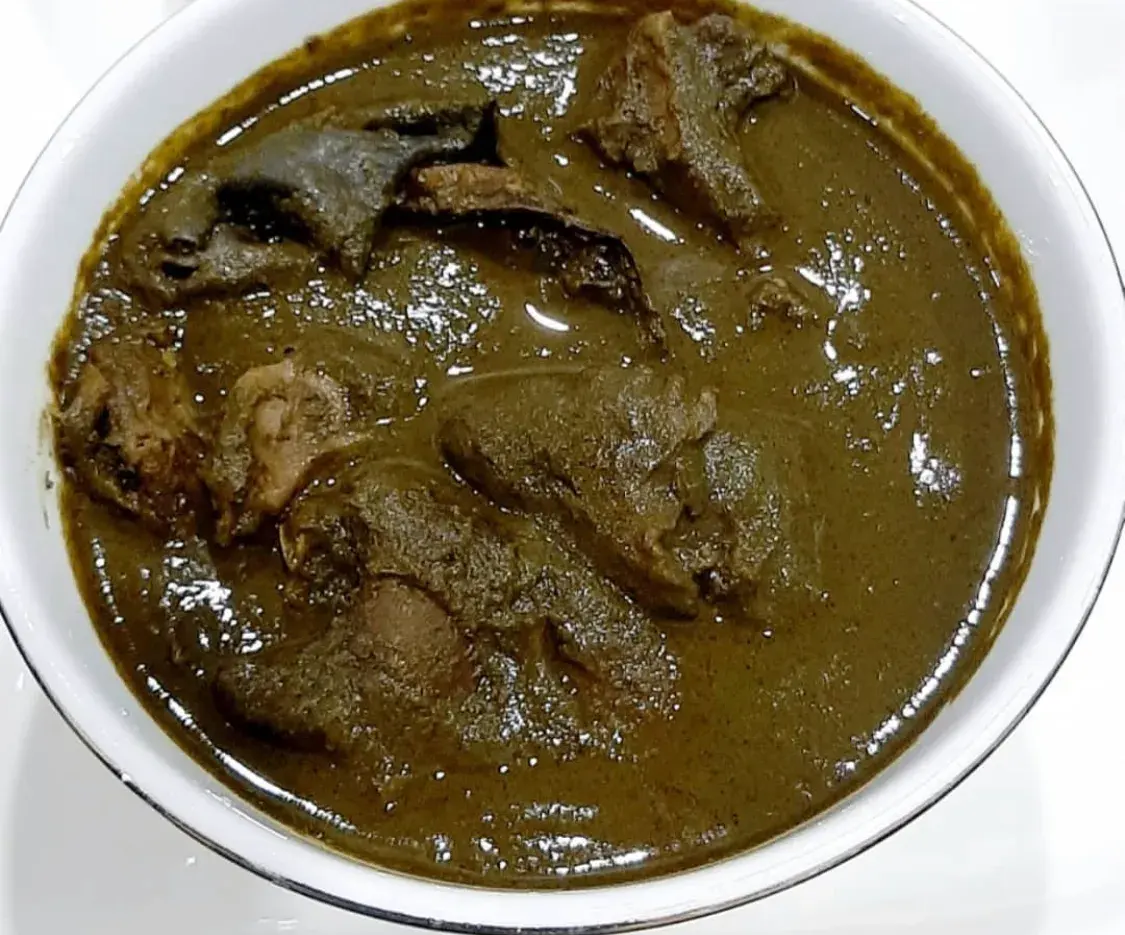
Edo Black Soup
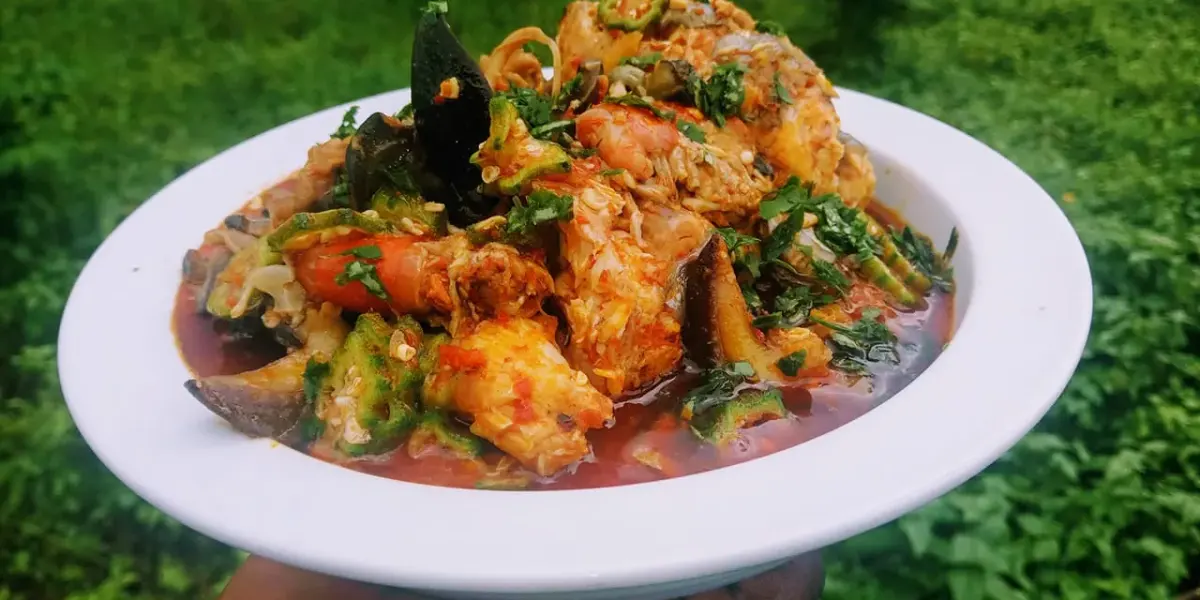
Nigerian Fisherman Soup
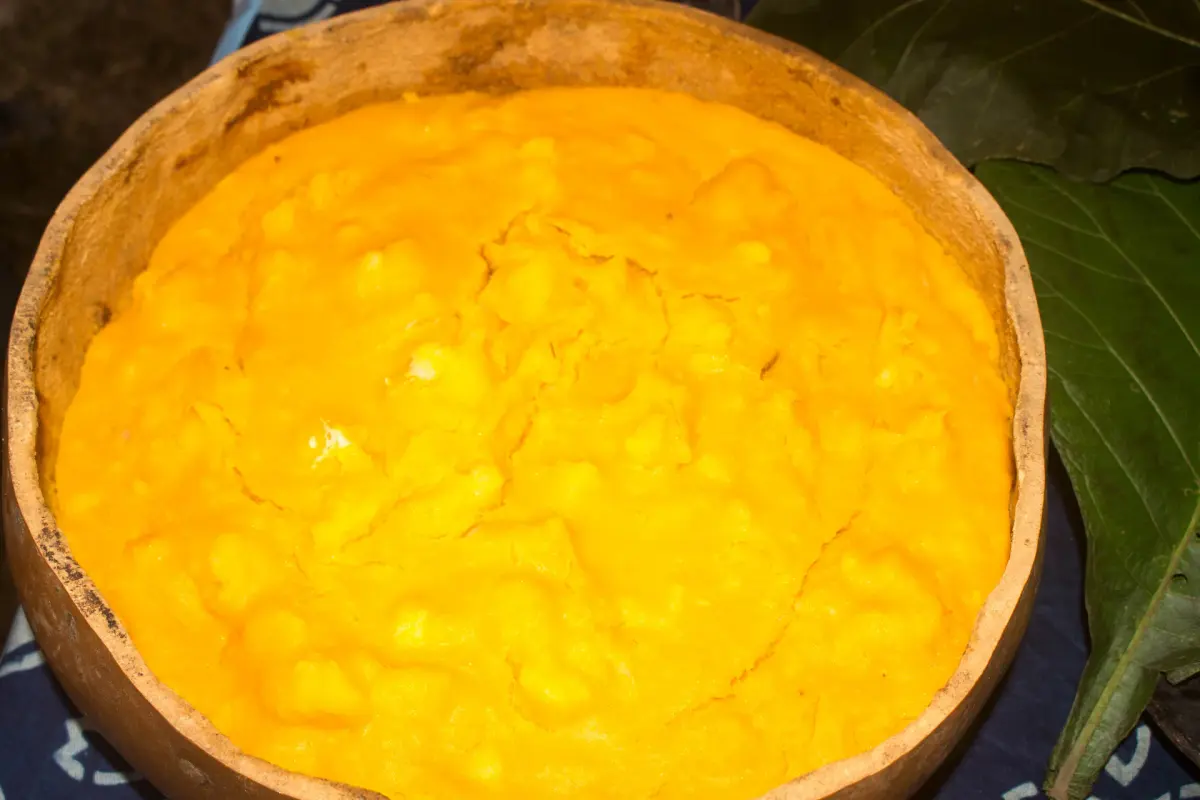
Igbo Yam Porridge
Took me way longer than the 10 mins cook time because getting the assorted meat tender took nearly an hour on my stove. Also used about 30g of the baobab powder from our local African market and the soup turned out far too thick, had to add extra water to loosen it up. Lekker flavour in the end though.
taking out the smoked catfish after 5 minutes is such a good tip oo, usually mine just disintegrates into the soup completely. I used groundnut oil instead of palm oil like my northern friend suggested. tastes very good paa, but dawadawa smell was a bit strong for my husband!
My mother always insisted on plain meat stock before adding ginger and dried pepper, so frying the onions and garlic first was new for me. E sweet sha! The dawadawa gave it that authentic deep flavor. Will cook it like this again o.
abeg lifting the catfish out before finishing the soup saved my fish today! usually it just breaks into tiny pieces inside the kuka. cooked this for dinner with tuwo shinkafa, no be small thing.