

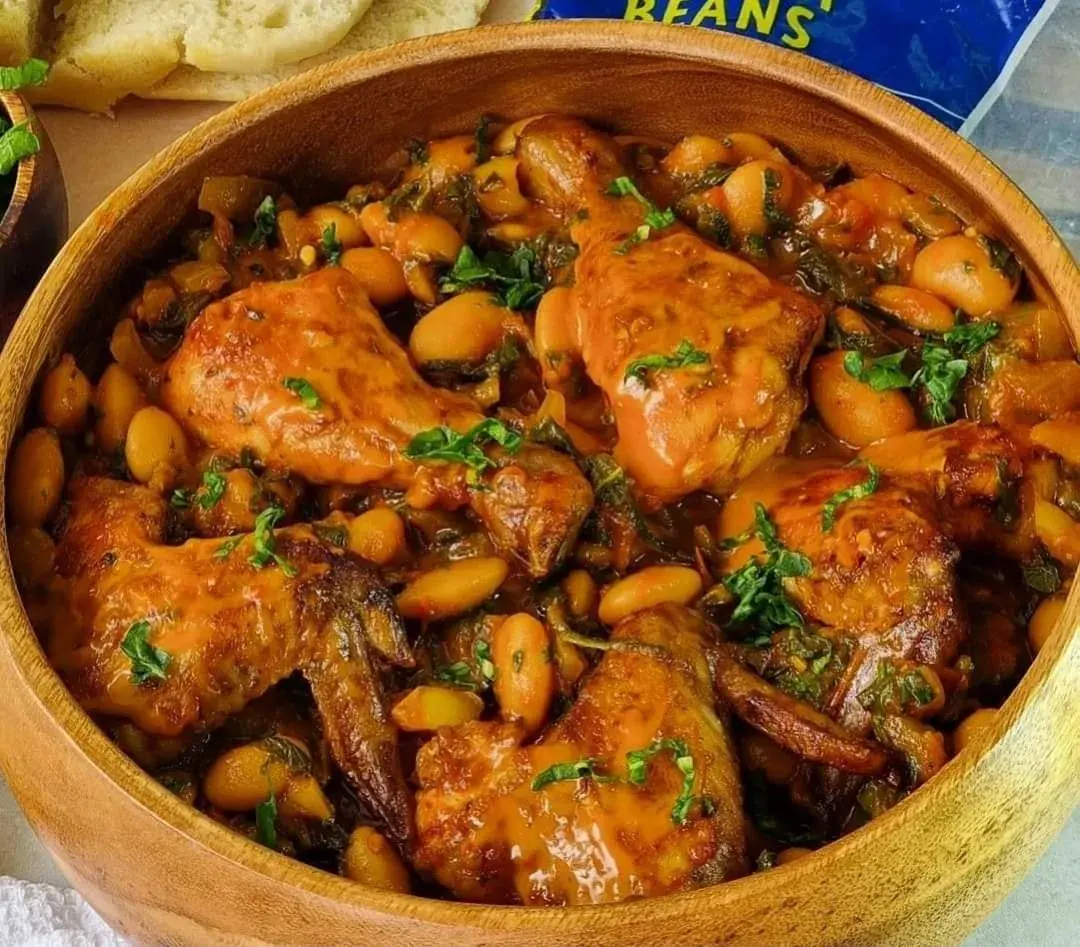
Cape Malay Chicken Curry
Overview
Cape Malay cooking is the food of a community formed by force. From the 17th century the Dutch East India Company brought enslaved people and political exiles to the Cape from Indonesia, Malaysia, Bengal, India and Madagascar, and what they built at the southern tip of Africa, working with local ingredients and their own inherited techniques, became one of South Africa's defining cuisines. The chicken curry shows the method clearly. Cape Malay curries use whole spices dropped into the pot rather than the ground masalas of most Indian cooking, and those spices, cinnamon stick, cardamom, fennel and cumin seed, are often lifted out before serving. That produces a curry that is aromatic rather than thick and heavy, and it is one of the clearest technical differences between the two traditions. Sweetness is the other Cape Malay signature. Mango chutney and a little sugar go in near the end, and that sweet note against the chilli and the spice is what people recognise. It is served with Cape Malay yellow rice, coloured with turmeric and studded with raisins, along with roti and a fresh sambal of tomato, onion and cucumber. The community's food is now eaten across every South African community, which is a legacy no one who was brought to the Cape in chains could have chosen or predicted.
AFN Heritage Note
Cape Malay cuisine developed among the enslaved people and political exiles brought to the Cape of Good Hope by the Dutch East India Company from Indonesia, Malaysia, Bengal, India and Madagascar from the 17th century onwards. Its use of whole rather than ground spices, and its characteristic sweet and savoury balance, distinguish it from the South Asian cooking from which it partly derives.
Ingredients
Dietary tags are provided by contributors as a guide, not verified by AFN, and they depend on the products you buy. If you have a serious allergy, check every ingredient yourself. Cooking, allergies and your own judgement
Directions
- 1
Cut the chicken into smaller pieces and place in a bowl to marinate.
- 2
Add the black pepper, fennel seeds and cumin seeds to the chicken.
- 3
Add the fresh lemon juice and olive oil.
- 4
Mix well and leave to marinate for at least 30 minutes.
- 5
Peel and slice the potatoes into bite sized pieces.
- 6
Mince the garlic and ginger finely.
- 7
Slice the green chillies and dice the onion.
- 8
Heat 2 tablespoons of olive oil over medium heat and fry the diced onion until translucent.
- 9
Add the minced garlic and ginger, the sliced green chillies and the paprika. Stir and cook for a minute until the raw smell disappears.
- 10
Add the marinated chicken with all its spices and cook over medium heat until it browns slightly on all sides.
- 11
Add the chopped potatoes and stir everything together.
- 12
Add enough water to cover the chicken and potatoes, about 1 to 1.5 cups depending on the consistency you want.
- 13
Add the cinnamon stick.
- 14
Bring to a boil, then reduce the heat to low and simmer for 20 to 25 minutes until the chicken is cooked through and the potatoes are tender.
- 15
Add the sugar, mango chutney and salt, and stir through.
- 16
Garnish with fresh coriander or parsley and serve with yellow rice or roti.
Africook’s Notes
 Personal notes from Deborah Olayiwola
- Use whole spices rather than ground where the recipe calls for them. Whole fennel, cumin and cinnamon dropped into the pot is the Cape Malay method and it produces an aromatic curry rather than a thick one.
- Lift the cinnamon stick out before serving. Cape Malay cooks commonly remove whole spices at the end, which is part of the technique rather than a nicety.
- The mango chutney and sugar are not optional flourishes. That sweet note against the chilli is the signature of the style, and a Cape Malay curry without it reads as an ordinary curry.
- Add the water gradually to the consistency you want. Around a cup to a cup and a half gives a sauce that coats rather than a soup.
- Cape Malay yellow rice, coloured with turmeric and studded with raisins, is the standard accompaniment, with roti and a tomato, onion and cucumber sambal alongside.
Reviews
3 reviews
You Might Also Like
Browse all South African recipes →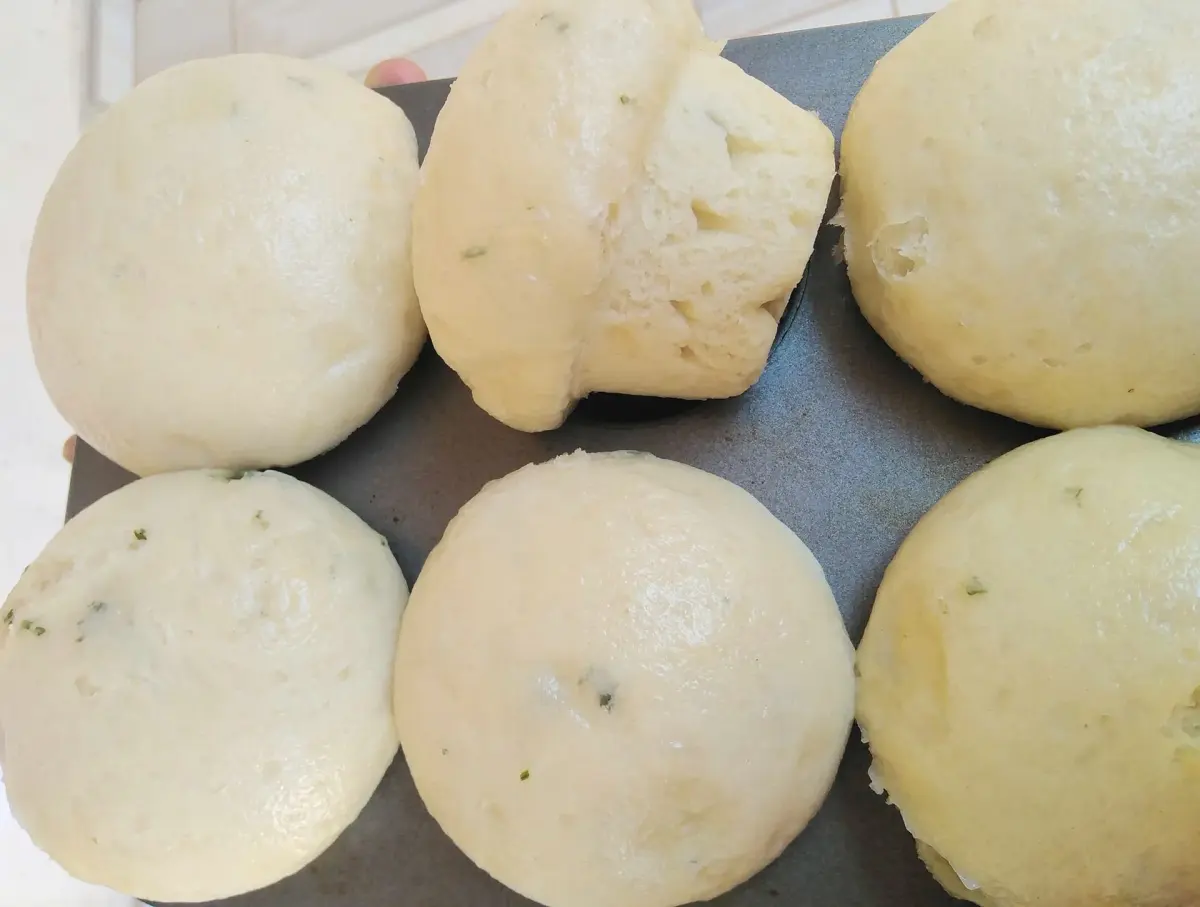
Dombolo (Dumplings or Steamed Bread)
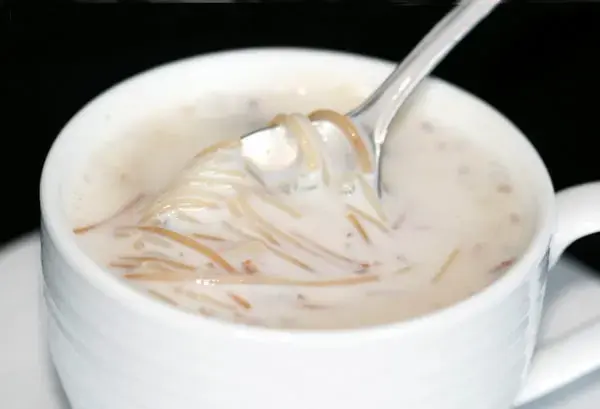
Boeber (Cape Malay Sweet Milk Drink)
Marinating the boneless thighs with lemon juice, fennel and cumin seeds first made the chicken so tender. couldn't get those exact green chillies at my store in baltimore so i used jalapenos instead, e sweet sha! served it with rice and it was finished same night.
my bite sized potatoes melted completely before the 80 min cook time was even up. nice yellow colour from the turmeric and good flavor from the ginger and garlic, but 80 minutes is way too long to leave potatoes in the pot unless you cut them massive.
abeg can I use regular chili powder instead of un-smoked paprika? also wanting to know if 2 small green chillies gives enough heat because we like pepper here o