United by Food: We Have Been Eating the Same Food Under Different Names
Our first documentary is out, free to watch, and nine minutes long. The people in it make the argument better than any of our press material has.
Read Article7 min read


Cookies on African Food Network
We use essential cookies to make the site work. We would also like to set analytics cookies and advertising cookies, but only if you agree. You can choose each one separately. Read our cookie policy
Our first documentary is out, free to watch, and nine minutes long. The people in it make the argument better than any of our press material has.




Dietary tags come from contributors and AFN does not verify them. They also depend on the products you buy. Recipes here are published for learning, not as medical or dietary advice. If you have an allergy or a medical condition, check every ingredient yourself and talk to a doctor or dietitian. Cooking, allergies and your own judgement
Dietary tags come from contributors and AFN does not verify them. They also depend on the products you buy. Recipes here are published for learning, not as medical or dietary advice. If you have an allergy or a medical condition, check every ingredient yourself and talk to a doctor or dietitian. Cooking, allergies and your own judgement
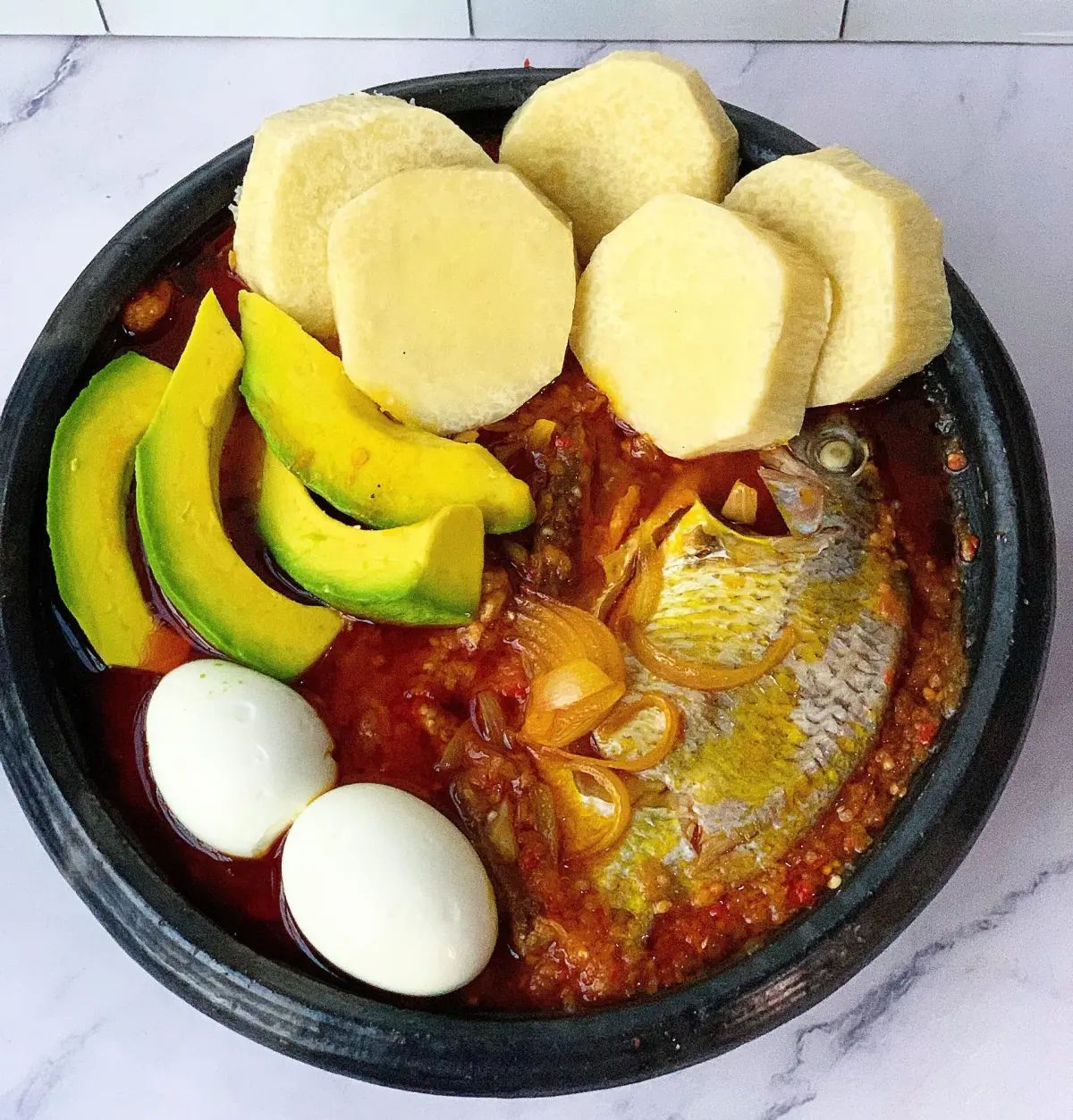
Dietary tags come from contributors and AFN does not verify them. They also depend on the products you buy. Recipes here are published for learning, not as medical or dietary advice. If you have an allergy or a medical condition, check every ingredient yourself and talk to a doctor or dietitian. Cooking, allergies and your own judgement
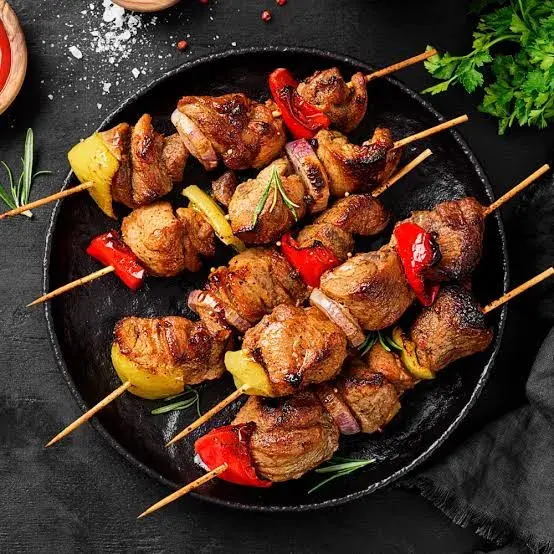
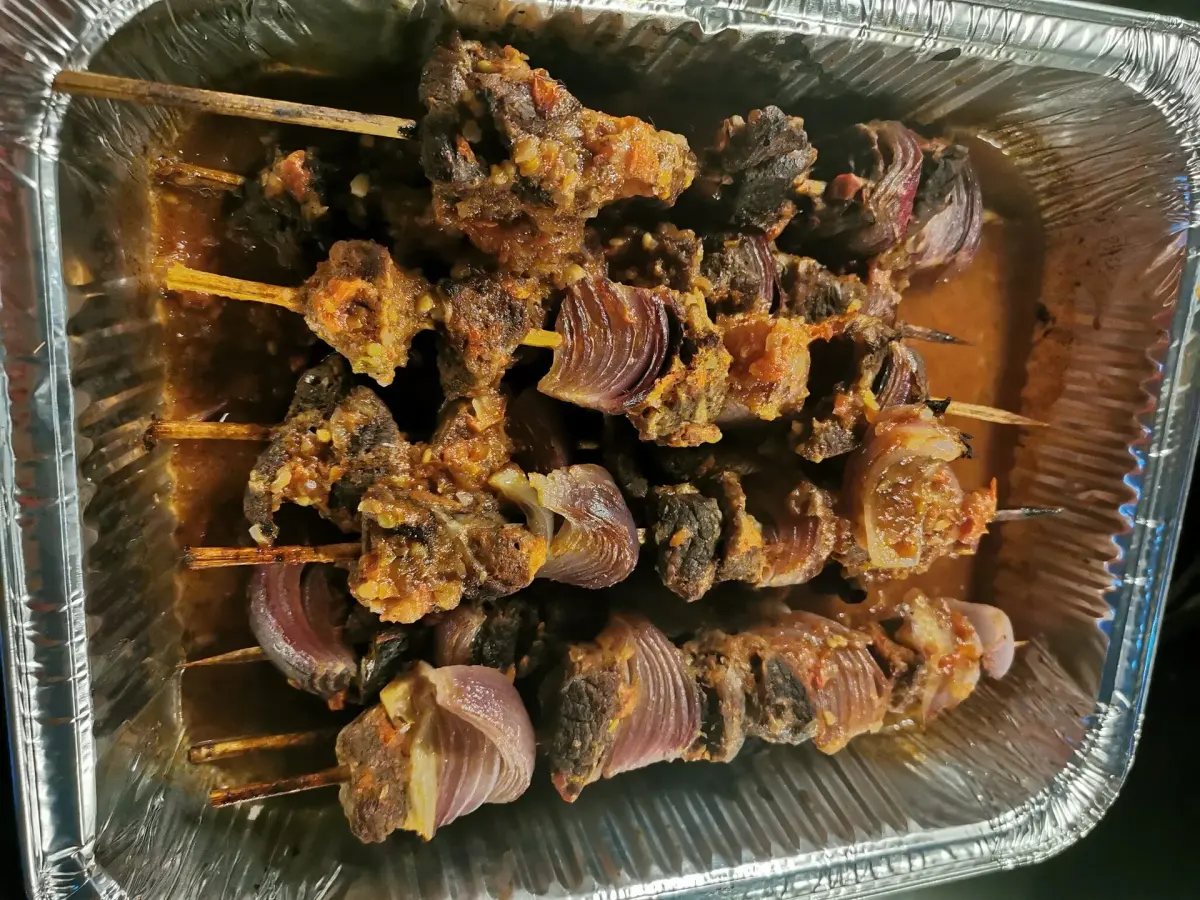
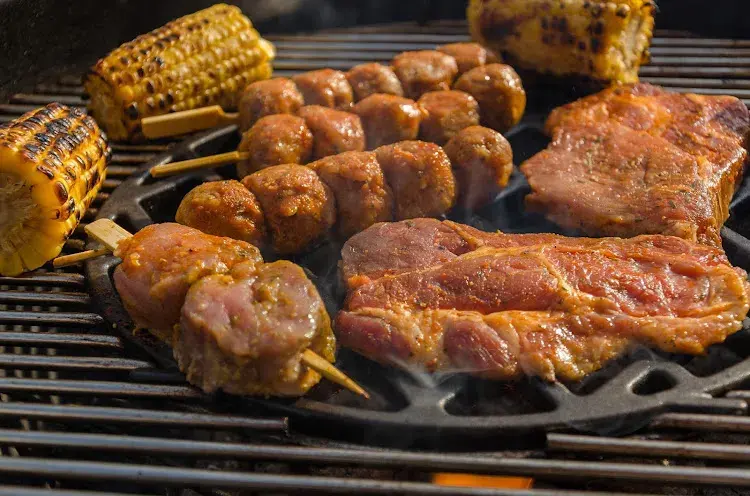
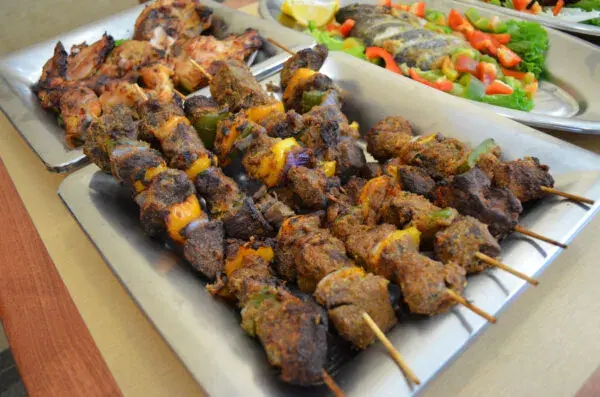
Kebab is a Middle Eastern preparation, and the source says so directly. Cut or ground meat cooked on a skewer over open flame is one of the oldest cooking methods there is, and the word and the technique both come from that region before spreading almost everywhere. Mutton and lamb are the traditional meats. Regional versions use beef, goat, chicken or fish, and pork rarely, given religious constraints across much of the region where kebab originates. Not every kebab involves a skewer either: tas kebab is baked in a skillet or served as a stew, which shows how loosely the word travels. Africa has a great deal of skewered grilled meat of its own, and this recipe is not it. Nigerian suya is coated in yaji, a peanut based spice blend. Sudanese agashe works the same way. Moroccan brochettes are marinated in cumin and paprika. Egyptian kofta is ground and shaped rather than cubed. This version is marinated in soy sauce, olive oil, oregano, garlic and lemon, which is a Mediterranean and Levantine profile, so it sits in the Worldwide Recipes collection rather than being presented as African.
Popular Searches
Keep every recipe you love in one place, and pick up where you left off on any device.
Rwandan Brochettes (Grilled Meat Skewers)
5 out of 55.0picked up some fresh goat shoulder from my local butcher in Croydon for this. back home in Ghana we do suya/chichinga mostly but this Rwandan style with tomato paste in the marinade and the garlic chilli basting oil is so good chale. tender meat and the charred onions hit different.
Reviewed by Kojo Mensah · Croydon, London, UK
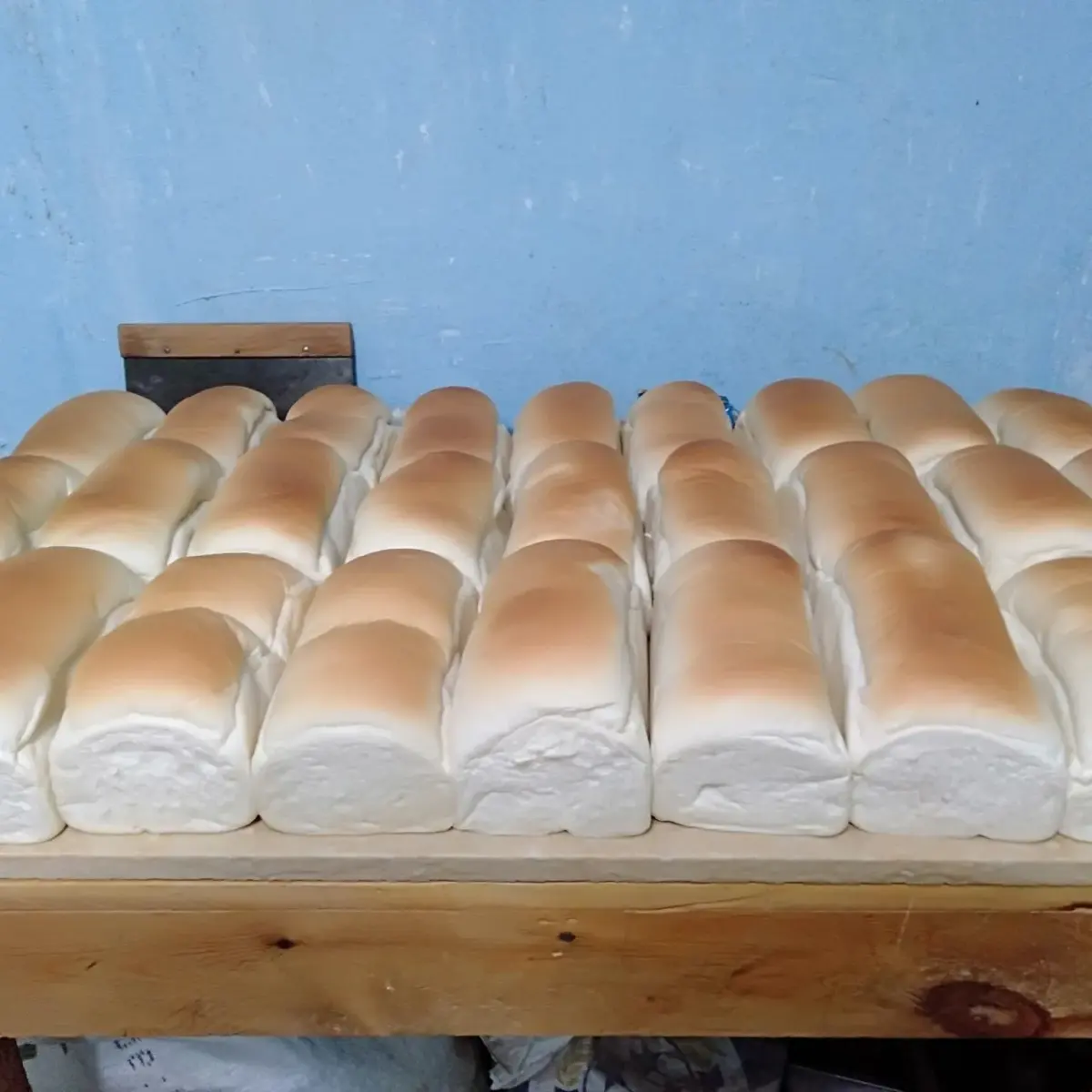
Agege Bread
5 out of 55.0Finding proper agege bread in Atlanta is nearly impossible unless you drive all the way to Duluth, so I gave this recipe a go. That 1/4 cup of whole milk combined with the butter gave it that dense, stretchy crumb we know back home. Ate half the loaf hot with fried eggs, e sweet no be small thing o. My oven needed 24 mins to brown properly though.
Reviewed by Emeka Nwosu · Atlanta, GA, USA
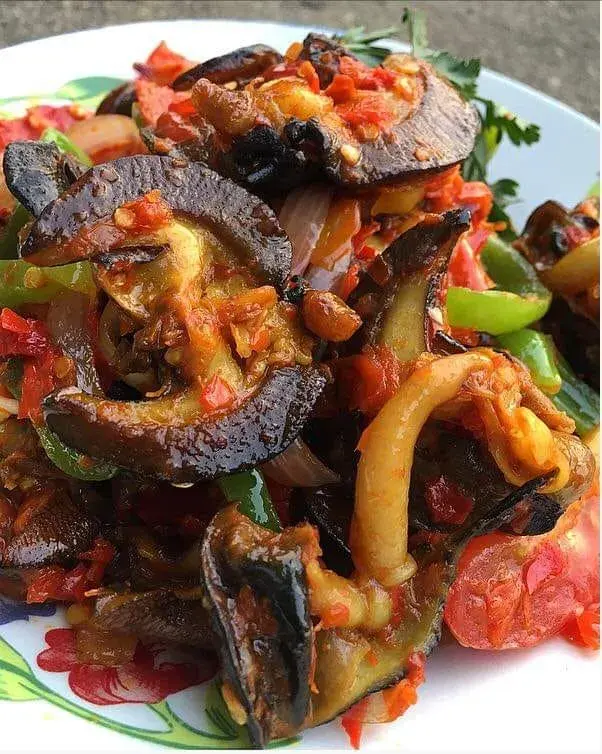
Peppered Snail: Spicy Nigerian Finger Food
5 out of 55.0Getting live giant land snails here in the UK is almost impossible so I had to use the frozen ones from the Afro-Caribbean shop. Was worried they would still be slimy but rubbing them thoroughly with the lemon juice cleared all the slime before boiling. The three scotch bonnets gave it that proper Lagos heat, e sweet die sha!
Reviewed by Chidera Eze · UK
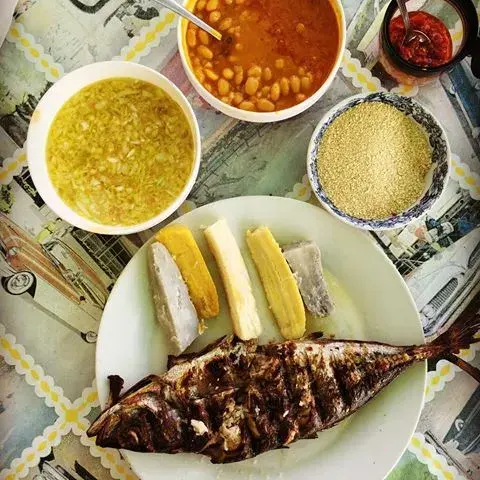
Mufete
5 out of 55.0Cooked the tilapia over hot coals on the braai for about 4 minutes each side. That raw onion and parsley salsa cuts right through the richness of the 50ml palm oil in the beans, absolutely lekker. Just a heads up, 180g of butter beans is barely enough for three people if you have big eaters at home, I had to double it.
Reviewed by Palesa Sithole · Bloemfontein, South Africa
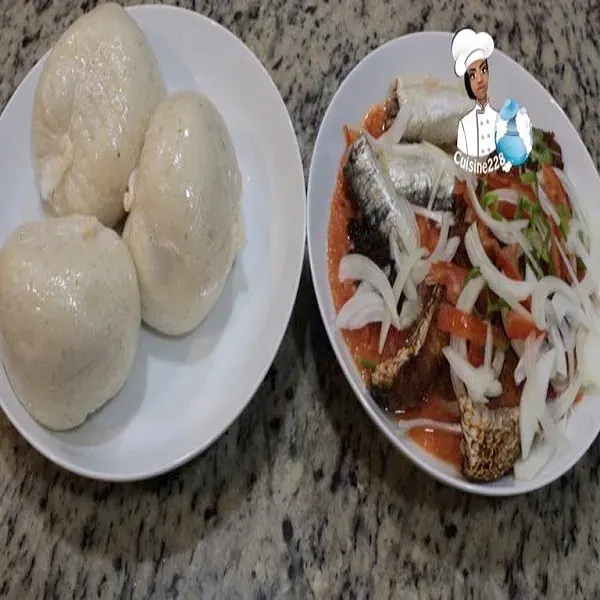
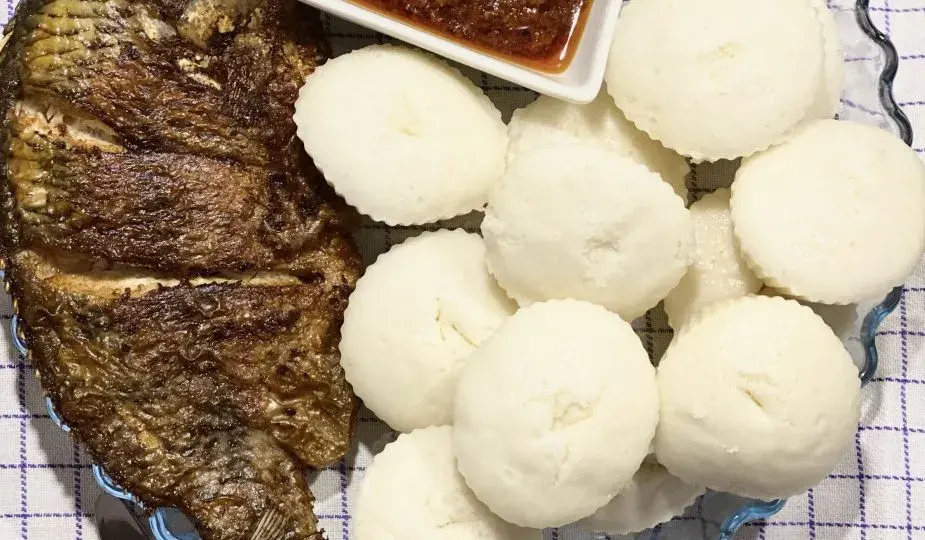
Kenkey With Sauce and Fried Fish
5 out of 55.0Herh, stirring the aflata requires proper energy oo! If you don't stir vigorously it will form hard lumps and ruin the smooth texture. My big sister in Tema always insists you must add the agbelima if you want that authentic stretch, corn alone makes it too dense paa. Made this today with fried red fish and fresh chopped onions with green pepper. Chale, the taste took me straight back home.
Reviewed by Adwoa Nyarko · Tema, Ghana
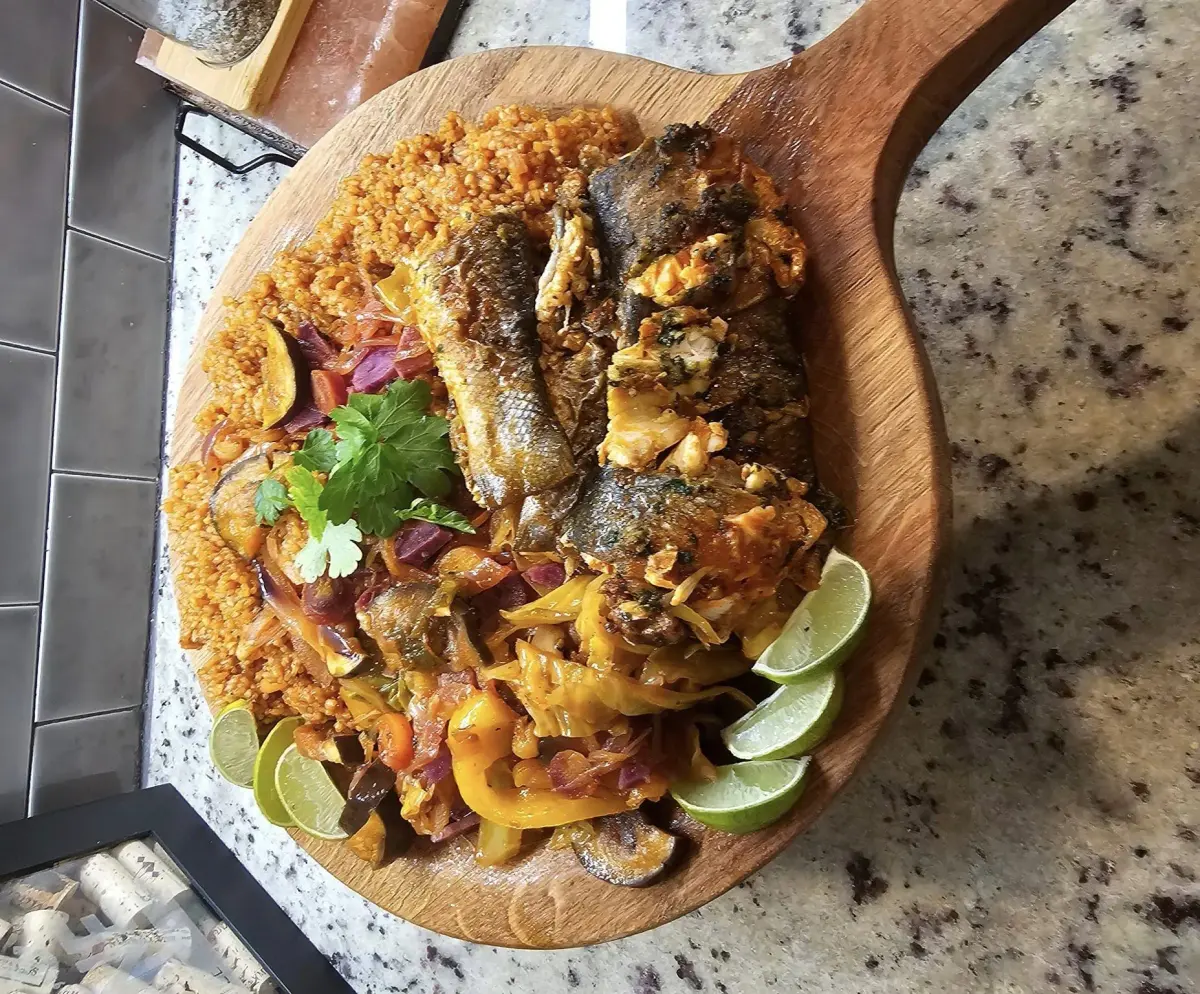
Thieboudienne
5 out of 55.0Pounding the parsley and garlic in the mortar felt so much like making a green masala paste for Gujarati stuffed fish. The way the chopped onions and tomato paste build up that rich base in the peanut oil is basically making a bhuna base. Took a bit longer than 15 mins to get the tomatoes fried down properly, but the flavour inside the grouper was wonderful.
Reviewed by Priya Raman · Leicester, UK
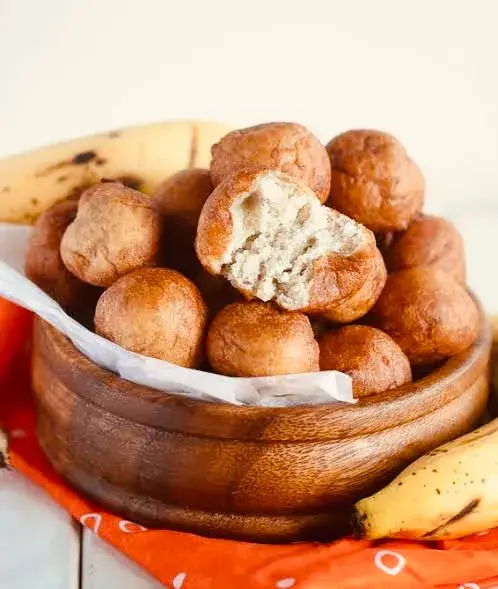
Rwandan Banana Beignets
5 out of 55.0my bananas were almost black on the counter so i mashed them into this batter instead of throwing them away. taste sweet die! only thing is i didnt have regular milk so i used evaporated milk i bought from the international shop and added a drop extra vanilla. soft inside, e sweet o
Reviewed by Uche Anyanwu · USA
Potjiekos (Afrikaans Stew on the Fire)
5 out of 55.0Made this on my coal stove outdoor yesterday evening. The mixture of sweetcorn and fresh chilli gives the beef gravy a very nice sweet and spicy balance abeg. My children finished all the baby potatoes and beans before I could even take second serving o.
Reviewed by Segun Ariyo · Abeokuta, Nigeria
Mozambique Matapa Recipe1 hrMediumMozambique4Up 4 placesEasy and Simple Way to Make Banku2 daysMediumGhanaNew entry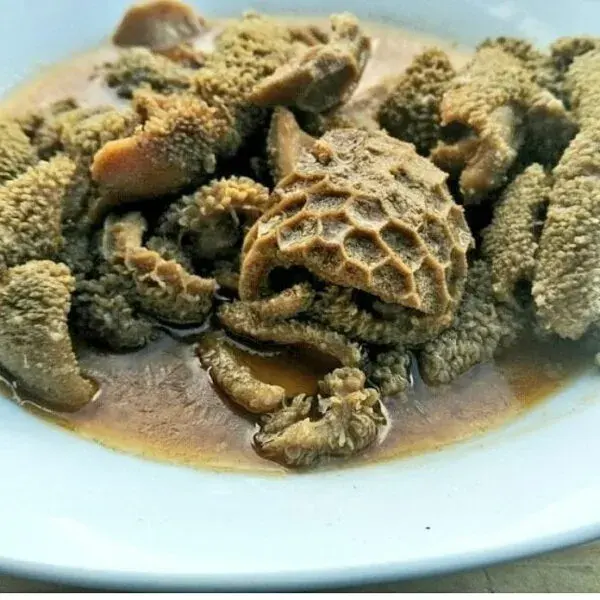 Tripe (Mogodu)3 hr 15 minMediumSouth AfricaNew entryFunge25 minMediumAngolaNew entryBoeber (Cape Malay Sweet Milk Drink)55 minEasySouth Africa4Down 4 places
 Culture & LifestyleTop 7 Ghanaian Party Dishes That Would Fully Satisfy Your Guests
Ghanaian party dishes to serve your guests: Ghana style jollof, fufu and goat light soup, banku, yam balls and yam canapes, plus pito and akpeteshie.
 Weeknight DinnersOn the table in about an hourExplore
 Celebrations & FeastsFor cooking with a crowd in mindExplore
 Under 30 MinutesStart to finish, half an hourExplore
 Braai SeasonCooked over fire, across the continentExplore
 Meat-Free MainsFull plates without the meatExplore
 Soups & StewsThe pot at the centre of the tableExplore
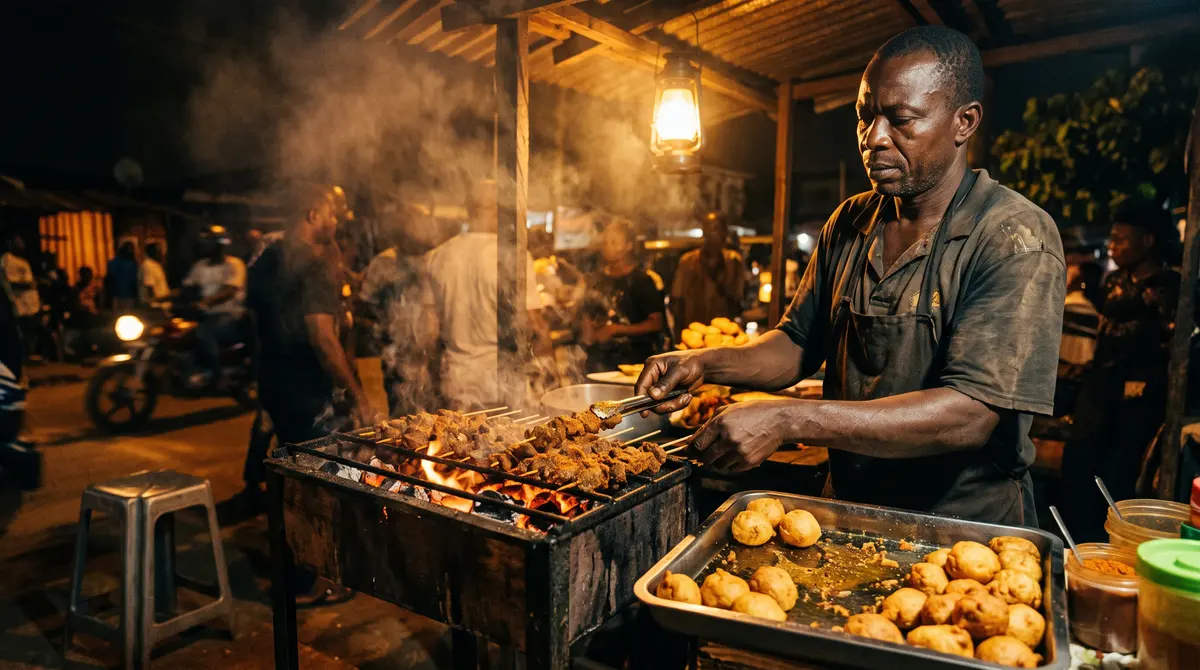 Street FoodEaten standing up, and worth itExplore
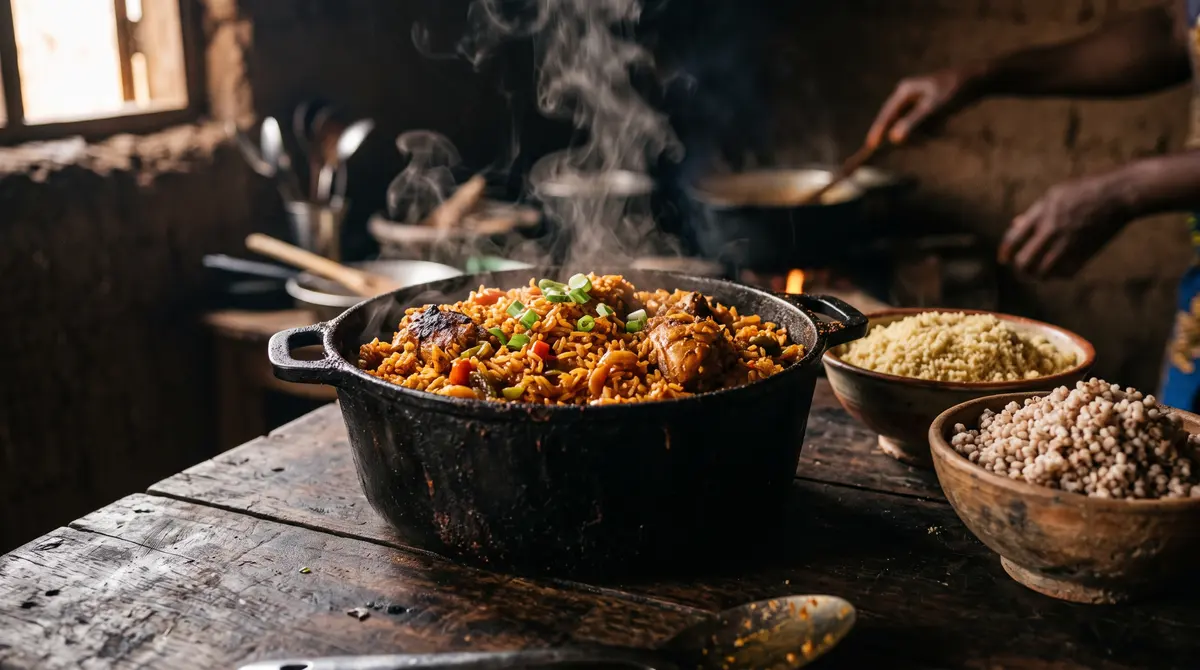 Rice & GrainsThe staples everything is built onExplore
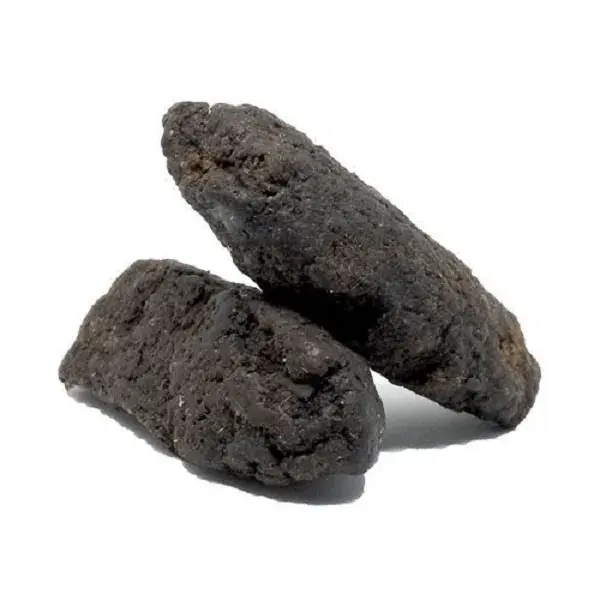 Ingredients & ProduceOgiri in English: What It Is, How It's Made and Used
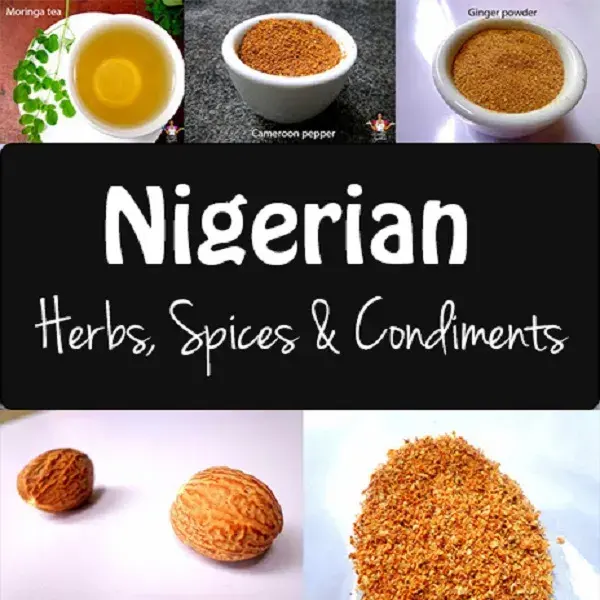 Ingredients & Produce20 Nigerian Spices I Always Have in My Kitchen
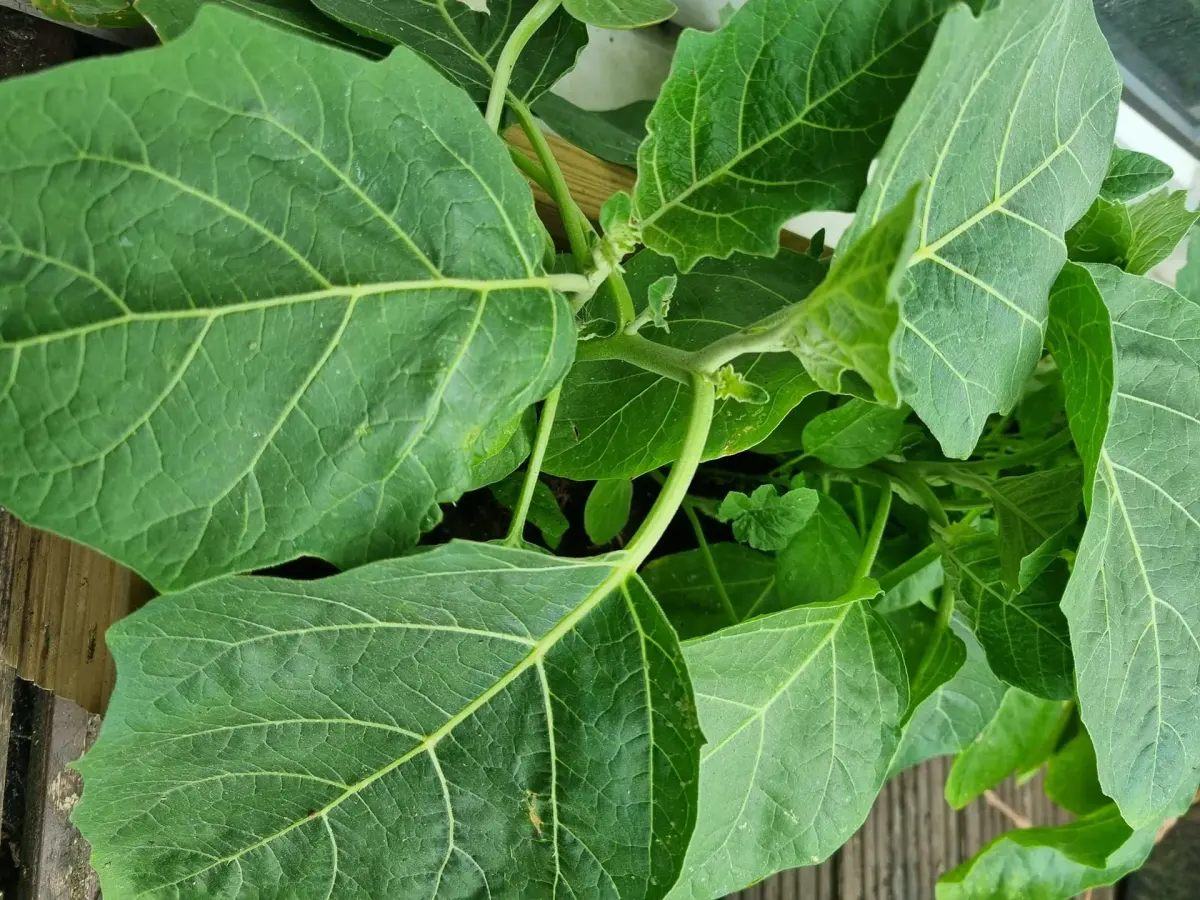 Ingredients & ProduceGarden Egg Leaves Benefits and Side Effects
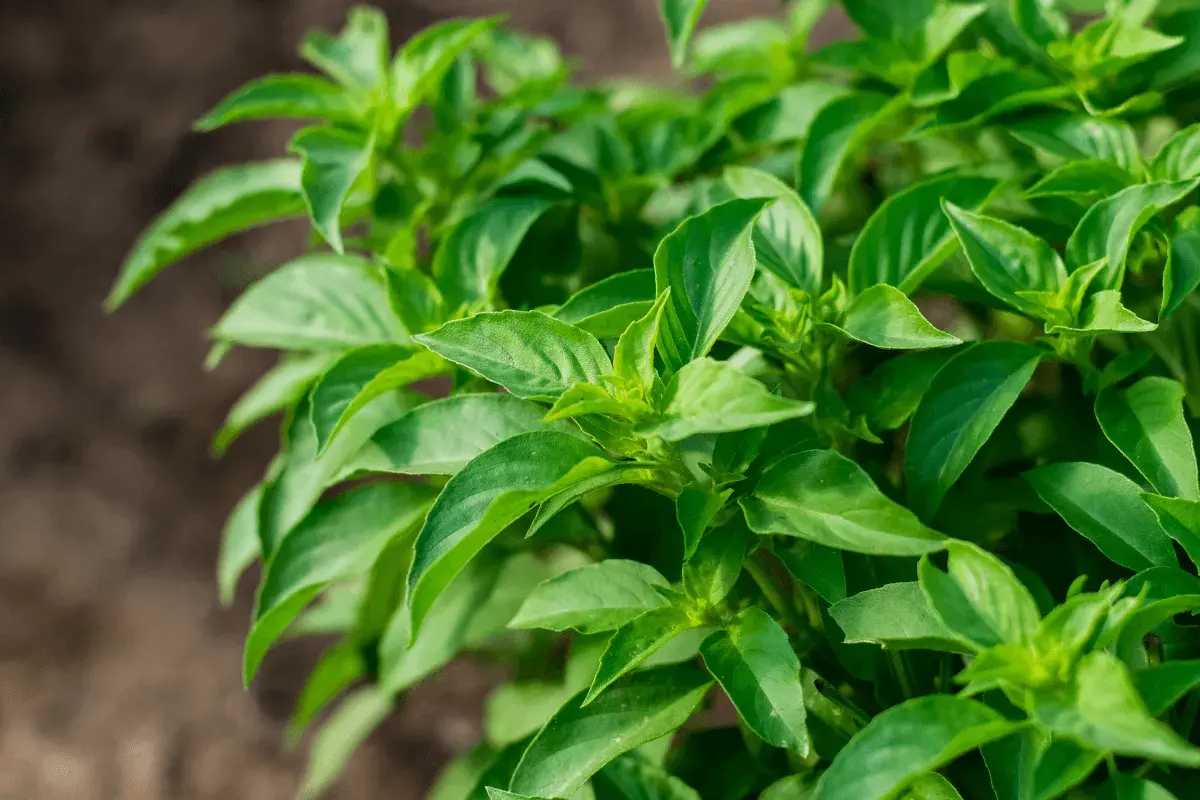 Lemon Leaf: A Perfect Mix of Wellness and Aroma
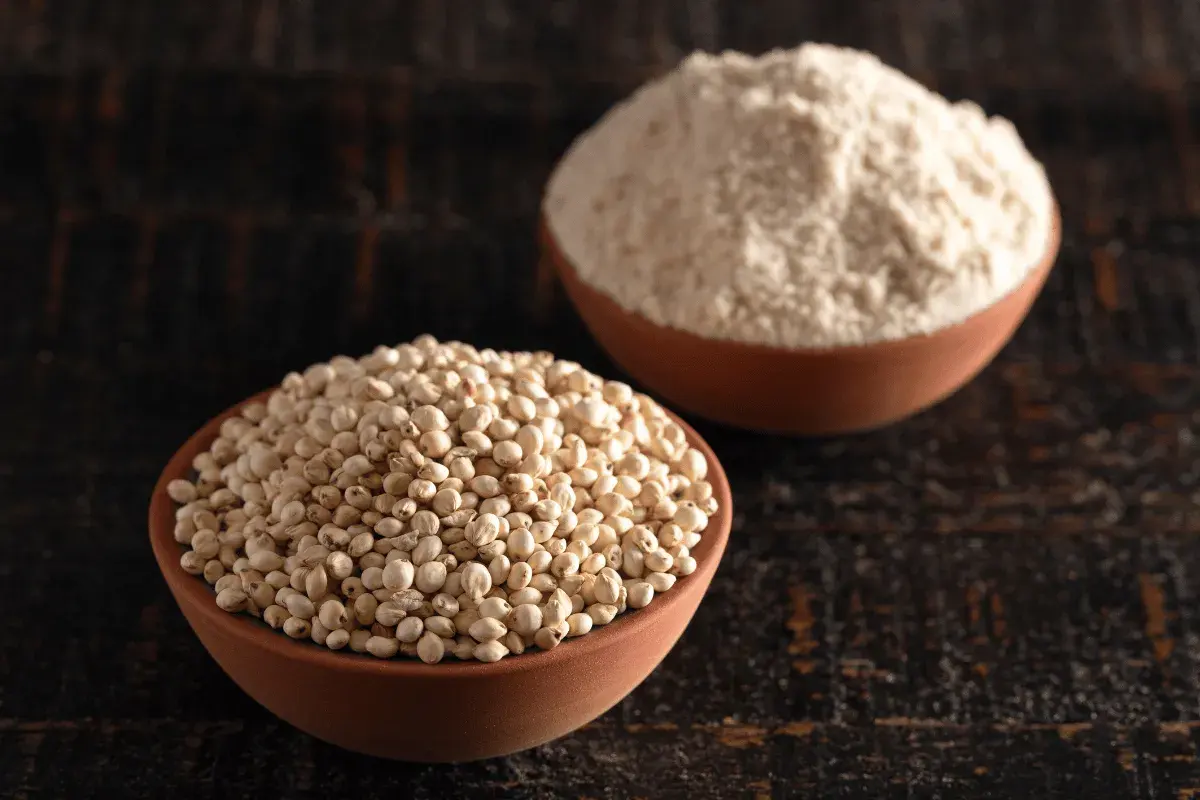 7 Delicious Sorghum Recipes You'd Love to Try
 14 Nigerian Vegetables: Efo Yanrin, Shoko, Tete and More
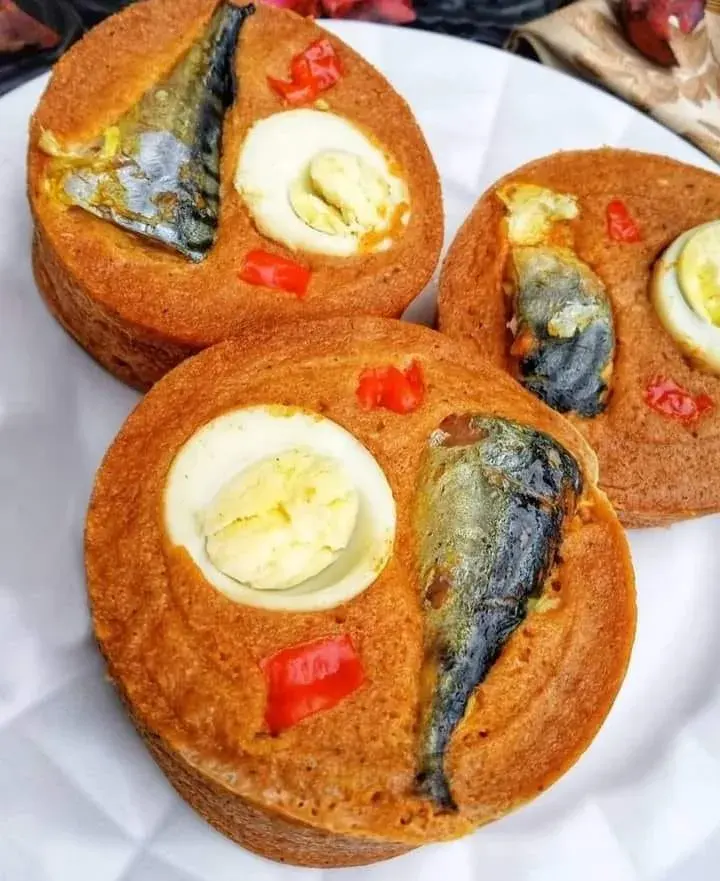 Calories in Moi Moi: How Many in 100g, and Is It Fattening?
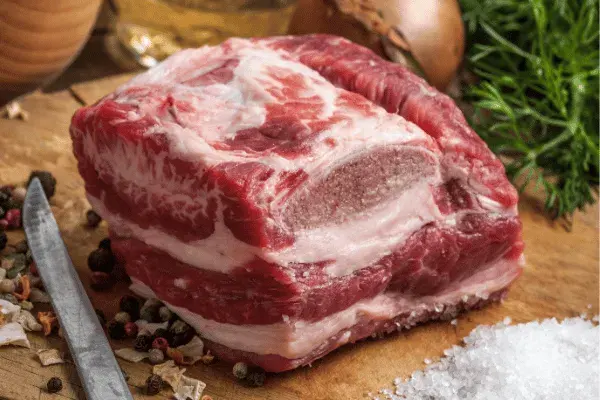 Biscuit Bone or Brisket Bone? Meaning and Benefits
 Scent Leaf: Uses, Benefits, Side Effects and Pregnancy
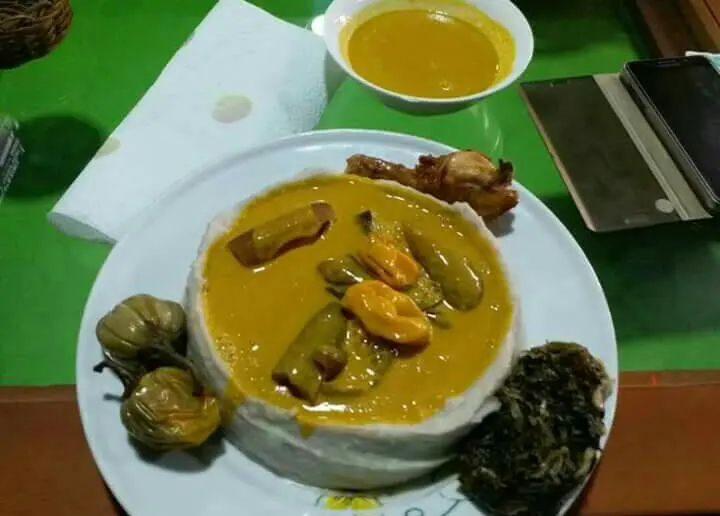
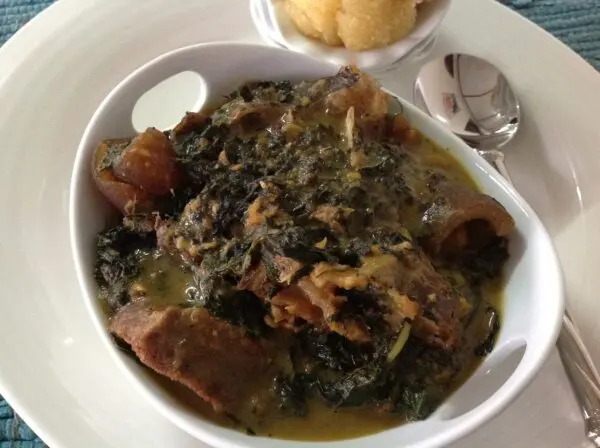



New recipes, heritage notes and the cooks behind them. One email a week, and nothing else.
No spam. Unsubscribe anytime.