

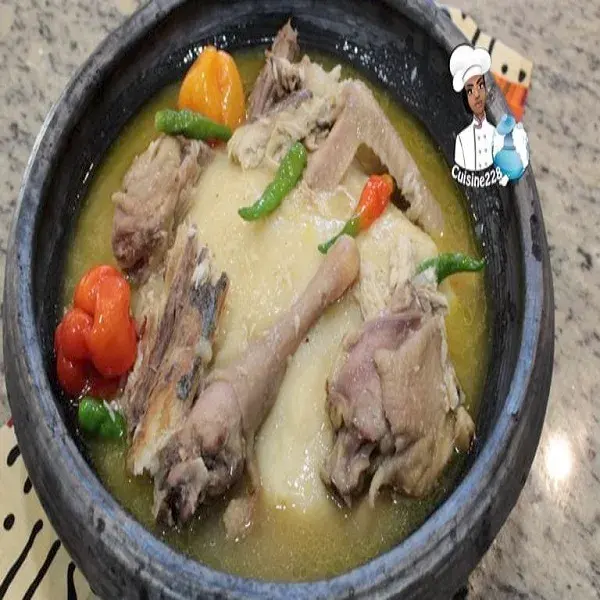
Foufou Powder
Overview
Foufou powder is the dried flour used to make fufu without pounding, and it is a manufactured product rather than a dish. Traditional fufu is made by pounding cooked cassava, yam or plantain in a mortar, which is slow and produces a wet paste that spoils quickly. The powder is the industrial answer to both problems. It is made from fermented cassava paste, dried and milled, and it carries the nutty, faintly sour flavour that fermentation gives. Plantain, cocoyam and yam are processed the same way, so foufou powder is a category rather than a single product. Most Nigerians in the south rank fufu second only to garri among indigenous staples. Foufou, fufu and foutou are the same word in different spellings, and the dish is eaten across western and central Africa and in the Caribbean, where it travelled with African migration. Its origin is generally given as Ghana. The powder is used for more than fufu: it thickens gravies, soups and stews, and it can be used to coat meat and fish for frying. This entry covers the powder and how to make fufu from it, along with the sauce the source pairs it with.
AFN Heritage Note
Fufu is eaten across western and central Africa and in the Caribbean, and its origin is generally given as Ghana. Foufou powder is a dried, milled form of the fermented cassava paste traditionally pounded fresh.
Ingredients
Dietary tags come from contributors and AFN does not verify them. They also depend on the products you buy. Recipes here are published for learning, not as medical or dietary advice. If you have an allergy or a medical condition, check every ingredient yourself and talk to a doctor or dietitian. Cooking, allergies and your own judgement
Directions
- 1
Bring 2 cups of water to the boil and add the fufu flour mixture.
- 2
Cook until the liquid turns into a paste.
- 3Test it
wet your hand and touch the dough. If it sticks to your fingers, cover and cook longer.
- 4
As soon as it is cooked, take it off the heat and form it into a ball.
- 5
For the sauce, put the chicken pieces in a large saucepan with enough water to cover, the bouillon cube and the seasoning. Bring to the boil and cook for 20 to 30 minutes, depending on how tough the chicken is.
- 6
Cut the aubergines in half and chop the tomato.
- 7
Add the aubergine and okra to the pot.
- 8
Add 4 teaspoons of the foufou powder to thicken.
- 9
Once the meat, aubergine and okra are cooked, add the tomato, chilli and fish. Cook for 10 minutes and season to taste.
- 10
Serve the sauce with the fufu.
Africook’s Notes
- Use the finger test rather than the clock. If the dough sticks to a wet hand it needs longer, and undercooked fufu flour tastes raw and chalky.
- Add the flour to boiling water gradually while stirring hard. Tipped in at once it lumps and the lumps never break down.
- Adjust the water to the consistency you want. Six cups to four cups of flour is a starting point, and preferences vary a lot.
- The same powder thickens soups and stews and can coat meat or fish for frying, so a bag has more uses than fufu alone.
- Plantain, cocoyam and yam versions are all sold and each gives a different flavour and colour. Cassava is the most common.
- Store the powder airtight and dry. It absorbs moisture from the air and clumps.
Questions cooks ask
What is the difference between foufou powder and fresh fufu?
Fresh fufu is boiled cassava, yam or plantain pounded in a mortar into a wet paste, which is laborious and spoils quickly. Foufou powder is that same fermented paste dried and milled into flour, which keeps well and is reconstituted with boiling water. The powder is the practical everyday option.
Is foufou the same as fufu?
Yes. Foufou, fufu and foutou are the same word spelled differently across the region, reflecting French and English transliteration of the same name. The dish is eaten across western and central Africa and in the Caribbean, where it travelled with African migration, and its origin is generally given as Ghana.
How do I know when fufu is cooked?
Wet your hand and touch the dough. If it sticks to your fingers it needs longer; when it is cooked it will not stick. This is the traditional test and it is more reliable than timing, since the amount of water and the heat both vary.
What else can foufou powder be used for?
It thickens gravies, soups and stews, and it can be used to coat meat, fish or chicken before frying. In this recipe four teaspoons go into the sauce as a thickener as well as the flour used for the fufu itself. It is a more versatile pantry item than its name suggests.
Reviews
3 reviews
You Might Also Like
Browse all Nigerian recipes →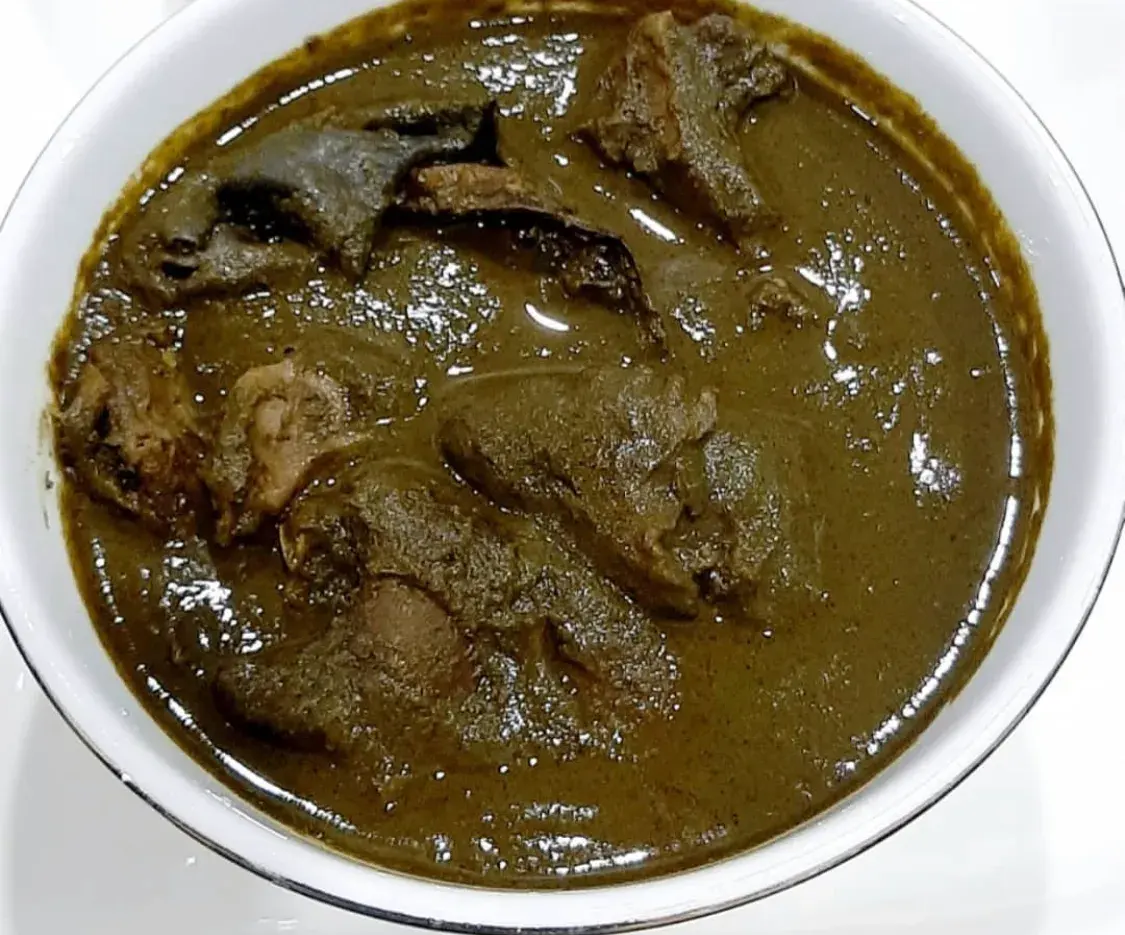
Edo Black Soup

Nigerian Fisherman Soup
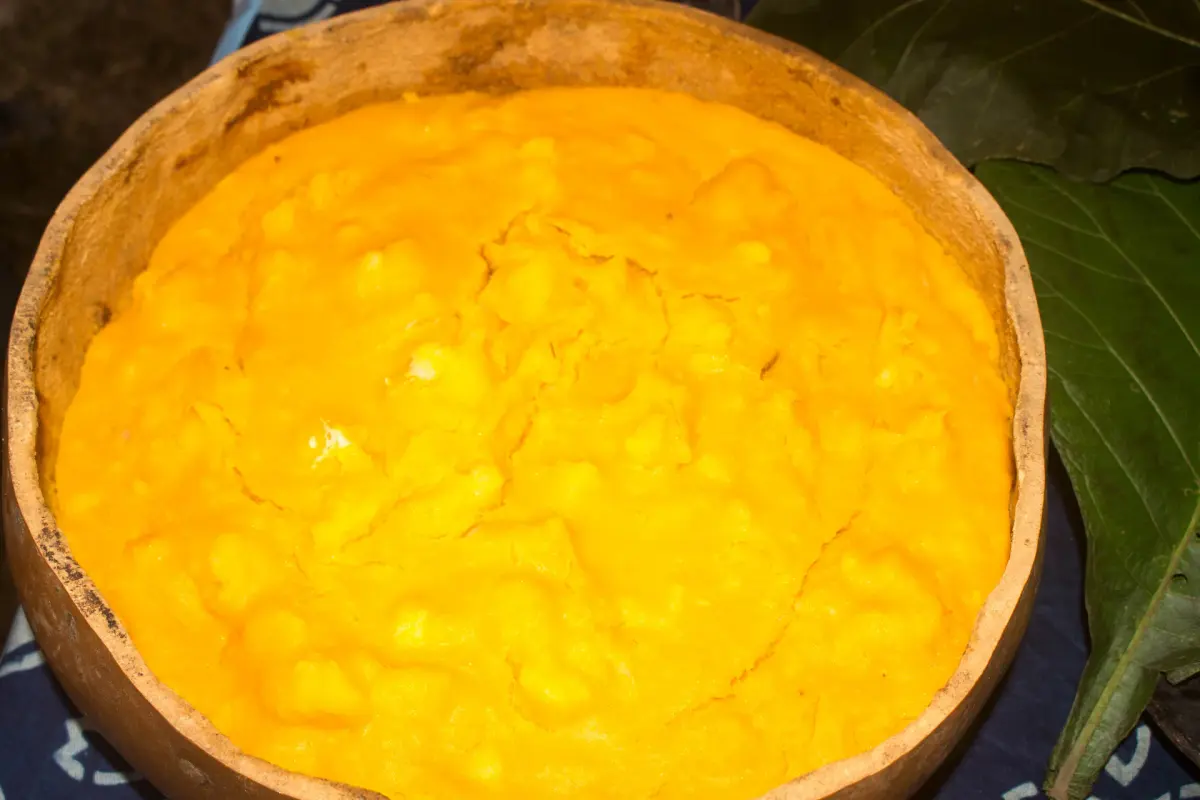
Igbo Yam Porridge
I was so nervous about getting the dough texture right, but doing the wet hand test was super helpful! Mine stuck to my fingers at first so I covered it and gave it another 7 minutes on low. Served this to my roommates and they loved the smoked fish flavor, though my chicken took about 35 mins to get tender.
Herh using powder is not the same as traditional pounded fufu but when you come back from work tired it saves time paa. The combination of eggplant and okra in the chicken sauce was very nice oo, though my grandmother would fight you for putting cloves in the broth chale. Good dish still.
Hard to get proper smoked fish here in Dubai so I got smoked mackerel from Lulu hypermarket in Deira instead. The wet hand test to check stickiness saved me, dough needed an extra 5 mins on heat to stop sticking. turned out poa with the okra and nyama broth!