
Bessara (Moroccan Fava Bean Purée)
Abuja, Nigeria · View all recipes
Overview
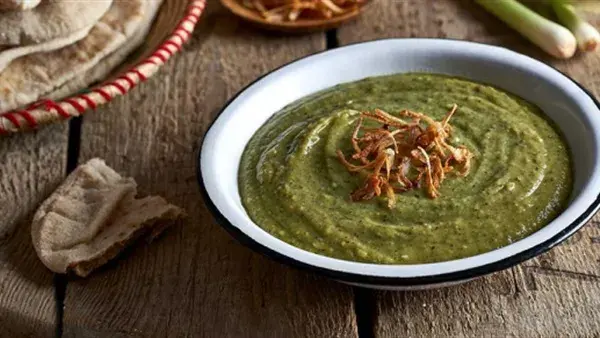
Bessara is dried split fava beans cooked soft with garlic and olive oil, then puréed and seasoned with cumin and paprika. It is street food across Morocco, most strongly associated with the north, and it is eaten for breakfast as often as for anything else. Its consistency is not fixed, and that is a feature rather than a vagueness. Made thick, it is a dip eaten from a shared plate with Moroccan bread. Made looser, it is a soup served in individual bowls, which is how street vendors serve it on cold mornings. The same pot produces both, depending on how much of the cooking liquid goes back in. Traditionally the beans were cooked for hours until they collapsed entirely and then passed through a food mill. A blender does the same job in seconds and gives a smoother result, which is what most cooks now use, and the source is right that nothing is lost by it. The condiments are not optional garnish. Bessara is served with olive oil, cumin, salt and cayenne or harissa on the side, and each person seasons their own bowl. The purée itself is deliberately mild, which only makes sense once you know that. Note that the same dish appears elsewhere spelt bissara; they are one thing. Some cooks make it with dried split peas in place of some or all of the fava beans, which gives a lighter texture and a greener colour but changes nothing about the method or the seasoning.
AFN Heritage Note
Bessara is a Moroccan purée of dried split fava beans with garlic, olive oil, cumin and paprika, eaten as a dip or a soup. It is a common street food and breakfast dish, particularly in northern Morocco, and is served with condiments added at the table.
Ingredients
Dietary tags are provided by contributors as a guide, not verified by AFN, and they depend on the products you buy. If you have a serious allergy, check every ingredient yourself. Cooking, allergies and your own judgement
Directions
- 1
Put the dried split fava beans in a bowl and cover them with several inches of cold water. Leave them to soak for at least 8 hours or overnight.
- 2
Drain, then put the beans in a pot with the water, olive oil, garlic and spices.
- 3
Bring to the boil, then lower the heat and cook, partially covered, until the beans are completely tender, about an hour.
- 4
Drain the beans through a strainer set over a bowl, keeping all the cooking liquid.
- 5
Purée the beans until smooth with a stick blender, jug blender or food processor, adding back as much of the reserved liquid as you need for the consistency you want.
- 6
Mix in the lemon juice. Taste and adjust the salt, remembering that condiments will be added at the table.
- 7
Reheat gently over medium-low heat before serving.
- 8
Serve with olive oil, cumin, salt and cayenne or harissa on the side, so each person seasons their own.
Africook’s Notes
 Personal notes from Debbie Obierika
- Keep the cooking liquid. It is how you control the consistency, and water added instead dilutes the flavour.
- Thick for a dip, loose for a soup. Both are correct and both are traditional; decide as you blend.
- Do not over-salt the purée itself. It is meant to be mild because the seasoning happens at the table.
- Split fava beans are what this needs, already skinned, so they break down smoothly. Whole dried fava beans have tough skins that must be removed.
- A blender is quicker than the traditional food mill and gives a smoother texture, so there is no reason to do it the hard way.
- It thickens considerably as it cools, so expect to loosen it when reheating.
Questions cooks ask
Is bessara a soup or a dip?
Both, and the difference is only how much cooking liquid goes back in when you blend it. Made thick it is served as a dip from a shared plate with Moroccan bread; made thinner it is a soup served in individual bowls, which is how street vendors sell it on cold mornings. The same pot produces either. Northern Morocco, where it is most popular, eats it both ways depending on the setting.
What beans do I need?
Dried split fava beans, sometimes sold as split broad beans or ful medames beans in their split form. Being already skinned, they break down into a smooth purée without any need to peel. Whole dried fava beans have a tough outer skin that must be slipped off after soaking, which is a great deal of work for the same result. Middle Eastern and North African grocers stock the split kind.
Why is it served with condiments on the side?
Because the purée is deliberately mild, and the seasoning is meant to happen at the table. Olive oil, cumin, salt and cayenne or harissa are set out so each person adjusts their own bowl, which is how it is served by street vendors and at home. If you season the purée itself to full strength, that step becomes redundant and everyone eats it the same way, which is not the intention.
Is bessara the same as bissara?
Yes, two transliterations of the same Arabic word for the same Moroccan dish. You will also see it written as besarah. Recipes vary in whether split peas are used alongside the fava beans, and in the balance of cumin to paprika, but these are household variations rather than different dishes. This site keeps one page for it, at this URL, to avoid two AFN pages competing for the same searches.
Reviews
Be the first to rate this recipe
Cooked it? Your rating helps the next person decide whether to try it.
No reviews on this one yet. If you have cooked it, yours would be the first.
You Might Also Like
Browse all Moroccan recipes →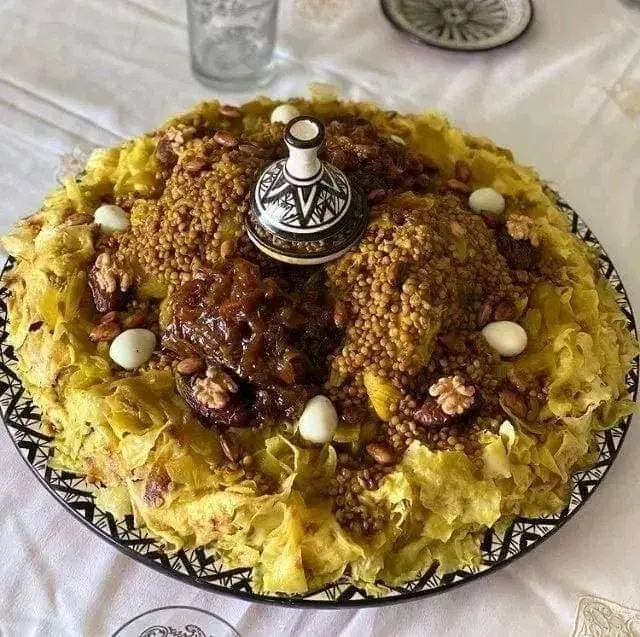
Moroccan Chicken Rfissa
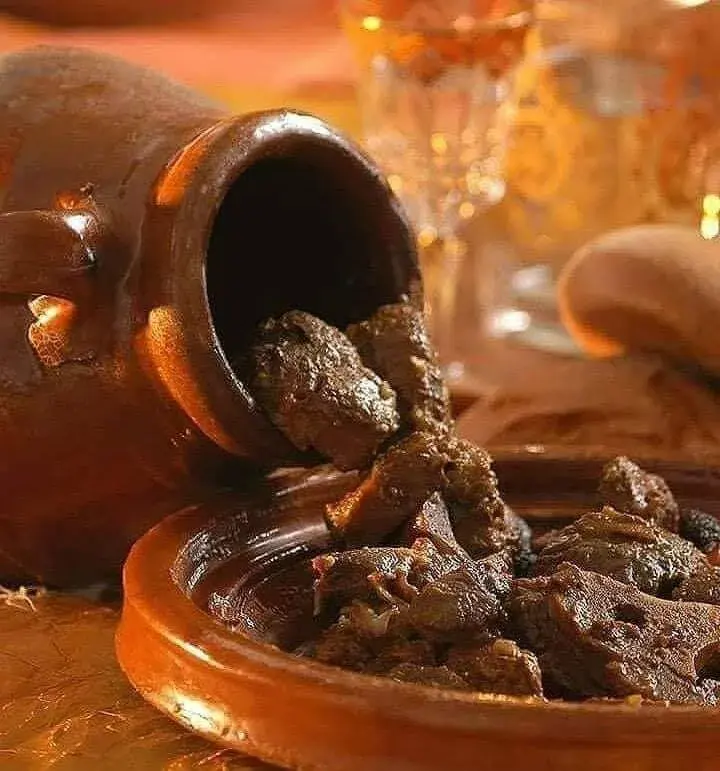
Tanjia Marrakchia
Chebakia (Moroccan Sesame Cookies)