


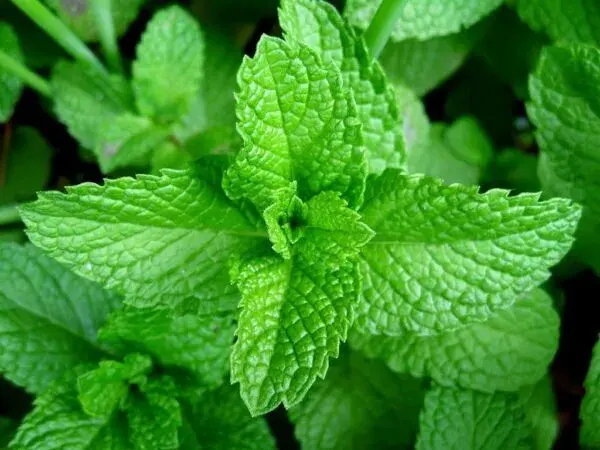
Scent leaf is the leaf of Ocimum gratissimum, a strongly aromatic basil also sold as African basil or clove basil. In Nigerian cooking it's the leaf in pepper soup, ofe akwu and Edo black soup, and many families also boil it as a home remedy, although most of its health claims haven't been tested in people.
What is scent leaf?
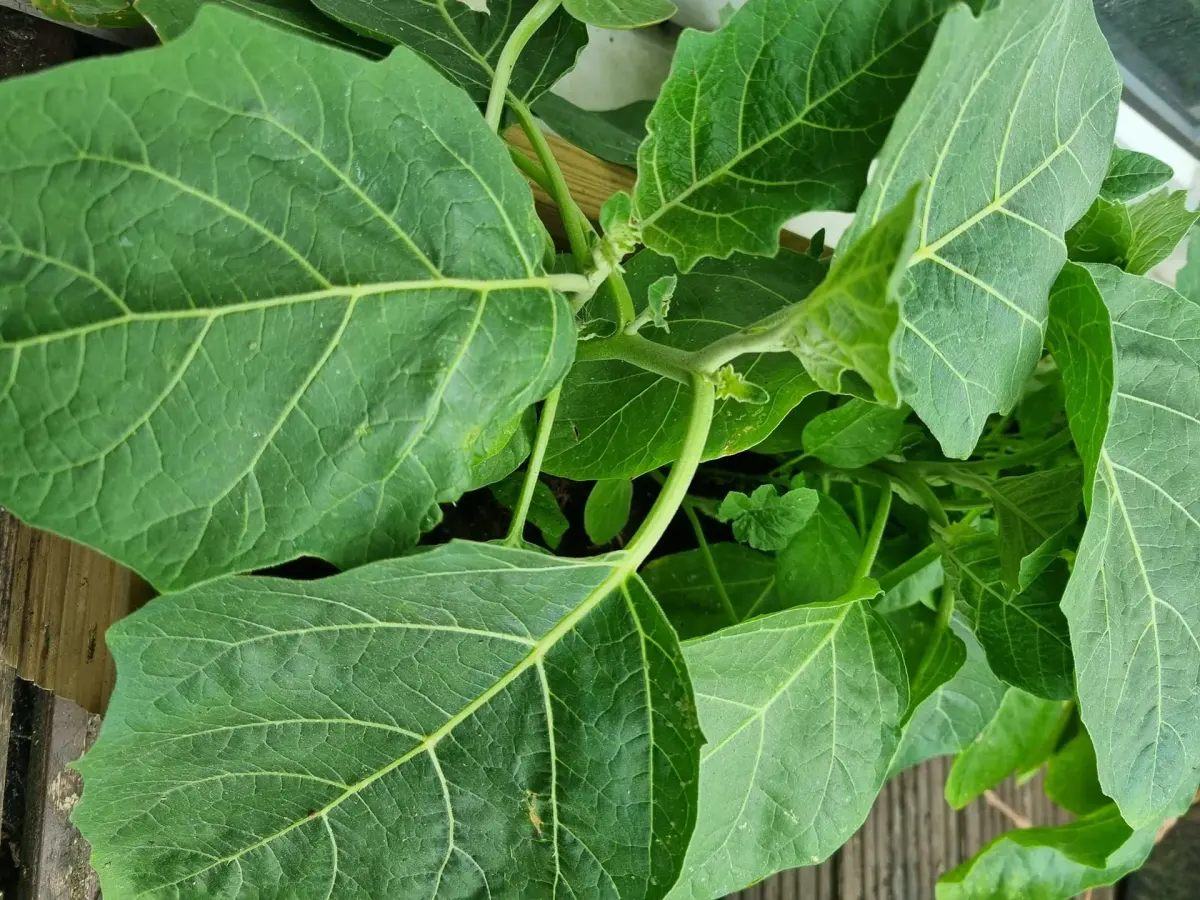
Scent leaf is a perennial herb from the mint family, Lamiaceae, the same family as sweet basil, and it has a very strong smell you'll notice the moment you crush a leaf. A 2021 review of the research describes it growing across Africa, Asia and South America, and it's used as a flavouring, a condiment or a vegetable in fish, meat, soup and stew. Fresh leaves go straight into traditional soups, while dried and powdered leaves turn up in other dishes.
The World Agroforestry species sheet describes it as an aromatic, perennial herb, 1 to 3 m tall, with a stem that turns woody at the base, so a garden plant left alone grows into a small bush. Wikipedia's species page says it's native to Africa (including Madagascar) and southern Asia.
What does scent leaf taste like?
Crush a leaf and you'll get something sharp and warm that can lean towards clove or towards thyme, depending on the plant. The World Agroforestry sheet says the fresh plant above ground holds 0.8 to 1.2% essential oil, and that the oil varies a lot from plant to plant. Two of its main compounds are eugenol and thymol, which the sheet says are used as substitutes for clove oil and thyme oil, so it's no surprise the leaf can remind you of either. That oil is also why timing matters in the pot, as you'll see below.
What is scent leaf called in Yoruba, Igbo and Hausa?
Scent leaf goes by different names across Nigeria, and you'll need them at the market. Spellings vary from seller to seller, so these are the names we could find in published sources.
-
Yoruba efinrin, also written efirin or effirin
-
Igbo nchanwu, also ahuji
-
Hausa doddoya
-
Edo aramogbo
-
Fulfulde kacuke
-
English scent leaf, African basil, clove basil, tree basil or wild basil
-
French menthe gabonaise
Efinrin, doddoya and kacuke come from the list of local names on Wikimedia Commons. Nchanwu is the name in our Nigerian chicken pepper soup recipe, and efirin is how our marugbo recipe spells it. Ahuji, effirin and aramogbo are listed in a 2021 paper from Al-Hikmah University, which credits them to earlier work by Ephrain and colleagues. Clove, tree and wild basil and the French name come from the World Agroforestry sheet, and African basil is the English name on both Commons and Wikipedia.
How to cook with scent leaf
The one rule that matters: add scent leaf late. Its aroma is volatile, so a few minutes of hard boiling takes away most of what you added it for. In a pepper soup, stir it in, give it a minute, then turn off the heat. Mint is a cousin from the same plant family, but it tastes nothing like scent leaf, so it won't give you the same pot. These AFN recipes all use scent leaf.
Nigerian chicken pepper soup
Two or three chopped scent leaves go in right at the end of our Nigerian chicken pepper soup, with the palm oil if you're using it. A minute of simmering is all they need.
Ofe akwu
The Igbo palm nut soup takes ten chopped scent leaves, stirred in with the crayfish and fish once the meat is tender, and a few more on top when you serve. Get the method in our ofe akwu recipe.
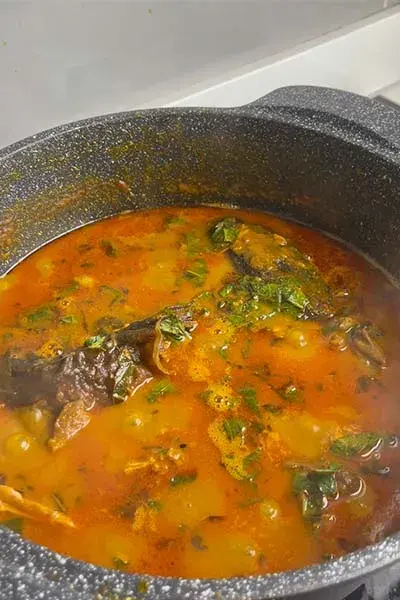
Edo black soup
Here scent leaf is ground with bitter leaf and uziza until the mix turns a green so dark it reads as black. The ground leaves thicken the soup as well as colour it. Some Edo cooks use only two of the three leaves, and the balance between them is a family argument. Cook it with our Edo black soup recipe.
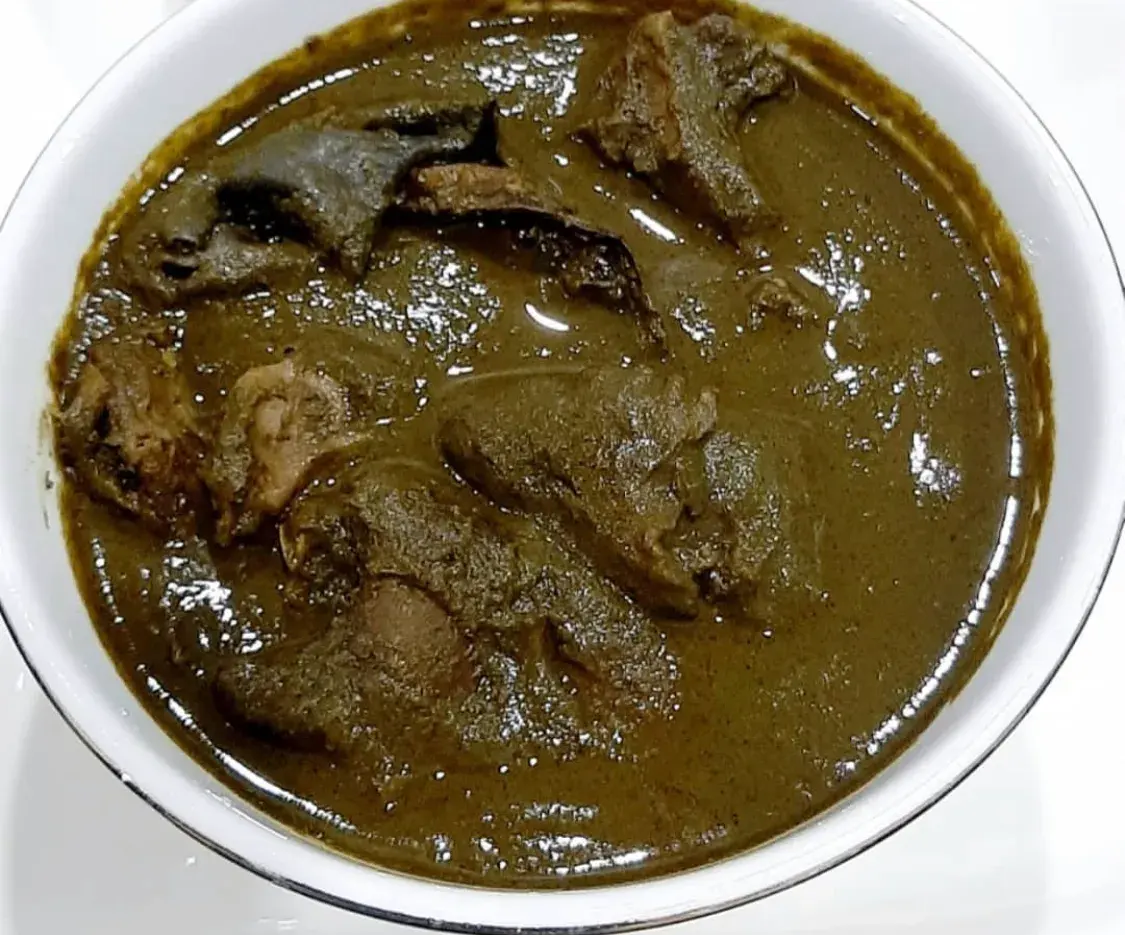
Catfish peppersoup
In our catfish peppersoup, scent leaf or lemongrass is an optional finish for the hot, thin broth you'll find in Nigerian bars in the evening.
Nigerian native jollof rice
Native jollof is cooked in palm oil with iru, smoked fish and crayfish, and half a cup of sliced scent leaves goes in once the water has gone down. The recipe's tip is to add it at the very end, and off the heat if you can. Get the method in our Nigerian native jollof rice recipe.

Marugbo soup (obe eweta)
This soup of the Ondo people uses half a cup of dried, ground efirin, blended to a paste with the dried marugbo leaves before it goes into the pot. The scent leaf is there to lift the soup's bitter, herbal taste, and it's the one to cook if you can only find dried scent leaf. See our marugbo soup (obe eweta) recipe.
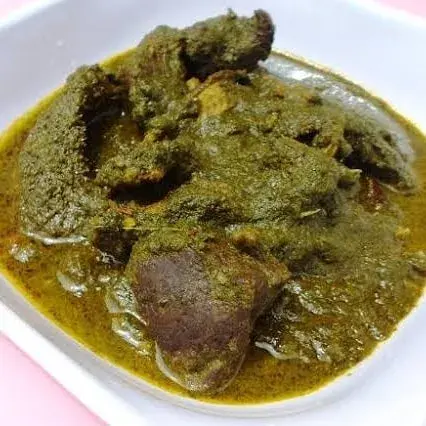
Banga rice
This Urhobo rice dish uses dried scent leaves, soaked in hot water first and stirred in near the end with the crayfish and dried shrimp. See our banga rice recipe. A handful of fresh leaves also goes into our plantain porridge.

Health benefits of scent leaf: what the research says
Scent leaf has a long history in traditional medicine. The 2021 review in the journal Heliyon lists its traditional use for cough, pneumonia, fever, inflammation, anaemia, diarrhoea, pain, and fungal and bacterial infections. Lab and animal studies have found antimicrobial and antioxidant activity in its leaves and oil.
That's where the evidence stops, for now. The same review says human clinical trials are still needed to work out effective and safe doses. So when you see lists claiming scent leaf cures diabetes, clears acne or protects your heart, treat them as claims, not facts. It's a lovely herb for cooking, but it isn't a replacement for medicine, so if you're managing an illness, talk to your doctor before using it as a remedy.
Can you boil scent leaf and drink the water?
Yes, people do, and scent leaf water is a common home remedy. One way to make it is to wash a handful of leaves, boil them in water and drink it warm once it has cooled a little. TRAMIL, a research network that reviews medicinal plants, advises that home preparations shouldn't be kept for more than 24 hours, even in the fridge, so make it fresh.
Drinking it as a regular remedy is a different thing from adding a few leaves to soup, though. Medicinal use hasn't been proven safe, and TRAMIL reports that a concentrated extract of the dried leaves damaged the liver and kidneys of mice in lab tests. A single dose of a weak water brew of fresh leaves caused no obvious harm in lab animals, but stronger extracts did, and none of this is proof for people.
Is scent leaf good for pregnant women?
Scent leaf is not recommended for pregnant women as a remedy. TRAMIL's guidance is clear that scent leaf preparations are not for use during pregnancy, while breastfeeding, or in children under five, because there's no information showing medicinal use is safe for them. That covers scent leaf tea and extracts.
A few leaves cooked into a family pot of pepper soup isn't the same as a daily medicinal brew. Still, if you're pregnant, check with your midwife or doctor before drinking scent leaf water or taking anything made from it.
Side effects of scent leaf
The known side effects of scent leaf come from animal studies of concentrated extracts, which damaged the liver and kidneys of mice; there's no safety data for pregnancy, breastfeeding or young children. Those cautions are about medicinal amounts rather than the few leaves in a soup. If you notice a rash, swelling or trouble breathing after eating it, stop and get medical help straight away.
How to store scent leaf
-
Fridge keep the leaves in a plastic bag in the fridge and use them within two weeks.
-
Freezer blend the leaves to a purée and freeze it in small portions.
-
Dried dry the leaves and keep them in a cool, dry place. Banga rice is one dish that's made with dried scent leaves.
Scent leaf questions people ask
What is scent leaf called in English?
African basil or clove basil, and you may also see tree basil or wild basil. Its botanical name is Ocimum gratissimum.
What is scent leaf called in Yoruba, Igbo and Hausa?
It's efinrin in Yoruba, nchanwu in Igbo and doddoya in Hausa. In Edo it's aramogbo.
Is scent leaf the same as basil?
It's a basil, but a different species from sweet basil, Ocimum basilicum, the one used in Italian cooking. Both belong to the Ocimum genus, and they don't taste the same, so expect a different result if you swap one for the other.
What does scent leaf cure?
Nothing has been proven in human trials yet. It's used traditionally for coughs, fever, diarrhoea and infections, and lab studies are promising, but researchers say proper trials in people are still needed.
Can I use dried scent leaf instead of fresh?
Yes, for many dishes. Our marugbo soup is written for dried, ground efirin, and our banga rice soaks the dried leaves in hot water before they go in.
When should I add scent leaf to soup?
Late. In a pepper soup, stir it in, let it simmer for about a minute and take the pot off the heat so the aroma stays in the soup. In ofe akwu it goes in once the meat is tender, so follow the recipe you're cooking.
How long does scent leaf last in the fridge?
Up to about two weeks in a plastic bag. For longer, blend and freeze it, or dry the leaves.
It reminds me a bit of the wild basil back home in SA that we'd steep for tea. Living in LA, I can never find proper scent leaf at the regular spots, so I buy holy basil from the Thai market in East Hollywood as a sub, gives a lekker aroma to broths, but still missing that heavy clove note from real West African effirin.
You did not mention using it for goat meat pepper soup! That sharp smell taking over the kitchen is everything o. Hard to get fresh effirin here in Birmingham though, the shops near Coventry Road sell out fast on market days. I end up using dried ones sent from home but the essential oils are mostly gone sha.
finding fresh nchanwu here in Baltimore is pure luck abeg. Most times the African market on Security Blvd only has the frozen packed ones which loses half the fragrance. Has anyone tried growing the seeds indoors during winter? My yam porridge is just not the same without that fresh smell sha.
I spent ages looking for scent leaf after trying a fish pepper soup at a friend's gathering! The local Afro-Caribbean grocer explained it's closely related to clove basil and gave me a frozen bag. Is the fresh version much stronger in terms of that distinct peppery aroma?
herh you people left out how it cures bad stomach oo. In Ghana we call it nunum and my grandmother would crush the fresh leaves with a little warm water when you have fever or tummy ache. It goes so well in light soup too, chale the aroma alone opens your chest paa.