
Biltong
London, United Kingdom · View all recipes
Overview
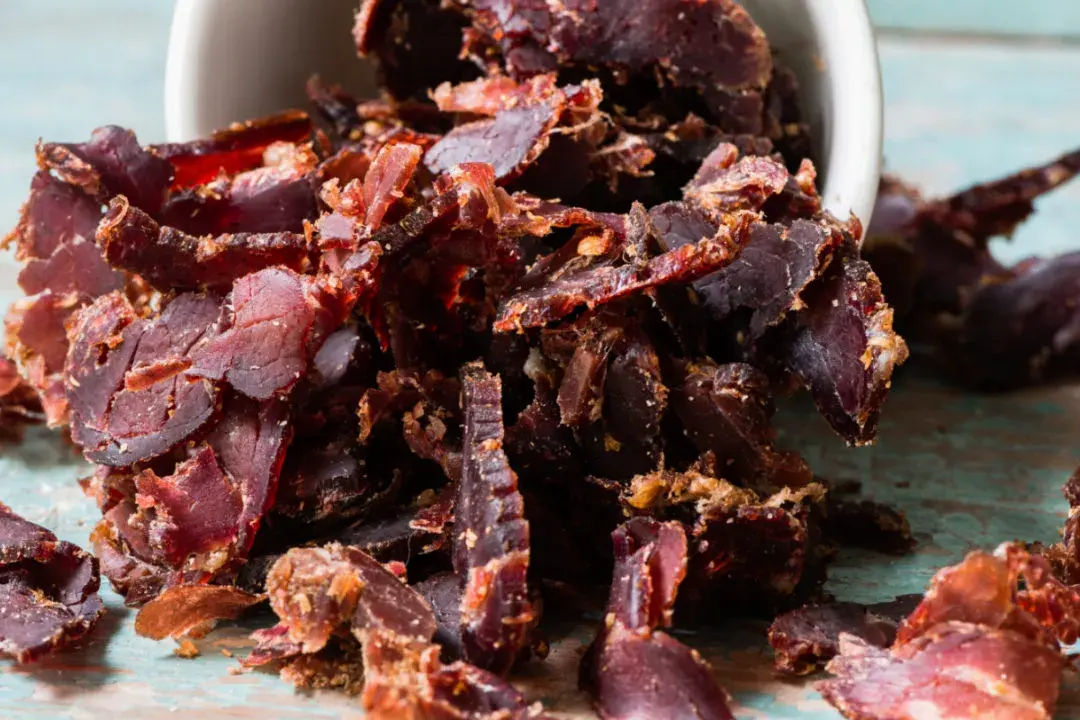
Biltong is southern Africa's air-dried meat, best known from South Africa. It's thick strips of beef or game, cured in vinegar, salt and spice, then hung in moving air for days until dry. To make biltong, cut the meat along the grain into strips about 2.5cm thick. Rub in toasted ground coriander, salt, pepper, sugar and vinegar, cure it in the fridge for 24 hours, then hang it to dry. You can hang it in a biltong box, or anywhere well aired with a fan blowing gently. It comes from southern Africa and is made from beef and from game such as ostrich and kudu. The name is Afrikaans, from bil, meaning buttock, and tong, meaning strip or tongue. People often lump it in with beef jerky, but they're different foods. Jerky is usually cut thin and dried with low heat, often after a sweet marinade, while biltong is cut thick, cured with vinegar and dried without heat. Coriander is the spice that marks it out. This is raw cured meat that's never cooked, so the full 24-hour cure and the drying both need doing properly. Keep the fan blowing gently and never straight at the meat, or the outside seals before the inside dries. Test it by squeezing; any give means it's still wet inside.
AFN Heritage Note
Biltong is an air-dried cured meat of southern Africa, made in South Africa, Zimbabwe, Malawi, Namibia, Botswana and Zambia, from beef and from game meats including ostrich and kudu.
Ingredients
Dietary tags are provided by contributors as a guide, not verified by AFN, and they depend on the products you buy. If you have a serious allergy, check every ingredient yourself. Cooking, allergies and your own judgement
Directions
- 1
Toast the coriander seeds in a dry pan, then grind in a pestle and mortar or spice grinder. It should be mostly powder with a few pieces of seed shell left in.
- 2
Using a sharp knife and following the grain of the meat, cut it into lengths about 2.5cm thick and place them in a non-metallic container.
- 3
Combine all the spices and sprinkle them over the meat.
- 4
Sprinkle on the vinegar and rub everything in thoroughly, turning the meat with your hands.
- 5
Cover the container and cure in the fridge for 24 hours, turning and rubbing the spices through occasionally.
- 6
Remove the meat and pat it dry with kitchen towel, taking care not to remove too much of the spice.
- 7
Add a hook to the thickest end of each length. Plastic-covered paper clips work.
- 8
Hang in a biltong box, or in a well aired ventilated space with a fan blowing gently to increase airflow.
- 9
Do not point the fan directly at the meat, which causes case hardening.
- 10
Make sure none of the pieces touch, and place newspaper below to catch any liquid.
- 11
Test every couple of days by squeezing the sides together with clean fingers. Any give means it is still wet inside.
- 12
Once ready, cut into thin slices with a sharp knife.
Africook’s Notes
 Personal notes from Nympha Nzeribe
- This is raw cured meat and is never cooked. The vinegar and salt cure and the drying are what preserve it, so follow both properly and do not shorten the 24-hour cure.
- Do not point the fan at the meat. Direct air causes case hardening: the outside seals while the inside stays wet, which is how biltong spoils from within.
- Cut along the grain, not across it. That is the defining difference from jerky and it gives the characteristic texture.
- Salt at about 2% of the meat weight. It is a curing quantity rather than a seasoning one and should be weighed rather than guessed.
- Make sure no pieces touch while hanging, or the contact points stay wet and go off.
- Drying times vary enormously with humidity, airflow and temperature, so test by squeezing rather than by the calendar.
Questions cooks ask
What is the difference between biltong and beef jerky?
The cut, the cure and the drying. Jerky is usually sliced thin and dried with low heat, while biltong is cut in thick strips, cured with vinegar, salt and coriander, and air dried with no heat at all. That's why the two taste and chew so differently.
What is African dried meat called?
In southern Africa it's biltong: strips of beef or game such as ostrich and kudu, cured in vinegar, salt and spice and then air dried. It's best known from South Africa.
Is biltong safe to eat if it's never cooked?
It's preserved by curing and drying instead of cooking, and both steps have to be done properly. Traditionally it was only made in winter, when the cold slowed bacteria and mould. The vinegar makes the meat acidic, which holds back the bacterium that causes botulism. Give it the full 24-hour vinegar and salt cure, and weigh the salt at about 2% of the meat weight. Keep the air moving and dry it until there's no give when you squeeze it.
Why is it called biltong?
The word is Afrikaans: bil means buttock and tong means strip or tongue, so it describes a strip of meat from the hindquarter.
What meat is best for biltong?
AFN's recipe uses beef silverside or top rump, which are lean, even-grained cuts that dry well. Game meats such as ostrich and kudu are traditional in southern Africa and taste stronger. Stay away from fatty cuts, because fat doesn't dry and will go rancid.
How long does biltong take to dry?
There's no fixed number of days, because drying time changes a lot with humidity, airflow and temperature. Start squeezing the thickest pieces every couple of days with clean fingers. When there's no give at all, it's ready to slice.
Why is biltong illegal?
It isn't illegal to make or eat. The trouble is bringing it into some countries. The US Department of Agriculture only lets biltong from South Africa in with a meat inspection certificate from a South African government authority. That's because of foot and mouth disease in South Africa. In 2023 US customs officers seized 83 pounds of biltong from one traveller's luggage at Minneapolis airport. Check the import rules for wherever you're flying before you pack any.
Reviews
Be the first to rate this recipe
Cooked it? Your rating helps the next person decide whether to try it.
No reviews on this one yet. If you have cooked it, yours would be the first.
You Might Also Like
Browse all South African recipes →
Dombolo (Dumplings or Steamed Bread)

Boeber (Cape Malay Sweet Milk Drink)