Lemon Pepper Sauce with Lemon Pepper Wings

Whipping up some Lemon Pepper Sauce is a quick and easy way to give your chicken wings an essence of lemony flavor! If you love lemon flavor, you’re in for a treat – this is for you to spice up your next chicken wings recipe.

What is Lemon Pepper Sauce Made of?

It is made of a zesty and aromatic sauce that combines the vibrant essence of lemon zest and juice. It’s often added to chicken wings, pasta, seafood, and many more. The sauce is made with fresh lemon juice(for best result), lemon zest, honey, butter, and hot spice like black pepper sauce.

Imagine a lemon pepper pasta topped with well-seasoned lemon pepper wings. It’s a perfect pair, So yummy!

Lemon peppered sauce
Image Credit: Facebook

Lemon Pepper Wing

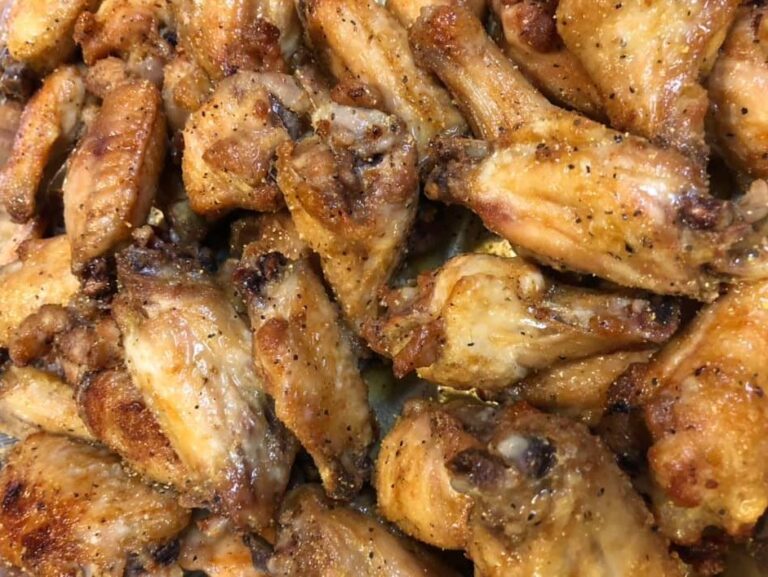
Lemon Pepper Wings are a delightful flavored dish that showcases the vibrant essence of lemons and the spiciness of black pepper. These wings typically start with plump and juicy chicken wings coated in a seasoning blend of lemon zest, lemon juice, ground black pepper, and more.

Once coated, the wings are either baked, grilled, air-fried, or fried, resulting in a crispy outer layer that retains the essence of the seasoning. The combination of tangy lemon and the subtle heat of pepper creates a delightful flavor profile.

Lemon Pepper Wings can be served as an appetizer, party snack, or even a main course. They’re often accompanied by dipping sauces, enhancing the taste experience.

Lemony wings
Image credit: Facebook

How to Make Lemon Pepper Wing

Making lemon pepper wings can be done in a few ways, but the simplest and most common methods are baking and using an air fryer.

The Air Fryer Approach:

  1. Give your wings a good coating of lemon pepper seasoning. (For an even coating, put the lemon pepper seasoning in a large zip-top bag and add the wings. Shake the bag gently to coat the wings thoroughly).
  2. Spray your air fryer with cooking spray.
  3. Put the wings in at 400°F and cook for about 20 minutes.
  4. Turn them over at the 10-minute mark for even cooking on both sides.

The Oven Method:

  1. Do the same seasoning trick we talked about earlier.
  2. Get your oven nice and warm at 450°F.
  3. Toss in the wings and let them bake for about 40 to 45 minutes.
  4. Just flip them halfway through so they get that yummy golden-brown look all over.

Whichever method you go for, you’re sure to enjoy the dish.

How to Make Fresh Homemade Lemon Pepper Sauce

  1. Grate the zest from two lemons to capture their fragrant outer layer.
  2. Add the lemon zest, freshly squeezed lemon juice, ground black pepper, hot sauce, and garlic powder in a small bowl.
  3. Simmer the sauce on low heat
  4. Your homemade lemon pepper sauce is ready for immediate use or can be refrigerated for future purposes.
Lemony wings

Lemon Pepper Wing Sauce

Lemon Pepper Wings are a delightful flavored dish that showcases the vibrant essence of lemons and the spiciness of black pepper.
Prep Time 5 minutes
Cook Time 30 minutes
Total Time 35 minutes
Course Appetizer, Main Dish
Cuisine American
Servings 5 people

Ingredients
  

For Chicken Wings

  • 2 pound chicken wings or flats
  • 1 tablespoon cornstarch

For lemon pepper sauce

  • 1 tablespoon lemon zest (juiced from lemon)
  • 2 tablespoon fresh lemon juice
  • 1 tablespoon honey
  • ½ stick butter (melted)
  • 1 tablespoon cayenne pepper (adjust to taste)
  • 1 tablespoon ground black pepper
  • pinch of salt (optional)

Instructions
 

  • Preheat your oven to 425°F (220°C) and line a baking sheet with parchment paper or lightly grease it.
  • Pat the chicken wings dry with paper towels to remove excess moisture.
    2 pound chicken wings or flats
  • In a large bowl, toss the chicken wings with 1 tablespoon of cornstarch until they're evenly coated for added crispiness.
    1 tablespoon cornstarch
  • Arrange the coated chicken wings on the baking sheet.
  • Bake the wings in the preheated oven for about 25-30 minutes until they're golden brown and fully cooked, flipping them halfway through if desired.
  • While the wings are baking, mix lemon pepper seasoning, lemon zest, fresh lemon juice, honey, melted butter, cayenne pepper, ground black pepper, and salt in a bowl to create the zesty sauce.
    1 tablespoon lemon zest (juiced from lemon), 2 tablespoon fresh lemon juice, 1 tablespoon honey, ½ stick butter (melted), 1 tablespoon ground black pepper
  • Once the wings are cooked, place them in a large mixing bowl while they're still hot.
  • Pour the prepared lemon pepper sauce over the hot wings in the bowl and gently toss them to ensure even coating.
  • Serve the delicious lemon pepper chicken wings with your preferred dipping sauces.
Keyword Lemon pepper sauce and wings
Tried this recipe?Let us know how it was!


Goat Meat Pepper Soup

Goat meat pepper soup is one of the variations of pepper soup in Nigeria. Like other pepper soups(chicken, catfish or assorted meat pepper soup), the aromatic, spicy hotness satisfies the tastebuds; you can’t go wrong with pepper soup. What’s distinct about this is the major ingredient—goat meat it adds a distinct flavor to the dish.

Making goat meat pepper soup is a bit time-consuming because the goat meat needs to be tender to enjoy it. But here’s a little trick – if you’ve got a pressure pot, it can speed things up! Or, if you’re planning ahead, you can boil the goat meat the night before for fast cooking.

peppersoup
Image Credit: Facebook

Is Goat Meat Pepper Soup Healthy?

Goat meat pepper soup is a very healthy and nutritious dish with an infusion of goat meat and various healthy spices like uzziza. If you would love a light meal just to cool off after the day’s work, pepper soup is sure to satisfy you at that moment. 

Goat meat, also known as mutton or chevon in some places, is a wonderful source of high-quality protein packed with essential nutrients like B vitamins, iron, and zinc. Plus, it has healthy fats, lower in fat compared to beef or pork. Its amino acid content supports various bodily functions.

For those mindful of heart health, the lower saturated fat content in goat meat compared to beef is a good point when enjoyed as part of a balanced diet. 

How Do You Make Goat Meat Soft and Tender?

Tenderness and softness are key factors in enjoying your dishes, especially meat in dishes like pepper soup, where goat meat is a highlight. Tender meat is easier to chew and has a more pleasing texture, which makes it more delicious.

Marination with Acidic Ingredients: Marinating goat meat with acidic ingredients like lemon or vinegar helps break down tough muscle fibers. This process not only tenderizes the meat but also adds flavor. You can marinate the night before or a few hours before cooking.

Slow Cooking Methods: Slow cooking methods, such as simmering or braising, are excellent for transforming tough cuts of meat into tender delicacies. Cooking goat meat on low heat for an extended period helps to soften; if you have a pressure cooker, you can use it instead.

Goat meat pepper soup and rice
Image Credit: Facebook

Tips to Ensure Tender Meat in Pepper Soup Preparation

Choose the Right Cuts: Go for cuts of goat meat that are best for slow cooking and stewing, such as shoulder or shanks. 

Avoid Overcrowding: When cooking, avoid overcrowding the pot. Overcrowding can lead to uneven cooking and may result in tougher meat.

Use Moisture-Retaining Cooking Methods: Cooking methods that retain moisture, like pressure cooking or a slow cooker, are best for achieving tender meat. These methods keep the meat from drying out during cooking.

Include Acidic Ingredients: Adding acidic ingredients like lemon or vinegar to your pepper soup recipe. These not only add flavor but also contribute to tenderizing the meat.

Why Does My Pepper Soup Taste Bitter?

Your pepper soup can be bitter because you use too much of the spice blend. Additionally, if the soup is cooked for too long or at high heat, the flavors may become concentrated and somewhat bitter. To remedy this, simply add more water or broth and cook in moderate heat.

What Kind of Goat Meat Should I Use?

For pepper soup, both young goat meat (kid) and matured goat meat (mature goat) can be used; each offers a distinct flavor and texture. Some people prefer female goat meat to male because of its smell. 

Young goat meat, commonly referred to as kid meat, tends to be more tender and milder in flavor, making it a good option for quick cooking methods like pepper soup.

It cooks relatively faster and absorbs well. On the other hand, matured goat meat may have a more robust flavor but is slightly tougher.

However, it’s suitable for slow cooking methods like simmering in pepper soup, which allows the meat to become tender and develop a rich taste. The choice between the two depends on personal preference for flavor and texture and the cooking time available.

Pepper soup

Goat Meat Pepper Soup

Goat meat pepper soup is one of the variations of pepper soup in Nigeria. Like other pepper soup, the aromatic, spicy hotness is satisfying to the tastebuds.
Prep Time 40 minutes
Cook Time 55 minutes
Total Time 1 hour 35 minutes
Course Soup
Cuisine Nigerian
Servings 5 people

Ingredients
  

  • 500 grms goat meat (chopped)
  • 1 tablespoon pepper soup spice (ground)
  • 2 tablespoon uziza leaves (or parsley)
  • 3 scotch bonnet (minced)
  • 1 medium onion
  • 2 seasoning cubes
  • 2 tablespoon chilli pepper
  • 1 tablespoon crayfish (ground)
  • water (as desired)

Instructions
 

  • Place the chopped goat meat in a pot.
  • Add the minced scotch bonnet peppers, chopped onion, and one of the seasoning cubes to the pot.
  • Sprinkle the ground pepper soup spice and chili pepper over the meat.
  • Mix the ingredients in the pot well to ensure the meat is coated with the spices and turn on the heat to medium and let the meat cook in its own juices for about 5 minutes and stir.
  • Add enough water to the pot to cover the goat meat.
  • Bring the mixture to a boil, then reduce the heat to low, cover the pot partially with a lid to allow steam to escape, and let the pepper soup simmer for about 30-40 minutes or until the goat meat becomes tender.
  • Stir in the ground crayfish into the soup, add the chopped uziza leaves (or parsley) to the pot and stir.
  • Ladle the pepper soup into bowls and serve hot.

Notes

Note:
1. Nigerian Goat Meat Pepper Soup is often enjoyed as an appetizer or main course and is commonly served with sides like boiled yam, plantains, or rice.
2. The pepper soup spice gives the unique taste so it's very necessary in the dish.
3. Onions could be minced or ground to avoid physical appearance.
4. You can substitute uziza leaves with bitter leaves or parsley.
5. The amount of pepper you add determines how hot the soup would be.
 
 
Keyword Pepper Soup
Tried this recipe?Let us know how it was!

Classic South African Kota

South African kota, also known as a “bunny chow,” is a popular fast-food dish that originated in the Indian community of Durban, South Africa. It’s a unique and flavorful dish that has become an integral part of South African street food culture.

What is a Kota?

The word ‘kota’ really means ‘quarter.’ A kota is one of South Africa’s favorite fast street food options; this is a loaf of bread that is cut into four quarters and stuffed with various food items that are mostly fried. These include chips, eggs, Russians/sausages, and viannas, to name a few.

SA Kota


Kota is often enjoyed as a hand-held meal, making it a convenient street food option. It’s particularly popular among students, workers on the go, and those seeking a hearty and flavorful meal at an affordable price.

South African Kota

South African Kota

South African kota is often enjoyed as a hand-held meal, a convenient street food option.
Prep Time 10 minutes
Cook Time 30 minutes
Total Time 40 minutes
Course Snacks
Cuisine South African
Servings 2 people

Ingredients
  

  • ¼ loaf of bread
  • 1 cup cooking oil (for frying)
  • chip spice or salt
  • Atchar (A loved South African condiment made with mango, oil and a range of spices. I will share a recipe soon)
  • 1  slice ham
  • 1 slice cheese
  • 1  Russian Vianna
  • 2 handful potato chips
  • A variety of sauces of your choice

Instructions
 

  • Cut out the center part of the quarter of the bread and set aside.
  • In a deep pan over medium heat, add the cooking oil and allow to heat. Test the heat by adding one potato chip and if it sizzles, add the chips into the pot and fry until they start to look golden brown.
  • Remove the chips from the pot and strain the access oil. Season the chips and set aside.
  • In the same pot, fry the Russian Vianna until it looks crisp on the outside (4-5 minutes).
  • Start assembling the kota by placing the ham at the bottom and follow with the achar, chips, cheese, Russian, and Vianna. 
  • You can now top it with your favorite sauces and then use the cutout bread as a cover.
  • Serve hot with your favorite soft drink. ENJOY!
Keyword Kota
Tried this recipe?Let us know how it was!

World Jollof Rice Day: Celebrating South African Jollof Rice Recipes

0

On World Jollof rice day, we cannot help but shine a light on our staple infusion of spices. Jollof rice, a dish that needs no introduction, has cemented its place as a culinary masterpiece and a symbol of unity across West Africa. Bursting with vibrant colors, bold flavors, and a rich history, this beloved rice dish brings people together to celebrate culture, community, and the art of gastronomy.

The Origins of Jollof Rice:

The origins of jollof rice are as diverse as the countries that claim it as their own. A heated debate exists between Nigeria and Senegal as to who can rightfully lay claim to its birthplace. While it may be challenging to pinpoint its exact origin, what is undeniable is the widespread passion and adoration for this dish across borders.

The Perfect Harmony of Flavors:

At its core, jollof rice is a symphony of flavors that dance harmoniously on the palate. The base ingredients of rice, tomatoes, onions, and a blend of spices form the canvas upon which regional variations emerge. Whether it’s the smoky flavors of Nigerian jollof, the seafood-infused Senegalese version, or the fiery spices of Ghanaian jollof, each rendition captures the essence of its culture.

A Celebration of Culture:

Jollof rice is more than just a dish; it’s a celebration of culture, heritage, and identity. It takes center stage at weddings, parties, and gatherings, where its presence signifies joy, togetherness, and a shared love for tradition. The act of preparing jollof rice becomes a way of passing down family recipes and connecting generations.

World jollof rice day

Unity through Culinary Delight:

One of the most remarkable aspects of jollof rice is its ability to transcend borders and create a sense of unity. It’s a dish that brings people from diverse backgrounds together, allowing them to connect through a shared love for its flavors. Its popularity has even sparked friendly rivalry and culinary competitions that celebrate the unique twists different regions put on this iconic dish.

Culinary Creativity and Innovation:

While jollof rice’s roots are deeply ingrained in tradition, modern chefs and home cooks are experimenting with innovative interpretations. From vegan and gluten-free versions to fusion creations that blend global cuisines, jollof rice continues to evolve while maintaining its core essence.

World jollof rice day

Jollof rice stands as a testament to the power of food to unite, inspire, and tell stories of culture and heritage. Its rich history, vibrant flavors, and the sense of community it fosters make it more than just a meal—it’s an experience that bridges gaps and creates lasting memories. So, whether you savor its smoky aroma in Lagos, enjoy its flavorsome spices in Dakar, or relish its heat in Accra, jollof rice is, and always will be, a culinary masterpiece that celebrates the best of West African culture. Now that we have paid proper homage to the God fathers of Jollof rice, let’s give some accolades to some of our African brothers and sisters whose Jollof recipes also deserve some attention this World Jollof Day.

World Jollof Rice Day

World Jollof Rice Day is a momentous occasion celebrated by food enthusiasts around the world. This year, we’re taking the opportunity to delve into the unique and delightful variations of this iconic dish, focusing on the rich and diverse South African jollof rice recipes. South Africa, known for its vibrant culinary scene, has put its own spin on this beloved West African classic, resulting in mouthwatering dishes that are sure to tantalize your taste buds.

World jollof rice day

Exploring South African Jollof Rice: A Fusion of Flavors

South African jollof rice recipes are a fusion of cultures and ingredients, reflecting the nation’s history and multicultural influences. From the Cape Malay spices to the traditional braai (barbecue) techniques, South African jollof rice offers a delightful blend of flavors that truly stand out.

Cape Malay Jollof Rice: A Spicy Affair

Cape Malay jollof rice is a testament to the rich cultural heritage of South Africa. Influenced by Indonesian, Malaysian, and Indian cuisines, this version incorporates aromatic spices like cloves, cinnamon, and cardamom, creating a unique blend of sweet and savory flavors. The addition of dried fruits, such as raisins and apricots, adds a touch of sweetness that beautifully complements the heat of the spices.

Cape Malay Jollof Rice

Avatar photoLaila Yetunde
A Tasty South African Take on Jollof Rice with Cape Malay Jollof Rice Recipe
Prep Time 30 minutes
Cook Time 1 hour
1 hour 30 minutes
Course Main Course
Cuisine South African
Servings 0

Ingredients
  

  • 2 cups long-grain rice
  • 1 onion, finely chopped
  • 2 tomatoes, chopped
  • 1 red bell pepper, chopped
  • 1 green bell pepper, chopped
  • 1 cup mixed vegetables (carrots, peas, corn)
  • 3 cloves garlic, minced
  • 1 tablespoon ginger, minced
  • 1 teaspoon ground turmeric
  • 1 teaspoon ground cumin
  • 1 teaspoon ground coriander
  • 1 teaspoon ground cinnamon
  • 1 teaspoon ground paprika
  • 1/2 teaspoon ground cloves
  • 1/2 teaspoon ground cardamom
  • 1/4 teaspoon cayenne pepper (adjust to taste)
  • 1 cup coconut milk
  • 2 tablespoons vegetable oil
  • Salt and pepper to taste
  • Fresh cilantro or parsley for garnish

Instructions
 

  • Rinse the rice in cold water until the water runs clear. Soak the rice in water for about 30 minutes, then drain.
    2 cups long-grain rice
  • In a large pot, heat the vegetable oil over medium heat. Add the chopped onions and cook until they are soft and translucent.
    1 onion, finely chopped, 2 tablespoons vegetable oil
  • Add the minced garlic and ginger to the pot, and sauté for another minute until fragrant.
    3 cloves garlic, minced, 1 tablespoon ginger, minced
  • Stir in the ground turmeric, cumin, coriander, cinnamon, paprika, cloves, cardamom, and cayenne pepper. Cook the spices for a couple of minutes to release their flavors.
    1 teaspoon ground turmeric, 1 teaspoon ground cumin, 1 teaspoon ground coriander, 1 teaspoon ground cinnamon, 1 teaspoon ground paprika, 1/2 teaspoon ground cardamom, 1/4 teaspoon cayenne pepper (adjust to taste), 1/2 teaspoon ground cloves
  • Add the chopped tomatoes, red bell pepper, and green bell pepper to the pot. Cook for about 5-7 minutes until the vegetables are softened.
    2 tomatoes, chopped, 1 red bell pepper, chopped, 1 green bell pepper, chopped
  • Add the mixed vegetables and coconut milk to the pot. Stir well to combine all the ingredients.
    1 cup mixed vegetables (carrots, peas, corn), 1 cup coconut milk
  • Add the soaked and drained rice to the pot and stir to coat the rice with the flavorful mixture.
  • Pour in enough water to cover the rice by about 1 inch. Season with salt and pepper to taste.
    Salt and pepper to taste
  • Bring the mixture to a boil, then reduce the heat to low, cover the pot with a tight-fitting lid, and let the rice simmer for about 20-25 minutes, or until the rice is cooked and the liquid is absorbed.
  • Once the rice is cooked, fluff it with a fork and let it sit for a few minutes to steam.
  • Serve the Cape Malay Jollof Rice hot, garnished with fresh cilantro or parsley.

Notes

Enjoy your flavorful Cape Malay Jollof Rice, inspired by the delicious flavors of South African cuisine!
Keyword Cape Malay Jollof Rice
Tried this recipe?Let us know how it was!

Braai Jollof Rice: Fired Up Perfection

South Africans are known for their love of the braai, a traditional barbecue cooking method that infuses a smoky flavor into the dish. Braai jollof rice takes the classic recipe and gives it a South African twist by grilling the ingredients over open flames. The result is a delightful smokiness that enhances the overall taste of the dish, making it a favorite among meat lovers.

Braai Jollof Rice

Avatar photoLaila Yetunde
A Tasty Braai Jollof Rice Recipe
Prep Time 30 minutes
Cook Time 1 hour
Total Time 1 hour 30 minutes
Course Main Dish
Cuisine South African
Servings 0

Ingredients
  

  • 2 cups parboiled or long-grain rice
  • 1 lb boneless chicken or beef, cubed
  • 1 onion, finely chopped
  • 2 tomatoes, chopped
  • 1 red bell pepper, chopped
  • 1 green bell pepper, chopped
  • 1 cup mixed vegetables (carrots, peas, corn)
  • 13 cloves garlic, minced
  • 1 tablespoon ginger, minced
  • 1 teaspoon paprika
  • 1 teaspoon ground coriander
  • 1 teaspoon ground cumin
  • 1 teaspoon thyme
  • 1/2 teaspoon cayenne pepper (adjust to taste)
  • Salt and pepper to taste
  • 1/4 cup vegetable oil
  • Wood chips or chunks for smoking (e.g., hickory, mesquite)
  • Fresh parsley or cilantro for garnish

Instructions
 

  • Rinse the rice in cold water until the water runs clear. Soak the rice in water for about 30 minutes, then drain.
    2 cups parboiled or long-grain rice
  • Marinate the cubed chicken or beef with paprika, ground coriander, ground cumin, thyme, cayenne pepper, salt, and pepper. Let it marinate for at least 30 minutes.
    1 lb boneless chicken or beef, cubed, 1 teaspoon ground coriander, 1 teaspoon ground cumin, 1 teaspoon thyme, 1/2 teaspoon cayenne pepper (adjust to taste), Salt and pepper to taste, 1 teaspoon paprika
  • Prepare your braai (barbecue) by lighting the charcoal and letting it burn until it's covered with white ash. If using a gas grill, preheat it to medium-high heat.
  • In a large pot, heat the vegetable oil over medium heat. Add the chopped onions and cook until they are soft and translucent
    1 onion, finely chopped, 1/4 cup vegetable oil
  • Add the minced garlic and ginger to the pot, and sauté for another minute until fragrant.
    13 cloves garlic, minced, 1 tablespoon ginger, minced
  • Stir in the chopped tomatoes, red bell pepper, and green bell pepper. Cook for about 5-7 minutes until the vegetables are softened
    1 red bell pepper, chopped, 1 green bell pepper, chopped, 2 tomatoes, chopped
  • Add the marinated chicken or beef to the pot and cook until it's browned and cooked through.
    1 lb boneless chicken or beef, cubed
  • Mix in the mixed vegetables and season with salt and pepper.
    1 cup mixed vegetables (carrots, peas, corn), Salt and pepper to taste
  • Add the soaked and drained rice to the pot and stir to combine with the meat and vegetable mixture.
  • Transfer the rice mixture to an ovenproof dish
  • Create a small foil packet filled with wood chips or chunks. Poke a few holes in the packet and place it on the hot coals or on the grill grates of your gas grill.
    Wood chips or chunks for smoking (e.g., hickory, mesquite)
  • Place the ovenproof dish with the rice mixture on the grill grates away from direct heat. Close the lid of the grill and let the rice cook for about 20-25 minutes, or until the rice is cooked and has absorbed the flavors from the smoke
  • Once the rice is cooked, fluff it with a fork and garnish with fresh parsley or cilantro.
    Fresh parsley or cilantro for garnish
  • Serve your Braai Jollof Rice alongside grilled meats and other barbecue favorites.

Notes

Enjoy the unique smoky twist on Jollof Rice, perfect for a South African braai gathering!
Keyword Braai Jollof Rice
Tried this recipe?Let us know how it was!

Seafood Jollof Rice: Coastal Delight 

Given South Africa’s stunning coastline, it’s no surprise that seafood plays a significant role in their cuisine. Seafood jollof rice combines the best of both worlds by incorporating a medley of fresh seafood, such as prawns, fish, and calamari, into the dish. The seafood infuses the rice with a rich umami flavor that’s simply irresistible.

Sea Food Jollof Rice

Avatar photoLaila Yetunde
A Tasty Sea Food Jollof Rice Recipe
Prep Time 30 minutes
Cook Time 1 hour
Total Time 1 hour 30 minutes
Course Main Course
Cuisine South African
Servings 0

Ingredients
  

  • 2 cups parboiled or long-grain rice 
  • 1 lb mixed seafood (shrimp, squid, mussels, etc.), cleaned and deveined
  • 1 onion, finely chopped
  • 1 red bell pepper, chopped
  • 1 green bell pepper, chopped
  • 1 cup mixed vegetables (e.g., peas, corn)
  • 3 cloves garlic, minced
  • 1 tablespoon ginger, minced
  • 1 teaspoon paprika
  • 1/2 teaspoon ground cumin
  • 1/2 teaspoon ground coriander
  • 1/4 teaspoon cayenne pepper (adjust to taste)
  • 1/4 cup vegetable oil
  • 1 can (14 oz) diced tomatoes
  • 1 cup seafood broth or chicken broth
  • 1 teaspoon thyme
  • 1 bay leaf
  • Salt and pepper to taste
  • Fresh parsley or cilantro for garnish
  • Lemon wedges for serving

Instructions
 

  • Rinse the rice in cold water until the water runs clear. Soak the rice in water for about 30 minutes, then drain.
    2 cups parboiled or long-grain rice 
  • In a large pot, heat the vegetable oil over medium heat. Add the chopped onions and cook until they are soft and translucent.
    1/4 cup vegetable oil, 1 onion, finely chopped
  • Add the chopped red and green bell peppers to the pot. Sauté for a few minutes until the peppers start to soften.
    1 red bell pepper, chopped, 1 green bell pepper, chopped
  • Stir in the minced garlic and ginger, and sauté for another minute until fragrant
    1 tablespoon ginger, minced, 3 cloves garlic, minced
  • Mix in the paprika, ground cumin, ground coriander, and cayenne pepper. Let the spices cook for a couple of minutes to release their flavors.
    1 teaspoon paprika, 1/2 teaspoon ground cumin, 1/2 teaspoon ground coriander, 1/4 teaspoon cayenne pepper (adjust to taste)
  • Add the can of diced tomatoes to the pot and cook for about 5 minutes, allowing the flavors to meld.
    1 can (14 oz) diced tomatoes
  • Pour in the seafood or chicken broth, and add the thyme and bay leaf. Season with salt and pepper to taste.
    1 lb mixed seafood (shrimp, squid, mussels, etc.), cleaned and deveined, 1 cup seafood broth or chicken broth, 1 bay leaf, 1 teaspoon thyme
  • Bring the mixture to a simmer and let it cook for about 10-15 minutes, allowing the flavors to develop.
  • Remove the bay leaf and blend the mixture using an immersion blender or a regular blender until smooth. If using a regular blender, be sure to let the mixture cool slightly before blending.
  • Return the blended mixture to the pot and bring it back to a gentle simmer.
  • Add the mixed vegetables and seafood to the pot. Cook for a few minutes until the seafood is almost cooked through.
    1 cup mixed vegetables (e.g., peas, corn)
  • Add the soaked and drained rice to the pot, and stir well to combine with the seafood and vegetable mixture.
  • Add enough water to cover the rice by about 1 inch. Adjust the seasoning if needed.
  • Bring the mixture to a boil, then reduce the heat to low, cover the pot with a tight-fitting lid, and let the rice simmer for about 20-25 minutes, or until the rice is cooked and the liquid is absorbed.
  • Once the rice is cooked, fluff it with a fork and let it sit for a few minutes to steam.
  • Serve the Seafood Jollof Rice hot, garnished with fresh parsley or cilantro and lemon wedges.
    Lemon wedges for serving, Fresh parsley or cilantro for garnish

Notes

Enjoy the delightful flavors of seafood and spices in this Seafood Jollof Rice dish!
Keyword Sea Food Jollof Rice
Tried this recipe?Let us know how it was!

Chakalaka Jollof Rice: Bold and Zesty

Chakalaka is a South African relish that’s bursting with vibrant flavors. Incorporating chakalaka into jollof rice adds a bold and zesty kick to the dish. The spicy vegetable relish, typically made from ingredients like tomatoes, peppers, onions, and carrots, transforms the rice into a colorful and dynamic culinary masterpiece.

Chakalaka Jollof Rice

Avatar photoLaila Yetunde
Recipe for Chakalaka Jollof Rice, combining the vibrant flavors of South African Chakalaka with the beloved Jollof Rice:
Prep Time 30 minutes
Cook Time 1 hour
Total Time 1 hour 30 minutes
Course Main Course
Cuisine South African
Servings 0

Ingredients
  

  • 2 cups parboiled or long-grain rice
  • 1 onion, finely chopped
  • 1 red bell pepper, chopped
  • 1 yellow bell pepper chopped
  • 1 green bell pepper, chopped
  • 2 carrots, peeled and diced
  • 1 cup mixed vegetables (e.g., peas, corn)
  • 2 tomatoes, chopped
  • 3 cloves garlic, minced
  • 1 tablespoon ginger, minced
  • 2 tablespoons curry powder
  • 1 teaspoon paprika
  • 1/2 teaspoon ground cumin
  • 1/2 teaspoon ground coriander
  • 1/4 teaspoon cayenne pepper (adjust to taste)
  • 1/4 cup vegetable oil
  • 1 can (14 oz) baked beans in tomato sauce
  • Salt and pepper to taste
  • Fresh cilantro or parsley for garnish 

Instructions
 

  • Rinse the rice in cold water until the water runs clear. Soak the rice in water for about 30 minutes, then drain.
    2 cups parboiled or long-grain rice
  • In a large pot, heat the vegetable oil over medium heat. Add the chopped onions and cook until they are soft and translucent.
    1 onion, finely chopped, 1/4 cup vegetable oil
  • Add the chopped red, yellow, and green bell peppers to the pot. Sauté for a few minutes until the peppers start to soften.
    1 red bell pepper, chopped, 1 yellow bell pepper chopped, 1 green bell pepper, chopped
  • Stir in the diced carrots and mixed vegetables. Cook for a few more minutes until the vegetables are slightly tender.
    2 carrots, peeled and diced, 1 cup mixed vegetables (e.g., peas, corn)
  • Add the minced garlic and ginger to the pot, and sauté for another minute until fragrant.
    3 cloves garlic, minced, 1 tablespoon ginger, minced
  • Mix in the curry powder, paprika, ground cumin, ground coriander, and cayenne pepper. Let the spices cook for a couple of minutes to release their flavors.
    2 tablespoons curry powder, 1 teaspoon paprika, 1/2 teaspoon ground cumin, 1/2 teaspoon ground coriander, 1/4 teaspoon cayenne pepper (adjust to taste)
  • Add the chopped tomatoes to the pot and cook for about 5-7 minutes until they break down and become soft.
    2 tomatoes, chopped
  • Pour in the can of baked beans in tomato sauce and mix well with the vegetable and spice mixture.
    1 can (14 oz) baked beans in tomato sauce
  • Add the soaked and drained rice to the pot and stir to coat the rice with the flavorful mixture.
  • Add enough water to cover the rice by about 1 inch. Season with salt and pepper to taste.
    Salt and pepper to taste
  • Bring the mixture to a boil, then reduce the heat to low, cover the pot with a tight-fitting lid, and let the rice simmer for about 20-25 minutes, or until the rice is cooked and the liquid is absorbed.
  • Once the rice is cooked, fluff it with a fork and let it sit for a few minutes to steam.
  • Serve the Chakalaka Jollof Rice hot, garnished with fresh cilantro or parsley.
    Fresh cilantro or parsley for garnish 

Notes

Enjoy the fusion of Chakalaka's zesty and spicy flavors with the comfort of Jollof Rice!
Keyword Chakalaka Jollof Rice
Tried this recipe?Let us know how it was!

Bobotie Jollof Rice: A Fusion of Traditions

Bobotie, a traditional South African dish with Dutch and Malay influences, combines spiced minced meat with an egg-based topping. When infused into jollof rice, it creates a delightful fusion of textures and flavors. The creaminess of the egg topping blends harmoniously with the seasoned rice, resulting in a comforting and hearty meal.

Bobotie Jollof Rice

Avatar photoLaila Yetunde
Recipe for Bobotie Jollof Rice, combining the flavors of South African Bobotie with Jollof Rice
Prep Time 30 minutes
Cook Time 1 hour
Total Time 1 hour 30 minutes
Course Main Course
Cuisine South African
Servings 0

Ingredients
  

  • 2 cups long-grain rice
  • 1 lb ground beef or lamb
  • 1 onion, finely chopped
  • 2 slices white bread
  • 1 cup milk
  • 2 tablespoons curry powder
  • 1 teaspoon ground turmeric
  • 1 teaspoon ground cinnamon
  • 1 teaspoon ground cumin
  • 1 teaspoon ground coriander
  • 1/2 teaspoon ground cloves
  • 1/2 teaspoon ground nutmeg
  • 1/4 teaspoon cayenne pepper (adjust to taste)
  • 2 tablespoons chutney (apricot or mango)
  • 2 eggs
  • 1/4 cup raisins or sultanas
  • Salt and pepper to taste
  • 2 tablespoons vegetable oil
  • Sliced almonds for topping (optional)
  • Fresh cilantro for garnish 

Instructions
 

  • Rinse the rice in cold water until the water runs clear. Soak the rice in water for about 30 minutes, then drain. 
    2 cups long-grain rice
  • In a large pot, heat the vegetable oil over medium heat. Add the chopped onions and cook until they are soft and translucent.
    2 tablespoons vegetable oil, 1 onion, finely chopped
  • Add the ground beef or lamb to the pot and cook until browned, breaking it up into smaller pieces as it cooks.
    1 lb ground beef or lamb
  • While the meat is cooking, soak the slices of bread in the milk until softened
    2 slices white bread, 1 cup milk
  • Add the curry powder, turmeric, cinnamon, cumin, coriander, cloves, nutmeg, and cayenne pepper to the meat mixture. Stir well to combine and let the spices cook for a couple of minutes.
    2 tablespoons curry powder, 1 teaspoon ground turmeric, 1 teaspoon ground cinnamon, 1 teaspoon ground cumin, 1 teaspoon ground coriander, 1/2 teaspoon ground cloves, 1/2 teaspoon ground nutmeg, 1/4 teaspoon cayenne pepper (adjust to taste), Salt and pepper to taste
  • Squeeze excess milk from the soaked bread and crumble it into the meat mixture. Add the chutney and raisins/sultanas. Mix everything together and let it cook for a few more minutes.
    2 tablespoons chutney (apricot or mango), 1/4 cup raisins or sultanas
  • In a separate bowl, beat the eggs. Take a small amount of the meat mixture and mix it into the beaten eggs. This helps temper the eggs and prevents them from curdling.
    2 eggs
  • Add the tempered egg mixture back into the pot and mix well. The mixture should be moist but not too runny.
  • Preheat your oven to 350°F (175°C).
  • In a separate pot, cook the soaked and drained rice with the appropriate amount of water until it's almost cooked but still slightly firm. Drain any excess water.
  • In a large ovenproof dish, layer the cooked rice and the meat mixture. Start with a layer of rice, then a layer of meat, and continue until all the ingredients are used up, finishing with a layer of rice on top.
  • If desired, sprinkle sliced almonds on top of the rice layer.
    Sliced almonds for topping (optional)
  • Bake the dish in the preheated oven for about 20-25 minutes, or until the top is golden brown.
  • Garnish with fresh cilantro and serve your Bobotie Jollof Rice hot.
    Fresh cilantro for garnish 
Keyword Bobotie Jollof Rice
Tried this recipe?Let us know how it was!

Conclusion: Celebrating South African Jollof Rice Diversity

As we celebrate Jollof Rice Day, it’s important to recognize the creativity and innovation that South African cuisine brings to this beloved dish. The country’s diverse culinary landscape has paved the way for unique variations that pay homage to tradition while embracing new flavors and techniques. Whether you’re indulging in Cape Malay spices, savoring the smokiness of a braai, or enjoying the richness of seafood, South African jollof rice recipes are a true celebration of culinary excellence. So, this Jollof Rice Day, take a culinary journey to South Africa and enjoy the rich tapestry of flavors that their jollof rice recipes have to offer.

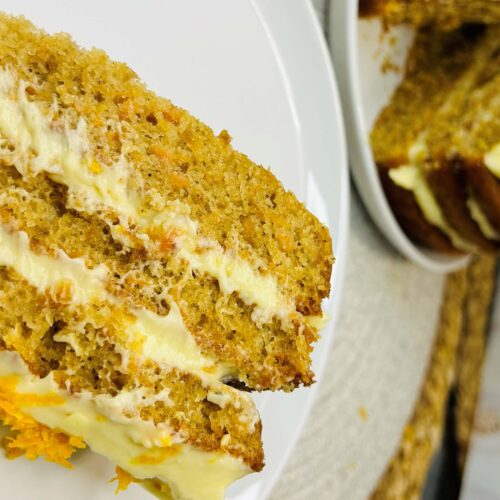
Super Soft Carrot Cake

Carrot cake is a moist and flavorful dessert made with grated carrots, often combined with ingredients like raisins and warm spices such as cinnamon. It’s typically finished with a creamy layer of cream cheese frosting, adding a delightful balance of sweetness and tanginess.

What is Carrot Cake?

Carrot cake is believed to have originated from England, but like most foods that are loved, South Africans have adopted this cake as one that is loved and known to be one of the choices of bakes at tea parties and meetings.

Cake carrot

FUN FACT: Carrots were originally used to sweeten confectionaries back in the day!

Yummy Cake carrot

Carrot Cake

A moist and flavorful dessert made with grated carrots.
Prep Time 30 minutes
Cook Time 1 hour 30 minutes
Total Time 2 hours
Course Dessert
Cuisine South African
Servings 12 people

Ingredients
  

For the Cake

  • 2 eggs
  • ½ cup canola oil
  • 1 teaspoon vanilla essence
  • ½ cup brown sugar
  • ½ cup treacle sugar
  • 1 cup fullcream milk
  • cup self-rising flour
  • 1 tablespoon cinnamon
  • 1 tablespoon mixed spice
  • carrots (gratedcarrots)
  • freshly squeezed orange juice

For the Icing

  • 150g unsalted butter
  • 100g icing sugar
  • 1 teaspoon vanilla essence
  • 230g cream cheese

Instructions
 

  • Preheat the oven to 180 degrees.
  • In a medium bowl, whisk the eggs, mix the canola oil and vanilla essence, and mix well.
    2 eggs, ½ cup canola oil
  • Add the treacle and brown sugar into the egg mixture and whisk until well mixed; follow with the milk and set aside.
    ½ cup brown sugar, ½ cup treacle sugar, 1 cup fullcream milk
  • Sift the flour into a large bowl, add the spices and mix.
    1½ cup self-rising flour
  • Add the wet ingredients to the dry ingredients and mix; once well mixed with no lumps, add the grated carrots and mix.
    1½ carrots (gratedcarrots), 1 teaspoon vanilla essence
  • Line a 30cm baking pan with a baking sheet or butter well to avoid having the cake stick to the pan. Once done, pour the batter into the baking dish, adding it in three equal pours to ensure you get three layers of cake.
    150g unsalted butter
  • Place the cake into the oven and make it for 30 minutes at 180 degrees. (if you have one pan like me, you will need to repeat this process three times, but if you have three pans, you can have one go at it)

While the cake/cakes are baking in the oven, we will head over to make the frosting.

  • Place the butter in a medium-sized bowl and whisk for a few minutes, until it starts to look fluff (about 3-4 minutes).
  • Sift the icing sugar into the butter, whisk until it's well incorporated, and then add the vanilla essence and cream cheese. Whisk until well mixed and set aside.
    100g icing sugar
  • As soon as the cakes come out of the oven, drizzle some orange juice over them; this will add to the flavor and fluffy texture of the cake.
    freshly squeezed orange juice
  • Assemble the cake by layering the cake, followed by frosting all the way to the top.
  • Serve with a cup of coffee, and ENJOY!
Keyword carrot cake
Tried this recipe?Let us know how it was!

Easy Creamy Prawns

Creamy prawns are a popular dish in South Africa, made with succulent prawns cooked in a rich and indulgent creamy sauce, often seasoned with a blend of spices and served with rice or bread. This showcases the country’s diverse culinary influences and love for seafood.

Prawns in the South African Context?

Prawns are known universally and have been viewed as a classy or high-end meal. If you know mopane worms, worms that we cook and eat in South Africa, you know where I am getting to.

Creamy Prawns and rice

Prawns are said to be the mopane worms of the ocean, but anyway, we love them just like we love our mopane worms. Let’s get cooking

Creamy prawns

Creamy Prawns

Made with succulent prawns cooked in a rich creamy sauce, often seasoned with a blend of spices.
Prep Time 5 minutes
Cook Time 20 minutes
Total Time 25 minutes
Course Main Dish
Cuisine South African
Servings 0

Ingredients
  

  • canola oil
  • 1 large onion (chopped)
  • 1 tablespoon garlic (crushed)
  • prawns
  • 1 tablespoon seafood rub
  • 1 tablespoon chermoula spice
  • 250 ml fresh cream

Instructions
 

  • In a pan over medium heat, add the canola oil, followed by the onion and garlic, and fry until the onion starts to look translucent.
    canola oil, 1 tablespoon garlic (crushed), 1 large onion (chopped)
  • Add the prawns and mix well; follow with the spices, and fry for 5 minutes or until the prawns start to look a little bit pink. Remove the prawns from the pan. 
    prawns, 1 tablespoon seafood rub, 1 tablespoon chermoula spice
  • In the same pan, add the cream and allow to simmer for a few minutes; as the cream starts to bubble, add the prawns back into the mix.
    250 ml fresh cream
  • Allow the mixture to simmer until the cream thickens, about 7-8 minutes.
  • Serve hot with your favorite staple or side. ENJOY
Keyword Creamy Prawns
Tried this recipe?Let us know how it was!

How to Make Suya Spice at Home (Nigerian Yaji)

Suya lovers, I’ve gotten something amazing for you; I’m sure you would love to know how the spicy and delicious powdered sauce added to your Suya is made; you will agree that it boosts the savoring meat flavor.

What is Suya Spice?

Suya spice, also known as “Yaji,” is a flavorful blend of ground peanuts (groundnut), aromatic spices, and many more. It originates from West Africa, particularly Nigeria. Suya spice, also called Suya powder, is a topping to complement the already-made suya meat, a popular street food and barbecue dish in Nigeria, Ghana, and Sierra Leone.

Suya spice holds a deep cultural significance in West African cuisine, especially among the Hausa people. Suya is more than just meat; it’s a sweet and tantalizing grilled meat that satisfies your tastebuds.

It can be used as a rub or marinade for meats like chicken, beef, and lamb, infusing them with its distinctive flavor profile.

The Nigerian Suya spice, known as Yaji in Hausa or Suya powder, is the best-kept recipe secret only known by the top Mallams of Hausaland but is a staple street food in West African countries- Nigeria, Ghana, and sierra leone. Best as an appetizer or snack.

Suya spice recipe
Image Credit: Facebook

What Does Suya Powder Taste Like?

Suya powder has a distinctive flavor characterized by its spiciness, nuttiness, and smokiness. Ground peanuts provide a nutty, slightly sweet element, while the smokiness comes from roasting the peanuts before grinding. The combination of ginger, garlic, and onion powder. These elements create a well-balanced and flavorful spice.

Suya spice can also enhance the taste of roasted vegetables, seafood, and even snacks li roasted nuts.

How to Make Suya Spice

To make Suya spice, prepare peanuts/groundnut through roasting for a smoky essence and skin removal, grinding the groundnut into a fine powder. Adjust proportions for the spice mixture, paprika, ginger, garlic, and onion powder to control spiciness. 

How to Use Suya Spice

It can be used as a rub or marinade for meats like chicken, beef, and lamb, adding its distinctive flavor profile.

Marinating Proteins: Suya spice can be used to marinate a variety of proteins, such as chicken, beef, lamb, and fish. The blend’s flavorful profile infuses meats with its distinctive combination of spiciness, nuttiness, and smokiness.

Grilling or Barbecue: Can be sprinkled on proteins after grilling or barbecuing the proteins to perfection. A good example is Suya.

Spiced Suya

Some people add the spice to enhance the taste of roasted vegetables, seafood, and snacks like roasted nuts.

 How to Preserve Your Homemade Suya Spice

Storage Containers: To maintain the freshness of your spice, use airtight jars or containers. These containers prevent moisture and air from compromising the flavor and quality of the spice blend.

Dark and Cool Storage: Store your spice in a cool, dark place. Exposure to sunlight and heat can degrade the potency of the spices and alter the flavor over time. Optimal storage conditions ensure the longevity of the spice blend.

Suya Spice

Homemade Suya Spice

Suya spice a distinctive flavor profile characterized by spiciness, nuttiness, and smokiness.
Prep Time 30 minutes
Total Time 30 minutes
Course Spice
Cuisine West-African
Servings 0

Ingredients
  

  • ½ cup peanuts
  • 2 tablespoon cayenne pepper
  • ¼ cup ginger powder
  • ¼ cup smoked paprika powder
  • 2 tablespoon onion powder
  • 2 tablespoon garlic powder
  • 1 tablespoon seasoning powder (2 to 3 cubes)
  • salt to taste

Instructions
 

  • In a dry pan over medium heat, add the peanuts.Toast the peanuts in the pan, stirring frequently to prevent burning.
    ½ cup peanuts
  • Roast for about 5-7 minutes until they are slightly browned and aromatic.
  • Remove the pan from heat and allow the peanuts to cool down.
  • Once the peanuts have cooled, rub them between your hands to remove the skins. Discard the skins and keep the edible peanut nut.
  • Grind the roasted and skin-removed peanuts into a fine powder using a mortar and pestle or a spice grinder. Set aside.
  • In a bowl, combine the cayenne pepper, ginger powder, smoked paprika powder, onion powder, and garlic powder.
    2 tablespoon cayenne pepper, ¼ cup ginger powder, ¼ cup smoked paprika powder, 2 tablespoon onion powder, 2 tablespoon garlic powder
  • Add the seasoning powder (crumbled cubes) to the mixture. Adjust the number of cubes based on your desired saltiness level.
    1 tablespoon seasoning powder (2 to 3 cubes)
  • Add the ground roasted peanuts into the spice mixture, ensuring even distribution.
  • Add salt to taste but be cautious because you added seasoning powder already.
    salt to taste
  • Your suya spice blend is now ready to enhance various dishes.

Notes

Note: Peanuts here is also known as groundnut.
Keyword Suya Spice
Tried this recipe?Let us know how it was!

Ghanaian Chale Sauce

0

Ghanaian Chale Sauce is a delicious and versatile condiment hailing from West Africa. Bursting with flavor and a unique blend of spices, this sauce adds an authentic touch to a wide range of dishes. Whether used as a dipping sauce or a marinade, its rich and tangy profile is sure to delight your taste buds. Be sure to try this West African cuisine.

Chale sauce

Ghanaian Chale Sauce

Avatar photoLaila Yetunde
A Tasty Recipe and Cooking Instruction for the Ghanaian Chale Recipe
Prep Time 40 minutes
Cook Time 30 minutes
Total Time 1 hour 10 minutes
Course Sauce
Cuisine Ghanaian
Servings 0

Ingredients
  

  • 2 large onions, chopped
  • 3 cloves of garlic, minced
  • 2 ripe tomatoes, chopped
  • 3-4 hot chili peppers (adjust to taste)
  • 1 teaspoon ground ginger
  • 1 teaspoon ground nutmeg
  • 1 teaspoon ground coriander
  • 1 teaspoon ground cayenne pepper
  • 1 teaspoon paprika
  • 1 teaspoon dried thyme
  • 1 teaspoon curry powder
  • 1/4 cup vegetable oil
  • 1 tablespoon tomato paste
  • 1 Salt and pepper to taste
  • 1 cup water

Instructions
 

  • In a blender or food processor, combine the chopped onions, minced garlic, chopped tomatoes, and hot chili peppers. Blend until you have a smooth paste
    2 large onions, chopped, 3 cloves of garlic, minced, 3-4 hot chili peppers (adjust to taste), 2 ripe tomatoes, chopped
  • Heat the vegetable oil in a saucepan over medium heat. Add the blended mixture and cook, stirring frequently, for about 10-15 minutes until the mixture has reduced and deepened in color
    1/4 cup vegetable oil
  • Mix in the tomato paste and continue to cook for an additional 5 minutes, stirring occasionally
    1 tablespoon tomato paste
  • Add all the ground spices - ginger, nutmeg, coriander, cayenne pepper, paprika, dried thyme, and curry powder. Stir well to combine and allow the spices to bloom in the heat for a couple of minutes
    1 teaspoon ground ginger, 1 teaspoon ground nutmeg, 1 teaspoon ground coriander, 1 teaspoon ground cayenne pepper, 1 teaspoon paprika, 1 teaspoon dried thyme, 1 teaspoon curry powder
  • Pour in the water and bring the sauce to a gentle simmer. Allow it to cook for about 20-25 minutes, stirring occasionally, until the sauce thickens and the flavors meld together
    1 cup water
  • Season the sauce with salt and pepper to taste
    1 Salt and pepper to taste
  • Remove the sauce from heat and let it cool slightly before transferring it to a clean, airtight container. You can store it in the refrigerator for up to a week

Notes

Enjoy your homemade Ghanaian Chale Sauce as a dipping sauce for fried plantains, grilled meats, or as a marinade for chicken or fish. Its vibrant blend of flavors will transport you to the heart of West African cuisine!
Keyword Ghanaian Chale Sauce
Tried this recipe?Let us know how it was!


7 Delightful Ghanaian Food Festivals You Can’t Miss

Ghanaian Food Festivals are a culinary adventure that blends the vibrant tapestry of culture with the tantalizing allure of flavors. It’s usually an experience like no other. In the heart of West Africa, Ghana stands as a beacon of rich traditions and gastronomic marvels. Welcome to a land where the rhythm of drums resonates in harmony with the sizzle of spices, where the aroma of grilled delicacies mingles with the joyous laughter of festival-goers.

Join us as we discuss the captivating world of Ghanaian food festivals – a journey that traverses bustling streets, tranquil coastal towns, and vibrant cultural celebrations, all while savoring the authentic tastes that define this remarkable nation. From the intricate artistry of Chale Wote to the symbolic dishes of Homowo, let’s set forth on an exploration of some of the country’s remarkable food festivals that showcase the essence of Ghana’s soulful culinary heritage.

Ghanaian Food Festivals

When it comes to experiencing the rich flavors of West African cuisine, Ghana stands out as a vibrant culinary destination. Here are seven must-visit Ghanaian food festivals that will tantalize your taste buds and immerse you in the local culture.

Chale Wote Street Art Festival

While primarily an art festival, Chale Wote in Accra has become synonymous with food and culture. This Ghanaian food festival showcases a fusion of art, music, dance, and, of course, delectable Ghanaian street food. Local vendors line the streets, offering traditional dishes such as jollof rice, kelewele (spicy fried plantains), and waakye (rice and beans). The aroma of grilled fish wafts through the air, inviting visitors to indulge in the flavors of Ghana’s coastal cuisine. Chale Wote is a true feast for the senses, bringing together creativity and culinary delights.

Homowo Ghanaian Food Festival

Homowo, meaning “hooting at hunger,” is celebrated by the Ga people in Accra. The festival pays homage to the Ga’s history of overcoming famine and scarcity. One of the highlights of Homowo is the Kpokpoi dish, a flavorful porridge made from maize and palm nut soup. During the festivities, families gather to share this symbolic dish, symbolizing unity and abundance. Homowo is not just a celebration of food; it’s a cultural experience that offers insights into the traditions and resilience of the Ga people.

Fetu Afahye Ghanaian Food Festivals

Nestled in the heart of Cape Coast, Fetu Afahye is a grand festival celebrated by the Fante people to honor their ancestors. These Ghanaian food festivals are marked by vibrant processions, traditional dances, and an array of traditional dishes. The main event features a banquet called “Etsew,” where locals and visitors come together to enjoy Fante favorites like banku (fermented corn and cassava dough) with various soups, grilled seafood, and fruits. Fetu Afahye is a captivating display of Fante culture and cuisine that offers a unique blend of flavors and traditions.

Akwambo Festival

The Akwambo Festival, celebrated by the Effutu people in Winneba, is a showcase of heritage and culinary excellence. The festival is characterized by colorful parades, music, and dance performances, but the food steals the show. Visitors can savor dishes like oto (mashed yam and eggs), fufu (a starchy staple), and tilapia prepared in a myriad of ways. These Ghanian food festivals provide a glimpse into the culinary diversity of Ghanaian cuisine, showcasing the ingenuity and creativity of local chefs.

Asafotufiam Festival

Held in Ada, the Asafotufiam Festival is a grand celebration of the Ada people’s bravery in historic battles. The festival features exciting displays of martial arts, cultural performances, and a rich array of traditional foods. A highlight of the event is the Ada version of kebabs called “Kpokpoi Kpekple.” These skewered meat delicacies are prepared with local spices and are a favorite among festival-goers. Asafotufiam is not only a time of remembrance but also a time of jubilation, marked by the joyous indulgence in authentic Ada cuisine.

Bakatue Festival

The Bakatue Festival is a lively event celebrated by the people of Elmina in the Central Region of Ghana. The festival marks the beginning of the fishing season and pays tribute to the town’s maritime heritage. As part of the festivities, locals and visitors gather along the coastline to witness a colorful regatta on the Benya Lagoon. Beyond the water-based activities, the festival boasts an array of seafood dishes that showcase the bounty of the sea. Grilled lobster, crab stew, and fried fish are just a few of the delicacies you can enjoy during Bakatue. This festival not only offers a feast for seafood lovers but also allows you to connect with Elmina’s history and coastal traditions.

Adae Kese Festival

The Adae Kese Festival is a grand celebration of the Ashanti people’s rich culture and heritage. Held in Kumasi, the capital city of the Ashanti Region, this festival is the most important of the Adae festivals. The festival involves a series of rituals, performances, and processions that pay homage to ancestral spirits and the Ashanti royal family. Food plays a central role in the festivities, with traditional dishes like fufu and light soup, rice dishes, and fried plantains gracing the banquet tables. The festival provides a unique opportunity to not only savor Ashanti cuisine but also to witness the deep-rooted spiritual and cultural traditions of the Ashanti people.

These Ghanaian food festivals highlight the diversity and richness of Ghana’s culinary landscape. Whether you’re enjoying seafood by the coastline during the Bakatue Festival or indulging in Ashanti delicacies at the Adae Kese Festival, each celebration presents a unique chance to delve into Ghana’s cultural heritage and its delightful array of flavors.

Ghanaian Food Festivals

In conclusion, Ghanaian food festivals offer a dynamic blend of flavors, traditions, and cultural experiences that are sure to leave an indelible mark on any visitor. From the bustling streets of Accra to the tranquil coastal towns, these festivals showcase the heart and soul of Ghanaian cuisine. Whether you’re exploring the intricate artistry of Chale Wote or savoring the symbolic dishes of Homowo, each festival presents an opportunity to immerse yourself in the rich culinary heritage of this West African nation. So, if you’re seeking a journey of taste and culture, be sure to add these five food festivals to your travel itinerary in Ghana.

6 Healthy Ways to Cook Eggs: A Nutrient-Rich Delight

Eggs are a nutritional powerhouse, packed with essential vitamins, minerals, and high-quality protein. Although there are several healthy ways to cook eggs, They are versatile and can be prepared in various ways, each offering its own unique flavor and texture. But what is the healthiest way to cook eggs? In this article, we’ll explore the different cooking methods and their nutritional benefits, helping you make the best choice for your health. So let’s crack into the world of eggs and discover the healthiest ways to cook them!

Egg Nutrition 101

Before we dive into the different cooking methods, let’s take a moment to appreciate the nutritional value of eggs. One large egg contains approximately 70 calories, 5 grams of fat (including 1.5 grams of saturated fat), 185 mg of cholesterol, 70 mg of sodium, and 6 grams of protein. Eggs are free of carbs, fiber, and sugars, making them a great option for those following low-carb or keto diets.

In addition to their macronutrient profile, eggs are rich in vitamins and minerals. They provide essential nutrients such as vitamins A, D, E, B2, B12, and biotin, along with minerals like iron, potassium, calcium, and selenium.  Eggs are also a great source of choline and me folate, which are important for supporting cell growth, brain health, and healthy pregnancies.

Now that we have a better understanding of the nutritional benefits of eggs, let’s explore the healthiest ways to cook them.

1. Scrambled Eggs: Whisking Up a Nutritious Breakfast

Scrambled eggs are a breakfast staple, loved for their creamy texture and endless flavor possibilities. To prepare scrambled eggs, whisk the eggs in a bowl and cook them in a nonstick pan with a small amount of oil, butter, or cooking spray. While some recipes call for the addition of milk, half-and-half, or cream, you can also opt for a splash of water to keep the calorie count low.

Healthy ways to cook eggs

Scrambled eggs are a versatile option, allowing you to add various ingredients like vegetables, herbs, or cheese to enhance the flavor and nutritional value. However, it’s important to keep an eye on the additional ingredients as they can significantly increase the fat and calorie content of the dish.

2. Boiled Eggs: Simplicity at Its Finest

Boiled eggs are one of the simplest and healthiest ways to enjoy eggs. Soft-boiled eggs have a soft, runny yolk, while hard-boiled eggs have a fully-cooked, firm yolk. Boiling eggs requires no added cooking fat, making it a calorie-conscious option.

Healthy ways to cook eggs

Boiled eggs can be enjoyed on their own as a quick and easy snack or used as a protein-rich addition to salads and grain bowls. They are a great source of high-quality protein, providing all the essential amino acids your body needs.  Plus, they are portable and make for a convenient on-the-go snack.

3. Poached Eggs: A Delicate and Elegant Option

Poached eggs are a delicacy known for their elegant presentation and luscious texture. To poach an egg, gently crack it into a simmering water bath and cook until the white is set and the yolk is still runny. This cooking method requires no added fat, making it a low-calorie option.

Healthy ways to cook eggs

Poached eggs are a great addition to grain bowls, salads, or served on top of avocado toast. Their velvety texture and rich flavor can take any dish to the next level. However, it’s important to note that traditional recipes like Eggs Benedict, which often include hollandaise sauce and other high-calorie ingredients, can significantly increase the overall calorie count.

4. Fried Eggs: A Healthy Twist on Classic Comfort

Fried eggs, contrary to what their name suggests, can be a healthy choice when prepared properly. Instead of scrambling the eggs, crack them directly into a pan and cook them until desired doneness. You can enjoy them “sunny-side up” or flip them for a more thoroughly cooked yolk. Adding a small amount of oil or butter will help prevent sticking and add flavor.

Healthy ways to cook eggs

Fried eggs can be served on their own, over rice bowls, or even on top of a burger, adding a protein boost and a delicious runny yolk. By controlling the amount of fat used, you can keep the calorie count in check while still indulging in this classic comfort food.

5. Baked Eggs: A Versatile and Nutrient-Packed Delight

Baking eggs opens up a world of possibilities, from meal-prep breakfast sandwiches to quiches and egg muffins. This cooking method allows you to mix eggs with other ingredients like vegetables, cheese, or lean meats for a flavorful and nutrient-packed dish. The nutrient value of baked eggs depends on the ingredients you use, so it’s important to choose wisely.

Healthy ways to cook eggs

By opting for lower-fat ingredients, loading up on veggies, and even going crust-less, you can create a high-protein, low-calorie quiche or egg muffin. Baked eggs are a great option for those looking to meal prep or enjoy a filling breakfast that can be customized to their liking.

6. Sous Vide Eggs: A Modern Twist on Egg Preparation

Sous vide eggs are a relatively new cooking method that involves sealing the eggs in a vacuum-sealed bag and cooking them in a temperature-controlled water bath. This technique allows for precise control over the level of doneness, resulting in perfectly cooked eggs every time.

Healthy ways to cook eggs

While sous vide eggs can be cooked without the need for added fat, some recipes for “egg bites” may include a mixture of eggs, cheese, meats, and vegetables, increasing the calorie and fat content. It’s important to choose recipes that align with your health goals and use lower-fat ingredients whenever possible.

Conclusion

Eggs are a nutrient-rich delight, offering a wide range of health benefits. Whether you prefer scrambled, boiled, poached, fried, baked, or sous vide eggs, each cooking method has its own unique advantages. Scrambled eggs are versatile and can be customized with various ingredients, while boiled and poached eggs offer simplicity and convenience. Fried eggs can be enjoyed with controlled amounts of fat, and baked eggs allow for endless flavor combinations. Sous vide eggs offer precise control over doneness levels. By choosing the healthiest way to cook eggs that aligns with your dietary preferences and goals, you can enjoy this nutritious and delicious food to the fullest.

So go ahead, experiment with different cooking methods, and savor the goodness of eggs in your favorite dishes. Whether it’s a hearty breakfast, a protein-packed salad, or a quick snack, eggs are a versatile ingredient that can elevate any meal. So whip up your favorite egg dish and nourish your body with the wholesome goodness of these incredible edible gems!


QUICK RECIPES