

102
Lemon Leaf: A Perfect Mix of Wellness and Aroma

Table of Contents
Lemon leaf gotten from the lemon tree (Citrus limon), an essential part of the citrus family known for its unique fragrance, vibrant appearance, and different uses. Lemon tree originally came from Asia but now grows all over the world. Its leaves can be small or medium and look stretched out with a pointy end. These leaves grow on the branches in a special way, and their edges are a bit wavy.
You may notice they feel oily if you touch the leaves. As the leaves get older, they change colors, going from a color similar to burgundy when they are tender to vibrant green color as they grow. Some parts of the leaves are shiny, while others are not as shiny.

These leaves have been traditionally valued for their role in various cultures and cuisines, often used to impart a subtle lemony taste to dishes, teas, and beverages. Beyond their culinary contributions, lemon leaves have also found a place in alternative medicine and aromatherapy due to their aromatic and potentially beneficial properties.
Something captivating about lemon leaves is their citrus fragrance. Lemon leaves release an inviting aroma when crushed or gently rubbed, just like the fresh lemons. This natural smell is because of the presence of essential oils, such as limonene, linalool, and citronellal, within the leaves; this oil can be extracted.
What are the Benefits of Lemon Leaf?
Prevents the Growth of Bacterial: Contains compounds like citral and limonene that possess antibacterial properties. These natural components can help prevent the growth of harmful bacteria and reduce the risk of infections. Citral, in particular, has been studied for its antimicrobial effects.
Packed with Vitamin C and Antioxidants: Lemon leaves are rich in antioxidants, such as flavonoids and ascorbic acid, known as vitamin C. Antioxidants play an vital role in neutralizing free radicals that can cause oxidative stress and damage cells. The high antioxidant content contributes to their potential health benefits, including protection against chronic diseases.
Prevents Fungal Infections: Contain compounds with antifungal properties, making them effective against certain types of fungi. Limonene, a major component of lemon leaves, has been studied for its antifungal activity. Lemon leaf extracts may be used as natural alternatives for fungal infections.
Anti-inflammatory Properties: It contains bioactive compounds that exhibit anti-inflammatory effects. These compounds, including citral and polyphenols, can help reduce inflammation in the body. Managing inflammation is important and contributes to reducing the risk of chronic diseases. The oil extracted from lemon leaf is an effective treatment for arthritis.
Digestive Support: Lemon leaf have been traditionally used to aid digestion. They help stimulate the production of digestive enzymes, which is important in breaking down food and promoting nutrient absorption. This can lead to improved digestion and gastrointestinal health.
Relief from Nausea: The aroma of lemon leaves is known for its calming effects on the stomach. Inhaling the scent of lemon leaves or consuming lemon leaf tea may help alleviate nausea and provide relief from digestive discomfort. To relieve nausea, you can take lemon tea every morning; lemon leaf tea can be made with fresh lemon leaves that have either been boiled or soaked in hot water until the liquid turns greenish-yellow.
Stress Reduction and Relaxation: Lemon leaves have properties These may help in stress reduction and relaxation. Using lemon leaf essential oil may have a calming effect on the nervous system and contribute to stress reduction.
Weight Control: While it’s not a direct weight loss solution, lemon leaves’ potential to support digestion and metabolism can contribute to weight control efforts. Improved digestion and metabolism may indirectly aid in weight control.
Relief from Constipation: Lemon leaves’ mild laxative properties that may help promote bowel movements and relieve constipation. Taking lemon leaf tea or incorporating lemon leaves into your diet could support healthy digestion and regularity.
Insomnia Management: The calming and stress-reducing effects of lemon leaves can contribute to better sleep quality and insomnia management. Enjoying a cup of lemon leaf tea before bedtime may help improve sleep patterns.
Is it Ok to Eat Lemon Leaves?
Lemon leaves are indeed edible but with a need for moderation. While safe for consumption, their compounds, like essential oils and citronellol, may cause digestive discomfort in excessive amounts. Culinary traditions across various cultures, particularly in Southeast Asian and Mediterranean cuisines, embrace lemon leaves for their delicate citrus essence. They are used as wraps, infusing dishes with a lemony flavor during cooking. Caution is advised, especially regarding allergies and reactions, and selecting leaves from untreated lemon trees is recommended, trees that are free from fertilizers.
Lemon Leaf Tea
Lemon leaf tea is a delightful and aromatic herbal drink crafted from the leaves of the lemon tree. Beyond its appealing taste and fragrance, lemon leaf tea offers a range of potential health benefits, as stated above, making it a popular choice for both its flavor and wellness attributes, you can add ginger for a juicy taste.
Here is an extensive guide on how to make lemon leaf tea.

Can I Drink Lemon Leaf Tea Every Day?
Incorporating lemon leaf tea into your daily routine can add a refreshing twist while potentially offering When taken in moderation, it provides some health benefits. However, it is advisable not to drink more than a cup daily. Let’s see some reasons you can incorporate lemon leaf tea on a regular basis:
Hydration and Refreshing Taste: Lemon leaf tea serves as a flavorful and hydrating alternative to sugary beverages. Its delightful taste and natural aroma make it an enticing option for staying hydrated throughout the day. Sipping lemon leaf tea can be a pleasant way to quench your thirst and invigorate your senses.
Potential Health Effects in Moderation: Enjoying lemon leaf tea in moderation may offer some potential health benefits, as highlighted above. Rich in antioxidants, the tea contributes to the body’s defense against oxidative stress, potentially reducing the risk of chronic diseases. Its bioactive compounds, like vitamin C and polyphenols, can boost the immune system, aiding the fight against infections. The tea’s gentle impact on digestion may promote efficient absorption and alleviate digestive discomfort.
Note: While the benefits of lemon leaf tea are promising, it’s important to take moderation in its consumption.
How do You Clean Lemon Leaves?
Follow these simple steps to clean lemon leaves effectively:
Harvest or Source Fresh Leaves: If you have access to a lemon tree, pluck healthy leaves free from signs of damage or disease. If sourcing from the market or store, choose leaves that appear clean and vibrant.
Rinse in Cold Water: Gently rinse the leaves in cold water.
Inspect the leaves properly: Examine each leaf carefully, and look out for any dirt, debris, or insects that might be clinging to the surface. If you notice any foreign particles, gently remove them using your fingers or a soft brush.
Additional Cleaning: For an extra layer of cleanliness, you can fill a bowl with cold water and add a splash of vinegar. Dip the leaves into the vinegar solution for a few seconds to help remove any contaminants. Rinse the leaves again under cold water to remove the vinegar solution.

You can store the cleaned leaves in an airtight container in the fridge to maintain their freshness until you’re ready to use them.
Tips and Considerations
If you’re using lemon leaves for culinary purposes, ensure that they have not been treated with pesticides or chemicals.
If you notice any signs of damage or discoloration, take away those leaves to ensure the quality of your preparations.
Cleaning lemon leaves just before use helps preserve their aroma and potential benefits.
Frequently Asked Questions
Can You Chew on Lemon Leaves?
Yes, you can chew on lemon leaves, and they are considered safe for consumption as they are non-toxic. You must ensure they haven’t been treated with pesticides.
Is Lemon Tea Good for the Liver?
Lemon tea, particularly when made with fresh lemon juice, may offer some potential benefits for liver health due to its antioxidant and hydrating properties. However, it’s important to note that while lemon tea can be a part of a balanced and healthy diet, it is not a cure or a direct treatment for liver conditions.
Can Lemon Tea Reduce Belly Fat?
Lemon tea alone is not a magical solution for reducing belly fat. While lemon tea can be a part of a healthy diet and lifestyle that may support weight control, you could add ginger and lemon to green tea or consult a medical practitioner to know what works for you.
Is Lemon Tea Good for High Blood Pressure?
Lemon tea may have some potential benefits for individuals with high blood pressure. However, it’s important to note that lemon tea is not a substitute for medical treatment or prescribed medications. It should be seen as part of a broader approach to managing blood pressure.
Are you a Kitchen Wizard? Test Your Knowledge of Exotic African Spices

Get ready to embark on a flavorful journey through the diverse and aromatic world of African spices! From the bustling markets of Morocco to the savannas of Kenya, these spices have been tantalizing taste buds for generations.
12
How Many Teaspoons in a Cup: Understanding Measurements

Table of Contents
Measurement is very important when it comes to cooking and baking; it helps you get the desired result. There are approximately 48 teaspoons in a cup according to the United States standard measurement system. Knowing this conversion is the ultimate kitchen hack. So, if your recipe calls for a cup of flour, that’s around 48 teaspoons worth. It’s handy to keep in mind for scaling recipes up or down. Remember, you might not have all your tools at hand and can sometimes lack measuring cups, but knowing there are about 3 teaspoons in a tablespoon can also help you improvise.
There are different units of measurement ranging from teaspoons, tablespoons, cups, etc. But sometimes, you may not readily have all the equipment available you might have to improvise with what you have at hand. This may lead to the question like, how many teaspoons are in a cup?
In this article, I will explain in detail all you need to know about measurement while cooking or baking(which involves measuring wet or dry ingredients), how many teaspoons in a cup, and many more. Let’s get started.
Firstly, what exactly is a teaspoon?
What is a Teaspoon?
A teaspoon is a small but essential utensil used for measuring and dispensing small quantities of ingredients or medications, typically used in cooking, baking, preparing beverages, or giving prescriptions. Traditionally, a teaspoon is a volume measurement unit, holding about 1/3 of a tablespoon or roughly 5 milliliters (ml). Its name originates from the Old English word “tesp,” meaning a bit or morsel.

In recent times, teaspoons have become standardized, typically holding 5 milliliters or approximately 5.9 grams of water. Teaspoons come in various materials, like stainless steel, plastic, and even decorative designs for serving. Teaspoons can have rounded or oval-shaped bowls and may vary in handle length for different purposes.
In cooking or baking, teaspoons are used to accurately measure spices, flavorings, and small amounts of liquid ingredients, giving recipes a concise precision. Additionally, they’re crucial for stirring ingredients into hot beverages like tea or coffee.
For exact measurements, teaspoons remain an indispensable tool for cooking purposes. It’s commonly used in countries around the world, including Africa; you can easily get one in supermarkets and malls.
Teaspoon Abbreviations
Teaspoon abbreviations are commonly represented as “tsp,” tspn, or “t.” in recipes and cooking instructions. When measuring ingredients, knowing the difference between teaspoons and tablespoons is important. Tablespoons have different abbreviations like “tb,” “tbs,” or “tbls.” Mixing them up can lead to irreversible kitchen mistakes. So, be mindful not to mix them for perfect cooking results.
What is a Cup
A cup is a basic unit of measurement widely used in cooking, baking, and serving beverages. Historically, a cup varied greatly in size and was influenced by cultural practices and local measurements. In the United States, efforts towards standardization led to the adoption of the legal cup, about 237 milliliters (ml) and equivalent to 8 fluid ounces. However, metric countries like Canada, New Zealand, and the United Kingdom embrace the metric cup, which is equal to 250 ml. These differences highlight the dynamic nature of cup measurements across regions.

Fannie Farmer, the director of Boston Cooking School, invented the standard measurements of modern-day dry measuring cups in 1896. The cup serves as a consistent tool for recipe precision. Recipes call for cups of flour, sugar, or liquids, ensuring accuracy in the results of dishes.
Beyond cooking, cups became essential in nutrition, providing the perfect way to track food intake. Nutritional labels display measurements in cups, aiding individuals in making informed dietary choices. It also fosters cultural and social connections, symbolizing sharing and togetherness as we enjoy conversations over a cup of coffee or tea.
How Many Teaspoons in a Cup
In cooking and baking, we use cups and teaspoons to measure ingredients. A cup is like a big container that holds 48 teaspoons; 48 teaspoons in a cup, a cup is often used to measure larger ingredients like flour. So, if you have a cup of flour, it’s like having 48 teaspoons of flour.

Now, about 8 teaspoons in a cup – that’s the same as one-third of a cup. If a recipe says “half a cup,” it’s not exactly 8 teaspoons in a cup, but it’s close! 3 teaspoons equal 1 tablespoon, and 16 tablespoons equal 1 cup.
Also, 4 tablespoons make a quarter (1/4) cup. So, if you need a quarter cup of oil, you can use 4 tablespoons instead.
Using cups and teaspoons helps you follow recipes and make perfect dishes, and if you don’t have a cup, you can easily improvise with your teaspoon. Just remember, there are 48 teaspoons in a cup, and 8 teaspoons in a cup is close to half of the cup.
Teaspoon Measurement Conversions
| Teaspoon Measurement | Cup Measurement |
| 48 teaspoons | 1 cup |
| 36 teaspoons | ¾ cup |
| 16 teaspoons | ⅓ cup |
| 12 teaspoons | ¼ cup |
| 6 teaspoons | ⅛ cup |
| 3 teaspoons | 1/16 cup |
Teaspoon Measurement Conversions For Liquid
| Teaspoon Measurement | Fluid Measurement |
| 48 teaspoons | 6 fluid ounces |
| 36 teaspoons | 4 fluid ounces |
| 16 teaspoons | 2⅓ fluid ounces |
| 12 teaspoons | 2 fluid ounces |
| 6 teaspoons | 1 fluid ounce |
| 3 teaspoons | ½ fluid ounces |
Other Common Measurement Conversion
| 1 teaspoon | 0.1666666666667 tablespoon |
| 2 teaspoons | 1/3 tablespoon |
| 3 teaspoons | 1 tablespoon |
| 4 tablespoons | ¼ cup |
| 8 tablespoons | ½ cup |
| 12 tablespoons | ¾ cup |
| 16 tablespoons | 1 cup |

3 Ways to Measure When Cooking
Here are three fundamental ways to measure ingredients: mass, volume, and count.
- Mass (Weight) Measurement: Weighing the Essence
Mass measurement involves quantifying ingredients by their weight. A kitchen scale is best for this. Flour, sugar, and spices are often measured in grams or ounces. This method ensures consistency, especially in baking, where precise ratios are crucial for successful outcomes. Modern digital scales offer ease and accuracy, making it a preferred choice for many seasoned chefs.
- Volume Measurement: For Liquid and Air
Volume measurement deals with the space an ingredient occupies. Which is The major discussed in this article the use of cups, tablespoons, and teaspoons. Liquids, like water and oil, fill these spaces, and also dry ingredients like flour fit in. Ingredients used in small amounts, like salt, powdered spices, baking powder, etc., are best measured with measuring spoons.
- Count Measurement: By the Numbers
Counting is the simplest form of measurement, ideal for items like eggs, pepper, or fruits. This method is direct: one, two, three… and so on. While it might seem elementary, precision is key. Accurately counting items guarantees balanced proportions and consistent results. From eggs in a cake batter to olives in a salad, count measurement ensures every serving is just right.
Each method has its strengths, influenced by the nature of the ingredient and the recipe’s demands.
Common Teaspoon Measuring Instructions
Level up: Hold the teaspoon over your ingredient and gently fill it with a spoon or scoop. Make sure the ingredient is level with the top of the spoon, not heaped or overflowing. You can use the back of a table knife or a flat edge to sweep across the top of the teaspoon, removing any excess ingredients. This ensures an accurate measurement.
Rounded Teaspoon: A rounded teaspoon measurement refers to filling the teaspoon with an ingredient so that it’s slightly rounded above the edges of the spoon. It’s a moderate amount, not flat or heaping. This is commonly used when a recipe calls for a casual or average amount of an ingredient, striking a balance between precise and generous.
Heaping Teaspoon: When a recipe calls for a heaping teaspoon, you fill the teaspoon with an ingredient so that it forms a small mound above the edges of the spoon. It’s a bit more than a level or rounded teaspoon and is often used for ingredients that add flavor, like spices or herbs. However, use caution, as too much of a strong ingredient can overpower a dish. It’s a way to add a touch extra for a bolder taste.
How Can I Measure 1 Cup without A Measuring Cup?
For those without measuring cups, creative solutions like using specific containers to estimate it to the measuring cup, like ice cream scoop and yoghurt container, or you can use your hands to estimate. A handful is roughly half a cup. Remember, it might not be super precise, but it offers flexibility.
Tips for Measuring Accurately
Use proper measuring cups and spoons. Using random cups and spoons can lead to inaccurate measurements especially when measuring teaspoons in a cup.
For dry ingredients like flour or sugar, use a flat edge (like a knife) to level off the excess, ensuring a precise measurement.
When measuring liquids, use a liquid measuring cup and fill to the appropriate line. Avoid overcrowding or under-filling, as this can lead to inaccuracies.
When measuring dry ingredients, like flour, use a spoon to scoop into the measuring cup and then level it off with a flat edge. Avoid tapping or shaking the cup.
In baking, small variations can affect the outcome. For critical recipes, like cakes or pastries, measure ingredients precisely to maintain consistency.
You can use a glass or transparent measuring cup for liquid; this helps you see clearly what you’re measuring.
Frequently Asked Question
Is 8 Teaspoons Half a Cup?
No, 8 teaspoons in a cup is not equal to half a cup. 8 teaspoons is one-sixth (1/6) of a cup.
Does 3 Teaspoons Equal 1 Tablespoon?
Yes, 3 teaspoons equals 1 tablespoon.
How Many Cups is 12 Teaspoons?
12 teaspoons is equal to 1/4 (0.25) of a cup.
How Many Tablespoons Is One Cup?
There are 16 tablespoons in one cup.
Does 4 Tablespoons Equal 1 Cup?
No, 4 tablespoons do not equal 1 cup. 4 tablespoons is equivalent to 1/4 (0.25) of a cup.
Exploring the Exotic World of African Spices From the Savanna to Your Kitchen

Table of Contents
Welcome to the world of native African spices. Africa is a land of rich and diverse flavors, and its spices are no exception. From the bustling markets of Marrakech to the vibrant streets of Lagos, the continent is a treasure trove of aromatic herbs and spices that have been used for centuries to enhance the flavors of African cuisines. In this article, we will delve into the fascinating world of African spices, exploring their history, health benefits, popular uses, and even ways to incorporate them into international cuisines. So, prepare your taste buds for a culinary adventure as we embark on a journey through the savannas and into your kitchen.
History of African Spices
Spices have played a significant role in African culture and cuisine for thousands of years. Trade routes stretching across the continent allowed for the exchange of goods, including precious spices. The ancient Egyptians, known for their love of aromatic flavors, imported spices such as cinnamon, cloves, and nutmeg from the East African coast. As Arab traders ventured deeper into Africa, they introduced new spices like cardamom and coriander to the local populations.

The Portuguese explorers who arrived in Africa in the 15th century further enriched the spice repertoire of the continent. They brought with them chili peppers from the Americas, which quickly found their way into the local cuisine. Today, African spices are a fusion of indigenous herbs and those introduced by explorers and traders throughout history. This unique blend of flavors is what makes African cuisine so enticing and distinct.
Health Benefits of African Spices
Not only do African spices add depth and flavor to dishes, but they also offer a wide range of health benefits. Many African spices are known for their antioxidant properties, which help combat inflammation and protect against chronic diseases. Take turmeric, for example, a spice commonly used in North African cuisine. It contains curcumin, a powerful compound that has been shown to have anti-inflammatory and antimicrobial properties.
Another popular spice with health benefits is Cinnamon. Widely used in African desserts and beverages, cinnamon has been found to help regulate blood sugar levels and improve insulin for sensitivity, making it a valuable spice for those with diabetes. Additionally, spices like ginger and garlic, commonly used in African cooking, have long been praised for their immune-boosting properties and ability to aid digestion. So, not only do African spices tantalize your taste buds, but they also contribute to your overall well-being.
Popular African Spices and Their Uses
African cuisine is a tapestry of flavors, and the spices used in the region reflect this diversity. Let’s explore some of the most popular African spices and their traditional uses:
Berbere : A fiery spice blend from Ethiopia, berbere consists of chili peppers, garlic, ginger, and a variety of aromatic herbs. It is commonly used in stews, soups, and meat dishes to add a rich, complex flavor.
Ras el Hanout: Hailing from Morocco, this fragrant spice blend is a staple in North African cuisine. It typically includes cinnamon, cumin, coriander, ginger, and cardamom, among other spices. Ras el Hanout is often used to season meat, poultry, and rice dishes.
Njangsa: Native to West Africa, njangsa is a nutty spice derived from the seeds of the ricinodendron tree. It is commonly used in soups, stews, and sauces to add a unique flavor and texture.
Peri-Peri: Originating from Mozambique, peri-peri is a hot chili pepper that adds a fiery kick to dishes. It is often used in marinades and sauces to add heat and depth of flavor.
These are just a few examples of the wide array of spices found throughout Africa. Each spice brings its own unique character to dishes, creating a symphony of flavors that is truly unforgettable.
Where to Buy African Spices
If you’re eager to explore the world of African spices, you’ll be pleased to know that they are becoming more widely available. Many specialty grocery stores and online retailers now offer a wide selection of African spices, allowing you to experiment with flavors from the comfort of your own kitchen. When purchasing African spices, it’s important to ensure that they are sourced ethically and sustainably. Look for brands that support fair trade practices and work directly with farmers in Africa to ensure the highest quality products.
Cooking with African Spices – Recipes and Tips
Ready to kick-start your culinary adventure with African spices? Here are a few recipes and tips to inspire you:
Jollof Rice: This iconic West African dish is a flavorful combination of rice, tomatoes, onions, and a medley of spices. The key to a delicious jollof rice lies in the spice blend used, which typically includes cloves, allspice, and bay leaves. The result is a fragrant and vibrant rice dish that pairs well with grilled meats or vegetables.
Moroccan Tagine: Tagine is a slow-cooked stew that originated in Morocco. It is traditionally made with meat, vegetables, and a blend of spices such as cumin, coriander, and turmeric. The slow cooking process allows the flavors to meld together, creating a rich and aromatic dish that is perfect for chilly evenings.
Chapati: This unleavened flatbread is a popular staple in East Africa. Made with flour, water, and a touch of oil, chapati is often spiced with cumin, turmeric, and fenugreek. It is a versatile bread that can be enjoyed with curries, stews, or even on its own as a snack.
When cooking with African spices, don’t be afraid to experiment and adjust the flavors to suit your taste. Start with small amounts of spices and gradually add more until you achieve the desired level of flavor. Remember, cooking is an art, and the spices are your palette.
African Spice Blends and Seasonings
In addition to individual spices, African cuisine is also known for its unique spice blends and seasoning’s. These blends are carefully crafted to balance flavors and create a harmonious taste experience. Here are a few popular African spice blends:
Dukkah: Originating from Egypt, dukkah is a blend of toasted nuts, seeds, and spices. It is typically served with bread and olive oil, providing a crunchy and flavorful dipping experience.
Xawaash: This aromatic Somali spice blend is made with a combination of spices such as cumin, coriander, cardamom, and cinnamon. It is often used to season meat, fish, and rice dishes, adding a warm and fragrant touch.
Piri Piri: Made with chili peppers, garlic, and various herbs, piri piri is a popular spice blend in Mozambique and other parts of Southern Africa. It is commonly used as a marinade for grilled meats, imparting a spicy and tangy flavor.

These spice blends can be used to elevate your dishes to new heights, adding layers of complexity and depth. Experiment with different blends and discover the ones that resonate with your taste buds.
Incorporating African Spices into International Cuisines
African spices are not limited to African cuisine alone. Their bold flavors and aromatic profiles can be incorporated into a variety of international dishes, adding a touch of excitement and uniqueness. Here are a few ideas to get you started:
Spiced Hummus: Give your traditional hummus a twist by adding spices like cumin, coriander, and paprika. The result is a creamy and flavorful dip that pairs perfectly with pita bread or fresh vegetables.
African-Inspired Tacos: Fill your tacos with grilled chicken or fish seasoned with a blend of African spices such as berbere or ras el hanout. Top with a refreshing salsa made with mangoes, tomatoes, and cilantro for a fusion of flavors.
Spicy Sweet Potato Fries: Toss your sweet potato fries with a sprinkle of peri-peri spice for a spicy and tangy kick. Serve them as a side dish or a delicious snack.
By incorporating African spices into your favorite international dishes, you can create exciting flavor combinations that will take your taste buds on a global adventure.
Cultural Significance of African Spices
Spices hold a significant cultural value in Africa, beyond their culinary uses. They are often used in traditional rituals, celebrations, and even as natural remedies. For example, in many West African cultures, certain spices are believed to have protective properties and are used in spiritual ceremonies. Spices are also used to mark important milestones and celebrations, such as weddings and childbirth.
By embracing African spices in your own kitchen, you are not only experiencing the flavors of the continent but also paying homage to the rich cultural heritage associated with these aromatic treasures.
Conclusion: Embracing the Flavors of Africa in Your Kitchen
From the vibrant markets of Marrakech to the bustling streets of Lagos, African spices have captivated taste buds around the world. Their rich history, health benefits, and unique flavors make them a valuable addition to any kitchen. Whether you’re a seasoned chef or a beginner in the culinary world, exploring the exotic world of African spices is an adventure worth embarking on.
So, next time you find yourself in the kitchen, why not take a trip to the savannas and embrace the flavors of Africa? Let the aromatic spices transport you to distant lands as you create dishes that celebrate the richness and diversity of African cuisine. With each bite, you’ll not only tantalize your taste buds but also pay tribute to the vibrant cultures that have shaped the culinary landscape of the continent.
Nyambeh Nyebeh

Table of Contents
Nyambeh Nyebeh, from West Africa, is a cherished recipe that combines rich flavors and aromatic spices to create a dish that’s as satisfying as it is memorable. Embark on a journey of taste with this delectable recipe that promises to tantalize your palate and bring a taste of tradition to your table.

Nyambeh Nyebeh

A step by-step instruction on how to prepare Nyambeh Nyambeh
Ingredients
- 2 cups black-eyed peas (pre-soaked overnight)
- 1 medium onion, finely chopped
- 2-3 cloves of garlic, minced
- 1 teaspoon ground cayenne pepper (adjust to taste)
- 1 teaspoon ground paprika
- 1 teaspoon ground ginger
- 1 teaspoon ground cumin
- Vegetable oil
- Salt to taste
- Water
- Fresh parsley or cilantro for garnish
Instructions
- Drain and rinse the pre-soaked black-eyed peas. Place them in a large pot and cover with water. Bring to a boil and cook for about 30-40 minutes or until the peas are tender but not mushy. Drain and set aside.
- In a large skillet, heat about 2 tablespoons of vegetable oil over medium heat. Add the chopped onion and sauté until translucent, about 3-4 minutes.
- Add the minced garlic and sauté for an additional 1-2 minutes until fragrant.
- Add the cooked black-eyed peas to the skillet and mix well with the onion and garlic.
- Add the ground cayenne pepper, paprika, ground ginger, ground cumin, and salt to the peas mixture. Adjust the seasoning according to your taste preferences. Stir to coat the peas evenly with the spices.
- Continue to cook the peas mixture for another 5-7 minutes, allowing the flavors to meld together. If the mixture becomes too dry, you can add a little water to prevent sticking.
- Once the Nyambeh Nyebeh is well-cooked and the flavors are well combined, remove from heat.
- Serve the Nyambeh Nyebeh in bowls, garnished with fresh parsley or cilantro for a burst of freshness.
- This dish can be enjoyed on its own as a vegetarian main, or as a side dish alongside rice, bread, or other staples.
Notes
Enjoy your homemade Nyambeh Nyebeh, a delicious and flavorful African dish!
Tried this recipe?Let us know how it was!
Peppered Snail: Spicy Nigerian Finger Food

Table of Contents
Peppered snails are a popular dish in different parts of the world, especially in Africa. The snails are cleaned and gently boiled until they’re nice and tender. Then, coated in a delicious sauce made from things like peppers, onions, garlic, and secret spices (okay, maybe not so secret, but they sure taste amazing!). If you love seafood like oysters, shrimp, and mussels, you may like snails too!
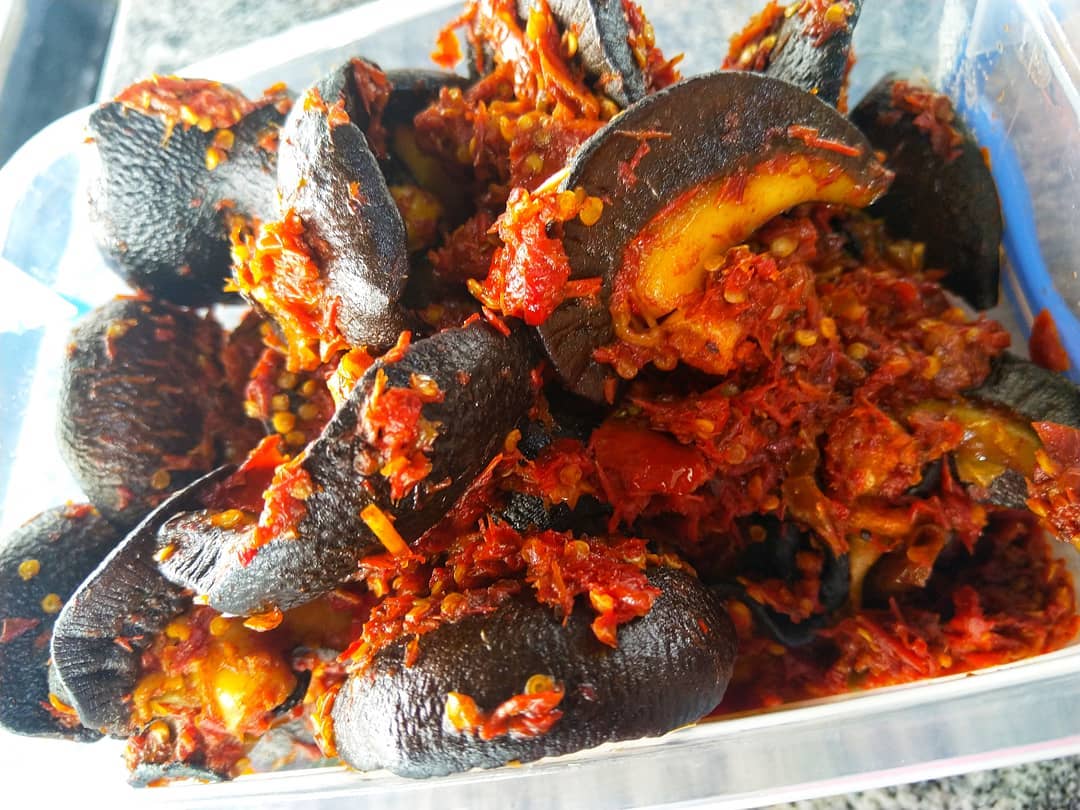
What Does a Peppered Snail Taste Like?
Peppered snails are like a flavor party in your mouth – snails that have been given the fantastic treatment with a mix of amazing spices, onions, and a hint of spicy pepper. Yum! I love it because of the spicy peppered sweet taste, you can’t stop at one, and they are always attractive.
Snails offer healthy nutritional benefits; they contain high-quality protein, low fat, vitamins B and other minerals like iron and magnesium.
Peppered snails are more than just food in Africa– they’re a part of celebrations and gatherings. Think family get-togethers, parties, weekend getaways and special occasions, peppered snail spice it up.
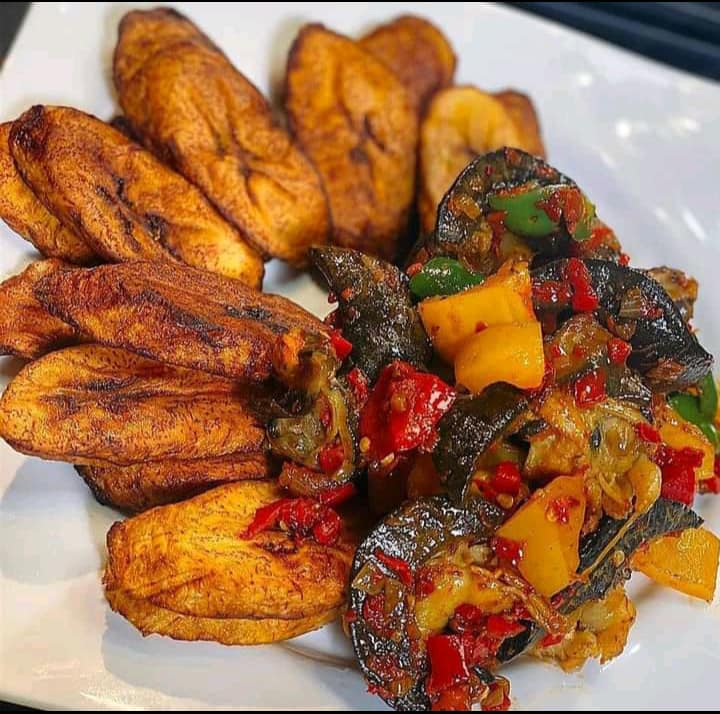
How Long Does it Take to Boil Snails?
When it comes to boiling snails, a little patience is required. It is advisable, snails need a good soak in hot water for about 1 hour before boiling for about 20 to 30mins. But, First things first, you need to clean them by scrubbing and removing the shells before they take their dip in the boiling water.
Properly boiling snails not only makes them tender and delicious but also ensures they’re safe to eat. Snails can be a bit chewy, but a good boil helps soften them up and makes them soft to munch on. Most Importantly, cooking them thoroughly ensures all nasties are cooked away, leaving you with a safe and scrumptious treat.
Can you Eat Garden Snails?
Yes, garden snails (Helix aspersa), also known as common or brown garden snails, are edible and have been consumed as food in various cultures for centuries. However, proper cleaning of garden snails is essential to remove dirt, debris, and any potential contaminants and cook them thoroughly before consumption. For this recipe, we will be using the African giant snails.

Some suggestions for Amazon links to “Nigerian Spices”.



Peppered Snail
Peppered snails are a popular dish in different parts of the world, especially in Africa. The snails are cleaned and gently boiled until they’re nice and tender. Then, coated in a delicious sauce made from things like peppers, onions, garlic, and secret spices
Ingredients
- 2 Ib snails (deshelled)
- 2 medium onions (sliced)
- 3 scotch bonnet (grated)
- 1 small bell pepper (chopped)
- 2 cloves garlic
- 2 tablespoon Vegetable oil
- 1 teaspoon black pepper
- 1 teaspoon cayenne pepper
- 1 teaspoon bouillon powder
- 1 lemon(to clean the snails)
- Salt and seasoning to taste
Instructions
Clean and Prepare the Snails
- Wash the snails thoroughly in cold water.2 Ib snails (deshelled)
- Squeeze lemon juice over the snails and rub them to remove any slime or residue.1 lemon(to clean the snails)
- Rinse the snails again under cold water and drain.
Cook the Snails
- Place the cleaned snails in a pot, cover with water, and bring to a boil.
- Let the snails boil for about 20-30 minutes to further clean and tenderize them, drain the snails and set them aside.
- Prepare the Peppered Snail Sauce
- Heat the vegetable oil over medium heat, add the sliced onions and sauté until they become translucent.2 tablespoon Vegetable oil, 2 medium onions (sliced)
- Add the grated scotch bonnet peppers and minced garlic to the pan. Sauté for a couple of minutes to release their flavors.3 scotch bonnet (grated), 2 cloves garlic
- Stir in the chopped bell pepper and continue to cook for an additional 2-3 minutes.1 small bell pepper (chopped)
- Sprinkle in the black pepper, cayenne pepper, and bouillon powder. Mix well to evenly distribute the spices.1 teaspoon cayenne pepper, 1 teaspoon bouillon powder, 1 teaspoon black pepper
- Add the boiled snails to the pan, ensuring they are well-coated with the pepper mixture.
- Allow the snails to simmer in the flavorful sauce for about 5-7 minutes, stirring occasionally to ensure even cooking.
- Once the snails are heated through and have absorbed the flavors, remove the pan from heat, serve the peppered snails as a delicious appetizer or main dish, garnished with fresh herbs if desired
Tried this recipe?Let us know how it was!
How to Make Ginger Juice

Table of Contents
Have you ever considered the incredible benefits of sipping on a refreshing chilled or hot glass of ginger juice? Ginger juice is a pack of natural awesomeness, from relieving your stomach upset to giving your immune system a little boost.
Now, here’s where it gets really interesting. That tingling sensation you get from ginger? It is like a secret signal that it’s packed with natural anti-inflammatory and antioxidant powers. Ginger isn’t just taken when you’re sick; you can take it like your regular tea or coffee.

There’s more! Ginger juice helps in supporting your heart health and managing your sugar levels. Regular consumption of ginger juice may help alleviate nausea, aid digestion, and reduce muscle soreness. Some studies suggest that ginger’s active components may play a role in managing blood sugar levels and supporting cardiovascular health.
Is it Good to Drink Ginger Juice Every Day?
Incorporating ginger juice into your daily routine is a very good, flavorful, and health-boosting choice. With its soothing effects on digestion and potential to boost the immune system, it is a natural wellness drink that keeps you healthy.
What Organ Does Ginger Detox?
Generally, ginger aids the body’s detoxification mainly by benefiting the liver, a key organ in processing and eliminating toxins. Ginger’s compounds support liver function, enhancing its detox capabilities. However, it’s important to keep in mind that detoxification is a multi-organ process. A balanced lifestyle, including proper diet, hydration, and exercise, also supports the body’s natural detox mechanisms.

Can We Drink Ginger Juice on An Empty Stomach?
Drinking ginger juice on an empty stomach is a good idea. It can jumpstart your digestion, give you a refreshing energy boost, and set a positive tone for the day ahead. Just keep in mind everyone’s tummy is unique, so if you notice any discomfort, consider having a light snack first or avoid it if need be.
What is the Side Effect of too Much Ginger Juice?
Taking too much ginger can have some potential side effects. While ginger is naturally good, excessive consumption might cause digestive discomfort and heartburn. Additionally, its blood-thinning properties could be problematic for individuals on blood-thinning medications. Very high intake may lead to issues like mouth irritation or decreased blood sugar levels. Moderation is key!
Frequently Asked Questions
What is the Best Way to Juice Ginger?
There’s no best way to juice ginger; it all depends on preference and the equipment you have available; you either use a grater and sieve out the juice or use a blender or a juicer.
How Do I Store Ginger Juice?
Store freshly made ginger juice in an airtight glass container in the freezer for up to 2 or 3 weeks, or freeze in ice cube trays for longer storage; shake gently before use to maintain its quality. If you can’t freeze, make sure you take between 24 to 48 hours.

Homemade Ginger Juice
Incorporating ginger juice into your daily routine is a very good, flavorful, and health-boosting choice.
Equipment
- Blender or Juicer
Ingredients
- 5 ounces ginger(about a cup peeled and chopped into smaller piece)
- 2 large lemon (juiced)
- 14 leaves fresh mint
- ½ cup honey (you can use sugar)
- 6 cups water (or as desired)
Instructions
- Wash and peel the ginger, then chop it into smaller pieces for easier blending.5 ounces ginger(about a cup peeled and chopped into smaller piece)
- Juice the lemons to get fresh lemon juice.2 large lemon (juiced)
- Gently wash the mint leaves and pat them dry.14 leaves fresh mint
- Place the chopped ginger pieces in a blender.
- Add the fresh lemon juice and mint leaves to the blender.
- Pour in 1 cup of water for easy blending.
- Blend the mixture on high until you achieve a smooth consistency.
- Set a fine mesh strainer over a large bowl.
- Pour the blended mixture through the strainer to separate the liquid from any solids. Use a spoon to press down on the solids to extract more liquid.
- If using honey, gently warm it to make it easier to mix. Add the honey to the strained liquid and stir until it's completely dissolved. If using sugar, you can add it directly to the mixture.½ cup honey (you can use sugar)
- Gradually add the remaining 5 cups of water (or adjust as desired) to the mixture, stirring well to combine.6 cups water (or as desired)
- Pour the homemade ginger lemon mint drink into glasses filled with ice and garnish with additional mint leaves if desired.
Notes
Feel free to adjust the sweetness and water content to your taste preferences.
Tried this recipe?Let us know how it was!
African Fish Roll

Table of Contents
African Fish Roll is a beloved street food in West Africa, enjoyed widely across Cameroon, Nigeria, and Ghana. This has a crunchy fried texture and is effortlessly prepared, making it a favorite choice. While you might have come across pastry snacks named Fish Roll in various corners of the world, the African version brings quite distinct. It is a simple dough with fish filling wrapped in it.
Some people call it “fish pie,” that’s when it’s prepared in a pie-like manner, but the common version is called “fish roll” due to its rolled-up shape. Interestingly, Cameroonians take the crown when it comes to making this awesome treat – they’ve got a knack for making fantastic fish rolls that are hard to beat!

They are usually deep-fried, although some people opt to bake them instead. Baking tends to be the go-to method for those who make it at home for personal treats. However, it’s worth noting that while baked versions are still tasty, they might not have that irresistible crunchy like the fried.
If your fish roll turns out hard to chew, there’s likely an error in the dough-mixing process. Ideally, if well-made it strikes the balance of not being overly hard but delightfully crunchy.
How Do You Seal a Fish Roll?
To seal a fish roll, follow these steps: Put filling into the dough, fold over to create a half-moon shape, press crimp edges to seal, trim excess dough, and apply egg wash or water for a good finishing.
Can I Bake My Fish Roll?
Absolutely, you can bake it! While the common method is deep-frying for that crunchy taste, baking is a healthier alternative. Simply place your prepared fish rolls on a baking sheet, brush with a bit of oil or egg wash, and bake in a preheated oven at around 350-375°F (175-190°C) until they’re golden brown, usually about 20-25 minutes. Please note that baking may have a slightly different taste compared to frying, but it’s a great option for a lighter version of this delicious snack.
Can I Add Sugar and Pepper?
That’s up to your personal preference; you can add sugar and pepper to enhance its flavor. Adding a touch of sugar can provide a subtle hint of sweetness. Similarly, adding pepper, whether black pepper or a bit of heat from chili pepper, can give your fish rolls a spicy tasty. Just use it in moderation to avoid overpowering the overall taste.

African Fish Roll
African Fish Roll is a beloved street food in West Africa, enjoyed widely across Cameroon, Nigeria, and Ghana. It has a crunchy fried texture and is effortlessly prepared, making it a favorite choice.
Ingredients
For the Dough
- 2½ cup all-purpose flour
- 2 tablespoon sugar
- vegetable oil to deep fry
- 4 tablespoon magarine
- 1 egg
- 1 tablespoon baking powder
- ¼ salt
For the Filling
- 1 mackerel fish (titus fish)
- 2 green onions (chopped)
- 1 small onion (chopped)
- cayenne pepper or paprika powder to taste
Instructions
Prepare the Filling
- Steam or boil the mackerel fish until cooked through.1 mackerel fish (titus fish)
- Remove the bones and flake the fish into small pieces using a fork.
- Finely chop the green onions and add them to the flaked fish.2 green onions (chopped)
- Add the chopped small onion to the fish mixture.1 small onion (chopped)
- Season the fish mixture with cayenne pepper or paprika powder according to your desired level of spiciness.cayenne pepper or paprika powder to taste
- Mix the ingredients well, ensuring the seasonings are evenly distributed. Set aside.
Prepare the Dough
- In a mixing bowl, combine the all-purpose flour, sugar, baking powder, and salt.2½ cup all-purpose flour, 2 tablespoon sugar, 1 tablespoon baking powder
- Add the margarine to the mix.4 tablespoon magarine
- Crack the egg into the mixture.1 egg
Roll and Fill the Dough
- Lightly flour a clean surface and roll out the dough into a circle, about ¼ inch thick.
- Cut the dough into smaller circular pieces.
- Put a spoonful of the prepared fish mixture onto one end of each dough.
- Fold the dough over the fish filling, covering it completely, and forming a roll.
- Press the edges of the dough together and use a fork to crimp and seal the edges. This will prevent the filling from leaking out during frying
Fry the Dough
- In a deep pot or fryer, heat vegetable oil. Make sure there's enough oil for the fish rolls to be fully submerged.vegetable oil to deep fry
- Carefully slide a few fish rolls into the hot oil, being cautious not to overcrowd the pot. Fry in batches if necessary.
- Fry the rolls until they are golden brown and crispy, turning them occasionally to ensure even frying. This should take about 4-5 minutes per batch.
- Once the fish rolls are cooked to a golden brown color, use a slotted spoon to remove them from the oil and place them on a plate lined with paper towels. This will help absorb any excess oil.
- Your Fish Roll is ready to serve.
Notes
Notes: You can use the type of fish you can easily access, salmon, tuna or sardine fish are good alternatives.
Tried this recipe?Let us know how it was!
Banana Soup

Table of Contents
Banana soup is a type of soup made primarily from bananas. It is a unique and sometimes unconventional dish that combines the sweetness and creaminess of bananas with savory or spicy flavors. The bananas are often blended with other ingredients like vegetables, spices, and broth to create a flavorful and comforting soup. Banana soup can be served both as a hot or chilled dish, depending on the recipe and personal preference. It’s not as common as other types of soups, but it can be a creative and interesting culinary experience for those willing to try something different.
Suggestions For Best Immersion Blender:


Banana Soup
Ingredients
- 4 ripe bananas
- 2 cups vegetable broth
- 1 cup coconut milk
- 1 onion, finely chopped
- 2 cloves garlic, minced
- 1 tablespoon curry powder (adjust to taste)
- 1 teaspoon turmeric
- Salt and pepper to taste
- Optional toppings: chopped cilantro, toasted coconut flakes
Instructions
- In a large pot, sauté the chopped onion and minced garlic until translucent1 onion, finely chopped, 2 cloves garlic, minced
- Add the curry powder and turmeric, and cook for another minute to release their flavors1 tablespoon curry powder (adjust to taste), 1 teaspoon turmeric
- Peel and slice the ripe bananas, then add them to the pot. Cook for a couple of minutes, stirring gently.4 ripe bananas
- Pour in the vegetable broth and coconut milk. Bring the mixture to a gentle simmer2 cups vegetable broth, 1 cup coconut milk
- Use an immersion blender to puree the mixture until smooth. Alternatively, you can carefully transfer the mixture to a blender and blend until smooth, then return it to the pot
- Simmer the soup for an additional 5-10 minutes to let the flavors meld
- Season with salt and pepper to taste.Salt and pepper to taste
- Serve the banana soup hot, and garnish with chopped cilantro and toasted coconut flakes if desiredOptional toppings: chopped cilantro, toasted coconut flakes
Notes
Enjoy your unique and delicious banana soup!
Tried this recipe?Let us know how it was!
