
Chapati
Overview
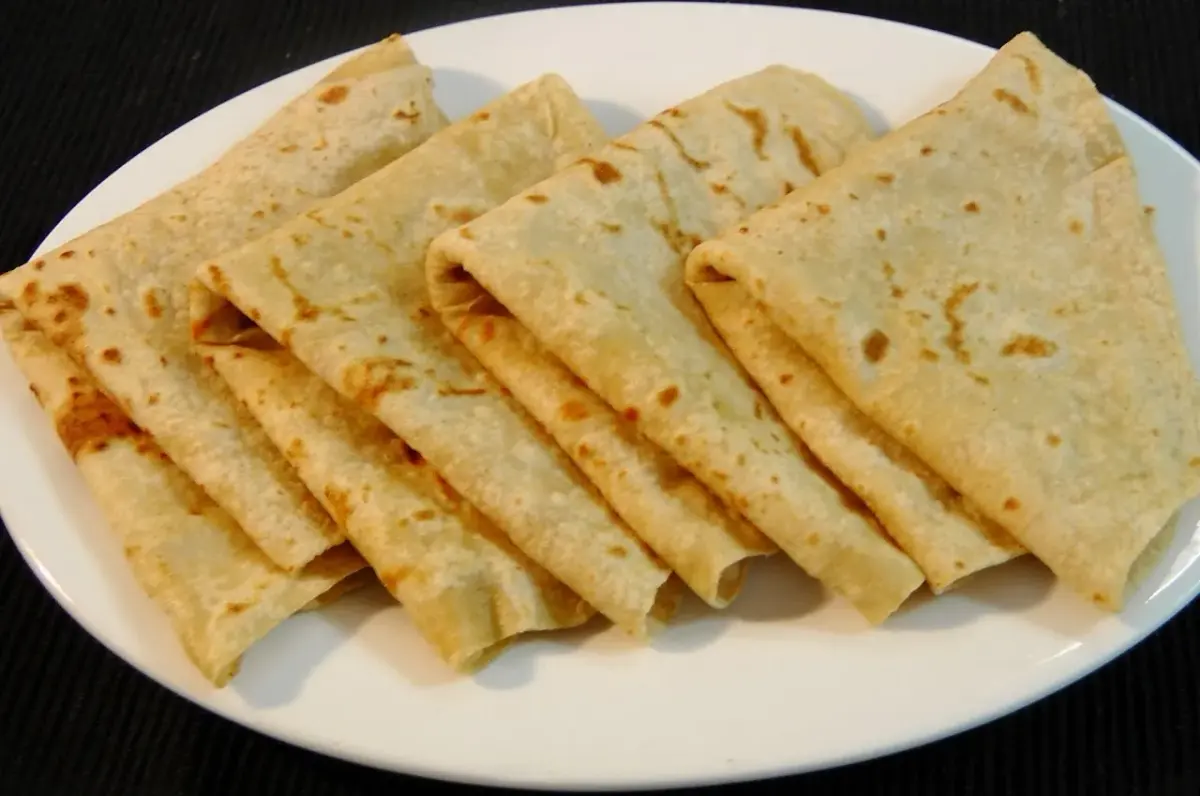
African chapati is the soft, pan-cooked flatbread you'll find on tables across Kenya, Tanzania and Uganda. To make African chapati, you mix white flour, salt and a little oil with lukewarm water and knead for 10 minutes. After an hour's rest, you roll thin rounds and cook them on a hot oiled pan for 30 to 60 seconds on the first side and about 30 seconds on the second. The bread started in the Indian subcontinent. It reached East Africa with traders and migrants, most likely in the late 1800s and early 1900s, and Indian workers on the railways carried it to Kenya and Uganda. In Kenya it's part of Christmas too. The East African version has gone its own way. It's cooked with oil on a flat pan instead of being puffed over direct heat, so it comes out soft with browned, slightly crisp spots. For the layered Kenyan style, cooks brush the rolled dough with oil, roll it up and coil it before the final rolling, which gives this style of chapati its layers. The hour of resting is the step people skip and then regret, because rested dough rolls out thin without springing back. Eat chapati with beans, stews and sukuma wiki, or wrap it round an omelette for a Ugandan rolex.
AFN Heritage Note
Chapati originated in the Indian subcontinent and was carried to East Africa, Central Asia, Southeast Asia and the Caribbean by Indian merchants and migrants. Its name derives from chapat, meaning slap or flat.
Ingredients
Dietary tags are provided by contributors as a guide, not verified by AFN, and they depend on the products you buy. If you have a serious allergy, check every ingredient yourself. Cooking, allergies and your own judgement
Directions
- 1
Combine the flour, salt and 2 tablespoons of oil in a large bowl, adding the sugar if you want it slightly sweet.
- 2
Add the water slowly and mix with your hands until well combined. Add a little more water or flour if the dough is too dry or too wet.
- 3
Knead for 10 minutes. The dough should not stick to the bowl; add a little more flour if it does.
- 4
Leave the dough to rest for 1 hour, covered with a damp cloth.
- 5
Preheat a large frying pan or skillet and brush the surface with a tablespoon of oil.
- 6
Divide the dough into 10 equal balls.
- 7
Dust the work surface with flour, flatten a ball slightly between your palms, then roll it out into a large, thin, even round.
- 8
Lay the rolled sheet on the pan and cook for 30 to 60 seconds, until the surface bubbles.
- 9
Turn with tongs and cook the other side for 30 seconds, until brown spots appear.
- 10
Repeat with the remaining balls, flouring the board as needed.
- 11
Stack the cooked chapatis on a warm plate and cover to keep them warm.
Africook’s Notes
- Rest the dough the full hour under a damp cloth. Without it the gluten fights back and the dough will not roll thin.
- Roll them genuinely thin. A thick chapati is doughy in the middle and will not puff.
- Keep the cooked ones stacked and covered. The trapped steam is what keeps them soft rather than drying into crackers.
- For the layered Kenyan version, brush the rolled round with oil, roll it into a rope, coil it, then flatten and roll it out again.
- The source's prose describes whole wheat flour while the recipe uses white. Whole wheat gives the more traditional Indian chapati and a nuttier, denser result.
- Do not overwork them on the pan. Thirty to sixty seconds a side is the whole cooking time.
Questions cooks ask
Is chapati African or Indian?
It's Indian in origin and East African by long habit. Chapati came from the Indian subcontinent and reached East Africa with traders and migrants, probably in the late 1800s and early 1900s, and Indian railway workers carried it to Kenya and Uganda. More than a century on, it's the typical bread of Swahili cooking.
What is the difference between African chapati and Indian chapati?
Indian chapati is usually made with atta, a whole wheat flour, cooked on an iron griddle called a tava and then puffed up over direct heat. AFN's East African chapati uses white flour and is cooked in oil on the pan, so it comes out softer and richer, with browned spots. For the layered Kenyan style, the dough is also coiled before the final rolling.
Why does chapati dough need to rest?
Kneading tightens the dough, and resting lets it relax. Unrested dough springs back as you roll it and won't go thin, so you end up with thick, doughy chapatis. Our recipe rests it for a full hour under a damp cloth.
How do I keep chapati soft?
Roll each round thin and don't leave it on the pan too long; 30 to 60 seconds on the first side and about 30 seconds on the second is enough. As each one comes off, stack it on a warm plate and keep the pile covered. The trapped steam is what keeps them soft instead of drying out.
What does the word chapati mean?
Chapati came into English from Hindi, and it goes back to the Sanskrit word carpata, meaning flat. That describes the old way of shaping the dough, by slapping it flat between your hands.
What is chapati eaten with?
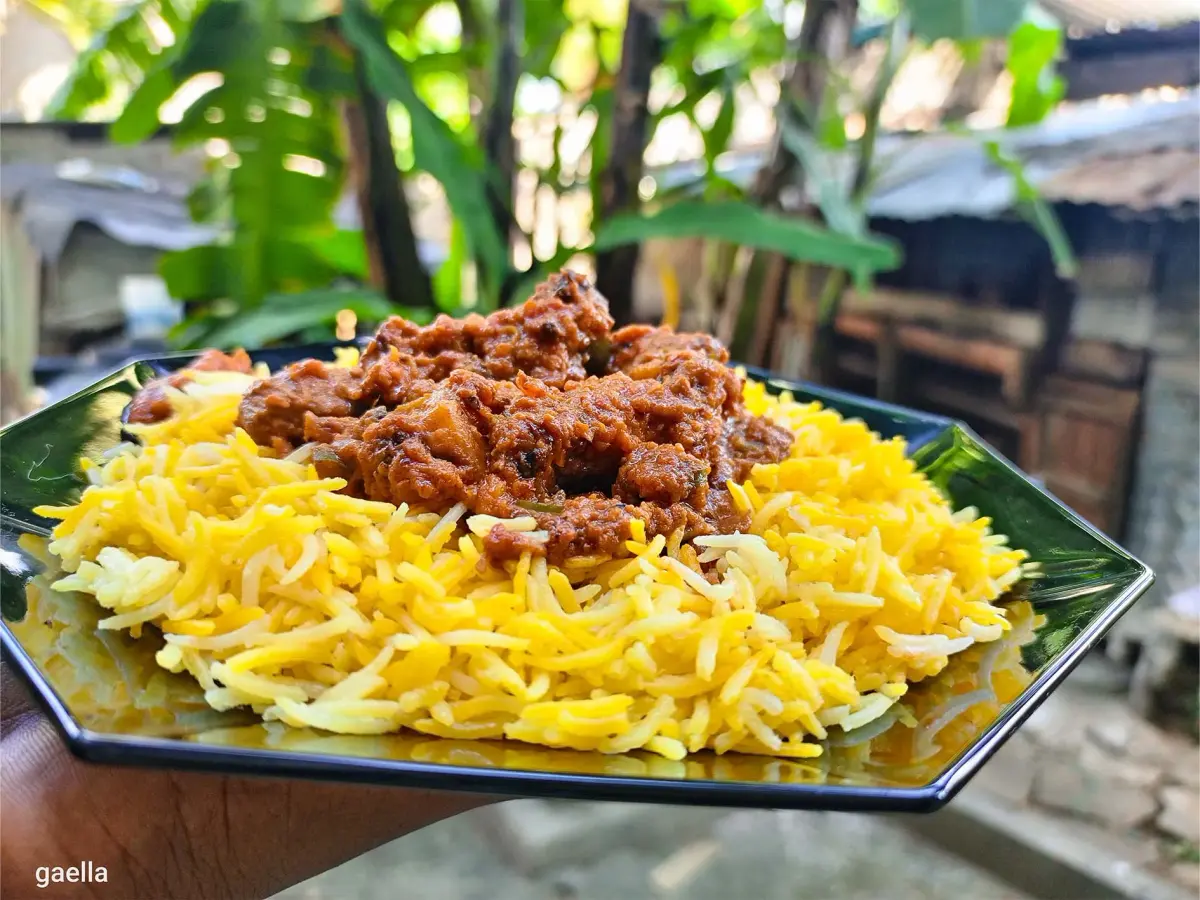
In Kenya it goes with beans, lentils, stews and sukuma wiki, and you tear it to scoop rather than eat it on the side. In Dar es Salaam it's often a snack or a side dish. In Uganda it's rolled round an omelette to make a rolex, a popular street food there.
Reviews
Be the first to rate this recipe
Cooked it? Your rating helps the next person decide whether to try it.
No reviews on this one yet. If you have cooked it, yours would be the first.