
Pate Hausa Food
Abuja, Nigeria · View all recipes
Overview
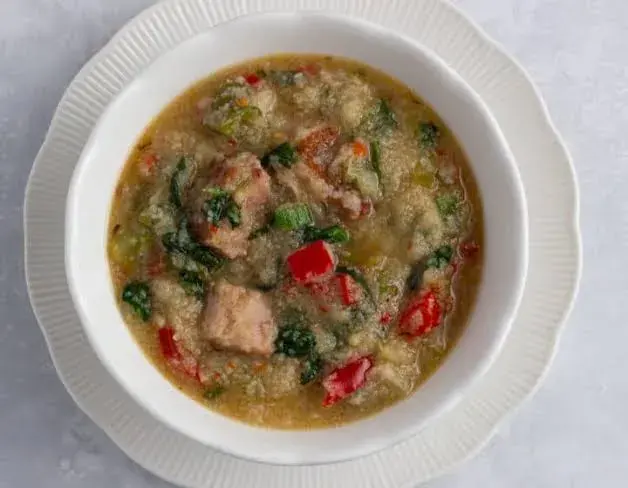
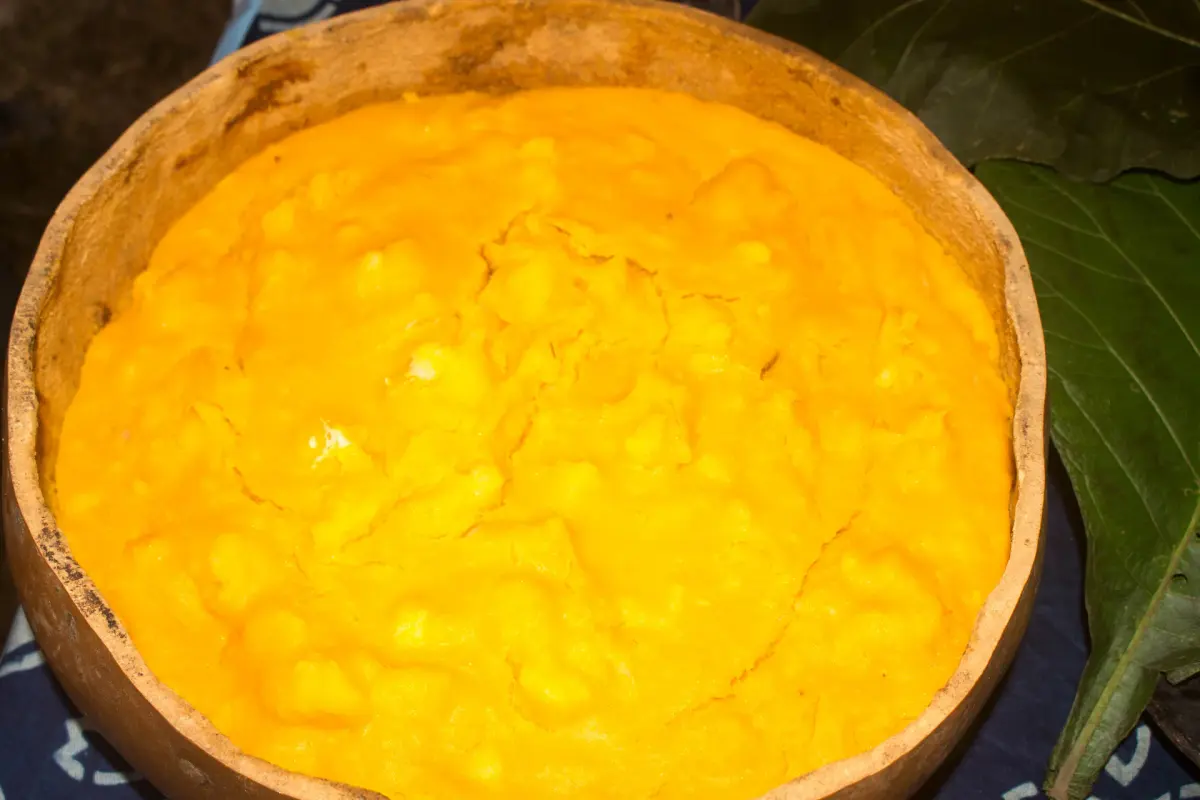
Pate is a Northern Nigerian grain porridge, built on cracked corn or rice and loaded with vegetables, meat and groundnut until it stops being a porridge and becomes a full meal in one pot. It is particularly associated with Nasarawa and Kaduna states in the middle belt and north. What separates it from the many other grain dishes of the north is the vegetables. Kenaf leaf, known as rama, and sorrel leaf, known as yakuwa, go in alongside tomato, pepper and locust bean, and the greens are added late so they keep their colour and structure. Groundnut, as powder or paste, gives it body and a nutty depth that ties the whole pot together. It is household food in the most direct sense: a single pot, cheap ingredients, and enough of it to feed a family without anything else on the table. Pate is passed down rather than taught formally, and the composition shifts with what a household has and what the market held. Brisket bones and assorted meat go in for the stock as much as for the meat itself, which is why the pot ends up with more depth than its ingredient list suggests.
AFN Heritage Note
Pate is documented as a dish of Northern and middle belt Nigeria, particularly Nasarawa and Kaduna states, built on cracked corn or rice with kenaf and sorrel leaves. Its earliest documented date is uncertain.
Ingredients
Dietary tags are provided by contributors as a guide, not verified by AFN, and they depend on the products you buy. If you have a serious allergy, check every ingredient yourself. Cooking, allergies and your own judgement
Directions
- 1
Blend the tomatoes, fresh peppers and dry pepper if using into a smooth puree.
- 2
Wash and chop the leaves into bite sized pieces.
- 3
In a large pot, add the brisket bones, minced meat, assorted meat, locust bean, tomato and pepper puree, groundnut powder or paste, and seasoning. Pour in the water and bring to a boil over high heat.
- 4
Add the grain and cook until it is soft and the pot has thickened.
- 5
Add the chopped leaves and simmer for a further 10 to 15 minutes, until the vegetables are cooked but still hold their colour and texture.
- 6
Take the pot off the heat and let it rest for a few minutes before serving.
- 7
Serve hot, garnished with additional fresh vegetables if you like.
Africook’s Notes
 Personal notes from Deborah Olayiwola
- Add the leaves last and give them ten to fifteen minutes at most. Kenaf and sorrel both collapse and lose their colour if they go in with everything else at the start.
- The brisket bones are there for the stock as much as the meat. Do not substitute a lean cut, because the marrow and connective tissue are carrying the depth of the pot.
- Loosen the groundnut paste with a ladle of hot liquid before adding it, or it will sit in lumps.
- Watch the liquid. The grain keeps absorbing as it cooks and pate can go from loose to solid quickly, so keep hot water to hand.
- Kenaf and sorrel leaves are sold fresh and frozen by Nigerian grocers. Spinach will stand in for the bulk but not for the sourness that sorrel brings.
Questions cooks ask
What grain is used for pate?
Cracked corn, known as tsaki, or rice. Both are used and the choice is a household one. Cracked corn gives a coarser, more textured pot and is the more traditional option; rice gives a softer result and cooks faster. The grain is the base rather than the point, since the vegetables and groundnut carry the dish.
What are rama and yakuwa?
Rama is kenaf leaf and yakuwa is sorrel leaf, both widely used across Northern Nigeria. Kenaf is mild and slightly mucilaginous; sorrel is distinctly sour and is what gives pate its background acidity. Both are sold fresh and frozen by Nigerian grocers. Spinach substitutes for the bulk of the kenaf but nothing quite replaces the sorrel.
Can pate be made without meat?
Yes, though you will need to compensate. The brisket bones and assorted meat are supplying stock as much as protein, so a meat free version needs a strong vegetable stock and rather more groundnut to reach the same depth. The locust bean helps considerably, since it brings savouriness of its own.
What is pate served with?
Nothing, usually. It is a complete one pot meal with the grain, protein and vegetables already in it, which is a large part of its appeal. Extra fresh vegetables are sometimes scattered over at serving, and some households eat it with additional pepper on the side.
Reviews
Be the first to rate this recipe
Cooked it? Your rating helps the next person decide whether to try it.
No reviews on this one yet. If you have cooked it, yours would be the first.
You Might Also Like
Browse all Nigerian recipes →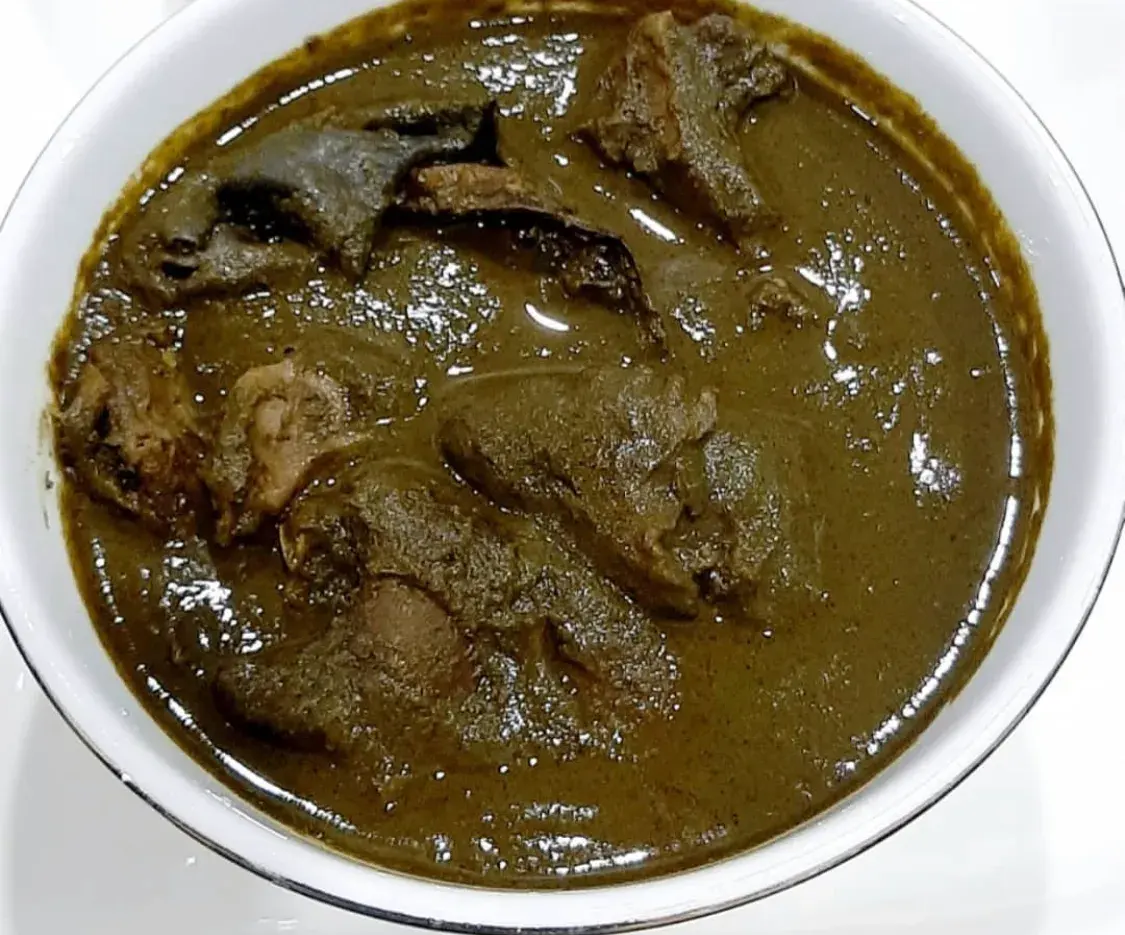
Edo Black Soup
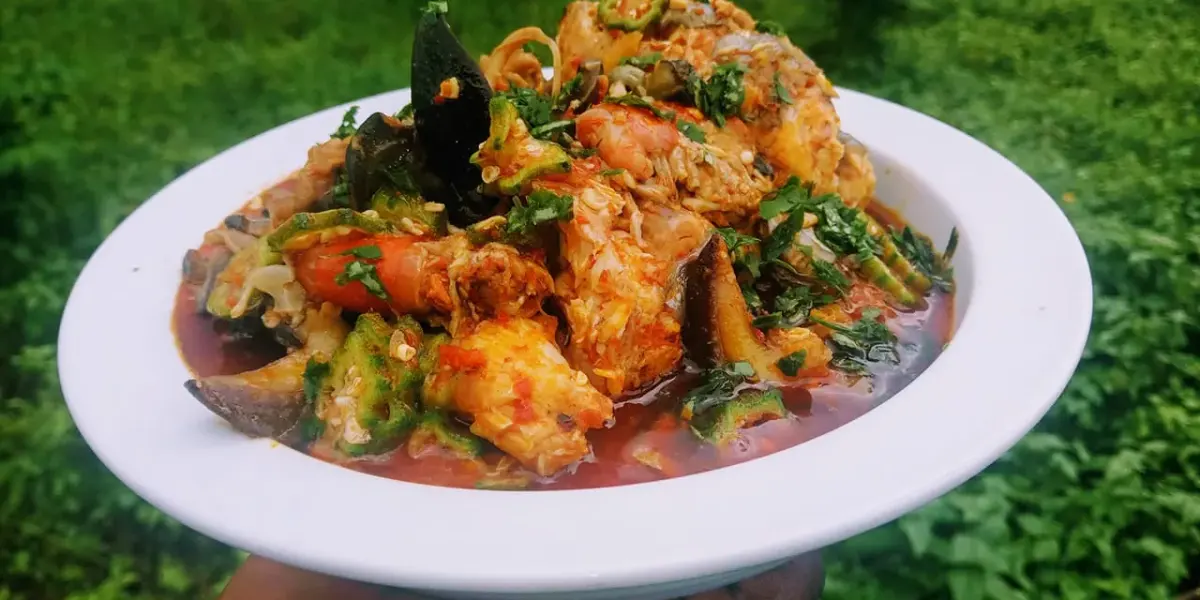
Nigerian Fisherman Soup
Igbo Yam Porridge