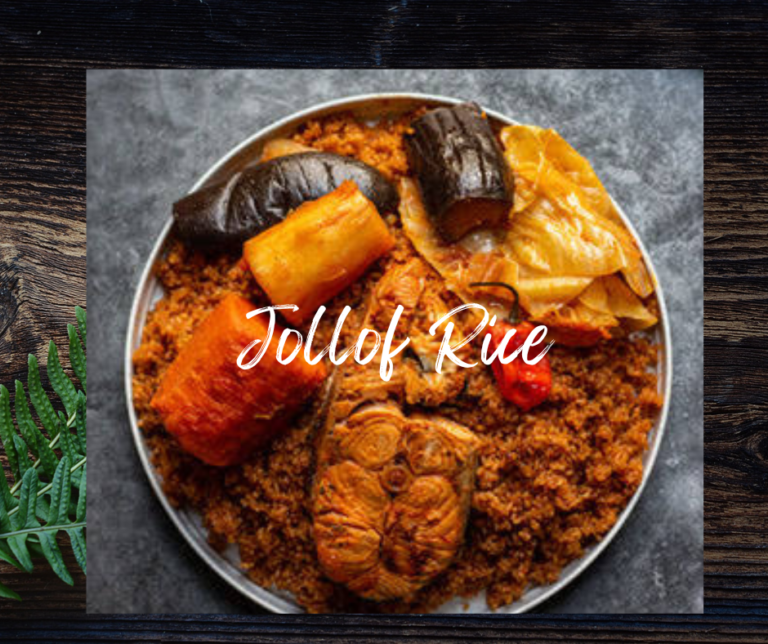
Delightful Liberian vs Senegalese Jollof rice

In this article, we will analyze Liberian vs Senegalese jollof rice. Jollof rice is a vibrant and flavorful West African dish and is a beloved culinary gem that has captured the hearts and taste buds of people across the globe. With its rich history, diverse variations, and a symphony of aromatic spices, jollof rice stands as a testament to the artistry and cultural richness of the region. This article takes you on a delectable journey through the origins, preparation methods, and undeniable allure of jollof rice and finally a comparison between two West African Recipes, Liberian vs Senegalese Jollof rice.

Liberian vs Senegalese jollof rice
Image from HealthierSteps

Origins and Historical Significance:

The origins of jollof rice can be traced back to the Senegambian region, encompassing present-day Gambia and Senegal. Its name is thought to be derived from the Wolof ethnic group, known for their contributions to this dish. Over time, jollof rice spread across the West African region, becoming a staple in countries like Nigeria, Ghana, Sierra LeoneLiberia, and beyond. Each country has infused its unique cultural influences, resulting in an array of tantalizing variations.

General Ingredients and Preparation of Jollof Rice:

At its core, jollof rice features a base of parboiled rice cooked in a rich tomato and pepper-based sauce. The key to its distinct flavor lies in the aromatic blend of spices, which may include cloves, thyme, bay leaves, and garlic, among others. Onions, bell peppers, and scotch bonnet peppers add depth and heat, creating a harmonious fusion of tastes. The dish is often accompanied by protein sources such as chicken, fish, or goat, reflecting the diverse culinary traditions of the region.

Cooking Techniques Of Jollof Rice

The cooking process of jollof rice is a delicate dance of flavors and textures. Traditionally, the rice is first parboiled to achieve the desired firmness, then cooked in a flavorful sauce. This allows the grains to absorb the essence of the spices, resulting in a tantalizing burst of flavor with every bite. Jollof rice is often prepared in large communal pots over an open flame, infusing the dish with an unmistakable smokiness that elevates its appeal.

Cultural Significance and Celebrations:

Jollof rice is more than just a dish; it holds immense cultural significance in West African communities. It is a centerpiece of celebrations, gatherings, and festive occasions. From weddings to birthdays, and from family reunions to national holidays, jollof rice takes center stage, symbolizing unity, abundance, and togetherness. The friendly competition between different countries over who makes the best jollof rice has even led to the infamous “Jollof Wars” on social media.

Liberian vs Senegalese jollof rice
Image from Adeolas Kitchen

Popularity and Fusion of Jollof Rice:

In recent years, jollof rice has transcended its West African roots to become a global sensation. Chefs and food enthusiasts around the world have embraced the dish, experimenting with fusion variations that incorporate local ingredients and techniques. Jollof rice festivals and events have sprouted in various countries, creating a platform for cultural exchange and appreciation.

Which is Better?

Liberian vs Senegalese Jollof rice

Picture this: a sizzling showdown of flavors, colors, and aromatic spices as nations vie for the title of crafting the most mouthwatering Jollof Rice dish. From Senegal’s rich and tomato-infused version to Libria’s fiery and spicy rendition, this battle of culinary prowess showcases the heart and soul of Africa’s diverse cultures. In this section, we will pitch two of Africa’s finest Jollof Rice creations against each other, revealing the subtle nuances that make each dish a true masterpiece in its own right.

Comparing and Contrasting Liberian vs Senegalese Jollof Rice

 Two prominent variations of Jollof rice are Liberian Jollof rice and Senegalese Jollof rice. Let’s explore the similarities and differences between these two delightful culinary creations.

Liberian vs Senegalese jollof rice
Jollof rice

What Ingredients Are Needed To Make Liberian Jollof Rice?

Liberian Jollof rice is characterized by its unique combination of ingredients. It often features smoked fish, which imparts a distinctive smoky flavor, and palm oil, which adds richness and depth. The palm oil also gives the dish a reddish hue. Liberian Jollof rice typically includes vegetables like bell peppers, onions, and sometimes carrots, contributing to its colorful and vibrant appearance. The dish is known for its slightly spicy and earthy taste, owing to the use of spices such as black pepper and thyme.

What Ingredients Are Needed To Make Senegalese Jollof Rice?

Senegalese Jollof rice is recognized for its tomato-based sauce and aromatic spices. It commonly includes ingredients like tomatoes, onions, and scotch bonnet peppers, resulting in a vibrant reddish-orange color. The use of ginger, garlic, and thyme infuses the dish with a fragrant and savory profile. Senegalese Jollof rice often incorporates protein sources like chicken, beef, or fish, enhancing its overall flavor complexity.

How To Prepare Liberian Jollof Rice

The preparation of Liberian Jollof rice typically involves parboiling the rice before cooking it in a mixture of palm oil and broth. Smoked fish is often added during the cooking process, infusing the rice with its smoky essence. The vegetables are sautéed separately and then combined with the rice, resulting in a flavorful and well-balanced dish.

How To Prepare Senegalese Jollof Rice

In Senegalese cuisine, Jollof rice is commonly cooked in a tomato-based sauce. The rice is first coated with tomato paste and various spices, creating a flavorful base. Protein, vegetables, and stock are added to the mixture, allowing the rice to absorb the rich flavors as it cooks. The final dish is a harmonious blend of tender rice and succulent ingredients.

Cultural Significance of Liberian vs Senegalese Jollof Rice

Both Liberian and Senegalese Jollof rice hold cultural significance in their respective regions. Jollof rice is often prepared for special occasions, celebrations, and gatherings. It serves as a symbol of hospitality and unity, bringing people together to share in the joy of a communal meal.

Conclusion: Liberian vs Senegalese Jollof Rice

Liberian Jollof rice and Senegalese Jollof rice are two delectable variations of a beloved West African dish. While both dishes share the common foundation of rice and a blend of spices, their unique ingredients and preparation methods contribute to distinct flavors and appearances. Whether you prefer the smoky undertones of Liberian Jollof rice or the aromatic complexity of Senegalese Jollof rice, both variations offer a delightful culinary experience that reflects the rich cultural tapestry of West Africa. And that does it for our Liberian vs Senegalese Jollof rice culinary journey.
All About Tatashe: Africa Mild Pepper

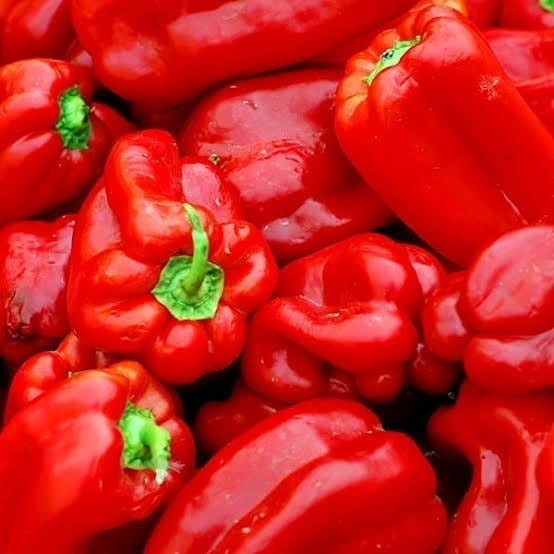
If you happen to be in Nigeria, chances are you’ve encountered the delightful Tatashe pepper, which is sometimes mistaken for the ordinary bell pepper. However, it’s important to note that while they might look similar, It has its unique characteristics. They’re known for their milder heat, thinner walls, and a more intense, chilli-like flavour that sets them apart.

While “Tatashe” is a widely recognized term in Nigeria, it’s intriguing to discover that each region has its own special name for this pepper. In my quest to delve into the distinctiveness of this pepper, its ties to the African culinary landscape, and its versatile applications, I’ve stumbled upon some fascinating insights that I’m thrilled to share with you in this article. Get ready to uncover a world of flavours and stories that make the Tatashe pepper truly remarkable.

Tatashe is known for its large, bell-shaped appearance and shades of red but could be green if not well ripened, has somewhat tiny walls, it is loved for its unique flavour and mild heat. 

Tatashe Bell Pepper

In the context of African cuisine, the Tatashe pepper has become an integral part of the culinary heritage. Its versatility and ability that makes dishes with subtle heat and distinct flavour have led to its widespread use in various regional specialities.

From West African countries like Nigeria to other parts of the continent, the pepper has firmly established itself as an integral part of traditional and modern cooking alike. You can’t make popular dishes like jollof rice, soups, and stews without adding them.

What is called “Tatashe” among the Yorubas is referred to as “Tatashi” by the Hausas. It’s said to originate from the northern part of Nigeria, particularly Kano. However, its popularity isn’t limited to just Nigeria – it has also made its way to other regions.

In South Africa, for instance, you can find various varieties of this pepper thriving in different areas. You’ll find them mainly in Gauteng province, which includes the Highveld and Lowveld regions, as well as in the Northern, Eastern, and Western Capes, Limpopo, and KwaZulu-Natal.

This pepper has different names across various cultures. In Swahili, it’s called “Pilipili Hoho,” you might come across it being referred to as “Romano peppers” in certain places. This just goes to show how this versatile pepper has managed to captivate taste buds.

Some Suggestions for Amazon links to”African Mild Pepper Products”

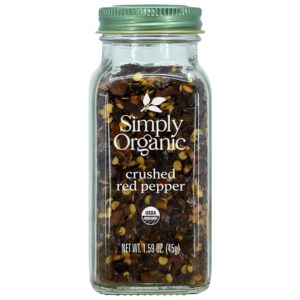
Simply Organic Crushed Red Pepper

Project Overview Docs Banner in Light Green Blue Vibrant Professional Style 1

Botanical Overview

Tatashe pepper botanical name, Capsicum annuum, is a prominent member of the Capsicum genus within the Solanaceae family, this places it within the larger group of annual peppers, which includes various other pepper varieties like jalapeños, and cayenne peppers.

What Do Tatashe Peppers Taste Like?

It offers a distinctive flavour profile marked by sweet, slightly smoky, and earthy undertones. This unique combination of flavours contributes to its role as a flavour enhancer in many dishes across cuisines.

In terms of heat, the pepper has a mild intensity compared to other peppers like habanero or scotch bonnet. Tatashe peppers provide a subtle warmth that elevates dishes without overpowering them, making them the best option for enhancing flavours without excessive spiciness.

Tatashe Pepper

Is Paprika the Same as Tatashe?

No, paprika is not the same as Tatashe pepper. While both paprika and Tatashe pepper are types of peppers used for culinary purposes, they have distinct characteristics and flavours.

Paprika is a spice made from ground and dried chilli peppers. It comes in various varieties, each with its own flavour profile and heat level. Paprika is known for its rich colour and could be sweet, or mildly spicy, depending on the type. It is commonly used to add colour, flavour, and a mild heat to dishes in a variety of cuisines.

Tatashe pepper, on the other hand, is a specific type of pepper known for its large, bell-shaped appearance. It is commonly used in African cuisine, particularly in West African dishes. 

Paprika
Paprika Powder

Is Cayenne Pepper the Same as Tatashe?

No, cayenne pepper is not the same as Tatashe pepper. They are distinct types of peppers with different characteristics, flavours, and heat levels.

Cayenne pepper a spicy chilli pepper known as “shombo” in Nigeria is commonly used as a flavour in dishes. Cayenne pepper is known for its intense spiciness and can range from 30,000 to 50,000 Scoville Heat Units (SHU), which is a measure of a pepper’s heat level.

Unlike cayenne pepper, tatashe pepper is valued more for its flavour contribution rather than its spiciness.

Cayenne Pepper
Cayenne Pepper

What Is an Alternative to Tatashe?

When seeking alternatives to Tatashe pepper, several options can effectively replace its mild heat and flavour contribution. Red or green bell peppers and pimentos are among the primary substitutes that can be employed to maintain the intended taste profile in various dishes.

Red and green bell peppers, with their sweet and slightly tangy taste, serve as reliable substitutes for Tatashe pepper. While lacking Its distinct smokiness and earthy undertones, bell peppers can provide a gentle sweetness and vibrant colour to dishes. They contribute a mild flavour that complements other ingredients while offering a similar textured crunch, making them suitable for both visual appeal and taste enhancement.

For dishes that depend on Tatashe pepper’s distinct flavour, such as those with a smoky undertone or earthy complexity, incorporating a small amount of paprika can help bridge the gap. Paprika, with its range of flavours from sweet to smoky to mildly spicy, can provide a layer of depth similar to it.

However, it’s important to note that paprika has its own distinct taste, so careful consideration should be given to the specific paprika variety chosen to ensure a harmonious blend.

Is Tatashe a Chilli Pepper?

Yes, it is indeed a type of chilli pepper. It belongs to the Capsicum annum family, which includes a wide variety of peppers, ranging from sweet bell peppers to hot chilli peppers. While they are a type of chilli pepper, they are different from the spicier varieties like cayenne, scotch bonnet or habanero peppers, as they have more flavour contribution rather than intense spiciness.

Nutritional Value of Tatashe Pepper

Tatashe pepper offers notable nutritional content, including essential vitamins, antioxidants, and dietary fibre. 

  1. Vitamins:

It is a source of vitamins, notably vitamin C, which is essential for immune system health and collagen production. This vitamin aids in wound healing and supports overall well-being.

  1. Antioxidants:

Rich in antioxidants, it contains compounds that help combat oxidative stress in the body. These antioxidants contribute to cellular health and may play a role in reducing the risk of chronic diseases.

  1. Dietary Fiber:

Tatashe pepper contains dietary fibre, which supports digestive health by promoting regular bowel movements and preventing constipation.

Health Benefits

The nutritional composition aligns with potential health benefits that can support overall well-being.

  1. Metabolism Boost:

The presence of vitamins and antioxidants in Tatashe pepper, particularly vitamin C, can contribute to a healthier metabolism. This may aid in the efficient breakdown of nutrients and energy production within the body.

  1. Immune System Support:

It’s vitamin C content is known for its immune-boosting properties. A robust immune system is vital for defending the body against illnesses and infections.

However, it’s important to note that while Tatashe pepper can be part of a balanced diet, individual dietary needs and overall lifestyle choices also play a significant role in achieving optimal health.

Cultivation and Harvesting of Tatashe Pepper In the Home

Tatashe pepper can be cultivated successfully with attention to optimal environmental conditions, soil preferences, and cultivation practices.

  1. Environmental Conditions:

Tatashe pepper thrives in warm and tropical climates, making it well-suited for regions with temperatures between 70°F to 85°F (21°C to 29°C). Adequate sunlight is crucial for healthy growth, so choose a location that receives full sun exposure.

  1. Soil Preferences:

Well-draining soil is essential to prevent waterlogging, which can harm the plants. A slightly acidic to neutral soil pH level ranging from 6.0 to 7.0 is optimal for its cultivation. 

  1. Planting and Care:

Start by germinating Tatashe pepper seeds indoors, around 8-10 weeks before the last expected frost. Transplant seedlings to the garden once the soil has warmed and all frost risks have passed.

Maintain a spacing of about 18 to 24 inches (46 to 61 cm) between plants to allow for proper air circulation.

Water consistently but avoid over-watering, as Tatashe pepper plants prefer slightly dry conditions between waterings.

Apply a balanced fertilizer every 4-6 weeks during the growing season to ensure adequate nutrient supply.

  1. Seasonal Insights and Harvesting:

Tatashe pepper plants can be started indoors in late winter or early spring, allowing them to develop before the growing season.

Peppers typically mature in 60 to 85 days after transplanting, depending on the specific variety.

Harvesting can begin when the peppers reach their desired size and colour. Tatashe peppers are usually harvested when they have fully matured to red or green colours, depending on the variety.

Gently twist or cut the peppers from the plant, taking care not to damage the stems or nearby branches.

Harvesting regularly encourages continued production, and ripe peppers can be picked every few days.

  1. Protection and Pests:

Providing support like stakes or cages can help protect plants from wind and ensure proper growth.

Keep an eye out for common pests such as aphids, whiteflies, and spider mites. Applying organic pest control methods or insecticidal soap can help manage infestations.

Cultivating Tatashe pepper demands attention to these factors, contributing to successful growth and flavorful yields.


Liberian Jollof Rice

Liberian Jollof Rice is a flavorful and beloved West African dish that holds its own unique twist on the popular Jollof Rice found in the region. Characterized by its rich and slightly smoky taste, Liberian Jollof Rice is a delightful blend of rice, tomatoes, onions, peppers, and spices that come together to create a truly delicious and satisfying meal.

 Suggestions For Best Spices and Seasonings

Spices and Seasonings

check price on amazon

Liberian Jollof rice

Liberian Jollof Rice

Avatar photoLaila Yetunde
Prep Time 30 minutes
Cook Time 50 minutes
Total Time 1 hour 20 minutes
Course Main Course
Cuisine West-African
Servings 0

Ingredients
  

  • 2 cups long-grain parboiled
  • 2 cups tomato sauce-
  • 1 large onion, finely chopped
  • 1 bell pepper finely chopped
  • 3 cloves garlic, minced
  • 1 teaspoon ginger minced
  • 1 teaspoon smoked paprika-
  • 1 teaspoon ground cayenne pepper (adjust to taste)
  • 1 teaspoon thyme
  • 1 teaspoon curry powder
  • 4 cups chicken or vegetable broth
  • 1/4 cup vegetable oil
  • Salt and pepper to taste- Optional
  • cooked meat or seafood (chicken, shrimp, or fish)

Instructions
 

  • In a large pot, heat the vegetable oil over medium heat. Add the chopped onions, bell pepper, garlic, and ginger. Sauté until the onions are translucent and the vegetables are softened..
    1 large onion, finely chopped, 1 bell pepper finely chopped, 3 cloves garlic, minced, 1 teaspoon ginger minced, 1/4 cup vegetable oil
  • Add the tomato sauce to the pot and stir well. Cook for about 5-7 minutes to allow the flavors to meld
    2 cups tomato sauce-
  • Stir in the smoked paprika, cayenne pepper, thyme, curry powder, salt, and pepper. Adjust the seasonings according to your taste preferences.
    1 teaspoon smoked paprika-, 1 teaspoon ground cayenne pepper (adjust to taste), 1 teaspoon thyme, 1 teaspoon curry powder, Salt and pepper to taste- Optional
  • Add the parboiled rice to the pot and stir until it is well coated with the tomato and spice mixture 
    2 cups long-grain parboiled
  • Pour in the chicken or vegetable broth and bring the mixture to a boil. Once boiling, reduce the heat to low, cover the pot, and let the rice simmer for about 25-30 minutes, or until the rice is cooked and the liquid is absorbed. If using cooked meat or seafood, you can add it to the pot at this stage
    4 cups chicken or vegetable broth, cooked meat or seafood (chicken, shrimp, or fish)
  • Once the rice is cooked, fluff it gently with a fork and let it sit covered for a few minutes to steam.
  • Serve the Liberian Jollof Rice hot, garnished with additional chopped vegetables if desired. It's delicious on its own or paired with fried plantains, coleslaw, or a fresh salad.

Notes

Enjoy the unique and delicious flavors of Liberian Jollof Rice as you savor each bite of this delightful West African dish!
 
Keyword Liberian Jollof Rice
Tried this recipe?Let us know how it was!

Scotch Bonnet vs Habanero – Differences and Similarites

Have you ever wondered how to swap Scotch Bonnet with a suitable alternative? Scotch Bonnet and Habanero peppers. The two most popular chilli peppers share a heritage that spans continents and cultures. Yet, each possesses its own distinct characteristics that contribute to its flavours in dishes ranging from the Caribbean to Central America and even Africa.

Scotch Bonnet Peppers are a key component in many Jamaican dishes, but they can be difficult to find in the United States. Fortunately, the habanero pepper is a close substitute for people in the United States. Many African dishes are spicy and made with scotch bonnet peppers for a strong taste and heat infusion. We have a soft spot for these peppers!

In this article, we will get to know the intriguing similarities and differences between Scotch Bonnet and Habanero peppers. From my research, you will get to know what makes each pepper unique; pepper lovers will surely love this! 

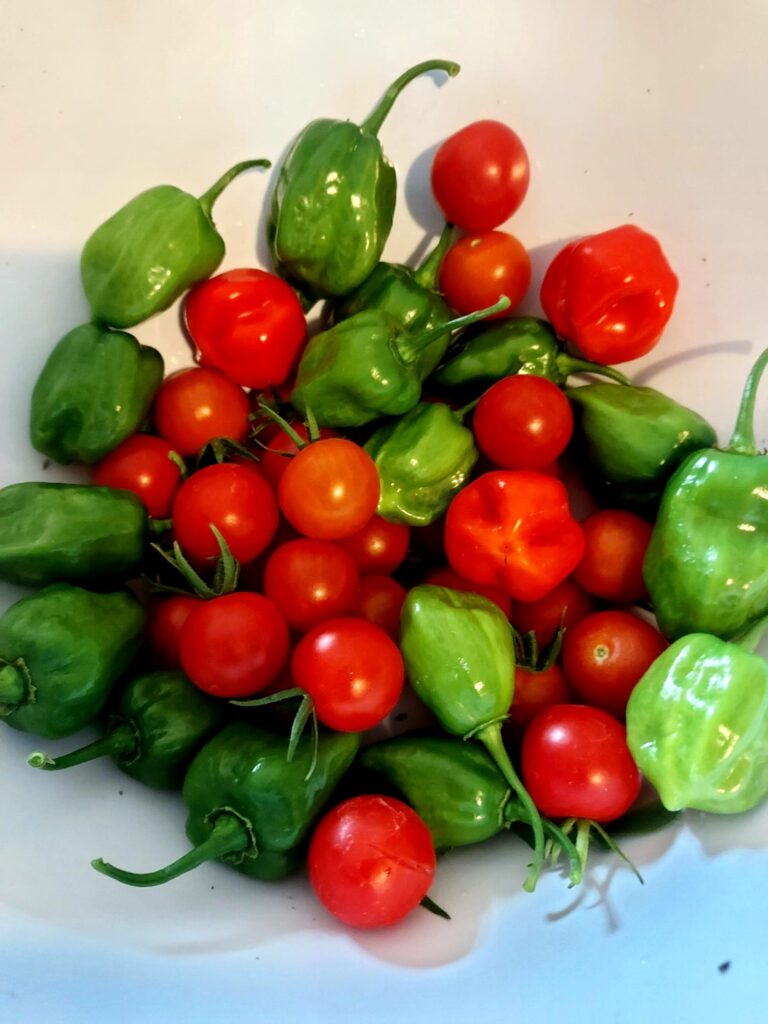
scotch bonnet vs habanero
Image Credit: Facebook

What is Scotch Bonnet

Scotch Bonnet (Capsicum Chinese) is a variety of chilli pepper known for its distinctive appearance, intense heat, and fruity flavor. Scotch Bonnet peppers are closely associated with Caribbean cuisine, particularly in countries such as Jamaica, Trinidad and Tobago, and Barbados. While they are extensively used in the Caribbean, they also have a notable presence in West African cuisines. This pepper is also known as Bonney peppers and Caribbean red peppers.

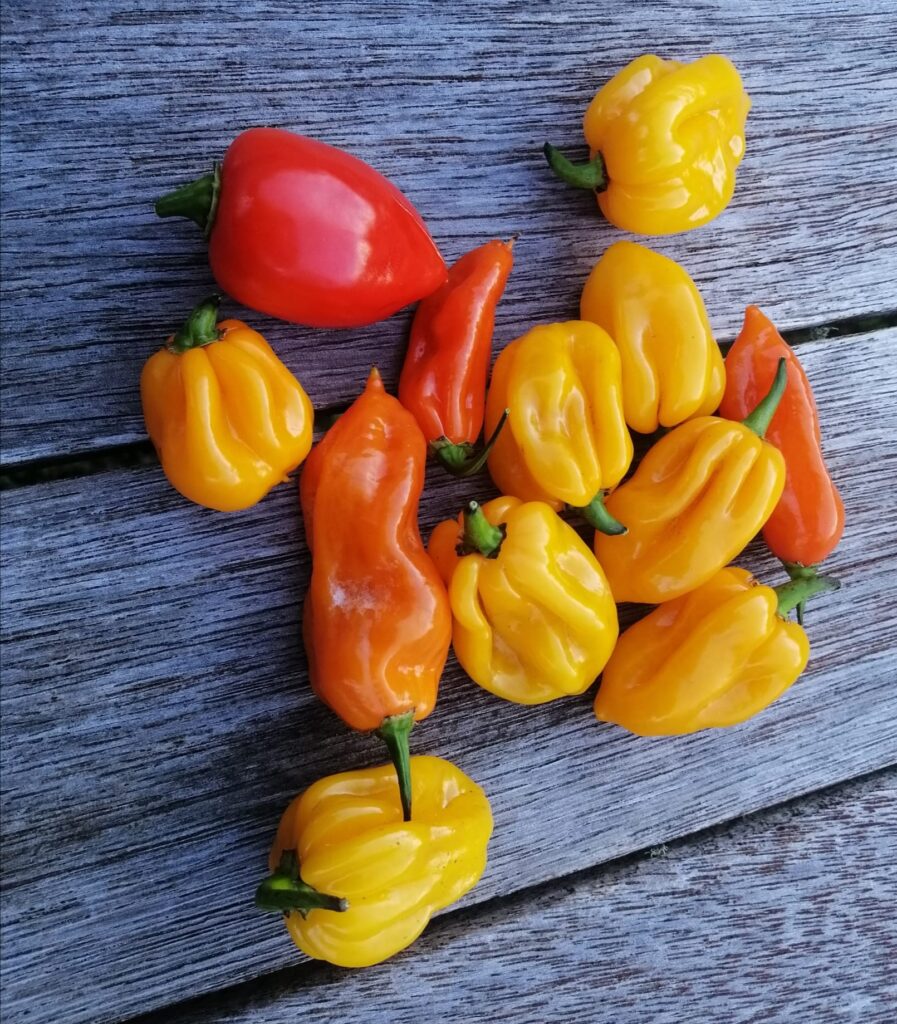
Scotch Bonnet peppers are small to medium-sized, with a round and somewhat flattened shape. They often have a distinctive ribbed surface. They are known for their vibrant colors, which come in different shades of red, yellow, and orange.

Scotch Bonnets have a sweet, fruity, and slightly smoky flavor with a significant level of heat. On the Scoville Heat Scale, they typically range from 100,000 to 350,000 Scoville Heat Units (SHU), putting them in the same heat range as habanero peppers.

Scotch Bonnet peppers are a common component in Caribbean cuisine, where they are used to add spice and flavor to a range of dishes such as stews, sauces, jerk seasoning, and marinades. They are often incorporated into dishes like jerk chicken and various pepper sauces that are drizzled over meats, vegetables, and seafood.

scotch bonnet Chilli
Image Credit: Facebook

Scotch Bonnet peppers have made their mark in African cuisine; they were introduced to Africa through the transatlantic slave trade and have since become an integral part of the culinary landscape in countries like Nigeria, Ghana, and Sierra Leone.

In West African cuisines, Scotch Bonnets are used to improve spiciness and depth of flavor to soups, stews, and sauces.

What is Habanero

Habanero peppers have their roots in the Yucatan Peninsula of Mexico. They have been cultivated and enjoyed in Central America for centuries. The name “Habanero” is believed to be derived from the Spanish word “habano,” which means “from Havana,” this could be because these peppers were once traded through the port of Havana in Cuba.

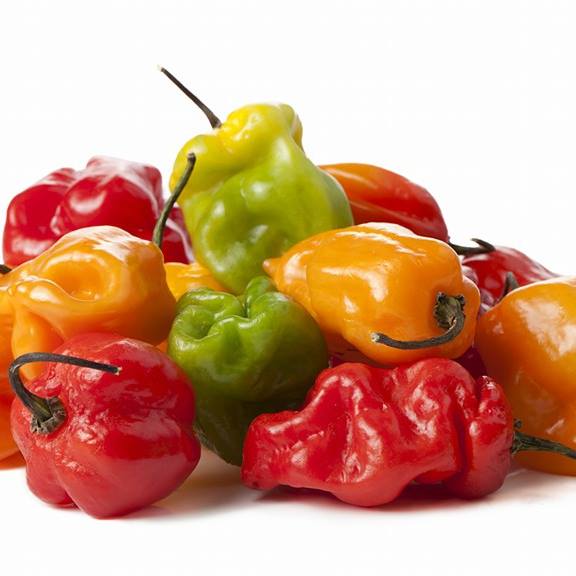
They have the same heat rating as scotch bonnet on the Scoville scale, 100,000 to 350,000SHU. Habanero peppers are small to medium-sized, typically measuring 1 to 2 inches long. They have a lantern-like shape with a distinctive wrinkled appearance.

Colors range from green to vibrant shades of orange, red, and brown as they ripen. Known for their intense heat, Habanero peppers are among the hottest chilli peppers.

Habanero peppers are a staple in Mexican and Central American cuisine. Habaneros are popular choices for making hot sauces due to their potent heat and distinctive taste.

habanero
Image Credit: Facebook

Which Is Hotter, Habanero or Scotch Bonnet? 

Habanero peppers are generally considered to be hotter than Scotch Bonnet peppers. Both peppers have a similar heat range on the Scoville Heat Scale. On average, habanero peppers typically range from 100,000 to 350,000 SHU, while Scotch Bonnet peppers also fall within this range. The specific heat level can vary depending on factors such as growing conditions, genetics, and ripeness. Despite the similarities in heat, habaneros are often perceived as having a more intense and immediate heat than Scotch Bonnets.

Scotch Bonnet vs. Habanero (Similarities and Differences)

Scotch Bonnet and Habanero peppers are two of the most well-known and widely used chilli pepper varieties. They share several similarities but also possess distinct characteristics that set them apart. Here’s a comprehensive overview of these peppers:

Scotch Bonnet Habanero 
Heat and Scoville Scale Range from 100,000 to 350,000 SHU. Range of 100,000 to 350,000 Scoville Heat Units (SHU).
Culinary Use and Flavor Sweet, fruity, and slightly floral.

Often associated with Caribbean and West African cuisines.

Sweet, floral, fruity, and sometimes smoky.

Prominent in Mexican and Central American dishes.

Physical Characteristics Scotch Bonnets are slightly smaller and squatter, resembling a bonnet or hat, hence the name. They come in various colors like red, yellow, and orange. Habaneros are typically larger and more elongated, with colors ranging from green to orange to red.
Geographic Origins Scotch Bonnets have strong ties to Caribbean cuisine and are widely used in dishes throughout the region. Habaneros originated in the Yucatan Peninsula in Mexico and have become a staple in Mexican and Central American cooking.
African Perspective Scotch Bonnet peppers have made their way into African cuisine, and they contribute to the spiciness and flavor of many African dishes. Habaneros are not native to Africa.
Colors Red, orange, yellow, and chocolate. Red, orange, yellow, chocolate, purple.


How do you tell a habanero from a scotch bonnet? 

Differentiating between Habanero and Scotch Bonnet peppers involves observing key characteristics such as size, shape, color, heat intensity, and culinary uses. Habaneros are typically larger and elongated with a lantern-like shape, while Scotch Bonnets have a distinct, squat, bonnet-like appearance.

The color range, encompassing hues of green, orange, red, and brown, can be similar in both peppers, but some suggest Scotch Bonnets might exhibit smoother and more uniform coloring when ripe. While falling within a similar Scoville Heat Scale range, Habaneros are often associated with a more immediate and intense heat sensation, contrasting with Scotch Bonnets’ reputation for gradual, building heat.

Scotch Bonnet Pepper in Africa

West African scotch bonnet peppers, scientifically known as Capsicum chinense, fall under the Solanaceae family and are a notably spicy variety. These peppers have become essential in African cuisine and were introduced to West Africa between the 15th and 16th centuries.

These peppers come in various types under the West African, displaying a range of sizes, colors, and shapes. These peppers, carried across history, have become a vital part of the colorful dishes of African cooking. With their fiery spiciness and unique taste, they’ve seamlessly blended into diverse dishes.

scotch bonnet
Image Credit: Facebook

What is Scotch Bonnet Pepper in Nigeria?

In Nigeria, the Scotch Bonnet pepper is known by various regional names, depending on the local language and dialect. One common name for the Scotch Bonnet pepper in Nigeria is “Ata Rodo” in Yoruba, which translates to “pepper” in English. This name reflects the pepper’s fiery heat and its integral role in Nigerian cuisine. It is also known as “Ose Oyibo” in Igbo and “Attarihu” or “Borkono” in Hausa.

The Scotch Bonnet pepper, or Ata Rodo, is widely used in Nigerian cooking to add spiciness adds richness of flavor to a variety of dishes. It is a key ingredient in many traditional soups, stews, sauces, and marinades.

Whether it’s used in dishes like jollof rice, pepper soup, or various stews, the Scotch Bonnet pepper (Ata Rodo) holds a special place in Nigerian culinary culture, enhancing the taste and adding a distinct taste country’s beloved dishes.

 Health Benefits and Nutritional Value

Scotch Bonnet and Habanero peppers offer a host of shared health benefits that stem from their potent compounds. Both peppers are rich sources of vitamins and minerals, particularly vitamin C and vitamin A, known for supporting immune function, skin health, and vision.

They also include antioxidants that fight free radicals, potentially reducing the risk of chronic diseases. The peppers’ capsaicin content, responsible for their spiciness, may offer anti-inflammatory properties and contribute to cardiovascular health scotch bonnet is known for this because of its phytochemicals.

While both peppers share similar nutritional profiles, slight variations exist. Due to factors like growing conditions, scotch Bonnet peppers might have marginally different vitamin and mineral levels compared to Habanero peppers. However, the overall nutritional impact remains quite consistent between the two varieties. These peppers serve as valuable additions to a balanced diet, providing essential nutrients with intense flavor and heat.

habanero 11
Image Credit: Facebook

Role of Capsaicin in Promoting Health

Capsaicin, the active compound responsible for the peppers’ heat, is central to promoting health. Research suggests that capsaicin may aid in weight management by boosting metabolism and reducing appetite.

It may also have pain-relieving properties, making it a potential natural remedy for certain types of pain. Moreover, capsaicin’s thermogenic effects could improve cardiovascular health by enhancing blood flow and reducing inflammation. Scotch Bonnet and Habanero peppers deliver this beneficial compound, offering a fiery path to potential health advantages.

Incorporating these peppers into your diet can tantalize your taste buds and offer a range of potential health perks, making them a flavorful and nutritious addition to your culinary repertoire.

FAQ

Can I replace the scotch bonnet with a habanero?

Yes, you can generally replace scotch bonnet peppers with habanero peppers or habanero with scotch bonnet pepper in recipes. Since scotch bonnet and habanero peppers belong to the same Capsicum chinense species and have similar heat levels and flavor profiles, they are often interchangeable in many dishes. 

You can successfully replace scotch bonnet peppers with Habanero peppers in recipes without a significant impact on the outcome. It’s a good idea to start with a smaller quantity and adjust to your desired heat level. As always, experimenting in the kitchen can lead to exciting and delicious results!

What do Americans call Scotch bonnet peppers?

In the United States, Scotch Bonnet peppers are often referred to by their specific name, “Scotch Bonnet.” Unlike other chilli peppers with alternative names or regional terms, the name “Scotch Bonnet” is commonly used to identify this particular variety of pepper in American markets and culinary discussions. But they are not easily found in America like the habanero pepper.

Key Takeaways

Scotch Bonnet and Habanero peppers bridge continents with their fiery flavor. While Scotch Bonnets flavor Caribbean and West African cuisines, Habaneros are common in Mexican and Central American dishes. 

They share potent health benefits, including immune support and inflammation reduction. These small peppers, rich in vitamins and capsaicin, elevates your well-being. Their role as essential ingredients transcends borders, inviting us to a vibrant world of flavors and cultures. 

From Jamaican stews to Nigerian soups, these peppers infuse dishes with a distinct taste that honors tradition and enriches our palate. 

The availability of both peppers can pose challenges in certain regions; habanero is more accessible in US stores and supermarkets. Fortunately, growing them at home is possible if you have a sunny spot in your garden and some patience.

What Food Combination Goes Together

0

Bored? Indulge in this short quiz. What food combination goes together?

14
Diet choices

Match The Correct Food Combination

Guess the correct food combination from African cuisine! Choose the option that best matches the traditional pairing. Good luck!

1 / 5

What's a classic combination from Central African dishes?

2 / 5

Which combination is a staple in Southern African cuisine?

3 / 5

What duo creates a harmonious blend in East African cooking?


4 / 5

Which combination is commonly enjoyed in North African meals?

5 / 5

Which combination is commonly enjoyed in North African meals?

Food Riddles

0

20
Healthy diet

Quiz

Food Riddles: Riddle these!

1 / 7

I am a South African favourite and easy to make breakfast meal, often taken with pap. What am I?

2 / 7

I am always present at most West African parties. What am I?

3 / 7

I am something most people don't like because of my smell. What am I?

4 / 7

I am a popular street food in Morocco, made from chickpeas, spices, and vegetables like carrots. What am I?

5 / 7

I am something essentially taken after every meal? What am I?

6 / 7

I am yellow but not too light. A citrus fruit that’s a flavor in Sprite and sometimes used as spice in some dishes. What am I?

7 / 7

I am a yeast-risen flat bread made out of Teff flour, slightly sour, slightly bitter, with a spongy texture. What am I?

Grilled Corn on the Cob

0

Corn is a common and widely consumed food in many parts of Africa. It is used in various forms and dishes, including as a snack. Grilled corn on the cob is a popular street food or snack option in many regions.

Grilled Corn on the Cob

Additionally, corn can be ground into flour to make porridges, bread, and other traditional dishes that are staple foods in different African countries. The specific use and preparation of corn can vary across different cultures and regions within Africa.

Here’s a simple recipe for Grilled Corn on the Cob

Grilled Corn on the Cob

Grilled Corn on the Cob

Avatar photoLaila Yetunde
A Tasty Snack Recipe of Grilled Corn on the Cob
Prep Time 30 minutes
Cook Time 40 minutes
Total Time 1 hour 10 minutes
Course Snack
Cuisine African
Servings 0

Ingredients
  

  • Fresh corn on the cob (as many as you need)
  • Butter (softened)
  • Salt and pepper
  • Optional: your favorite herbs or spices for added flavor 

Instructions
 

  • Preheat your grill to medium-high heat.
  • Peel back the husks of the corn without removing them completely. Remove the silk threads
    Fresh corn on the cob (as many as you need)
  • Spread a thin layer of softened butter over each ear of corn. Season with salt, pepper, and any optional herbs or spices you like.
    Butter (softened), Salt and pepper, Optional: your favorite herbs or spices for added flavor 
  • Pull the husks back up over the corn to cover it. If the husks are a bit dry, you can soak them in water for a few minutes before using.
  • Place the corn on the grill and cook for about 10-15 minutes, turning occasionally, until the kernels are tender and slightly charred.
  • Carefully remove the husks before serving, and you'll have delicious grilled corn on the cob!
  • Enjoy your tasty grilled corn!
Keyword Grilled Corn on the Cob
Tried this recipe?Let us know how it was!

Nigerian Egg Roll

Nigerian Egg Roll is a delicious snack, a staple street food in West Africa, especially Nigeria. It’s often enjoyed with a hot cup of tea, fruit juice, or chilled zobo. It’s a lifesaver during Lagos traffic or on a journey.
This isn’t your typical Chinese Egg Roll – it’s unique. A filling snack made with a simple dough and an egg tucked inside. It is just like a scotch egg, but instead of meat, you’ve got this delightful flour-based dough with an egg in it.

Nigerian Egg roll
Image Credit: Facebook


How to Make Nigerian Egg Roll

Making Nigerian Egg Roll is an art, but nothing too tricky; it’s quite simple. The dough is the major thing; if you get the measurement and mixture right, you will get a fine result. It might initially seem a tad finicky – a bit wet and soft. No worries, though! Let it cool for some minutes, and you’ll have a more workable dough

It’s not just a snack. Some folks enjoy it for breakfast, lunch, or brunch. It’s that hearty! So, you add it to your menu list whether you’re gathering with friends or throwing a small party. It’s a crowd-pleaser, I promise!

Egg roll

Is Nigerian Egg Roll Healthy?

Here are some health benefits of Nigerian Egg Rolls;

Nutritional Components:

Caloric Content: Nigerian Egg Rolls offer a decent balance between taste and calories. A 100grms egg has 276 kcal.

Macronutrient Breakdown: These egg rolls provide a mix of carbohydrates(37g), protein(10g), and fats(10g).

Vitamins and Minerals: While they might not be vitamin powerhouse, Nigerian Egg Rolls still contribute vitamins and minerals like sodium, potassium, and calcium.

Nigerian egg roll street food
Image Credit: Facebook

Flour Choice: Opting for whole wheat flour adds a boost of fiber and nutrients to your egg rolls. It’s a heartier choice that can contribute to better digestion and a slower rise in blood sugar.

Cooking Methods: Baking egg rolls instead of deep frying them can significantly reduce fat content. Baking still maintains the deliciousness while. But in this recipe, I will be using the frying method.

Like any treat, moderation is key. Enjoying Nigerian Egg Rolls occasionally within a balanced diet can absolutely be a part of a healthy lifestyle.

Some people use yeast instead of nutmeg but haven’t tried it because I prefer nutmeg.

Nigerian egg roll street food

Nigerian Egg roll

Nigerian Egg Roll is a delicious snack, a staple street food in West Africa, especially Nigeria. It's often enjoyed with a hot cup of tea, fruit juice, or chilled zobo.
Prep Time 30 minutes
Cook Time 20 minutes
Course Snacks
Cuisine Nigerian, West-African
Servings 4 people

Ingredients
  

  • 2 cups flour
  • 1 egg (beaten)
  • 4 eggs (boiled)
  • 1 teaspoon baking powder
  • tablespoon sugar
  • 2 tablespoon margarine
  • ½ teaspoon  nutmeg
  • ¼ teaspoon salt
  • 1 cup water
  • 3 cups Vegetable oil for frying

Instructions
 

Prepare the Dough:

  • In a mixing bowl, combine the flour, baking powder, sugar, nutmeg, and salt. Mix them well to evenly distribute the dry ingredients.
    2 cups flour, 1 teaspoon baking powder, 2½ tablespoon sugar, ½ teaspoon  nutmeg

Add Wet Ingredients:

  • Add the beaten egg and margarine to the dry mixture. Mix everything together until the margarine is well incorporated and the mixture resembles coarse crumbs.
    1 egg (beaten)

Knead the Dough:

  • Gradually add water to the mixture while kneading. You want to form a slightly wet and soft dough. Knead the dough on a floured surface for about 5-7 minutes until it's smooth and elastic.
    1 cup water

Rest the Dough:

  • Place the dough back in the mixing bowl and cover it with a damp cloth. Let it rest for 15-20 minutes. This allows the dough to relax and become more manageable.
  • Peel the boiled eggs and set them aside.
    4 eggs (boiled)
  • After resting, divide the dough into equal portions, each slightly larger than a boiled egg.

Wrap the Eggs:

  • Take a portion of the dough and flatten it out on your palm. Place a boiled egg in the center and carefully wrap the dough around the egg, sealing it completely. Repeat for all the eggs.
  • In a deep pot or frying pan, heat oil over medium heat. Make sure there's enough oil to completely submerge the egg rolls.
    3 cups Vegetable oil for frying
  • Once the oil is hot, gently place the wrapped egg rolls into the oil, seam side down. Fry them in batches to avoid overcrowding the pan. Turn them occasionally to ensure even browning. Fry until they're golden brown and crispy all around.
  • Use a slotted spoon to carefully remove the fried egg rolls from the oil and place them on a plate lined with paper towels to drain excess oil. Let them cool for a few minutes.
  • Serve them as a delightful snack or pair them with a cup of tea, fruit juice, or zobo. Enjoy the crispy outer layer and the savory surprise inside!

Notes

Note: Make sure you fry in a deep oil(you need enough oil) and on medium heat.
Wrap the eggs as you fry, do not wrap them at once to prevent sticky or strong rolls.
 
Keyword Nigerian Egg Roll
Tried this recipe?Let us know how it was!

Chef Spotlight: Lovisa Namwandi

0

This week we give the Chef Spotlight to Lovisa Namwandi, well-known as Shekupe Botha Owner and founder of Shekupes Kitchen.

A 24-year-old, a qualified teacher, and a self-taught caterer. Born in a small village called Eheke and grew up in Ondangwa and Oniipa.

Lovisa officially started her business in 2021 selling lunch packs and used her 2020 refund money to buy kitchen utensils.

Her passion for cooking grew and she began catering for weddings.

Lovisa Namwandi:

Growing up I was a bad cook. I only knew how to cook pap but I’m lucky to be born into a family of good cooks, my Aunties taught me the basics, and my mother is good with salads and she taught me 3 amazing salad recipes. Most of my recipes are self-taught. I used to order food that I wanted to learn how to prepare myself, whenever I was at any restaurant, and then go home and try to replicate the recipe. The goal was to get my recipe to taste like the ones I enjoyed in the restaurants.

Chef Spotlight: Lovisa Namwandi
Chef Spotlight Lovisa Namwandi

I could have never done it without God.

Isaiah 60:22

Interviewer:

 Why do you cook?

Lovisa Namwandi:

 I have loved and enjoyed cooking since childhood. I would always pretend to cook using sand and serve my grandparents. Cooking is a passion I was born with, and I would love to share my talent and recipes so people can taste my delicious food.

Chef Spotlight: Lovisa Namwandi
Chef Spotlight Lovisa Namwandi

Moroccan Couscous Salad

Moroccan Couscous Salad is a vibrant dish made with fluffy couscous, fresh vegetables, fragrant herbs like mint and parsley, and spices like cumin and coriander; this salad is a celebration of flavors. It isn’t just a salad; It’s more of a savory, grain-based dish packed with veggies that is healthy even for vegans.

What is Couscous

Couscous is a tiny, fluffy grains that look like mini pearls. It’s a versatile ingredient made from semolina wheat, cherished in North Africa and especially in Morocco. It takes on the flavors of whatever you pair it with. 

Now, let’s talk history. Couscous was first crafted by the Berber people of North Africa, who found a clever way to turn wheat into these delightful granules. Moroccan couscous is slightly different from the Israeli and Lebanese it is tinier. (we will be using the Moroccan couscous in this recipe).

Moroccan Couscous Salad with veggies

What is the Traditional Moroccan Dish Couscous Made Of? 

The dish thrives on various vegetables, such as grated carrots, zucchini, and bell peppers, enhancing taste and visual appeal. Meat, often lamb or chicken, contributes protein. It’s prepared with a blend of Moroccan spices like cumin and coriander. A fragrant broth formed by simmering meat, vegetables, and spices adds flavor.

What I love about Moroccan couscous salad is its bursting colors and vibrancy. Those roasted veggies are like flavor bombs. Oh, it’s an absolute delight with broth-cooked goodness and a hint of turmeric. The grated carrots and parsley bring this incredible freshness into the mix. And also the chickpeas that give it a unique sweetness? Now, the dressing – let’s talk about how the blend of lemon juice, olive oil, garlic, cumin, and coriander adds a spicy taste to the dish. And that extra crunch from the slivered almonds? It’s like the perfect finishing touch that makes every bite yummy.

Sure, you would love to try Moroccan couscous salad after this mouthwatering description. 

What Do Moroccans Drink with Couscous?

Moroccan beverages beautifully complement the meal, refreshing the flavourful dish. Among the beverages enjoyed with couscous, two stand out as the best accompaniments: mint tea (Maghrebi mint tea) and fruit juices, particularly orange and pomegranate.

Mint Tea (Maghrebi Mint Tea): This tea is a blend of green tea leaves, fresh mint leaves, and sugar and is steeped to perfection. The tea ceremony is a cherished tradition – the tea is poured from a height, creating foam and enhancing the flavors. The soothing combination of mint’s coolness and tea’s warmth makes it an ideal choice to cleanse for the bites of couscous.

Fruit Juices, Especially Orange and Pomegranate: Morocco’s climate yields a bountiful harvest of fruits, so they have many refreshing fruit juices. Orange and pomegranate juices, in particular, are often served with couscous due to their natural sweetness. Freshly squeezed oranges and the tangy blend of pomegranate seeds combine to create juices that complement the savory taste of couscous.

Couscous to Water Ratio

The common couscous to water ratio is 1:1, meaning equal parts couscous and water by volume. For instance, if you use 1 cup of couscous, you would add 1 cup of boiling water, which is then usually left to steam for a few minutes until the couscous is fluffy and tender.

Moroccan Couscous Salad Ingredients

For the couscous;

Couscous: Opting for Moroccan small couscous.
Chicken broth: To add flavor to the dish
Olive oil: Keep the grains separated.
Ground turmeric: Adds vibrant color.
Raisins

For the Veggies;

Veggies: Incorporate red bell pepper, eggplant, red onion, and zucchini.
Minced garlic: Opt for fresh garlic.
Olive oil, salt, and pepper: Crucial components for the roasting process!

For dressing the dish;

Olive oil: It is best to add extra virgin olive oil to enhance flavors.
Fresh lemon juice: Squeeze it fresh!
Minced garlic: Use fresh garlic.
Ground cumin: Adds flavor to the dish
Ground coriander: Enhances the taste.
Salt and pepper: Add according to your taste preferences.

For the toppings;

Grated carrots: Adds vibrant color and a touch of freshness.
Chickpeas
Italian parsley
Slivered almonds

Moroccan Couscous

Moroccan Couscous salad

Moroccan Couscous Salad is a vibrant dish made with fluffy couscous, an assortment of fresh vegetables, fragrant herbs like mint and parsley, and a medley of spices like cumin and coriander, this salad is a celebration of flavors.
Prep Time 25 minutes
Cook Time 25 minutes
Course Main Course
Cuisine Moroccan
Servings 6 people

Ingredients
  

  • 2 cup couscous
  • 1 tablespoon olive oil
  • cup chicken broth
  • ½ teaspoon turmeric (ground)
  • ½ cup raisins
  • 2 cups eggplant (chopped)
  • 2 bell pepper (sliced)
  • 1 medium zucchini (chopped)
  • 1 medium onion (chopped)
  • 1 teaspoon coriander (ground)
  • 4 cloves garlic (minced)
  • 2 tablespoon fresh lemon juice
  • 1 teaspoon cumin (ground)
  • salt and pepper to taste
  • 3 medium carrots (grated)
  • 1 cup slivered almonds
  • 1 cup Italian parsley (chopped)
  • 1 can (14oz) chickpeas (drained and peeled)

Instructions
 

  • Preparation:
    Start by chopping the eggplant, bell peppers, zucchini, and onion into bite-sized pieces. Set aside.
  • Mince the garlic cloves and set them aside as well.
  • Grate the carrots, chop the Italian parsley, and drain and peel the chickpeas from the can. Keep these ingredients ready for later use.
  • Cooking the Couscous:
    In a large mixing bowl, combine the couscous, olive oil, and ground turmeric. Mix them thoroughly to ensure the turmeric is evenly distributed.
  • Adding the Flavor:
    In a saucepan, bring the chicken broth to a gentle boil. Pour the hot broth over the couscous mixture, ensuring it covers the couscous completely.
  • Cover the bowl with a lid or plastic wrap and let it sit for about 5 minutes, allowing the couscous to absorb the liquid.
  • As the couscous steams, add the raisins to the mixture. The heat from the couscous will slightly rehydrate the raisins, enhancing their flavor.
  • Roasting the Vegetables:
    Preheat the oven to 400°F (200°C).
  • On a baking sheet, arrange the chopped eggplant, sliced bell peppers, chopped zucchini, and chopped onion.
  • Drizzle olive oil over the vegetables and sprinkle ground coriander and minced garlic evenly.
  • Season with salt and pepper to taste. Toss the vegetables to ensure they are coated with the oil and seasonings.
  • Roast the vegetables in the preheated oven for about 20 minutes or until they are tender and slightly caramelized.
  • Preparing the Dressing:
    In a small bowl, whisk together fresh lemon juice, ground cumin, and salt and pepper to taste. Gradually whisk in the extra virgin olive oil to emulsify the dressing.
  • Bringing It All Together:
    Fluff the couscous with a fork to separate the grains. Gently fold in the roasted vegetables, shredded carrots, chopped Italian parsley, and drained chickpeas.
  • Adding the Finishing Touch:
    Drizzle the dressing over the couscous mixture, ensuring even distribution.
    Toss the salad gently to combine all the flavors and ingredients.
  • Just before serving, sprinkle slivered almonds over the top of the salad, adding a delightful crunch.
  • You can serve as main dish or as a side dish.

Notes

Note: If you're packing for lunch, don't add the dressing till you're ready to eat.
You can store leftovers in an airtight container and keep in the fridge for not more than 2 days.
For chickpeas peel gently with your hands.
 
 
Keyword Moroccan Couscous Salad
Tried this recipe?Let us know how it was!

QUICK RECIPES