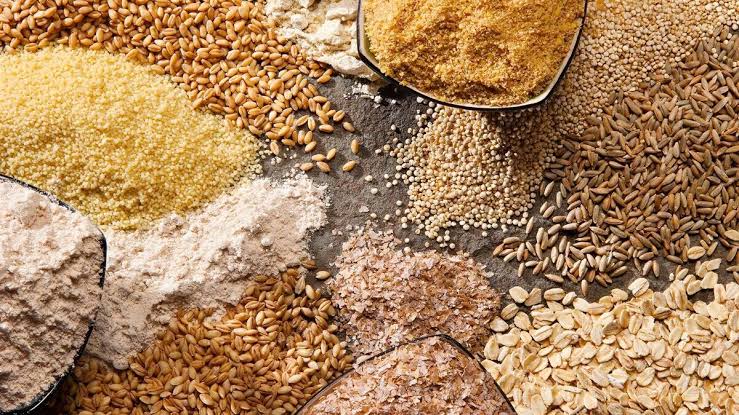
Organic Food vs Processed Food: Making Effective and Positively Informed Food Choices

0

What is considered Organic Food vs Processed Food? Organic foods have become increasingly popular in recent years as people have become more health-conscious and concerned about the quality of their food. Organic foods are grown without the use of synthetic pesticides, chemical fertilizers, or genetically modified organisms (GMOs). Instead, organic farmers rely on natural methods to control pests and enhance soil fertility. This means that organic foods are free from harmful chemicals and are more environmentally friendly.

Organic food vs Processed food
Organic food

On the other hand, processed foods are those that have been altered from their natural state through various methods such as canning, freezing, or adding preservatives and artificial ingredients.

Organic food vs Processed food
Processed food

Processed foods are often convenient and have a longer shelf life, but they are typically higher in unhealthy fats, sugars, and sodium. Examples of processed foods include soda, chips, and microwave dinners.

Nutritional difference between organic food vs processed food

One of the main differences between organic and processed foods is their nutritional content. Organic foods are generally richer in nutrients such as vitamins, minerals, and antioxidants. Studies have shown that organic fruits and vegetables have higher levels of vitamin C and other beneficial compounds compared to their conventionally grown counterparts. Organic meats and dairy products are also often higher in omega-3 fatty acids, which are important for heart health.

On the other hand, processed foods are often stripped of their natural nutrients during the manufacturing process. For example, white bread made from refined grains has fewer vitamins and minerals compared to whole grain bread. Additionally, many processed foods are fortified with synthetic vitamins and minerals to compensate for the loss of nutrients, but these synthetic forms may not be as easily absorbed by the body.

What are Africans more inclined to choose: Organic vs processed food

In Africa, the choice between organic food vs processed food is influenced by various factors such as cultural traditions, availability, and affordability. Historically, Africans have relied on organic farming methods, with many communities practicing subsistence farming and consuming locally grown, organic produce. However, with urbanization and the influence of Western dietary patterns, processed foods have become more prominent in African diets.

In urban areas, processed foods are often more readily available and affordable compared to organic options. Supermarkets and fast-food chains have gained popularity, offering a wide range of processed foods that are convenient for busy lifestyles. The marketing of processed foods, especially those that are imported or have Western branding, can also contribute to their popularity among Africans.

However, there is a growing movement towards organic and locally sourced foods in Africa. Many communities are recognizing the importance of traditional farming practices and the benefits of consuming organic produce. Non-governmental organizations and government initiatives are promoting organic farming and supporting farmers to transition to organic methods. As awareness about the health and environmental impacts of processed foods increases, more Africans are choosing to prioritize organic options.

Impact on human health: Organic vs processed food

Organic food vs Processed food
Organic food vs Processed food- Organic facts

The long-term health effects of organic food vs processed food can vary significantly. A diet rich in organic foods has been associated with numerous health benefits. Organic fruits and vegetables, for example, are higher in antioxidants, which help protect the body against chronic diseases such as heart disease, cancer, and neurodegenerative disorders. Organic meats and dairy products, which are free from antibiotics and hormones, may also have a positive impact on human health.

In contrast, a diet high in processed foods has been linked to various health issues. The excessive consumption of processed foods, which are often high in unhealthy fats, sugars, and sodium, can contribute to obesity, type 2 diabetes, and cardiovascular diseases. Processed foods are also often low in fiber, which is important for digestive health, and can lead to digestive problems such as constipation.

It is important to note that while organic foods offer potential health benefits, a balanced diet is key to overall health. Incorporating a variety of whole foods, including organic fruits, vegetables, whole grains, and lean proteins, while minimizing the intake of processed foods, is the best approach for long-term health.

And Yes it’s generally recommended to prioritize Organic food vs Processed food, but you can still make some improvements to your overall health if you have a processed diet by practicing the following safety guidelines:

1. Read Labels: Look for processed foods with fewer additives, lower sodium content, and minimal artificial ingredients.

2. Portion Control: Be mindful of portion sizes to avoid overeating and excessive calorie intake.

3. Balance: Include a variety of nutrient-rich foods like fruits, vegetables, lean proteins, and whole grains alongside processed items.

4. Hydration: Drink plenty of water to stay hydrated and support your body’s functions.

5. Cook at Home:When possible, prepare meals at home using fresh ingredients, allowing you to control what goes into your food.

6. Moderation: Enjoy processed foods in moderation and balance them with healthier options.

7. Supplements: Consider taking vitamins or supplements if your diet lacks essential nutrients, but consult a healthcare professional first.

8. Physical Activity: Regular exercise can help mitigate some of the negative effects of a processed diet on your health.

9. Limit Sugary and High-Fat Processed Foods:Cut down on foods high in added sugars and unhealthy fats.

10. Mindful Eating: Pay attention to your body’s hunger and fullness cues, and eat slowly to savor your food.

Remember, while these tips can help, it’s still advisable to gradually transition towards a diet rich in whole foods for better long-term health.

Conclusion

When it comes to long-term health effects, organic diets have a clear advantage over processed diets. Organic foods are rich in nutrients and free from harmful chemicals, making them a healthier choice for our bodies and the environment. While processed foods may be convenient and affordable, they are often low in nutrients and high in unhealthy additives. Africans are increasingly recognizing the importance of organic foods and traditional farming practices, but the availability and affordability of processed foods remain a challenge. To prioritize our health, it is important to choose organic options whenever possible and minimize the consumption of processed foods. By making conscious choices about what we eat, we can improve our overall well-being and contribute to a more sustainable food system.

Additionally Organic food is often considered a better choice than processed food because it’s grown without synthetic pesticides, genetically modified organisms (GMOs), and artificial additives. This can lead to fewer harmful chemicals in your diet and a reduced impact on the environment. However, it’s important to note that the choice between organic and processed foods depends on individual dietary needs and preferences.

For general well-being, a balanced diet that includes a variety of whole foods such as fruits, vegetables, lean proteins, whole grains, and healthy fats is a better choice. Additionally, staying hydrated, getting regular physical activity, managing stress, and ensuring adequate sleep all contribute to overall well-being. It’s important to focus on an overall healthy lifestyle rather than fixating solely on specific food choices.

Mhajab – A Traditional North African Dish

Mhajab is a type of flatbread known for its thin and flaky texture, originating from North Africa, specifically from countries like Morocco and Algeria. The dough is typically made using flour, water, salt, and sometimes oil, then rolled and stretched into thin sheets. 

It is a popular street food commonly prepared in households for special occasions. Mhajab can be enjoyed on its own or served with various fillings and accompaniments such as vegetables, meat or cheese. The dough is carefully stretched and then folded multiple times, creating multiple layers; it is either fried or baked in a flat shape. 

Mhajaba
Image Credit: Facebook


Common Fillings in Mhajab

The fillings used in Mhajab can vary depending on personal preferences, regional variations, and dietary requirements. While there are some common fillings, the possibilities are quite vast.

  • Vegetables: Mhajab often includes a variety of cooked vegetables such as spinach, potatoes, and carrots. 
  • Meat: Popular meat fillings include minced lamb, beef, or chicken, seasoned with a blend of spices before being cooked; they complement the dough.
  • Cheese: Soft cheeses like feta or ricotta are sometimes used as a filling in Mhajab. (This is optional)

Vegetarian Fillings are mainly vegetables, while non-vegetarians can add meat and cheese.

mMhajab
Image credit: Facebook

Cooking Methods for Mhajab

Frying Method

  • Preheat a non-stick pan over medium heat and lightly oil the surface(just like a pancake).
  • Fry each side of the Mhajab for about 2-3 minutes or until it turns golden brown and crispy.

Pros: Pan-frying creates a nice crispy texture on the outside of the hijab while keeping it soft and fluffy on the inside. It also allows for a shorter cooking time.

Cons: Pan-frying requires oil, which may make it slightly greasy. 

Baking

  • Preheat the oven to around 375°F (190°C).
  • Place the assembled Mhajab on a baking sheet lined with parchment paper.
  • Bake for approximately 15-20 minutes or until golden and puffed up.

Pros: Baking is a healthier option as it requires little to no oil. It also allows for a larger quantity to be cooked simultaneously and also allows even cooking.

Cons: Baked hijab tends to have a softer texture and may not have the same level of crispiness as pan-fried or grilled versions. It also requires a longer cooking time.

It is often taken as a side dish to meals such as couscous, harira (a traditional soup), Moroccan salads, and mint tea. 

Mhajab

Mhajab

Mhajab is a type of flatbread known for its thin and flaky texture, originating from North Africa.
Prep Time 30 minutes
Cook Time 20 minutes
Total Time 50 minutes
Course Side Dish
Cuisine north african
Servings 6 people

Ingredients
  

For the Dough

  • 2 cups all-purpose flour
  • ½ teaspoon salt
  • ¾ cup warm water
  • ¼ cup vegetable oil
  • ½ teaspoon lemon juice
  • oil for brushing and frying

For the Filling

  • 1 cup beef or lamb
  • 3 small potatoes
  • 1 small onion(chopped)
  • 4 small carrots
  • 2 cloves garlic(minced)
  • 1 teaspoon ground cumin
  • 1 teaspoon ground paprika
  • 1 teaspoon ground turmeric
  • ¼ cup fresh cilantro or parsley(chopped)
  • Salt and pepper to taste

Instructions
 

Making the Dough

  • Add flour and salt in a large mixing bowl, gradually mix in warm water to form a dough, then add vegetable oil and vinegar/lemon juice as dough starts coming together; knead for 5-7 minutes until smooth, then divide into golf ball-sized portions, brushing with oil and covering with plastic wrap on a tray, letting them rest for 30 minutes to an hour.
    2 cups all-purpose flour
  • Flatten the dough ball, roll it into a thin, translucent rectangle on a lightly oiled surface, folding sides to the center, then fold top and bottom to create a smaller square.
    ¼ cup vegetable oil
  • Your dough is ready.

Making the filling

  • Cook and marinate the beef.
    1 cup beef or lamb
  • Dice the carrots and potatoes add the spices, chopped onion and garlic, then stir fry for a few minutes.
    3 small potatoes, 4 small carrots
  • Your filling is ready. Fill in your dough and serve warm.
Keyword Mhajab
Tried this recipe?Let us know how it was!

Mozambique Matapa Recipe

Mozambique Matapa is a traditional and popular dish in Mozambique, a country located on the southeastern coast of Africa and is bound by South Africa, Zimbabwe and Tanzania.

In Mozambique, seafood is a staple dish, and Matapa is one of the favorites; from my research, it could also be called Matata. Matapa is a savory dish made from stewed cassava leaves, ground peanuts, coconut milk, various spices, and dried shrimp.

MMatapa
Image Credit: Facebook

This aromatic and flavorful dish is common in the southern region because it’s easily accessible and less expensive.

Whether enjoyed with steamed rice or bread, Matapa is a must-try dish for anyone looking to experience the authentic flavors of Mozambique.

Cassava leaves are often replaced according to local availability. You can use spinach, kale, collard greens, or pumpkin leaves as substitutes, but the distinct Mozambique taste comes from those cassava leaves.

The cassava plant has various names, such as yuca, manioc, Manihot esculenta, or Brazilian arrowroot. Its leaves are consumed similarly to other well-known green vegetables.

Matapaa

Mozambique Matapa

Matapa is a savory dish made from stewed cassava leaves, ground peanuts, coconut milk, various spices, and dried shrimp.
Prep Time 30 minutes
Cook Time 30 minutes
Total Time 1 hour
Course Side Dish
Cuisine Mozambique
Servings 4 people

Ingredients
  

  • 2 bunches cassava leaves
  • 1 pound raw peanuts
  • ½ cup shrimps(shelled)
  • 1 cup coconut milk
  • 1 teaspoon ground garlic
  • 1 tablespoon ground pepper
  • seasoning and salt to salt

Instructions
 

  • Wash the cassava leaves thoroughly and remove any tough stems.
    2 bunches cassava leaves
  • Chop the leaves finely and set them aside.
  • Roast the raw peanuts in a dry pan until they are golden brown and allow them to cool, then grind the peanuts to make peanut butter. You can use a food processor or mortar and pestle.
    1 pound raw peanuts
  • Cook the shrimp until they turn pink and are fully cooked. Remove them from the pan and set aside, you can cook in oil.
    ½ cup shrimps(shelled)
  • Add the coconut milk, ground garlic, and ground pepper, stir well and let it simmer for a few minutes, allowing the flavors to blend.
    1 cup coconut milk
  • Gradually add the homemade peanut butter to the coconut milk sauce, stirring constantly to combine.
  • Add the finely chopped cassava leaves to the sauce and mix everything together, ensuring the leaves are well-coated with the sauce.
  • Let the mixture simmer on low heat for about 15-20 minutes, stirring occasionally. This allows the flavors to meld and the leaves to soften.
  • Add the cooked shrimp, salt and seasoning into the mixture.
    seasoning and salt to salt
  • Once the cassava leaves are tender and the flavors are well combined, your Matapa is ready.
  • Serve the Matapa warm with rice or as a side dish.
Keyword Matapa
Tried this recipe?Let us know how it was!

Crispy Spicy Popcorn Chicken

Introducing our delectable Crispy Spicy Popcorn Chicken recipe! Get ready for a flavor-packed trip with tender bite-sized chicken pieces, coated in a tantalizing blend of spices, packed with protein, vitamins, and fried to golden perfection. Whether it’s game night or a cozy evening in, this dish will surely become your go-to favorite for its irresistible crunch and fiery kick. Get your taste Buds ready to dance as we guide you through crafting this delightful treat!

Crispy Spicy Popcorn Chicken

Crispy Spicy Popcorn Chicken

Avatar photoLaila Yetunde
Here's a recipe for a Tasty treat of crispy Popcorn Chicken and Spicy African Dipping Sauce.
Prep Time 1 hour
Cook Time 50 minutes
Total Time 1 hour 50 minutes
Course chicken
Cuisine African
Servings 0 Cook as needed

Equipment

  • Blender
  • Deep Fryer

Ingredients
  

Crispy Popcorn Chicken: Ingredients

  • 1 pound boneless, skinless chicken breasts, cut into bite-sized pieces
  • 1 cup all-purpose flour
  • 1 teaspoon salt
  • 1/2 teaspoon black pepper
  • 1/2 teaspoon paprika
  • 1/4 teaspoon garlic powder
  • 2 eggs, beaten
  • 1 cup breadcrumbs
  • Oil for frying 

African Spicy Sauce: Ingredients

  • 1 tablespoon olive oil
  • 1 onion, finely chopped
  • 2 cloves garlic, minced
  • 1 teaspoon ginger, minced
  • 1 teaspoon ground cumin
  • 1 teaspoon ground coriander
  • 1 teaspoon paprika
  • 1/2 teaspoon cayenne pepper (adjust to taste)
  • 1 can (14 oz) diced tomatoes
  • Salt and pepper to taste
  • 2 tablespoons chopped fresh cilantro

Instructions
 

Crispy Popcorn Chicken Cooking Instructions

  • In a bowl, mix the flour, salt, black pepper, paprika, and garlic powder.
    1 cup all-purpose flour, 1 teaspoon salt, 1/2 teaspoon black pepper, 1/2 teaspoon paprika, 1/4 teaspoon garlic powder
  • Dip each chicken piece into the flour mixture, then into the beaten eggs, and finally into the breadcrumbs, pressing gently to adhere.
    1 pound boneless, skinless chicken breasts, cut into bite-sized pieces, 1 cup breadcrumbs, 2 eggs, beaten
  • Heat oil in a deep frying pan to 350°F (175°C).
    Oil for frying 
  • Fry the coated chicken pieces in batches for about 3-4 minutes or until golden brown and crispy. Remove and drain on paper towels.

African Spicy Sauce Cooking Instructions

  • Heat olive oil in a saucepan over medium heat.
    1 tablespoon olive oil
  • Add the chopped onion and cook until softened. Add minced garlic and ginger, and sauté for another minute until fragrant.
    1 onion, finely chopped, 2 cloves garlic, minced, 1 teaspoon ginger, minced
  • Stir in ground cumin, ground coriander, paprika, and cayenne pepper. Cook for a couple of minutes to toast the spices.
    1 teaspoon ground cumin, 1 teaspoon ground coriander, 1 teaspoon paprika, 1/2 teaspoon cayenne pepper (adjust to taste)
  • Pour in the diced tomatoes and their juices. Season with salt and pepper.
    1 can (14 oz) diced tomatoes, Salt and pepper to taste
  • Let the sauce simmer for about 15-20 minutes, allowing the flavors to meld and the sauce to thicken.
  • Use an immersion blender or a regular blender to puree the sauce until smooth.
  • Stir in chopped cilantro and adjust seasoning if needed.
    2 tablespoons chopped fresh cilantro

Notes

Serve the crispy popcorn chicken with the African spicy sauce on the side for dipping or drizzling. Enjoy your flavorful meal!
Keyword Crispy Spicy Popcorn Chicken
Tried this recipe?Let us know how it was!

10 Traditional Zimbabwean Food You’ll Love

Zimbabwe is a beautiful landlocked country in Southern Africa. It is known for its diverse dishes rooted in indigenous flavours and agricultural ingredients. What makes Zimbabwean food even more special is how resourceful its people are when it comes to cooking. They make the most out of every ingredient, no matter how simple or small, and their dishes are bursting with delicious flavours and local spices that reflect their rich cultural heritage.

One thing that makes Zimbabwean food unique is the use of local spices and produce like groundnuts/peanuts and indigenous grains. These ingredients give Zimbabwean food its distinct taste and make it sought after not just in the region but all over Africa. Another exciting aspect of their food culture is the practice of communal meals and the value placed on hospitality.

While some Zimbabwean dishes may look weird at first glance, honestly you will find them really interesting. In this article, we will explore 10 traditional Zimbabwean foods that will captivate your taste buds and leave you wanting more.

What is a Popular Food in Zimbabwe?

Sadza, a cornmeal porridge, is the most popular Zimbabwean food. It is eaten with meats and vegetables such as beef, chicken, or fish; it is often eaten with vegetables like spinach or kale. Sadza is enjoyed by people of all ages.

Some suggestions for Amazon links to “

SMIRLY Charcuterie Boards Gift Set”.

SMIRLY Charcuterie Boards Gift Set

Project Overview Docs Banner in Light Green Blue Vibrant Professional Style 1

10 Traditional Zimbabwean Food You’ll Love

  • Sadza (Corn Meal)
  • Muriwo Unedovi
  • Nyama
  • Dovi
  • Boerewors
  • Bota
  • Maputi
  • Mopane Worms
  • Nhopi/Inhopi
  • Guru/Maguru

Sadza (Corn Meal): Most Popular

Sadza is primarily made from finely ground cornmeal but could also be made with other grains like sorghum or millet. It has a thick, porridge-like consistency and a somewhat neutral taste. The taste of the Zimbabwean food can be compared to that of cornbread but less sweet. 

Sadza is usually served with various relishes, such as meat, vegetables, or sauces, which add flavour to the dish. What’s unique about sadza is its neutral flavour, allowing it to absorb the tastes of the dishes it’s paired with. Sadza is made by boiling water, adding corn meal, and continuously stirring until it becomes thick and eaten in morsels.

Some suggestions for Amazon links to”Organic Coconut Milk”.

Organic Coconut Milk

Project Overview Docs Banner in Light Green Blue Vibrant Professional Style 1

Sadza
Image Credit: Facebook

Muriwo Unedovi: Leafy Greens with Peanut Butter

Muriwo Unedovi is a side dish in Zimbabwe; you cannot miss out on this. It combines leafy greens with a unique twist of peanut butter. Muriwo Unedovi is not only a treat but also a healthy and nutritious dish, and it’s super easy to prepare, even for beginners in the kitchen!

Peanut butter’s creamy and nutty taste adds a unique twist to the dish; some leafy greens often used are spinach, collard greens, or mustard greens. To make Muriwo Unedovi, sauté finely chopped leafy greens with tomatoes, onions, and garlic and get your delicious and nutritious Zimbabwean vegetable dish.

madovi
Image Credit: Facebook

Nyama: A Meat Lover’s Choice

Nyama a Zimbabwean food made with grilled or roasted meat, typically beef or goat. It is often seasoned in a flavorful sauce made with local spices and cooked over an open fire in an open space. The meat is tender and spicy and usually served with sadza and vegetables.

Zimbabweans have a strong affinity for meat, and different types of meat are commonly enjoyed, from beef and chicken to goat and game meat.

Some suggestions for Amazon links to “Royal Gourmet CC1830W 30 Barrel Charcoal Grill “

Project Overview Docs Banner in Light Green Blue Vibrant Professional Style 1

Royal Gourmet CC1830W 30 Barrel Charcoal Grill

Project Overview Docs Banner in Light Green Blue Vibrant Professional Style 1


African Recipe Nyama Choma
Image from yummy.co.ke

Dovi: A Peanut Stew

Dovi is a traditional Zimbabwean peanut stew made with crushed peanuts, carrots or potatoes, okra and stock broth. It is prepared by cooking tender chicken or beef in a seasoned sauce of ground peanuts, tomatoes, onions, and spices.

It is often paired with rice; Dovi is a cherished Zimbabwean food because of the warmth it gives the body.

dovi
Image Credit: Facebook


Boerewors: A Sausage 

While boerewors has its origins in South Africa, it has become a beloved street food in Zimbabwe. It is a coiled sausage made from minced beef, pork, and a grilled blend of spices. It is known as an African barbecue; it has a soft succulent taste and smoky aroma, making it a popular snack choice.

Boerewors is a staple food in South Africa, Botswana and Namibia. See more on how to make Boerewors. 

Boerewors
Image Credit; Pinterest

Bota: A Portable Porridge

Bota is a traditional Zimbabwean dish made from cornmeal (sorghum or millet), sugar, and water. It is a simple porridge-like dish typically enjoyed as a breakfast meal. 

It’s often enjoyed with milk, sugar, and sometimes butter, providing a quick and energy-boosting bite, especially during busy days. It is like the porridge form of sadza and is mostly seen as a traditional children’s meal.  

Maputi: Crispy Corn Snack

Maputi, or “popped corn,” is Zimbabwe’s answer to popcorn. These crispy corn kernels are usually salted and roasted. This light and crispy treat is traditionally made by heating corn kernels in hot oil until they pop. It is often seasoned with salt or spices and enjoyed as a delicious and crunchy snack.

Mopane Worms: Weird Food

Mopane worms is one of the weird but exciting Zimbabwean food. It’s quite unusual but seen as a staple traditional meal by the locals. These nutritious insects are prepared by first collecting them from mopane trees.

The worms are then sun-dried, or sometimes smoked, to preserve them. To prepare, they are rehydrated in water and cooked with onions, tomatoes, and spices until tender. Mopane worms are often enjoyed fried or added to stews, providing a unique and flavorful experience.

Mopane Worms
Image Credit: Facebook

Nhopi/Inhopi: Pumpkin Pudding

Nhopi, or Inhopi, is a delightful Zimbabwean pumpkin pudding. It is made by simmering mashed pumpkin with ground peanuts, butter, and sugar. It’s a light meal taken as a dessert or a side dish.

To prepare, peel, cook, and mash the pumpkin. Add ground peanuts, sugar, and butter, stirring until well combined; you can add fresh milk or cinnamon to a unique taste to the dish.

NhopiInhopi
Image Credit: Facebook

Guru/Maguru: (Tripe)

Guru, a beloved Zimbabwean dish, shares some similarities with Nigerian assorted meat pepper soup. In the case of a guru, it’s enriched with various vegetables. Made from a specific part of the cow’s stomach, it’s known for its enjoyable chewiness. Though cooking requires time and effort, the result is worth it. The preparation involves slowly boiling Guru in water, and when it’s almost ready, ingredients like onions, tomatoes, and vegetables are added. This step enhances the flavour and depth of the dish.

Guru
Image Credit: Facebook

Zimbabwean dishes are sure savory and delightful, which of these would you be trying soon?

5 Resilient Foods That May DefyThe Apocaly pse

Let’s take a walk in the shadow for a bit, and talk about “The Apocalypse” Survival Sustenance, Highlighting 5 Resilient Foods That May Defy the Apocalypse. In an era marked by rapid technological advancements and a constant stream of information, the recent transformation of the Twitter logo seems to mirror the uncertain landscape that surrounds us. As we navigate the complexities of our present times, a subtle hint of an impending apocalypse lingers in the air, casting a shadow of uncertainty over our future. This shifting paradigm is not only reflected in the enigmatic aesthetics of the new Twitter logo but also in the persistent quest for stability and sustenance, much like the foods that may defy the apocalypse.

The redesigned Twitter logo, with its unconventional appearance, serves as a visual metaphor for the anomalies that have become commonplace in our world. Just as this logo challenges our perceptions, our current reality is being redefined by unprecedented challenges, from environmental shifts to global pandemics. It’s a reminder that even the most familiar aspects of our lives can transform in unexpected ways, much like the landscapes we envision during apocalyptic scenarios.

But beyond its visual intrigue, the new Twitter logo underscores the innate human ability to adapt and find meaning even in the face of uncertainty. This same spirit of adaptation and survival is encapsulated in the hardy fruits and foods that might persist in the aftermath of an apocalypse. Just as the logo’s strange appearance invites curiosity, the endurance of certain edibles showcases the enduring strength of life itself.

Some suggestions for Amazon links to”

Brita Metro Water Filter Pitcher”

Brita Metro Water Filter Pitcher

Project Overview Docs Banner in Light Green Blue Vibrant Professional Style 1

Join us as we explore the intertwining narratives of the ever-evolving world we inhabit and the remarkable resilient foods that may defy the apocalypse, even in the bleakest of times. In this article, we embark on a journey that uncovers the symbolism behind these elements, weaving a tapestry that speaks to the triumph of the human spirit and the indomitable force of nature.

A Taste of Hope: Foods That may Defy the Apocalypse

In the face of unprecedented challenges, humanity has always demonstrated an uncanny ability to adapt and survive. The thought of an apocalypse may conjure images of desolation and scarcity, but even in the bleakest of scenarios, there is a glimmer of hope in the form of fruits and foods that might still exist. These hardy and resilient edibles not only provide sustenance but also symbolize the tenacity of life in the most adverse conditions.

1. Resilient Roots:

Root vegetables like carrots, potatoes, and beets are poised to thrive even in the aftermath of catastrophe. Their ability to grow beneath the soil shields them from harsh environmental conditions, allowing them to endure when other crops might falter.

Foods that may defy the apocalypse

These humble yet nutrient-rich foods offer a vital source of energy and sustenance.

2. Perennial Survivors:

Certain fruit-bearing plants, such as berry bushes and fruit trees, have evolved to withstand changing climates and challenging circumstances.

Foods that may defy the apocalypse

Blueberry bushes, for instance, are known to flourish in acidic and nutrient-poor soils, making them a potential survivor in a post-apocalyptic landscape. Similarly, apple and citrus trees are renowned for their hardiness and adaptability, offering a refreshing source of vitamins and minerals.

Some suggestions for Amazon links to”

FISKARS Garden Pruning Shears”.

FISKARS Garden Pruning Shears

Project Overview Docs Banner in Light Green Blue Vibrant Professional Style 1

3. Hardy Grains:

Grains like quinoa and amaranth have earned their reputation as “superfoods” due to their exceptional nutritional profiles and adaptability. These hardy e grains are capable of thriving in diverse environments, making them a promising source of sustenance during tumultuous times.

Foods that may defy the apocalypse

Their ability to endure droughts and marginal soils could contribute to the revival of agriculture even after the apocalypse.

4. The Benevolent Bean:

Legumes such as beans, lentils, and peas are not only packed with protein but also possess the unique ability to enrich soil with nitrogen through a process known as nitrogen fixation.

Foods that may defy the apocalypse

This natural fertilization process could potentially rejuvenate barren landscapes and pave the way for renewed agricultural endeavors.

5. Aquatic Abundance:

In a world forever altered by cataclysmic events, bodies of water could become valuable reservoirs of sustenance. Fish and other aquatic life forms offer a renewable source of protein and essential nutrients.

Foods that may defy the apocalypse
Body of water with aquatic life

As survivors adapt to new ways of living, aquaculture could play a pivotal role in ensuring food security.

While the notion of an apocalypse is undoubtedly daunting, the persistence of life, as evidenced by these enduring fruits and foods, reminds us of our innate ability to overcome adversity. The foods that might still exist in such a scenario not only sustain our bodies but also kindle the flames of hope, proving that even in the face of destruction, nature’s resilience and human ingenuity endure.

The Future?

As we contemplate a future that may hold unforeseen challenges, let these examples serve as a testament to the power of adaptation and the potential for life to thrive against all odds. The very existence of these foods is a reminder that even in the darkest of times, a taste of hope can be found on our plates.

How Many Teaspoons in Half a Cup; Understanding Measurements 2

Understanding the conversion between teaspoons and cups helps when you want to adjust recipes to your liking or for different serving sizes. For example, if a recipe calls for one cup of sugar but you prefer a less sweet dish, knowing that 48 teaspoons equals a cup and 24 teaspoons in half a cup allows you to adjust the sugar amount accordingly.

Having precise measurements while cooking or baking is essential to getting the best result. Generally, the standard units of measurement are teaspoons, tablespoons, and cups. Teaspoons are smaller units used for measuring tiny amounts of ingredients, while tablespoons and cups are larger units used for measuring larger quantities. Understanding how these units relate to each other is super important for accurate measurements in the kitchen.

Knowing the equivalence between teaspoons and cups lets you convert between the two, which is useful when you’re following recipes with different measurements. It ensures you can replicate a recipe’s taste and texture accurately, even if you’re using different measuring tools.

teaspoons in 1/2 a cup

What is a Teaspoon?

A teaspoon is about 1/3 of a tablespoon or around 5 milliliters. It’s handy for measuring small amounts of ingredients like spices, extracts, or liquids. But a cup equals 16 tablespoons, 8 fluid ounces, or roughly 237 milliliters. Cups are great for measuring larger amounts of ingredients like flour, sugar, or liquids.

What Is Half a Cup?

Half a Cup Is Equal to Half of The Standard Cup Measurement which is Typically 8 Fluid Ounces or 237 Milliliters. It Is Commonly Used in Recipe Instructions to Indicate a Smaller Portion or A Way to Divide a Full Cup Measurement. 

Many measuring cups have markings for half measurements, making measuring precisely half a cup easy. Whether it is used for liquid or dry ingredients, half a cup is a useful and commonly used measurement in the culinary world. Understanding half a cup is important for cooking and baking, as it allows for precise measurements and accuracy in ingredient proportions.

How many teaspoons on a cup

How Many Teaspoons is Half a Cup?

Half a cup is equal to 8 tablespoons, which is also equal to 24 teaspoons in half a cup. Therefore, if you need to measure half a cup of liquid or ingredient, you would require 24 teaspoons in half a cup. It is important to note that different regions might have different standards for cup measurements, but in the United States, a cup typically equals 16 tablespoons or 48 teaspoons.

Measuring in teaspoons is particularly useful when dealing with smaller quantities. In baking or cooking, it is always handy to have these measurements to ensure accuracy and achieve the desired taste and texture in your recipes. I hope this helps you understand specifically that there are 24 teaspoons in half a cup.

What is Half Cup Equivalent to?

One-half cup equals 8 tablespoons or 24 teaspoons. In cooking and baking, measurements are often given in cups, tablespoons, or teaspoons, depending on the ingredient being used. The importance of using standardized measurements is to ensure accuracy and consistency in a recipe.

To calculate the number of teaspoons in half a cup, you multiply the number of teaspoons in one cup (48 teaspoons) by ½. So, we have ½ cup = ½ x 48 teaspoons = 24 teaspoons.

In practical terms, this means that if a recipe calls for half a cup of a certain ingredient, we can replace it with 24 teaspoons of the same ingredient. This is useful when you may not have the exact measuring tools required for a recipe. In place of a measuring cup, you can use a tablespoon or teaspoon to measure out the required amount.

For example, if a recipe asks for half a cup of sugar and you don’t have a measuring cup available, you can use a teaspoon to measure out 24 teaspoons in half a cup of sugar.

Knowing the conversion factor between teaspoons and cups allows for flexibility and convenience in the kitchen, making it easier to prepare recipes accurately, even without specific measuring tools.

Common components that are measured in teaspoons and cups include: 

Spices: Salt, pepper, and other seasonings like cinnamon are frequently measured in teaspoons. Accurate proportions are necessary to get the right flavor because the slightest inaccurate amounts of spices can substantially affect the flavor of a dish. 

Extracts: The quantity of extracts, such as almond and vanilla extract, is also measured in teaspoons. The right amount, which can be intense, guarantees that the flavor in the finished dish is enough and sufficient. 

Ingredients that are frequently measured in cups include milk, water, sugar, flour, and others. These ingredients are essential to many recipes, particularly those for baking. 

 Importance of Precise Measurements in Recipes

  • Correct measurement ratios for flavor and consistency: Precise measurements ensure consistency in your recipes. By accurately measuring ingredients, you can replicate the dish precisely as intended whenever you prepare it. This is particularly important when cooking in large quantities.
  • Taste: The accurate measurements help achieve the desired taste of the dish. For instance, a little too much salt or sugar can significantly alter the taste, throwing off the balance of the recipe. Precise measurements prevent these little miscalculations.
  • Texture: Measuring ingredients accurately can impact the texture of foods, especially in baking. For instance, measuring the flour correctly can prevent a cake from becoming dry or dense. It is the same with having precise measurements for liquids like milk or water to ensure that the consistency of the batter or dough is perfect and yields the desired texture.
  • Nutritional information: Precise measurements are essential when calculating the nutritional content of a recipe. It allows you to accurately determine the amount of calories, fats, carbohydrates, protein, vitamins, and minerals in each serving. This is particularly important for individuals with specific dietary requirements or those monitoring their intake for health or fitness reasons.
  • Replicating recipes: Accurate measurements make it easier to reproduce and scale recipes at any time. Whether you want to double the quantity of a dish or test variations, precise measurements act as a guide, providing a foundation for experimentation while ensuring reliable results.

Frequently Asked Questions

How many teaspoonfuls are in 1 cup?

There are 48 teaspoonfuls in 1 cup.

In the United States, 1 cup equals 16 tablespoons, and 1 tablespoon equals 3 teaspoonfuls. Therefore, 1 cup can be converted to 16 tablespoons x 3 teaspoonfuls = 48 teaspoonfuls.

What is the difference between 1 teaspoon and 1 tablespoon?

The main difference between 1 teaspoon and 1 tablespoon is their volume or capacity.

1 teaspoon is a smaller unit of measurement, typically equivalent to 1/3 of a tablespoon, while 1 tablespoon, on the other hand, is a larger unit of measurement. It is around three times the size of a teaspoon. 

Is 8 teaspoons half a cup?

No, 8 teaspoons is not half a cup. A cup is equivalent to 48 teaspoons, so there would be 24 teaspoons in half a cup.

Is 3 or 4 teaspoons equal to 1 tablespoon?

Yes, 3 teaspoons is equal to 1 tablespoon. In the United States customary system of measurements, 1 tablespoon is equivalent to 3 teaspoons.

How can I measure 1 tsp?

To accurately measure 1 teaspoon (tsp), you can use measuring spoons specifically designed for cooking. These spoons generally come in sets and are labeled with measurements like 1 tsp, 1 tbsp, etc.

Does 12 teaspoons equal a 1/4 cup?

No, 12 teaspoons do not equal a 1/4 cup.

There are 3 teaspoons in a tablespoon and 4 tablespoons in a 1/4 cup. So, 12 teaspoons equal 4 tablespoons, but not a 1/4 cup. A 1/4 cup is equal to 8 teaspoons.

How many teaspoons make one-fourth a cup?

There are 12 teaspoons in one-fourth (1/4) of a cup.

There are 48 teaspoons in one cup. Since one cup is made up of four equal parts (four-fourths), we divide 48 by 4 to get 12 teaspoons in one-fourth of a cup.

Key Note: In baking, precision is essential, and that’s where understanding the conversion between teaspoons and cups comes in handy. Baking involves chemical reactions between ingredients, and even a slight difference in measurements can significantly affect the final result.

If your measurements are off, you might end up with a cake that doesn’t rise properly, bread that’s too dense, or dough that spreads too thin. So it’s important to know how many teaspoons are in a cup to ensure concise and successful baking outcomes.

In conclusion, teaspoons and cups are both important units of measurement in cooking and baking. Knowing their equivalence is crucial for accurate measurements, replicating recipes, and adjusting them according to your taste. Whether you’re a pro chef or a beginner in the kitchen, understanding cooking measurements like how many teaspoons in half a cup will level up your culinary skills and help you achieve the desired results in your cooking and baking.

Interesting Food Facts and Fictions

0

93
Cake carrot 1 1 scaled

Quiz

True or False - Food Facts and Fiction

1 / 6

Scotch bonnet and habanero are the hottest chilli pepper

habanero

2 / 6

Honey never goes bad

Teaspoons in a Cup 2

3 / 6

Nutmeg makes dough to rise

4 / 6

Chili peppers have more vitamin C than oranges

pictures green chili pepper scaled

5 / 6

Beans have more protein than carbohydrate

6 / 6

Chakalaka is a South African dish.

chakalaka4 1024x688 1 scaled

Chef Spotlight: Siphokazi Mdlankomo

Siphokazi Mdlankomo a chef, brand ambassador and author from South Africa shared how she navigated her cooking journey from the grassroots to becoming a global brand ambassador.
AFN: Tell us about yourself!
Siphokazi: Growing up with my single mother and supportive grandmother, I initially pursued my mother’s dream of becoming a fashion designer, but it didn’t resonate with me. In 1995, I became a mother at 19 and left my child with my mother to find work.
Siphokazi Mdlankomo 12 1
My interest shifted towards cooking, leading me to a domestic job. In 2007, luck favored me with a cooking-oriented domestic position with the Andreasen family. Despite setbacks in cooking competitions, my passion for cooking persisted, I am a big fan of Masterchef South Africa, and encouraged by my friend, I auditioned and secured a spot on the show, transforming my self-doubt into confidence.
Post Masterchef, I returned to domestic work, but Shaun Andreasen’s efforts landed me a Brand Ambassador role at Pick n Pay. I also hosted a cooking show in 2016, LETS EAT WITH SIPHOKAZI, sponsored by Royco (MARS), it aired on DSTV Mzantsi Magic channel 161. I did four seasons of the show, and in 2020, it came to an end.
sipho 1 scaled
My role is to inspire other people who are hopeless that at the end of the tunnel is light. I was once in their shoes, and I know what it is like to struggle, and there is no help. I hope that one day I will be able to help one human being who is in desperate need to become a better person. I am so grateful to PICK N PAY and ROYCO (MARS) for giving me the platform and believing in me.
AFN: Why do you cook?
Siphokazi: I cook because it is my passion. I love it with all my heart and soul, and I don’t cook just for the sake of cooking; I put my mind to it.
AFN: What is your favorite memory in the kitchen?
Siphokazi: My memory in the kitchen was as a little girl in the rural village of Tsolo. I would watch my mother making scones on an open fire using a three-legged black pot, and the best part of it was when we were waiting to scrape the bowl and make our own scones by just throwing the dough on the fire.
unnamed 2 1 scaled
AFN: What is your biggest cooking fail?
Siphokazi: Back in 2021, when I was asked to make lemon meringue, I didn’t know what the word whisking until soft picks form meant, and I just whisked the egg whites and poured the runny egg whites on top of the filling.
AFN: What kitchen equipment do you use more and can’t do without? 
Siphokazi: I can’t do anything without my set of Global knives; wherever I go, I take them with me. Even when I’m going back home, I always have them.
AFN: What are your favorite foods to cook and why?
Siphokazi: I’m a simple person, so cooking simple food packed with loads of flavor is my thing. I wouldn’t say I like complicated recipes, adding many things that you end up not what flavor it is.
dish 2 1 scaled
AFN: What would you like to share with our audience?
Siphokazi: Anything is possible if you put your mind to it, and you must be willing to start from the bottom and then go from there.
AFN: How can your fans reach you on social media?

Siphokazi: You can find me on all social media platforms;

Follow my Personal Facebook- Siphokazi Mdlankomo 
TikTok- @chefsipho 

5 Nigerian Pepper Soup you Should Try

Pepper soup is a delightful appetizer known in West Africa, notably Nigeria. Personally, I see Nigerian pepper soup as a satisfying light soup that cools you off after a long day. It’s warm and comforting to the taste buds, especially on chilly days. The hotness also gives a spicy feel. 

Pepper soup isn’t just delicious; it’s also a good medicine for your health. One of its major nutrients is capsaicin, which is found in the spicy peppers used in the soup is a natural medicine – it can help lower fever and even cure colds. The meat in the soup is also high in protein. And here’s one interesting fact: if you’re feeling stuffy from cold, eating spicy foods like pepper soup can help clear up your nose and make you breathe easier. 

Cow tail pepper soup
Image credit: Facebook

Nigerian pepper soup has different variations depending on the protein used in making it; the spice and other ingredients are consistent in all the variations, but the flavor is different, each of them carries the aroma and flavor of the protein.

I will tell you about the 5 common types of Nigerian pepper soup. Now, out of these, do I have a favorite? You bet I do! And you know what? I also have one that I like the least. So, let’s get into it.

5 Types of Nigerian Pepper Soup you Should Try

  • Goat Meat Pepper Soup
  • Chicken Pepper Soup
  • Assorted Meat Pepper Soup
  • Catfish Pepper Soup
  • Cow Leg/Tail Pepper Soup

Different types of meat, like chicken, fish, or goat, can be used to make this soup. It’s not just about the heat – the combination of spices like pepper soup spice, uziza leaves and more. 

Goat Meat Pepper Soup: Goat meat pepper soup is a tasty mix of goat meat and amazing pepper soup spices. It’s super healthy! Goat meat is rich in protein, B vitamins, iron, and zinc. It’s got good fats, too, compared to beef or pork, and perfect for your heart. Depending on your style, you can go for a tender young goat or a flavorful mature goat. Here’s how to cook your goat meat pepper soup. 

Nigerian Pepper soup
Image Credit: Facebook

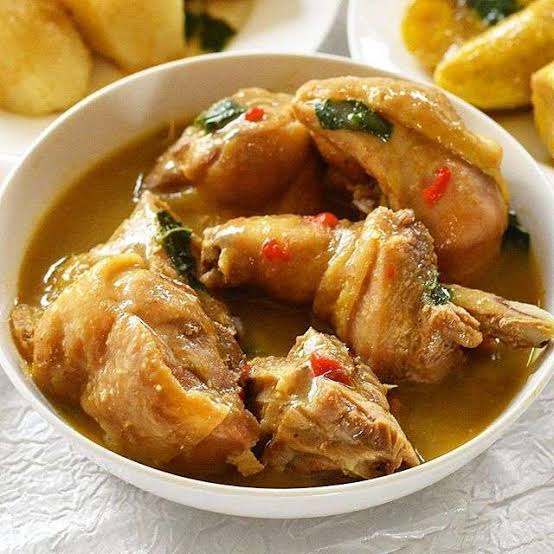
Chicken Peppers Soup: Chicken lovers, here’s yours for you. The cool thing about chicken pepper soup is that you can use any part of the chicken, but the chicken breast is often used to achieve that tender taste and is also boneless. If you want a tougher chicken, the local chicken (hen) is your best option. Here’s a step-by-step process to make chicken pepper soup for your desired result.

Nigerian chicken pepper soup
Image credit: Connect Nigeria

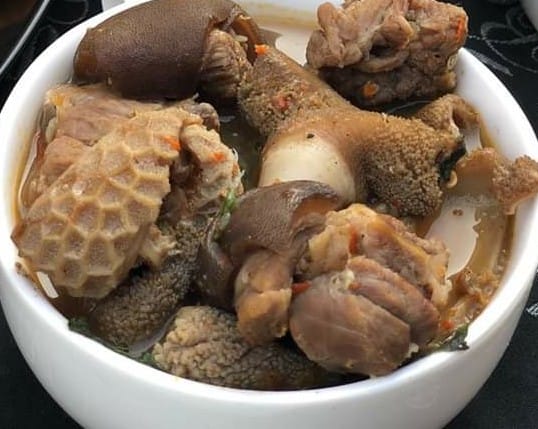
Assorted Meat Pepper Soup: This has a combination of Offals(a variety of internal organ meat in animals). In this case, it’s mostly cows. Yorubas call it “Orisirisi,” meaning different types of meat. You will find tripe (shaki), liver, kidney, and any offal of choice. This is the most affordable meat to make pepper soup. It’s very nutritional and best for pregnant women because of the presence of Folate. You have to parboil the meat to get rid of the smell, especially if you bought it in a local market. After which, you can use it directly for your pepper soup.

pepper soup assorted meat
Image credit: Facebook

Catfish Pepper Soup: Of all Nigerian pepper soup, catfish pepper soup is the only fish pepper soup. It is an essential Friday night tradition to enjoy a bowl of freshly made catfish pepper soup, bringing the week to a delightful close. Whenever men assemble, particularly on Friday evenings, you can bet that a bowl of catfish pepper soup, with a few drinks, will be present. Once you taste it, you’ll find yourself longing for more, as its flavor and taste are unique. It’s somewhat complex compared to other variations, but you sure can hack this. A critical aspect that people are always careful about is ensuring the fish remains intact, avoiding any disarray.

cat fish peppersoup 2 e1466589211804 scaled

Cow Leg/Tail Pepper Soup: Typical Nigerian pepper soup, though not as common, has other variations but gives the cow flavor in pepper soup. This is the best option for those who love tough meat. Cow leg is a very tough meat and may take a while to cook.

cow leg
Cow leg pepper soup
Image credit: Facebook

What Are the Spices in Nigerian Pepper Soup?

African Nutmeg: A spice derived from the seeds of a tree native to some areas of Africa. It is popularly known as Calabash nutmeg. In Nigeria, it’s called “Ehuru” in Igbo, “Ariwo” in Yoruba, and “Gujiya dan Miya” by the Hausa people. It is known for its warm, aromatic flavor with hints of nutmeg and cinnamon. African nutmeg is also valued for its medicinal properties and is used as a soup condiment.

African Nutmeg e1692875067860
Image Credit: Facebook

Gbafilo: A medicinal herb known as rough-skinned, grey, or guinea plum.

Gbafilo 1
Image credit: Facebook

Selim pepper: Also known by various names such as “Salem grains,” “Senegal pepper,” or “Ethiopia pepper,” is a spice derived from the fruits of the Selim tree native to different regions of Africa. In Nigeria, it is known as “Uda” in Igbo and “Peru” in Yoruba. It is often described as a blend of pepper, citrus, and smokiness. Selim pepper is commonly used in African stews, soups, sauces, and marinades, and it’s also recognized for its medicinal properties. 

selim seed 1
Image credit: Facebook

Tetrapleura tetraptera: known by various names in Nigerian languages such as “Aidan” in Yoruba, “Uyayak” in Efik, “lghimiakhie” in Benin, and “Ushio in Igbo” commonly called “prekese” or “Aidan fruit,” it produces large, pod-like fruits that contain seeds surrounded by a sweet-sour pulp. Moreover, in traditional medicine, different parts of the Tetrapleura tetraptera plant are used for their potential health benefits.

Uyayak
Image Credit: Facebook

Umilo: Also called Omilo, it goes by various names like bush pepper, Guinea cubebs, and West African black peppers. In Nigerian local languages, it’s referred to as “Educa” in Ibibio, “Eti-Ankeny” in Efik, and “Uziza” in Igbo. The leaves and seeds are commonly used as seasoning, adding a peppery slightly spicy taste and a unique aroma. 

Umilo 1
Image credit: Facebook

Alligator pepper:  Commonly known as “Atare” in Yoruba, it holds a significant place in Nigerian and West Africa. It derives its name from the appearance of its seeds, which look like the back of an alligator. It is used as a traditional remedy for various health issues like fibroids and gastrointestinal disorders.

Alligator pepper 1
Image credit: Facebook

How to Make Pepper Soup Spice

  • First, gather all the different spices: African Nutmeg, Gbafilo, Selim Pepper, Tetrapleura tetraptera, Umilo, and Alligator Pepper.
  • Break the African Nutmeg outer shell to get the seed. You can use a grinder or mortar and pestle to ground the seed into a fine powder. Do the same for Gbafilo. Crush the seeds well for the best taste.
  • For Selim Pepper, take out the seeds from the pods. Grind the seeds until they become rough. This adds a smoky aroma to the mix.
  • Grind Tetrapleura tetraptera, alligator pepper, and milo seeds until they become a fine powder.
  • Put all the ground spices into a bowl. Mix them very well so that the flavors and smells are evenly spread out.

Your homemade Nigerian pepper soup spice is now ready to use. Store it in an airtight container in a cool, dry place to preserve its freshness.

Pepper soup spice is a blend of these spices. It’s important to note that pepper soup spice is a major ingredient without which the preparation of pepper soup is incomplete. This spice is what gives pepper soup its unique taste. Other pre-packaged spices won’t give the taste and aroma you want.


QUICK RECIPES