Ugandan Rolex Chapati

Rolex Chapati is a famous street food in Uganda(East Africa) that has gained popularity over the years. The dish is often made by rolling a flatbread called chapati around an omelet filled with vegetables and spices.

It is very common in Kampala; whenever food is mentioned in Kampala, the Ugandan Rolex Chapati quickly comes to mind. It has become so popular that it is now a staple food in Uganda, and it is not uncommon to find street vendors selling it in almost every corner of the country.

Ugandan Rolex Chapati
Image Credit: Facebook


What is Ugandan Rolex Chapati?

Despite the name, it has nothing to do with the luxury watch brand we are familiar with! Instead, “Rolex” is a combination of two words: “rolled” and “eggs,” as the dish consists of a tasty egg omelet rolled in chapati – a type of unleavened flatbread commonly enjoyed in many African countries.

It is believed to have originated from Uganda’s capital city, Kampala, in the 1960s. It became popular as an affordable and filling street food option among university students and the city favorite, eventually spreading nationwide and gaining worldwide recognition.

Ugandan Rolex Recipe

The ingredients for Rolex Chapati are simple, but the combination of flavors sets it apart. You’ll need the following ingredients to make this yummy dish:

Eggs: Beaten and seasoned with salt, pepper, and optional spices like onion and tomato.

Chapati: A thin, circular flatbread made from wheat flour, oil, salt, and water. It is similar to Indian roti or Mexican tortillas.

Vegetables: Some variations include sliced tomatoes, onions, bell peppers, and cabbage, which add a delightful crunch and freshness to the dish.

Sauces and condiments: To enhance its flavor, Rolex Chapati is often served with various sauces, such as chili sauce and ketchup.

Ugandan Rolex Chapati
Image Credit: Facebook

Why the Name “Rolex”

As mentioned earlier, the name “Rolex” is a creative fusion of “rolled” and “eggs.” It was called “rolled eggs.” It gained popularity as a catchphrase used by street food vendors in Uganda to attract customers. The name has since become synonymous with this particular dish, and today, you can hear people ordering a “Rolex Chapati” at street food stalls across the country.

Ugandan Rolex Calories

On average, a single chapati (approximately 100 grams) provides around:

  • Calories: 250-300 calories
  • Carbohydrates: 50-60 grams
  • Protein: 8-12 grams
  • Fat: 4-8 grams
  • Fiber: 2-4 grams

It’s important to note that these values can vary depending on the size and thickness of the chapati, as well as the specific brand or recipe used.

Common Fillings and Their Calorie Counts: The calorie content of a Ugandan Rolex largely depends on the fillings added to the chapati. While there are various combinations possible, here are some common fillings and their approximate calorie counts based on average portion sizes:

  • Eggs (2 large): 140-160 calories
  • Tomatoes (1 medium): 20-25 calories
  • Onions (1 small): 20-30 calories
  • Cabbage (1/2 cup shredded): 10-15 calories
  • Bell peppers (1/2 medium): 15-20 calories
  • Carrots (1 small): 20-30 calories
  • Green chilies (1 small): 5-10 calories

Please note that these values are approximate and can vary based on the size of ingredients used and any additional seasonings or sauces that may be added.

Tips for making a delicious Ugandan Rolex

To prevent the filling from becoming too watery, cook the eggs separately before adding them. This will also help to ensure that the eggs are cooked to your desired level of doneness.

To prevent the filling from falling out, roll the Rolex tightly. This will also help to keep the filling warm and prevent it from getting soggy.

How Much is Rolex Food in Uganda?

The price of Ugandan Rolex can vary depending on where you buy it and the location within Uganda. Generally, Rolex is an affordable street food, and prices can range from 2,000 Ugandan Shillings (UGX) to 5,000 UGX or more, depending on factors like the size, location, ingredients, and any additional fillings or toppings.

Ugandan Rolex Chapati

Ugandan Rolex Chapati

Rolex Chapati is a famous street food in Uganda(East Africa) that has gained popularity over the years.
Prep Time 20 minutes
Cook Time 20 minutes
Total Time 40 minutes
Course Snacks
Cuisine East Africa
Servings 6 people

Ingredients
  

  • 1 pack East African Chapati
  • 10 eggs
  • tomatoes (chopped)
  • onion (chopped)
  • cabbage (chopped)
  • 1 teaspoon coriander powder
  • black pepper
  • salt
  • vegetable oil

Instructions
 

  • Prepare the chapatis according to package instructions until soft and slightly browned, keeping them warm.
    1 pack East African Chapati
  • Heat vegetable oil in a large skillet, sauté onions until golden, then add tomatoes, cabbage, coriander powder, salt, and black pepper, cooking until tender.
    vegetable oil
  • Remove the vegetable mixture and set it aside.
    cabbage (chopped)
  • Scramble the eggs in the same skillet, season with salt and black pepper.
    10 eggs
  • Lay the chapati flat, spoon scrambled eggs and sautéed vegetables onto it.
  • Fold the sides in and roll the chapati tightly.
  • Repeat for the remaining chapatis.
  • Serve the Ugandan Rolex Chapatis whole or sliced, and enjoy.
Keyword Rolex Chapati
Tried this recipe?Let us know how it was!

Rwandan Brochettes (Grilled Meat Skewers)

Brochettes are a traditional Rwandan meat meal. It is a skewered meat dish that is considered Rwanda’s national dish. They are often made with goat, beef, chicken, or pork meat and are typically served with potatoes in restaurants or as a street snack. Also, deep-fried bananas, fresh salad, and sauce can be taken as side dishes for Brochettes. Goat is often the best choice to achieve the crunchy desired result.

You can make your it extra tasty by adding vegetables to the meat on the skewer. It can be cooked by marinating with sauce and then grilled or roasted over hot coals. It’s similar to Nigerian peppered goat meat, but Rwanda brochettes aren’t usually very spicy. 

Brochettes
Image Credit: Facebook

However, if you want to kick up the heat, you can sprinkle some extra chili pepper on the meat. Or, you can use the traditional Akabanga sauce, which is a locally made chili sauce. It’s thin, orange, and packs a real punch!

Brochettes in English

The word “brochettes” is actually a French word, and its meaning translates into English as “skewers.” In the culinary context, it refers to various types of grilled skewered meats or vegetables. So, when we talk about Rwandan brochettes, we specifically refer to the popular skewered meats in Rwanda.

What Meat is Best for Brochette?

The best meat option depends on personal preference, but popular choices include chicken and beef, as they are versatile, tender, and easily absorb marinade flavors. But for Rwanda brochettes, goat meat(chevon) or lamb are mainly used to achieve the crispy and crunchy taste.

Rwandan Brochette
Image Credit: Facebook

How Do You Serve Brochettes?

Rwandan brochettes can be served in various ways, depending on the occasion and personal preference. Here are some common ways you can serve it:

  1. With potatoes: Often served with boiled or fried potatoes in restaurants. The potatoes can be seasoned with salt, pepper, and other spices to add flavor.
  2. As a snack: They are also sold as a popular street food snack in Rwanda. They can be eaten on their own or with vegetables.
  3. With vegetables or salad: It can be served with grilled or roasted vegetables such as onions, bell peppers, and tomatoes, as well as salad.
  4. With rice: Can also be served with a side of rice, either plain or seasoned with spices.

Some suggestions for Amazon links to “BBQ skeweres”.

Good Cook 11.75 inch Bamboo Skewers

Project Overview Docs Banner in Light Green Blue Vibrant Professional Style 1

Brochettes

Rwandan Brochette

Brochettes are a traditional Rwandan meat meal. It is a skewered meat dish that is considered Rwanda's national dish.
Prep Time 25 minutes
Cook Time 30 minutes
Total Time 55 minutes
Course Appetizer
Cuisine South African
Servings 8 people

Ingredients
  

  • 1 kilo goat meat
  • 2 medium onions
  • tomato paste
  • 2 fresh chilies, eg red thai chilli
  • 6 cloves garlic (minced)
  • 2 tablespoons olive oil
  • 1 bunch fresh Italian parsley
  • salt and pepper to taste

Instructions
 

  • In a large mixing bowl, combine the bite-sized pieces of goat meat with half of the minced garlic, half of the chopped parsley, the tomato paste, and a pinch of salt and pepper. Mix well to ensure all the meat is coated evenly.
    1 kilo goat meat
  • Cover the bowl and let it marinate for at least 30 minutes, or you can refrigerate it for a few hours or overnight for better flavor absorption.
  • While the meat is marinating, soak wooden skewers in water for about 30 minutes to prevent them from burning when grilling.
  • In a separate bowl, mix the olive oil with the remaining minced garlic, chopped chilies, and a pinch of salt and pepper. This will be used to baste the brochettes while grilling.
    2 fresh chilies, eg red thai chilli, 6 cloves garlic (minced)
  • Thread the marinated goat meat onto the soaked skewers, alternating with pieces of chopped onion. Make sure to pack the meat and onions closely together for maximum flavor. Repeat until all the meat is used up.
  • Preheat your grill to medium-high heat. If using charcoal, wait until the coals are hot and have turned white.
  • Place the assembled brochettes on the grill and cook for about 10-15 minutes, turning them occasionally. Baste the brochettes with the prepared marinade during the grilling process to keep them moist and add flavor.
  • The meat should be cooked to your desired level of doneness, but it's traditionally served slightly charred and well-cooked.
  • Once the brochettes are cooked to your liking, remove them from the grill and place them on a serving platter. Sprinkle the remaining chopped parsley over the top for garnish.
    1 bunch fresh Italian parsley
Keyword Rwandan Brochettes
Tried this recipe?Let us know how it was!

16 Teaspoons to Cups Conversion Ratio

Converting to cups can be helpful when dealing with a recipe that provides measurements in teaspoons but requires a larger quantity. By using the 16 teaspoons to cups conversion, you can determine how many cups are equal to a given number of teaspoons. 

To get 16 teaspoons to cups, simply multiply the value in Teaspoons by the conversion factor ‘0.020833333333313’. So, 16 Teaspoons = 16 × 0.020833333333313 = 1/3 or 0.333333333333 cup. For example, if a recipe calls for 32 teaspoons of an ingredient, you can convert by dividing 32 by 16 (32/16 = 2), giving you 1/3 of a cup. 

Teaspoons and Cups as Common Kitchen Units of Measurement 

When measuring ingredients in the kitchen, teaspoons and cups are two of the most commonly used units. Teaspoons are small units of volume measurement commonly used for measuring smaller amounts of ingredients such as condiments, extracts, or spices.

They give a convenient way to add precise amounts of ingredients. In most recipes, the standard teaspoon measurement is 5 milliliters (ml) or 1/6th of a fluid ounce (fl oz). However, it’s important to note that the size of teaspoons can vary slightly depending on the country or manufacturer. 

16 teaspoons to cups

Cups are larger units of volume measurement used for measuring dry or liquid ingredients in larger quantities. They are generally used for ingredients like flour, sugar, water, or oil. In the United States, the standard cup measurement is 237 milliliters (ml) or 8 fluid ounces (fl oz). However, it’s important to note that cup measurements can differ in various regions, such as the metric cup used in many other countries, which measures 250 milliliters (ml).

It’s important to note that conversions between teaspoons and cups should be performed with precision, as inaccuracies can affect the final result of the recipe. Measuring accurately and using the correct conversion ratios ensure consistency and reliability in while cooking or baking.

Want to learn more about measurement conversions while cooking or baking? Check out these articles where I explained extensively how many teaspoons in a cup and how many teaspoons in half a cup.

The 16 Teaspoons to Cups Conversion Ratio

The 16 teaspoons to cups conversion ratio is fundamental to cooking and baking. It means that there are 16 teaspoons (abbreviated as “tsp”) in one cup (abbreviated as “c”). Cool conversion gives detailed calculations to understand this ratio. It is used to convert between these two common volume measurement units, making it easier to work with small and large ingredients in recipes.

Importance and Common Usage

Precision in Measuring Ingredients: The 16 teaspoons to cups conversion ratio is needed to maintain precise kitchen measurements. When a recipe calls for an ingredient in cups, but you only have a teaspoon on hand, knowing this ratio allows you to accurately measure the required amount without requiring specialized equipment.

Scaling Recipes: Recipes often need to be adjusted to serve different numbers of people or to fit the available ingredients. The 16 teaspoons to cups conversion ratio helps scale recipes up or down. You can increase or decrease ingredient quantities without the need for complex calculations or additional measuring equipment. For instance, if a recipe calls for 1/2 cup of sugar, you can easily calculate that it’s equivalent to 16 teaspoons if you only need a smaller portion.

Handling Smaller Quantities: The 16 teaspoons to cups conversion ratio is particularly useful when dealing with smaller quantities of ingredients. Many recipes call for spices or other extracts in teaspoon measurements. Knowing this ratio simplifies the process of measuring these small amounts accurately. 

Consistency in Cooking and Baking: Consistency is a key factor in achieving reliable and delicious results in the kitchen. 16 teaspoons to cups conversion ratio plays a crucial role in maintaining consistency. When you follow a recipe using this ratio, you ensure that the exact proportions of ingredients are used each time you prepare a dish. This consistency is essential in professional kitchens, where customers expect the same taste and quality every visit.

teaspoons in 1/2 a cup

Examples of Practical Applications:

Baking: Let’s say you’re baking cakes, and the recipe requires 2 cups of flour. If you have a tablespoon and teaspoon set but no measuring cups, you can use the 16 teaspoons to cups conversion to measure out the flour accurately. In this case, you’d measure out 32 tablespoons or 96 teaspoons of flour.

Salad Dressing: When making homemade salad dressing, a recipe might call for 1/4 cup of olive oil and 2 teaspoons of vinegar. You can easily convert these measurements if you want to make a larger batch. For example, to double the recipe, you’d need 1/2 cup of olive oil (8 tablespoons) and 4 teaspoons of vinegar.

Spices and Seasonings: If you’re preparing a spice rub for a barbecue recipe that requires 1/4 cup of paprika powder but you want to make a smaller one. You can use the conversion ratio to determine that 1/4 cup equals 4 tablespoons or 12 teaspoons of paprika powder.

Liquid Ingredients: If you’re making a soup, and the recipe specifies 3 cups of broth, you have a measuring cup but need a teaspoon for a more precise measurement; you’ll know that you need 48 teaspoons of broth. 

Tips for effectively using this conversion in everyday cooking.

  • Learn common conversions related to this ratio. For instance, know that 1/4 cup equals 4 tablespoons or 12 teaspoons, and 1/2 cup equals 8 tablespoons or 24 teaspoons.
  • While the conversion ratio is handy for approximating measurements, having reliable measuring cups and spoons is essential for precise cooking. Invest in quality measuring equipment that includes both cups and teaspoons/tablespoons.
  • Create a conversion chart or buy one for your kitchen. Place it in a convenient spot for quick reference when measuring ingredients.
  • If you’re new to using the conversion ratio, experiment with small batches. Try using half or quarter recipes and use the ratio to adjust measurements accordingly. This allows you to practice without the pressure of making a large dish.
  • Be aware of the context of the recipe you’re working on. Especially while baking, the slightest mistake may cause a big hazard, not giving the desired outcome.

Common Conversion Ratios

8 Fluid Ounces to 1 Cup: 1 cup equals 8 fluid ounces in liquid measurements. This ratio is frequently used when dealing with liquids like milk, water, or broth.

3 Teaspoons to 1 Tablespoon: When you need to convert between teaspoons and tablespoons, remember that 1 tablespoon equals 3 teaspoons. This conversion is useful when working with smaller quantities of ingredients or when a recipe specifies tablespoons, but you only have teaspoons available.

2.5 Cups to 1 Pint: In larger liquid measurements, 2.5 cups make up 1 pint. This ratio is commonly used when measuring larger quantities of liquids or when recipes involve quart and gallon measurements.

4 Quarts to 1 Gallon: When you need to scale up recipes significantly, understanding the relationship between quarts and gallons is crucial. 

Frequently Asked Questions

How many teaspoons does it take to make 1 cup?

There are 48 teaspoons in 1 cup.

How many teaspoons make a one-half cup?

There are 24 teaspoons in half a cup.

What does 16 tablespoons mean?

16 tablespoons equal to 1 cup. 

How do you measure teaspoons without cups?

To measure teaspoons without cups, use a set of measuring spoons. Each measuring spoon typically has a specified volume (e.g., 1 teaspoon, 1/2 teaspoon) for accurate measurements in cooking and baking.

How many teaspoons in 1 ⁄ 4 cup?

One-fourth (1/4) of a cup is equal to 12 teaspoons. 

Is 1 cup dry the same as 1 cup liquid?

No, 1 cup dry and 1 cup liquid are not the same. Dry measurements (e.g., flour) and liquid measurements (e.g., water) have different volumes due to varying densities.

This conversion ratio makes it effortless to adapt recipes to use the ingredients you have on hand. If you do not have measuring cups at hand but have teaspoons and tablespoons, you can still follow the recipe accurately. It helps home cooks to be creative in the kitchen and encourages experimentation. You can confidently adjust recipes to suit your taste preferences or dietary restrictions without worrying about measurement accuracy.

Yum or Yuk

0

Here is a “Yum or Yuk” food quiz for you! I’ll describe various foods, and you can decide if you think they’re “Yum” (delicious) or “Yuk” (not so appealing). Let’s get started

1CB0390E 5520 4D49 8E35 E2B8C22B20E8

Yum or Yuk

Feel free to answer for each food item, and I'll let you know how you did at the end!

1 / 10

Brussels sprouts

2 / 10

Chocolate-covered insects

3 / 10

Cilantro (coriander)

4 / 10

Durian fruit

5 / 10

Escargot (snails)

6 / 10

Mopane worms

7 / 10

Tofu

8 / 10

Yam porridge

9 / 10

Lobster

10 / 10

Pineapple pizza

50% Voted Yuk - Yam porridge

75% Voted Yuk - Brussels sprouts

69% Voted Yuk - Chocolate-covered insects

80% Voted Yum - Pineapple pizza

60% Voted Yuk - Mopane worms

85% Voted Yum - Escargot (snails)

70% Voted Yum - Tofu

90% Voted Yum - Lobster

55% Voted Yuk- Cilantro (coriander):

Facebook Twitter VKontakte

How Much Do You Spend On Food?

0
unnamed 2 1 scaled

How Much Do You Spend On Food?

What are you having for breakfast?

What would you have for lunch?

What do you take for dinner?

What's your dessert like?

How often do you take fruits?

Which do you do often?

5 Common South African Spices

Africa is known for its diverse range of spices and herbs, and South Africa is no exception. South Africa includes countries like Zimbabwe, Namibia, Mozambique, and, of course, South Africa itself. What makes South African spices stand out is their unique aroma and flavor. These spices add distinctive tastes and aroma to South African dishes, making them an integral part of the nation’s cuisine and lifestyle.

In this article, we’ll take a closer look at various South African spices that anyone, regardless of their origin, can use in their cooking. Let’s explore the essence of these spices that define the flavors of South Africa, each having its distinct characteristics and significance.

South African spices are a mix of herbs, seeds, and seasonings. From indigenous ingredients to influences from India and Europe, they have been utilized for generations to elevate the taste and aroma of dishes across the nation. South African spices are not mere condiments, but they also reflect the culture of the people, just like in other African countries. 

5 Common Indigenous South African Spices 

Peri-Peri

Peri peri spice comes from the Swahili word “pili pili,” which means “pepper pepper.” While it is used throughout Africa, it is most associated with Southern African cuisine, particularly Mozambique and South Africa. The spice is believed to have been introduced to Africa by Portuguese explorers who brought chili peppers from the Americas in the 15th and 16th centuries.

African spices
African spices

Peri peri could also be spelled as “piri piri” or “pili pili,” It is known for its intense heat and bold flavor. It is often used in various dishes, marinades, and sauces. The African bird’s eye chili pepper (Capsicum frutescens) is a major ingredient in peri peri spice. These small, fiery peppers are known for their intense heat, ranging from 50,000 to 175,000 Scoville Heat Units (SHU) or even higher, making them one of the spiciest chili peppers in the world.

The specific blend of peri peri may vary from one recipe to another, giving spice mix its unique flavor. Still, the common ingredients used are dried and ground bird’s eye chili peppers and other ingredients like garlic, salt, lemon juice, vinegar, and various herbs and spices such as paprika, oregano, and thyme. 

It is most commonly associated with marinating chicken, especially in dishes like “peri peri chicken” or “piri piri chicken,” where the spice blend is combined with olive oil and used as a marinade. However, it can also be used with other meats, seafood, vegetables, and even as a condiment or dipping sauce. Peri peri is also a healthy choice because of the presence of capsaicin, which is advantageous to the body.

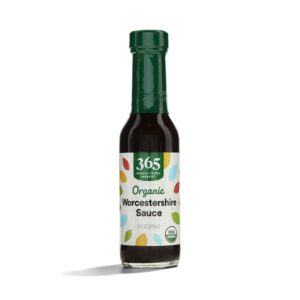
Some suggestions for Amazon links to”Whole Foods Market, Sauce Worcestershire Organic“.

Whole Foods Market Sauce Worcestershire Organic

Project Overview Docs Banner in Light Green Blue Vibrant Professional Style 1

Bay Leaf

Bay leaves have been used in South African cooking for centuries and are integral to the country’s culinary heritage. They are used in a variety of traditional South African dishes, imparting their unique aroma and flavor.

Bay leaves are typically dark green, oval-shaped leaves with a glossy appearance. They are tough and not meant to be eaten; instead, they are used to infuse dishes with their subtle flavor and aroma. Bay leaves are known for their slightly sweet and herbal scent with a hint of bitterness.

South African spices

Bay leaves are commonly used in South African cuisine to season and flavor a variety of dishes. They are frequently added to soups and stews, including popular South African dishes like bobotie (a spiced meat casserole) and bredie (a hearty meat and vegetable stew). Bay leaves are also used in marinades, rice dishes, and sauces, where they are typically simmered along with other ingredients to release their flavor.

Bay leaves are versatile and can be used in both meat and vegetarian dishes. Bay leaves are used for their culinary appeal and potential health benefits. They contain compounds like essential oils and antioxidants that may have anti-inflammatory and digestive properties. However, they are typically used in small quantities, so their health benefits are more supplementary.

Bay leaves are widely available in South African markets and grocery stores. They can be purchased as whole dried leaves or in ground form. Fresh bay leaves are also used when available. If properly stored, bay leaves can last several months to a year.

Some suggestion for Amazon links to “Bay leaf”.

Gillette Beard Oil for Men

Project Overview Docs Banner in Light Green Blue Vibrant Professional Style 1

Durban Curry Powder

Durban curry powder is a distinctive South African spice blend from Durban, a city in KwaZulu-Natal. This flavorful spice mixture is known for its unique combination of aromatic and savory spices, which are used to prepare the highly popular South African dish known as Durban curry or Durban chicken curry. It is particularly associated with the Indian community in Durban, which has a history back to the 19th century when Indian laborers were brought to South Africa to work on sugar cane plantations.

The exact composition of Durban curry powder can vary from one recipe to another, but it typically includes a blend of spices and herbs. Common ingredients include coriander, cumin, fennel seeds, cardamom, cinnamon, cloves, black peppercorns, fenugreek seeds, and dried red chili peppers. Durban curry powder is prepared by dry-roasting the spices and grinding them into a fine powder. 

Beyond its use in traditional curry dishes, Durban curry powder can also be used as a seasoning for grilled meats, roasted vegetables, and even in marinades or spice rubs. Its versatility makes it a valuable addition to any spice collection.

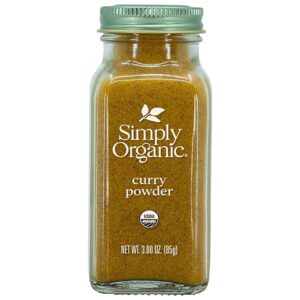
Some suggestion for Amazon links to”Simply Organic Curry Powder”.

Simply Organic Curry Powder

Project Overview Docs Banner in Light Green Blue Vibrant Professional Style 1


Braai Salt

Braai salt is commonly known as “braai spice” or “braai seasoning,” a South African spice blend closely associated with the traditional South African method of cooking known as “braai.” Braai is similar to barbecue, and it involves grilling meat over an open flame or hot coals. Braai salt is an essential seasoning for grilled meats.

Common ingredients used in making braai salt may include salt, pepper, garlic powder, paprika, coriander, and dried herbs. Braai salt is often prepared by blending and grinding the selected spices and seasonings to create a fine powder. The proportions of each ingredient can vary according to personal preferences and regional variations.

Braai salt is mainly used to season meat before grilling. It is often rubbed onto the meat’s surface, allowing the spices and seasonings to infuse the meat with their flavors. Common meats seasoned with braai salt include beef, lamb, pork, chicken, and sausages. Some people use it as a seasoning for roasted vegetables and potatoes or even as an addition to marinades and sauces.

Braai salt is widely available in South Africa, and it can be found in various forms, including pre-packaged spice blends or homemade mixtures. It is also used beyond South Africa. Some variations may include additional ingredients like dried herbs, chili flakes, or smoked paprika to create unique flavor profiles.

Cape Malay Curry Powder

Cape Malay curry powder is a unique South African spice blend that originates from the Cape Malay community in South Africa, particularly in the Western Cape region. It includes a blend of spices that reflects the multicultural influences of the Cape Malay community. Corn, cumin, cinnamon, cardamom, cloves, fennel seeds, dried red chili peppers, and turmeric are common ingredients. 

Cape Malay curry powder is prepared by dry-roasting the spices and grinding them into a fine powder. The use of spices like cinnamon, cardamom, and cloves imparts a warm and fragrant quality to the blend, while turmeric gives it a bright yellow color and a subtle earthiness.

It is often used in dishes like Cape Malay chicken curry, bobotie (a spiced minced meat dish topped with an egg-based custard), and biryani (a fragrant rice dish). It is also used in soups, stews, and various vegetable dishes.

Other South African Spices

Widely used spices and seasonings such as paprika, coriander, cumin, turmeric, ginger, and garlic are also used in South African dishes, adding their distinct flavors and aromas. In South African cooking, paprika adds smoky depth to grilled meats, while coriander and cumin are used for stew and soup. Turmeric is are always complemented with ginger and garlic. These seasonings are important in South African cuisine.

What is the Most Expensive Spice in South Africa?

Saffron is the most expensive spice in South Africa, primarily due to its labor-intensive harvesting process and scarcity. Although it is not grown in South Africa, it is one of the most used imported spices in the region. Hand-picked from the Crocus sativus flower’s red stigmas, saffron’s high cost is attributed to the need for a large number of flowers to produce even a small amount. Despite its expense, saffron is used sparingly in South African dishes, adding a floral aroma and subtle flavor to rice dishes, curries, and stews.

Adding South African spices into your diet can promote health and wellness. Their anti-inflammatory, antioxidant, and antimicrobial properties support the immune system and reduce the risk of chronic diseases. South African spices make nutritious meals more appealing and encourage a balanced diet. They also aid digestion.


Nigerian Yam Brownie

0

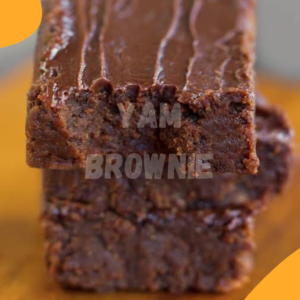
Here’s something fun to try with your yams. Enjoy this delightful twist on a classic favorite with our tantalizing Nigerian Yam Brownie recipe! Imagine the rich, velvety goodness of brownies infused with the earthy essence of mashed Nigerian yams.

Nigerian Yam Brownie

This fusion of flavors and cultures brings you a treat that’s both comforting and exciting. Take part in our a culinary trip as we blend the familiar comfort of brownies with the unique character of Nigerian yams. Give in to the tease and enjoy this unique taste and texture that will leave you craving more

Nigerian Yam Brownie

Nigerian yam brownie

Avatar photoLaila Yetunde
Here's a simple Nigerian yam brownie recipe for you:
Course Dessert
Cuisine African, Nigerian
Servings 0

Ingredients
  

  • 2 cups boiled and mashed Nigerian yam
  • 1/2 cup cocoa powder
  • 1/2 cup flour
  • 1 cup sugar
  • 1/2 cup butter, melted
  • 3 eggs
  • 1 teaspoon vanilla extract
  • 1/2 teaspoon baking powder
  • Pinch of salt
  • 1/2 cup chopped nuts

Instructions
 

  • Preheat your oven to 350°F (175°C) and grease a baking pan.
  • In a bowl, combine the mashed yam, melted butter, and sugar. Mix well.
    2 cups boiled and mashed Nigerian yam, 1/2 cup butter, melted, 1 cup sugar
  • Add the eggs one at a time, mixing after each addition. Then add the vanilla extract and mix again
    3 eggs, 1 teaspoon vanilla extract
  • In a separate bowl, sift together the cocoa powder, flour, baking powder, and salt.
    1/2 cup cocoa powder, 1/2 cup flour, 1/2 teaspoon baking powder, Pinch of salt
  • Gradually add the dry ingredients to the wet ingredients, mixing until just combined.
  • If using nuts, fold them into the batter.
    1/2 cup chopped nuts
  • Pour the batter into the greased baking pan and spread it evenly.
  • Bake in the preheated oven for about 25-30 minutes, or until a toothpick inserted into the center comes out with a few moist crumbs.
  • Once baked, remove from the oven and let it cool in the pan for a while before transferring to a wire rack to cool completely.
  • Cut into squares or desired shapes and enjoy your Nigerian yam brownies!

Notes

Feel free to adjust the sugar and cocoa levels based on your preference. Enjoy your unique and delicious treat!
Keyword Nigerian Yam Brownie
Tried this recipe?Let us know how it was!

Protein Chocolate Cherry Ice Cream Pie

0

Introducing a delightful treat that merges healthiness and indulgence: the Protein Chocolate Cherry Ice cream Pie. This recipe combines the rich flavors of dark chocolate and luscious cherries with the goodness of protein-packed ingredients. Get ready to savor each guilt-free bite of this frozen masterpiece that’s perfect for satisfying your dessert cravings while keeping your nutritional goals on track.

Protein Chocolate Cherry Ice Cream Pie

Protein Chocolate Cherry Ice cream pie

Avatar photoLaila Yetunde
A Healthy Dessert Recipe
Prep Time 30 minutes
Freezing time 4 hours 30 minutes
Total Time 5 hours
Course Dessert
Cuisine African
Servings 0

Ingredients
  

For the Crust

  • 1 cup almond flour
  • 1/4 cup cocoa powder
  • 2 tablespoons sweetener (e.g., stevia, erythritol)
  • 1/4 cup melted coconut oil

For the Ice Cream Filling

  • 2 cups vanilla protein powder
  • 2 cups Greek yogurt (or dairy-free alternative)
  • 1 cup frozen cherries, chopped
  • 1 teaspoon vanilla extract
  • 2 tablespoons honey or maple syrup (adjust to taste)

For the Chocolate Drizzle

  • 1/4 cup dark chocolate chips
  • 1 tablespoon coconut oil

Instructions
 

  • Preheat the oven to 350°F (175°C).
  • In a mixing bowl, combine the almond flour, cocoa powder, sweetener, and melted coconut oil for the crust. Press the mixture into a pie dish to form the crust. Bake for about 10 minutes, then let it cool completely.
    1 cup almond flour, 1/4 cup cocoa powder, 2 tablespoons sweetener (e.g., stevia, erythritol), 1/4 cup melted coconut oil
  • In a separate bowl, mix the vanilla protein powder and Greek yogurt until smooth. Add the chopped frozen cherries, vanilla extract, and honey/maple syrup. Mix well.
    2 cups vanilla protein powder, 2 cups Greek yogurt (or dairy-free alternative), 1 cup frozen cherries, chopped, 1 teaspoon vanilla extract, 2 tablespoons honey or maple syrup (adjust to taste)
  • Pour the ice cream filling into the cooled crust. Smooth the top with a spatula.
  • Place the pie in the freezer for at least 4 hours or until firm.
  • For the chocolate drizzle, melt the dark chocolate chips and coconut oil together in a microwave or double boiler. Stir until smooth.
    1/4 cup dark chocolate chips, 1 tablespoon coconut oil
  • Once the pie is firm, drizzle the chocolate sauce over the top.
  • Return the pie to the freezer for another 30 minutes to allow the chocolate drizzle to set.
  • Before serving, let the pie sit at room temperature for a few minutes to make it easier to slice. Enjoy your protein chocolate cherry ice cream pie!

Notes

Remember, this recipe is just a guideline, so feel free to adjust ingredient quantities and flavors to your taste preferences.
Keyword Protein Choclate Cherry Ice Cream Pie
Tried this recipe?Let us know how it was!

Creamy Penne Pasta

0

Indulge in the epitome of comfort food with this heavenly creamy penne pasta recipe. Each forkful is a symphony of flavors, as the penne pasta dances in a creamy sauce, perfectly balanced with a medley of herbs and

spices. This dish is a true crowd-pleaser, guaranteed to leave everyone
craving for second plates. Whether it’s a cozy family dinner or a
special gathering with friends, this creamy penne pasta will always
steal the spotlight. Get ready to savor every luscious bite and create
unforgettable memories around the table. Bon appétit! 🍝🤩

Creamy penne pasta
Creamy penne pasta
441B8FF0 5E42 4804 95E0 429A10F8A8A2

Creamy Penne Pasta

Shalom Okeke
An easy Creamy Pasty Recipe
Prep Time 40 minutes
Cook Time 50 minutes
Total Time 1 hour 30 minutes
Course Main Course
Cuisine African
Servings 0

Ingredients
  

  • Oil
  • Chopped onions
  • Garlic & Ginger paste
  • Shredded Chicken
  • Cooking cream
  • Pasta water
  • Peppers (Fresh peppers recommended)
  • Seasoning cubes
  • Mozzarella cheese
  • Cooked pasta of choice (Penne)
  • Parsley flakes

Instructions
 

  • Heat a pan with oil over medium heat. Add chopped onions and sauté until they become translucent.
    Oil, Chopped onions
  • Add garlic & ginger paste and sauté for about a minute until fragrant.
    Garlic & Ginger paste
  • Add shredded chicken and cook until it's no longer pink and cooked through.
    Shredded Chicken
  • Pour in cooking cream and a bit of pasta water to create the creamy sauce. Stir well to combine.
    Cooking cream
  • Toss in the chopped peppers for a nice crunch and flavor. Cook for a few minutes until the peppers are slightly softened.
    Peppers (Fresh peppers recommended)
  • Add seasoning cubes to enhance the taste. Be mindful not to over-salt as the cheese will also add some saltiness.
    Seasoning cubes
  • Sprinkle in mozzarella cheese and stir until it's melted and incorporated into the sauce.
    Mozzarella cheese
  • Gently fold in the cooked pasta of your choice (Penne in this case) until it's well coated with the creamy sauce.
    Cooked pasta of choice (Penne)
  • If the sauce is too thick, you can add a bit more pasta water to reach your desired consistency.
    Pasta water
  • Garnish with parsley flakes for a burst of color and freshness.
    Parsley flakes
  • Serve your delicious creamy chicken pasta hot and enjoy!

Notes

Feel free to adjust the ingredients and quantities according to your taste preferences. Enjoy your meal!
Keyword Creamy Penne Pasta
Tried this recipe?Let us know how it was!

Turkey Bacon in Air Fryer

If you are a lover of crispy or chewy bacon, then turkey bacon in air fryer is the best option for you. Air fry turkey bacon is the crispiest ever so simple and easy to make without having to worry about cleaning up any grease splatter and it’s done in minutes. Turkey bacon in air fryer is a healthier alternative to pork because it has fewer calories and less grease.

Using Air fryers has become a better option in recent times because it offers a healthier and easier alternative to the traditional deep frying method. It allows for the use of little or no oil. turkey bacon in an air fryer.

Turkey bacon in air fryer
Image Credit: Facebook

Why You Should Try Turkey Bacon in Air Fryer

There are a few reasons why you should consider cooking turkey bacon in an air fryer:

Healthier option: Turkey bacon is generally considered to be a healthier alternative to regular bacon because it has lower fat and calorie content, it is interesting to know that cooking it in an air fryer, helps you further reduce the amount of oil and grease compared to pan-frying.

Crispy and Chewy: Air-frying turkey bacon gives a crispy and slightly chewy texture creating a perfect balance of flavors and textures. The hot circulating air in the fryer helps to evenly cook and brown the bacon, giving a satisfying crunch.

Reduced mess and hassle: Air fryers are known for convenience and ease of use. Cooking turkey bacon in an air fryer reduces the need for grease splatters on your stovetop or oven, making it a less messy cooking method. Also, most air fryers have a non-stick coating on the cooking basket, making cleanup super easy.

Time-saving: Lastly its time saving, air-frying turkey bacon is a fast cooking method. It takes only about 8-10 minutes to cook turkey bacon in air fryer, which is faster compared to using a stove or oven.

turkey bacon in air fry
Image Credit: Facebook

How to Make Turkey Bacon in Air Fryer

  1. Preheat your air fryer to 400°F (200°C) for a few minutes.
  2. Arrange the turkey bacon strips in a single layer in the air fryer basket. You may need to cut them in half if they’re too long for the basket.
  3. Cook the bacon for about 6-8 minutes, flipping each side halfway through the process. Note that cooking times may vary depending on the thickness of the bacon and the power of your air fryer.
  4. When the turkey bacon becomes crispy and golden brown it shows it is ready. If you prefer a chewier texture, cook it for a shorter time.
  5. Once cooked, remove the bacon from the air fryer and place it on a paper towel-lined plate to absorb excess grease.

Notes: Cooking times and temperatures may vary depending on your air fryer, you use the guide in your air- fryer to find out yours.

You’ve got leftovers? It’s important to store them properly to maintain their quality. Put the leftovers in airtight containers or ziplock bags, ensuring they’re sealed tightly to prevent any air from getting and refrigerate for 3 to 4 days.

While you can freeze turkey bacon to last longer, it’s worth noting that the crispiness might not hold up as well after freezing.

When it’s time to reheat, remember that the microwave isn’t the best option. It can rob your bacon of its crispness Instead, opt for the air fryer or a non-stick pan. Both methods can help restore that satisfying crunch and warmth. 

Frequently Asked Questions

What temperature do you cook bacon in an air fryer?

Cook bacon in an air fryer at 400°F (200°C) for a crispy and evenly cooked result.

How long does it take to air fry bacon in an air fryer?

It typically takes about 8-10 minutes to air fry bacon in an air fryer.

How do you know when turkey bacon is cooked?

Turkey bacon is cooked when it reaches an internal temperature of at least 165°F (74°C). Also, when it’s firmer, golden brown, and slightly crispy and crunchy it shows it’s ready.

Should I use foil/parchment paper in air fryer for bacon?

It is not necessary to use foil or parchment paper when cooking bacon in an air fryer. The air fryer basket is designed to allow air circulation, which helps cook the bacon evenly and crispy.

However, if you prefer to use foil or parchment paper for easier cleanup or to catch any excess grease, you can certainly do so. Just make sure to properly adjust the cooking time and temperature as needed.

Does bacon make grease in the air fryer?

Yes, bacon will produce grease in an air fryer. As bacon cooks, the fat content in it melts and releases grease. However, compared to traditional frying methods, using an air fryer may result in less grease splatter as the hot air circulates around the food, reducing the amount of grease that is released.

Is air-frying bacon healthier than grilling/baking?

Air-frying bacon can be considered healthier than grilling or baking it in certain aspects. Air-frying generally uses less oil compared to pan-frying, which can help reduce calorie and fat content. The excess fat from bacon typically gets drained away while air-frying, resulting in a potentially lower fat content compared to grilling or baking.

However, it’s important to note that bacon itself is still a high-fat and high-sodium food. While air-frying may be a healthier cooking method compared to others, it doesn’t change the nutritional composition of the bacon itself. Consumption of bacon, regardless of the cooking method, should be done in moderation. 

Turkey bacon in air fryer

Turkey Bacon in Air Fryer

Air fry turkey bacon is the crispiest ever so simple and easy to make without having to worry about cleaning up any grease splatter and it’s done in minutes.
Prep Time 5 minutes
Cook Time 10 minutes
Total Time 15 minutes
Course Breakfast
Servings 0

Equipment

  • Air Fryer

Ingredients
  

  • 10 Slices Turkey Bacon

Instructions
 

  • Preheat your air fryer to 400°F (200°C) for a few minutes.
  • Arrange the turkey bacon strips in a single layer in the air fryer basket. You may need to cut them in half if they're too long for the basket.
  • Cook the bacon for about 6-8 minutes, flipping each side halfway through the process.
  • When the turkey bacon becomes crispy and golden brown it shows it is ready.
  • Once cooked, remove the bacon from the air fryer and place it on a paper towel-lined plate to absorb excess grease.
  • Your Turkey Bacon is ready.

Notes

Note:
  1. Cooking times may vary depending on the thickness of the bacon and the power of your air fryer.
  2. If you prefer a chewier texture, cook it for a shorter time.
Keyword Turkey Bacon
Tried this recipe?Let us know how it was!

QUICK RECIPES