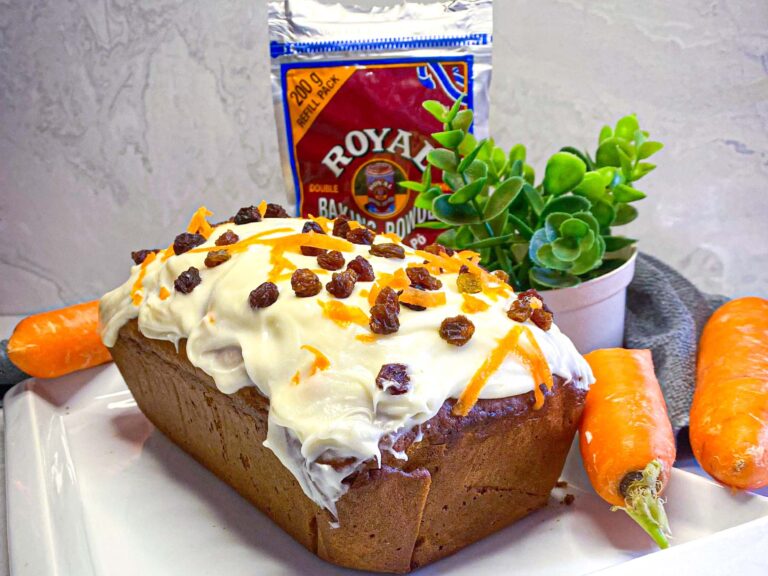
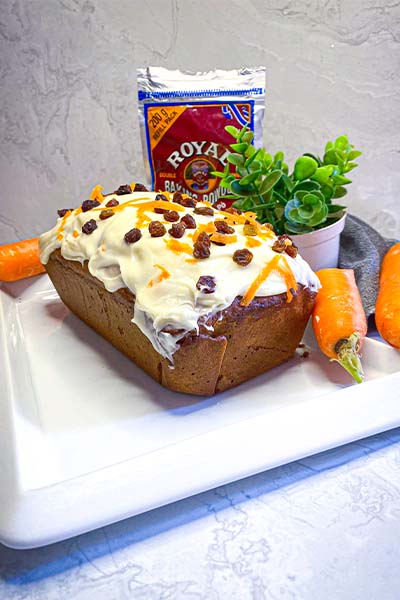
If you’re craving a delicious treat this weekend, my Eggless Carrot Loaf is a must-try! This super moist, wonderfully spiced bread is super easy to make—just get a bowl and stir everything together.
No need for an electric mixer! The dense yet soft texture ensures every bite is flavorful, never dry or bland. Perfect for breakfast, brunch, or a snack, this loaf is sure to impress. Get ready to enjoy a loaf your whole family will love!
Eggless Carrot Loaf
iam.nkay
The dense yet soft texture ensures every bite is flavorful, never dry or bland. Perfect for breakfast, brunch, or a snack, this loaf is sure to impress.
Seafood garden egg stew is one of the best stews for boiled yam, boiled plantain and coco yam. It is made of palm oil which tastes perfectly when eaten with boiled yam, plantain and coco yam. It can also be prepared with vegetable oil, however we will be using palm oil in this recipe.
Seafood Garden Egg Stew
Rashidatu Alhassan
Seafood Garden Egg Stew is a flavorful and hearty dish combining the rich taste of seafood with the unique texture of garden eggs (African eggplants).
Pasta salad is a versatile and delightful dish, perfect for any occasion. For this recipe I used shredded tuna in salt water, combined with two distinct sauces (Jimmysaucessa Burger and Chip sauce and Minniesfoods Creamy Dip Sauce Mild) for a unique and flavorful twist.
Pasta Salad
iam.nkay
A mouthwatering pasta salad with savory tuna, tangy Burger and Chip Sauce, and creamy mild dip, perfect you.
Rock buns, also known as rock cakes, are traditional British baked goods characterized by their rugged, rock-like appearance. These small, crumbly cakes are made with simple ingredients like flour, sugar, butter, eggs, and dried fruits such as raisins or cake mix.
Despite their rough exterior, rock buns are delightfully tender inside, offering a satisfying blend of sweet and fruity flavors. Popular for their ease of preparation and nostalgic charm, rock buns have been a beloved treat in British households for generations, often enjoyed with a cup of tea.
What Is the Difference Between a Rock Bun and A Scone?
Rock buns are rough-textured, small cakes made with flour, sugar, butter, eggs, and dried fruits, having a crumbly texture. Scones are smoother, soft, and fluffy baked goods, often served split with cream and jam, and are made with similar ingredients but typically include more liquid to create a dough.
Rock Buns
iam.nkay
Rock buns are rough-textured, small cakes made with flour, sugar, butter, eggs, and dried fruits, having a crumbly texture.
Tunisia, a country located in Northern Africa, is known for its rich history, vibrant culture, and, most importantly, its delectable cuisine. Tunisian food is a fascinating blend of Mediterranean and native Berber influences, offering a unique culinary experience characterized by bold flavors and aromatic spices. When visiting Tunisia, trying the local cuisine is a must. Here’s a guide to fourteen traditional Tunisian foods you should try, they include appetizers, main dishes, and desserts.
14 Delectable Traditional Tunisian Foods
Appetizers
1. Mechouia Salad
Mechouia salad is a mouthwatering Tunisian dish that proves the country’s love for grilled vegetables and bold flavors. This salad is made with grilled onions, peppers, tomatoes, and garlic, which are coarsely chopped and mixed together.
Drizzled with olive oil and seasoned with caraway, salt, and black pepper, Mechouia salad offers a smoky, spicy taste that is refreshing and satisfying. Often garnished with hard-boiled eggs, olives, or tuna, it can be enjoyed on its own or served atop toasted bread or baguette slices. This versatile salad is a staple in traditional Tunisian restaurants and is often part of a mixed appetizer platter.
Image Credit: Facebook
2. Tunisian Brik
Brik is a beloved Tunisian appetizer made from thin, flaky pastry dough called malsouka, which is often substituted with phyllo pastry. The most popular filling for Brik includes tuna, capers, parsley, and a raw egg, which is folded into a triangular shape and deep-fried until crispy.
The egg cooks partially inside the pastry, creating a delightful contrast between the runny yolk and the crunchy exterior. This dish is often enjoyed with a squeeze of lemon juice and a side of harissa for added heat. Brik’s combination of textures and flavors makes it a must-try starter. See Recipe.
Image from SoDelicious.Recipes
3. Lablabi (Tunisian Chickpea Soup)
Lablabi is a traditional Tunisian chickpea soup that is hearty, flavorful, and perfect for colder weather. This dish is made with chickpeas cooked in a spicy broth seasoned with garlic, cumin, and harissa. The soup is typically served over chunks of stale crusty bread, which soak up the flavorful broth.
A drizzle of olive oil, a splash of vinegar or lemon juice, and a sprinkle of fresh herbs like cilantro or parsley complete the dish. Lablabi is often garnished with additional ingredients such as capers, olives, or tuna, adding complexity and depth to its flavors. See Recipe.
Main Dishes
4. Tunisian Couscous
Couscous is the national dish of Tunisia and a staple in many North African cuisines. In Tunisia, couscous is typically made with semolina flour, which is steamed over a stew of meat and vegetables. The couscous grains are light, fluffy, and infused with the aromatic steam from the stew below.
Tunisian couscous is often prepared with lamb, beef, fish, or other seafood and is flavored with harissa for a spicy kick. It is traditionally served on Fridays, when families gather for the most important meal of the week. The dish’s versatility and comforting flavors make it a favorite among locals and visitors alike. See Recipe.
5. Tunisian Makrouna
Tunisian Makrouna, or pasta, is a comforting dish that highlights the Italian influence on Tunisian cuisine. This hearty pasta dish is typically made with a tomato-based sauce seasoned with garlic, onions, and different spices such as caraway, cumin, and paprika.
It can be prepared with various types of pasta, including spaghetti or penne, and often includes ingredients like ground meat or seafood. Makrouna is a popular family meal, known for its rich flavors and satisfying, homestyle appeal. See Recipe.
6. Tunisian Mloukhia
Mloukhia is a traditional Tunisian stew made with dried and ground jute leaves, which give the dish its distinctive green color and slightly gummy texture. This hearty stew is typically prepared with beef or lamb and flavored with garlic, coriander, and olive oil.
Mloukhia is cooked slowly to allow the flavors to meld together, resulting in a rich and savory dish that is often served with bread or over rice. While its texture may be unusual to some, Mloukhia’s deep, earthy flavors are truly unique and worth experiencing. See Recipe.
7. Tunisian Loubia (White Bean Stew)
Loubia is a comforting white bean stew that is a staple in Tunisian households. This dish is made with white beans simmered in a tomato-based sauce flavored with garlic, onions, and spices such as cumin and coriander.
Often cooked with lamb or beef, Loubia is hearty and satisfying, perfect for a cozy meal. The stew is typically served with bread, allowing you to soak up the rich, flavorful sauce. Loubia’s simplicity and wholesome ingredients make it a beloved dish among Tunisians. See Recipe.
8. Tunisian Fricassé (Sandwich)
Tunisian Fricassé is a popular street food that consists of a fried sandwich filled with a delicious mixture of ingredients. The sandwich is made with a small, soft bread roll that is deep-fried until golden brown. It is then stuffed with a filling of tuna, boiled potatoes, hard-boiled eggs, olives, capers, and harissa.
The combination of the crispy bread and the flavorful filling creates a satisfying and portable meal that is perfect for a quick snack or a light lunch. Fricassé is a favorite among Tunisians for its convenience and delicious taste. See Recipe.
9. Tajin Sibnekh (Tunisian Chicken and Eggs)
Tajin Sibnekh is a traditional Tunisian dish that features chicken and eggs cooked together in a flavorful sauce. This dish is made with chicken pieces that are browned and then simmered in a sauce made from tomatoes, onions, garlic, and a blend of spices including cumin, coriander, and paprika.
Eggs are cracked into the sauce towards the end of cooking, allowing them to poach in the rich, flavorful liquid. Tajin Sibnekh is typically served with bread or couscous, making it a hearty and satisfying meal that showcases the bold flavors of Tunisian cuisine. See Recipe.
Desserts
10. Tunisian Masfouf
Masfouf is a traditional Tunisian dessert that is essentially a sweet version of couscous. This dish is typically made with extra fine couscous that is steamed and then mixed with cold butter or milk and sugar. Aromatics such as orange blossom water or rosewater are often added to enhance the flavor.
Masfouf is usually decorated with a variety of nuts, dates, and other dried fruits, creating a delightful combination of textures and flavors. This sweet and fragrant dessert is often enjoyed during the holy month of Ramadan, particularly for suhur, the pre-dawn meal. See Recipe.
11. Tunisian Sabayon
Tunisian Sabayon is a delightful dessert that showcases the country’s appreciation for simple yet elegant flavors. This creamy dessert is made with egg yolks, sugar, and sweet wine or Marsala, which are whisked together over a gentle heat until the mixture becomes light and frothy.
Tunisian Sabayon is often flavored with a touch of citrus zest or vanilla, adding a refreshing note to the rich, velvety custard. It is typically served in small glasses or bowls, sometimes garnished with fresh berries or a sprinkle of nuts. See Recipe.
12. Assidat Zgougou
Assidat Zgougou is a unique and traditional Tunisian dessert made from the seeds of the Aleppo pine, also known as zgougou. The seeds are ground and combined with sugar, flour, and starch, then cooked over low heat until the mixture thickens.
This forms a dark, earthy cream that is layered with a custard made from milk, sugar, vanilla, and egg yolks. The dessert is often garnished with nuts such as toasted almonds or pistachios. Assidat Zgougou is particularly popular during the celebration of Mawlid, the Prophet Muhammad’s birthday, and its unique flavor and texture make it a must-try Tunisian delicacy.
13. Tunisian Maaqouda
Maaqouda is a popular Tunisian appetizer or side dish made from potato fritters. These fritters are typically made with boiled potatoes that are mashed and mixed with parsley, garlic, flour, salt, and pepper. The mixture is shaped into small disks and then deep-fried until golden brown.
Maaqouda can be enjoyed plain or stuffed with ingredients such as meat, tuna, or cheese. They are often served with harissa, coriander, and lemon juice, adding a burst of flavor to the crispy fritters. Maaqouda is a versatile dish that can be enjoyed on its own or as part of a larger meal. See Recipe.
14. Bambalouni
Bambalouni are traditional Tunisian doughnuts that are particularly popular in the village of Sidi Bou Said. These doughnuts are made with a simple dough of flour, hot water, yeast, and salt, which is fried in hot oil until golden brown.
Once cooked, the doughnuts are sprinkled with sugar, creating a sweet and satisfying treat. Bambalouni are often enjoyed with coffee, either for breakfast or as a snack at the end of the day. Their crispy exterior and soft, airy interior make them a beloved Tunisian dessert.
Conclusion
Tunisian cuisine is vibrant tastes of flavors, aromas, and textures that reflect the country’s rich cultural heritage and diverse influences. Including hearty stews and savory pastries to sweet couscous and traditional doughnuts, the dishes mentioned in this guide offer a delicious introduction to the culinary delights of Tunisia. Whether you’re exploring the bustling streets of Tunis or enjoying a meal in a traditional restaurant, these dishes are sure to provide an unforgettable taste of Tunisia’s culinary treasures. So, when you find yourself in Tunisia, be sure to try out these traditional foods.
Today, we meet Belinda Joseph, the face behind Meals Bank on Instagram and YouTube, a certified pastry chef with a diploma in sugarcraft.
AFN:Tell us about yourself!
Chef Belinda: My name is Belinda Joseph, I hail from Edo State Nigeria and am based in Accra-Ghana. I am a graduate of Hospitality & Tourism Management. 2016 I attended one of the prestigious culinary schools in Accra-Ghana. I am a certified pastry chef and also have a diploma in sugarcraft.
AFN: Why do you cook?
Chef Belinda: Well, cooking is therapeutic for me and I have always believed that no matter how good you are, the joy is in cooking for others.
AFN:What is your favorite memory in the kitchen?
Chef Belinda: My most memorable kitchen experience was the first time I baked for my kids. Seeing the reaction on their faces and them asking for more brought so much joy and delight to my soul and encouraged me to do more.
AFN:What is your biggest cooking fail?
Chef Belinda: I remember trying a baking recipe after days of self-learning about it but it didn’t come out as expected. Although I cannot really call it my biggest cooking fail, because as a chef you are expected to be creative. Some recipes might come out well while some definitely won’t but it’s your ability to learn from it and push further that counts.
AFN:What kitchen equipment do you use more and can’t do without?
Chef Belinda: Baking is a dance of ingredients and inspiration and each pastry is a reflection of the baker’s soul. Therefore I would consider my oven as one of my kitchen equipment that I can’t do without simply because I love to bake.
AFN: What are your favorite foods to cook and why?
Chef Belinda: Even as a chef I am still learning to be a good chef. I’m always learning new techniques and improving beyond my own knowledge because there is always something new to learn and new horizons to discover but so far I would consider my native rice, egusi soup and baking pizza as some of my favorite foods to cook.
AFN: What would you like to share with our audience?
Chef Belinda: I would like to encourage anyone who loves to cook so much that wants to make it a profession. The path isn’t easy. It involves formal training, long hours in the kitchens, physical labour, and heavy competition but the reward is the opportunity to design creative dishes, run a kitchen, or even own one that people can affiliate you with.
AFN:How can your fans reach you on social media?
My fans and supporters can reach me on social media via Instagram @Meals_Bank and also subscribe to my YouTube channel @Mealsbank for more gripping recipes.
Nigerian white amala and Ilasa soup are traditional dishes from the Yoruba people, predominantly found in the southwestern region of Nigeria. While these dishes are enjoyed across Yoruba-speaking areas, Ilasa soup is particularly associated with the town of Igbo-Ora in Oyo state, where it is a local specialty.
Health Benefits of Ilasa Soup
1. It helps to boost pregnancy: Ilasa soup contains 15% of the recommended daily intake of folate, which is an essential nutrient for expectant mothers. Folate helps to reduce the risk of neural tube defects, which can affect the brain and spine of developing babies.
2. It promotes heart and brain health: By preventing blood clots and limiting the damage caused by free radicals, polyphenols lower your risk of developing heart issues and stroke. The antioxidants in okro leaves may also benefit your brain by reducing inflammation.
3. Okro leaves promote healthier bowel motions: The high fibre content helps to maintain intestinal wellness. Fibre gives food weight and aids the meal’s easy passage through the intestine. So, including okro leaves in your diet will aid in preventing constipation, bloating, and indigestion.
Health Benefits of White Amala
1. May help improve metabolic markers
Human and animal studies suggest that resistant starch may improve metabolic markers, such as blood sugar and cholesterol levels, which are linked to non-communicable diseases (NCDs).
NCDs are chronic disorders that appear due to a combination of genetic, physiological, environmental, and behavioral factors.
Some of the most common NCDs are type 2 diabetes and heart disease due to high blood pressure and cholesterol levels.
Nevertheless, resistant starch may help improve your blood sugar control. It does this by slowing down the rate of digestion of foods, leading to a slower rise in blood glucose levels improving insulin sensitivity, meaning that your cells respond better to the hormone insulin. Studies also show that it may help lower blood cholesterol levels.
2. May Aid Weight Loss
Resistant starch in cassava flour may aid weight loss by regulating your appetite and reducing fat mass.
Human and animal studies show that when bacteria in your gut digest resistant starch, they produce short-chain fatty acids (SCFAs). These trigger the release of the hunger-reducing hormones peptide YY (PYY) and glucagon-like peptide 1 (GLP-1).
As for the effect of resistant starch on body fat, a 4-week study in 19 adults found that taking 40 grams of resistant starch per day significantly reduced two types of belly fat — the fat just under the skin and the visceral fat that lies between the organs.
It’s important to note that this was a specific type of resistant starch that came from high-amylose maize, not cassava. In addition, participants took high doses.
Therefore, it’s unknown whether eating normal amounts of cassava flour would have similar effects.
3. May Improve Gut Health
Cassava flour’s resistant starch content can benefit your gut health in more than one way. Because resistant starch gets fermented in the large intestine, it serves as a prebiotic or food for your gut’s friendly bacteria.
As a prebiotic, resistant starch promotes microbial growth, helping counteract gut dysbiosis — an altered microbiota — which has been associated with diseases such as obesity, diabetes, inflammatory bowel diseases, and colorectal cancer.
In addition, resistant starch in cassava flour may have a protective effect on your gut’s mucosal epithelium or lining by increasing production of an SCFA called butyric acid.
Damage to your gut’s lining may increase intestinal permeability, increasing the risk of diseases such as inflammatory bowel disease.
Chocolate muffins are a delightful treat, bursting with rich cocoa and chocolate chips. They’re perfect for breakfast, dessert, or a snack. With their moist, tender texture and intense chocolate flavor, they’re quick and easy to whip up, making them a favorite for satisfying any chocolate craving!
Chocolate Muffins
iam.nkay
Made with rich cocoa and often studded with chocolate chips, they offer a decadent burst of flavor in every bite.
Sift flour and cocoa powder and then mix with all your dry ingredients. In another bowl, mix all the wet ingredients and pour into the dry ingredients. DO NOT OVERMIX.
Line your try with muffin cups and fill 3/4 - bake at 190 degree for 10-15 minutes or until a toothpick inserted into the muffins comes out clean.
Lesotho, a small country nestled in Southern Africa and entirely surrounded by South Africa, is a land of stunning landscapes and rich cultural heritage. Known as “The Kingdom in The Sky” due to its towering altitudes, with the lowest point at 1,301 meters above sea level and about 80% of the country sitting above 1,800 meters, Lesotho offers not only breathtaking views but also a unique culinary experience.
The Basotho people, renowned for their peaceful and simple lives, have a food culture that reflects this simplicity—using few ingredients, straightforward cooking methods, and minimal spices. Let’s see 20 traditional Lesotho foods, categorized into appetizers, main dishes, desserts, and street foods.
20 Delectable Lesotho Foods
Appetizers
Roasted Maize
Roasted maize is a beloved snack among the Basotho. In the highlands, green maize cobs are roasted over hot ashes or open flames, giving them a delicious smoky flavor. In the lowlands, you can find roasted maize sold by street vendors. This snack is so popular that sharing is common, even with strangers.
Likhobe (Boiled Maize Kernels)
If you’re in the mood for something a little more indulgent, try the roasted maize. Likhobe is a simple yet satisfying dish made by boiling dry maize kernels until they are soft and seasoned with salt. It’s a versatile snack or side dish enjoyed by many.
Main Dishes
Papa (Stiff Porridge)
Papa, a staple in almost every household, is made by boiling water and gradually adding maize meal while stirring until it reaches a thick, solid consistency. This dish is typically enjoyed with Moroho (leafy greens), but it can also be paired with meat, tinned fish, eggs, or any protein of your choice. No Basotho meal is complete without papa. Prepare to get your hands a little messy as you scoop up the thick, comforting porridge.
Moroho (Leafy Greens)
Moroho is made from various leafy greens such as spinach, cabbage, or wild herbs like stinging nettles. One popular version, Lepu, uses summer squash leaves and small squash, seasoned with salt and cooked until soft. Moroho is a must-have accompaniment to Papa.
Samp
Samp consists of dried maize kernels that have been pounded and chopped. It’s usually boiled until soft and sometimes mixed with beans. In the lowlands, people add different seasonings like Aromat or cream of mushroom soup, making it a delicious dish when served with stew, meat, or vegetables.
Nyekoe
Nyekoe is made by cooking sorghum with beans and sometimes pumpkin or wheat. It’s a wholesome and nutritious dish that can be seasoned with just salt or more elaborate spices and vegetables for added flavor. Pair it with some freshly baked bread for a satisfying and wholesome meal.
Likahare
In Lesotho, nothing goes to waste, and likahare is a prime example of this philosophy. Likahare is a hearty dish made from carefully cleaned and stewed tripe and intestines of cattle, sheep, goats, or pigs. The offal is thoroughly cleaned, boiled until soft, cut into smaller pieces, and then cooked again in its broth until it forms a thick gravy. This dish is typically enjoyed with Papa, Samp, or bread. While it might not sound appetizing to some, the Basotho have mastered the art of transforming these ingredients into a flavorful and comforting stew.
Braai (Barbecue)
No Lesotho foods experience would be complete without a good old-fashioned braai (barbeque). Influenced by neighboring South Africa, Braai involves grilling various meats over hot coals. It’s a popular choice for gatherings and is often served with Papa and Chakalaka, a spicy vegetable relish. Gather around the fire with friends and family, and enjoy the smoky flavors of grilled deliciousness.
Lekakarane (Spent Layer Chickens)
If you’re a meat lover, you’ll definitely want to try lekakarane, a dish made from spent layer chickens. Lekakarane refers to chickens that have stopped laying eggs and are best cooked with water and seasoned simply with salt. They are also sold cooked by street vendors, usually served with Papa.
Wors (South African Sausage)
Whether you enjoy them grilled or stewed, wors (South African sausages) are a must-try in Lesotho. Wors comes in two types: one for stovetop cooking and the other for grilling. It can be cooked as is or with tomato relish and other ingredients, making it a versatile dish enjoyed with Papa, rice, samp, pasta, or bread.
Trout
Although fish is considered a luxury in Lesotho, trout is one of the best fish dishes you can have. It’s often marinated with spices or stuffed with vegetables and baked, served hot with vegetables and rice.
Desserts and Beverages
Motoho (Fermented Sorghum Porridge)
Motoho is a traditional porridge made from sorghum meal and fermented with a starter culture called Tomoso. A breakfast staple in Lesotho. It’s boiled and stirred until thick, often served cold with sugar for a refreshing dessert or snack. You’ll find yourself craving it morning after morning.
Khemere (Homemade Ginger Drink)
While not technically a dessert, khemere is a refreshing ginger-based beverage that’s perfect for quenching your thirst after a hearty meal. Khemere is a homemade ginger drink made by boiling water with brown sugar, ginger powder, tartaric acid, and cream of tartar. It’s diluted with cold water and left overnight, served chilled. Some variations include adding pineapple pieces or fruit concentrates.
Joala ba Sesotho (Traditional Sesotho Beer)
No culinary journey through Lesotho would be complete without sampling the traditional Sesotho beer, joala ba Sesotho.This traditional beer is made by mixing maize meal, malt, and wheat flour, then fermenting it with a starter called Tomoso. It undergoes several stages of fermentation and boiling, resulting in a unique and refreshing beverage.
Street Foods
Liphaphatha (Pot-Roasted Bread)
Liphaphatha is another popular street food that’s sure to satisfy your carb cravings. They are small, round pieces of dough that are pot-roasted on a floured surface until golden brown. Grab a few from a vendor and enjoy them hot and crispy, perhaps with a side of slap chips (fries) and a refreshing drink.
Makoenya (Fat Cakes)
Makoenya are dough balls deep-fried until golden brown. They are enjoyed with slap chips, Atchar (spicy pickled vegetables), sausages, polony, or simply with tea and coffee. They are a popular breakfast choice sold by both fast-food restaurants and street vendors.
Chicken Feet and Heads
Chicken feet and heads are typically boiled with water and salt, but modern variations include making curries or sticky chicken feet. They are enjoyed by students and workers with Makoenya or bread.
Roasted Chicken Feet and Gizzards Kebabs
The Basotho’s nose-to-tail cooking philosophy with these unique kebabs made from roasted chicken feet and gizzards.This recent street food involves spiced and roasted chicken feet and gizzards, served on skewers. They are a popular snack among both young and old.
Lithlakoana Le Lihloho/Skopo (Sheep Feet and Heads)
A dish that celebrates the use of every part of the animal.This dish involves cooking sheep feet and heads with water and salt, often sold as cold meat by street vendors. It’s enjoyed with Papa or on its own as a snack.
Bohobe (Bread)
There are two main types of bread in Lesotho: Leqebekaone (steamed bread) and baked bread. Steamed bread is shaped into balls and steamed, while baked bread is cooked in a pot over coals or on a stove. Both types are enjoyed as a staple food.
A Culinary Journey Through Lesotho
Lesotho’s foods are reflection of its people’s simplicity and resourcefulness, using available ingredients to create nourishing and flavorful dishes. Like the comforting Papa and Moroho and the delightful street foods like Makoenya and roasted chicken feet, the flavors of Lesotho foods offer a unique and authentic taste of African culinary traditions.
If you are exploring the highlands or the lowlands, the food of Lesotho is sure to leave a lasting impression. So next time you’re in the mood for something new, why not try a traditional Basotho dish and experience the heart and soul of Lesotho’s foods culture?