Healthy Eating During a Cholera Outbreak: What to Eat and Avoid

During a cholera outbreak, maintaining a healthy diet is essential to boost your immune system and reduce the risk of infection. Cholera, caused by the bacterium Vibrio cholerae, spreads primarily through contaminated water and food. Choosing the right foods and adopting safe food handling practices can help protect yourself and your loved ones from this life-threatening disease.

Foods That Boost Immunity

Fruits and Vegetables: Fruits and vegetables are rich in vitamins, minerals, and antioxidants that support immune function. Opt for those that you can peel yourself, such as bananas, oranges, and avocados, these are less likely to be contaminated since the peel acts as a protective barrier. Strictly avoid roadside already cut fruit like watermelon.

Whole Grains: Whole grains like brown rice, oats, and wheat provide essential nutrients and fiber that support a healthy digestive system. They also help maintain steady energy levels.

Lean Proteins: Protein is crucial for immune function and repair. Choose lean proteins such as chicken, turkey, beans, lentils, and tofu. Ensure that all meat is thoroughly cooked to kill any potential bacteria.

Probiotics: Probiotic-rich foods like yogurt and fermented vegetables can help maintain a healthy gut microbiome, which is vital for a strong immune system. Opt for pasteurized products to avoid any risk of contamination.

Hydration: Staying hydrated is crucial, especially if you’re experiencing diarrhea. Drink plenty of bottled, boiled, or chemically treated water. Herbal teas and coconut water are also good options for hydration.

What Foods Should You Avoid if You Have Cholera?

Raw or Undercooked Seafood: Avoid sushi, sashimi, and any raw or improperly cooked fish and seafood. These can be contaminated with Vibrio cholerae and other harmful bacteria.

Street Food: Street food can be tempting, but it often poses a higher risk of contamination due to inconsistent hygiene practices. If you do choose to eat street food, ensure it is freshly cooked and served hot.

Unpeeled Fruits and Vegetables: Stick to fruits and vegetables that you can peel yourself. Avoid salads and fruits that can’t be peeled, such as grapes and berries, as they can harbor bacteria on their surfaces.

Dairy Products: Only consume pasteurized dairy products to reduce the risk of bacterial contamination. Avoid raw milk and cheeses made from unpasteurized milk.

Tips on Proper Food Handling

Wash Your Hands Thoroughly: Always wash your hands with soap and clean water before preparing or eating food, and after using the toilet. This simple practice can significantly reduce the risk of infection.

Cook Your Food Thoroughly: Ensure that all meats are cooked to the appropriate internal temperature to kill harmful bacteria. Use a food thermometer to check doneness.

Use Safe Water: Only use bottled, boiled, or chemically treated water for drinking, cooking, and washing fruits and vegetables. Avoid using ice unless it is made from safe water.

Clean and Sanitize Surfaces: Regularly clean and sanitize kitchen surfaces, utensils, and cutting boards to prevent cross-contamination.

Store Food Properly: Keep perishable foods refrigerated and avoid leaving cooked food out for extended periods. Use airtight containers to store food safely.

Cholera Myths Debunked: What You Really Need to Know

Cholera is a misunderstood disease, and several myths and misconceptions can lead to unnecessary fear and improper preventive measures. Let’s address some common myths and provide factual information to help you stay informed.

Myth 1: Cholera Only Affects Poor Countries

Fact: While cholera is more common in areas with inadequate sanitation and limited access to clean water, it can affect any region during an outbreak. It’s crucial to practice good hygiene and safe food handling regardless of where you live.

Myth 2: Only Dirty Water Causes Cholera

Fact: While contaminated water is a primary source of cholera, contaminated food can also spread the bacteria. Ensuring that both your water and food are safe is essential in preventing cholera.

Myth 3: You Can’t Get Cholera If You’re Healthy

Fact: Cholera can affect anyone, regardless of their general health. However, individuals with compromised immune systems or pre-existing conditions may be more severely affected.

Myth 4: Boiling Water Is Not Necessary

Fact: Boiling water is one of the most effective ways to kill Vibrio cholerae and other harmful pathogens. Always boil or treat water chemically if you’re unsure about its safety.

Myth 5: Cholera Vaccines Provide Complete Protection

Fact: While cholera vaccines can provide some level of protection, they are not 100% effective. Vaccination should be combined with other preventive measures, such as safe water practices and good hygiene.

10 Essential Tips to Prevent Cholera While Enjoying Your Favorite Dishes

Enjoying your favorite dishes during a cholera outbreak is possible with some precautions. Here are ten essential tips to help you stay safe while indulging in traditional and beloved foods.

Use Safe Water for Cooking and Drinking

Always use bottled, boiled, or chemically treated water for cooking and drinking. If using tap water, ensure it has been boiled for at least one minute or treated with appropriate water purification tablets.

Wash Fruits and Vegetables with Safe Water

Before consuming fruits and vegetables, wash them thoroughly with safe water. If possible, peel them to reduce the risk of contamination.

Cook Food Thoroughly

Ensure that all meats, seafood, and eggs are cooked thoroughly. Use a food thermometer to ensure that food reaches safe internal temperatures.

Avoid Raw or Undercooked Seafood

Cholera can be transmitted through contaminated seafood. Avoid eating raw or undercooked fish and shellfish during an outbreak.

Practice Good Hand Hygiene

Wash your hands with soap and clean water before handling food, eating, and after using the toilet. Hand sanitizer can be used as an alternative when soap and water are not available.

Keep Food at Safe Temperatures

Store perishable foods in the refrigerator and avoid leaving cooked food out at room temperature for more than two hours. Use insulated containers to keep food hot or cold as needed.

Avoid Street Food

While street food can be tempting, it often poses a higher risk of contamination. If you do choose to eat street food, make sure it is freshly cooked and served hot.

Use Clean Utensils and Surfaces

Regularly clean and sanitize kitchen utensils, cutting boards, and surfaces to prevent cross-contamination. Use separate cutting boards for raw and cooked foods.

Stay Hydrated with Safe Beverages

Drink plenty of safe water and avoid beverages that may be contaminated. Herbal teas and coconut water are good options for staying hydrated.

Educate Yourself and Others

Stay informed about cholera and share accurate information with family and friends. Dispelling myths and promoting good hygiene practices can help prevent the spread of the disease.

By following these tips, you can enjoy your favorite dishes while minimizing the risk of cholera. Remember, prevention is key to staying healthy during an outbreak.

Conclusion

Cholera is a serious and highly contagious disease, but with the right knowledge and practices, you can protect yourself and your loved ones. By boosting your immunity with nutritious foods, avoiding risky foods, and adhering to proper food handling practices, you can reduce your risk of infection. Additionally, debunking common myths about cholera and following practical hygiene and safety tips will help you confidently navigate a cholera outbreak.

Spiced Chicken Curry Sauce

The aromatic blend of warm spices, and tender chicken makes this spiced chicken curry sauce an irresistible and comforting dish. Originating from the vibrant culinary traditions of South Asia, this curry sauce features rich flavors.

Spiced Chicken Curry Sauce

The end result is a saucy, subtly spiced curry that pairs perfectly with steamed basmati rice, naan bread, pasta or your protein of choice. Whether you’re new to cooking or a seasoned enthusiast, this easy-to-make chicken curry sauce is sure to become a new family favorite.

With just a few simple ingredients and 30 minutes of your time, you can transport your taste buds to the bustling streets of New flavours. Let’s get cooking!

curry sauce

Spiced Curry Sauce

Avatar photoDeborah Olayiwola
Prep Time 10 minutes
Cook Time 10 minutes
Total Time 20 minutes
Course Side Dish
Servings 4 people

Ingredients
  

  • 3 chicken breast 
  • Large Onion cuts
  • Sliced Carrots
  • 2 green bell peppers
  • 2 red bell peppers
  • 2 yellow bell peppers
  • Large cabbage cuts
  • Blended scotch bonnet peppers
  • Corn starch slurry (mixture of cornstarch and water)
  • ½ tsp  sazon everything mix seasoning 
  • ½ tsp all purpose mix
  • Seasoning cubes to taste
  • ½ tsp curry
  • Splash of sesame oil

Instructions
 

  • Heat a splash of sesame oil in a large pan over medium heat.
  • Add chicken pieces and cook until no longer pink.
  • Add sliced onion, carrots, bell peppers, and cabbage to the pan.
  • Stir-fry until vegetables start to soften.
  • Add 1/2 tsp Sazon seasoning, 1/2 tsp all-purpose seasoning, 1/2 tsp curry powder, and seasoning cubes to taste.
  • Stir well to coat chicken and vegetables.
  • Pour in blended scotch bonnet peppers and mix thoroughly.
  • Reduce heat to low and simmer for a few minutes to blend flavors.
  • Gradually add cornstarch slurry, stirring constantly, until desired thickness is reached.
  • Taste and adjust seasoning if needed.
  • Remove from heat and serve over rice or your preferred side dish. Enjoy!
Keyword Curry sauce
Tried this recipe?Let us know how it was!

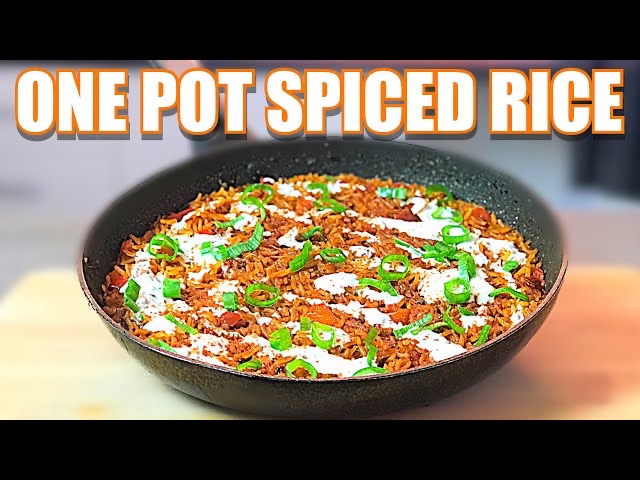
Peri Peri Spiced Rice

Peri Peri Spiced Rice is a vibrant and flavorful dish that combines the aromatic heat of Peri Peri spices with the comforting texture of rice. Infused with a blend of chili, garlic, paprika, and lemon, this dish offers a zesty and spicy kick, making it a perfect accompaniment to grilled meats or vegetables.

https://youtu.be/VAcBauYQsgM?si=s45cRz7_vIuitVGK

Its vivid color and rich taste make it a standout side dish, bringing a touch of culinary excitement to any meal. Ideal for those who enjoy bold flavors.

IMG 7585

Peri Peri Rice

Avatar photoChef Donkey
Prep Time 10 minutes
Cook Time 15 minutes
Total Time 25 minutes
Course Main Dish
Cuisine South African
Servings 2 people

Ingredients
  

For Rice

  • 1 spring onion (use green for garnish)
  • ½ stick celery
  • ½ red bell pepper
  • 2 cloves garlic
  • ½ cup rice
  • 1 small tomato
  • 1 tbsp tomato paste
  • Sunflower oil for frying
  • Enough water to cover rice (see video)
  • Add any other aromatic vegetables of your choice (if you like) this is just the basic recipe.

For Yogurt

  • ½ cup coconut yogurt
  • ½ lemon zest & juice
  • ½ tsp garlic powder

For peri peri seasoning

  • 2 tsp sea salt
  • 2 tsp ground chilli powder
  • 1 tsp onion powder
  • 1 tsp garlic powder
  • 1 tsp ground coriander
  • 1 tsp dried oregano
  • 1 tsp MSG (Optional)

Instructions
 

For Rice

  • Slice spring onion and save the green part for garnish.
  • Chop celery and peppers, mince garlic
  • Chop tomato and set aside
  • Heat sunflower oil to medium in pan
  • Add the vegetables and garlic and sauté till brown
  • Add the rice and cook for 1 minute.
  • Stir in the tomato paste and cook till it just start catching the bottom of the pan.
  • Season well with peri peri seasoning (see recipe)
  • Add tomato and cook for 1 minute.
  • Now pour in enough water to just cover
  • the rice - (please see video).
  • Bring just to the boil and turn heat down low.
  • Cover pan with a lid and cook till all water has evaporated!
  • Switch off heat and let it sit for 10 minutes.
  • “DO NOT STIR THE RICE. WE WANT IT TO FORM A DELICIOUS CRUST AT THE BOTTOM”

For Yogurt

  • Mix all ingredients

For peri peri spice

  • Mix all ingredients
Keyword Peri Peri, Peri Peri Rice
Tried this recipe?Let us know how it was!

Amala Lafun and Ewedu Soup

Amala Lafun, or white amala, is a popular Nigerian swallow made from cassava flour, especially among the Oyo people. I fondly remember enjoying it at buka joints during my childhood. Lafun is often paired with delicious soups like Ewedu, Okro Soup, and Efo Riro. Amala Lafun and Ewedu Soup is the most common combination.

Unlike black amala, lafun is gradually thickened with hot water. For a smoother, stretchier texture, briefly steam the mixture on the stovetop. This method ensures perfect consistency, making lafun a delightful part of Nigerian cuisine.

6ba5e3d60c6ec772df2f15ee6cfe25b3 0 Taiwo Oladapo

Amala Lafun and Ewedu Soup

Avatar photoTaiwo Oladapo
Prep Time 20 minutes
Cook Time 30 minutes
Total Time 50 minutes
Course Main Dish
Cuisine Nigerian
Servings 4 people

Ingredients
  

  • 200 g ewedu leaves
  • ½ tsp powdered potash
  • 1 cup water
  • salt to taste
  • 1 seasoning cube
  • Locust beans (Iru)
  • 2 tsp ground crayfish

Amala Lafun

  • 400 g cassava flour
  • 2 cups water

Instructions
 

Ewedu Soup

  • Nicely pick just the leaves (no stem allowed), then go ahead and wash properly with a lot of water to remove any sand left on it.
  • Pour 1.5 cups of water to a cooking pot and heat to boiling point, add the potash, locust beans and condiments. Add washed ewedu leaves, cook for 7-10 minutes.
  • Then use the cooking broom to mash (more like pound) continuously inside the pot, this will turn the leaves to tiny bits after mashing for about five minutes.
  • Alternatively, You can also transfer into a blender and pulse twice, I think this way is easier and better. That was how I made the soup above, couldn’t find the ewedu broom.
  • Serve Ewedu plus stew and meat with Amala Lafun

Amala Lafun

  • In a pot, boil two cups of water.
  • On a medium heat, pour in cassava flour and stir and turn with a wooden spatula. Keep turning until it is smooth and not lumpy.
Keyword Amala, Ewedu, Ilafun
Tried this recipe?Let us know how it was!

Potatoes and Chicken Sauce

A stew full of not only chicken and potatoes but onions and a smattering of herbs is a perfect substitute for chicken broth.

Potatoes are nutrient-dense, bursting with vitamins and minerals and providing a great base for a balanced diet. Chicken is rich in a variety of important nutrients.

Potatoes

Potatoes and Chicken Sauce

Avatar photoLisias Johanna
Prep Time 20 minutes
Cook Time 20 minutes
Total Time 40 minutes
Course Main Dish
Cuisine African
Servings 4 people

Ingredients
  

  • Cooking oil
  • Mayonnaise
  • Top class spice
  • Knorrox soup
  • Salt
  • Peri peri
  • Onions
  • Garlic powder
  • Turmeric

Instructions
 

  • Combine chicken, onions and potatoes and stock in a large saucepan over medium heat, simmer until chicken is tender about 10 minutes.
  • Stir in sage basil, garlic powder, salt and turmeric and cook until heated through.
Keyword Chicken Sauce, Potatoes
Tried this recipe?Let us know how it was!

SA Foods and Cucumbers and Cream Celebrate Mother’s Day with an Unforgettable Event

0

In a heartwarming celebration of motherhood, African Food Network subsidiary (SA Foods) partnered with Cucumbers and Cream, a brand owned by renowned South African chef Tshego Stone, to host a memorable event dedicated to mothers. Held in South Africa, this vibrant gathering brought together approximately 25 mothers and children for a day filled with culinary delights, interactive activities, and unforgettable memories.

A Culinary Celebration of Motherhood

The event, hosted by Chef Tshego Stone, was a testament to the power of food in bringing people together. With a background steeped in the rich culinary traditions of South Africa, Chef Tshego Stone curated a program that not only celebrated mothers but also highlighted the importance of family bonding through food.

mothers day

The day was packed with engaging cook-along, where mothers worked side by side to create delectable dishes. Chef Tshego Stone, known for her ability to blend traditional South African flavors with contemporary techniques, guided participants through each recipe, sharing tips and stories along the way. The cook-alongs were a hit, allowing the mothers to connect over the joy of cooking and eating together.

Fun-Filled Activities and Heartfelt Giveaways

In addition to the culinary activities, the event featured lively dances and games that had mothers laughing and enjoying themselves. These activities were designed to create a joyful and relaxed atmosphere, making it a perfect day out.

A highlight of the event was the generous giveaways provided by our esteemed sponsors. Each attendee received goody bags filled with products from our sponsors, adding an extra layer of excitement to the day. The sponsors for this special event were:

  1. Wonder Bag
  2. The Cooking Studio, SA
  3. Harvestime
  4. In the Kitchen with Khungi
  5. Jimmy’s Sauce

A Day to Remember

The event was not just about cooking and giveaways; it was a celebration of motherhood. The joy and laughter shared throughout the day were contagious, creating a warm and welcoming atmosphere that everyone appreciated.

Chef Tshego Stone, in her role as both head chef and compere, brought her signature charm and expertise to the event. Her passion for food and family was evident in every aspect of the day, from the carefully planned activities to her engaging interactions with the attendees. Chef Stone’s dedication to celebrating motherhood through the lens of food made the event truly special.

A Heartfelt Thank You to Our Sponsors

This event would not have been possible without the generous support of our sponsors. Each sponsor contributed in a unique way, enhancing the experience for all attendees and ensuring that the day was a resounding success.

Wonder Bag

Looking Ahead

The success of this event has inspired us to continue celebrating motherhood and family through similar gatherings in the future. African Food Network and Cucumbers and Cream are committed to creating more opportunities for families to come together, cook together, and celebrate together.

We extend our heartfelt thanks to everyone who attended, participated, and supported this event. Your presence and enthusiasm made it a day to remember, and we look forward to many more celebrations in the future.

For more information about upcoming events and partnerships, please visit our websites or contact us directly.

Your Response to This Quiz Will Determine how You Will Enjoy Sallah Day

0

Are you ready to Feast on Sallah Meat

What do you love most about Sallah?

Do you prefer to eat out or cook your food?

Who are you most likely to share Sallah meat with?

Which of these meals is captivating for you right now?

What are you craving right now?

What's your best type of music?

The Perfect To-Do List for Every Sallah

0

Sallah! That joyous time of the year when the air is filled with the tantalizing aroma of ram meat, the streets are bustling with excitement, and everyone is eager to get a piece of the action – quite literally.

For many Nigerians, Sallah isn’t just about the religious significance; it’s also about the ‘hunt for meat’. Whether you’re Muslim or not, you know that Sallah means one thing: the quest for the prized Sallah meat.

But there’s an art to this meat hunt, a process that ensures you get your share of the deliciousness from everywhere. An ultimate guide to securing your Sallah meat with style and grace.

1. Identify Your Generous Muslim Friends

First things first, not all Muslim friends are created equal when it comes to Sallah meat distribution. Some prefer to keep things low-key, slaughtering their rams to stock up meat for the year. These friends, while dear to your heart, might not be your best bet for Sallah meat. Instead, focus on those who love to celebrate big and have a generous spirit. These are the friends who will likely have a feast and plenty of meat to go around.

GPzAlomWQAAqK e

2. Keep in Touch Months Before Sallah

Now, this is where the real strategy begins. You can’t just pop up out of nowhere on the eve of Sallah expecting to be remembered. It’s essential to keep the lines of communication open months before the festivities. Call your Muslim friends regularly, check on them, and subtly drop hints about how much you’re looking forward to the upcoming Sallah celebration. This way, you’re ensuring T.O.M.R. (Top Of Mind Remembrance), and they’ll be less likely to forget you when the meat starts flowing.

meme

3. Buzz Them Days Before Sallah

As Sallah approaches, the competition heats up. Everyone is making their calls, trying to secure their meat slots. This is not the time to be shy or complacent. Pick up the phone and remind your friends that you’re looking forward to the celebration. A casual, “Hey, what’s the plan for Sallah? I can’t wait to taste your delicious meat!” should do the trick. It ensures that you remain on their radar and that your months of keeping in touch weren’t in vain.

meme

4. Find Out How, Where, and When It’s Going Down

Information is power. You need to know the specifics of the celebration. Will there be a big party? Is it a family-only affair, or are friends invited? Is it a ‘just come and eat’ setting or something more formal? Knowing these details helps you plan your visit accordingly. You want to dress appropriately and be prepared for whatever the celebration entails. Plus, showing up at the right time ensures you get the best cuts of meat.

meme

5. Show Up

This step is crucial. If you don’t show up, someone else will. Make sure you mark your calendar and set a reminder. Your presence is necessary not just for the meat but to partake in the joy and festivities. It’s a chance to catch up with friends, enjoy good food, and be part of the celebration. Plus, if you’ve followed steps 1 to 4, your friends will be expecting you.

download 21 300x225 1 2


6. Eat as Much as You Can. Also, Get a Bowl Ready

Sallah meat is a once-a-year treat, so make the most of it. Enjoy the feast, savor every bite, and don’t be shy about seconds or thirds. But remember, you’re not just eating for the moment; you’re also thinking about the future. Bring along a plastic bowl or two so you can take some meat home. This way, you can continue to enjoy Sallah even after the celebration has ended.

Sorry 2023 11 16T140128.922 300x300 1

7. Share Your Abundance with Those Who Don’t Have Muslim Friends

Not everyone is as fortunate as you to have Muslim friends who invite them to their Sallah celebrations. Be kind and share your bounty with those who don’t. Whether it’s a neighbor, a colleague, or a friend, spreading the joy of Sallah meat makes the celebration even more special. It’s a great way to show gratitude and ensure that everyone gets to enjoy the festivities.

meme


8. Say Thank You to Your Muslim Friends

Manners maketh man, they say. Don’t forget to express your gratitude. A simple thank you goes a long way. Let your Muslim friends know how much you appreciate their generosity and the effort they put into the celebration. It’s a small gesture that strengthens your bond and ensures you’re remembered next Sallah. And as the beloved comedian Chigul would say if you don’t say thank you.

meme

The Sallah Gist: Bringing the Celebration to Life

Now, what’s a Sallah without some juicy gist? Let’s add some spice to this to-do list with a few fun anecdotes and traditions that make Sallah so special.

The Ram Markets: A week or two before Sallah, the ram markets come alive. It’s a sight to behold – rams of all sizes, colors, and prices. The markets are bustling with energy. It’s a family affair; kids and adults alike get involved in choosing the perfect ram.

Sallah

The Street Processions: On the morning of Eid, the streets are filled with colorful processions as families head to the mosque for prayers. Everyone is dressed in their finest traditional attire, and the sense of community is palpable. It’s a beautiful sight that marks the beginning of the day’s celebrations.

The Cooking Extravaganza: After the prayers, the real fun begins. Kitchens are busy with activity as families and friends come together to prepare the feast. There’s something magical about the aroma of spices, the sound of laughter, and the anticipation of the meal to come. It’s a time of bonding and creating lasting memories.

The Generosity of Sallah: One of the most heartwarming aspects of Sallah is the spirit of generosity. Meat is distributed not just among family and friends, but also to the less fortunate. It’s a time when everyone, regardless of their background, gets to partake in the joy and blessings of the festival. This act of sharing reinforces the values of compassion and community.

The Unforgettable Gatherings: Whether it’s a big party or an intimate family gathering, Sallah brings people together. Stories are shared, laughter echoes, and bonds are strengthened. These gatherings are not just about the food but about the connections and the shared experiences that make Sallah so memorable.

So there you have it, the perfect to-do list for every Sallah, sprinkled with some fun Sallah gist. Whether you’re a seasoned meat hunter or a first-timer, these steps will ensure you make the most of this joyous celebration. Happy Sallah, to you! Save some meat for us!

African Id El Kabir Foods to Include in Your Menu This Season

0

Id El Kabir, also known as Eid al-Adha, is one of the most significant festivals in the Islamic calendar. Celebrated with great enthusiasm across the globe, it commemorates the willingness of Prophet Ibrahim to sacrifice his son as an act of obedience to God.

In Africa, Id El Kabir is celebrated with a grand feast, communal prayers, and the sharing of food with family, friends, and the less privileged. The diversity of African cuisines offers a rich variety of flavors, textures, and traditions that are perfect for the festive celebrations of Id El Kabir.

Here are some mouthwatering African dishes to add to your menu this season, ensuring a delightful and culturally enriching feast.

Nyama Choma (East Africa)

Nyama Choma, which means “roasted meat” in Swahili, is a staple in East African cuisine, particularly in Kenya, Tanzania, and Uganda. This dish typically includes goat meat, although beef and chicken are also common. The meat is marinated with simple spices and slow-roasted over an open flame, resulting in a succulent and flavorful dish.

Nyama Choma is often paired with Ugali, a type of cornmeal porridge, and Kachumbari, a fresh tomato and onion salad. This dish not only highlights the communal aspect of African dining but also embodies the spirit of sharing and togetherness that is central to Id El Kabir celebrations. SEE RECIPE

Nyama Choma
Image Credit: Facebook

Moroccan Couscous

Couscous is a beloved North African dish, particularly in Morocco, where it is a staple at festive gatherings. This dish consists of steamed semolina grains served with a hearty stew of meat and vegetables, typically flavored with a blend of aromatic spices such as cumin, turmeric, and cinnamon. SEE RECIPE

Moroccan Couscous is a versatile and wholesome dish that can be made with lamb, chicken, or beef, and a variety of seasonal vegetables. Its rich and complex flavors make it an excellent addition to the Id El Kabir feast, symbolizing abundance and hospitality.

Moroccan Couscous Salad with veggies

Jollof Rice (West Africa)

Jollof Rice is celebrated for its vibrant color and bold flavors. It is a festive staple in countries like Nigeria, Ghana, Senegal, and Sierra Leone. Made with long-grain rice, tomatoes, onions, and a blend of spices, Jollof Rice is often served with fried plantains, grilled chicken, or fish. This dish is synonymous with celebration and is a must-have at any festive gathering, including Id El Kabir. The communal preparation and sharing of Jollof Rice reflect the collective spirit and joy of the festival. SEE RECIPE

ghana jollf lof

Pap and Chakalaka (South Africa)

In South Africa, Pap and Chakalaka are traditional dishes that frequently appear at festive occasions. Pap, similar in texture to porridge, is made from maize meal and pairs perfectly with Chakalaka, a spicy vegetable relish. Chakalaka is made from tomatoes, onions, bell peppers, and beans, seasoned with curry powder and chili for a robust flavor. This combination is a vibrant and hearty addition to the Id El Kabir menu, embodying the warmth and diversity of South African cuisine. SEE RECIPE

Pap and Chakalaka

Sosatie

Sosatie is a South African dish consisting of marinated meat skewers, typically made with lamb or beef, and often including vegetables and dried fruits. The marinade, which may contain apricot jam, curry powder, and vinegar, gives the meat a sweet and tangy flavor. Sosaties are usually grilled and served with a side of rice or salad. This dish’s colorful presentation and delightful taste make it a perfect fit for festive celebrations, adding a touch of South African tradition to your Id El Kabir feast. SEE RECIPE

Dried Apricot and Lamb Sosaties

Malva Pudding (South Africa)

Malva Pudding is a cherished South African dessert that is often enjoyed during festive occasions. This rich and sweet pudding, made with apricot jam and caramel sauce, has a spongy texture and is usually served hot with custard or ice cream. Malva Pudding’s comforting and indulgent nature makes it an ideal dessert for Id El Kabir, providing a sweet conclusion to the festive meal. SEE RECIPE

Chocolate Malva Pudding

Mozambique Peri Peri Grill Chicken

Mozambique’s Peri Peri Grill Chicken is a dish that packs a punch with its spicy and flavorful profile. The chicken is marinated in a blend of Peri Peri sauce, made from chili peppers, garlic, lemon, and herbs, and then grilled to perfection. This dish is a testament to the vibrant culinary traditions of Mozambique and is sure to add a fiery and exciting element to your Id El Kabir celebrations. SEE RECIPE

Peri-peri chicken
Peri-peri chicken

Nigerian Fried Rice

Nigerian Fried Rice is a popular dish at festive gatherings in Nigeria. It is made with rice, mixed vegetables, and proteins such as chicken or shrimp, seasoned with curry powder and thyme. The colorful and aromatic nature of Nigerian Fried Rice makes it a visually appealing and delicious addition to any festive table, perfectly complementing the spirit of Id El Kabir. SEE RECIPE

Fried Rice
Image Credit: Facebook

Puff Puff (Deep-fried Dough)

Puff Puff is a beloved West African snack that is often enjoyed during celebrations. These deep-fried dough balls are slightly sweet and have a fluffy interior, making them a delightful treat for both young and old. Puff Puff is simple to make and is often served as an appetizer or dessert during festive meals, adding a touch of West African tradition to your Id El Kabir feast. SEE RECIPE

puff puff

East African Pilau

East African Pilau is a fragrant and spiced rice dish that is popular in countries like Kenya and Tanzania. It is made with basmati rice, meat (usually beef or chicken), and a blend of spices such as cumin, cardamom, and cloves. This dish is typically served during special occasions and is proof of the rich culinary heritage of East Africa. Including Pilau in your Id El Kabir menu will not only diversify the flavors but also honor the cultural significance of communal feasting. SEE RECIPE

Pilau Rice Kenyan dish
Image from Delish


Shakshuka

Shakshuka, a dish of North African origin, consists of poached eggs in a spicy tomato and pepper sauce. It is a versatile dish that can be enjoyed at any time of the day and is often served with bread to soak up the flavorful sauce. Shakshuka’s vibrant presentation and robust flavors make it an excellent choice for a festive breakfast or brunch during Id El Kabir. SEE RECIPE

Shakshuka
Shakshuka

Pepper Soup

Pepper Soup is a spicy and aromatic soup that is popular in West African countries like Nigeria and Ghana. It is made with a variety of meats or fish, flavored with a blend of local spices and hot peppers. This soup is often served as a starter or a main course during festive occasions. The warming and invigorating nature of Pepper Soup makes it a fitting addition to your Id El Kabir celebrations, symbolizing comfort and communal warmth. SEE RECIPE

Chicken recipes for the Nigerian Chicken pepper soup
Nigerian Chicken Pepper Soup

Zobo

Zobo is a refreshing and tangy drink made from hibiscus flowers, popular in Nigeria and other parts of West Africa. It is often flavored with ginger, cloves, and pineapple, and is served chilled. Zobo is not only delicious but also packed with antioxidants, making it a healthy and festive beverage choice for Id El Kabir. Serving Zobo at your festive meal adds a splash of color and a burst of flavor that will delight your guests. SEE RECIPE

zobo Africa drink
Image from Sorrel

Salad

A fresh and vibrant salad is a great way to add a healthy and colorful element to your Id El Kabir menu. African salads often feature a variety of vegetables, fruits, and sometimes grains, dressed with simple yet flavorful vinaigrettes. Including a salad in your festive spread not only provides a refreshing contrast to the richer dishes but also celebrates the abundance and diversity of African produce.

vegetable salad

Pounded Yam

Pounded Yam is a staple in West African cuisine, particularly in Nigeria. It is made by pounding boiled yam until it becomes smooth and stretchy, then served with a variety of soups and stews. Pounded Yam is a beloved dish that is often enjoyed during festive occasions. Its comforting texture and versatility make it a great addition to your Id El Kabir feast, allowing guests to enjoy it with a range of flavorful sauces and accompaniments.

pounded yam 1 1
Image Credit: Facebook

Moimoi

Moimoi is a traditional Nigerian dish made from steamed ground beans, usually black-eyed peas, mixed with onions, peppers, and spices. This savory pudding can be enjoyed as a main dish or a side and is often served at celebrations and festive gatherings. Moimoi’s rich flavor and nutritious ingredients make it a wonderful addition to your Id El Kabir menu, offering a taste of Nigerian culinary tradition. SEE RECIPE

Moi Moi Calories
Image Credit: Facebook

Adding these African dishes to your Id El Kabir menu not only enhances the festive experience but also provides an opportunity to celebrate the rich and diverse culinary heritage of Africa. Each dish brings its own unique flavors, textures, and cultural significance to the table, making your celebration of Id El Kabir truly memorable. Whether you’re preparing a grand feast for family and friends or looking to try something new, these African dishes are sure to delight and impress.

Chakalaka Boerewors

I love this dish for its simplicity: hearty Spaghetti with Chakalaka Boerewors. It’s a perfect blend of flavors, combining robust boerewors sausage with spicy, flavorful chakalaka.

Chakalaka Boerewors

Chakalaka Boerewors

Avatar photoLisias Johanna
Easy to make and incredibly satisfying, it's an ideal meal for any occasion.
Prep Time 10 minutes
Cook Time 15 minutes
Total Time 25 minutes
Course Breakfast, Main Dish, Sauce
Cuisine South African
Servings 4 people

Ingredients
  

  • Chakalaka Boerewors
  • Sunflower oil
  • Garlic crushed
  • Knorr Aromat original
  • Robertson barbecue
  • Chillies crushed
  • Bay leaves
  • Salt

Instructions
 

  • Chakalaka( I made the fire and then put a pan of bit sunflower oil at the fire for 1 min.
  • Put the boerewors pieces in the pan and put all the ingredients needed in the boerewors eg: garlic crushed, knorr aromatic, Robertson barbecue, chillies and bay leaves, and close the pan for 10 min.
Keyword Chakalaka Boerewors
Tried this recipe?Let us know how it was!

QUICK RECIPES