

98
What Are Tuber Vegetables? All You Need to Know About These Underground Vegetables
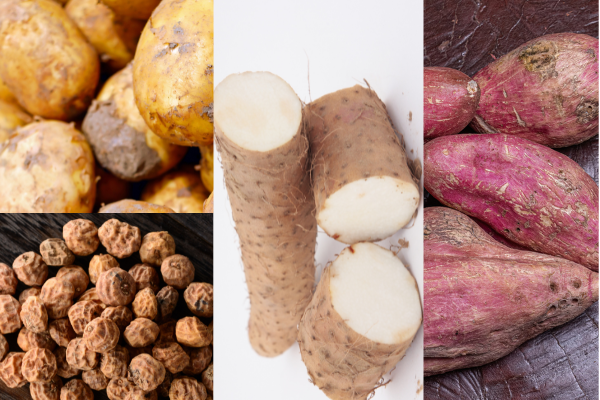
Table of Contents
When we think of vegetables, we often imagine crisp leaves, colorful bell peppers, and juicy tomatoes. However, there’s a whole world of edible goodness hiding under the ground – tuber vegetables! These underground vegetables are packed with nutrients, fiber, and flavor, making them a valuable addition to our diets.
What are Tuber Vegetables?
Tuber vegetables are underground plant parts that swell with nutrients, preparing for the next season’s growth. They can be stems or roots, and their unique characteristic is their ability to store energy-rich compounds. This group includes familiar favorites like potatoes, sweet potatoes, carrots, beets, and onions, as well as lesser-known tubers like taro, yams, and cushcush.

Types of Tuber Vegetables
Growing Tuber Vegetables
Cultivating tuber vegetables is an intricate process that varies across different regions. Planting methods range from directly sowing tuber pieces (like potatoes) to transplanting seedlings (like taro). Proper irrigation and pest management techniques are crucial throughout the growing season.
Variety selection and breeding play an important role in improving tuber vegetables and quality. Plant breeders aim to develop varieties with desirable traits like disease resistance, better storage life, and enhanced nutritional profiles.
For instance, the development of biofortified sweet potato varieties with higher levels of vitamin A has significantly improved dietary nutrition in many parts of the world.
While many tuber vegetables are readily available in markets, growing your own can be a rewarding experience. Here are some tips to get you started:
– Choose a sunny spot with well-draining soil
– Plant tubers or seeds at the appropriate depth and spacing
– Water regularly, but avoid overwatering
– Harvest at the right time, usually when the tops die back or the tubers are mature.

Nutritional Benefits
Speaking of nutrition, tuber vegetables are an excellent source of complex carbohydrates, fiber, and various essential vitamins and minerals. Potatoes, for example, are rich in potassium, vitamin C, and antioxidants like carotenoids. Sweet potatoes are packed with beta-carotene, an important precursor to vitamin A, while yams are a good source of vitamin C and manganese.
Tuber vegetables have been associated with numerous health benefits. Their high fiber content can aid in digestion and promote feelings of fullness, making them helpful for weight management.
Some tubers, like Jerusalem artichokes, contain insulin, a type of prebiotic fiber that supports a healthy gut microbiome. Additionally, the antioxidants found in many tuber vegetables may help reduce inflammation and protect against chronic diseases.
Some notable health benefits include:
– Anti-inflammatory properties
– Immune system support
– Digestive health promotion
– Antioxidant activity
– Cardiovascular health support

Culturally and historically, tuber vegetables have played a pivotal role in numerous cuisines around the world. Potatoes, for instance, have been a staple in many European and North American diets for centuries, while taro and yams are deeply rooted in the culinary traditions of various Pacific and Caribbean cultures.
The domestication and spread of tuber vegetables across continents have shaped agricultural practices and culinary traditions over thousands of years.
Tuber vegetables have played a pivotal role in numerous African cuisines. Yams, for instance, have been a staple in many West African diets for centuries, while cassava and sweet potatoes are deeply rooted in the culinary traditions of various Central and East African cultures.
The cultivation of tuber vegetables can have both positive and negative impacts. On the positive side, many tuber crops are relatively drought-tolerant and can be grown in marginal lands, contributing to agricultural biodiversity and resilience.
However, intensive cultivation practices, particularly in monoculture systems, can lead to soil degradation, water depletion, and increased carbon footprint.
Tuber vegetables play a crucial role in food security, particularly in regions prone to food shortages and malnutrition. Their ability to grow in diverse environments and provide a reliable source of calories and nutrients makes them a valuable safety net for many communities.
Additionally, the cultivation and consumption of tuber vegetables are often deeply intertwined with cultural practices, traditions, and social identities.
Tuber vegetables are a crucial agricultural commodity, particularly in developing countries where they serve as staple crops. The global trade of potatoes, sweet potatoes, and cassava involves complex supply chains and market dynamics.
In regions where tuber vegetables are a significant food source, their cultivation and trade can have a profound impact on the livelihoods of farmers and local communities.
Cooking Tuber Vegetables
Tuber vegetables are versatile and can be prepared in various ways to bring out their natural flavors. Here are some popular methods:
– Baking
– Boiling
– Roasting
– Mashing
– Frying
– Grilling
– Steaming
What Is the Difference Between a Root and A Tuber Vegetable?
Root vegetables are plant roots that store nutrients, such as carrots, beets, and radishes. They typically grow deeper into the soil and have a more uniform shape. Tuber vegetables, like potatoes and yams, are thickened underground stems that store nutrients.
Unlike roots, tubers have buds (eyes) from which new plants can grow. Tubers generally grow closer to the soil surface and can vary widely in shape. While both types of vegetables store energy for the plant, roots are primarily nutrient-absorbing structures, whereas tubers are specialized storage organs for starches and other carbohydrates.
Is a Carrot a Tuber?
In conclusion, tuber vegetables are a diverse group of crops that have played a significant role in human history and continue to shape agriculture, cuisine, and economies worldwide. From nutritional powerhouses to cultural icons, these underground treasures offer a wealth of benefits and opportunities for exploration and innovation.
Easiest Way to Make Ikokore Ijebu

Ikokore, a staple delicacy from the Ijebu people of Ogun state, Nigeria. This yummy yam pottage is made with grated water yam, palm oil, and a blend of meats and spices that makes it yummy!
Ikokore Ijebu is all about adding as many proteins as possible, so don’t be stingy with your favorite meats and fish.
This dish is a family affair, and I’m excited to share my recipe with you. With its rich flavors and hearty ingredients, Ikokore is perfect for a cozy night in with loved ones.

Ikokore Ijebu

Ikokore Ijebu is all about adding as many proteins as possible, so don't be stingy with your favorite meats and fish.
Ingredients
- 1 medium-sized water yam
- 10 pieces beef ( small chunks)
- 1 cup pieces smoked fish
- ½ cup smoked prawns ( dressed)
- 1½ tbsp palm oil
- 1 tbsp chopped Effirin
- Dried Pepper to taste
- Seasoning to taste
- Efirin (scent leaves) (optional)
- Salt to taste
Instructions
- Peel, wash and grate the water yam, add a little salt and mix.
- Season and steam the meat with onion, pepper, salt and beef seasoning.
- When meat is cooked add the smoked fish, prawns and correct seasoning, some more water and cook for about 3 minutes.
- Add the oil and cook for 5 minutes.
- Use your hand, put the water yam paste in small balls into the pot. Make sure to leave space between the balls to give enough room for the stock to boil up and cook the water yam.
- Reduce the heat to very low to allow the water yam balls cook. Do not stir immediately. If need be rock or shake the pot to free the water yam to cook.
- When cooked the balls are translucent and the sauce thickens. Takes about 15 minutes to cook though.
- When the balls are set you may use a wooden spoon to stir the pottage avoiding a squash the balls.
- Taste for salt, add the Effirin, cook for 2 minutes and your pottage is ready.
Tried this recipe?Let us know how it was!
Pan-Seared Salmon

Pan-seared salmon is a delicious and versatile dish that combines the natural richness of fresh salmon with a crispy, golden crust achieved through high-heat searing in a hot pan. This cooking method locks in the salmon’s moisture and flavors, creating a tender and flaky texture that pairs beautifully with a variety of seasonings and accompaniments.

Enjoyed for its simplicity and unmatched taste, pan-seared salmon is a popular choice for seafood lovers looking for a quick and flavorful meal option.

Pan-Seared Salmon

Enjoyed for its simplicity and unmatched taste, pan-seared salmon is a popular choice for seafood lovers looking for a quick and flavorful meal option.
Ingredients
- 200 g salmon steak
- 2 tbsp butter (for frying)
- fresh thyme Leaves
- 1 tsp cajun spice
- pinch of salt
- 1 tsp spice for fish
- 1 tsp paprika
- 1 tsp crushed garlic
- 1 tsp lemon juice
Instructions
- Melt butter on a heated non-stick pan at low heat, until melted.
- Rub salmon with salt, cajun spice, spice for fish and paprika on both sides.
- Add garlic in a heated pan for 60 seconds.
- Place salmon on a pan, keep searing for 10 minutes about 5 minutes per side.
- Add drops of lemon juice.
- Add drops of lemon juice.
Tried this recipe?Let us know how it was!
Vetkoek (Amagwinya) and Beef Mince Curry

Table of Contents
Vetkoek (also known as Amagwinya) and Beef Mince Curry is a delightful and comforting South African dish that combines two major dishes – a delicious fried bread and a rich, flavorful curry.
Vetkoek (Amagwinya): Vetkoek, or Amagwinya in isiZulu, is a traditional South African fried bread that has its roots in Dutch and Afrikaner cuisine. These small, round bread balls are made from a simple dough of flour, yeast, salt, and water. The dough is then deep-fried until it puffs up and turns a gorgeous golden-brown color.
Vetkoek is often enjoyed as a snack or a side dish, and it’s commonly served warm with savory fillings or toppings. The soft, fluffy interior and the crispy outer crust make it a perfect for soaking up delicious sauces or curries.
Beef Mince Curry: The Beef Mince Curry is a beloved South African curry dish that shows the country’s diverse culinary influences. It is a hearty and flavorful stew made with ground beef (mince), a fragrant blend of spices, and a tomato-based sauce.
This South African delicacy is often enjoyed as a hearty lunch or dinner, with the Vetkoek being torn apart and used to scoop up the curry.

Vetkoek (Amagwinya) and Beef Mince Curry

Vetkoek (also known as Amagwinya) and Beef Mince Curry is a delightful and comforting South African dish – a delicious fried bread and a rich, flavorful curry.
Ingredients
For Vetkoek
- 300 g strong Flour (very important that it is strong flour)
- 120 g warm water (not hot)
- 100 g milk (or amasi)
- 10 g yeast
- 50 g melted butter
- 5 g salt
- 5 g sugar
For Curry
- 1 kg minced beef
- 2 large potatoes (diced)
- 1 onion
- 1 green pepper
- 2 tomatoes
- 3 cloves garlic
- 1 thumb ginger
- ½ tsp fennel seed, aniseed, cinnamon
- 3 green cardamom
- 3 whole cloves
- 1 tsp chilli powder
- 1 tsp paprika powder
- 1 tsp ground coriander seed
- 1 tsp dried fenugreek leaved
- 1 tsp ground cumin
- ½ tsp turmeric
Instructions
For Vetkoek
- Weigh out flour in large bowl.
- Now add the yeast, sugar and salt and mix this well into the flour.
- Pour in the water, milk and butter and mix well till it just comes together.
- Let the dough rest for 10 minutes before kneading.
- After ten minutes dust with a little flour and start kneading for 5-8 minutes.
- (This will be quite a sticky dough but the more you rest and knead it, it will come together into a smooth dough.)
- After kneading, cover your dough in a large bowl and proof for 30-40 minutes (till double in volume).
- Cut the dough down into 50g pieces.
- Shape into balls and flatten slightly.
- Now proof again for 30 - 40 minutes or until the dough balls are significantly doubled in size.
- Fill a large frying pan halfway up with a neutral oil.
- Preheat the oil to medium high heat.
- Fry your Amagwinya 3 - 4 at a time till golden brown on both sides. (2-3 minutes on both sides).
- It should feel light and airy once cooked.
- (Let this rest for 10minutes before serving).
For Beef Curry
- Heat a neutral oil in a pan till medium high.
- Fry mince till golden brown and season lightly with salt.
- Remove beef from pan.
- Add fennel, aniseed, cardamom, cloves, garlic, ginger and fry for 30seconds.
- Add chopped onions and peppers and fry for 2minutes on medium heat.
- Add the remainder of the spices and salt and cook for 30 seconds.
- Chop the tomatoes, add to the pan and cook till soft.
- Put beef back into the pan along with potatoes and enough water to just cover the potatoes.
- Cook the curry till it thickens and the potatoes are soft.
- Taste for seasoning and adjust with salt if needed.
Serving
- Cut one Amagwinya in half fill with curry and enjoy.
Tried this recipe?Let us know how it was!
Dangerous Food Combinations You Should Strictly Avoid

Table of Contents
When it comes to eating, most of us don’t think twice about what we’re putting into our bodies. We often grab whatever is convenient or tastes good without considering the potential harm that certain food combinations can cause.
However, it’s important to remember that some foods just don’t mix well together, and consuming them at the same time can lead to digestive problems, discomfort, and even serious health issues.
Citrus Fruits and Milk
Who doesn’t love a refreshing glass of orange juice with their morning cereal or a creamy banana milkshake? Unfortunately, this classic combo is a recipe for digestive disaster. The acids in those citrus fruits can cause the milk to curdle, leading to a whole lot of discomfort and bloating. Not exactly the way you want to start your day?
Wine and Sweet Desserts
A glass of wine with that decadent chocolate cake? It might seem like a fancy treat, but this pairing can wreak havoc on your blood sugar levels and insulin production. Plus, the alcohol in the wine can increase the risk of storing that sweet cake as fat, leading to potential weight gain. So, unless you want to feel sluggish and uncomfortable, you might want to skip the sweet dessert.
Eggs and Fried Meat
The classic breakfast combo – eggs and bacon or sausage. While it may be a beloved morning ritual for many people, this protein-packed pairing can put your digestive system through stress. All that protein and fat can be tough to digest, leaving you feeling sluggish and uncomfortable. You can swap one of those heavy proteins for some fresh fruit or veggies next time.
Water/Juice/Soda with Food
Did you know that drinking water or juice during meals can be detrimental to your digestive health? This common habit can dilute stomach acid, hindering the proper breakdown of carbohydrates, proteins, and fats. To avoid this, it’s recommended to drink water at least ten minutes before eating to prevent enzyme dilution and support healthy digestion. Additionally, this simple habit can also help prevent overeating and promote a balanced mealtime experience.
Beans and Cheese
Combining beans and cheese might sound like a tasty idea, but it’s the easiest way to get gassy and bloated. So you might want to pick just one or the other.
Fries and Burgers
You might be surprised to learn that pairing fries with burgers, a classic combo at many fast food joints, is a nutritional nightmare. Both fries and burger patties are deep-fried, which can cause a drastic drop in blood sugar levels. This crash can leave you feeling sluggish and lethargic, making it a combo to avoid if you want to maintain your energy levels. Not exactly the way to fuel your body, is it?
Fruit and Yogurt
Think again if you assumed that combining fruits and yoghurt was a healthy choice! While both foods are nutritious on their own, together they can create a harmful mix. The acidity in fruits can react with the protein in yoghurt, damaging digestive fibers and even leading to toxic effects. This dangerous combo can also trigger food allergies, so it’s best to enjoy them separately to avoid any adverse reactions
Milk and Fried Foods
Fried chicken or fish with a glass of milk on the side? That’s a no-go. The unhealthy fats in the fried foods, combined with the proteins and sugars in milk, can be a real challenge for your digestive system to handle. You might be better off choosing one or the other to avoid any unpleasant consequences.
Juice and Cereal
Starting your day with a glass of juice and breakfast cereal may not be the energizing boost you think it is. The acids in fruit juices, such as orange juice, can actually hinder the digestion of carbohydrates by inhibiting enzyme activity, making it harder for your body to absorb the energy it needs. So, reconsider your morning routine and opt for a more harmonious food pairing to kickstart your day.
Bananas and Milk
Be aware that combining milk and bananas can create a toxic mix that leads to feelings of heaviness, mental fogginess, and physical sluggishness. However, if you still want to indulge in a banana smoothie, there’s a way to make it easier to digest. Simply add a pinch of green cardamom, cinnamon powder, or nutmeg powder to help counteract the negative effects and support healthy digestion
Pizza and Soda
The harmful combination of soda and pizza, a common offering at fast food chains. Pizza is already loaded with starch and protein, which can slow down digestion, and adding high-sugar soda to the mix can further exacerbate the issue, leading to sluggish digestion and potential health problems. It’s best to avoid this combo and opt for a healthier pairing to protect your well-being.
Fried Plantain and Sodas
Fried plantains and sodas might be a popular combo in some cultures, but this pairing is a recipe for trouble. Those fried plantains are loaded with unhealthy fats and calories, while the soda is packed with sugar and artificial ingredients. This combination can contribute to weight gain, high blood sugar levels, and other metabolic issues.
Beans and Fried Ripe Plantain
Beans and fried ripe plantain might seem like an innocent pairing, but this combo can cause some serious stomach bloating and weaken the digestion process. The fiber in the beans and the unhealthy fats in the fried plantains can be a real challenge for your digestive system to handle.
Bread and Carbonated Drinks
Bread and carbonated drinks might be a popular Nigerian combo, but it’s not exactly a healthy one. Resist the temptation to pair processed bread with sugary soda, as this dangerous duo can have devastating effects on your health. Both foods are extremely high in sugar, which can lead to toxin buildup in the body, accelerated aging, and a range of other health problems. While it may be convenient to indulge in this sweet combination, remember that it offers no health benefits and can cause long-term harm. Make a conscious choice to opt for nutrient-rich foods instead.
Beer and Nuts
A cold beer and a bowl of nuts might seem like the perfect snack, but this combo can actually impair your digestion. The alcohol in the beer can interfere with the absorption of nutrients from the nuts, leaving you feeling less than your best.
French Fries, Ketchup, and Soda
The combination of French fries, ketchup, and soda is a triple threat to your health, loaded with carbs and refined sugar. This trio can lead to stomach bloating and other digestive issues. Even a relatively healthy food like potatoes can be sabotaged by the added sugar in ketchup, making it a less healthy option. Be mindful of the ingredients and nutritional content of your meals to make informed choices.
In conclusion, while food combinations may seem harmless, they can have serious consequences on our health. By avoiding these dangerous combinations, we can ensure that our bodies are well-nourished and healthy. Remember, it’s important to listen to your body and eat food combinations that work for you, not against you.
Entrepreneur Spotlight: Jamila Zomah

Meet Jamila Zomah, a Ghanaian American, who is the founder and CEO of a food technology startup, known as African Dishout – A platform for ordering African foods online in the U.S. Jamila being able to transition from the banking industry to the food industry is one intriguing story about her.
About Jamila Zomah
Originally from Kumasi, Ghana, Jamila Zomah moved to the United States in 2012. She was living in New Jersey, and would often commute with her family to get African food and groceries in the Bronx.
Her most devastating experience was when she was on maternity leave after having her son and she would be home trying to order food from African restaurants only to realise that none of them had a delivery service.

When Jamila Zomah found it difficult to order food online from her favourite African restaurants while on maternity leave, she decided to solve that issue for herself, and other Africans living in the U.S.
She also observed that the menu of the African restaurants could not be viewed online and knowing that as Africans, food is very important to us. That was how the idea of establishing African Dishout started, with her trying to fix a problem for herself and now fixing a problem for thousands of Africans in the United States.
African Dishout
When African Dishout started, it only had one restaurant in its offering as it was the last thing on the minds of these business owners.
Zomah says at the time, these restaurants were not paying attention to delivery because the owners weren’t tech-savvy as they were owned by our regular mums and dads who are not great with the internet or with their devices. So, they had to guide them through the process gradually.
Over time, African dishout expanded and now has over 200 restaurants representing a range of African countries, which includes; Ghana, Nigeria, Senegal, Guinea, Côte d’Ivoire, Sierra Leone, Ethiopia, and Liberia. So far, they have done over 150,000 deliveries in and out of New York and the Bronx and recently launched in Massachusetts and some parts of Boston.

Being someone who was formally in the banking sector, relationship banking to be precise. She said Infusing her experience in relationship banking into the food and logistics business – African Dishout, came easy for her as she has been able to manage different clients and businesses over the years.
Regarding African Dishout, their biggest barrier was their restaurants being technologically adept. Fortunately, over the years, they’ve become more savvy as they now hire cashiers and have printers and tablets where they receive orders.
They have also been able to transition them to the app and website and today almost 90 percent of their orders are through the app. The app is accessible to both Android and iOS users and they have gotten over 15,000 downloads so far.
Jamila Zomah is a pacesetter and a goal-driven entrepreneur who wants to see her business –African Dishout become the number one destination for all Africans in the U.S. to order food, groceries, and book catering services.
She envisages African Dishout to become the African ecosystem in the United States and bring its users the ultimate, wholesome experience that they deserve.
Nigerian Native Spaghetti

Taste vibrant flavors with our exquisite Nigerian native spaghetti! With bold spices and rich pepper-based sauce, this dish is a delicious celebration of native cuisine.

Enjoy and savor every bite of this native greatness. Certainly! Here’s a recipe for Nigerian native pasta using the listed ingredients.

Nigerian Native Spaghetti

"Nigerian native spaghetti a popular, spicy, and savory dish made with locally sourced ingredients."
Ingredients
- 1 pack spaghetti
- ¼ cup Palm oil
- 1 large finely onions
- 10 pieces scotch bonnets
- 10 pieces cayenne (Shombo)
- 3-4 tbsp ground crayfish
- Crayfish Seasoning
- Salt
- Dried fish
- Smoked fish
- Kpomo (cow skin)
- Dried shrimp
- Stock fish
Instructions
- Heat the palm oil in a large pan over medium heat.
- Add the chopped onions and sauté until golden brown.
- Add the Scotch bonnet and Cayenne peppers to the pan and cook for a few minutes until fragrant.
- Stir in the crayfish and cook for another minute.
- Add the dried fish, smoked fish, kpomo, dried shrimp, and stock fish to the pot. Stir well to combine.
- Pour in some pasta water to cover the ingredients and allow to simmer.
- Season with crayfish seasoning and salt to taste.
- Cook the spaghetti in a pot, according to the package instructions until al dente.
- Once the spaghetti is cooked, drain any excess water and mix into the pan.
- Serve the native pasta hot, garnished with additional crayfish if desired.
Tried this recipe?Let us know how it was!
Easy Moist Banana Bread Recipe

Table of Contents
Banana bread is a sweet bread that a few argue it’s cake, made from batter filled with mashed ripe bananas, there are several variants, the ones made with blueberries, filled with nuts, chocolate or even made from oat flour.

It’s an easy-to-make recipe that is dynamic and can be tried by anyone. This zesty, chocolate-filled banana bread recipe is a personal favorite due to its wide flavor profile, and moist texture and it tastes like a warm hug on a rainy day.

Moist Banana Bread Recipe
This zesty, chocolate-filled banana bread recipe is a personal favorite due to its wide flavor profile, and moist texture and it tastes like a warm hug on a rainy day.
Ingredients
- 10 medium very ripe banana
- 1 cup butter
- 2 cups sugar
- 6 eggs
- 3 cups flour
- 3 tbsp baking powder
- 1 tbsp milk flavor
- 1½ cup full cream milk
- 2 tbsp vanilla
- ½ cup chocolate chips
- 1 tbsp lemon and orange zest
Instructions
- Roughly Mash ripe bananas in a bowl.
- Crack open your egg and beat into the mashed banana.
- Pour in your sugar and whisk.
- Add milk, melted warm butter whisk together.
- Add vanilla essence and milk flavors and whisk gently.
- Sieve all-purpose flour and baking powder.
- Fold all ingredients to combine.
- Add lemon and orange zest.
- Add chocolate chips and fold in to combine.
- Grease pan with oil or butter and flour mixture.
- Pour batter into pan and tap lightly on the table to let out air bubbles and even out the top.
- You can top it with lemon slices, chocolate chips or coconut shavings.
- Heat oven to 350 degrees.
- Bake for 40 minutes.
- Dip a toothpick in the middle to check if properly cooked.
- If the toothpick comes out clean.
- Your moist, flavorful banana Bread is ready.
- Allow to sit and cool on a countertop.
- Serve and enjoy with your choice of beverage.
Notes
My Personal favorite is tigernut milk.
Tried this recipe?Let us know how it was!
Banga Soup Recipe

Table of Contents


Banga Soup
A beloved comfort food cherished for its rich, velvety texture and unmistakable umami taste.
Ingredients
- 1 kg palm Fruits or 800g tinned Palm Fruit
- Dry Fish
- Dried crushed bitter leaves
- 2 medium onions
- 2 tbsp ground crayfish
- Salt and Chilli Pepper (to taste)
- Ogiri Okpei (Iru)
- 1 big stock fish
Instructions
Before you cook the Nigerian Banga Soup
- Extract the palm fruit concentrate from the palm fruits. If using the tinned palm fruit concentrate, open the tin and set aside.
- Cook the beef and the dry fish with 1 bulb of diced onion and the stock cubes till done.
- Cut the remaining bulb of the onion. Pound the crayfish, ogiri okpei and pepper in a mortar and set aside. You can also grind them with a dry mill.
Cooking the Banga
- Set the pot of palm fruit extract on the stove and start cooking at high heat.
- Leave to boil till you notice the red oil at the surface of the Banga Stew.
- If you think the Banga Soup is watery, cook till the soup has thickened to the consistency you like for your stews.
- Now, add the beef, dry fish and stock, onions, crayfish and pepper and leave to boil very well.
- Add the dried crushed bitter leaves and salt to taste. Leave to simmer for about 2 mins. The Banga Soup is ready.
- Serve with Starch, Garri, Semolina, Amala or Pounded Yam.
Tried this recipe?Let us know how it was!
