The beautiful thing about native jollof is the local Nigerian flavor infused into something that looks like the African Jollof. A heartwarming dish like no other. Nigerian Native Jollof Rice is a crowd pleaser and has a distinct name in southeastern Nigeria, among the Efik it’s called Iwuk Edesi or Palm Oil rice.
Heat up Palm oil add onions and the pepper mix. Allow to cook for 5 mins.
Add the Locust beans and saute for another 3 mins.
Add the Crayfish, Dry prawn, dry fish, Cow skin, Seasoning, smoked fish, and Seasoning.
Add already boiling water ( you can add more water and bring to a boil).
Wash the rice thoroughly and add to the pot. Stir then cover and allow to cook for 30 mins.
At this stage, the water must have gone down. Stir and correct Seasoning. Add the scent leaf (basil leaf) Allow to simmer on low heat till totally dried and cooked.
Edikaikong, a delectable Nigerian vegetable soup, combines nutrient-rich green vegetables, aromatic spices, and palm oil’s rich essence.
What Is Edikang Ikong Soup Made Of?
Edikang Ikong soup is made with a blend of leafy greens like pumpkin and water leaves, protein sources like beef, fish, and periwinkles, seasoned with peppers, onions, palm oil, and aromatic spices, creating a flavorful and nutritious broth.
What Is the Difference Between Afang and Edikang ikong?
The primary difference between Afang and Edikaikong soups is the vegetables used. The major leaf in Afang is the slimy leaves of the Afang plant, while Edika ikong is a combination of pumpkin leaves (ugwu) and water leaves.
Which Tribe Eats Edikaikong Soup?
Edikaikong soup is a traditional delicacy of the Ibibio and Efik tribes of the Akwa Ibom and Cross River states in southern Nigeria. It is an integral part of their cuisine and cultural heritage.
What Are the Health Benefits of Edikang Ikong?
Waterleaf improves blood circulation round the body, boosts immunity and aids in weight loss. Pumpkin leaves are very rich in antioxidants that help prevent cancer, boost blood circulation and promote fertility. The leaves contain anti-diabetic agents that can regulate blood glucose levels.
Wash and cut the pumpkin and water leaves into tiny pieces. Put them in separate sieves to drain out all the water as much as possible.
Cut the Kanda into small pieces. Cook the beef, kanda and the dry fish with the 2 bulbs of diced onions and the bouillon cubes with as little quantity of water as possible.
When the meat is done, add a generous amount of palm oil, the crayfish and pepper and leave to boil for about 10 minutes. The palm oil serves as the liquid in the Edikang Ikong soup. You should try as much as possible to make it the only liquid in the soup.
Add the periwinkle and water leaves and leave to cook for another 5 minutes. You may have to cook for less time at this stage so that the water leaves are not overcooked.
Now add the pumpkin leaves and salt to taste. Stir the contents of the pot very well and turn off the heat. Cover the pot and leave to stand for about 5 minutes.
We’re spotlighting our top Africooks of the month and we’re super excited to feature the amazing Shalom Okeke, aka Sobecooks! We’ve noticed your dedication and consistency in the community. Keep up the fantastic work!
AFN:Tell us about yourself!
Shalom Okeke: My name is Shalom Sobechi Okeke, I’m an experienced chef and entrepreneur based in Lagos, Nigeria. I earned a Bachelor of Arts degree in English Language and Literature from Nnamdi Azikiwe University in Awka, Anambra state.
Although I had always enjoyed cooking from a young age, I initially pursued a career in digital marketing after graduating. It was not until later that my passion for cooking and food blogging became a primary focus.
In 2022, I launched my food blogging journey, where I showcased her talent for creating diverse recipes and dishes. This quickly became my main professional pursuit as I explored the culinary arts both online and offline. I began selling my recipes, food bowls, and food trays.
AFN: Why do you cook?
Shalom Okeke: I cook because I have a deep, lifelong passion for food and the joy it can bring to people. From a young age, I have found immense satisfaction in creating delicious dishes and seeing the delight on the faces of those who enjoy them.
Cooking allows me to express my creativity, experiment with flavors, and share my love of good food with others.
AFN:What is your favorite memory in the kitchen?
Shalom Okeke: One of my most cherished kitchen memories is the first time I hosted a dinner party for my friends and family. I spent weeks meticulously planning the menu, sourcing the freshest ingredients, and perfecting each recipe.
When my guests arrived and tasted the dishes, their reactions of pure delight and satisfaction made all the hard work worth it. It was at that moment that I knew I had found my true calling as a chef.
AFN:What is your biggest cooking fail?
Shalom Okeke: Early on in my cooking journey, I attempted to make puff puff for the first time. Unfortunately, it was unsuccessful and resulted in an unappealing dish.
I was devastated at the time, but I learned a valuable lesson about the importance of technique and following recipes precisely. That experience taught me to approach new challenges with humility and a willingness to learn from my mistakes.
AFN:What kitchen equipment do you use more and can’t do without?
Shalom Okeke: I would have to say that my high-quality chef’s knife is the one piece of kitchen equipment I simply cannot do without.
AFN: What are your favorite foods to cook and why?
Shalom Okeke: One of my absolute favorite dishes to prepare is a hearty Nigerian jollof rice. I love the complex layers of flavor in this dish, from the fragrant spices to the rich, tomato and pepper-based sauce.
Jollof rice is a true staple in Nigerian cuisine, and I take great pride in perfecting my own version, which always leaves my family, friends and customers thoroughly satisfied.
AFN: What would you like to share with our audience?
Shalom Okeke: I would love to encourage anyone with a passion for food, whether novice or experienced, to embrace their creativity in the kitchen. Cooking is such a wonderful form of self-expression, and there is always more to learn and discover.
AFN:How can your fans reach you on social media?
Fans can follow me on Instagram @Sobecooks, where I regularly share recipes, cooking tips, and behind-the-scenes glimpses of my culinary adventures. I’m also active on TikTok @Sobecooks as well as the afrifoodnet website where you’ll find my recipes.
We all lead busy lives these days. Between work, family commitments, social obligations and just trying to find a little “me” time, it can be really hard to stick to healthy eating habits. Takeout and convenience foods are so readily available and often seem like the path of least resistance when you’re short on time.
But relying on those options too often isn’t great for your health or budget in the long run. That’s where meal prepping comes in – it’s the secret weapon for staying on track with healthy portions and balanced meals, even during your most hectic weeks.
I get it though, the idea of meal prepping can feel a bit daunting and overwhelming at first. Visions of spending hours in the kitchen, dealing with tons of containers, and eating the same boring meals all week might initially come to mind.
But I’m here to show you that meal prep doesn’t have to be complicated, time-consuming or bland! With a little bit of planning and some easy tips and recipes, you can become a meal prep master.
What is Meal Prepping Anyway?
Meal prepping simply means preparing some or all of your meals and snacks in advance. It involves taking a bit of time, usually on a day when your schedule allows like Sunday, to get organized for the upcoming week.
The beauty is that once it’s done, you have zero cooking, prep work or dishes during the busy workweek – just grab your prepped meals, reheat if needed, and eat! No more scrambling last minute or succumbing to takeout temptation when you’re tired and hungry.
The best part is that meal prepping is that it’s totally customizable based on your schedule, nutrition goals, food preferences and cooking abilities. Maybe for you, it means fully preparing 3 dinners and a handful of snacks and just having a few ingredients prepped like chopped veggies for other meals.
Or perhaps you like to have every meal and snack cooked and portioned out for the week. There’s no one-size-fits-all approach – you just have to find what works best for your lifestyle.
Why Meal Prep Is Worth It
I’ll be the first to admit that actually doing meal prep does require some time and effort upfront. But I’ve found the benefits easily outweigh the initial work involved. Here are a few top reasons why meal prepping is awesome:
Saves Time and Reduces Stress
With your meals and snacks already prepped and ready to go, just imagine how much time and mental energy you’ll save during those chaotic weeknights when you’d usually be stressing about what to make for dinner. Simply being able to open your fridge or freezer and grab something healthy without any effort is a total game-changer!
Supports Weight Loss/Maintenance
By controlling what goes into your meals and having healthy portions prepared in advance, it’s much easier to stick to your nutrition goals without the temptation of overdoing it. You’re also less likely to hit up the vending machine or order takeout when you have nourishing foods on hand. Meal prepping makes healthy eating a total breeze.
Saves Money
Think about how much you spend each week or month on restaurant meals, takeout, bottled beverages, etc. All of those costs can really add up! When you meal prep, you’re able to buy ingredients in bulk and get more bang for your buck. You’re also far less likely to waste food compared to buying ingredients for single meals.
Reduces Food Waste
Speaking of reducing waste, planning your meals makes it easy to use up what you have in the fridge before it spoils. The ability to freeze many prepped meals helps ensure nothing goes to waste if your plans change and you don’t get a chance to eat what you prepped right away.
How to Get Started with Meal Prepping
Hopefully, I’ve convinced you that meal prepping is worth trying! But I know just getting started can be the hardest part. To help make it as easy as possible, here’s a simple step-by-step guide:
Get Your Meal Prep Containers Situation Sorted You’ll need an assortment of air-tight, microwave-safe food containers to store all your prepped goods. This might include:
Single-serving containers for snacks and meal portions
Larger containers for ingredients, meal components, etc.
Containers specifically for freezer storage
Mason jars for storing salads, overnight oats, etc.
You can go as simple or high-tech as you’d like here, but I recommend having containers that are dishwasher, microwave and freezer safe if possible. Glass containers tend to last longer than plastic ones.
Having different shapes and sizes also allows you to get the most efficient use out of your containers. Pro tip: Find containers you actually like looking at so you’ll be more motivated to use them!
Take Stock and Make a Meal Plan Before you go grocery shopping, take stock of what you already have in your kitchen that needs to get used up – vegetables about to go bad, open cans or packages of foods, etc. Build some meals around using those up first.
Next, sketch out a rough meal plan for the week. Ask yourself:
How many meals and snacks do I want to prep? Breakfast, lunch, dinner or a combo?
Will I want access to variety or am I ok eating the same meals a few days in a row?
How many days am I actually going to need prepped food for? Account for nights you’ll be eating out, have plans, etc.
What are my favorite healthy meals that I’d be happy eating a few days in a row as leftovers?
Don’t go overboard at first – start with just a few meals and go from there as you get the hang of it. Having a loose plan will make your shopping trips easier and ensure you actually use up what you prep.
Go Grocery Shopping Make a grocery list based on your meal plan and stick to it to avoid overbuying. This is also a great opportunity to stock up on staple ingredients like olive oil, spices, broth, etc. And don’t forget to grab plenty of fresh produce!
At the store, hit the produce section first and then work around the perimeter to focus on healthy whole foods. Limit your inner aisle trips for just the few packaged items you need to cut down on the temptation for unhealthy options.
Choose Your Recipes Wisely Stick with recipes that are simple, healthy and easy to batch cook. Look for one-dish meals like casseroles, stir-fries, sheet pan meals, etc. that combine protein, veggies and healthy carbs all in one. The fewer number of recipes used, the easier your prep will be. Things to avoid arerecipes that are heavy on prep work or have a lot of fussy components.
Some great examples of meal prep-friendly recipes:
Turkey Chili
Baked Chicken
Vegan Burrito Bowls
Breakfast Sandwiches
Pasta Bakes
Grain Salad Bowls
Overnight Oats
Batch Cooking & Smart Shortcuts When you actually get into the meal prepping, enlist some smart efficient techniques to make things go faster. Cook items with similar cook times together like roasting your protein and veggies on the same sheet pan. Use your handy slow cooker and Instant Pot to handle things while you get other tasks done. Make ingredients go further by batch cooking things like:
Baked or Grilled Chicken Breasts
Hard Boiled Eggs
Quinoa and Rice
Roasted Sweet Potatoes
Sauteed Vegetables
Lentils and Beans
These building blocks can be repurposed into all sorts of different meals like salads, burrito bowls, grain bowls and more.
Apply Restaurant Tricks: Restaurants have been batch cooking, meal prepping and repurposing components for years to streamline their kitchen processes. Follow their lead by making extra servings of proteins, grains and veggies that can be used in different ways later in the week. For instance, grill a few extra chicken breasts that can go into salad or sandwiches on another night.
Sauces and dressings can make or break a meal, so have fun whipping up tasty options that will allow you to transform the same grilled chicken into completely different meals easily. Think salad dressings, sauces for grain bowls, marinades, etc. These add tons of flavor and versatility to your prepped ingredients.
Master Food Storage Techniques Once your meal prep is done, you want to make sure all your hard work stays fresh and delicious throughout the week.
Note: Label and date prepped items, rotate stored foods, and prioritize perishable items like greens and herbs. Cooked meals freeze well in airtight containers, but avoid high-moisture foods like tomatoes and watermelon.
Blanch veggies before freezing for best results. Frozen foods may change texture, but still work in cooked recipes like soups and stews. Follow recommended storage times for cooked foods to ensure flavor, nutrition, and safety. Stay organized, and enjoy your meal prep benefits! Key takeaways: label, rotate, prioritize, and freeze wisely.
Ever wanted: – something sweet, but not too sweet? – something light, but not too light? – something soft, but not too soft? Well, I made pancakes but not the typical pancakes you know. Let’s call them toaster pancakes.
The idea of losing weight often comes with the fear of feeling hungry all the time. Trying to cut calories only to end up feeling deprived and unsatisfied, making you ditch the whole weight loss effort entirely. But what if I told you there’s a way to shed those extra pounds without having to give up all the foods you love?
Cutting down on food doesn’t have to mean feeling deprived. In fact, research shows that eating nutrient-dense foods can help you feel full and satisfied while still supporting your weight loss goals. And the best part? You don’t have to give up your favorite foods completely! By making a few simple changes to when and how you eat, you can enjoy your favorite foods in moderation and still achieve your weight loss goals.
Dieting can be tough, especially when you feel like you’re missing out on the foods you love. But the truth is, you don’t have to choose between feeling full and feeling fulfilled. With the right approach, you can have both! Let’s the secrets to losing weight without feeling like you’re starving, from filling foods to smart meal planning.
12 Practical Ways to Eat What You Want and Still Reach Your Weight Loss Goals
Be Mindful of Your Portions
I’m not gonna lie; I love me a good, hearty meal. But the truth is, we often overdo it when it comes to portion sizes. Even healthy foods can lead to weight gain if you’re eating too much. Try to be mindful of your portions and control the amount of food you’re eating.
Instead of piling up your plate like it’s a mountain, I’ve learned to be mindful of serving sizes. A simple trick is to use smaller plates – it’s like a visual illusion that makes your portions look more substantial. Plus, who doesn’t love feeling like they’ve eaten a lot without actually overeating?
Plan and Stay Ahead
Plan your meals ahead of time to avoid last-minute, high-calorie choices. Not only does it save time and effort during the week, but it also helps you on track with your healthy eating goals. You could take some time on the weekend to plan out your meals and snacks for the week, and let me tell you, having everything ready to go makes it so much easier to make good choices. Here’s a complete meal-prepping guide for you.
Eat Protein-Rich Foods
Protein takes longer to digest than carbohydrates, which means it can help keep you feeling fuller for longer. Try adding protein-rich foods like lean meats, fish, eggs, tofu, and legumes into your meals and snacks.
You can start your day with a protein-packed breakfast like scrambled eggs with vegetables and whole wheat toast, smoothies or Greek yogurt with berries and nuts.
Eat Slowly and Enjoy Your Food
Fun fact: It takes 20 minutes for your brain to register that you’re full, so take your time. Stop inhaling your food like a vacuum cleaner. Enjoy every bite and take your time while eating. You could play a little fun game – how slowly can I eat without losing interest? Not only would you enjoy your food more, but your body also has a chance to register when it’s full, preventing you from overeating.
Snack Smart, Not Hard
Let’s be honest, we all get those mid-afternoon cravings. But instead of reaching for the nearest bag of chips or a candy bar, try fresh fruit, veggies or a handful of nuts to munch on. And you know what? They’re just as satisfying as their unhealthy counterparts but without the guilt trip!
Drink plenty of Water
Sometimes, thirst can masquerade as hunger. Make sure you’re drinking enough water throughout the day to stay hydrated and satisfied. Water should be your best friend. Not only does it keep you hydrated, but drinking a glass or two before meals can actually help you feel fuller faster.
Keep a water bottle with you at all times, and aim to drink at least 8 cups (64 ounces) a day.
Incorporate Strength Training Into Your Workout Routine
This would help to build your muscles and boost your metabolism. You don’t have to become a bodybuilder, just a few sessions a week will do the trick!
Small activities can also make a big difference. Little habits like taking the stairs instead of the elevator, going for a brisk walk during lunch break, or even dancing around the house like a total goofball. Whatever gets you moving.
Eat Regular Meals
Skipping meals can lead to overeating later in the day. Try to eat regular meals and snacks to keep your hunger and fullness levels stable. Eat three main meals and two snacks in between, or try a meal replacement shake or bar if you’re on the go.
Incorporate Healthy Fats
Healthy fats like avocado, nuts, and seeds can help slow down digestion and keep you feeling fuller for longer. Add them to your meals and snacks for an extra boost of satisfaction. You could add sliced avocado to your sandwich or salad, or snack on a handful of nuts and seeds.
Get Enough Sleep Each Night
This helps regulate your appetite and metabolism. Aim for 7-8 hours. Getting enough quality sleep is crucial for weight loss, my friends. When you’re well-rested, you have more energy, your cravings are under control, and less likely to overeat.
Stress Less, Weigh Less
Stress and emotional eating are dangerous to the health. You could add a stress-management techniques into your routine. Whether it’s practicing deep breathing exercises, hitting the yoga mat, or just taking a few minutes to meditate.
Keep It Fun and Fresh
Losing weight doesn’t have to be a drag, you can switch things up and try new, exciting recipes and activities. Not only does it keep you from getting bored, but it also helps you stay motivated and engaged in your weight loss journey. Whether it’s trying a new workout class or experimenting with different flavors in the kitchen, keeping things fun and fresh brings motivation.
Other Things You Should Be Mindful Of;
Avoid eating in front of screens, like your TV or phone. You’ll be less likely to mindlessly snack and more likely to enjoy your food.
Use smaller plates to trick your brain into thinking you’re eating more than you actually are. Sneaky, right?
Find healthy alternatives to your favorite treats. If you’re a sucker for ice cream, try Greek yogurt with fresh berries instead.
Eat nutrient-dense foods that fill you up without packing on calories. Like fruits, veggies, whole grains, and lean proteins.
Focus on fiber-rich foods: Fiber is essential for keeping you feeling full and satisfied. Aim for foods high in fiber like fruits, vegetables, whole grains, and legumes. You can snack on fresh fruit or veggies or try a fiber-rich breakfast like oatmeal with banana and honey.
With this you can still enjoy your regular meals and still lose weight.
Morocco, a country located in the Maghreb region of North Africa, is known for its rich and diverse culture, and its cuisine is no exception. Moroccan food is a fusion of African, Arab, and Mediterranean flavors, with a unique blend of spices, herbs, and ingredients that make it a culinary delight. The bustling markets of Marrakech and the cozy traditional Moroccan houses with interior gardens of Fez, food plays a significant role in Moroccan culture and hospitality.
In this article, we will explore some of the most popular Moroccan food, classified into appetizers, main dishes, and desserts, and look into the history and cultural significance of each dish.
Appetizers
Shlada (Moroccan Tomato Salad)
Shlada is a fresh and flavorful salad made with tomatoes, onions, garlic, and mint, dressed with olive oil and lemon juice. This salad is a staple in Moroccan cuisine and is often served as an appetizer or side dish.
The combination of juicy tomatoes, crunchy onions, and fragrant mint creates a refreshing and savory flavor profile that is perfect for hot summer days. See Recipe.
Taktouka (Roasted Pepper and Tomato Salad)
Taktouka is a warm salad made with roasted peppers, tomatoes, onions, and garlic, seasoned with paprika, cumin, and olive oil. This salad is a popular appetizer in Moroccan cuisine and is often served as a side dish or used as a topping for bread.
The smoky flavor of the roasted peppers and the sweetness of the tomatoes create a delicious and addictive flavor combination. Taktouka is a staple Moroccan food. See Recipe.
Zaalouk (Cooked Eggplant and Tomato Salad)
Zaalouk is a creamy and smoky salad made with eggplants, tomatoes, garlic, and herbs, seasoned with cumin, paprika, and olive oil. This salad is a staple Moroccan food and is often served as an appetizer or side dish.
The combination of tender eggplants, juicy tomatoes, and fragrant herbs creates a rich and satisfying flavor profile. Zaalouk is a popular dish in Morocco. See Recipe.
Maakouda (Moroccan Potato Cakes)
Maakouda is a crispy and savory potato cake, deep-fried in oil and served in a small baguette. This dish is a popular appetizer in Moroccan cuisine and is often served as a snack or side dish.
The combination of crispy potatoes, crunchy bread, and savory spices creates a delicious and satisfying flavor combination. Maakouda is a staple in Moroccan cuisine and is often served at special occasions and celebrations. See Recipe.
Main Dishes
Chicken Tagine
Chicken tagine is a slow-cooked stew made with chicken, onions, garlic, ginger, cumin, coriander, and preserved lemons, cooked in a traditional Moroccan clay pot called a tagine. This dish is a staple in Moroccan cuisine and is often served at special occasions and celebrations.
The combination of tender chicken, flavorful spices, and tangy preserved lemons creates a rich and satisfying flavor profile. Chicken tagine is a very popular Moroccan food. See Recipe.
Moroccan Chicken Tagine
Couscous
Couscous is considered Morocco’s national dish, a hearty and comforting dish made with semolina flour, water, and salt, served with a variety of vegetables, meat, and sauce. This dish is a staple in Moroccan cuisine and is often served on Fridays and special occasions.
The combination of fluffy couscous, flavorful vegetables, and savory meat creates a delicious and satisfying flavor combination. Couscous is a common Moroccan food. See Recipe.
Rfissa (Chicken and Lentil Stew)
Rfissa is a flavorful and nutritious stew made with chicken, lentils, onions, garlic, and spices, served over a bed of shredded msemen (traditional Moroccan bread). This dish is a popular main course in Moroccan cuisine and is often served at special occasions and celebrations.
The combination of tender chicken, flavorful lentils, and savory spices creates a rich and satisfying flavor profile. See Recipe.
Bissara (Fava Bean Soup)
Bissara is a comforting and nutritious soup made with fava beans, onions, garlic, and spices, served with barley or wheat bread. This dish is a staple in Moroccan cuisine and is often served as a main course or side dish.
The combination of creamy fava beans, flavorful onions, and savory spices creates a delicious and satisfying flavor combination. See Recipe.
Desserts
Mescouta (Moroccan Yoghurt Cake)
Mescouta is a moist and flavorful cake made with yoghurt, sugar, eggs, and flour, flavored with lemon zest and orange blossom water. This cake is a popular dessert in Moroccan cuisine and is often served at special occasions and celebrations.
The combination of creamy yoghurt, sweet sugar, and fragrant orange blossom water creates a delicious and refreshing flavor combination. See Recipe.
Image Credit: The Spruce Eats
Chebakia (Moroccan Sesame Cookies)
Chebakia is a crunchy and sweet cookie made with sesame seeds, flour, sugar, and eggs, flavored with orange blossom water and honey. This cookie is a popular dessert in Moroccan cuisine and is often served as a snack or dessert.
The combination of crunchy sesame seeds, sweet sugar, and fragrant orange blossom water creates a delicious and satisfying flavor combination. Chebakia is a staple Moroccan food and is often served at social gatherings and celebrations. See Recipe.
Image Credit: Amira’s Pantry
Makroud (Moroccan Date Cake)
Makroud is a sweet and moist cake made with dates, flour, sugar, and eggs, flavored with orange blossom water and honey. This cake is a popular dessert in Moroccan cuisine and is often served at special occasions and celebrations.
The combination of sweet dates, fragrant orange blossom water, and crunchy nuts creates a delicious and satisfying flavor combination. See Recipe.
Image Credit: Whats4eats
Zlabia (Moroccan Doughnuts)
Zlabia is a sweet and crispy doughnut made with flour, sugar, and eggs, flavored with orange blossom water and honey. This doughnut is a popular dessert in Moroccan cuisine and is often served as a snack or dessert.
The combination of crispy dough, sweet sugar, and fragrant orange blossom water creates a delicious and satisfying flavor combination. See Recipe.
History of Moroccan Cuisine
Moroccan cuisine has a rich and diverse history that reflects the country’s cultural and historical heritage. The cuisine is a fusion of African, Arab, and Mediterranean flavors, with a unique blend of spices, herbs, and ingredients that make it a culinary delight.
Moroccan cuisine has been shaped by the country’s strategic location at the crossroads of Europe, Africa, and the Middle East, and has been influenced by the various cultures and civilizations that have passed through the region.
The cuisine has its roots in the ancient Berber and Arab traditions and has been influenced by the Moorish and Mediterranean cuisines. The Moors, who were Muslims from Spain and Portugal, brought with them their culinary traditions, including the use of spices, herbs, and ingredients such as cumin, coriander, and saffron.
The Mediterranean cuisine, which was introduced by the Phoenicians and the Romans, brought with it the use of olive oil, garlic, and lemon juice.
Over time, Moroccan cuisine has evolved and has been shaped by the country’s cultural and historical heritage. The cuisine has been influenced by the various dynasties and empires that have ruled the country, including the Almoravids, the Almohads, and the Ottomans. Each of these dynasties has brought with it its own culinary traditions and ingredients, which have been incorporated into the cuisine.
Today, Moroccan cuisine is a fusion of traditional and modern flavors, with a unique blend of spices, herbs, and ingredients that make it a culinary delight. The cuisine is known for its rich and diverse flavors, and is often characterized by the use of spices, herbs, and ingredients such as cumin, coriander, saffron, and orange blossom water.
What Is the National Dish of Morocco?
Couscous is considered the national dish of Morocco. Steamed above a pot of boiling vegetables, the dish is fluffed by hand for an hour or more to ensure the end result meets the high standards. Served with eggplants, onions, and a variety of other vegetables, couscous not only boasts a delightful taste but is also remarkably healthy.
Ingredients and Spices Used in Moroccan Food
Moroccan cuisine is known for its rich and diverse flavors, which are achieved through the use of a variety of ingredients and spices. Some of the most common ingredients and spices used in Moroccan cuisine include:
– Spices: cumin, coriander, saffron, cinnamon, ginger, and turmeric
– Herbs: parsley, cilantro, mint, and basil
– Ingredients: olive oil, garlic, lemon juice, and orange blossom water
– Meats: lamb, beef, chicken, and fish
– Vegetables: tomatoes, onions, bell peppers, and eggplants
– Fruits: dates, oranges, and lemons
Cooking Techniques
Moroccan cuisine is known for its rich and diverse cooking techniques, which are used to prepare a wide range of dishes. Some of the most common cooking techniques used in Moroccan cuisine include:
– Tagine: a slow-cooking method used to prepare stews and braises, typically cooked in a clay pot with a conical lid.
– Grilling: a popular cooking technique used to prepare meats, vegetables, and fruits, often served as a skewer or kebab.
– Stewing: a cooking technique used to prepare tender and flavorful dishes, often made with meat, vegetables, and spices.
– Roasting: a cooking technique used to prepare crispy and flavorful dishes, often made with meats, vegetables, and spices.
– Steaming: a cooking technique used to prepare light and flavorful dishes, often made with vegetables, meat, and spices.
Moroccan Traditional Cooking Utensils
Moroccan cuisine is known for its traditional cooking utensils, which are often made from clay, wood, and metal. Some of the most common traditional cooking utensils used in Moroccan cuisine include:
– Tagine pot: a clay pot with a conical lid, used to prepare slow-cooked stews and braises.
– Kuzi: a small clay pot used to prepare soups and stews.
– Msemen: a traditional Moroccan bread-making tool, used to shape and cook bread.
– Ras el hanout: a spice blend made from a variety of spices, used to flavor and season dishes.
– Harsha: a traditional Moroccan mortar and pestle, used to grind and mix spices and ingredients.
Conclusion
Moroccan cuisine is a rich and diverse culinary tradition that reflects the country’s cultural and historical heritage. From the spicy and savory tagines to the sweet and crunchy pastries, Moroccan food is a journey of flavors and aromas that will leave you wanting more. Whether you’re a foodie, a traveler, or simply a lover of good food, Moroccan food is a must-try. So, come and explore the flavors of Morocco, and discover the magic of its cuisine.
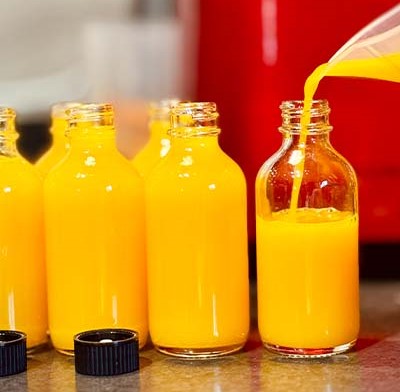
The vibrant juice that’s as refreshing as it is healthy: Pineapple Turmeric and Ginger Juice. This blend brings together the tropical sweetness of pineapple, the earthy warmth of turmeric, and the zesty flavor of ginger to nourish the body.
Incorporating pineapple, turmeric, and ginger juice into your diet can be a delicious way to reap numerous health benefits and support overall well-being.
Nutritional Benefits of Pineapple Turmeric and Ginger Juice
Anti-inflammatory properties: Turmeric and ginger are known for their potent anti-inflammatory effects, which can help reduce inflammation in the body, reducing the risk of chronic diseases.
Digestive health: Ginger aids in digestion by stimulating the production of digestive enzymes, while pineapple contains enzymes that support the breakdown of proteins, promoting better digestion and gut health.
Immune support: All three ingredients are rich in antioxidants, vitamins, and minerals that boost the immune system, helping to ward off infections and illnesses.
Detoxification: Ginger stimulates circulation and promotes sweating, aiding in the body’s detoxification process.
Turmeric also supports liver function, helping to detoxify the body from harmful toxins.
Skin health: The antioxidants in pineapple, turmeric, and ginger can help combat free radicals, which contribute to premature aging and skin damage, promoting a healthy, radiant complexion.
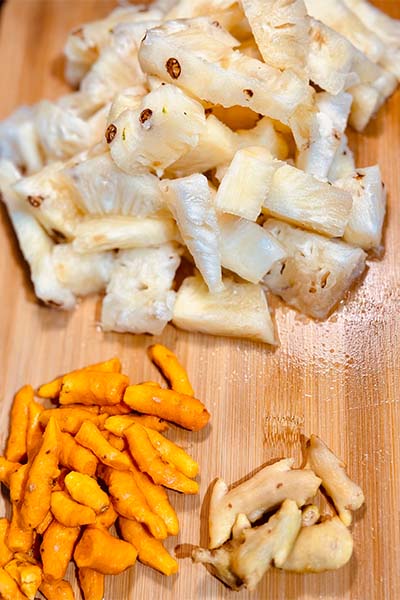
Wash and peel 1 medium sized pineapple, and dice into smaller pieces to be juiced.
Clean and peel a handful of turmeric roots, and chop them into smaller pieces to be used in the slow juicer.
Clean and peel half a handful of ginger roots, and chop them into smaller pieces to be used in the slow juicer.
Using a slow juicer, connected to a power source, turn the switch on and begin to transfer diced pineapples, chopped turmeric and chopped ginger in bits, into the slow juicer. (Juices will be separated from the chaff)
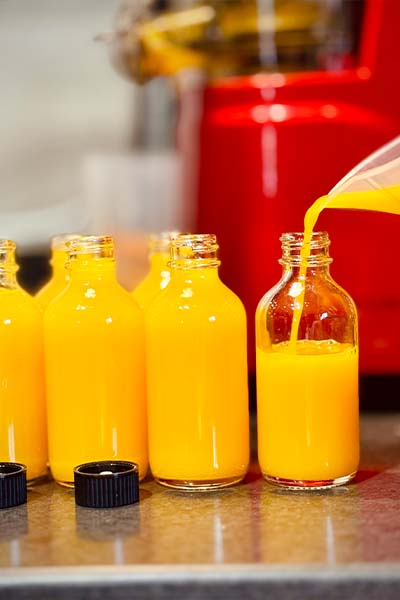
Transfer the extracted juice mixture into a measuring cup, and gradually pour into airtight glass bottles.
Store juices in the refrigerator, to be consumed within a week or two weeks.