

Easiest Way to Make Ikokore Ijebu
Overview
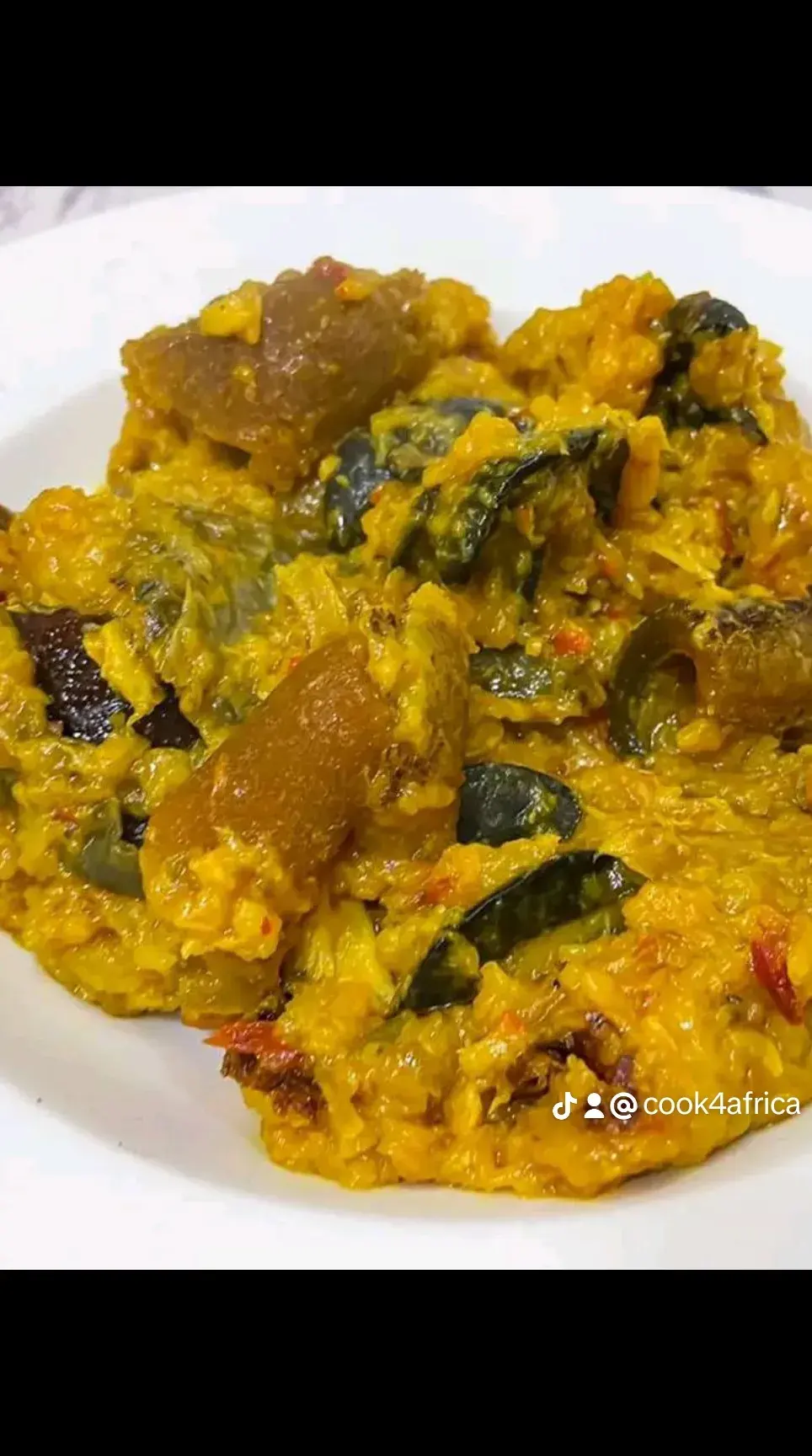
Ikokore is the water yam pottage of the Ijebu people of Ogun State in southwestern Nigeria, and it belongs to them specifically rather than to Yorubaland generally. Ijebu people claim it firmly, and it is one of the dishes by which the subgroup is identified within a much larger ethnic group. Water yam is what makes it. It is a different species from the white yam used for pounded yam, wetter and more mucilaginous, and it cannot be substituted. Grated raw rather than cooked whole, it is dropped into hot stock in loose balls that set as they cook and turn translucent, which is the visual sign the dish is ready. Those balls are the structure of the pottage, and stirring too early destroys them. The other rule is generosity with protein. Ikokore takes beef, smoked fish, smoked prawns and whatever else is available, and Ijebu cooks are explicit that holding back is the wrong instinct. Palm oil, dried pepper and efirin, the scent leaf, finish it. It is a dish made for a household eating together rather than for a single portion, and the source describes it as a family affair, which is how it is generally cooked and eaten.
AFN Heritage Note
Ikokore is documented as a dish of the Ijebu people of Ogun State in southwestern Nigeria, made from grated water yam, a distinct species from the white yam used for pounded yam. Yams have been cultivated in the West African yam belt for several thousand years.
Ingredients
Dietary tags are provided by contributors as a guide, not verified by AFN, and they depend on the products you buy. If you have a serious allergy, check every ingredient yourself. Cooking, allergies and your own judgement
Directions
- 1
Peel, wash and grate the water yam. Add a little salt and mix.
- 2
Season and steam the beef with onion, pepper, salt and beef seasoning.
- 3
When the meat is cooked, add the smoked fish and prawns, adjust the seasoning, add some more water and cook for about 3 minutes.
- 4
Add the palm oil and cook for 5 minutes.
- 5
Using your hand, drop the water yam paste into the pot in small balls, leaving space between them so the stock can boil up and cook them.
- 6
Reduce the heat to very low to let the balls cook. Do not stir immediately. Rock or shake the pot if you need to loosen them.
- 7
The balls are done when they are translucent and the sauce has thickened, which takes about 15 minutes.
- 8
Once the balls are set, use a wooden spoon to stir the pottage gently without squashing them.
- 9
Taste for salt, add the efirin, cook for 2 minutes and serve.
Africook’s Notes
 Personal notes from Taiwo Oladapo
- Do not stir once the yam balls go in. They need to set undisturbed, and stirring early breaks them into a uniform paste, which is not what ikokore should be.
- Rock or shake the pot rather than stirring if the balls are sticking. That frees them without breaking them.
- Watch for translucency. That is how you know the balls are cooked through, and it is more reliable than timing.
- Water yam is not interchangeable with white yam. It is wetter and more mucilaginous, and white yam will not hold together the same way. Buy it specifically.
- Be generous with the protein. Ijebu cooks are clear that this is a dish for loading up with beef, smoked fish and prawns rather than being sparing.
Questions cooks ask
What is water yam and can I substitute it?
Water yam, Dioscorea alata, is a distinct species from the white yam used for pounded yam. It is wetter and more mucilaginous, which is what lets grated raw yam hold together as balls in hot stock. White yam will not work: it is drier and will disintegrate. Water yam is sold at African grocers, sometimes as ewura.
Why do my ikokore balls fall apart?
You stirred too early. The balls need to sit undisturbed in the simmering stock until they set and turn translucent, which takes about 15 minutes. If they are sticking, rock or shake the pot rather than stirring. Grating the yam too finely, or adding too much water to the paste, will also cause them to break up.
What is efirin?
Efirin is the Yoruba name for scent leaf, known in Igbo as nchanwu and botanically as Ocimum gratissimum, a relative of basil with a distinct, more medicinal aroma. It goes in at the very end, since its aroma is volatile and disappears with prolonged cooking. Fresh basil is not a good substitute; parsley is closer to neutral.
Is ikokore the same as yam porridge?
No. Yam porridge uses white yam cut into pieces and boiled until it breaks down and thickens its own liquid. Ikokore uses raw grated water yam dropped into stock as balls that set and stay distinct. They are different species of yam, different techniques and different textures, and Ijebu cooks would not confuse them.
Reviews
3 reviews
You Might Also Like
Browse all Nigerian recipes →
Edo Black Soup
Nigerian Fisherman Soup
Igbo Yam Porridge
I had never cooked with water yam before, grating it was definitely a sticky workout! Dropping the wet paste into the simmering beef stock felt a little nerve-wracking because I was scared the balls would break apart, but they held their shape. Quick question though: is efirin leaf closer to sweet basil or Thai basil? I used Thai basil with the smoked fish and my family really enjoyed it.
My Nigerian neighbour near Woolies recommended I try grating the water yam instead of blending it, so I gave this a go. Dropped about 15ml sized balls of the paste directly into the boiling stock with the smoked prawns. Texture came out super lekker, not slimy at all. Used 22.5ml of palm oil like stated and cooked it just now for lunch.
my sister bought water yam for me from the market near Seven Sisters station paa. fresh efirin leaf is hard to get in Tottenham so i had to use dried scent leaf from my cupboard. the smoked prawns give it nice flavour oo but my yam balls dissolved a bit because stock was boiling too hard at first. still tasted good though.