

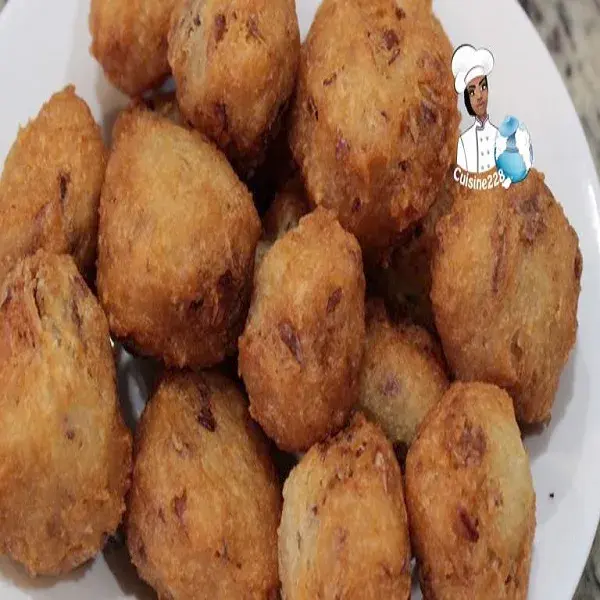
Ojojo (Yam Fritters)
Overview
Ojojo is a fritter made from grated water yam, and it belongs to the Yoruba people of southwestern Nigeria. It is finger food and street food, sold from roadside stands and made at home on weekend mornings, and it follows more or less the same procedure as akara without the beans. Water yam, isu ewura, is what makes it work. It is wetter and more mucilaginous than the white yam used for pounding or frying, and grated it holds together in the oil without any flour or binder at all. That is the whole trick of the dish: no egg, no batter, nothing but yam, onion, pepper and crayfish, held together by the yam's own starch. The texture people are after is crisp on the outside and soft, almost fluffy, inside, and that balance is what separates a good ojojo from a dense one. Grating by hand is the traditional method and gives the most reliable result; a blender works but has to be used sparingly, since water yam breaks down very quickly and too much added water leaves a mixture that will not hold its shape in the pan. It shares its main ingredient with ikokore, the Ijebu water yam pottage, which is a different dish entirely.
AFN Heritage Note
Ojojo is a finger food associated with the Yoruba people of southwestern Nigeria, made from grated water yam, Dioscorea alata, and following a similar preparation to akara.
Ingredients
Dietary tags are provided by contributors as a guide, not verified by AFN, and they depend on the products you buy. If you have a serious allergy, check every ingredient yourself. Cooking, allergies and your own judgement
Directions
- 1
Peel the yam with a knife and drop the white flesh into cold water.
- 2
Wash the yam and grate it on the smaller side of a grater.
- 3
Grate the ginger and pepper on the small side of the grater, and the onion on the largest side.
- 4
Add the crayfish and salt and whisk the mixture together.
- 5
Heat oil to 175°C.
- 6
Drop small to medium dollops of the yam mixture into the oil.
- 7
Fry until golden on both sides.
- 8
Drain and serve hot.
Africook’s Notes
- Grate rather than blend if you can. Water yam breaks down very fast and a blended mixture turns loose, which stops the fritters holding their shape.
- If you do use a blender, chop the yam first and add as little water as possible. Too much water is the main reason ojojo falls apart in the pan.
- Whisk the mixture properly before frying. Beating air into it is what gives the fluffy interior rather than a dense one.
- Water yam is slippery and irritates some people's hands. Oil your hands first or wear gloves.
- Let them cool a little before eating. The inside holds heat far longer than the crisp outside suggests.
- No flour or egg is needed. The yam's own starch binds it, and adding a binder changes the texture for the worse.
Questions cooks ask
What is water yam and can I use ordinary yam?
Water yam, Dioscorea alata or isu ewura in Yoruba, is a distinct species with wetter, more mucilaginous flesh, often faintly purple. It binds on its own, which is why ojojo needs no flour or egg. White yam will not do this: it stays firm and dry when grated and the fritters will not hold together. Water yam is sold at Nigerian grocers.
Why is my ojojo falling apart in the oil?
The mixture was too wet, almost always from blending rather than grating, or from water added during blending. Grate the yam on a box grater instead, and if you must blend, chop the yam first and use no added water. The oil being too cool also lets the fritters disintegrate before a crust forms.
What is the difference between ojojo and ikokore?
They share the main ingredient and nothing else. Ojojo is grated water yam fried into small fritters and eaten as a snack, Yoruba in origin. Ikokore is a pottage from the Ijebu, where the grated yam is cooked in a palm oil base with fish and meat until it sets into lumps. One is finger food, the other a full meal.
Can I add meat or shrimp?
Yes, and Nigerian cooks routinely do. Chopped shrimp is the most common addition, and shredded beef or chicken both work. Keep the pieces small so the fritters still hold together, and remember the crayfish is already providing a savoury depth, so season carefully once you have added another salty element.
Reviews
2 reviews
You Might Also Like
Browse all Nigerian recipes →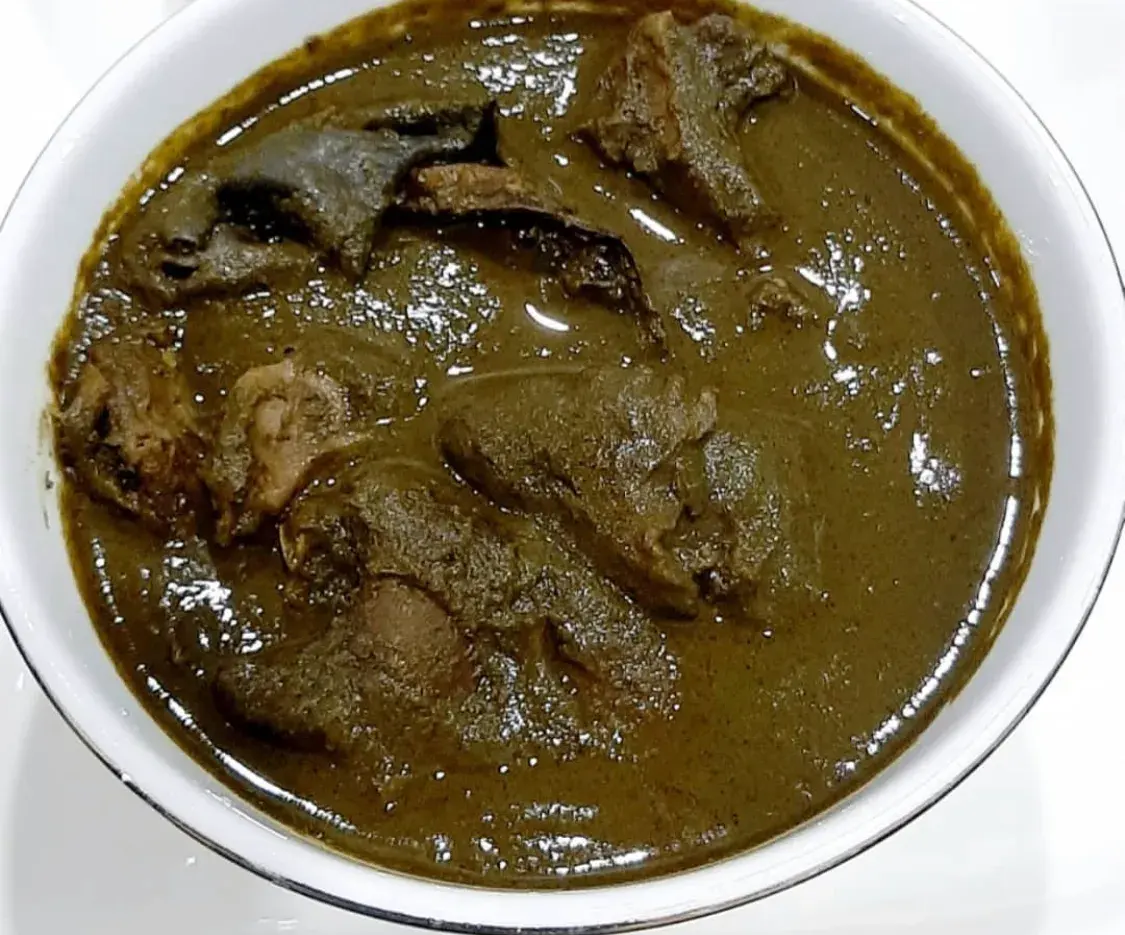
Edo Black Soup
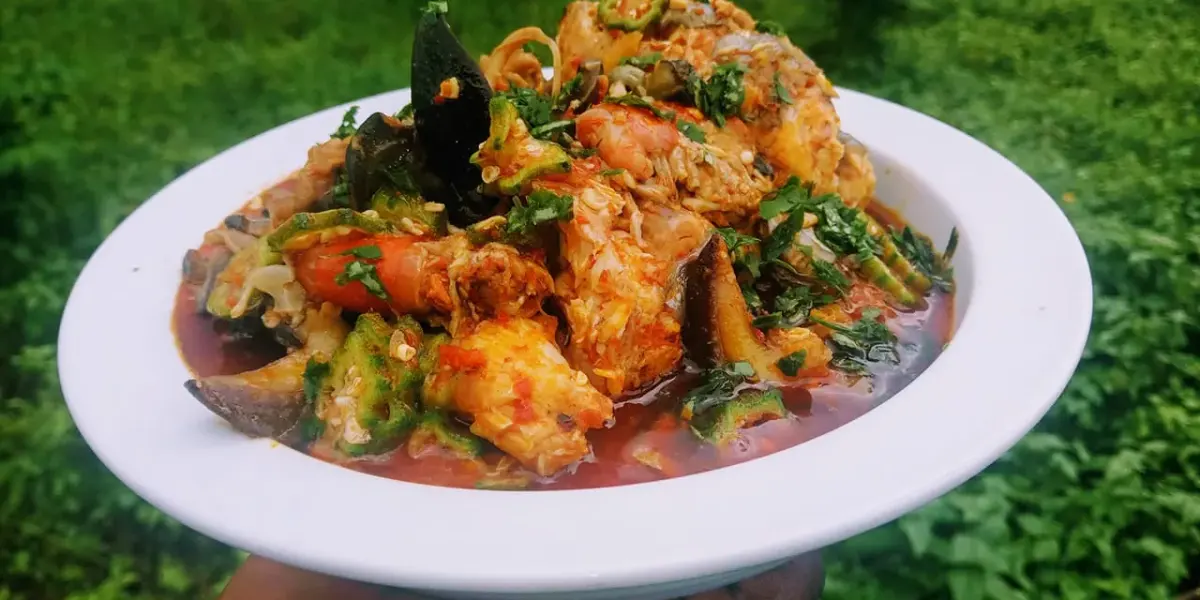
Nigerian Fisherman Soup
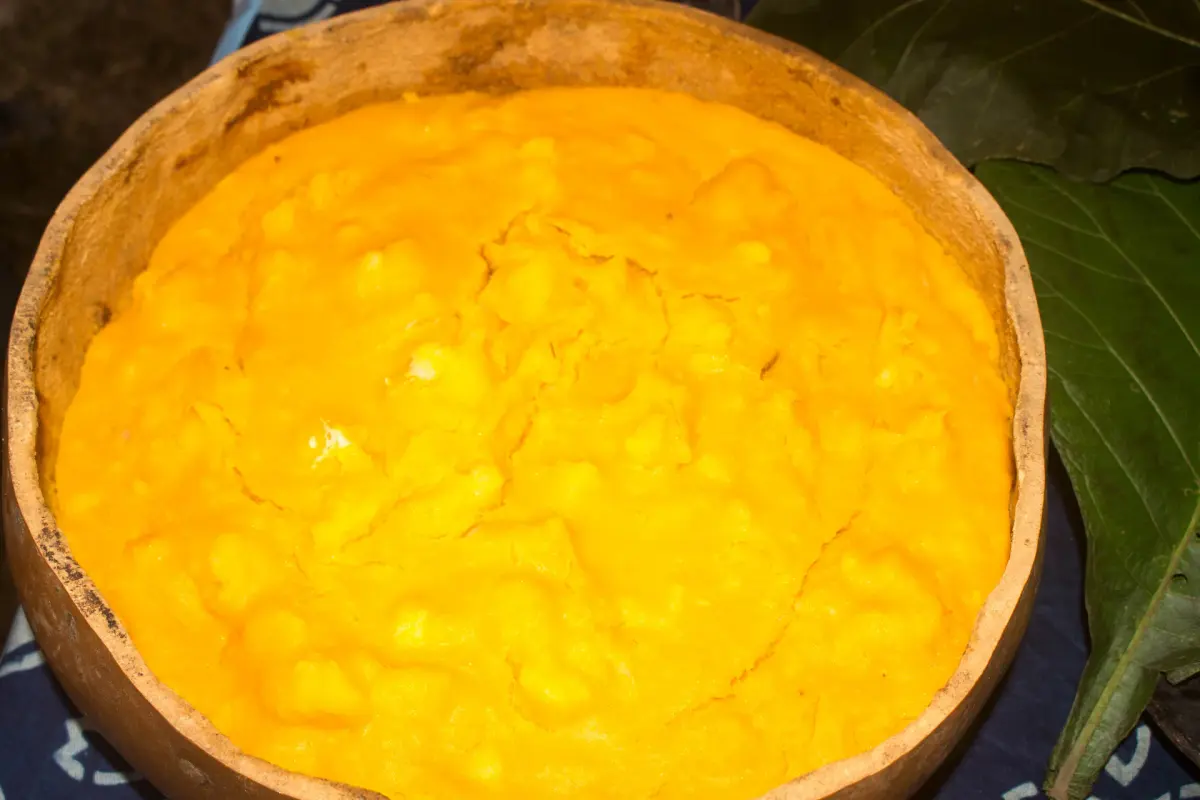
Igbo Yam Porridge
Impossible to find real water yam at my local Giant, so I had to go to the West African market near Takoma Park. In Congo we make fritters like makala, so this technique of grating the onion on the coarse side was new for me but it gives such good texture. A bit too spicy for my kids with two whole habaneros, but for me it was nostalgic.
My hand almost peeled me grating that water yam sha, but the result was worth it. Added extra ground crayfish and two rodo because my husband likes it spicy. It fried so light and crispy, not oily at all o. E sweet well well.