


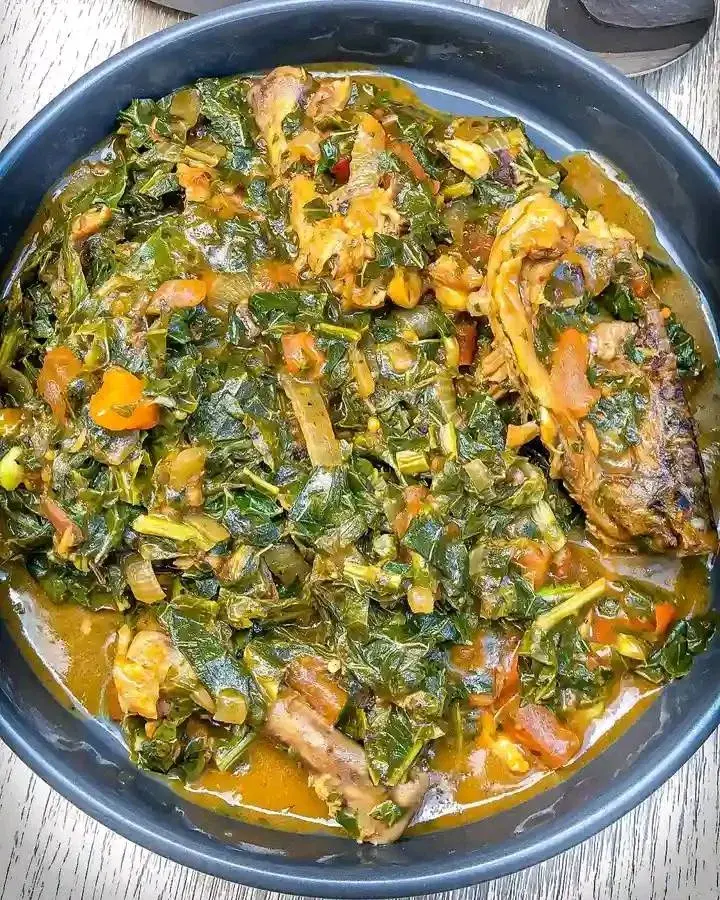
Traditional Lesotho food, or Sesotho food, is built on papa, a stiff maize porridge, eaten with moroho (cooked greens) or a meat dish such as likahare, a slow-stewed tripe. Add sorghum porridge, home-brewed beer and street food like makoenya and lekakarane, and you have the everyday table of the Basotho people.
Lesotho sits entirely inside South Africa, and it's high: its lowest point is about 1,400 metres, and more than 80% of the country lies above 1,800 metres, where temperatures can drop well below freezing. The cooking suits a high, cold country, with few ingredients, simple methods and not much spice, and the sauces are milder than in many other African countries. It shares a lot with its neighbour, too, so you'll see braai, wors and chakalaka at Basotho gatherings. Below are 20 Basotho dishes, grouped as snacks, main dishes, drinks and street food.
Snacks and starters
1. Roasted maize
Green maize cobs roasted over hot ashes or an open flame until they're smoky and charred. In the highlands, families roast them at home; in the lowlands, street vendors sell them.
2. Likhobe (boiled maize kernels)
Dry maize kernels boiled until soft and seasoned with salt. Some sources use the name likhobe for a stew of beans, berries and sorghum instead, so ask what's in the pot. Likhobe works as a snack on its own or as a side dish next to a stew.
Traditional Basotho main dishes
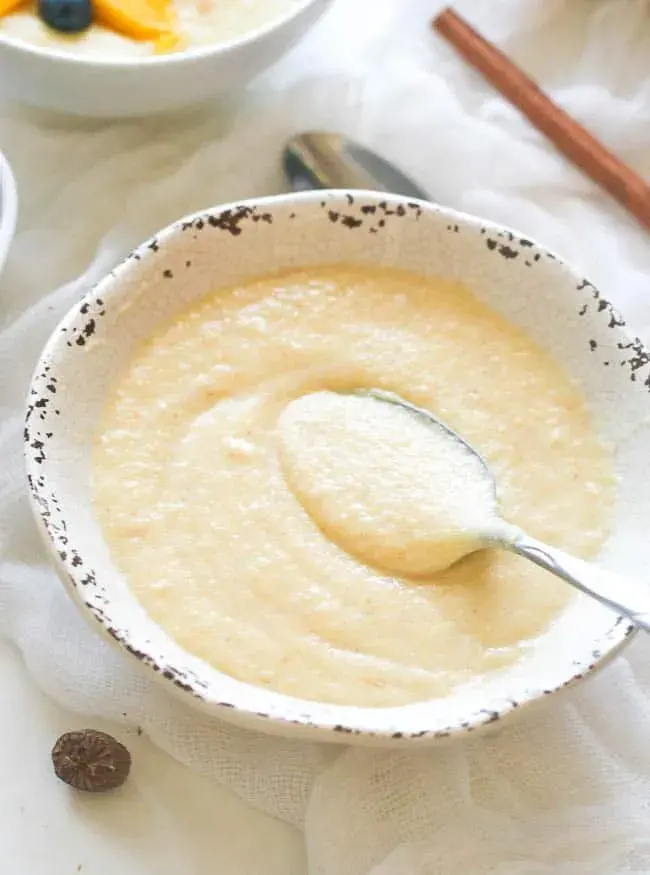
3. Papa (mealie pap)
Papa is at the centre of most Basotho meals. Water is brought to the boil and maize meal is added slowly, with constant stirring, until it's thick and firm enough to hold its shape. You eat it with your hands, scooping up moroho, meat, tinned fish or eggs. South Africans make the same porridge and call it mealie pap, and our mealie pap recipe is a good place to start.
4. Moroho (cooked greens)
Moroho is any cooked leafy green: spinach, cabbage or wild greens such as stinging nettles. One popular version, lepu, uses summer squash leaves with small squashes, cooked with salt until soft. A UN Tourism Lesotho gastronomy page gives another, moroho oa bobatsi, with the greens chopped fine and cooked in oil with curry powder. Papa and moroho together are the meal you'll meet most often.
5. Samp
Dried maize kernels pounded and broken up, then boiled until soft, sometimes with beans. In the lowlands, cooks add seasonings such as Aromat or cream of mushroom soup and serve samp with stew, meat or vegetables. Our creamy samp shows the South African way.
6. Nyekoe
Sorghum cooked with beans, sometimes with pumpkin or wheat. It can be seasoned with nothing more than salt, or with spices and vegetables, and it's good with fresh bread.
7. Likahare (tripe)
Likahare is made from the tripe and intestines of cattle, sheep, goats or pigs, which are cleaned thoroughly, boiled until soft, cut small and then cooked again in their broth until it thickens into gravy. It's eaten with papa, samp or bread, and UN Tourism lists it among Lesotho's must-try foods.
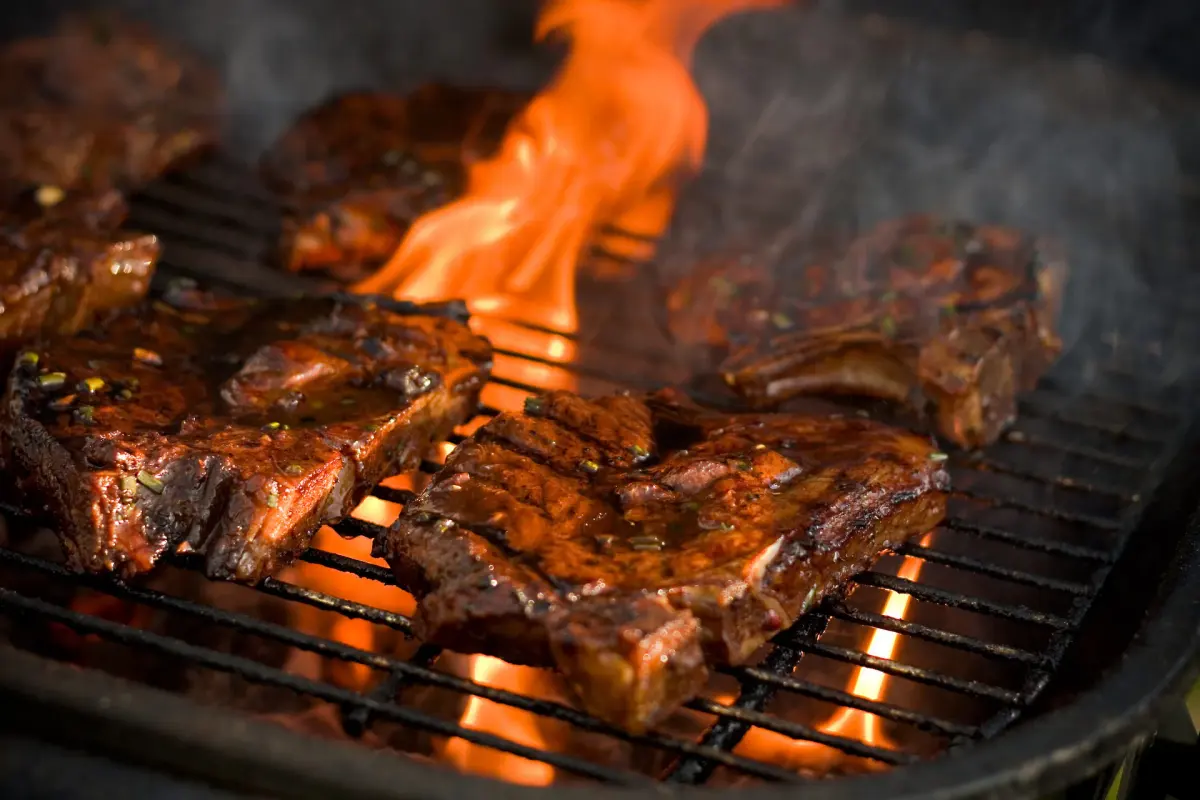
8. Braai (open-fire grilling)
Braai is shared with South Africa: meat grilled over hot coals, usually at a gathering of family and friends. In Lesotho it's served with papa and chakalaka, the spicy vegetable relish. Our braai guide covers the fire and the meat.
9. Lekakarane (hardbody chicken)
Lekakarane, which UN Tourism's Lesotho gastronomy page calls "hardbody chicken" in English, is a spent layer hen: a chicken that has stopped laying eggs. It's cooked in water and seasoned simply with salt, nothing more. UN Tourism puts it on its short list of Lesotho's must-try foods, alongside likahare and trout. You don't need a home kitchen to try it, because street vendors sell lekakarane ready-cooked, usually with a helping of papa.
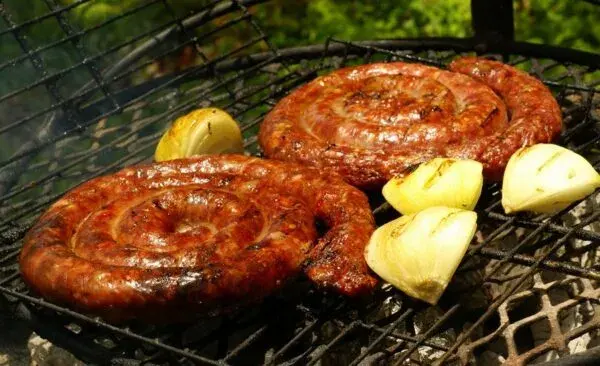
10. Wors (boerewors sausage)
Wors comes in two kinds, one for cooking on the stove and one for the grill. Cook it as it is or with tomato relish, and eat it with papa, rice, samp, pasta or bread. Our boerewors recipe explains the South African original.
11. Trout
Trout is the fish to look for, and UN Tourism lists it among Lesotho's must-try foods. It's often marinated with spices, or stuffed with vegetables and baked, then served hot with vegetables and rice.
Drinks and sweet things
12. Motoho (fermented sorghum porridge)
Motoho is sorghum meal fermented with a starter called tomoso, then boiled and stirred until thick. It's a breakfast favourite, and it's also served cold with sugar as a snack or dessert.
13. Khemere (ginger drink)
A homemade ginger drink made by boiling water with brown sugar, ginger powder, tartaric acid and cream of tartar. It's diluted with cold water, left overnight and served chilled. Some families add pineapple pieces or fruit concentrate.
14. Joala ba Sesotho (Sesotho beer)
Traditional Sesotho beer is made by mixing maize meal, malt and wheat flour and fermenting it with tomoso. It goes through several rounds of fermenting and boiling before it's ready.
Street food
15. Liphaphatha (pot-roasted bread)
Small rounds of dough cooked in a dry pot on a floured surface until golden brown. Buy them hot from a vendor and eat them with slap chips (soft fries) and a cold drink.
16. Makoenya (fat cakes)
Balls of dough deep-fried until golden, eaten with slap chips, atchar (spicy pickled vegetables), sausage, polony or just a cup of tea. They're a breakfast favourite at fast-food shops and street stalls. South Africans know them as vetkoek.
17. Chicken feet and heads
Usually boiled in salted water, though newer versions turn them into curries or sticky glazed chicken feet. Students and workers eat them with makoenya or bread. Try our chicken feet recipe.
18. Chicken feet and gizzard kebabs
A newer street food: chicken feet and gizzards, spiced, roasted and threaded onto skewers. Young and old buy them as a snack.
19. Skopo (sheep heads and feet)
Also called lithlakoana le lihloho, this is sheep heads and feet cooked in salted water and often sold cold by street vendors. Eat it with papa or on its own.
20. Bohobe (bread)
Lesotho has two main breads. Leqebekoane is steamed: UN Tourism's recipe has a wheat-flour dough, sweetened with brown sugar and raised with yeast, then cooked in hot water for about an hour. The other is baked, in a pot over coals or on a stove. South African cooks make a similar steamed bread called dombolo.
What do Basotho people eat every day?
Most days, it's papa with moroho, plus meat when there is some. Sorghum turns up as motoho, a breakfast favourite, and in nyekoe with beans; samp sometimes has beans in it too, and bread comes steamed or baked.
Lesotho food questions
What is Lesotho's national dish?
We couldn't find an official one. Papa with moroho is the meal most Basotho eat most often, so it's the dish closest to that title.
What is lekakarane?
A spent layer hen, a chicken that has stopped laying, boiled in water with salt. Its English name is hardbody chicken, and street vendors sell it cooked, usually with papa.
What is likahare?
Stewed tripe and intestines of cattle, sheep, goats or pigs, cooked twice until the broth turns into gravy. It's served with papa, samp or bread.
Is Lesotho food spicy?
Not usually. Basotho cooking uses few spices, and the sauces are milder than in many other African countries. If you want heat, reach for a spicy relish like chakalaka or atchar.
Is Lesotho food the same as South African food?
There's a lot of overlap, since Lesotho is surrounded by South Africa. Papa, braai, wors, makoenya and chakalaka are shared, while lekakarane, nyekoe, motoho and joala ba Sesotho are the ones to look for in Lesotho itself.
Never heard of lekhotloane before reading this, but pounded dried beef cooked down with salt sounds so similar to some old Appalachian cured meats we have here. Is the sour sorghum porridge (motoho) intensely tangy like a sourdough starter, or is it milder? Trying to see if any international markets in Nashville might carry fermented sorghum flour so I can understand the taste.
Hi Danielle, motoho is actually milder and smoother than a raw sourdough starter, it has a refreshing, clean sour taste rather than a sharp bite. You won't usually find fermented flour in the shops; we just take about 250g of standard coarse sorghum meal (brands like Maltabella here) and ferment it in 1 litre of warm water for 24 to 48 hours yourself. It's properly lekker chilled on a hot day or served alongside a braai. If you find plain red sorghum flour in Nashville, you can easily mix up a batch!
you completely missed liphaki! nothing beats proper papa served with fresh liphaki and grilled trout when you head up towards Sani Pass in the dead of winter. That motoho you mentioned is lekker though, cuts right through the richness if you're eating it alongside skopo.
I'm a home cook out in Boston and completely new to Lesotho cuisine, but I actually made the motoho for my family last weekend after finding this post! We really enjoyed the tartness, but I'm curious, what exactly is liphaki? Is it a specific type of leafy green? I'd love to try preparing something similar to go with trout next time.
Herh, that motoho fermented sorghum drink is so similar to how we make Hausa koko in Tamale, except we load ours with ginger and chili oo. Sorghum is so underrated for how filling it is paa. Glad to see Basotho food getting highlighted.
Sorghum is proper lekker and keeps you full the whole day. I usually boil 250g of King Korn sorghum meal with 1 litre of water, but adding ginger and chili like your Hausa koko sounds top class. I am going to try adding half a teaspoon of ground ginger just now when I cook a batch before hitting the robot traffic.
The way you described nyekoe with the whole sorghum grains, beans, and corn stewed together reminds me so much of home. Finding whole sorghum in Berlin is no be small thing sha, the Afro shops near me only stock gari, yam flour, and plantain flour. Need to ask the shopkeeper if they can order the unground grains for me.