Hi guys, it’s Easter and I decided to go to the most loved grilled fish spot in Abuja and it was nice…? Okay, that “nice” comes with a coma because something happened to me but we will keep it for the end!
As a foodie, I loved the environment, because when you enter the place, the smell of fish fills your nose, there are varieties to pick from and generally, you’d want to buy the whole market.
So I picked the fish I wanted after properly vetting it and went round as usual to make videos of the environment, the Fish and everything they sell. At the end of the day I found out that the vendor that that sold fish to me sold me spoilt fish! And that was how N4,500 went down the drain. A whole FOUR THOUSAND FIVE HUNDRED NAIRA in this economy.
Learn from me guys, make sure you check it properly, your eyes should be on your fish, don’t go anywhere when they’re preparing it, except you have a customer.
Prices are from N2,500 for Fish and N200 for Suya and it’s located at Mugadishu Barracks, Abuja, Nigeria.
African recipes are definitely taking up the culinary space. There are now different fusions of African recipes across different parts of the world. In today’s piece I will be taking you on an exhilarating journey of unique African recipes that make the World stop(but not literally).
About The African Continent
The African continent is the second-largest and second-most populous continent in the World. It covers about 20% of the Earth’s land area and 6% of its total surface area.it has about 1.4 million people and accounts for about 18% of the world’s human population.
The continent Africa is rich in a wide range of natural resources such as copper, oil, cobalt, petroleum, copper, gas, iron ore ,cocoa, diamonds, sugar and salt.
They also have a variety of recipes, it is said that there are over 2,000 African recipes and even more that have not been written about.
Astonishing Easy African Recipes
There are a variety of African recipes and in this piece I will be highlighting different African recipes from all the regions in Africa. Africa has 5 regions which are East Africa, North Africa, West Africa, South Africa and Central Africa.
The first of the African recipes to open the show today, would be the Malva Pudding. Malva Pudding is a sweet decadent South African dessert with a caramelized exterior and spongy interior soaked in tasty warm butter.
It is a big part of South African Desserts, it is easy and you can create more desserts out of one recipe, the great thing about this dessert is that you can add more ingredients like Fruits, Nuts, and Wines. It’s a perfect traditional oldie
Malva Pudding Recipe
It is a sweet pudding of South African origin and it contains apricot jam and has a spongy caramelized texture. A cream sauce is often poured over it while it is hot, and it is usually served hot with custard and/or ice-cream.
It is such a fluffy, moist cake that some people say its name, “malva,” comes from the Afrikaans word for “marshmallow!”.
What Country Does Malva Pudding Come From?
South Africa! It’s said it was first brought to Africa by Dutch settlers in 1652 and was served after lunch or dinner (in the evening) to the Dutch ‘upper-class’, living in and around the Cape of Good Hope.
What is the History of Malva Pudding?
Malva pudding is made in certain parts of the Netherlands. The origin of this recipe is decidedly Dutch. Dutch colonists brought the pudding to South Africa when they arrived, most in connection with Dutch East India explorations, in the mid-1600s.
How To Make Malva Pudding
It all starts with a wonderful spongy cake, flavored with apricot jam, that bakes until the exterior becomes somewhat caramelized. Then, after poking holes throughout the sponge, a mixture of heavy cream, milk, butter, sugar, and salt, is poured over the pudding.
The textures of the caramelized exterior, spongy center, and delicious creamy liquid are out of this world!
The next of the African recipes on the list is the amazing Ethiopian stew Doro Wat. This is a personal favorite because of its nice savory taste.
What is Doro wat?
Doro wat means “chicken stew”. To break it down further, Doro stands for chicken while wat means stew. This translation is gotten from Amharic, the language spoken in Ethiopia.
Where is Doro wat from?
As established earlier, Doro wat is an Ethiopian special. Ethiopia is the largest and most popular country in the east of Africa and its capital is Addis Ababa.
This Ethiopian cuisine is also especially served to visitors and in the family during special seasons or holidays. It’s also available at Ethiopian restaurants all over the world.
You would think you’ve had a spicy dish before until you taste this one. It is spicy.
It is flavored with niter kibbeh, a spicy butter made with fenugreek, hot chilis, paprika, cardamom, coriander, and berbere, a spice mix made with fenugreek, hot chilis, paprika, cardamom, and coriander.
Is Doro Wat healthy?
Ethiopian cuisine is delicious and boasts of numerous health benefits, but just like Doro wat, it starts with an appetizing aroma of spices and inviting colorful dishes.
How to prepare Doro wat
Many people would rather not take on this meal themselves because of the length of time it takes to prepare. But, every second is worth it because it comes out delicious. For an average Ethiopian, it is the time that gives the flavor and they do not mind.
In preparing this African Recipes, you should lend yourself a lot of time and note the following elements and their relevance in this recipe.
Berbere; a basic ingredient used in the Doro wat recipe. It is a fiery, bright red, and flavorful Ethiopian spice blend. Its spices are toasted and ground for maximum flavor.
Injera; A sour fermented flatbread with a slightly spongy texture, traditionally made of teff flour. In Ethiopia, Eritrea, and some parts of Sudan, injera is the staple food of Eastern Africa just like rice and bread in other parts of the world.
The next on the list of African Recipes would be Koki Corn, koki corn is a typical Cameroonian delicacy made from fresh corn that has been crushed and cooked in either banana leaves or corn husks. It feels like Moi-Moi but it is made out of corn.
What is Koki Corn?
Koki Corn is a traditional Cameroonian meal. It is characterized by its yellow color which comes from red palm oil and its sweet taste which comes from fresh corn.
This dish is cooked in West Africa, predominantly in Cameroon during the rainy season because of the abundance of fresh corn.
Corn is a staple food in the West African region, and steamed corn recipes are commonly eaten.
Corn moimoi, ekoki, and okpo oka are Nigerian examples which are similar to this Cameroon recipe.
The differences between koki corn and these Nigerian dishes are that it is very simple and uses only a few ingredients.
The sweetness of the corn and the savory flavors of the added ingredients work well together to create an amazing tasting dish, which is suitable for vegetarians.
Koki Corn Recipe
This is one of the African recipes that is quite easy though it might be a little labor of love. All you need to do is cut some corn off the cob.Then you coarsely grind the corn mix with some ingredients, wrap, steam and enjoy your life! Who wants to eat some Koki Corn?
You can serve this dish as a meal on its own or with a protein of your choice: chicken, meat.
These one of African recipes is widely eaten across continents is Mhajeb. Mhadjeb or Mahjouba is a traditional Algerian dish consisting of a fine crepe-like semolina-based flatbread stuffed with onion, garlic, tomato, peppers, and spices.
Origin of Mhadjeb
It was first made by a woman who never went out and no one knew anything about her. She was called Mahjouba, and for Algerians, this word means both the unknown woman who does not leave the house and the honorable woman.
She used to prepare it and send it along with one of her children. To sell it in the market and claim that it is the hottest and hottest of the veiled people, and people circulated it and began to love it, giving it the name Mhadjeb.
Although there is dough in it, it is very thin and contains a well-cooked mixture of vegetables. This traditional, popular dish has long been popular among Algerian families, and the women of Algeria have mastered it. Its fame stems from the simplicity of its ingredients.
How To Make Mhadjeb
This African recipe is a flaky pancake made from semolina that is traditionally stuffed with onion, tomatoes, and even dried meat or we can substitute for the minced meat and then add harissa, the success of the dough is solved in its kneading which must be long enough and then the quantity of water incorporated if these two stages are respected the shaping is a breeze.
If you don’t have semolina flour on hand, use the finest semolina you can find or quickly grind the semolina in the mixer. Making the Mahjouba with only semolina can be tricky, and the dough may tear a little when stretching.
Next up on the African Recipes list is Gbegiri Soup. Gbegiri soup (Beans soup) is one of the popular soups in Nigeria, some people actually patronize the Buka (restaurants) because of this Gbegiri soup and their signature stew Buka Stew.
It is easy to make, delicious, velvety, mildly flavored, and healthy. It is mostly served with Ewedu soup and stew with amala to make a dish called abula.
What is Gbegiri Soup?
Gbegiri is a Nigerian traditional soup, which originated from the Southwestern parts of the country. It has a light orange color and is traditionally served with amala (yam flour swallow) or tuwo (corn or rice flour swallow); and meat or fish.
Traditionally, this soup is prepared either with Nigerian brown beans or black eye beans.
Gbegiri Soup Recipe
The preparation method for this African Recipes are as follows;
Soaking the beans to soften the skin before peeling.
Cooking of the peeled beans until very soft.
Using ijabe (blending broomstick) to liquefy the beans (or just blending in a blender or food processor).
Cooking the blended beans with palm oil and traditional spices.
On the list of African recipes, this is definitely a must try, Boerewors stew has become a South African classic over the years, with a creative extension in other countries. Regardless of his clime, every chef wants to explore a unique dish, after all!
Boerewors stew is made from Boerewors sausage and can be served over several side variants.
Boerewors is a fresh South African sausage that is ideal for grilling. Loosely translated, the name means “farmer’s sausage” and it’s a sausage grilled to have a chunky, coarse texture. It is slightly different from the regular sausage you may be used to.
Usually made of beef, it has an iconic spiral shape and is flavored with vinegar, nutmeg, and cloves.
How is Boerewors Stew Made?
Boerewors is a dish made of finely minced beef (occasionally with minced pork, lamb, or both) and spices (usually toasted coriander seed, black pepper, nutmeg, cloves, and allspice).
It cannot be purchased at a local meat market outside of South Africa, despite its popularity and great demand. Many South Africans are prompted to make their own, and many recipes, such as the one below, have been around for a long time.
Boerewors is traditionally designed to be a spiral sausage. To make your stew, you would need to mince or cut it into bits, as you please.
The nyama choma is an African Recipe that is a specialty of grilled goat meat. This roasted meat is very popular in Kenya where it is considered the national dish and also in Tanzania.
What is Nyama Choma?
The name comprises two words; nyama which means meat and choma which means barbecued in English. Put the two words together and you have barbecued meat.
Where Does Nyama Choma Come From?
Kenya! It is a traditional meat dish from Kenya. The origin of “Nyama Choma” traced back to Massai’s history. In the late first millennium AD, Massai eating BBQ immigrated to Massai Mara from North Africa to the East. The nomadic people wandered with a herd of cows to look forward to grass and ground.
What Is Nyama Choma Made Of?
It is made from beef or goat meat, which is then traditionally marinated in either salt alone, or in a combination of salt, lemon, chili and spice before being slowly barbecued.
The Domada Peanut stew is one of the African recipes popular amongst the Gambian people. It is usually prepared using regular veggies such as pumpkins or even potato sauce with groundnut[peanut] sauce as its base ingredient. You could add or use chicken or beef instead, for variety and luxury’s sake.
What is Domada?
It is valid to wonder about the history or relevance of the name ‘Domada”. In Mandinka, an ethnic group popular in Southern Mali, Gambia and Eastern Guinea, Domo means eating and Da is the word for a stew pot.
Is Domada The National Dish of Gambia?
Similar to Maafe, Domada is a national dish in Gambia. With this information, you can guess the wide variety of mouths that would be interested in eating it for its delicious and nutritional qualities.
Situated in West Africa, Gambia is the smallest country in the African mainland. Their economy is majorly dominated by farming, fishing and tourism especially. It is this farming culture that orientates their style of the peanut stew, Domada.
How to Cook Domada
The nutritional standard of this food is quite high when compared to the cost of its preparation. It is an advantage to have such an exquisite meal with one of the simplest methods of preparation.
For an average Gambian family, a little more luxury would be in using chicken or beef to garnish the dish instead of the regular vegetables. Other Ingredients for domada include; fresh tomatoes and tomato paste, onions[caramelized], chili pepper, and seasoning cubes. Of course not forgetting the regular seasoning for your meat stock such as garlic and salt[to taste].
The lastof the African Recipes would be the Taktouka. The word taktouka is derived from the Arabic verb taktak meaning to grind.
It is an extremely popular dish. In Morocco, it is a very common warm salad, like zaalouk, made mainly of very simple ingredients: roasted bell peppers, fresh tomatoes, onions, garlic, and olive oil.
The salad originates from Morocco but is also popular in Algeria. In the eastern part of Morocco, this salad is known as flifla while in Algeria, they call it felfla mechouia.
History & Origin Of Taktouka
This dish has its origin in the former Ottoman Empire. Tomato-based stews were one of the most common appetizers throughout the Ottoman Empire, the Middle East, and Northern Africa.
In North Africa, these dishes were referred to as shakshouka and consisted of cooked vegetables and liver or minced meat.
As trading with the American continent and Europe grew, tomatoes and chili peppers were added to these gravies and became so popular that a vegetarian version of this dish eventually appeared.
The exact origins of taktouka are disputed. Some historians believe the dish originated in Spain, others claim it was invented in today’s Israel (and brought to North Africa by Tunisian Jews), and others claim the dish is 100% Moroccan.
However, there’s no doubt that the original recipe is a part of Moroccan cuisine today.
So these are the African recipes that you need to cook now and try out. Let me know in the comments, if you have tried out any of these amazing dishes and which one you look foward to trying.
Kanafeh is a Middle Eastern pastry that is made of Kadaif which is popularly known as angel hair, akawi cheese as well as samneh or ghee (clarified butter). It is baked and then drizzled with a rose water scented syrup then sprinkled with crushed walnuts.
Kanafeh is crispy on the outside and melting on the inside. This dessert is definitely a must try.
Origin of Kanafeh
Kanafeh
It was a very popular dessert in many Middle Eastern and Mediterranean countries for a lot of centuries. The exact origin of Kanafeh is difficult to trace, however several books and culinary experts have said that the first Kanafeh is of Syrian origin.
It is said that Kanafeh was invented in Damascus in Syria in the 7th century by Mu’awiya 1, the first caliph of the Umayyad dynasty. There are also traces of an ancient version of this dessert in a thirteenth-century medieval Andalusian cookbook called Kitab al-Takibh.
The root of the name comes from the Arabic word kanaf which means to protect or to shelter. Depending on the country, the word Kanafeh can be written in many ways; knafeh, knefeh, konafa, kunafa, kunefe or kenafeh.
Kanafeh Recipe
This dessert may look tricky to prepare but it is actually quite simple. To prepare this dessert, you need to follow these simple steps, which include preparing a special syrup, shredding dough, compiling and then baking the dessert, top it with lots of walnuts and syrup.
The sweet side of this dessert comes out when the rose water syrup has been poured on it before tasting. Rose water is an essential ingredient for this recipe as it brings out lots of flavors and aromas to this pastry.
In the traditional recipe, some drops of orange dye are used in the kadaif and butter preparation to give it a bright and beautiful color . It is best eaten hot.
The major ingredients used are the Kadaif dough which is the cousin to phyllo dough which consists of water and wheat flour which are mixed together. Another major ingredient is the akawi which is basically cheese, you can replace the natural cheese made from the cows milk with mozzarella cheese.
This dessert is an exquisite one that you should definitely try out.
Kanafeh
Kanafeh is a Middle Eastern pastry that is made of Kadaif which is popularly known as angel hair, akawi cheese as well as samneh or ghee (clarified butter). It is baked and then drizzled with a rose water scented syrup then sprinkled with crushed walnuts.
slice the shredded Kadaif crosswise into 1/4- to 1/2-inch lengths and transfer to a large bowl
454 grams Kadaif
Pour the melted butter over the Kadaif and, using your hands, toss and mix the Kadaif with the butter in a gentle rubbing motion to ensure that all the Kadaif shreds are evenly coated, about 5 minutes.
340 grams Melted Butter
Transfer half the coated Kadaif to a 10-inch cast iron skillet, evenly distributing it along the bottom of the pan
Top this with the cheese mixture, spreading it evenly over the first Kadaif layer and leaving a 1/2-inch border along the rim
Spread the remaining Kadaif over the cheese and once again firmly pack it down
Bake in the preheated oven until deeply golden brown, about 40 minutes
For the Syrup:Prepare the syrup while the kanafeh bakes. In a medium sauce pot, add the sugar, lemon juice, and 1 cup of water
325 grams Sugar, 2 tbsp Lemon Juice
Simmer until the syrup reaches 234°F (112°C), or when a small amount dropped into ice water forms a soft ball
When the kanafeh is ready, finish the syrup by adding the rose and orange blossom waters.
1/2 tsp Orange Blossom water, 1 tsp Rose Water
Invert the pie onto a serving platter and drizzle with the remaining syrup. Sprinkle with chopped nuts and serve right away.
This is one of the healthiest and most favorite breakfast options of Ghanaians, especially those who live in the Southern parts. It is highly nutritious and good for babies as it strengthens their guts.
Corn dough porridge is one of the healthiest and most favorite breakfast options of Ghanaians, especially those who live in the Southern parts. It is highly nutritious and good for babies as it strengthens their guts.
Pour corn dough into a bowl and add 1 cup of water. Mix until there’s no lump in sight.
2 cups Fermented corn dough, 4 cups water
Get a strainer and strain the corn dough mixture through it.
Set the strained corn dough mixture aside.
Put a saucepan on the fire, pour in 2 cups of water, add some salt (a teaspoon or more depending on how you like it), and crush the grains of selim/negro pepper into the water and bring to a boil.
5 pcs Grains of selim/Negro pepper, salt
After a few minutes, gently pour the strained corn dough mixture into the boiling water while steadily stirring with either a spoon or spatula. This is to prevent lumps from forming.
After a few minutes, the mixture in the saucepan becomes very thick. Based on your preference, you can either add more water to loosen up the thickness or leave it just as it is.
Serve the porridge in a bowl and add sugar or any sweetener of your choice. You can choose to add milk, roasted nuts, coconut flakes or any topping of your choice. This porridge is best enjoyed when served hot or warm.
Light soup is a very popular Ghanaian soup which can be enjoyed with any swallow of your choice. It’s usually paired with fufu and majorly enjoyed at restaurants and events.
IngredientsFor Light Soup
There are several ingredients used in the preparation of the Ghanaian meal.
Light soup is a very popular Ghanaian soup which can be enjoyed with any swallow of your choice. It’s usually paired with fufu and majorly enjoyed at restaurants and events.
Wash your chicken thoroughly and pat dry. Place them in a saucepan and season with salt, seasoning tablet and one medium sized onion and ginger (blended). Cover the saucepan and cook on medium heat for about 15-20 minutes.
1 pound Chicken, 3 pcs medium onions, 2 pcs thumb sized ginger
Add washed tomatoes, habanero peppers and onions to the steamed chicken and add some water. Cook till they become soft. This should take about 20 minutes.
Take out the tomatoes and peppers and blend till smooth. Strain the blended tomatoes and peppers into the saucepan, adding water as you go.
Water
Next, blend the onions with a little water and pour it into the saucepan without straining. Add extra water, adjust the taste of the soup by adding a little bit of salt (if needed) and allow to cook on low heat for about 20-30 minutes.
Moroccan Bessara is a delicious and nice bean dip/soup that is a very popular street food as well as a family meal eaten by many. It is eaten across Morocco but it is most popular in Northern Morocco .
Bessara Recipe
Bessara
Bessara is made by soaking dried, peeled split fava beans overnight, seethe the soaked beans with garlic, olive oil, paprika, and cumin. Mix the mixture till desired quantity.
Traditionally the beans are cooked for several hours till they are broken down and then taken to the food mill to be grinded. However in modern times it does not have to be cooked for long as a blender can be used. It is so much easier and quicker and yields a smoother mixture.
If made thick, it is served as a soup from a community plate and accompanied with Moroccan bread. When made light, it is served in individual bowls, this is how the street version of the meal is served.
The major ingredients used in making this meal are the split fava beans, Olive oil, paprika, garlic and cumin.
Bessara
Moroccan Bessara is a delicious and nice ban dip/soup that is a very popular street food as well as a family meal eaten by many. It is eaten across Morocco but it is most popular in Northern Morocco .
Bring the beans to a boil then reduce the heat and simmer, partially covered, until the beans are tender, about an hour
Drain the beans in a strainer set over a bowl. Reserve the cooking liquids
Puree the beans until smooth with an immersion blender, blender, or food processor, using as much reserved broth as needed to reach your desired consistency
Stir in the lemon juice. Taste and adjust salt, keeping in mind that condiments will add flavor at the table
2 tbsp lemon, 1 1/2 tsp salt
At serving time, reheat the puree gently over medium-low heat. Serve the bessara as a dip or soup with olive oil, cumin, salt, and cayenne or harissa on the side as condiments
Guava is a tree that grows in Central and South America. The fruit is commonly eaten fresh or made into beverages, jams, and other foods. Various parts of the plant, including the leaf and the fruit, are used as medicine. People use guava leaf for stomach and intestinal conditions, pain, diabetes, and wound healing. In this article, we will be talking about this fruit and its health benefits. This is a must read.
What is Guava?
Guava Fruit
This is a common tropical fruit that is grown in many tropical and subtropical regions. The common guava is Psidium guajava (lemon guava, apple guava) , a small tree in the myrtle family (Myrtaceae). The name guava is also given to some other species in the genus Psidium such as strawberry guava which is Psidium cattleyanum and the pineapple guava Feijoa sellowiana. It was said that in 209 about 50 million tonnes of the fruit, were produced worldwide. Botanically, Guavas are berries.
The most eaten species of this fruit is the apple guava. It is simply referred to as Guava. The flowers of the tree are white having five petals and numerous stamens; the fruits are also many seeded like berries. The leaves of the tree are opposite, simple, elliptic to ovate, and about 5-15 centimeters long.
Origin of Guava
This fruit originated from an area thought to extend from Mexico. Archaeological sites in Peru showed Guava cultivation as early as 2500 BC. It was adopted as a crop in subtropical and tropical Asia, South Asia, and Oceania. They are a primary host of the Caribbean fruit fly and must be protected against infestation in areas of Florida where this pest is present.
They are grown in a lot of countries around the World and a lot of species are grown commercially and are commonly traded internationally. They are also grown in Southern Europe and Greece where they have been commercially grown since the mid-20th century and proliferated as cultivars.
Mature trees do not fare well and can only survive slightly cold weather up to -4 degrees Celsius for a short period of time. Younger trees will freeze up almost immediately.
They can be grown indoors as a home plant in pots. When grown for fruit, the trees start bearing fruits after two years and can do so for up to forty years.
Is Guava Medicinal?
Although it has a number of medicinal properties, it is the most common and popular traditional remedy for gastrointestinal infections such as diarrhea, dysentery, stomach aches as well as indigestion.
In India, a study from North Sikkim reported that locals recommend drinking hot water with bark powder mixed into it as a remedy for blood-associated dysentery.
Culinary Uses of Guava
Many countries like Mexico and some Latin American countries have this popular beverage Agua fresca and it is made from Guava. The entire fruit is a major ingredient in punch and its juice is used in sauces, ales, candies, dried snacks, fruits, and even desserts.
Another popular alcoholic beverage that is made with Guava is the Pulque de Guayaba , popular in the Latin American regions.
In the Philippines, ripe Guava is used in cooking sinigang, a Filipino savory stew. It is also a popular snack in Cuba as pastelitos de guayaba and it is also sold as street food in corners, especially during the hot seasons.
In East Asia, it is commonly eaten with sweet and sour dried plum powder mixtures. Its juice is popular in many countries. It is also often included in fruit salads. Red Guavas can be used as the base of salted products such as sauces, substituting tomatoes, especially to minimize acidity. A drink may be made from an infusion of its fruits and leaves, which in Brazil is called cha-de-goiabeira i.e., “tea” of Guava tree leaves, considered medicinal.
There was a clinical trial undertaken by Lozoya et al and compared to the placebo, patients that received Guava leaf capsules experienced a decreased duration of abdominal pain with no side effects. The good curative effect was also reported in a pilot study using Guava leaf for treating infantile rotavirus enteritis. The leaves contain ethanol which enhances male fertility.
It is said to help soothe and relax hyperactive nerves and helps sleep. It also helps reduce cholesterol levels and improve heart functions.
Nutritional Components of Guava
One guava contains 126 mg of vitamin C, which meets a whopping 209% percent of your daily recommended values. The fruit also contains 229 mg of potassium, 343 IU of vitamin A, and 27 mcg of folate. These are among the most important nutrients in the fruit.
One Guava is composed of 112 grams of calories, 23.6 grams of carbs, 4.2 grams of proteins, 8.9 grams of fiber, and about 1.6 grams of Fat.
Health Benefits of Guava
Guava
The fruit has so many health benefits because of its vast nutritional composition . We will be seeing some of these amazing health benefits of Guava.
It helps build Immunity.
They are a great source of vitamin C and contain twice the amount of vitamin C present in oranges. Vitamin C plays a major role in improving the immune system of the human body and protects from infections by killing harmful bacteria and viruses.
It is assumed that the fruit also helps prevent colds because of its high composition of vitamin C which can lessen the duration of the cold. That is because vitamin C flushes out the cold from the body relatively fast. It reinforces your iron absorption, thereby maintaining your body’s immunity levels and making the body stronger.
It helps Diabetics
it is a great source of fiber and has a low Glycemic Index, making it very diabetic-friendly. While the low Glycemic Index causes a sudden increase in sugar levels, the fiber content of this fruit ensures that the sugar levels are well regulated.
Studies show that the leaf extracts can improve blood sugar levels and they also help control hyperinsulinemia, long-term blood sugar, hypercholesterolemia, hypoadiponectinemia, and hyperglycemia. It is one of the recommended fruits for diabetic patients and those looking to prevent diabetes.
It improves Heart Health
They contain large amounts of potassium and sodium, which help control high blood pressure in patients suffering from hypertension. Eating the ripe fruit before meals is said to help lower blood pressure and decrease total cholesterol while increasing the “good” cholesterol by 8%. All these factors contribute to better heart health.
It is safe to say that the leaf extracts minimize the risk of heart disease and stroke.
It helps with Weight Loss
This is a go-to choice if you are looking to lose weight as it helps regulate your metabolism and makes your intake of proteins, fiber, and vitamins remain uncompromised. It is also a filling snack and so it keeps your stomach full for a longer duration of time.
Replacing your sugary beverages or food with Guava tea or Guavas will help you lose weight as it is filling but has low calories.
It helps improve Skin
If you are trying to look great and have great skin wary of wrinkles and all that, then this is definitely the fruit for you.
It is rich in antioxidants like carotene, lycopene, and vitamins A and C that helps protect the skin from skin-related issues. Studies have also confirmed that the antioxidants, which are present in this fruit , have anti-aging effects.
They also have anti-inflammatory and antimicrobial properties which help regain the skin’s radiance and freshness. In addition, it also stops discoloration, dark circles as well as redness, and acne. The fruit also helps tone and tighten the facial muscles, thereby leaving your skin young and supple.
It is helpful during pregnancy
This fruit is very instrumental in helping pregnancies. Neural tube defects (NTDs) are one of the most common congenital disabilities that contribute to miscarriages, infant mortality as well as disabilities. This condition is very tasking on the patients, caregivers, healthcare systems, and society at large.
A study suggests that a daily intake of 400 micrograms of folic acid at least one month before pregnancy and the entire first trimester of pregnancy could reduce the risk of NTDs by up to 80%. They are rich in folic acid and therefore a perfect fruit to be eaten during pregnancy, as it helps develop the baby’s nervous system and protects the fetus from congenital disabilities.
Also, the vitamin B present in the fruit allows cells to divide and helps the body create DNA and genetic material for the fetus. Therefore, this fruit would be a great addition to your diet during pregnancy. It is common knowledge that the fruit is also rich in vitamin C, which increases iron absorption and helps pregnant women deliver oxygen to their babies. Statistics have shown that this has increased fetal and infant growth till the age of 6 months.
It helps Eyesight
After carrots, this fruit is the next well-known fruit that helps improve eyesight and vision health. The presence of vitamin A stops the deterioration of the eyesight, it also helps to improve it. It also protects one from developing macular degeneration and cataracts.
Ways to Consume Guavas
When they are fully ripe, they have a very sweet taste and they are soft to touch just like avocado. There are several ways to eat this fruit and we have listed a few below;
The best way to consume the fruit is to eat them as they are. The entire fruit, along with the seeds and skin are edible .
You can consume them with chili powder or pepper and salt.
You can pair also pair it with other fruits in a fruit salad to enjoy it better.
Guava juice is an excellent alternative to eating fruit. The mildly sweet taste and the soft flesh make it a good option for blending juices
Cook them with some jaggery powder to make a sauce out of them. The sauce works very well with pancake, yogurt and oatmeal.
Best Nutritionist Guava Recipes to Try Out
There are some nice recipes that are very nutritional and nutritionists have recommended that for a healthier lifestyle it should be infused into your diet. They are very simple and I have outlined a few below , if you want to try them.
Guava Yogurt Smoothie
The first is the Guava yogurt smoothie . It is an easy to make recipe and the ingredients are Guava , frozen banana slices, low-fat yogurt, and ice cubes. Blend all the ingredients together and serve.
Guava Pomegranate Salad
The next Guava recipe is the Guava Pomegranate Salad and the ingredients are chopped Guavas, pomegranate pearls, and roasted peanuts. For the dressing you can use lime juice, black salt, cumin powder, and Red chili pepper.
Mix the ingredients for the dressing and add to the chopped up Guavas, peanuts and pomegranate. Serve cold.
There are several health benefits of Guava and I have outlined a few. I hope you found this article useful. I for one will definitely infuse more Guavas into my meal plan.
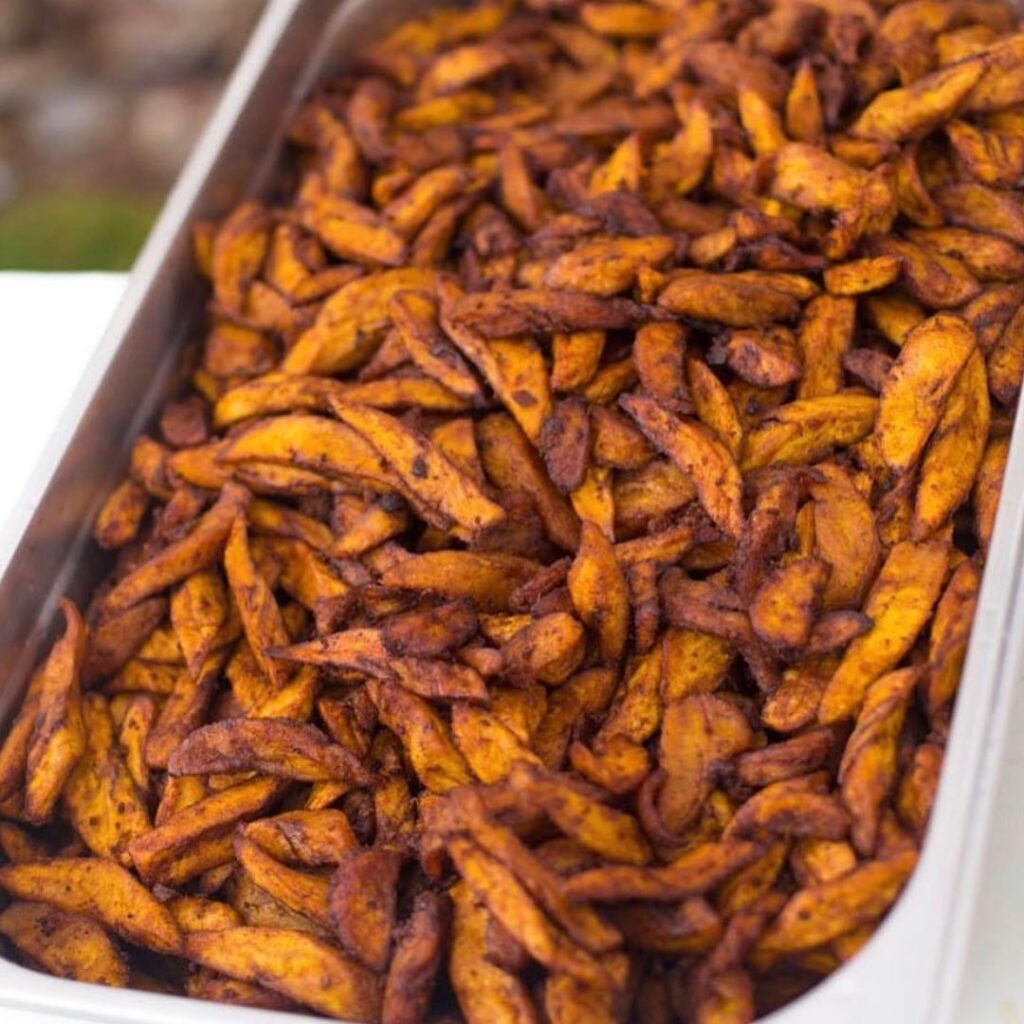
Kelewele is also called aloco. It is an African spicy fried ripe plantain that is crunchy on the outside and soft on the inside.
Origin Of Kelewele
West Africa has a large array of fried plantain recipes ranging from simple plantain chips to more elaborate fried plantain dishes. This food is of West African origin eaten precisely by the Ghanaian people. This snack is a popular street food that is very easy to make.
This Ghanaian meal is often said to be the vegetarian ‘meat’ because most vegetarians enjoy this side dish as protein in their meals. It is also a great source of potassium, however, critics say it might not be so healthy because of its large oil components. The remedy for that would be to reduce the oil quantity when frying.
Kelewele Recipe
The ripe plantains are cut transversely, mixed with spices, and deep-fried in red oil until crispy.
The basic ingredients are ginger, hot pepper, and salt. You can add other spices.
Kelewele
Kelewele is an African spicy fried ripe planntain that is crunchy on the outside and soft on the inside. Credit:Immaculate Bites
Use a sharp knife to cut both ends off the plantain. Slit a shallow line down the long seam of the plantain.
Remove plantain peel by pulling it back.Cut plantains in diagonal pieces and set aside.
Blend onions , ginger, garlic, in a blend or food processor, with just enough water to facilitate blending , then add chilli pepper, lemon, nutmeg, salt and Maggi Cubes
In a large bowl toss the plantain cubes and ginger spice mixture. Let it rest for about 10 to 20 minutes to absorb the flavor
Heat up a large skillet or cast iron with oil up to ½ inch- medium-high heat until hot but not smoking
Fry the plantain cubes in batches , turning once, until golden brown, about 5 minutes. Do not overcrowd the pan( it will cause the plantains to be soggy and absorb excess oil
Transfer the fried plantains to pan lined with paper towels.Serve warm
Eid El-Fitir is upon us as the season of Ramadan ends. With the coming of the Eid El-Fitr celebration, also comes the need to cook a lot of dishes and host friends and family. So we have curated some unique meal recipes that you could prepare during the Eid eL-Fitr celebration. I am sure you were out of ideas already, so let me plug you in.
What is Eid El-Fitr?
Eid El-Fitr, Arabic: عيد الفطر, romanized to Eid al-Fiṭr is referred to as the ‘Holiday of Breaking the Fast’. It is the earlier of the two holidays celebrated in Islam, the other one being Eid El-Adha. The religious holiday is celebrated by Muslims worldwide because it marks the end of month-long dawn-to-sunset fasting, Ramadan. The holiday is known under various other names in different languages and countries around the World.
Eid El-Fitr has a particular salat which is an Islamic prayer that consists of two rakats (units) generally performed in an open field or large hall, it can also be performed in congregation and features several Takbirs in the Hanafi school of Sunni Islam.
Origin of Eid El-Fitr
The Eid El-Fitr was originated by the Prophet Muhammad, according to certain traditions, festivals were initiated in Medina after the migration of Muhammed from Mecca. A well-known companion of the Islamic prophet narrated that when Muhammad arrived in Medina, He noticed that people were celebrating specific days on which they entertained one another. At this Muhammad said that God had fixed two days of festivity: Eid El-Fitr and Eid El-Fitr.
When Is Eid El-Fitr Celebrated?
Traditionally the Eid El-Fitr begins at sunset on the night of the first sighting of the crescent moon. If the moon is not observed immediately after the 29th day of the previous lunar month (either because clouds block its view or because the western sky is still too bright when the moon sets).
Eid El-Fitr is celebrated for one to three days, depending on the country. It is forbidden to fast on the Day of Eid, and a specific prayer is said on this day. Alms are given to the poor as an obligatory act of charity before performing the Eid prayer.
African Recipes for Eid El- Fitr
There are a lot of meals that can be made to be served during the Eid El-Fitr festivities. It helps to not be monotonous with the choice of meals as it spices up the celebration and makes it so much fun as it feels like a new experience.
Biryani is a mixed rice dish that originated among Indian Muslims. It’s made using Indian spices, rice, and generally some kind of meat (chicken, beef, goat, lamb, shrimp, fish), as well as eggs and potatoes on occasion. This meal is one that Muslims enjoy eating during the Eid El-Fitr celebrations.
It is one of the most popular meals in South Asia and among the region’s diaspora. In other parts of the world, such as Southern Africa, Iraq, Thailand, and Malaysia, similar meals are produced.
This not-too-spicy rice dish bursts with delicious Indian flavors and is a go-to when you need to binge on cool(not hot as in spicy) food. It is India’s traditional celebratory dish, a fragrant delicacy that dazzles as a superb one-dish dinner.
This dish is almost certain to have originated in Iran. Even the name biriyani comes from the Persian “birinj biriyan,” which means “fried rice.”
The preparation of this rice dish can be done in a variety of ways. The uncooked meat is sometimes cooked with rice, which is known as the “kacchi” method. In some cases, the meat is prepared separately.
With properly cooked, fluffy grains of perfumed basmati rice and delicate morsels of seasoned lamb, chicken, or any cut of meat, biryani is a celebration of aroma, color, and flavor.
This is a very popular meal prepared across Africa during the Eid El-Fitir celebrations. It is a traditional Eid El-Fitr meal. It is a heavy but delicious dish for family celebrations. You can find many restaurants which usually serve grilled chicken, grilled meat, Kofta, Tarb, kebab, and other grilled meat products along with rice, pasta, and desserts.
Tarb is kofta wrapped in a layer of lamb fat that has then been grilled to a golden brown color. It is a beautiful fatty twist of the usual “Kofta“. Kofta is made of minced meat, onions, a bit of minced fat, and spices mixed.
This recipe brings a whole new dimension of flavors and textures to one of the most popular dishes in Egypt and across the Middle East.
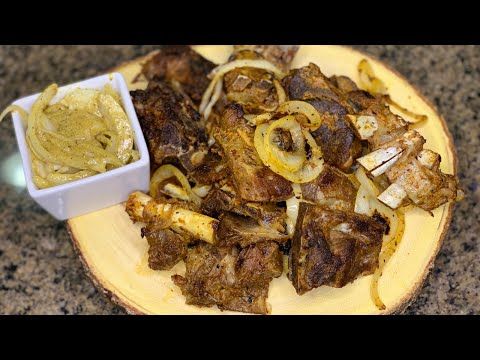
Dibi (Lamb) is a popular Senegalese dish that is mostly sold by street vendors. The major component of this delicacy is lamb, but other meats can be used.
In other parts of Africa, like Guinea and Gambia, it is called Afra. Its popularity has spread across Africa and to other parts of the world.
Dibi can be classified as an appetizer but can also pass for a whole meal on its own. If you do try this for your Eid El-Fitr celebration, share it with us okay?
The sizzling scent of smoked meat fills the air as a lamb (and sometimes another meat) is seasoned and roasted on large, wood-fired grills, before being hacked to pieces and served in bite-sized chunks on grease-stained paper.
It is the Senegalese equivalent of a Turkish kebab without all the salad. There are different ways to make this Dibi or Afra. Every cook’s style is different but the goal is to get the targeted flavor, texture, taste, and look. This recipe is so easy to make.
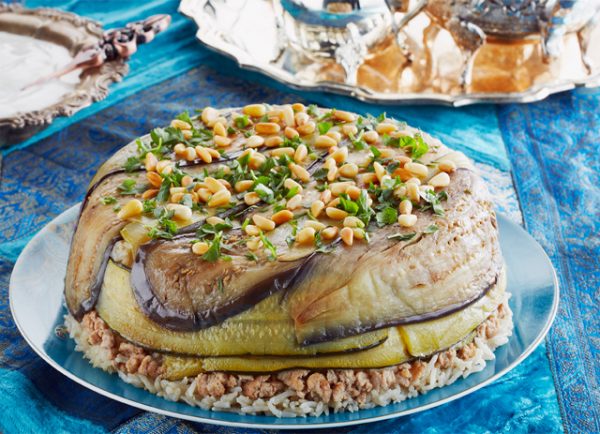
This classic Middle Eastern recipe can be spelled in a variety of ways: Maqluba, Maklouba, or Maqlooba. This is definitely a must-try recipe during Eid El-Fitr.
Maqluba is a traditional Syrian, Iraqi, Palestinian, and Jordanian dish. The dish consists of meat, rice, and fried (or baked) vegetables placed in a pot. After cooking, this pot is flipped upside down and served, turning the contents over giving it a layered appearance. It is many centuries old and is often theorized to have been invented in the 13th century.
The types of vegetables most often included in this rice dish are cauliflower and eggplant.
Other vegetables added are usually based on what the cook has in the home at the time, which can be things like potatoes or carrots.
The meats that are commonly used in Maklouba are chicken or lamb; eggplant paired with lamb and cauliflower with chicken. To garnish Maklouba, it is best to add toasted pine nuts or slivered almonds along with chopped fresh parsley.
Great side dishes to include with this recipe are a simple salad or a yogurt-based sauce. Whatever sides you make should be appropriately large because this recipe is made for feasts. It is the perfect dish when you have lots of mouths to feed because you can always add to the recipe.
Pounded yam is one of the many yam recipes in Nigeria. It is very delicious, one of the best Nigerian swallows in existence, and also very popular.
It is known as iyan by western Nigerians, foutou in Ivory Coast, fufu in Togo and Benin, and yam fufu in Ghana, and is undoubtedly the most popular traditional yam culinary product in West Africa.
Pounded yam, made with boiling white yam is a sticky dough made traditionally created by pressing and kneading or pounding the yam.
We take a bite from the dish and use our thumbs to make an impression on it. Then we eat it with a spoonful of stew or soup.
It’s usually swallowed, although depending on the stew or soup you choose to serve it with, it may take some chewing. Fufu is produced from cassava or cassava flour, Eba, Amala, and other foods of the swallow family. This meal is definitely a must on the list for Eid El-Fitr celebrations.
These are a few of my recommendations for you in this season of Eid El-Fitr. I hope you try them out and share them with us on our social media pages if you do.
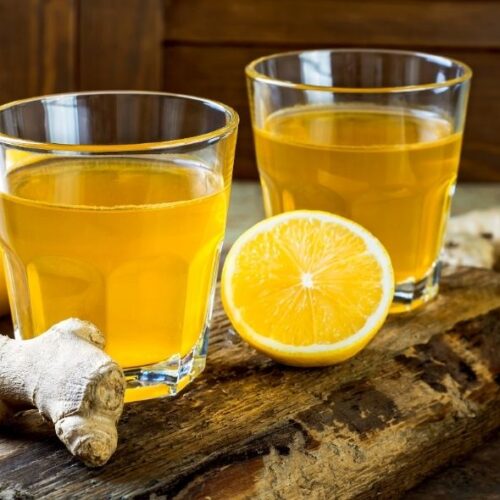
Djablani is a popular Malian drink made with Lemon, Ginger, and Baobab. The baobab fruit falls from the baobab tree, which is distinct looking and able to withstand intense heat and dry soil with an amazing lifespan of 1,500 years, it is an integral ingredient in making this amazing drink.
Health Benefits of Djablani
This Malian drink is known to reduce pain and inflammation. It also helps erase heartburn. The drink is also known to curb weight by reducing appetite and burning fat with its thermogenic effect. It is a very nutritious drink that is popular in Mali, it is simple and easy to prepare and can be served as refreshments.
Djabalani
Djabalani is a popular Malian drink made with Lemon, Ginger, and Baobab