

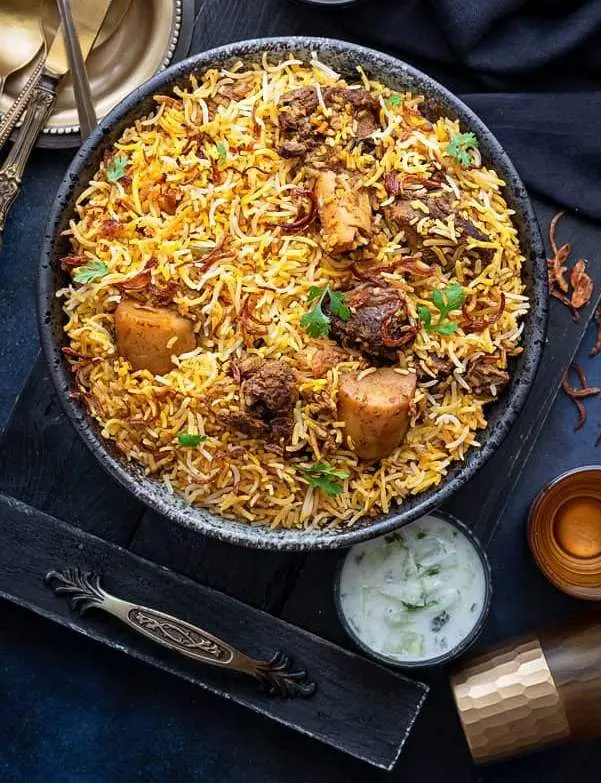
Biryani
Overview
Biryani is a layered rice dish of Persian and South Asian origin that has been part of South African cooking for well over a century, and the South African versions are now traditions in their own right. The name traces to Persian, birinj biriyan, fried rice, and the dish as it is recognised today developed among Muslim communities in the Indian subcontinent. It reached South Africa with indentured labourers brought to Natal from India from the 1860s, and separately through the Cape Malay community, whose roots lie in the people brought from the Indonesian archipelago and South Asia under Dutch colonial rule. What emerged is distinct. Durban biryani, the best known, is typically cooked with lentils and potatoes layered through the rice, and it is spiced with the chilli-forward masalas that also produced bunny chow. Cape Malay versions run sweeter, using cinnamon, cardamom and sometimes raisins, reflecting a different spice tradition entirely. The method is what makes it biryani rather than a spiced rice. Meat and rice are partly cooked separately, then layered and finished together under a sealed lid so the steam carries the spice up through the grains, dum, in the South Asian term. It is celebration food in South Africa as much as in South Asia: Eid, weddings, and large family gatherings.
AFN Heritage Note
Biryani's name derives from the Persian birinj biriyan, and the dish reached South Africa through two separate routes, indentured labourers brought to Natal from India from the 1860s, and the Cape Malay community formed under Dutch colonial rule. Durban and Cape Malay biryani developed as distinct regional traditions.
Ingredients
Dietary tags are provided by contributors as a guide, not verified by AFN, and they depend on the products you buy. If you have a serious allergy, check every ingredient yourself. Cooking, allergies and your own judgement
Directions
- 1
Wash and rinse the rice for about 3-4 times until the water looks clear. And soak the rice in clear water. Set aside.
- 2
In a large cooking pot, heat the oil and fry the onions until lightly brown.
- 3
Add in the ginger and garlic, give it a stir and fry for a few minutes until it smells fragrant.
- 4
Then put all the spices in. The cumin, coriander, chilli powder, paprika, black pepper, turmeric, salt, cardamoms, cloves, whole black peppercorns, cinnamon and bay leaves. Continue to cook for about 2-3 minutes until the spices give aroma.
- 5
Put the chicken in and stir until all the pieces are covered with spices. Let it fry until the poultry turns opaque in colour.
- 6
Then add the tomatoes in the chicken mixture and give it a good stir. Put the lid on and let it cook at low heat. Leave it to cook for about 20 minutes. Keep checking and stirring every now and again to make sure the chicken doesn’t stick to the bottom of the pot.
- 7
In the meantime, boil the water in the other pot. When it reaches boiling point, add in the rice and let it cook for about 7 minutes or until the rice is half cooked.
- 8
Add the potatoes in, stir well and continue cooking with the lid on for another 10 minutes then put the yoghurt in. Let it cook for about 5 minutes more.
- 9
When the oil slightly separates from the sauce, and you have about 1-1 ½ cup of gravy left, turn the heat off.
- 10
Using a colander, drain the half-cooked rice and pour it over the chicken biryani sauce. Spread it evenly to cover all the chicken masala (chicken curry sauce). Put the lid on. Then cook the biryani rice at low-medium heat until the steam comes out.
Africook’s Notes
 Personal notes from Nympha Nzeribe
- Par-cook the rice only. It finishes in the steam of the layered pot, and fully cooked rice turns to mush.
- Seal the pot properly. A tight lid, or dough pressed round the rim, keeps the steam in, that steam is the cooking method.
- Do not stir once layered. Biryani is meant to come out in strata, not mixed through like a pilaf.
- Soak saffron in warm milk and drizzle it over the top layer for colour that varies through the dish rather than staining it evenly.
- Let it rest ten minutes off the heat before opening. The steam needs to settle or the top layer dries.
Reviews
4 reviews
You Might Also Like
Browse all South African recipes →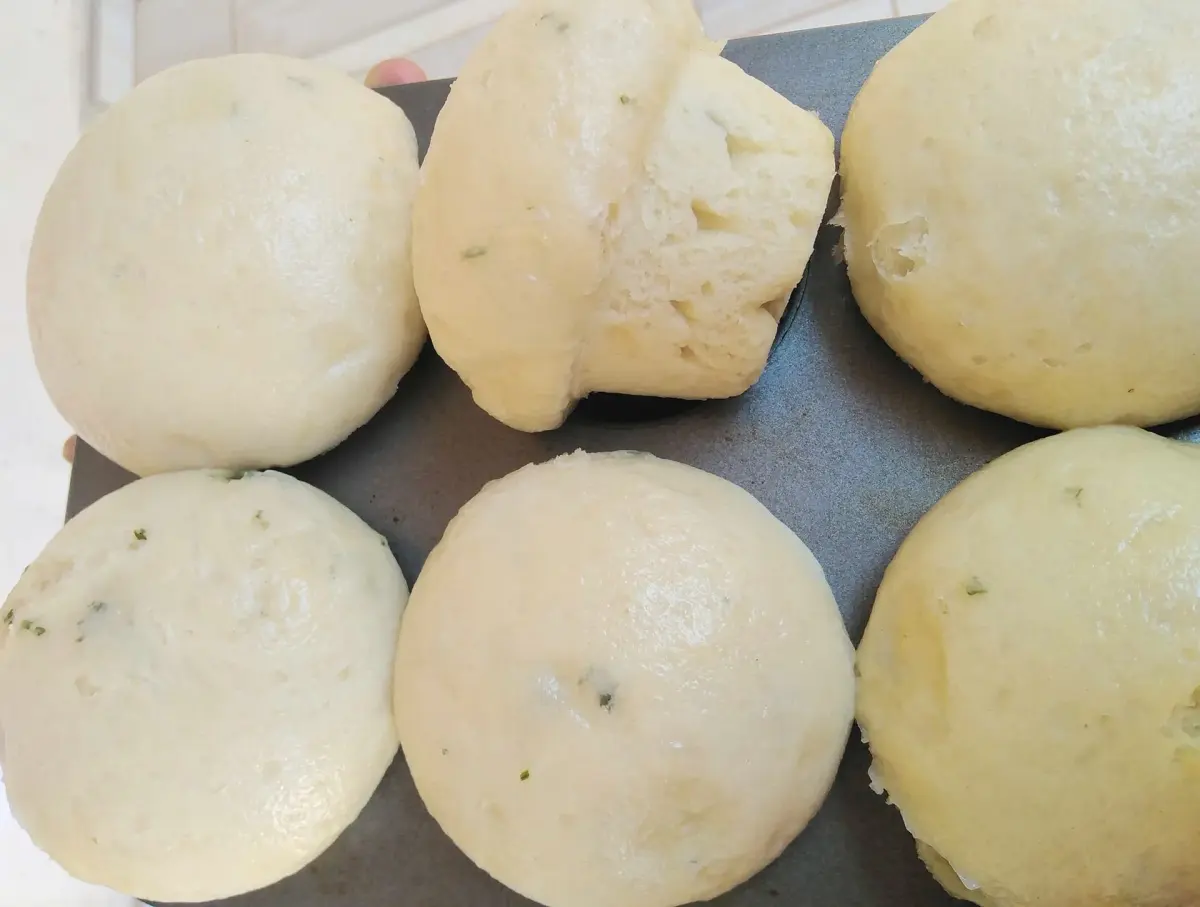
Dombolo (Dumplings or Steamed Bread)
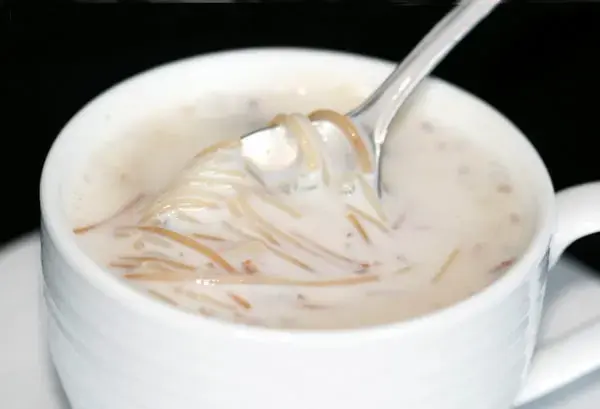
Boeber (Cape Malay Sweet Milk Drink)
Got the whole spices from Patel Brothers here in Chicago but my chicken got a bit dry while waiting for those big potato cubes to cook through. Next time I will parcook the new potatoes first before adding them into the pot with the chicken, because 350g of raw potato takes way longer to soften than boneless chicken.
couldnt find kashmiri chilli powder at sainsburys so I used regular mild chilli powder with a bit of paprika for colour. The method of frying ginger, garlic and onions till light brown before dumping the whole spices gives it proper flavour sha. The potatoes soaked up all the cumin and coriander nicely.
The aroma when frying the green cardamom with cinnamon and bay leaves was wonderful. I used fresh halal chicken thighs cut into pieces instead of breast and let the potatoes simmer nicely in the spice mix. Very delicious dish Bismillah.
chale 7 green cardamoms seemed like a lot when reading this but it actually balances well with the turmeric and coriander. In Ghana we dont usually put big potato cubes in our rice dishes like this unless it is proper South African style, but the texture came out very soft paa.