Smothered Turkey Wings

0

Smothered turkey wings are a delicious and hearty dish perfect for any occasion. Whether you are looking for a comforting meal for a cold winter night or a dish to impress your guests, it will hit the spot. Here are some key things to know about this dish:

smothered turkey wings

What Are Smothered Turkey Wings?

They are turkey wings that have been slow-cooked to perfection and then smothered in a rich, savory gravy. The wings are typically seasoned with various spice and herbs to give them a delicious flavor. The gravy is often made from scratch using pan drippings, and it is thick and savory, making it the perfect complement to the tender and juicy turkey wings.

Recipe Variations

There are many ways to spice up this dish to suit your tastes. Here are some popular recipe variations:

smothered turkey wings2

  • Spicy smothered turkey wings: Add some heat to your wings by seasoning them with cayenne pepper or hot sauce.
  • Southern-style smothered turkey wings: Add some Southern flavor to your wings by seasoning them with smoked paprika and serving them with collard greens and cornbread.
  • Slow cooker smothered turkey wings: Make your wings in a slow cooker for an easy and convenient meal.


smothered-turkey-wings

Smothered turkey wings recipe

Smothered turkey wings are a delicious and hearty dish that is perfect for any occasion.
Prep Time 10 minutes
Cook Time 20 minutes
Total Time 30 minutes
Course chicken
Servings 0

Ingredients
  

  • 2 Ib turkey wings
  • 1 onion, finely chopped
  • 1 green bell pepper, finely chopped
  • 1 celery stalk, finely chopped
  • 3 cloves garlic, minced
  • 2 cups chicken broth
  • 2 tablespoons all-purpose flour
  • 2 tablespoons butter
  • 1 bay leaf
  • ½ teaspoon dried thyme
  • ½ teaspoon dried oregano
  • Salt and pepper to taste

Instructions
 

  • Rinse the turkey wings under cold running water and pat them dry with paper towels.
    2 Ib turkey wings
  • In a small bowl, combine salt, black pepper, garlic powder, onion powder, and paprika and rub the seasoning mixture evenly over the turkey wings.
    1 onion, finely chopped, 3 cloves garlic, minced
  • Heat vegetable oil in a large skillet or Dutch oven over medium-high heat.
  • Add the turkey wings and sear them until they are golden brown on all sides, about 4-5 minutes per side. Remove the wings from the skillet and set them aside.
  • In the same skillet, melt the butter over medium heat. Add chopped onion, green bell pepper, celery, and minced garlic. Sauté until the vegetables are tender and the onion becomes translucent, about 5-7 minutes.
    1 green bell pepper, finely chopped, 1 celery stalk, finely chopped
  • Sprinkle the flour over the vegetables and stir continuously to create a roux. Cook for about 3-4 minutes until the roux turns a light golden brown.
    2 tablespoons all-purpose flour
  • Slowly whisk in the chicken broth to combine, ensuring there are no lumps.
    2 cups chicken broth
  • Add the bay leaf, dried thyme, and dried oregano to the gravy.
    ½ teaspoon dried thyme, ½ teaspoon dried oregano, 1 bay leaf
  • Return the seared turkey wings to the skillet, submerging them in the gravy.
  • Season the gravy with salt and pepper to taste.
    Salt and pepper to taste
  • Once the turkey wings are tender and the gravy is rich and flavorful, remove the bay leaf.
  • Serve your smothered turkey wings over cooked rice, mashed potatoes.
Keyword smothered-turkey-wings
Tried this recipe?Let us know how it was!

Meat Bread

0

Meat bread, a mouthwatering combination of shredded meats and fresh-baked bread has been a cherished comfort food in many cultures for centuries.

meat bread

The Rich History of Meat Bread

It has a diverse history that spans across continents. Variations of this dish can be found in Middle Eastern, Mediterranean, and European cuisines. Known by different names such as “Lahmacun” in Turkey, “Arayes” in Lebanon, or “Runza” in the American Midwest, it has been adapted to suit various culinary traditions.

Meat bread

Meat Bread

Meat bread, a mouthwatering combination of shredded meats and warm baked bread has been a cherished comfort food.
Prep Time 30 minutes
Cook Time 20 minutes
Total Time 50 minutes
Course Snacks
Servings 0

Ingredients
  

For the Dough

  • 2 cups all-purpose flour
  • 1 tsp salt
  • 1 tsp sugar
  • 2 tsp active dry yeast
  • â…” cup warm water
  • 2 tbsp olive oil

For the Meat Filling

  • 1 Ib beef or lamb
  • 1 onion, finely chopped
  • 2 cloves garlic, minced
  • 1 tomato, diced
  • ½ red bell pepper, finely chopped
  • ½ green bell pepper, finely chopped
  • 2 tbsp tomato paste
  • 1 tsp ground cumin
  • 1 tsp paprika
  • ½ tsp ground cinnamon
  • Salt and pepper to taste

Instructions
 

For the Dough

  • In a bowl, combine warm water, sugar, and yeast. Let it sit for 5-10 minutes until it becomes frothy.
    1 tsp sugar, 2 tsp active dry yeast, â…” cup warm water
  • In a separate bowl, mix the flour and salt.
    2 cups all-purpose flour, 1 tsp salt
  • Pour the yeast mixture and olive oil into the flour mixture. Knead the dough until it's smooth and elastic.
  • Cover and let it rise for about an hour, or until doubled in size.

For the Meat Filling

  • In a pan, sauté onions and garlic until translucent. Add ground meat and cook until browned. Drain excess fat.
    1 onion, finely chopped, 2 cloves garlic, minced, 2 tbsp olive oil
  • Stir in diced tomatoes, bell peppers, and tomato paste.
    ½ red bell pepper, finely chopped, ½ green bell pepper, finely chopped, 2 tbsp tomato paste
  • Add cumin, paprika, ground cinnamon, salt, and pepper. Cook until the mixture thickens and the flavors meld. Remove from heat.
    1 tsp paprika, ½ tsp ground cinnamon, Salt and pepper to taste, 1 tsp ground cumin
  • Preheat your oven to 450°F (230°C).
  • Divide the dough into small balls and roll them into thin rounds or ovals.
  • Place a spoonful of the meat mixture onto each dough round.
  • Fold the dough over the filling and seal the edges, creating a half-moon shape.
  • Place the meat breads on a baking sheet and bake for 10-12 minutes, or until golden brown.
  • Serve your freshly baked meat bread with a side of yogurt, tahini sauce, or a crisp salad.
Keyword Meat Bread
Tried this recipe?Let us know how it was!

5 Best Spices For Chicken

Chicken is a versatile protein choice popular in various cuisines worldwide but can only be enjoyed by using the appropriate spice for chicken. Its incredible versatility has earned its place as a beloved protein in dishes around the world. It can have many flavors, from succulent roast chicken to spicy chicken curry. Central to making the most of your chicken dishes is the choice of chicken spices and herbs used in making them. 

South African Spice


What Spices Pair Well with Chicken?

When pairing spices for chicken, some classics have stood the test of time. Common herbs like rosemary, thyme, and basil offer aromatic qualities that complement chicken’s natural flavors, they are the staple spices for chicken. With its woody aroma, rosemary is a perfect match for roasted chicken. Conversely, thyme adds earthiness to grilled chicken, while basil brings a fresh and sweet note to chicken salads.

Ground spices like paprika, cumin, and coriander introduce depth and complexity to chicken dishes. With its rich and smoky profile, paprika is ideal for seasoning chicken before grilling or pan-frying. Cumin’s warm and earthy flavor enhances chicken in Mexican and Indian recipes. Meanwhile, coriander’s citrusy notes brighten up roasted or grilled chicken.

5 Common Spices for Chicken

Italian Herb Blend (with Thyme and Oregano)

This classic blend typically includes dried basil, oregano, thyme, rosemary, and garlic. It adds a Mediterranean flair to your chicken dishes, perfect for roasted or grilled chicken.

Cajun Seasoning (with Paprika and Cayenne)

Cajun seasoning is known for its bold and spicy flavor. It typically contains paprika, cayenne pepper, garlic powder, onion powder, and various herbs and spices. It’s fantastic for blackened chicken, jambalaya, or adding a fiery kick to fried chicken.

Lemon Pepper Seasoning (with Black Pepper)

Lemon pepper seasoning combines zesty lemon and aromatic black pepper. It adds a refreshing and tangy flavor to chicken, making it the best for grilled chicken breasts, chicken wings, or even a simple roasted chicken.

Curry Powder (with Cumin and Coriander)

Curry powder offers a mix of spices like turmeric, coriander, cumin, and fenugreek. It’s perfect for creating flavorful chicken curry, skewers, or marinating chicken for a rich and aromatic profile.

Herbes de Provence (with Thyme and Rosemary)

Herbes de Provence is a delightful blend of dried herbs commonly found in the Provence region of France. It includes thyme, rosemary, marjoram, basil, and savory. This blend imparts a fragrant and earthy flavor, making it ideal for roasted or grilled chicken and chicken soups and stews.

Should I Season Chicken?

Seasoning chicken is not just an option in the cooking process; it’s crucial. Seasoning not only enhances the flavor of the chicken but also helps to bring out its natural taste. A well-seasoned chicken is a flavorful chicken.

It’s important to distinguish between seasoning and marinating. Seasoning involves adding salt, pepper, and spices to the surface of the chicken just before cooking. Marinating, on the other hand, involves soaking the chicken in a flavorful liquid mixture for an extended period to infuse it with flavor. Both techniques have their place, with seasoning being the quicker option for busy cooks.

African spices
African spices

Do You Put Spices on the Chicken or in the Flour?

When it comes to seasoning chicken, there are two primary methods: Applying spices directly on the chicken and mixing spices with flour for coating.

Applying Spices Directly on the Chicken

Applying spices directly on the chicken is a straightforward method. It involves rubbing or sprinkling the spice mixture directly onto the chicken’s surface before cooking. This method allows the spices to adhere well and creates a flavorful crust.

Mixing Spices with Flour for Coating

Mixing spices with flour is a common approach for dishes like fried chicken. The flour is a carrier for the spices and provides a crispy texture when the chicken is fried.

Pros and Cons of Each Method

Each method has its advantages and disadvantages. Applying spices directly on the chicken is quick and convenient, ensuring even distribution of flavors. On the other hand, mixing spices with flour provides a coating that adds flavor and texture but can be less even in distribution.

Knowing when to use each technique depends on the specific chicken dish you’re preparing. For instance, applying chicken spices directly works well if you’re making a spicy grilled chicken. However, if you’re aiming for crispy fried chicken, mixing spices with flour is the way.

Healthy Spices For Chicken

Spices and herbs not only enhance flavor but can also contribute to your health. Here are some healthy options to consider:

Turmeric for Anti-Inflammatory Properties: Turmeric contains curcumin, which is known for its anti-inflammatory properties.

Garlic for Immune Support: Garlic is prized for its immune-boosting properties. It lends a spicy and savory taste to chicken, particularly in roasts and braised dishes.

Oregano for Antioxidants: Oregano is rich in antioxidants and adds a robust, slightly peppery flavor to the chicken. It’s excellent in Mediterranean-inspired dishes.

Tumeric helps boost the immune system
Image from Unsplash


How to Add Spice to Cooked Chicken?

Adding spice to cooked chicken doesn’t have to be challenging. Here are some techniques:

Sprinkling Spice Blends on Cooked Chicken

Sprinkle spice blends or herbs over cooked chicken for a quick flavor boost. This works well for grilled, roasted, or sautéed chicken.

Preparing Flavorful Sauces or Glazes

Create sauces or glazes with spices, herbs, and other ingredients like honey, soy sauce, or vinegar. Drizzle these over your cooked chicken for a burst of flavor.

Adding Fresh Herbs as a Finishing Touch

Fresh herbs, such as cilantro or parsley, add a pop of color and freshness when sprinkled over cooked chicken just before serving.

Does chicken need a lot of seasoning?

The level of seasoning required for chicken is a matter of personal preference, with some individuals favoring a lighter touch to highlight the natural flavor of the chicken, while others opt for more seasoning to create a bolder and more robust taste, influenced by factors such as the specific recipe, flavor intensity of spices, cooking method, and planned accompaniments all determine the quantity of spices for chicken.


Natural African Red Foods You Would Love

0

Red foods are significant in African cuisine because they are often associated with cultural and symbolic meanings. For example, red foods are believed to represent vitality, passion, and strength.

Additionally, many red foods are rich in nutrients and antioxidants, making them an important part of a healthy diet. This article will explore 10 red African foods, red veggies commonly used in African cooking, and their nutritional value. This is to explore the African root.

What are 10 Red Foods?

Red Red: Red Red is a Ghanaian dish with black-eyed peas, palm oil, and plantains. It is often served with fish but can also be vegetarian. The dish got its name from the red tint that the fried plantains and red palm oil give it. It got its vivid red color from the tomato stew.

ghana red red

Chakalaka: Chakalaka is a spicy vegetable relish traditionally served with bread, pap, samp, stews, or curries. It may have originated in the townships of Johannesburg or the gold mines surrounding Johannesburg.

Many variations of chakalaka exist, depending on region and family tradition. Some versions include beans, cabbage, and butternut.

CHAKALAKA & PAP

Shakshuka: Shakshuka is a traditional Algerian dish with shredded flatbread, lamb or beef, and a spicy tomato-based sauce. Typically, the meal is served in a huge communal bowl, and diners dip pieces of bread into the sauce with their hands.

Ojja (Shakshuka)

Doro wat: Doro wat is a spicy Ethiopian chicken stew made with berbere spice, onions, garlic, and ginger. It is often served with injera, a sourdough flatbread. The dish is a staple of Ethiopian cooking and is served at festive events like weddings and festivals.

African Recipe DORO WAT
Image credit: Ministry of Curry

Berbere: Berbere is a spice blend that is used in Ethiopian cooking. Chili peppers, garlic, ginger, basil, and other spices are frequently used in it. Ethiopian foods like tibs (grilled beef) and doro wat are flavored with berbere.

Tomato stew: Tomato stew is a Nigerian dish with tomatoes, onions, peppers, and spices. It is often served with rice, yams, or plantains. The dish is a staple of Nigerian cuisine and is often served at family gatherings and special occasions.

Tomato
Image Credit: Facebook

Matbucha: Matbucha is a Moroccan salad made with roasted red peppers, tomatoes, and garlic. It is often served as a side dish or appetizer. The dish is popular in Moroccan and Israeli cuisine.

Matbucha
Image Credit: Wikimedia Commons

Shitto Sauce: Shitto sauce is a spicy Ghanaian sauce made with dried shrimp, chili peppers, onions, and spices. It is often used as a condiment for rice, stews, and soups. The sauce is a staple of Ghanaian cuisine known for its bold flavor.

Shitto Sauce
Shitto Sauce

What veggies are red?

Some of the most commonly used red vegetables in African cuisine include:

Red amaranth leaves – Red amaranth leaves are a popular leafy green in Southern African cuisine. They are often used in stews and soups and are known for their slightly bitter taste.

Tatashe: Tatashe is a type of red pepper that is commonly used in Nigerian cuisine. It is often used to add flavor and color to stews and soups.

Tatashe Pepper
Tatashe
Image Credit: Facebook

Red onions: Red onions are essential in many African stews and soups. They are known for their sweet and mild flavor and are often used to add color and texture to dishes.

Red spinach: Red spinach is a leafy green commonly used in West African cuisine. It is often used in stews and soups and is known for its slightly bitter taste.

Red hot chili peppers: Red hot chili peppers are commonly used in African cuisine to add heat and flavor to dishes. They are often used in stews, soups, and sauces.

red chili peppers

Nutritional Value and Role of Red Veggies in African Diets

They are a good source of vitamins A and C, crucial for the immune system, skin, and eye health. Red vegetables also include a good amount of dietary fiber, which supports digestive health and lowers the risk of chronic illnesses like diabetes and heart disease. 

Papaya Juice

Papaya juice is a refreshing beverage made from the flesh of ripe papaya fruit. It’s typically made by blending or juicing the fruit with water or other ingredients to enhance its flavor and texture. Papaya is an orange, tropical fruit with a sweet and slightly musky taste.

papaya juice
Image Credit: Facebook

Papaya Juice Benefits?

Papaya juice is gaining in popularity because of both its delectable taste and several health advantages. 

High in nutrients: Papaya contains essential vitamins and minerals, including vitamins C, A, folate, potassium, and magnesium.

Digestive aid: Papaya contains an enzyme called papain, which aids digestion and can help alleviate digestive issues like bloating and constipation.

Boosts immune system: It has a high level of vitamin C, which helps to boost immunity and guard against diseases and infections.

Anti-inflammatory properties: It contains several compounds with anti-inflammatory effects, such as papain and chymopapain, which could help in reducing inflammation and easing the signs and symptoms of illnesses like arthritis.

Heart health: BecauseIt has a lot of potassium, which helps control blood pressure, it may benefit heart health.

Stress relief: Papaya also contains natural antioxidants, such as flavonoids and carotenoids, which may have stress-relieving properties.

Is It Safe to Drink Papaya Juice Daily?

With high vitamin and antioxidant content, drinking it every day can be a healthy and safe decision for the majority of people. Papaya juice is naturally high in sugar, which when taken in excess can lead to weight gain and other health problems. Therefore, it is important to consume it in moderation. It should be enjoyed as part of a balanced diet, and portion sizes should be controlled. 

Fresh, homemade papaya juice is preferred over store-bought versions as it allows for better control of ingredients and sugar content. Papaya juice can be a valuable addition to a daily dietary routine when consumed mindfully and in moderation, offering a tasty and nutritious way to support overall health and well-being.

What Are the Benefits of Drinking Papaya Juice Early Morning?

Drinking papaya juice in the morning offers a range of potential benefits, including improved digestion due to the presence of papain enzyme, a rich supply of vitamins and minerals like vitamin C and beta-carotene for enhanced immunity and skin health, hydration to replenish fluids lost during sleep, and support for weight management through its low calorie and high fiber content.

It also contributes to detoxification, provides a quick energy boost, and promotes overall well-being.

papaya juice
Image Credit: Facebook

Who Should Not Drink Papaya Juice?

While offering numerous health benefits, Papaya juice may only be suitable for some. Individuals with known allergies to papaya or latex should avoid papaya juice to prevent allergic reactions.

People with digestive sensitivities, particularly those with conditions like irritable bowel syndrome (IBS), should exercise caution, as the natural sugars and enzymes in papaya juice may exacerbate symptoms such as bloating or diarrhea.

Diabetic individuals should be mindful of the high sugar content, as it can lead to rapid spikes in blood glucose levels.

While It is generally safe for most people, special consideration should be given to infants, young children, pregnant and breastfeeding individuals, and those with specific dietary concerns or health conditions to ensure its consumption aligns with their unique needs and circumstances.

papaya juice

Home Papaya Juice

Papaya juice is a refreshing beverage made from the flesh of ripe papaya fruit.
Prep Time 10 minutes
Total Time 10 minutes
Course juice
Servings 0

Ingredients
  

  • 1 medium-sized ripe papaya, peeled, seeded, and cubed
  • ½ cup cold water
  • 2 tablespoons honey or sugar
  • 1 tablespoon freshly squeezed lime juice (optional, for added brightness)
  • mint leaves or lime wedges for garnish (optional)
  • ice cubes (optional, for a chilled drink)

Instructions
 

  • Wash, peel, and deseed the ripe papaya. Cut it into small cubes.
    1 medium-sized ripe papaya, peeled, seeded, and cubed
  • Place the papaya cubes in a blender.
  • Add the cold water to the blender to help with blending.
    ½ cup cold water
  • Add honey or sugar to sweeten the juice. Start with 2-3 tablespoons, and adjust according to your sweetness preference.
    2 tablespoons honey or sugar
  • Squeeze the juice of one lime into the blender for a tangy kick. This step is optional but adds a refreshing twist.
    1 tablespoon freshly squeezed lime juice (optional, for added brightness)
  • Blend the mixture until it becomes smooth and well combined. You can add more water if you prefer a thinner consistency.
  • If you'd like a chilled papaya juice, you can add ice cubes to the blender and blend until they are crushed.
  • Once the papaya juice is to your liking, pour it through a fine-mesh strainer into a pitcher to remove any remaining pulp or seeds. You can skip this step if you prefer a thicker, pulpier juice.
  • Serve the papaya juice immediately in glasses with ice cubes, garnish with mint leaves or lime wedges if desired, and enjoy your homemade papaya juice!
    mint leaves or lime wedges for garnish (optional)
Keyword Papaya Juice
Tried this recipe?Let us know how it was!

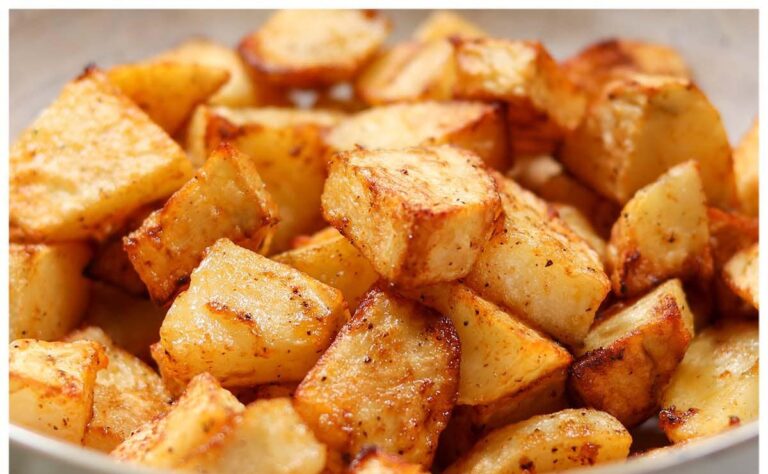
Breakfast Potatoes Air Fryer

0

Breakfast potatoes air fryer are a quick, easy, and delicious way to start your day. They can be customized to suit various dietary preferences, such as gluten-free, paleo, vegan, and Whole30-compliant.

Air fryer breakfast potatoes are known for their crispy texture and flavorful seasoning, and they require less oil than traditional cooking methods.

Why Do You Soak Potatoes in Water Before Air Frying?

Soaking potatoes in water before air frying is often used to improve the texture and taste of the finished dish. Here’s why it’s a good practice:

  1. Remove Excess Starch: Potatoes contain a large amount of starch, which can make them turn out gummy or overly soft when air-fried. Soaking the potato cubes or slices in water helps to remove some of this excess starch. As the starch is released into the water, it prevents the potatoes from sticking together and gives a crisper texture when cooking.
  2. Enhance Crispy Texture: Soaking the potatoes helps to create a crispier and more evenly browned surface when air frying. The removal of excess starch prevents the potatoes from becoming too moist during cooking, allowing them to achieve that desirable crispy exterior.
  3. Prevent Browning: Soaking can also help prevent the potatoes from turning brown or when exposed to the air. This can be particularly useful if you prepare the potatoes before air frying.

To soak potatoes before air frying, submerge them in cold water for 15-30 minutes. After soaking, drain and pat them dry with a paper towel before seasoning and placing them in the air fryer.

Breakfast Potatoes Air Fryer
Image Credit: Facebook

How Long Does It Take for A Potato to Get Soft in The Air Fryer?

The time it takes for a potato to soften in an air fryer depends on size and preparation. Whole potatoes typically require 35 to 45 minutes at 375°F to 400°F, whereas potato cubes or slices take about 15 to 25 minutes. 

Preheating the air fryer and occasionally shaking or flipping the potatoes can help ensure even cooking. Cooking times may vary based on specific air fryer models, so monitoring the process is crucial for achieving the desired level of softness.

Are Potatoes Better in Oven or Air Fryer?

The choice between cooking potatoes in an oven or an air fryer depends on personal preferences and the desired outcome. Ovens are preferred for achieving a softer and fluffier texture inside with a crispy exterior, making them ideal for baked and roasted potato dishes, especially when cooking for a larger group.

On the other hand, air fryers offer a faster cooking time and excel at producing a more crispy outer layer, which is great for quick snacks like french fries and potato chips. Air frying is often considered a healthier option due to its reduced oil requirement.

Breakfast Potatoes Air Fryer
Image Credit: Facebook

Why won’t My Potatoes Cook in The Air Fryer?

Potatoes not cooking properly in the air fryer can be attributed to various factors. Overcrowding can hinder even cooking, while preheating is essential for uniform results. The choice of cooking temperature, oil distribution, and the need for shaking or flipping during cooking can impact the outcome. Frozen potatoes may require longer cooking times. Variability among air fryer models and differences in potato thickness further contribute to cooking challenges. 

Why Are My Breakfast Potatoes Air Fryer Soggy?

Soggy breakfast potatoes air fryer can be due to several common issues. Overcrowding the basket, insufficient preheating, and excess moisture on the potatoes can hinder crispiness. Using too much oil or cooking at the wrong temperature may also lead to sogginess.


Breakfast Potatoes Air Fryer

Breakfast potatoes air fryer

Breakfast potatoes air fryer are a quick, easy, and delicious way to start your day.
Prep Time 15 minutes
Cook Time 15 minutes
Total Time 30 minutes
Course Breakfast
Servings 4 people

Ingredients
  

  • 4 medium sized potatoes
  • 3 tablespoons olive oil (enough to coat the potato pieces evenly)
  • salt and pepper to taste
  • 1 teaspoon Paprika (optional, for extra flavor)

Instructions
 

  • Start by preheating your air fryer to 400°F (200°C). While it's heating up, wash your potatoes and cut them into bite-sized cubes.
  • In a large bowl, toss your potato cubes with a drizzle of olive oil. You don't need a lot; just enough to coat them evenly. Sprinkle some salt, pepper, and paprika.
  • Arrange the seasoned potato cubes in a single layer in your air fryer basket. Don't overcrowd; you want them to have space to get that perfect crispiness.
  • Cook for about 15 minutes, shaking the basket every 5 minutes for even cooking. Keep an eye on them; your goal is that beautiful golden color.
  • When they're done, transfer your air-fried breakfast potatoes to a plate and enjoy.
Keyword Breakfast potatoes air fryer
Tried this recipe?Let us know how it was!


Air Frying Banana

Air frying bananas are a delicious and easy-to-make snack or dessert that everyone will love. If you’re looking to satisfy your sweet tooth in a healthier way, this is a tasty treat for you.

If you have some overripe bananas sitting on your kitchen counter, don’t let them go to waste. You can give this delightful air-fried banana recipe a try using your air fryer. It’s a tasty, wholesome, and utterly snack-worthy treat that’ll have you craving bananas in a whole new way. Enjoy!

air frying banana

Why You’ll Love Air-Frying Bananas
  1. Healthier Snacking: No deep-frying here! Air frying banana requires minimal oil, making it a guilt-free way to enjoy your bananas.
  2. Crispy Outside, Creamy Inside: The magic of air frying gives you that irresistible crispy texture on the outside while keeping the inside soft and creamy.
  3. Customizable Flavors: Experiment with different toppings like a sprinkle of cocoa powder, a dash of nutmeg, or a scoop of vanilla ice cream for extra indulgence.
  4. Quick and Easy: In just a few minutes, you can whip up a fantastic snack or dessert that’s sure to impress your taste buds and guests alike.
air frying banana

Air Fry Banana

If you're looking to satisfy your sweet tooth in a healthier way, this is a tasty treat for you.
Prep Time 5 minutes
Cook Time 10 minutes
Total Time 15 minutes
Course Snacks
Servings 0

Ingredients
  

  • Ripe bananas
  • 1 teaspoon Cinnamon (optional)
  • 2 teaspoon Honey or maple syrup (optional, for extra sweetness)

Instructions
 

  • Start by preheating your air fryer to around 350°F (180°C).
  • While the air fryer is warming up, peel your bananas and slice them into bite-sized pieces. You can go for rounds or strips, depending on your preference.
    Ripe bananas
  • If you like a hint of spice and warmth, sprinkle a pinch of cinnamon over your banana slices.
    1 teaspoon Cinnamon (optional)
  • Place your banana slices in the air fryer basket, making sure they're in a single layer. This helps them cook evenly and get that perfect crunch.
  • Cook for about 5-7 minutes, but keep an eye on them. You want your bananas to turn a lovely golden brown.
  • If you're feeling extra fancy and want a touch of sweetness, drizzle a bit of honey or maple syrup over your crispy bananas when they're still warm.
    2 teaspoon Honey or maple syrup (optional, for extra sweetness)
Tried this recipe?Let us know how it was!

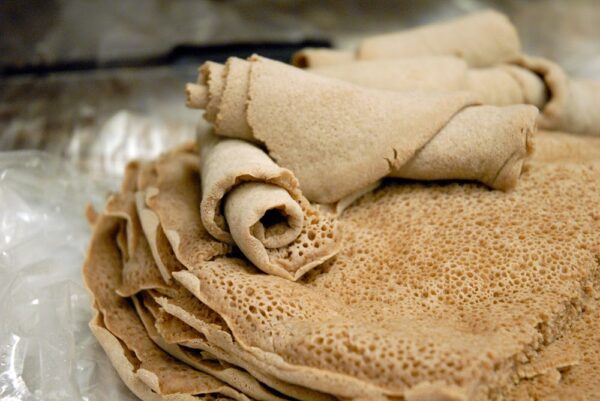
Is Injera Gluten Free

Is Injera Gluten Free? Yes, injera is generally considered gluten-free. It is primarily made from teff flour, which is naturally gluten-free. Cross-contamination risks in preparation, on the other hand, should be considered for persons with celiac disease or extreme gluten sensitivity.

There has been a growing awareness and demand for gluten-free food options in recent years due to the rise in gluten-related health issues. Injera, a traditional Ethiopian/Eritrean staple food, has garnered attention as a potentially gluten-free choice.

Do you need a recipe to make injera? Check here.

What is Injera?

Injera is a unique and versatile flatbread with deep cultural significance in Ethiopian and Eritrean cuisine. It is a spongy, sourdough-like bread made from a fermented batter. Injera is typically used as a base for various stews, sauces, and dishes.

To understand if injera is gluten-free, defining the term in the context of injera is essential. Gluten-free refers to the absence or minimal presence of gluten, a mixture of proteins in grains such as wheat, barley, and rye. A food item must meet specific gluten content requirements to be classified as gluten-free.

injera recipe

Findings from studies assessing the gluten content of injera have been varied. Some studies reported detectable levels of gluten in injera samples, while others found negligible amounts. It is worth noting that these studies might have used different testing methods and could have variations in results.

Injera Ingredients Teff, a type of ancient grain native to Ethiopia, is the primary ingredient in injera. Teff is naturally gluten-free and rich in essential nutrients such as fiber, iron, and calcium. However, it is important to consider the possibility of cross-contamination during the production and preparation of injera.

Gluten Content in Injera Research studies have investigated injera’s gluten content, aiming to clarify its suitability for gluten-free diets. Some research suggests that the fermentation procedure used to make injera may help to reduce gluten content. Fermentation breaks down proteins, potentially impacting the gluten content in the final product.

Health Considerations for Individuals with Celiac Disease

Even small amounts of gluten can have adverse health effects. Therefore, they must exercise caution when considering injera as part of their gluten-free diet.

It is recommended that individuals with celiac disease consult with a healthcare professional before consuming injera.

However, injera can be seen as an alternative for those following a gluten-sensitive diet. The reduced gluten content and the nutritional benefits of teff make injera an attractive option for gluten-sensitive individuals.

Injera Ethiopian dishes
Image from Wikipedia

Nutritional Value and Benefits of Teff-based Injera

In addition to being potentially gluten-free, injera offers several nutritional benefits. Teff is a good dietary fiber source, promoting digestion and overall gut health. Moreover, teff contains essential nutrients like iron, calcium, and antioxidants.

Conclusion

The question of whether injera is gluten-free is a complex one. While some studies indicate the presence of gluten in injera, others suggest that the fermentation process may contribute to gluten reduction.

However, injera made with teff can be a viable alternative for gluten-sensitive individuals, considering its potentially reduced gluten content and nutritional value.

This will help you make informed decisions about injera in a gluten-free or gluten-sensitive diet if you decide to give injera a try.

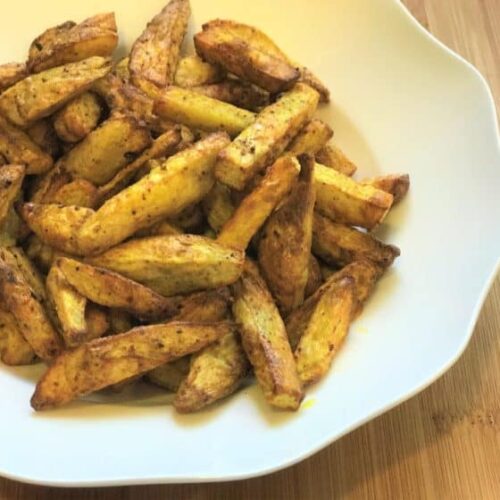
Taro Fries

Taro fries are a unique and delicious snack that offer a tasty alternative to traditional potato fries. Made from taro root, these fries have a crispy exterior and a tender interior, with a slightly sweet and nutty flavor.

What are Taro Fries Made Of?

Taro fries are made from taro root, a starchy and dense root vegetable that is native to Southeast Asia.

To make taro fries, the taro root is peeled, washed, and cut into thin strips, similar to traditional potato fries. The taro strips are then seasoned with salt and any additional seasonings, such as paprika or garlic powder, before being fried or baked until crispy.

taro rootss
Image Credit: Facebook

What is the Difference Between Taro and Potato?

Taro and potato have some similarities in terms of appearance and texture, but they also have some key differences. Taro has a slightly nutty and sweet flavor, while potatoes are more neutral in taste.

Taro is also denser and starchier than potatoes, which makes it ideal for frying or roasting.
From a nutritional perspective, taro is higher in fiber and potassium than potatoes, but it is also higher in calories and carbohydrates. For those looking for a gluten-free alternative to potato fries, taro is a great option.

What Do Taro Fries Taste Like?

Taro fries have a unique and distinct flavor that is slightly sweet and nutty, with a crispy and crunchy texture.

They are similar in texture to traditional potato fries, but with a slightly different taste profile. Taro fries can be seasoned with a variety of spices and herbs, such as garlic powder, paprika, or rosemary, to enhance their flavor and add depth.

taro fried
Image Credit: Facebook

Taro Fries Calories and Nutritional Information

Taro fries are a relatively high-calorie snack, with one serving containing around 141-187 calories, depending on the cooking method and portion size. However, they are also a good source of fiber, potassium, and other nutrients.

To make taro fries healthier, consider baking them instead of frying, and using minimal oil and salt. Taro fries can be enjoyed as a snack or as a side dish, and are best served hot and crispy.

Taro fries

Taro Fries

Taro fries are a unique and delicious snack that offer a tasty alternative to traditional potato fries.
Prep Time 15 minutes
Cook Time 10 minutes
Total Time 25 minutes
Course Snacks
Servings 4 people

Ingredients
  

  • 2 medium sized taro roots
  • 3 tablespoons vegetable oil
  • Salt and pepper to taste
  • paprika, garlic powder, or any preferred seasoning blend

Instructions
 

  • Wash and peel the taro roots using a vegetable peeler.
    2 medium sized taro roots
  • Cut the peeled taro roots into evenly sized fries or wedges.
  • Some people prefer to soak the taro fries in cold water for about 30 minutes to remove excess starch. This step is optional but can help make the fries crispier.
  • Preheat your oven to 425°F (220°C). Place a baking sheet in the oven as it preheats.
  • In a large bowl, toss the taro fries with the vegetable oil until they are evenly coated.
  • Season with salt, pepper, and any optional seasonings to taste. Be sure to toss the fries again to distribute the seasonings evenly.
    Salt and pepper to taste
  • Spread the seasoned taro fries in a single layer on the hot baking sheet, ensuring they are not overcrowded.
  • Bake in the preheated oven for about 10 minutes, flipping the fries halfway through, or until they are golden brown and crispy on the outside.
  • Once the taro fries are done, remove them from the oven and let them cool for a few minutes.
  • Enjoy your homemade taro fries!

Notes

You can fry instead, simply;
Fill a deep, heavy-bottomed pot or a deep fryer with vegetable oil. You'll need enough oil to submerge the taro fries completely.
Carefully place a batch of taro fries into the hot oil using a slotted spoon or frying basket. Do not overcrowd the pot; fry in batches if necessary.
Fry the taro fries for about 3-5 minutes, or until they are golden brown and crispy on the outside.
This gives a crispy and crunchy taste.
Keyword Taro fries
Tried this recipe?Let us know how it was!

Banana Waffles

Banana waffles are a delicious breakfast option that combines the classic taste of waffles with the sweet and creamy flavor of bananas. They are a great way to start your day, providing a filling and satisfying meal that is easy to make and customised to your liking.

Is Waffle Batter Different than Pancake Batter?

Banana waffle batter and pancake batter share some of the same basic ingredients, such as eggs, milk, and flour, but their proportions and texture are different.

Waffle batter usually contains more fat and sugar than pancake batter, which helps to create the crispy exterior and chewy interior that waffles are known for. Pancake batter, on the other hand, has less sugar and fat, resulting in a softer and fluffier texture.
The differences in ingredients and texture impact the final product, making waffles ideal for holding toppings and syrup, while pancakes are better for soaking up sauces.
Banana waffles
Image Credit: Facebook
Are Waffles with Fruit Healthy?
Adding fruit to waffles can be a healthy and delicious way to incorporate more nutrients into your breakfast.
Bananas, in particular, are a great choice because they are high in potassium, fiber, and vitamin C.
However, it is important to be mindful of the sugar content of the fruit and any additional sweeteners that may be added to the batter or toppings.
To keep your waffles healthy, consider using whole wheat flour, reducing the amount of sugar in the batter, and topping them with fresh fruit and a drizzle of honey or maple syrup.
Is It Better to Make Waffles with Oil or Butter?
When it comes to choosing between oil and butter in waffle recipes, there are several factors to consider, including taste, texture, and health.

Butter adds richness and flavor to banana waffles, but it can also make them heavier and denser. Oil, on the other hand, creates a lighter and crispier texture, but it may not have the same depth of flavor as butter.

From a health perspective, oil is generally considered to be a healthier option than butter, as it is lower in saturated fat and cholesterol.

Ultimately, the choice between oil and butter will depend on personal preference and dietary needs.
What Does Adding an Extra Egg to Banana Waffles Do?
Adding an extra egg to waffle batter typically results in banana waffles that are richer and slightly denser in texture. The additional egg adds moisture, structure, and flavor to the waffles, making them fluffier and more tender. It can also enhance their color and provide a pleasant, custard-like taste.
Banana waffles 11

Banana waffles are a delicious breakfast option that combines the classic taste of waffles with the sweet and creamy flavor of bananas.
Prep Time 15 minutes
Cook Time 15 minutes
Total Time 30 minutes
Course Breakfast
Servings 4 people

Ingredients
  

  • 1½ cup all-purpose flour
  • 2 tablespoons granulated sugar
  • 2 teaspoons baking powder
  • ½ teaspoon baking soda
  • ½ teaspoon salt
  • 2 large ripe banana mashed
  • 2 large eggs
  • 1 cup milk
  • ¼ cup unsalted butter, melted
  • 1 teaspoon vanilla extract

Instructions
 

  • In a large mixing bowl, whisk together the flour, sugar, baking powder, baking soda, and salt.
    1½ cup all-purpose flour, 2 tablespoons granulated sugar, 2 teaspoons baking powder, ½ teaspoon baking soda, ½ teaspoon salt
  • In a separate bowl, mash the ripe bananas until smooth.
    2 large ripe banana mashed
  • Add the mashed bananas, eggs, milk, melted butter, and vanilla extract to the dry ingredients. Mix until just combined; do not overmix. A few lumps are okay.
    2 large eggs, 1 cup milk, ¼ cup unsalted butter, melted, 1 teaspoon vanilla extract
  • Preheat your waffle iron, and lightly grease it if necessary.
  • Pour an appropriate amount of batter onto the hot waffle iron (the amount will depend on the size and design of your waffle iron).
  • Close the waffle iron and cook until the waffles are golden brown and crisp, usually about 3-5 minutes.
  • Carefully remove the waffles from the iron and place them on a plate. Repeat with the remaining batter.
  • Serve the banana waffles warm with your favorite toppings, such as sliced bananas, maple syrup, chopped nuts, or whipped cream.
Keyword Banana waffles
Tried this recipe?Let us know how it was!

QUICK RECIPES