

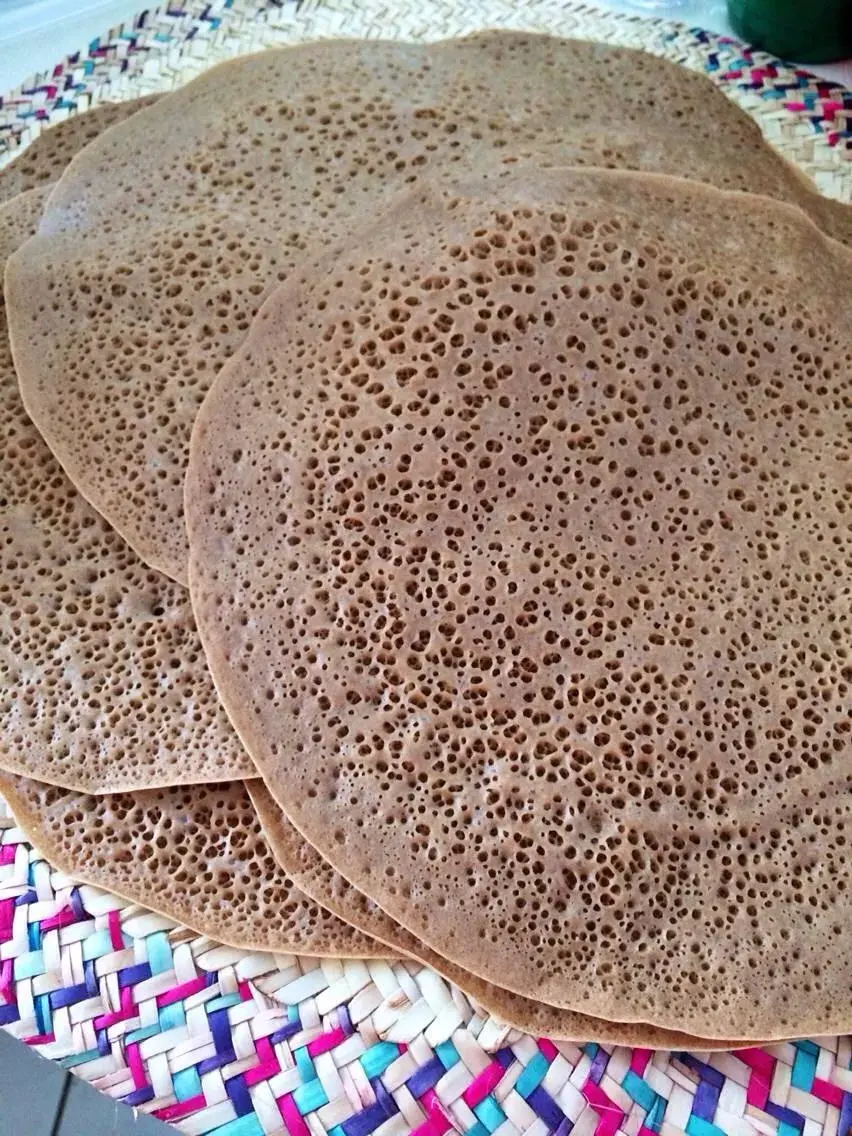
Is Injera Gluten Free? Yes, injera is generally considered gluten-free. It is primarily made from teff flour, which is naturally gluten-free. Cross-contamination risks in preparation, on the other hand, should be considered for persons with celiac disease or extreme gluten sensitivity.
There has been a growing awareness and demand for gluten-free food options in recent years due to the rise in gluten-related health issues. Injera, a traditional Ethiopian/Eritrean staple food, has garnered attention as a potentially gluten-free choice.
Do you need a recipe to make injera? Check here.
What is Injera?
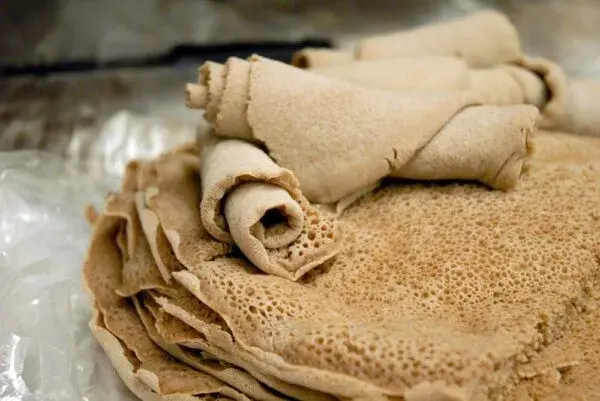
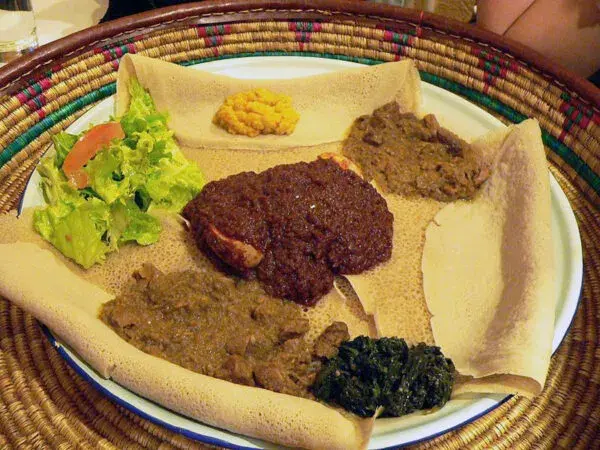
Injera is a unique and versatile flatbread with deep cultural significance in Ethiopian and Eritrean cuisine. It is a spongy, sourdough-like bread made from a fermented batter. Injera is typically used as a base for various stews, sauces, and dishes.
To understand if injera is gluten-free, defining the term in the context of injera is essential. Gluten-free refers to the absence or minimal presence of gluten, a mixture of proteins in grains such as wheat, barley, and rye. A food item must meet specific gluten content requirements to be classified as gluten-free.
Findings from studies assessing the gluten content of injera have been varied. Some studies reported detectable levels of gluten in injera samples, while others found negligible amounts. It is worth noting that these studies might have used different testing methods and could have variations in results.
Injera Ingredients Teff, a type of ancient grain native to Ethiopia, is the primary ingredient in injera. Teff is naturally gluten-free and rich in essential nutrients such as fiber, iron, and calcium. However, it is important to consider the possibility of cross-contamination during the production and preparation of injera.
Gluten Content in Injera Research studies have investigated injera's gluten content, aiming to clarify its suitability for gluten-free diets. Some research suggests that the fermentation procedure used to make injera may help to reduce gluten content. Fermentation breaks down proteins, potentially impacting the gluten content in the final product.
Health Considerations for Individuals with Celiac Disease
Even small amounts of gluten can have adverse health effects. Therefore, they must exercise caution when considering injera as part of their gluten-free diet.
It is recommended that individuals with celiac disease consult with a healthcare professional before consuming injera.
However, injera can be seen as an alternative for those following a gluten-sensitive diet. The reduced gluten content and the nutritional benefits of teff make injera an attractive option for gluten-sensitive individuals.
Nutritional Value and Benefits of Teff-based Injera
In addition to being potentially gluten-free, injera offers several nutritional benefits. Teff is a good dietary fiber source, promoting digestion and overall gut health. Moreover, teff contains essential nutrients like iron, calcium, and antioxidants.
Conclusion
The question of whether injera is gluten-free is a complex one. While some studies indicate the presence of gluten in injera, others suggest that the fermentation process may contribute to gluten reduction.
However, injera made with teff can be a viable alternative for gluten-sensitive individuals, considering its potentially reduced gluten content and nutritional value.
This will help you make informed decisions about injera in a gluten-free or gluten-sensitive diet if you decide to give injera a try.