Kenkey With Sauce and Fried Fish

Kenkey, dorkunu, dokonou, or kom is a West African sourdough dumpling-like meal popular in Togo, Benin, and Ghana. It’s commonly served with pepper sauce, shito, and fried fish or stew.

What is Kenkey?

It is a traditional Ghanaian meal prepared from fermented white corn that is widely consumed by Ga people from the south of the country.

Frequently, it is served with fried fish in West Africa, where fishing is common and fish is typically eaten fresh and fried, or dried and smoked for improved preservation. Like banku and ugali, it’s commonly made from ground corn (maize).

It is made by fermenting maize for at least 5 days before cooking it. As a result, the preparation takes a few days to allow the dough to ferment.

Variations Of Kenkey

  • The Ga tribe refers to it as komi and it is known as a dokono by the Fante tribe who live in the country’s center.
  • Kenkey is also popular in nearby Ghanaian countries such as Côte d’Ivoire, Togo, and western Benin, but it was also exported to Jamaica and Guyana, where it is known as dokono and konkee, respectively. In Ghana, It can also be used to serve stews of meat, fish, or vegetables instead of bread, and It also pairs well with okra stew.
  • It’s known as paime in Trinidad where it is commonly served as a side dish with vegetables like squash or plantains in korkey cuisine.

Kenkey and Fish

Before I tasted this dish, i have always wondered what the big deal was about a simple fermented cornmeal wrapped in corn leaves , then paired with fish.

If you are not a lover of fermented cereal like Ogi, Koko or Eko, you may not be quickly sold. Just trust me. The combination of the slightly sour Kenkey and the the slight sweetness of the sauce made from Tatashe, Scotch bonnet pepper and onion with the well-seasoned fried fish will change your thoughts about this meal.

What Does Kenkey Tastes Like?

Kenkey is naturally sour. It is this sourness that contributes to its uniqueness. Its acidity complements fried seafood perfectly. It is the fermentation process that causes the sourness. The kenkey is half cooked, wrapped in corn husks, plastic, or foil, and steamed after fermentation

How To Prepare Kenkey

If you are set, it is important to know that the preparation process will take a long time to finish. So, you might consider starting early enough.

It is made by steeping maize grains in water for about two days before milling and kneading them into a dough. After allowing the dough to ferment for a few days, a portion of it is baked and mixed with uncooked dough. This meal, a traditional  representation of Ghanaian cuisine, is served all year.

Check out the follow recipe for your homemade Kenkey with sauce and dry fish.

Kenkey

Kenkey with Sauce and Fried Fish

df96218443c01ecad1f142e17b62f1127641ec5f605ce7b23471b5b4369f0daf?s=30&r=gCuisine228
Prep Time 45 minutes
Cook Time 1 hour 40 minutes
Resting Time 5 days
Total Time 5 days 2 hours 25 minutes
Course Main Course
Cuisine Beninese, Ghanaian, Togolese
Servings 0
Calories 400 kcal

Ingredients
  

  • 6 - 8 cup corn
  • Agbelima (optional)

Instructions
 

  • In a large container cover the corn with just enough water to dampen all of it. Set it in a warm place, such as a warmed oven or on top of the refrigerator, for 5 days. Fermentation may take longer than two days, especially in cool climates.
  • When it is properly fermented, it should have a slightly sour, but not unpleasant aroma, rinse and grind the corn.
  • Knead the fermented dough with your hands until it is thoroughly mixed and slightly stiffened. Divide the dough into two equal parts.
  • In a large pot, cook one part of the fermented dough. Cook for about ten minutes, stirring constantly and vigorously. Remove from heat. This half of the dough is called the “aflata”.
  • Combine the aflata with the remaining uncooked dough. Mix well.
  • Divide the aflata-dough mixture into serving-sized pieces. Wrap the pieces tightly in corn husks, or foil. At this point you can put it in the fridge or freezer until you are ready to cook
  • Steam the Kom for 30 to 60 mins, depending on their size and thickness. Serve room-temperature.
  • Grind 1 onion, 2 tomatoes and green chilies together, grind until smooth, but with a little texture remaining in the sauce. Add Salt to taste
  • Season and fry your fish with some garlic, ginger, salt and pepper.
  • Serve with Yébésséssi, fried fish, sardine and Yébéssé fionfion

Video

Nutrition

Calories: 400kcal
Keyword Dokunu, Donkunu, Kenkey, Kom
Tried this recipe?Let us know how it was!

Attiéké Steak Alloco

Attiéké is a cassava-based side dish popular in the African country of Côte d’Ivoire. The dish is made using cassava pulp that has been fermented and grated or granulated.

It has a texture similar to couscous, which is also compared to this dish. Ivorian fried plantains are known as alloco (Aloco or Alloko). Benin, Nigeria (Dodo), the Democratic Republic of Congo (Makemba), Togo (Amanda), and Ghana all eat alloco (Kelewele). The steak and attiéké are served with the Alloco.

What is Attiéké?

Also pronounced atchekay, this is a traditional couscous made from ground cassava roots that is eaten for breakfast, lunch, and dinner by many Ivorians of all ages. It came from the Ivory Coast’s coastal districts centuries ago.

In Ivory Coast, West Africa, attieke this a special delicacy. It’s cooked using cassava and served with fried plantains or chicken. Any beverage, including red wine, can be served alongside the dish.

This delicacy tastes and smells tropical, with nutty vanilla tones, and conjures visions of palm trees and an unyielding sun, similar to raw cassava. It is starchy, sticky, and carbohydrate-rich, similar to fresh cassava—a vegetable used to make some of the world’s gooier delicacies, such as tapioca pudding.

How Is Attiéké made?

A short fermentation period (usually a few days) imparts a slightly sour, even foul flavor to the grain. That “funk,” like most fermented items, might be disconcerting at first.

However, the fermentation process and the ensuing added layer of taste and complexity gives it a distinct flavor and appeal, similar to mild sour dough bread in terms of tartness.

It stands out among the various starches and grains known, due to its acidic flavor.

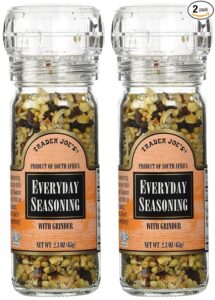
Suggestions for Amazon links to “African Spice Blend”

Trader Joes

Project Overview Docs Banner in Light Green Blue Vibrant Professional Style 1

Attiéké Steak Alloco

This whole dish is a one of the plethora of options you can have using Attiéké. Check out the recipe below:

Attiéké Steak Alloco

Attiéké Steak Alloco

df96218443c01ecad1f142e17b62f1127641ec5f605ce7b23471b5b4369f0daf?s=30&r=gCuisine228
Attiéké is a side dish made from cassava that is a part of the cuisine of Côte d'Ivoire in Africa. The dish is prepared from fermented cassava pulp that has been grated or granulated.
Prep Time 25 minutes
Cook Time 2 hours 25 minutes
Total Time 2 hours 50 minutes
Course Main Course
Cuisine Ivoirian
Servings 0
Calories 435 kcal

Ingredients
  

For the Steak

  • 3 kg bone-in ribeye steaks
  • Kosher salt
  • 1 tbsp garlic
  • ¼ tsp onion powder
  • ½ tsp paprika
  • freshly ground black pepper

For the Attieke

  • 1 ball of attieke
  • salt
  • ½ cup water

For the Alloco

  • ripe plantains
  • salt

Instructions
 

Preparing the Steak

  • Preheat oven to 400° F
  • Season steaks with seasoning and let it rest for about 40 minute.
  • Place the steak on a small baking sheet and roast in the oven until an instant read thermometer inserted into its center registers 135°F, about 1 hour.

Preparing the Attieke

  • Place Attiéké in a microwave-safe dish.
  • Add ½ cup of water and salt to Attiéké.
  • Allow the semolina to absorb all the water.
  • Microwave for 5 minutes (repeat by adding 1/4 of water until desired consistency)

Preparing the Alloco

  • Peel and cut the plantain diagonally or round, into 1/4-inch-thick slices
  • Add salt to the plantain 
  • Add oil into a nonstick skillet and place it on medium heat.
  • When the oil begins to shimmer but not smoke, add plantains (work in batches) and fry for 1½ minutes on one side, flip and cook for 1 minute on the other side.
  • Remove plantains from pan and drain on paper towels.
  • Continue frying in batches until all the plantains are fried.
  • Simple, fast, easy, yummy!

Video

Nutrition

Calories: 435kcal
Keyword Alloco, Attieke Steak Alloco, Fried Plantains, Steak
Tried this recipe?Let us know how it was!

Coconut Fried Rice

Coconut Fried Rice literarily translates to rice cooked in broth and coconut milk. The finished dish is a delectable mix of textures, colors, and flavors.

This cuisine may be found in numerous cultures all over the world, crossing the equator from the Indian subcontinent to Southeast Asia, South America, Central America, East Africa, West Africa, the Caribbean, and Oceania.

The above super qualities make the aroma of this dish irresistible, and the taste, excellent. Many chefs have confirmed that Basmati Rice is the best for coconut fried rice.

What is Coconut Fried Rice?

Like earlier established, this delicacy is simply rice cooked with coconut milk. By all standards, it’s a variety of fried rice, albeit made with coconut elements.

It is argued that coconut fried rice is the only thing better than the regular fried rice. It’s a tropical rice that’s simple to make and delicious to eat. Want to make a slight tweak to your fried rice? Take it to the next level using coconut milk/grated coconut.

Is Coconut Rice Good For You?

Yes! Without quivering, the fiber elements in coconut are a huge plus to your diet. The addition of coconut makes the rice fiber-rich, which aids in the speeding up of the metabolism, making it an excellent weight-loss food.

Coconut flour is high in dietary fiber, which can help lower cholesterol levels and reduce the risk of heart disease. It is beneficial to those with diabetes since it is low in carbohydrates compared to flour-like wheat and corn, and it has a minimal effect on blood glucose levels.

Coconut consumption, according to health experts, is beneficial for digestion, stress relaxation, strengthening immunity, and preserving healthy skin and hair.

How To Cook Coconut Fried Rice

This variety of rice is simple and quick to prepare. This rice cooked with coconut milk, spices, and fresh vegetables is fluffy and delicious. This dish can be made in a matter of minutes if you have fresh coconut milk or grated coconut and cooked rice on hand.

Unlike the regular fried rice which is made with any vegetable oil variety, the only oil used in making this dish is coconut oil, which is a healthy option that only requires a small amount. The finished beauty of this coconut and rice combo will not disappoint your taste buds.

Despite a large number of ingredients, this recipe comes together in a flash. For this dish, you can either use homemade coconut milk or store-bought coconut milk. However, the homemade one tastes superior.

You may decide to fry your oil or not but frying it gives the dish a nutty flavor. Just do that on a minimized heat level. Also, overcooking the rice will result in mushy fried rice.

Coconut Fried Rice

Coconut Fried Rice

df96218443c01ecad1f142e17b62f1127641ec5f605ce7b23471b5b4369f0daf?s=30&r=gCuisine228
This coconut fried rice is very easy and quick. Fluffy and delicious jasmine rice cooked in coconut milk, spices and fresh vegetables.
Prep Time 10 minutes
Cook Time 35 minutes
Total Time 45 minutes
Course Side Dish
Cuisine Nigerian
Servings 0
Calories 350 kcal

Ingredients
  

  • 5 cup jasmine rice washed and drained
  • 6 cup chicken stock
  • 2 cans coconut milk
  • 1 large onion chopped
  • ¾ cup cooking oil
  • 2 lbs frozen mixed vegetables thawed and patted dry with paper towel
  • ½ medium cabbage sliced
  • 1 large green pepper chopped
  • 1 - 2 habanero pepper finely chopped
  • 8 franks hotdogs chopped (optional)
  • 1 tsp turmeric powder

Instructions
 

  • Preheat oven to 400 degrees
  • Mix in the coconut milk and chicken stock. Stir and taste for seasoning. Adjust as needed.  Add the washed and drained rice. 
  • Cover pan tightly cook until rice is done when all liquid is absorbed and the rice is soft but not mushy.
  • Heat up oil in a sauce pan, then sauté onions and garlic till onions is translucent.
  • Add the Shrimps stir fry for about 2 minutes.
  • Add mixed veggies to the mix and stir fry on medium low heat until the remaining moisture from the frozen veggies evaporates. This takes about 8 minutes. 
  • Stir, taste for seasoning and adjust accordingly. Turn off heat and set aside. Add the rice.
  • Serve hot.

Video

Nutrition

Calories: 350kcal
Keyword Coconut Fried Rice, Nigerian Coconut Fried Rice
Tried this recipe?Let us know how it was!

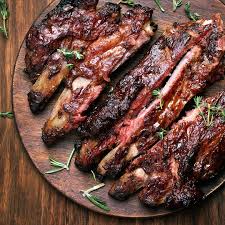
Spicy Barbecue Ribs

These spicy barbecue ribs are delicious and fall-off-the-bone tender! Double the flavor with an easy-to-make dry rub first, then coat in a seasoned barbecue sauce mixture so addictive you won’t be able to stop at one! This is a simply mouthwatering recipe!

Best Rib Cuts For Barbecue

Many people want to know how to know the best rib cuts for barbecue. Spareribs are commonly used for barbecuing because they do not require moist heat. This cut of meat comes from the pig’s breast or side and has less meat surrounding the bone.

Spareribs can also be baked or braised. Baby back ribs are a more tender, meatier option. These are from the loin area and can be baked, braised, or barbecued.

Country-style ribs are an even meatier option. These are made up of ribs or backbones from the loin area. Country ribs, on the other hand, are typically baked or braised rather than barbecued.

Is It Better To Barbecue Ribs or Bake Them?

When most people think of ribs, they think of BBQ. People converse while the ribs cook over coals, wood, or propane. However, there is a growing trend of baking ribs. Something that isn’t usually considered when preparing ribs, but what is the best method? It’s just difficult to say but you can always decide what you want for yourself.

Barbecue (BBQ) or Grilled Ribs

This is the more traditional method that necessitates greater skill and patience. Standing by the ribs to ensure that they cook evenly all the way through. Ribs can be grilled for a variety of reasons. Using various types of wood will give the barbecue ribs a natural flavoring.

Grilling rubs give it a different look while also adding a bit of a different flavor to it. Barbecue ribs grill lines form when the hotter-than-air metal on which the ribs rest burns the sauce. This also has the effect of caramelizing the sauce, giving it a different flavor, which baking may not have.

Oven-Baked Ribs

While BBQ gives ribs a distinct flavor, baking has additional advantages. Baking allows you to control how quickly and how much the ribs cook. Because ovens are temperature controlled, you are less likely to overcook or undercook your ribs. You can also place the ribs in the oven and leave them there for as long as the heat is even. Ovens also have the advantage of cooking faster than grills. Sometimes you can save a half-hour of cooking time, and other times you can save up to two hours. If properly wrapped in aluminum foil, drying out the ribs is impossible. Furthermore, because ovens are located inside and do not produce a lot of smoke unless they are dirty, you can enjoy delicious home-cooked ribs all year.

Preparing  Spicy Barbecue Ribs

If you want to eat the ribs solely with the dry rub, leave them overnight. However, you should not stay longer than overnight (10-12 hours). This dry rub recipe is heavily salted to achieve the moisture-locking effect, so if left on the meat for too long, it will dry it out, similar to curing.

It may take some time and patience to learn how to cook ribs on the grill, but the process couldn’t be simpler. Cook these spice-rubbed ribs over indirect heat for about an hour before finishing them over the flames, whether you use a charcoal grill or a gas grill.

Barbecue Ribs will be smoky, tender, and charred, and we’ve basted them in a sticky-sweet BBQ sauce glaze to give them a sticky-sweet flavor. To make things even easier, make your BBQ sauce or use a store-bought sauce. Then, for the ultimate summer cookout menu, pair them with your favorite BBQ sides, such as coleslaw, potato salad, or corn on the cob.

Ribs should be cooked slowly to achieve the best tenderness. To help tenderize the meat, ribs are frequently boiled or oven-steamed before grilling. To oven-steam ribs, place them in a large baking pan, fill with about 1 inch of water, cover with aluminum foil, and bake for 50 minutes at 350°F.

The spicy barbecue ribs recipe below includes instructions for boiling the ribs before grilling them.

Spicy Barbecue Ribs

Spicy Barbecue Ribs

df96218443c01ecad1f142e17b62f1127641ec5f605ce7b23471b5b4369f0daf?s=30&r=gCuisine228
This spicy barbecue ribs are fall-off-the-bone delicious! Double up on incredible flavor with an easy to make dry rub first, then coat them in a seasoned barbecue sauce mixture so addictive you won’t stop at one.
Prep Time 10 minutes
Cook Time 2 hours 15 minutes
Total Time 2 hours 25 minutes
Course Barbecue
Cuisine American
Servings 0

Ingredients
  

  • 7 lbs baby back ribs
  • 10 cloves garlic
  • 1 tbsp ginger
  • 1 bell pepper
  • 3 habanero pepper
  • ½ cup oil
  • 2 tomatoes
  • 1 bouillon cube
  • salt to taste

Instructions
 

  • Blend 10 garlic cloves, 1 tablespoon ginger, 1 bell pepper, 3 habanero pepper, 1/2 cup oil, 2 tomatoes and 1 cube
  • Rub two thirds of this mixture over the ribs on both sides, then transfer the ribs to a roasting pan. Cover and let sit in the refrigerator for 4 to 8 hours.
  • Set up the grill for indirect grilling.  Brush and oil the grill grate.
  • Arrange the ribs on the hot grate. Cover the grill and smoke cook the ribs for 1 hour. When the ribs have cooked for an hour, uncover the grill and brush the ribs with the remaining sauce. 
  • Re-cover the grill and continue cooking the ribs until tender and almost done, ¼ to ½ hour longer for baby back ribs, ½ to 1 hour longer for spareribs.
  • Serve hot.

Video

Keyword Barbecue, Barbecue Recipes, Spicy Barbecue Ribs
Tried this recipe?Let us know how it was!

Cassava Leaf Soup

Cassava leaf soup is also known as saka saka or pondu is a simple, yet tasty and substantial soup that is widely consumed in many parts of Central Africa especially in countries like Sierra Leone, and Liberia.

This exotic, cassava leaf soup is not a soup but sort of a stew. Can be prepared with any meat or fish. Most African countries use dry fish (smoked fish) in their soups for added flavor.

The major ingredient in making this soup is Cassava leaves. These leaves have a neutral flavor that absorbs any flavor you add. As a result, adding spices, meats, and other vegetables boosts the flavor. The cassava leaf is a common ingredient in Indonesian cuisine.

What is cassava Leaf Soup?

A little background into the meaning of cassava leaf will do – Cassava is a perennial plant with large, almost palmate (fan-shaped) leaves that are similar to those of the related castor-oil plant but are more deeply divided into five to nine lobes.

Cassava is high in dietary fiber, vitamin C, thiamin, folic acid, manganese, and potassium, among other nutrients. Cooked cassava leaves can also be eaten and are a common element in Central African soups and stews.

Cassava Leaves: Just like other leaves, they are a flat attachment to the cassava plant itself.

Health Benefits of Cassava Leaves

  • They are high in Protein – 100 grams of cooked cassava leaves contain roughly 3.7 grams of protein, which is a lot of protein for a green leafy vegetable. In addition, the leaves contain a variety of proteins that are equivalent to those found in eggs and soybeans.
  • Cassava leaves also include lysine, isoleucine, leucine, valine, and a lot of arginines, which are not commonly found in green leafy plants, making them a good source of protein.
  • The high protein level of these leaves is comparable to that of sweet potato and peanut leaves, and cassava leaves contain up to 10 times more protein than the roots.
  • They have nearly the same carb content as snap beans and soybeans.
  • Cooked cassava leaf has only 37 calories per 100 grams, making it ideal for weight loss… They’re also almost fat-free.
  • Cassava leaves are high in fiber, which encourages the growth of probiotic bacteria and so improves immunity… Constipation is relieved by fiber. Cassava leaves have a fiber level equivalent to beans and lentils.
  • Vitamin content comparable to carrots, which is beneficial to overall health.

Is Cassava Leaf Soup Spicy?

The spiciness of your soup depends on the number of ingredients you add. It’s all up to you to decide. This variety of soup has a particularly sweet and nutty flavor.

How To Make Cassava Leaf Soup

Get the following ingredients ready and follow the recipe below;

Frozen cassava leaves, smoked turkey or precooked fish, palm oil onion, tomatoes, garlic, ginger, peanut butter or groundnut paste, ground crayfish dried shrimps, bouillon cubes, salt, and pepper to taste.


Cassava leaf soup

Cassava Leaf Soup

df96218443c01ecad1f142e17b62f1127641ec5f605ce7b23471b5b4369f0daf?s=30&r=gCuisine228
Cassava leaf soup also known as saka saka or pondu is a simple, yet tasty and substantial soup that is widely consumed in many parts of Central Africa especially in countries like Sierra Leone, and Liberia.
Prep Time 10 minutes
Cook Time 30 minutes
Total Time 40 minutes
Course Sauces and Soup, Soup
Cuisine Liberian, Sierra Leonean
Servings 0
Calories 450 kcal

Ingredients
  

  • 3 lbs frozen cassava leaves
  • ½ lb smoked turkey or fish precooked
  • 1 cup palm oil
  • 1 medium onion chopped
  • 2 tomatoes puree
  • 2 tsp garlic
  • 1 tsp ginger
  • 1 tsp tomato paste
  • ½ cup ground cray fish dried shrimps
  • 1 tbsp chicken bouillon
  • 1 - 3 scotch bonnet pepper
  • ½ tsp cayenne pepper optional
  • salt and pepper to taste
  • 1 cube

Instructions
 

  • Heat oil in a large sauce pan over medium heat , add onions sauté until fragrant about 1-2 minutes. 
  • Add the tomato and 1/2 teaspoon cayenne pepper , garlic, ginger, tomato paste
  • Add the precooked smoked meat, then add stock about a cup cook for another 5 minutes.
  • Throw in the drained cassava leaves and continue cooking for about 8~10 more minutes.
  • Adjust seasonings (Bouillon, salt, soup consistency with water and oil) to taste and scotch bonnet pepper.
  • Serve warm over rice.

Video

Nutrition

Calories: 450kcal
Keyword Cassava Leaf Recipes, Cassava Leaf Soup
Tried this recipe?Let us know how it was!
Cassava leaf soup

Cassava Leaf Soup

df96218443c01ecad1f142e17b62f1127641ec5f605ce7b23471b5b4369f0daf?s=30&r=gCuisine228
Cassava leaf soup also known as saka saka or pondu is a simple, yet tasty and substantial soup that is widely consumed in many parts of Central Africa especially in countries like Sierra Leone, and Liberia.
Prep Time 10 minutes
Cook Time 30 minutes
Total Time 40 minutes
Course Sauces and Soup, Soup
Cuisine Liberian, Sierra Leonean
Servings 0
Calories 450 kcal

Ingredients
  

  • 3 lbs frozen cassava leaves
  • ½ lb smoked turkey or fish precooked
  • 1 cup palm oil
  • 1 medium onion chopped
  • 2 tomatoes puree
  • 2 tsp garlic
  • 1 tsp ginger
  • 1 tsp tomato paste
  • ½ cup ground cray fish dried shrimps
  • 1 tbsp chicken bouillon
  • 1 - 3 scotch bonnet pepper
  • ½ tsp cayenne pepper optional
  • salt and pepper to taste
  • 1 cube

Instructions
 

  • Heat oil in a large sauce pan over medium heat , add onions sauté until fragrant about 1-2 minutes. 
  • Add the tomato and 1/2 teaspoon cayenne pepper , garlic, ginger, tomato paste
  • Add the precooked smoked meat, then add stock about a cup cook for another 5 minutes.
  • Throw in the drained cassava leaves and continue cooking for about 8~10 more minutes.
  • Adjust seasonings (Bouillon, salt, soup consistency with water and oil) to taste and scotch bonnet pepper.
  • Serve warm over rice.

Video

Nutrition

Calories: 450kcal
Keyword Cassava Leaf Recipes, Cassava Leaf Soup
Tried this recipe?Let us know how it was!

Avocado Salmon Salad

This avocado salmon salad is delicious. It’s packed with all of the greatest ingredients, including crunchy cucumber and salmon.

It’s a meal-in-a-bowl recipe that takes only minutes to prepare. Fresh vegetables also add a crisp flavor to this salmon, while the dressing in this dish is what makes this salad amazing.

If you’re looking for a new appetizer recipe to serve at parties or gatherings, look no further.  This avocado and salmon salad combination is a great way to start your next party.

Do Avocado and Salmon Go Together?

Avocado and salmon are a great pair since they are both heart-healthy and high in “good fats,” Omega-3 fatty acids, and other nutrients. In addition, seafood pairs well with fruits and vegetables. Nothing beats brilliant colors and delectable flavors.

This combination is popular because the avocado enhances the sweetness of seafood. The dynamic combination is also a good fit for the Mediterranean Diet. Avocados, like seafood(salmon), are also readily available in your local supermarket.

Health Benefits of Avocado and Salmon Salad

In reality, avocados and salmon are both health-promoting foods that are simple to add into any diet. And both foods contain a variety of nutrients that provide the best of Mother Nature’s wealth, particularly omega-3 fatty acids.

Omega-3 fatty acids are naturally occurring beneficial fats present in foods that are often associated with good nutrition and a healthy lifestyle. They are distinct from trans fats and saturated fats, which raise cholesterol and increase the risk of heart disease and type 2 diabetes.

Summarily, avocado and salmon salad is very healthful, high in omega 3 and vitamin C, and adaptable to any meal.

Avocado Salmon Salad

Avocado Salmon Salad

df96218443c01ecad1f142e17b62f1127641ec5f605ce7b23471b5b4369f0daf?s=30&r=gCuisine228
This avocado salmon salad is a keeper! It is loaded with all of the best ingredients; crunchy cucumber, and salmon. It is a meal in a bowl recipe that is ready in minutes!
Prep Time 15 minutes
Cook Time 10 minutes
Total Time 25 minutes
Course Salad
Cuisine Algerian, Egyptian, Tunisian
Servings 0

Ingredients
  

For Dressing

  • 3 tbsp olive oil
  • 2 tbsp mayonnaise
  • 1 tbsp vinegar
  • 1 tbsp fresh parsley chopped
  • 2 tsp garlic minced
  • 1 tsp salt
  • 1 lb skinless salmon fillets

For the Salad

  • 4 cup romaine
  • 2 cucumber diced
  • 2 tomatoes diced
  • 1 red onion sliced
  • 1 avocado sliced
  • cup corn

Instructions
 

  • Coat the salmon with the Paprika, garlic and salt
  • Warm a large nonstick skillet with oil over medium-low heat. Raise the heat to medium-high. Place the salmon, skin-side up in the pan. Cook until golden brown on 1 side, about 4 minutes. Turn the fish over with a spatula, and cook until it feels firm to the touch and the skin is crisp if desired, about 3 minutes more.
  • Prepare all of the salad ingredients and mix in a large salad bowl.
  • Slice salmon and arrange over salad. 
  • Blend the dressing ingredients together. 
  • Drizzle with the dressing
Keyword Avocado Salmon Salad, Salad, Salad Recipes
Tried this recipe?Let us know how it was!


Pan Toasted Jollof Rice

Jollof rice is a popular dish prepared in many African countries and each recipe differs depending on the country this pan-toasted jollof rice recipe is another way to cook your jollof rice.

If you are familiar with Nigerian cuisine, you will know that Jollof Rice is very dear to our hearts and we make it in different forms ranging from the baked Jollof Rice to the party style Jollof Rice.

There are different methods used in preparing this meal but this recipe captures how it is made by toasting.

Pan Toasted Jollof Rice

This is my go-to method when I’m pressed for time or I’ve got other things to get on with around the house. Unlike the normal Jollof Rice, this doesn’t require so much attention.  No continuous stirring, no lifting of the lid every now and then to check the progress or worrying about it burning, it’s just so easy from start to finish.

Fry the stew, mix with parboiled rice, stick in the oven and get on with other things I need to do. I particularly like Toasted Jollof Rice because of the fact that it does not burn.

One thing I’ll advise though is that you need to season your stew and make sure its fried really well before adding the rice. This is because, unlike the normal cooked Jollof rice, you wont be able to keep going back and forth to add seasoning or spices, you need to get it right from the start.

To Make the Pan Toasted Jollof rice, you will need :

The preparation of Jollof varies from family to family. However, traditionally, Jollof contains the following:

  • Peppers – Choose bright red pimento or bell peppers it helps to brighten the color of the rice.
  • Tomatoes – Ripe red juicy tomatoes work best for this recipe.
  • Onions – I have tried using different varieties of Onions. I love it all. Any variety works well for me.
  • Chicken Stock – I always use homemade chicken stock. However, any
  • Long Grain Rice – I always like to use the long grain Rice usually labeled as “Parboiled long Grain rice”.
  • Vegetable Oil – Any good vegetable Oil will work for this recipe. However, I will suggest peanut Oil (groundnut Oil) or any other mild tasting oil – A strong tasting Oil might affect the overall taste of this dish
  • Other Ingredients – Salt, thyme, Curry powder, Stock cubes, Bay leaves, Ginger, Garlic

Options to customize your Jollof Rice

You can add vegetables like

  • Carrots
  • Green beans
  • Sweet peas
  • Sweet corn
  • Bell peppers
  • Green onions or a mix of any of these vegetables.

What To Serve With Jollof Rice:

Jollof Rice is usually served with Peppered chicken, fried chicken, Salad, Coleslaw, Chilled drink like zobo, Homemade Lemonade and lots more.

Here is a quicker and printable recipe that shows you how to make this recipe. Enjoy!

pan toasted jollof rice

Pan Toasted Jollof Rice

Jollof rice is a popular dish prepared in many African countries and each recipe differs depending on country. There are different methods used in preparing this meal but this recipe captures how it is made by toasting.
Prep Time 35 minutes
Cook Time 25 minutes
Total Time 1 hour
Course Main Course
Cuisine West-African
Servings 0

Ingredients
  

  • 4 cup long grain parboiled rice
  • 1 tbsp tablespoon vegetable oil
  • 5 large tomatoes
  • 400 g tomato paste
  • 1 g celery
  • 2 large onion
  • 1 tbsp butter
  • 4 cubes Seasoning
  • 2 tsp Curry
  • 1 tbsp Ginger
  • 3 medium garlic cloves
  • 1 tsp thyme
  • 3 tbsp chilli pepper
  • 2 tbsp Crayfish
  • 1 tsp Nutmeg powder
  • 2 dry Bay leaves
  • Salt to taste

Instructions
 

  • Wash the rice thoroughly and allow it dry for about 30 mins.
  • Put the butter and vegetable oil in a pot, allow it heat for a while until it has melted and mixed properly.
  • Put the rice in the pot with the mixture and stir till the rice is coated with the oil and butter mixture and toast it for about 8 to 10 mins and set aside.
  • In another oil in a pot, allow it heat and then add chopped onion and celery and stir for about 30 seconds.
  • Add tomato paste and fry for about 5 mins. Add your blended tomatoes, pepper, ginger, garlic, and onion.
  • Stir and allow it cook for 5 to 8 mins. Add curry powder, thyme, crayfish, chilli pepper, seasoning cubes, grate little nutmeg in it, add salt and stir.
  • Add your toasted rice to the mixture, throw in bay leaves.
  • Cover with foil paper and reduces heat to medium low to cook.
  • Once it’s done, stir and take out bay leaves
Tried this recipe?Let us know how it was!

Image Source: African Bites

Twisted Doughnuts

Many people consider doughnuts to be a favorite comfort meal. A doughnut, whether it’s dripping with cream or covered in chocolate, can really brighten someone’s day. You must be madly in love with doughnuts if they drive you insane and you can’t go a day without eating one.

Many cuisines around the world enjoy twisted doughnuts. They are known as kkwabaegi in Korea and shakoy and pilipit in the Philippines. These doughnuts can be eaten for breakfast, dessert, or whenever you have a sweet tooth.

From Africa to Asia, these twisted doughnuts cut across continents. And they have a universally appealing flavor, so you will like them no matter where you are in the world.

Variations Of Twisted Doughnuts

Twisted doughnuts are deep-fried yeast doughnuts or sticks of pastry made from wheat flour or glutinous rice flour. They are known as mahua in China, kkwabaegi in Korea, shakoy and pilipit in the Philippines, and sakubei in Japan.

Cinnamon Doughnut Twist

This doughnut is twisted and formed by hand before being dusted with cinnamon sugar.

Making the dough is a breeze. Kneading the dough is a breeze with the help of a stand mixer. Mixing and kneading by hand are possible even without a mixer.

On the outside, these twisted doughnuts are crunchy. The exterior resembles Chinese stick doughnuts.

While the outside of the doughnut has a wonderful crunch, the inside is light, fluffy, and pillowy. With each mouthful, the doughnut will deflate somewhat, but it will quickly return to its former shape.

Aside from cinnamon sugar, these fried doughnut twists can be coated in a variety of ways.

Twisted Doughnuts 1

Twisted Doughnuts

df96218443c01ecad1f142e17b62f1127641ec5f605ce7b23471b5b4369f0daf?s=30&r=gCuisine228
Twisted doughnuts are popular in many cuisines around the world. In Korea, they are known as kkwabaegi, and in the Philippines, as shakoy and pilipit.
Prep Time 20 minutes
Cook Time 1 hour 10 minutes
Total Time 1 hour 30 minutes
Course Dessert, Snack
Cuisine Filipinos, Korean, Nigerian
Servings 0
Calories 173 kcal

Ingredients
  

  • 3 cup all purpose flour for doughnuts plus 2 tablespoons for dusting
  • 2 tbsp butter
  • 1 pkt dry yeast about 2¼ teaspoons
  • 3 tbsp white sugar
  • 1 cup milk
  • 1 egg
  • ½ tsp cinnamon powder

Instructions
 

  • Fully melt the butter in a small saucepan over medium heat. Remove from the heat and add milk, sugar, and salt. Mix well until everything is well dissolved. Crack an egg into the saucepan and mix well. Add the yeast and stir. Let it sit for 5 minutes.
  • Transfer to a large bowl. Add 3 cups flour and mix well with a wooden spoon. When everything is well mixed, use your hand to knead the dough for a few minutes, and shape it into a big lump. Cover with plastic wrap.
  • Let the dough rise until it doubles in size, usually about 1 hour to 1½ hours
  • Deflate the gas with your hand and knead the dough for a few minutes until it’s soft and smooth. Cover with plastic wrap again and let it sit for 30 minutes to 1 hour until it doubles in size again.
  • Uncover the dough and knead it for a few minutes. Put 2 tablespoons of flour on the corner of your cutting board to use for dusting. Divide the dough into 16 equal pieces.
  • Take a piece of dough and roll it out on your cutting board so it forms a rope 10 inches long and ½ inch in diameter. If it’s sticky, sprinkle some flour on the area you’re working in. When you roll out the dough, move one hand upward and the other downward so that the rope is twisted in between your hands as you roll it.
  • Take the dough off the board, hold it aloft, and bring the ends together. The tension in the dough will twist it as it hangs. 
  • Place the twisted dough on a floured cutting board or tray. Repeat with the rest of the pieces of dough.
  • Let the doughnuts expand for about 30 minutes. 15 minutes in, gently flip each doughnut over with your hands so the bottoms don’t get flat and all sides expand nice and round.
  • Heat up 4 inches of oil in a deep skillet over medium high heat, until the temperature reaches 350° F. 
  • Cook for about 5 minutes, occasionally gently flipping them over with tongs, until they get crunchy outside and are evenly golden brown.
  • Strain the cooked doughnuts. Serve hot.
    Twisted Doughnuts

Video

Nutrition

Calories: 173kcal
Keyword Doughnut Recipes, Twisted Doughnuts
Tried this recipe?Let us know how it was!


Chicken Peanut Stew

The African Peanut Butter Stew is rich, creamy, and full of flavor. The easy-to-make combo of chicken, tomatoes, spices, and peanut butter comes together quickly.

Peanuts are eaten as a snack and occasionally with porridge in Africa. However, it has been observed that in other nations, the majority of individuals enjoy peanut butter and jelly. This dish is a “must-try” if you aren’t allergic to peanut butter and enjoy peanut butter and jelly.

The peanut butter stew gives you the aromatic flavor of the peanut butter and the savory taste profile. The peanut butter found in grocery stores are full of sugar, therefore you can make your own sugar free peanut butter.

You can do so in 5 minutes by placing roasted peanuts in a food processor and turning the food processor on until it becomes creamy and smooth. The peanuts go in stages from crumbs to a dry ball to a smooth and creamy “liquid” peanut butter. The peanut butter holds in the fridge for a couple of weeks.

Origin of Peanut Stew

Granat soup is the traditional term for peanut stew. Granat is the krio word for groundnuts, often known as peanuts.

Peanut stew, also widely known as maafe, may be found all throughout West Africa, and their origins can be traced back to meals cooked with native groundnuts before the arrival of the peanut from the New World in the 16th century.

Maafe can be traced back to Mali’s Mandinka and Bambara people. In the Mandinka language, it’s called “domodah” or “tigadegena” in Bamanankan.

Health Benefits of Peanut Stew

Peanut butter is a good source of plant-based protein because it contains roughly 25% protein. It does, however, lack the important amino acid methionine. Peanuts have a low carb content, making them ideal for persons with type 2 diabetes or those on a low-carb diet. Peanut butter is high in many beneficial vitamins and minerals, but it also includes a lot of calories.

Variations of Peanut Stew

Depending on the country of origin, there are numerous versions of this dish.

  • Beef, pork, or smoked fish can all be substituted for the chicken.
  • You can also include potato cabbage, carrots, kale, spinach, mustard greens, or any other hearty greens you desire.
  • By adding pureed pepper, you may make it as hot as you want.
  • Some varieties are thick and served over rice, fufu, or millet couscous, while others are thinner and nearly soup-like, the consistency varying greatly depending on where in Western Africa you are.
Chicken peanut stew

Chicken Peanut Stew

df96218443c01ecad1f142e17b62f1127641ec5f605ce7b23471b5b4369f0daf?s=30&r=gCuisine228
The African chicken peanut stew is creamy, delicious and flavorful. The combination of chicken, tomatoes, spices and peanut butter comes together quickly and is very easy to make.
Prep Time 10 minutes
Cook Time 25 minutes
Total Time 35 minutes
Course Sauces and Soup
Cuisine Togolese
Servings 0
Calories 330 kcal

Ingredients
  

  • 1 cup peanut butter paste
  • 1 onion
  • 2 fresh tomatoes
  • 1 tsp tomato paste
  • ½ tsp cayenne pepper
  • 2 - 5 habanero peppers or serrano pepper
  • 8 chicken legs or wings
  • 2 cloves garlic large
  • 1 tbsp ginger
  • 1 tsp black pepper
  • 1 bouillon cube
  • salt to taste

Instructions
 

  • Boil the chicken with your favorite seasoning, then Fry and set aside.
  • Blend tomatoes and onion. 
  • Add remaining onion, tomato and tomato paste to the chicken broth. Bring to a boil and let it simmer stirring frequently to prevent any burns- about 5 minutes.
  • Next, add the peanut butter, chicken (2 cups of water or chicken stock as needed), season with, chicken bouillon, salt and cayenne pepper. Let it simmer for about 10 minutes or more.
  • Add the habanero peppers or Serrano pepper.
  • Adjust the soup thickness with water/chicken stock if necessary and let simmer to desired thickness.
  • The peanut butter can be served with white rice, Eba or Fufu

Video

Nutrition

Calories: 330kcal
Keyword Chicken Recipes, Peanut Stew
Tried this recipe?Let us know how it was!


Fish and Vegetable Couscous

Fish and vegetable couscous is a simply prepared dish with great complexity of flavors. It is also coupled with an enjoyable taste of summer that may be enjoyed all through the year.

Couscous is an original Berber dish, and as such, it is a staple in many North African countries. We have different types and versions of couscous in Morocco, but when you say “couscous,” people usually assume you’re referring to one of the most basic versions of the famous dish; fish and Vegetable couscous

Is Fish and Vegetable Couscous Healthy?

Couscous has a higher protein content and a higher vitamin and mineral content than white rice. With a fish and vegetable addition to it, it makes a whole meal that is highly nutritional.

Fish and vegetable couscous is high in vitamins and minerals, including the immune-boosting mineral selenium. Thyroid function and thyroid hormone production are both aided by this vital mineral, which works as an antioxidant.

Couscous is a rich source of protein, giving about 7g per 100g, despite not being a complete protein. It’s a good addition to a plant-based diet, which has been linked to a lower risk of illnesses like stroke, heart disease, and cancer.

Couscous is a good source of fiber but searches for wholemeal couscous, which is produced from the whole grain, to get the most out of it. Fiber promotes digestive health and relieves constipation, and studies suggest that it may also aid in the improvement of good bacteria levels in the stomach. Whole-wheat couscous is also more full because the fiber slows the breakdown of sugar into the bloodstream, resulting in a more consistent source of energy.

How to Make Couscous

Despite its appearance, couscous is pasta produced from durum wheat semolina flour and water. Moroccan couscous is the smallest, followed by Israeli or pearl couscous, which is about the size of peppercorns, and Lebanese couscous, which is the largest of the three. Simply pour boiling water over dried couscous and set it for 5-15 minutes.

This dish is quick and simple to make. Most supermarket couscous has already been steamed before being dried, so it simply requires the addition of boiling water or stock to rehydrate. Couscous can then be used in salads or as a side dish with meat, fish, or vegetables.

Fish and Vegetable Couscous

Fish and Vegetable Couscous

df96218443c01ecad1f142e17b62f1127641ec5f605ce7b23471b5b4369f0daf?s=30&r=gCuisine228
Fish and vegetable couscous is a simply prepared dish with great complexity of flavors. It is also coupled with an enjoyable taste of summer that may be enjoyed
Prep Time 30 minutes
Cook Time 1 hour 20 minutes
Total Time 1 hour 50 minutes
Course Sauces and Soup
Cuisine Togolese
Servings 0
Calories 348 kcal

Ingredients
  

For the Couscous Semolina

  • 400 g semolina or a bowl of semolina
  • water
  • 1 tsp salt

For the Fish and Vegetables

  • 3 medium fish without too much scales such as bream or grouper
  • 2 grated onions
  • 2 puree tomato
  • 1 - 2 cloves garlic
  • 1 - 4 zucchini
  • 2 - 3 carrots
  • 2 potatoes
  • 1 - 2 green peppers
  • a bit of harissa
  • 3 - 4 tbsp tomato paste
  • spices Garlic, caraway, turmeric, pepper, salt

Instructions
 

Preparing the Couscous Semolina

  • Mix the salt with cold water. Sieve the semolina in a large dish. Spray a handful of water on the surface of the semolina and then in a circular motion mix well to penetrate the water until it is well absorbed. Renew this operation by mixing well in a circular motion.
  • Pass the couscous in steaming for about 20 minutes.
  • Sprinkle the couscous with about 1/2 liter of water (for me but it can be more) and let swell for 30 minutes. Unmold the couscous which is cold and without fear of burning, separate by rubbing the seed between your hands to remove all the small lumps. You can add a tablespoon of oil. Cook again until the steam escapes and remove. Unmould, then with a large spoon it separates easily. Add salt if necessary and olive oil (or butter if you prefer), and mix again to separate the grains.
  • At this point you can reserve your couscous until it is used and iron it once to warm it up.

Preparing a Dersa (or chermoula) for the Fish

  • Empty and clean the fish well and let them drain. In a mortar pound together garlic and salt, add a teaspoon of cumin, turmeric, pepper and salt. Mix well and spread this preparation inside and outside the fish. Marinate in a cool place for at least 30 minutes.
  • Clean and cut the vegetables in half according to your taste and reserve.
  • Fry the fish in a very hot oil
  • In a pot over medium heat add tomato, onions and oil. Add the concentrated tomato and water.
  • Add the vegetable and fried fish. Cover with water and bring to a boil. Cook for 10 to 15 minutes
  • Serve the cooked couscous seed in a large, deep dish, drizzle with olive oil and mix. Sprinkle with one or two ladles of broth and decorate with vegetables, fish and peppers.
  • Enjoy your meal.

Video

Nutrition

Calories: 348kcal
Keyword Fish and Vegetable Couscous, Sauces, Soup
Tried this recipe?Let us know how it was!


QUICK RECIPES