Chin Chin

1
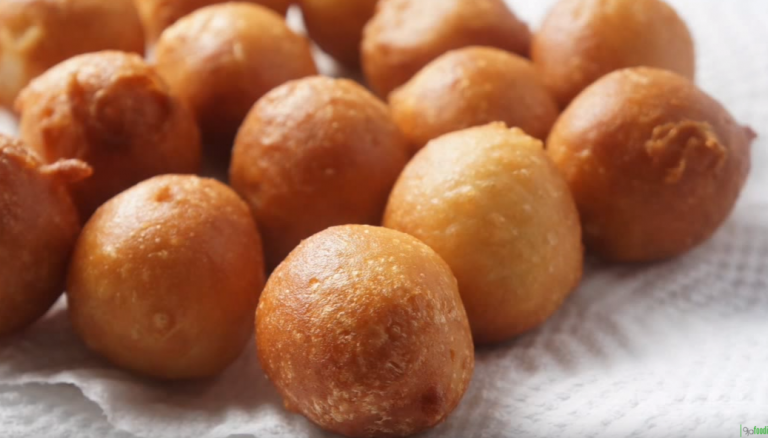
This is the recipe for chin-chin you’ve been looking for. Try it out and see what happens. Chin-chin is popular West African fried delicacy. It’s a deliciously crunchy deep-fried snack with a lot of flavors. 

With the texture of a cracker and the taste of a small dry cake, chin-chin was originally prepared for very special occasions and especially for birthdays.  I remember during the Christmas season, I use to help my mother make it a lot, that’s one thing my siblings and I always looked forward to making.

Time has changed and today, it is sold at every Nigerian street corner, grocery store and supermarket. And despite their sweetness, they are Africa’s quintessential appetizers.

These snacks are great for teatime, movie nights, game nights, or anytime snack.

What Is Chin Chin Made From?

It is made primarily from flour, sugar, milk, and butter. Optional ingredients include eggs, nutmeg, and baking powder according to individual preference. The dough is cut into various shapes and sizes and then typically deep-fried in vegetable oil.

It is also a big party favorite, usually served as an appetizer, it can be either hard or crunchy. In Ghana, it is called Achomo.

People have their preferences ranging from the really hard ones to the soft ones. My preference is just in-between and that’s the recipe I have shared below.

I have also given some tips below on how you can make the soft or the hard version so you could choose your preference.

Health Benefits Of Eating Chin Chin

It can serve as an energy booster. It is also a source of vitamins like A, B3, and D.

Is Chin Chin Good For Weight Loss?

The truth is that Chin Chin is fattening. This means if you eat them too much, you will gain a lot of weight.

How To Make Chin Chin

It can be easily prepared at home without much effort. All the ingredients you need are all pantry staples and everything comes together in about 30 minutes from start to finish.

The ingredients needed to prepare chin are flour, sugar, salt, butter or margarine, eggs, milk, and oil plus a specific flavor specific to each country or region. In Nigeria, the most popular flavor is often nutmeg.

The recipe has some variations and notes listed below;

  • If you want it to be super-soft with little to no crunch then add 1 extra tablespoon of butter and an extra tsp of baking powder
  • If you are a fan of the super hard chin chin leave out the Egg and the baking powder; at this point, your dough will be hard but if you find it too hard to work then add about 1/2 to 1 tablespoon of milk to make it workable.
  • If you are using powdered milk just dissolve 2 Tbs of powder milk in 8Tbsp of water then use the required amount in the recipe (6 to 7 Tbsp) and drink the rest!
  • If you plan to store it, be sure to let it cool down completely before storing it in an airtight container. This will make it remain crisp and last longer.
  • Don’t be in a haste to eat when you are done, let it cool down properly for you to enjoy the crunch.

Best Flavours For Chin Chin

Chin chin is such a fun recipe because there are LOTS of flavor variations. You can add some grounded pepper to spice things up or add cinnamon, vanilla, or cocoa powder for chocolate chin chin!

FAQ’s

Why is my Chin Chin not Crunchy?

If you don’t put the egg in your ingredients, it will turn out to be dry and strong/ hard. Without eggs, your Chin Chin will feel crackly (not crunchy) when you take a bite.

Why Does my Chin Chin Soak Oil?

Sometimes you find that your chin chin is soggy or has soaked up a lot of oil here are a few reasons why;

  • The Oil wasn’t hot enough.
  • The Oil wasn’t enough for the amount of chin chin dough being fried.
  • The Oil was Overcrowded. Overcrowding the oil lowers the oil temperature and we are back to no 1 point above.

How To Prevent Chin Chin From Soaking Lots Of Oil When Frying

  •  Before you fry, always test the heated oil by putting a piece of chin chin in the oil. When the oil bubbles and the piece of chin chin rise to the surface, the oil is ready to fry.
  • Always use enough oil to fry. Frying chin chin necessitates deep frying, which necessitates a sufficient amount of oil. 
  • To fry your dough, make sure you have adequate oil. By reducing the temperature of the oil and causing the dough to soak up oil, too much dough overcrowds the pan and prevents optimal frying.

How to Check if the Oil is Hot Enough for Frying

To check if the oil is hot enough, drop a small piece of dough inside the oil.

  • If the dough stays at the bottom for a long time, then the oil needs to be heated up a little more. 
  • If the dough rises too rapidly, then you may need to turn down the heat a little bit; otherwise, it will brown too quickly.
  •  If the dough gradually floats to the surface of the oil, then the oil is just right.

How to Make Chin Chin For Sale

Start by mixing all of the dry ingredients until they are well combined. Then, add cold butter chunks to the flour mix and rub the butter and flour together using your fingertips. The mixture should look like breadcrumbs.

Next, mix the wet ingredients (egg and milk) in a separate bowl. Pour the wet ingredients into the butter and flour mixture and mix it with your hand or a knife until the mixture forms a dough.

Once the dough has formed dust flour on a surface and knead the dough until well combined. Then, use a rolling pin to flatten the dough. It should be about 1/5 inches thick. Use a pizza cutter to cut the chin chin and cook in hot oil until golden brown.

Can Baking Soda be Used for Chin Chin?

Yes, it can but how much you use depends on whether you want a soft chin chin or a hard crunch chin chin.

Storage

Store in an air-tight jar or container at room temperature for 3-4 days. You can also use a zip lock bag.

Thanks for reading this recipe, comment below if you made this, and let me know how it went. Enjoy!

Some suggestions for Amazon links to “Chin Chin Snacks”.

Original Sweet Cinnamon SweetProject Overview Docs Banner in Light Green Blue Vibrant Professional Style 1

Chin Chin Recipe

Chin-Chin

Beatrice IgeBeatrice Ige
Chin Chin is a very popular crunchy deep fried snacks in Nigeria. It is made primarily from flour,sugar, milk and butter.
Prep Time 30 minutes
Cook Time 20 minutes
Total Time 50 minutes
Course Appetizer, Snack
Cuisine Nigerian
Servings 0
Calories 520 kcal

Ingredients
  

  • flour
  • milk or water
  • butter or margarine
  • eggs
  • vegetable oil
  • baking powder
  • sugar
  • flavour essence vanilla
  • ground nutmeg
  • salt

Instructions
 

  • Pour the flour in a big bowl, add baking powder, sugar. Mix well and then add the butter/margarine. Mix thoroughly with your hands until it looks like fine bread crumbs.
  • If you will be using eggs, beat the eggs and set aside.
  • Add your whisked eggs and mix together.
  • Gently pour in the milk with the Essence and work into it bring it all together thereby forming pliable dough.
  • Put flour on your clean board and place the chunk of the dough and roll out.
  • Cut the dough into any shape you want and place the cut outs into a bowl, knead and repeat the process till the whole dough is used up.
  • Place the pan with vegetable oil on the cooker to heat up the oil.
  • Fry the chin chin dough in batches, make sure u don't crowd the pan.
  • Make sure the chin chin is done, once it turns golden brown, transfer into a sieve or paper towel and leave to cool at room temperature.

Nutrition

Calories: 520kcal
Keyword Achomo, Chin-Chin
Tried this recipe?Let us know how it was!

Benne Cakes

0

Benne Cakes are popular snack cookies which originated from Africa, where the benne seed comes from.

It is enjoyed by the whole world because of its wonderful taste. Benne seeds are said to be eaten for good luck and it is popular in America during the Kwanzaa Celebration. Bring some luck to your celebration by trying these delicious and simple cakes.

What is Benne Cake?

Benne Cake originated in West Africa and Benne means sesame seeds, and they are eaten for good luck.

Serve these crunchy little cakes ( also called wafers or cookies) at your Kwanzaa parties and celebrations as a delicious appetizer before the meal.

How To Make Benne Cake

Making benne cake is fairly simple. You need to toast some sesame seeds. After that, you will mix your dough and bake your cookies. Once your cakes are done, you will have a great treat to enjoy.

How Do I Toast My Sesame Seeds?

To start, you will need to toast your sesame seeds. You should use a dry pan over medium heat to toast your seeds.

Toast the seeds until they brown slightly. Do not cook them until they burn.

How Long Should I Bake My Benne Cake?

Your benne cake should be baked at 325 degrees Fahrenheit (approximately 163 degrees Celsius) for 15 minutes. The edges should be browned when they’re done.

You may need to cook your benne cake for a bit longer if the do not look done after 15 minutes.

Cool your cake on an iron cooling rack before serving.

Tips To Make The Best Benne Cakes

Soften your butter. Your butter needs to be softened to make benne cakes. There are many ways to soften your butter for baking.

  • You can slice your butter into small chunks. This encourages it to soften faster.
  • You can place the butter in a Ziploc bag and pound it with a rolling pin.
  • It can take awhile for butter to soften, so set it out for about an hour before you make your benne cakes.
Prepare a cooking sheet. Use parchment paper to line the cake sheet or use cooking oil to lightly spray a cake sheet. This will prevent your cake from sticking. Don’t add too much cooking spray. A light layer is enough.

Drop your cakes into the sheet. Benne cakes are drop cookies. This means you use a rounded teaspoon to scoop up the dough. From there, gently drop the cakes into the plate.

  • Keep the cookies about two inches apart.
Warning. Cookies and baking sheet will get very hot and can burn! Always bake with caution and safety!

If you liked this Benne Cake recipe, you may also like some of my cake recipes:

Enjoy!

Some suggestions for Amazon links to “Benn Wafers”.

Rip Van WAFELS Dutch Caramel Vanilla Stroopwafels Healthy Non GMO Low Calorie

Project Overview Docs Banner in Light Green Blue Vibrant Professional Style 1

Benne Cakes

Benne Cakes

Beatrice IgeBeatrice Ige
Benne Cakes is a popular snack cookie that originated in Africa, where the benne seed comes from. Benne means sesame. It is enjoyed by the whole world because of it swonderful taste.
Prep Time 30 minutes
Cook Time 15 minutes
Total Time 45 minutes
Course Appetizer, Snack
Cuisine Ghanaian, Nigerian, Togolese
Servings 0
Calories 110 kcal

Ingredients
  

  • oil to grease a cookie sheet
  • finely packed brown sugar
  • butter or margarine
  • egg (beaten)
  • vanilla extract
  • freshly squeezed lemon juice
  • flour
  • baking powder
  • salt
  • toasted sesame seeds

Instructions
 

  • Preheat the oven.
  • Lightly oil a cookie sheet.
  • Mix together the brown sugar and butter and beat until they are creamy.
  • Stir the Egg, Vanilla extract and lemon juice.
  • Add flour, baking powder, salt and sesame seeds.
  • Drop by rounded teaspoons onto the cookie sheet 2 inches apart.
  • Bake for 15 min or until the edges are browned.
  • You can enjoy it with chilled juice.

Nutrition

Calories: 110kcal
Keyword Benne Cakes, Cakes, Sesame
Tried this recipe?Let us know how it was!

Afang Soup

Afang Soup is a tasty, nutritious Nigerian soup, usually eaten among the Efiks / Ibibious people in Cross River and Akwa Ibom States.

This soup is a bit bitter and usually prepared with a combination of vegetables and this soup is also medicinal and the richest among vegetable soups of the Efiks/Ibibious in Nigeria.

Afang Soup Recipe

It is made from afang vegetable (okazi in Igbo) and waterleaves. It looks a lot like Edikang ikong. Edikang ikong soup is usually made with water leaves and Ugu, whereas this soup is made with okazi and waterleaf vegetables, the leaf distinguish them.

Ingredients For Afang Soup

This soup is very nutritious, and the cost of preparation may be adjusted to meet the demands of the family. Beef, fish, palm oil, crayfish, pepper, Shaki (calf tripe), waterleaf, okazi leaf, onion, periwinkle salt, and other seasonings are used to make this soup.

Where Does Afang Soup Come From?

This Soup is of Nigerian origin–a much-celebrated recipe from the efik ethnic group in the southern part of Nigeria –and often served at ceremonial occasions such as weddings, child birth and to honored guests.

It has spread its wings throughout Nigeria and has been embraced in neighboring countries.

Is Afang Soup Healthy?

Yes, it is. A study found that the Okazi leaf in this soup is a rich source of antioxidants like tannins, saponins alkaloids and glycosides. It also contains steroids that are very beneficial to you. Also, this medicinal plant contains compounds that are antimicrobial.

You can also check out this article on All You Need To Know About Afang Soup.

Can a Pregnant Woman Eat Afang Soup?

Yes! Since this soup is particularly rich in folic acid and vitamin A, it has been significant in providing adequate nourishment for both mother and unborn baby.

Afang Soup Vs Okazi Soup

The Nigerian Afang Soup is not to be confused with the Okazi Soup, which is unique to the Nigerian states of Imo and Abia. While Afang soup is made almost entirely of veggies, Okazi soup is made entirely of thinly sliced Okazi leaves.

Get More Nigerian Soup Recipes!

Egusi Soup

Okro Soup

Edikang Ikong Soup

Efo riro

Swallow Options To Have With Afang

This soup can be eaten with any swallow of your choice but the best I hear is pounded yam which is the traditional swallow of choice. Where are my Ibibio and Efik peeps…. your input is needed here please.

How To Cook Afang Soup

To prepare your delicious afang, please adhere to the following tips and notes and take a look at the recipe below on the step by step procedure in preparing this delicacy.

  1. Great alternative to water leaves is Lamb’s Lettuce, known as Canonigos in Spanish.
  2. Yes, you need that much palm oil. Cut down on the oil if you are health conscious. I have made this soup before with only 1/2 a cup of oil and it still tasted delicious.
  3. Feel free to include periwrinkle in this meal.
  4. If you really want it slimmy blend one okra with the spinach

See how easy that was? Now, let’s get cooking, remember to leave a feedback when you’ve had the chance to replicate this easy recipe. See you in the next recipe.

how to make afang soup

Afang Soup

Avatar photoJennifer Ezeokoli
Afang Soup is a tasty, nutritious Nigerian soup, usually eaten among the Efiks / Ibibious people in Cross River and Akwa Ibom States.
Prep Time 10 minutes
Cook Time 20 minutes
Total Time 30 minutes
Course Side Dish, Soup
Cuisine Nigerian
Servings 0
Calories 361 kcal

Ingredients
  

  • beef or assorted meat (cow hide, tripe, etc.).
  • smoked fish.
  • stock fish optional
  • ground crayfish
  • shelled periwinkle optional
  • afang leaves (okazi leaves)
  • water leaves
  • palm oil
  • bouillon cubs
  • fresh pepper
  • salt
  • onion

Instructions
 

  • Slice the water leaves and set aside, slice Afang leaves, pound or blend it and set aside too, if you are using dry leaves it might be tougher than the fresh leaves, so try to grind it as fine as you can.
  • Cook the assorted meat and stock fish with onions, seasoning cubes and salt, cook until tender.
  • Remove the bones in the dry fish and add to the pot of cooked meat.
  • Add palm oil, pepper, ground crayfish and seasoning cubes to the pot.
  • Add the periwinkles that if you are using it, cover the pot and leave to boil for about 10 minutes.
  • Add the Afang leaves, leave to simmer for 5 minutes and then add water leaves.
  • Add salt and leave for 2 minutes.
  • Serve with any Nigeria swallow.

Nutrition

Calories: 361kcal
Keyword Afang Soup, Baobab Leaves Soup, Vegetables
Tried this recipe?Let us know how it was!


Akara

Akara is a West African recipe specially made from grounded beans, mixed with seasoning into a batter, and deep-fried.
It is best eaten as breakfast with bread or pap (Akamu).  Making this dish entails frying tiny, spherical molds of mashed, flavored beans in hot vegetable oil.

Akara

It is also known as black-eyed peas fritters, beans fritters, or Acaraje, it is a deep-fried black-eyed peas paste bean cake.

Nothing beats a platter of old-fashioned Akara served with a bowl of pap (akamu – fermented corn pudding) or tucked into a freshly baked bread loaf on a Saturday morning.

They’re also great as an evening snack, an appetizer, or a simple, comfortable nibble.

The Origin

Though it is thought to have originated with the Yoruba tribe of Nigeria, it has made its way to the hearts of people all over West Africa and beyond.

Facts About Akara

  • Akàrà is a type of fritter made from cowpeas or beans. In Hausa, it is called kosai, in Portuguese, Acarajé. It’s a common cuisine in West African, Caribbean, and Brazilian cuisines.
  • Bean buns could pass as the most suitable English name for akara.
  • Acarajé is used as both a sacred tribute to the gods and as street food in the Candomblé religion.
  • Enslaved people from West Africa transported the dish to Nigeria, Ghana, Togo, Benin, Mali, Gambia, Burkina Faso, and Sierra Leone, where it can still be found in various varieties.

Preparing Akara

There are several varieties, but the Nigerian Akara is usually made with peeled blended beans and spices and then deep fried in vegetable oil. Palm oil can also be used for deep frying.

The following is how to prepare for frying the beans paste;

  • Before you make it, you must first remove the beans coat.
  • Always use fresh peeled beans, and don’t let salt come into contact with the beans you’ll be using in making it until you’re ready to fry it.
  • Soak the beans in water for 2 hours to soften them up sufficiently for your blender; if you’re using a grinding mill, you won’t need to soak the beans for as long.
  • Cut the pepper and onion into small pieces.

Tips:

  • Soak peeled beans in water for up to 6 hours before blending. This make blending easier plus it gives fluffier akara.
  • A little salt goes a long way while preparing this dish, so be careful.
  • It’s very important to be mindful of the texture of the batter. Try to not blend too smooth, otherwise, it will not form enough tiny air pockets which will result in dense Akara.
  • To combine the Beans, only a small amount of water is required; any more water will result in flat, unpleasantly soft Akara balls.
  • It’s also important to be careful of the quantity of water that is used to blend the beans. Too much water will result in a thin batter and this will cause the Akara to crumble inside the oil during the frying process.
  • Don’t skip the whisking part, it is very important to incorporate air in the batter as much as possible before frying. This will help yield a light Akara.
  • If you don’t have a whisk, you can beat the batter with a wooden spoon and get the same outcome. It’s fine to use a mortar and pestle if you want to go the conventional route.
  • If it is well-made, it should be light, airy, soft, and rounded. When the it seems flat, this indicates that not enough air has been added to the batter. That is why whisking the batter for a few minutes before cooking it is essential.
  • Depending on the scoop you use, two cups of dry black-eyed peas provide between 4 to 12 cups of peeled beans, and this quantity yields about 20 (a little more or less) pieces of Akara balls.

How To Serve Akara

There are several methods to serve Akara

  • Serve with pap, oatmeal, or custard as a side dish.
  • Serve with a salad bowl.
  • Dip into a hot sauce.
  • Simply eat as is.
  • Akara burger: Put the Akara between two slices of tiny bread and eat it like a sandwich. It’s known as an African burger.

Why Is My Akara Flat?

If the batter is too watery, the akara will come out flat and in some cases not hold up in oil. That’s why it’s important to blend with as little water as possible.

HOW TO STORE

To store leftover, allow to cool completely then put in ziploc , label and store in the fridge for up to 3 days or in the freezer for up to 3 months.

To reheat, microwave on high for 30 seconds or 1 minute if from the fridge. Frozen will take few minutes longer.

Akara

Prep Time 2 hours
Cook Time 5 minutes
Servings 0

Equipment

  • Blender (the grinding mill is advisable)
  • Mortar and Pestle

Ingredients
  

  • Beans (Black-eyed or brown beans)
  • Pepper
  • Onion
  • Salt
  • Vegetable oil for frying

Instructions
 

  • Grind the beans with your blender or grinding mill, make sure you add as little water as possible until it forms a paste
  • Pour your paste in a mortar and whisk the paste with the pestle till the mixture is light and fluffy.
  • Add your salt, onions, and pepper. (You can also choose to blend the onion and pepper and mix it in).
  • Set your vegetable oil on the cooker to heat up
  • Fry till brown
  • Serve with, Agidi, Pap, Bread, Custard or Garri.
Tried this recipe?Let us know how it was!

If you have enjoyed and tried this easy recipe, don’t forget to leave feedback.

Amala

Amala is a traditional Nigerian meal eaten by the Yoruba ethnic group in the country’s western states. It’s manufactured using unripe plantain flour, yam flour, and/or cassava flour.
As a popular Nigerian dish, it’s difficult to go to any of the local bukkas in Lagos or Ibadan without seeing this dish on the menu.
The beautiful thing about this Yoruba special is that it is quick and easy to make, but if you aren’t careful, you could end up with lumps that make it unappealing to eat. If you struggle with making lump free, fluffy, smooth Amala, relax because with this recipe you’ll get it under control.

What Is Amala Made Of?

Yams are peeled, cut, washed, and dried before being ground into a flour known as èlùbo. Yams are white when fresh, but when dried, they turn brown. This is how àmàlà is made of and gets its color.

It is a West African dish consumed mostly by the Yoruba people of Nigeria, particularly in the state of Oyo. Ibadan people do not play with amala and ewedu, likewise akpu na ofe onuigbu for an Igbo man/

Types Of Amala

Yam flour (isu): This is the most popular àmàlà, and it is made from yam. Because of its high starch content, Dioscorea cayenensis also known as West African yam or white yam is the ideal yam specie for making amala. Yam grows throughout Africa, Asia, the Caribbean, Oceania, and Latin America, and is the common name for plants in the genus Dioscorea.

Dried yam is used to make it. When added to boiling water, it turns a black/brownish color. It is quite high in carbohydrates since yam is a major source of carbohydrate for many people in Sub-Saharan Africa.

Cassava flour (láfún): This is made from cassava flour, is the second type. In Nigeria, dried cassava flour is known as “lafun.” Cassava is another prominent source of carbohydrate, with Nigeria as the world’s leading producer.

Cassava flour used to make amala is known as “Kokente” in Ghana. From cassava, Garri, a  fermented and flaky meal popular among the Ijebu people, is another common cuisine used in eating soups.

Plantain flour (ogede): Elubo ogede is another form of this flour mix (which is usually lighter in color). Plantain flour’s low carbohydrate content makes it ideal for diabetics and those who require a low-carbohydrate diet.

Unripe plantains are peeled, dried, and grated into boiling water to make it. The outcome is usually light brownish.

Health Benefits Of Amala- What Does Amala Do To The Body?

The dietary fiber in Elubo (Yam flour) aids to reduce low-density lipoproteins and the pepper used in making the stew stops the build-up of cholesterol in the body

Also, some antioxidants found in ewedu aids in lowering cancer risk. Besides, Dietary Fiber in elubo can reduce the risk of having colon cancer. This happens by stopping the hazardous compounds in the food from affecting the colon mucosa.

Amala Food Calories

Amala flour has many nutritional values:

  1. It is rich in iron and carbohydrate with less cholesterol, unlike Eba.
  2. It is known for its low glycemic index which is good for diabetes patients.
  3. It improves cardiovascular diseases and the fiber in this dish helps reduce low-density lipoproteins.
  4. It has higher water content than most of the other swallow foods.
  5. This means less Cholesterol, less starch. It is a better choice compares to the rest swallow foods.

How To Make Amala

This recipe is relatively difficult to make. It requires practice and technique. Nothing kills the swag of any amala faster than when there are lumps in tiny clusters all over the food.

However, when wielded with precision and just the right amount of muscle contraction, the amala comes out soft and evenly textured.

Here are the 4 simple steps to make it lump-free:

  1. First, heat water on the fire and allow boiling.
  2. After that, bring it down from the fire and gradually add your Abebi Yam Flour. Do not add the yam flour to the water while still on the fire so it doesn’t form lumps.
  3. Then, turn the yam flour with a wooden Eba stick (omorogun) quickly so as not to form lumps.
  4. Turn for a while, add little water and put it back on the fire to cook on low heat for about 5 minutes.
  5. Finally, after 5 minutes, begin to turn the Àmàlà again, keep turning until a smooth paste is formed. The pulling of the dough into a smooth paste is the most difficult part of making Elubo.
  • Note that the only ingredient needed when making àmàlà is boiling water and one of the desired types of flour.

Soups For The Amala Dish

Amàlà goes well with a variety of soups:

  • Egusi: thickened melon seeds and leaf vegetables soup
  • Ewedu soup is made with cooked and grated Corchorus leaves and a tiny amount of egusi and/or locust beans.
  • Okro soup (okra soup)
  • Efo riro: a dish cooked with vegetables and a variety of meats, fish, and other ingredients
  • Ogbono soup is made with pulverized ogbono seeds and a garnish of stockfish and locust beans.
  • Gbegiri soup, made from dried beans

Bon appetit! This recipe is for black Amala the white one (Lafun) is made in a different way. So below is a step-by-step guide to making Amala perfect.

Suggestions For Best Ewedu Leaves

Ewedu Leaves

check price on amazon

Amala

How to make amala lumpfree and fluffy in easy steps. With this recipe, you will get perfect and smooth Amala all the time.
Prep Time 5 minutes
Cook Time 15 minutes
Servings 6

Ingredients
  

  • Flour (cassava or yam flour)
  • Water 

Instructions
 

  • Pour the quantity of water you want to use in a pot and let it heat to a boiling point.
  • Once the water is boiled, turn out the fire and gradually begin to add your flour.
  • Ensure you do not add the flour to the water when still on the fire, that way it does not form lumps.
  • Turn the flour with a wooden stick for a while, add little water and put it back on the fire to cook on low heat for about 5mins so as to make it cook properly.
  • You can use one of your clean finger to feel it while still on fire to be sure it is neither too soft nor to hard add some hot water.
  • Stir well until it very smooth.
  • Wrap with nylon and put it in a cooler , so as to keep it warm.
Tried this recipe?Let us know how it was!

Puff-Puff

Puff puff is a dough that has been deep-fried. They’re created with yeast dough and deep-fried until golden brown. It has a doughnut texture, but it’s a little chewier. It is a widely consumed snack in many countries, however, it is known by various names and prepared in a variety of ways.
It is a quick and easy recipe with a few low-cost ingredients that can be made in a variety of ways but don’t underestimate how delicious it is because of its simplicity. Very few people can resist their allure.
This is the recipe I’ve been cooking for years, and it transports me back to my childhood home. It reminds me of late-night munching on the sidewalk.

Puff Puff Meaning

Puff- Puff is a popular street snack in most West African countries, and it goes by several names depending on the country.
Bofrot (togbei) is the Ghanaian name, whereas Puff-Puff (Puff) is the Cameroonian and Nigerian names. Flour, sugar, yeast, water, salt, and deep-frying oil are the fundamental ingredients.

Ingredients For Puff Puff

Believe me when I say that making this recipe is as fascinating as it is delicious. The nicest part about this dessert is that only a few ingredients are required. You may already have the following items in your pantry:

  1. Flour – A household staple that isn’t just for baking. It’s also fantastic in a variety of savory dishes.
  2. Yeast – This is the lifeblood of the dish. This is necessary for the dough to rise and have an airy, fluffy texture.
  3. Warm water-  is an important ingredient of any dough recipe. It’s what we’ll use to make our treat. It’s critical to have precisely the proper amount of warmth. We’ll destroy the yeast if we use water that’s too hot or too cold.
  4. Sugar – Common table sugar you can easily find in any grocery store.
  5. Cooking oil – We’re gonna need a lot of oil for deep frying the puff puffs.
  6. Salt – This item should be kept as far away from the yeast as possible. It basically destroys or deactivates the yeast. This can also be done after the dough has risen.

How To Make Puff Puff

Below are some Tips & Tricks in making this snacks;

  • Soft Puff: Add 1-2 tablespoons additional water to make it soft. After it has been out for a while, some individuals find it difficult.
  • Crunchy, not soggy: Do not overcrowd the frying pan; additional oil will absorb and make it mushy.
  • If you’re watching your salt intake, you can reduce the amount of salt you use to roughly 1 teaspoon.
  • If your residence is too cold, turn on the stove for about 2-3 minutes until it is warm. Then turn it off and wait for the puff puff to rise up alongside it.
  • Alternatively, preheat the oven, turn it off when it’s hot, and wait for it to cool. Allow it to rise in the oven until it is warm but not hot. After 30 minutes, check to see whether it’s still rising.

How to Make Puff Puff with Pepper

This scrumptious snack recipe is just what everyone craves. It’s a peppery fried batter with a sweet center. For this recipe, you just add pepper to the general ingredients

Just Cut the habanero pepper into tiny pieces and add the batter of the recipe below. Make sure you stir very well.

How to Make Puff Puff with Milk

Milky puff puff is high in calories but a lot of people enjoy it. However, the addition of milk to this recipe makes it sweeter and softer. Add the milk to the to step 2 below and proceed with the full recipe.

FAQ’S

Why Is My Puff Puff Flat? OR Why Did My Puff Puff Not Rise?

It could be any of the following reasons;

  • You added to much water during mixing and the consistency of your batter is too watery.
  • You did not add enough yeast or maybe the yeast has expired or has been open for too long.
  • You’re not moulding the batter well when scooping into the hot oil
  • You added too much yeast (which may have caused the dough to become flat)

How To Avoid That: When adding water to your puff puff dry ingredients, it’s better to do it slowly-add a little water at a time and then mix to see if the thickness is okay Slowly add water and mix, until you get the thickness of pancake batter.

Yeast is manufactured with expiry date and it can also go bad due to storage Always check the expiry date on the yeast container before adding it to your puff puff mix. Also, it is possible for yeast to go bad while not expired.

Baking experts at RedStarYeast advise that opened pack of dry yeast should be kept in the fridge and used up within 4 months (if in the fridge) or 6 months (if stored in the freezer).

Why Is My Puff Puff Soaking Oil?

Maybe the oil is not hot enough and so caused it to deflate OR you placed the fried ones in a container where the excess oil got soaked up by the puffs.

How To Avoid That: Fry them in enough oil – a guide is to fill a deep pot with about 4 inches level of oil. If the oil is not enough. it can result in flat puff puffs.

Place fried puff puffs in a container that will allow excess oils to drain out, such as a strainer, basket or colander. You can also put them in a bowl that’s lined with kitchen serviettes which will soak up the excess oil.

To know if the Oil is hot enough for frying always start by pre-testing the oil temperature -drop the first puff puff dough ball into the hot oil and see what happens. If it floats. the oil is hot enough but if it sinks to the bottom of the pot, the oil is not hot enough.

Why Is My Puff Puffs Hard And Not Fluffy?

You didn’t add enough water during mixing. Get familiar with the correct batter thickness for puff puffs, which should look like pancake batter if your puff puff batter is too thick, add a little more water next time. Try adding one or two tablespoons more and see how it comes out.

How Do You Mould Puff Puff To Get Perfect Round Shapes?

There’s an art to making a perfectly round puff puff and it comes with technique and practice. In order to make them come out round, you need practice and patience. Here are some tips:

Method 1: Use your hand to scoop the puff puff batter, Next, make a fist (still with the batter in hand) and then point your hand into the top of the pot and squeeze out a ball of puff puff dough either through the opening by your thumb or the one by your little finger.

Method 2: Use a spoon. If you don’t want to get batter in your hand, you can use a deep scooping spoon to scoop the batter. Unless you’re a seasoned puff puff maker, a wide spoon will give you perfectly round puff puff.

Suggestions For Serving

Puff-puff is commonly consumed as a breakfast, snack, or side dish. They’re delicious with or without a side dish, regardless of when you eat them.

Pepper sauce is a must-have for me. If you don’t want to use your hands, scoop the dough into the oil using a spoon. It is still delectable!

Puff puffs have the advantage of being sweet or savory. It works well as a snack, an appetizer, or a dessert.

It’s something I frequently eat as a snack or an appetizer. Some people enjoy it simply as a dessert with a dusting of powdered sugar.

You can also serve with chilled juice or soft drink.

Storage And Reheating

You can store leftover in the fridge or freezer. Just put them in a container with a tight covering or zip lock bag. They can be safely stored for 2-3days this way.

Inside a freezer with constant electricity, they can store well for up to 2 months. If not in a fridge or freezer, fried puff puffs will be good (without spoiling) for 1 or 2 days.

Reheat cold puff puffs (in a Microwave for about 20 to 30 seconds) when ready to use. If you don’t have a microwave, you can drop them in hot oil in medium heat for only a few seconds (note that refrying in oil dries the puffs a bit).

You can also reheat them in an oven – preheat the oven at medium heat, wrap or cover the puff puffs in an aluminum foil and then place them inside the oven for 15 to 20 minutes.


If you tried out the puff puff recipes, I’d like to hear from you in the comment section below.

Puff Puff

Puff-Puff is the simplest of recipes, this Nigerian version is everything fried bread should be, it is just very wet bread dough made of flour, water, salt, yeast and sugar, puff is usually fried and not baked.
Prep Time 2 hours 15 minutes
Cook Time 5 minutes
Total Time 2 hours 20 minutes
Servings 0

Ingredients
  

Ingredients

  • Warm water
  • Egg (optional)
  • Yeast
  • Sugar
  • White flour
  • Pepper
  • Onion (optional)
  • Salt (pinch of salt) 
  • Vegetable oil
  • Nutmeg (cinnamon)

Instructions
 

Directions

  • Mix water and sugar in a large bowl.
  • Sprinkle yeast over warm water and leave for 5mins to soften, mix in yeast and leave for another 10mins until it begins to get foamy.
  • Stir salt and flour into yeast mixture. Beat well to make a smooth batter.
  • Cover it and leave to rise for at least 2hrs. If you like you can leave it longer than that.
  • Pour vegetable oil in a deep pan and place on medium heat. Add onion now to test how hot the oil is, it gives a nice flavor but optional too.
  • Scoop the mixture with your fingers and transfer to the pan of oil.
  • Fry the puff-puff for about 3mins on each side, turning when they are browned.
  • Remove from pan and drain.
Tried this recipe?Let us know how it was!


Beetroot Rice

Beetroot Rice Recipe – This delicious tasting beet rice can be ready in 10-15 minutes, if you have cooked rice ready or if using leftover rice.

Go for the health benefits of beetroot and explore the taste of different beetroot recipes. Bon Appetit!

About The Recipe

Rice is a universal staple food. Cooked rice with stew or sauce is one of Nigeria’s popular household meals.

Beetroot rice simply stands out because of the deep purple beetroot color. The crunchy taste is just awesome and blends with the rice.

Indian cuisine is incomplete without mentioning or highlighting the pulao or rice recipes. It can be made with a wide variety of vegetables or ingredients, each recipe has its own flavor and taste. One of such easy and popular recipe made with beetroot is beetroot rice or beetroot pulao and it can be served for lunch or dinner.

How To Make Beetroot Rice

The beetroot rice recipe is quite simple to prepare, yet some tips and suggestion to make it perfect. firstly, i have added cubed and grated beetroot while cooking the rice to make it colorful.

Additionally, you can add roughly chopped beetroot along with beetroot puree for a better experience. secondly, you can experiment the recipe by adding other veggies like potatoes, carrot and beans. i personally would recommend this as the other veggies would overpower the beetroot flavor.

Finally, i would heavily recommend preparing this recipe with basmati rice or long grain rice. alternatively, you can also use sona masuri but may have to be careful so that it does not turn mushy.

FAQ’s

Type of Rice To Use

Basmati rice is the best for making Indian style beetroot rice. However, you can also make it with any other type of rice. Try using long or medium grain size.

Is It Required To Soak Rice?

Soaking the rice is not mandatory. However, if you do that rice will get cooked faster. Just reduce the amount of water given in the recipe, if you have soaked rice.

Can It Be Made With Leftover Rice?

Yes, you can make Beetroot rice with leftover rice. To do that add rice once beetroot is cooked and mix everything. Stir fry for 2-3 minutes. No need to add water.

Can It Be Made In a Pressure Cooker?

Yes, beetroot rice can be made in a pressure cooker too. If making in a pressure cooker, reduce the amount of water to around 1.5-2 cups.

Serving Suggestions

Serve beetroot rice hot or warm with a side veggie salad or plain curd or raita variety like onion raita, boondi raita or cucumber raita. Just like other rice dishes, this is perfect to pack into lunch box.

For best taste have it hot when it is freshly prepared. Once you reheat it then you won’t get the best taste.

beetroot rice recipe

Beetroot Rice

63712ca784151e1d649e95c9923546862e0ad2363781c0dd4609024c0a9353e3?s=30&r=gMaryam Al-Mansour
Rice is a universal staple food. Cooked rice with stew or sauce is one of Nigeria's popular household meals. Beetroot rice simply stands out because of the deep purple beetroot color.
Prep Time 10 minutes
Cook Time 30 minutes
Total Time 40 minutes
Course Main Course
Cuisine Nigerian
Servings 0
Calories 215 kcal

Ingredients
  

  • 1 cup white rice
  • beetroot
  • water
  • salt
  • green peas
  • parsley

Instructions
 

  • Wash and peel the skin of beetroot. Cut into big chunks.
  • Add water and salt to pot of parboiled rice. Add beetroot to the pot of rice.
  • Cook rice until soft but not marshy. Remove beetroot in rice and shred.
  • Add hot water to green peas (blanching) for 3 to 5 minutes.
  • Remove green peas from hot water and add to rice.
  • Serve rice in a bowl. Add the shredded beetroot and garnish with parsley.
  • Serve hot with stew or sauce of your choice.

Nutrition

Calories: 215kcal
Keyword Beetroot, Beetroot rice, Rice
Tried this recipe?Let us know how it was!

Kilishi Noodles

Kilishi is one of Nigeria’s northern original specialties that has quickly become a national staple. Although it is available throughout the country, it is primarily prepared in the north, especially in the Bauchi State of Nigeria.
Kilishi is a word that has been part of our Nigerian lexicon from the time of our great ancestors.

You may never be able to get enough of this northern delicacy, no matter how hard you try to reduce your beef consumption to a minimal minimum. This delectable jerky treat is unquestionably a gift from the North.

Is Kilishi Healthy?

Kilishi is high in protein and low in carbohydrates. You will not gain weight by eating more protein and fewer carbohydrates. Also, the salt and sodium content in it helps to balance your body’s fluids and keep your blood pressure at a healthy level.

Fun Fact: Brown bags and newspapers help to keep the Kilishi fresh by preventing mold and bacteria from growing on it.

How Kilishi is Made

This hot Nigerian beef jerky from the north of the country, Nigeria is one of those typical snacks that you’ll want to keep eating until your chin hurts.

In making this snack, the beef is thinly cut into one-meter-long sheets, dried in the sun, and coated with a unique paste. It is made even better by the paste (Labu) that coats it. Labu is produced using peanuts or groundnuts, water, and a variety of regional spices such as yagi, salts, onions, ginger, and cayenne pepper seeds.

Adding date palm is a more natural approach to enhance sweetness. The dried “sheets” of beef are then coated with labu paste and allowed to cure for several hours before being roasted on a wire mesh.

Kilishi

How Long Can Kilishi Last?

Kilishi is a meat variety that has been chopped into extremely thin slices and usually dried for a long period. It is primarily Nigeria’s northwestern region concept of meat preservation.

It was necessary to preserve meat for longer periods since lean meat provides enough protein for merchants traveling through the Sahara for trade. It may be stored for months without losing its flavor.  Most of us don’t know where Kilishi comes from, but legend has it that it arrived during the Jihad when most livestock was relocated to distant places for protection.

Preparing Noodles With Kilishi

As already established above, kilishi is a protein source and can be used for a variety of dishes including; rice, noodles, oatmeal, sauces, you name it.

It is typically served as a snack but is utilized as a protein source in this particular recipe. Noodles are quickly becoming a staple in Nigerian cuisine. However, if you’re concerned about the carb concentration, do not despair (this is for those who are concerned about noodles lacking in protein and vegetables). This is a well-balanced recipe. It has all of the nutrients you require.

Serving Kilishi

It can be served with Jollof, white, or fried rice. If you want your rice to have a fiery flavor, it could be your best bet right now.

It can also be eaten with cassava flakes (garri). Most people’s best combo is Kilishi with Garri. It calls for cautiousness as Garri is not a so healthy food to consume.

Finally, to create a healthy balance, consume this meat with healthy quick shakes, smoothies, parfaits, and fruit drinks. Of course, this is after you’ve had enough water. Because it is so fiery, you’ll need to prepare for a thirsty battle!

Follow the step by step procedures below to make your delicious noodles with Kilishi. Please note:  Do not add salt to this recipe. Remember these northern meat jerky are salty already while noodle seasoning has a high amount of salt. Use a moderate amount of water in cooking the noodles-except you are making noodles soup.

Kilishi Noodles

Prep Time 25 minutes
Cook Time 15 minutes
Servings 0

Ingredients
  

  • 40 g Kilishi
  • Water
  • 140 g Noodles (2 Packs)
  • 2 tbsps Groundnut oil
  • 5 pieces Green beans
  • 2 medium-sized Carrot
  • 1 meduim-sized green bell pepper
  • 1 meduim-sized red bell pepper
  • 1 meduim-sized Onion
  • Parsley
  • ¼ tsp Garlic (dry powder)

Instructions
 

  • Kilishi is very hard to chew because it is very dry. Add water to it in a pot and cook to soften it.
  • Wash and sliced green and red bell pepper, carrots, onion. In another pot, add noodle seasoning from one of the noodle packs (Keep away the other seasoning from the second pack).
  • Add garlic powder and groundnut oil. Stir-fry for 2 minutes.Add noodles to the cooked kilos in the boiling water.
  • Keep level just below the noodles ( not to overcook it). Cook until soft but not fully cooked.
  • Add the stir-fried veggies to the noodle pot and stir all ingredients.
  • Lower heat and allow to simmer.Serve in a bowl. Garnish with parsley leaves (optional).
Tried this recipe?Let us know how it was!

Danwake Assorted

Danwake is one meal I never get tired of eating. I could eat it for breakfast, lunch, or dinner. And I can tell you that kids love it. Give them a good Danwake treat. You will thank me later.

What Is Danwake?

It is a meal made from cooked balls of dough made from bean tour and Kuka powder (ground baobab leaves) Originally from Niger, it has now been adopted as the main staple across the northern part of Nigeria.

The Danwake flour comprises so many different mixtures, depending on which part of the north it is prepared. I have decided to cut across divides and create my mix.

Is It Healthy?

This meat is rich in protein, vitamin C as well as other nutritional elements such as alpha and beta carotene, potassium, calcium, and glutamic acid mucilage just to name a few.

How To Prepare Danwake

Traditionally, it is eaten as “Danwake da mai da yaji”, meaning “Danwake with oil and pepper” in Hausa. As is usual with me, I challenge some local recipes to make them “gourmet” or “assorted”. Means, I add additional ingredients, especially vegetables, to make the recipe extra nutritious.

I remember how we used to eat it as children- with the broomstick. We would use a broomstick, pick one ball, swirl it in the oil and pepper mix and eat it. I guess using a fork to replace the broomstick makes more sense (for sake of hygiene and convenience).

Other Delicious Hausa Recipes You Will Love:

Thanks for reading this recipe, if you made this recipe, don’t forget to leave me feedback. Enjoy!

Some suggestions for Amazon links to “GoGo squeeZ Fruit on the Go Organic Variety Pack“.

GoGo squeeZ Fruit on the Go Organic Variety Pack

Project Overview Docs Banner in Light Green Blue Vibrant Professional Style 1

Danwake

Danwake Assorted

63712ca784151e1d649e95c9923546862e0ad2363781c0dd4609024c0a9353e3?s=30&r=gMaryam Al-Mansour
Danwake is one meal I never get tired of eating. I could eat it as breakfast, lunch or dinner. The Danwake flour comprises of so many different mixtures, depending on which part of the north it is prepared.
Prep Time 30 minutes
Cook Time 15 minutes
Total Time 45 minutes
Course Breakfast, Main Course, Snack
Cuisine Nigerian
Servings 0
Calories 140 kcal

Ingredients
  

  • 1 cup danwake flour
  • 250 ml water
  • 20 ml olive oil
  • 1 tsp red pepper
  • 1 onion
  • 1 seasoning cube
  • 2 eggs
  • 1 tomato
  • 1 bell pepper
  • 1 lemon
  • salt a pinch

Instructions
 

  • Pour the Danwake flour in a bowl. Add water and thoroughly mix until a soft consistency is achieved. Cover and keep in a warm place for 5 minutes. This allows the mixture to settle and bind.
  • Place eggs in a pot of boiling water. Add a teaspoon of salt to the water. Boil eggs for 10-12 minutes. Remove eggs and place them in cold water. Peel and slice the eggs.
  • Half-fill a medium-size pot with water and bring to boiling. Use your fingers to scoop the Danwake dough, in balls and drop into the pot of boiling water. Make as many balls as possible but not too many as to over-spill while cooking).
  • Cover the pot halfway and allow cooking for 3 to 5 minutes. Remove the Danwake balls and place them in cold water to cool for 2-3 minutes. Remove from the cold water and place in a bowl.
  • Add the olive oil, salt, seasoning cube, salt, and red pepper to the Danwake balls and toss until evenly mixed. Slice the tomatoes, bell pepper, and onions and add to the bowl.
  • Finally, sprinkle some lemon juice onto the Danwake (optional).

Nutrition

Calories: 140kcal
Keyword Danwake, Danwake Assorted
Tried this recipe?Let us know how it was!

Catfish and Carrot Sauce

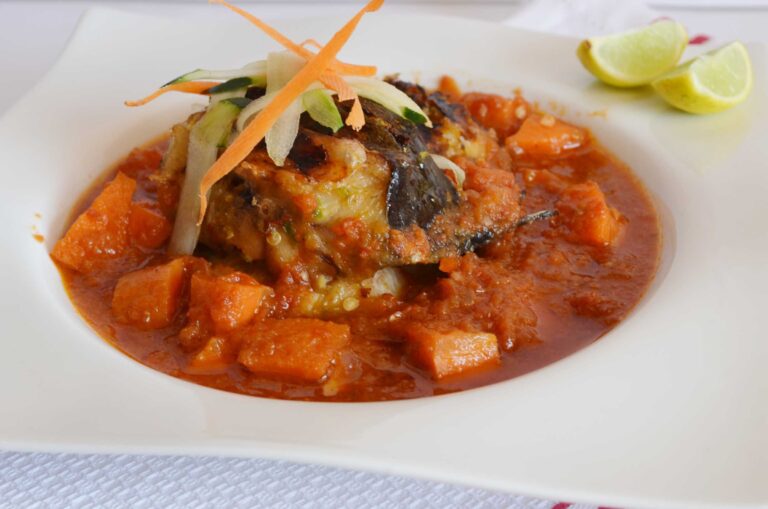
Catfish and Carrot Sauce is a very easy and must-try recipe.  When you want a versatile, tasty, sustainable, and affordable fish, catfish is it.

Catfish is popular in Nigeria today, because of the boom in catfish farming, both as home-farming and large-scale fish farming. Catfish is high in protein and vitamins, and moderate in fat.

Whether you like catfish or not, you will love this catfish and carrot sauce!

Is Catfish Healthy?

Catfish is low in calories and packed with lean protein, healthy fats, vitamins, and minerals. It’s particularly rich in heart-healthy omega-3 fats and vitamin B12.

It can be a healthy addition to any meal, though deep frying adds far more calories and fat than dry heat cooking methods like baking or broiling. If you’re looking to eat more seafood, catfish is well worth incorporating into your routine.

How To Clean Catfish

My butcher has helped to clean the Catfish I used for this recipe. However, if you have to clean it up by yourself, there are two main methods, I have always used:

  1. Scrub the skin of the Fish with Salt
  2. Scrub with Alum
  3. Soak it in hot boiling water for about 3 minutes. The slime will fall off easily.

Even if the Fish had been thoroughly cleaned, I still soaked it in hot water. This is because Catfish is naturally a soft Fish, the hot water will not only remove the slime but will also help to firm up the fish a bit, therefore, reducing its chances of breaking apart in the stew.

How To Prepare Catfish and Carrot Sauce

For quick prep, use your food processor to shred the carrots (or buy them pre-shredded). Sweet red Chile sauce is available in the markets; it keeps for ages in the fridge and dresses up any cooked vegetables, tofu, or seared meats.

You can use catfish as a whole, in fillets, or as nuggets for this recipe. Any way you cook it, you get the full richness of nutrients in the fish. To achieve a carrot-based consistency, use a 3-part carrot, and 1-part tomato.

The sauce’s delicious richness also tames the bold, smoky spices we’re using to coat our pan-seared catfish. This sauce can be eaten with rice, potato, or yam dishes.

Let me know in the comments below if you have any addition, questions, or comments about this Catfish and Carrot Sauce recipe.

Catfish and Carrot Sauce

Catfish is popular in Nigeria today, because of the boom in catfish farming, both as home-farming and in large scale fish farming. Catfish is high in protein,vitamins and moderate in fat
Prep Time 30 minutes
Cook Time 20 minutes
Total Time 50 minutes
Course Appetizer
Cuisine Nigerian, West-African
Servings 0

Ingredients
  

  • 200 g Catfish
  • 2 medium Tomatoes
  • 6 medium Carrot
  • 45 ml Vegetable oil
  • 2 medium Garlic
  • 2 cube Seasoning
  • ½ tsp Salt
  • 3 small Cayenne pepper
  • 1 medium Onions
  • 1 large Red bell pepper
  • ½ small Lemon
  • 1 medium Cucumber

Instructions
 

PREPARING THE CATFISH

  • Wash catfish thoroughly with potash, maize or wheat chaff as the skin is very slimy.
  • Cut into desired size.
  • Place on a tray and allow water to dry off, for 10 minutes.
  • Wash cayenne pepper, onion, red bell pepper and blend.
  • Pour in a bowl and add seasoning, salt, fresh garlic and lemon.
  • Marinade for 20 minutes. Grill fish for 15 minutes (or bake if you prefer).

MAKING THE CARROT SAUCE

  • Wash, cut carrot and tomatoes into small cubes.
  • Use three-part carrot, one-part tomato.
  • Blend both carrot and tomatoes until smooth. Pour in a sauce pan.
  • Add the marinade juice (from your fish marinade), seasoning and salt to the pot. Stir-fry until you get a thick consistency.
  • Wash and cut carrots into big chunks.
  • Add cut carrot into the carrot and tomato sauce. Continue to stir until carrot is tender. Remove from heat.
  • Serve sauce in a soup bowl and add catfish. Garnish with a vegetable or herb of choice.

Notes

As with all fish, ensure the catfish is fresh and fit for human consumption. If you are not using the fish same day it is hatched from the farm, freeze it until ready for use. But remember, fish does not endure temperature fluctuations in the fridge.
Before use, assess fish for awful odor, change in color and feel. Any doubt about safety of the fish should make you avoid use.
Fish contamination could lead to very serious gastroenteritis and food poisoning. Exercise caution.
Keyword Fish
Tried this recipe?Let us know how it was!

QUICK RECIPES