20 minEasy


Cookies on African Food Network
We use essential cookies to make the site work. We would also like to set analytics cookies and advertising cookies, but only if you agree. You can choose each one separately. Read our cookie policy
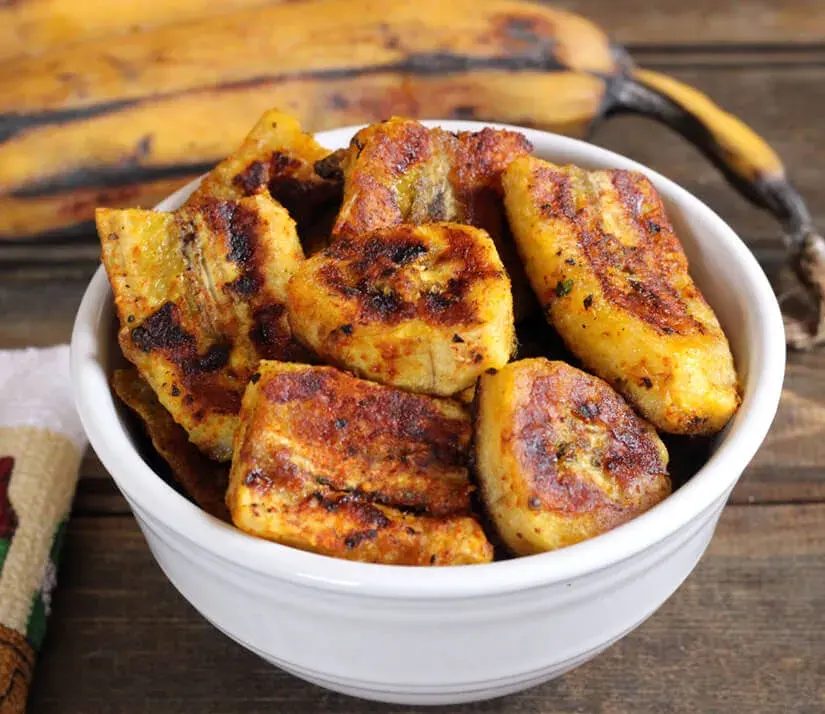
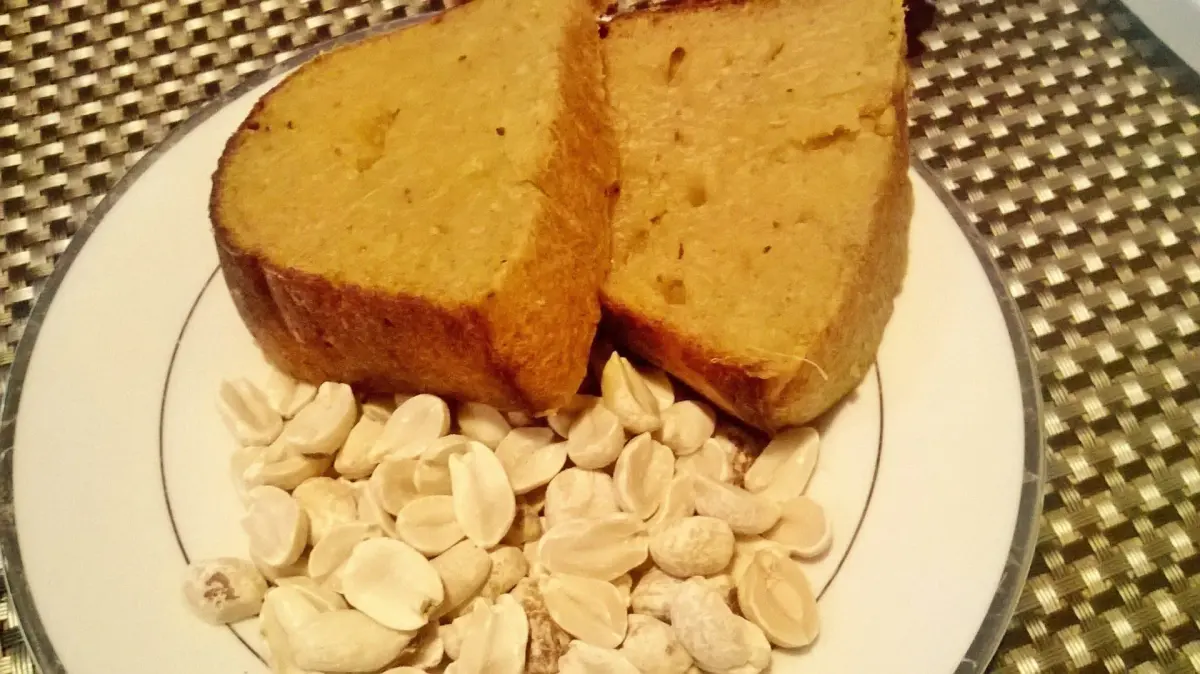
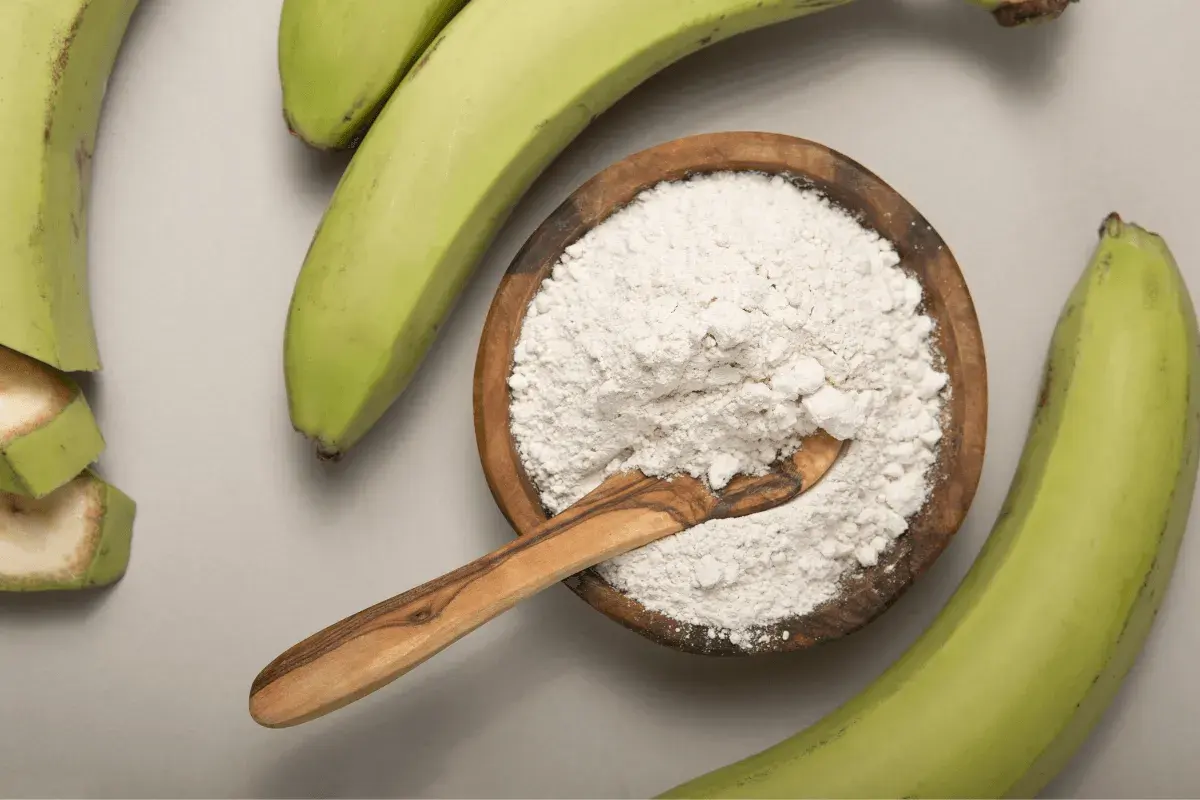
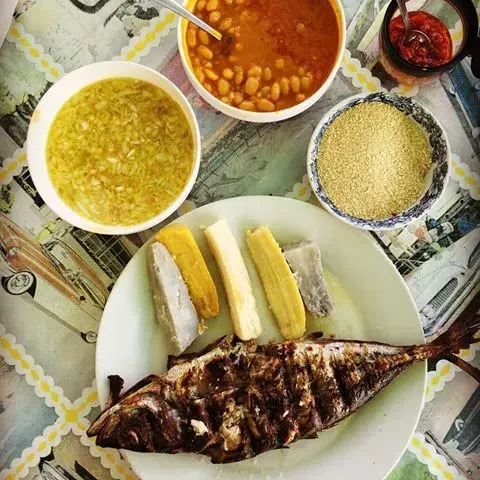
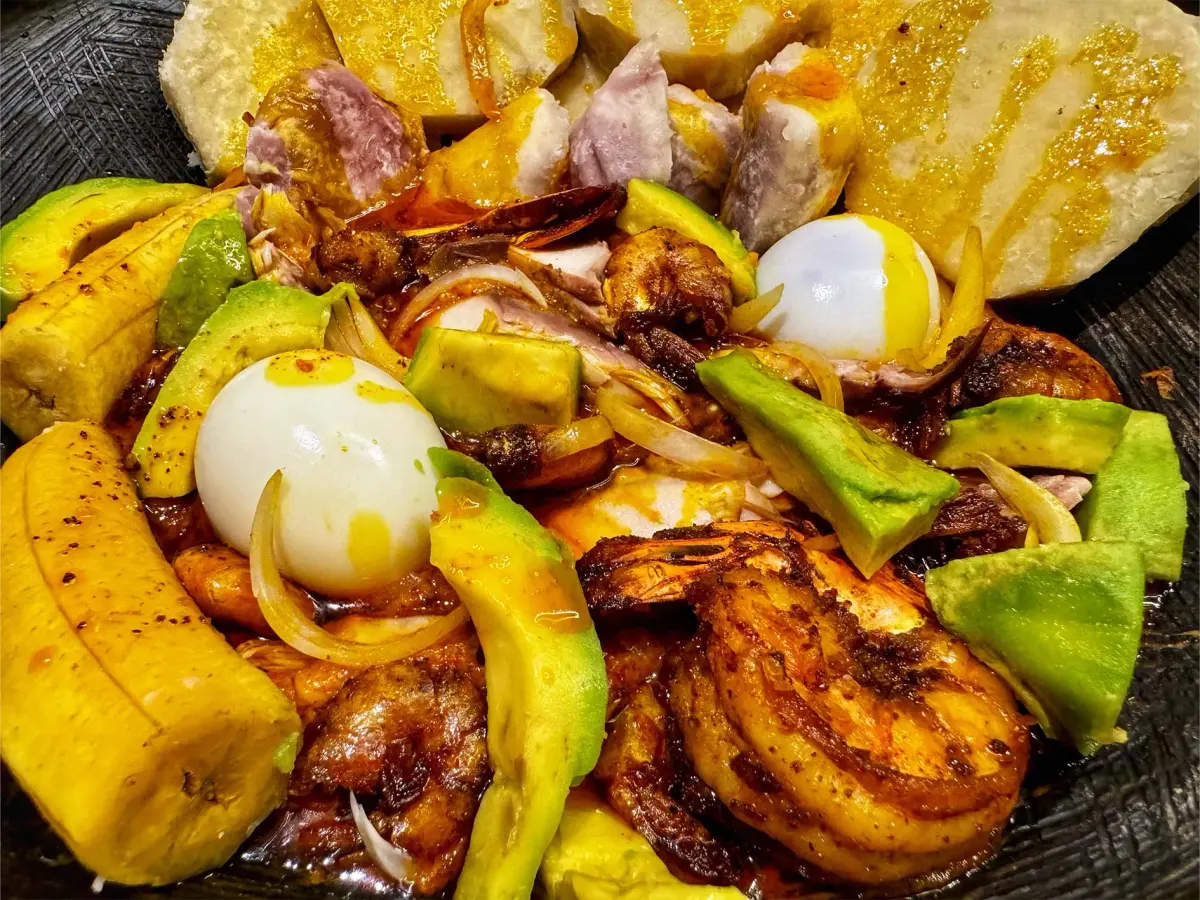
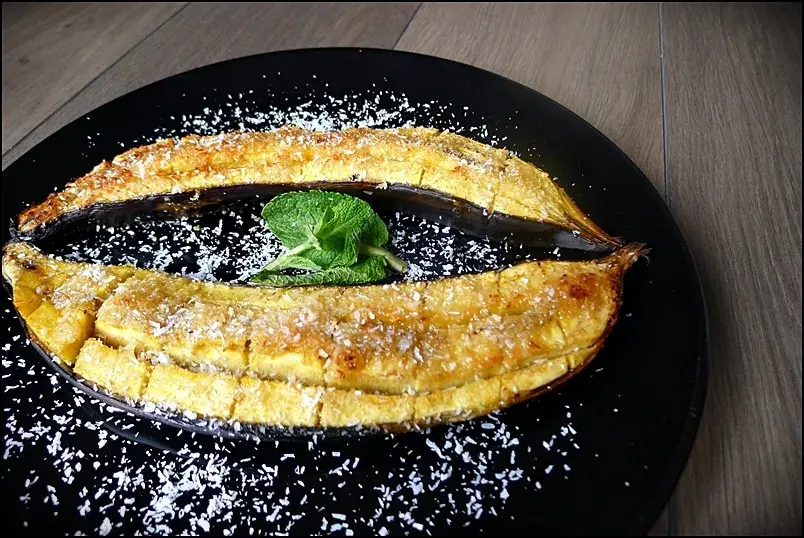
Plantain is a cooking banana, starchier and less sweet than the bananas you eat raw, and to cook plantain you start with how ripe it is. Green plantain is starchy and barely sweet, so you boil it, cook it into porridge or slice it thin for chips. Once it's yellow and ripe, it's sweet enough to fry as dodo, spice as kelewele or grill over charcoal as boli. Black and very soft, it gets mashed into tatale or a sweet loaf.
It's rarely eaten uncooked, and it's a major food in West and Central Africa. East Africa cooks its green bananas the same way. Here's every plantain dish AFN cooks, country by country, with the ripeness each one needs.
Ripeness decides the dish. Green plantain cooks like a potato, ripe plantain caramelises, and blackened plantain is soft and sweet enough to mash.
Nigeria
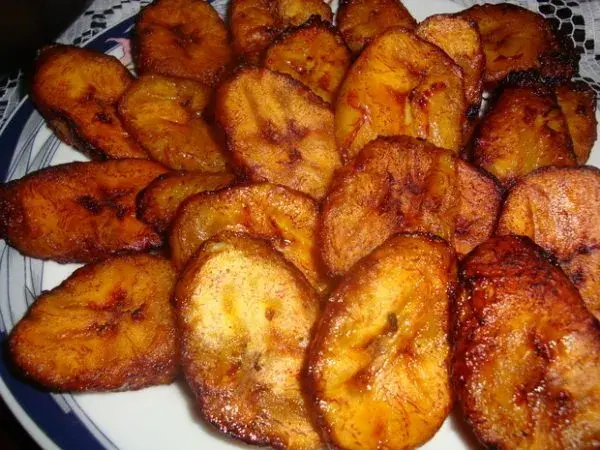
Dodo (fried plantain)Ripeness: Ripe
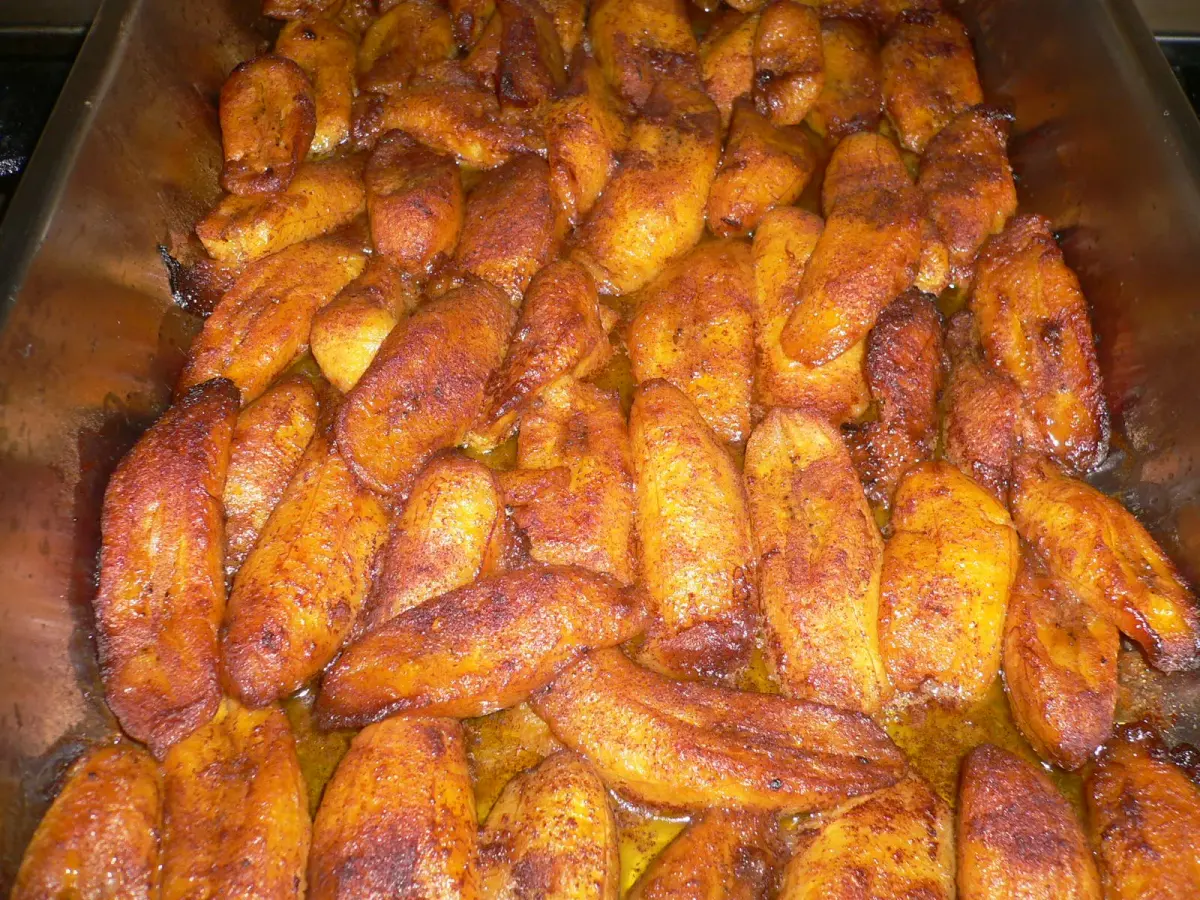
Thick slices of ripe plantain, salted and fried until the edges caramelise. Plantain, salt and oil, and nothing else; the plantain needs to be yellow with black patches, or it won't caramelise.
Ghana
KeleweleRipeness: Ripe
Cubes of ripe plantain tossed in ginger, chilli, garlic and nutmeg, left to rest, then fried. A Ghanaian street food, and a different dish from plain dodo, not just a different name.
Côte d'Ivoire
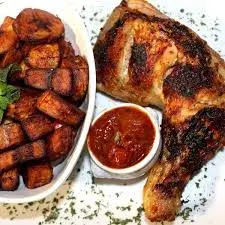
AllocoRipeness: Ripe
Fried ripe plantain, named from loko, the Baoulé word for a ripened plantain. AFN's recipe serves it with grilled marinated chicken.
Nigeria
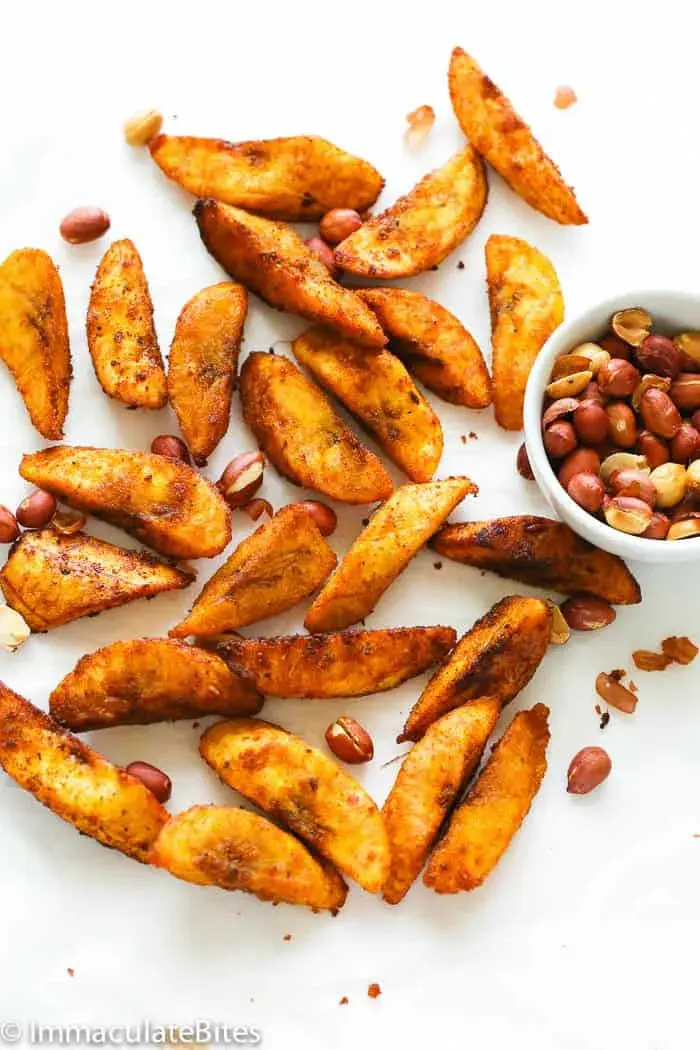
Boli (grilled plantain)Ripeness: Ripe
Ripe plantain grilled over charcoal until the skin blackens and the sugars inside caramelise, sold on the street with roasted groundnuts.
Nigeria
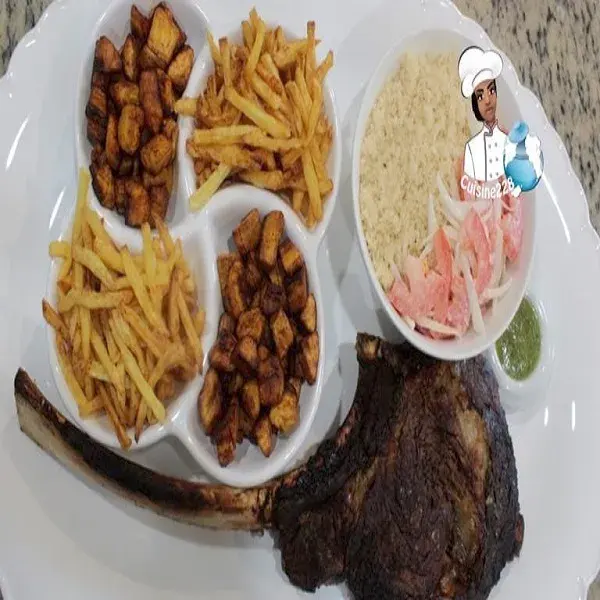
GizdodoRipeness: Ripe
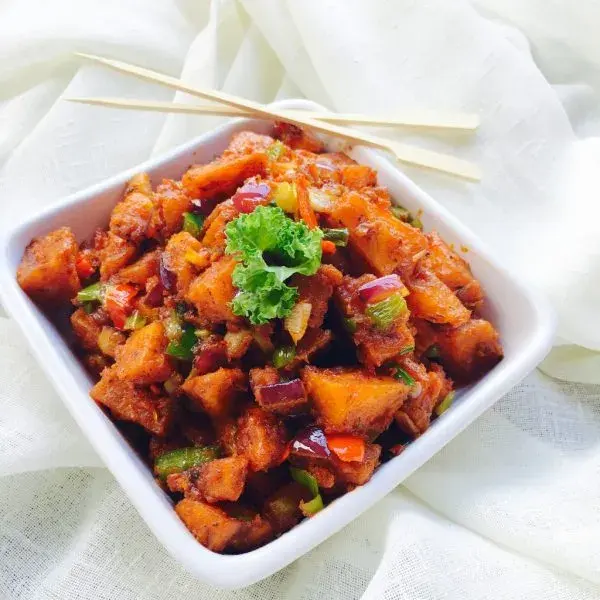
Gizzard plus dodo: cooked gizzards and fried plantain cubes tossed in a spicy pepper sauce. Party food, usually beside jollof rice.
Ghana
TataleRipeness: Very ripe, skins black
Overripe plantain mashed with onion, ginger and pepper, bound with maize flour and fried in spoonfuls. Ghana's plantain pancake, often eaten with bean stew.
Côte d'Ivoire
Klako (plantain fritters)Ripeness: Overripe
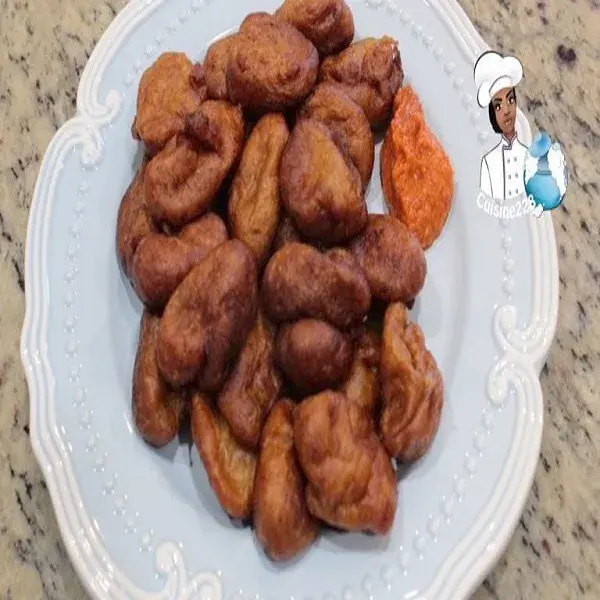
Mashed ripe plantain made into savoury fritters with ginger, garlic, paprika and cayenne. Eaten across Côte d'Ivoire, Togo and Ghana.
Nigeria
Plantain porridgeRipeness: Green
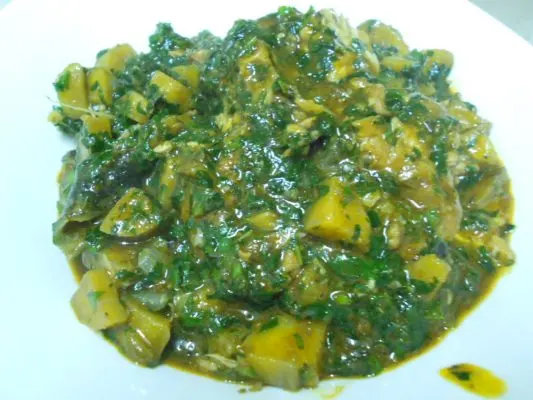
Unripe plantain cubes cooked down with palm oil, crayfish, smoked fish and ugwu into a thick one-pot meal, closer to a potato stew than a breakfast porridge.
Cameroon
Sese plantainsRipeness: Green
Green plantain simmered with tomato, onion, pepper and palm oil until its own starch thickens the liquid around it. One of the simplest one-pot meals there is.
Cameroon
KondréRipeness: Green
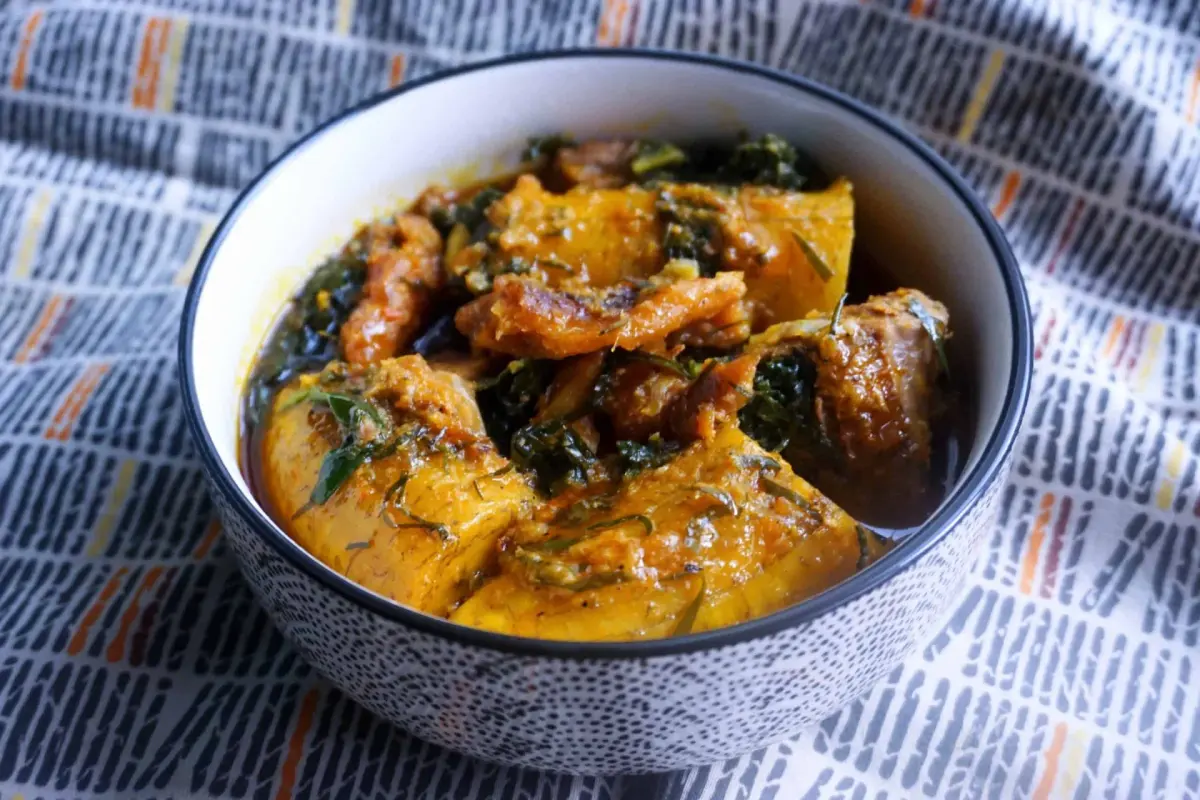
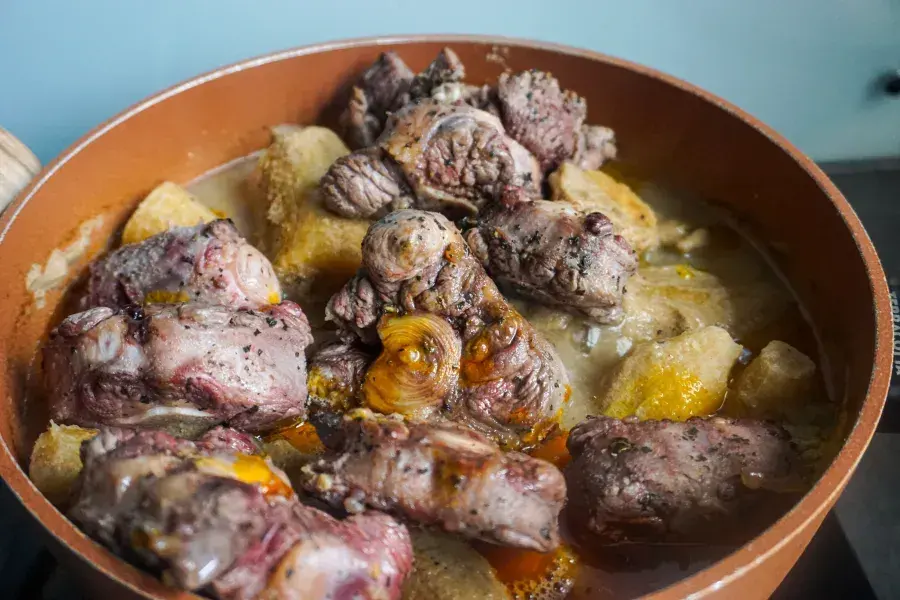
Green plantain and meat cooked slowly in a blended paste of Cameroonian spices such as pèbè, djansang and Penja pepper. A Bamileke dish for weddings and family gatherings.
Cameroon
Poulet DGRipeness: Unripe to medium ripe
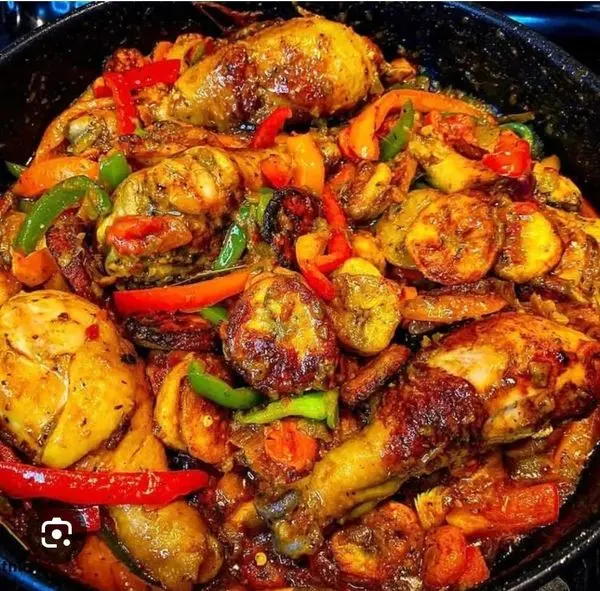
Fried chicken and fried plantain finished together in a sauce of carrots, green beans and peppers. Named after the directeur général, because it was once a rich man's plate.
Uganda
MatokeRipeness: Green (cooking banana)
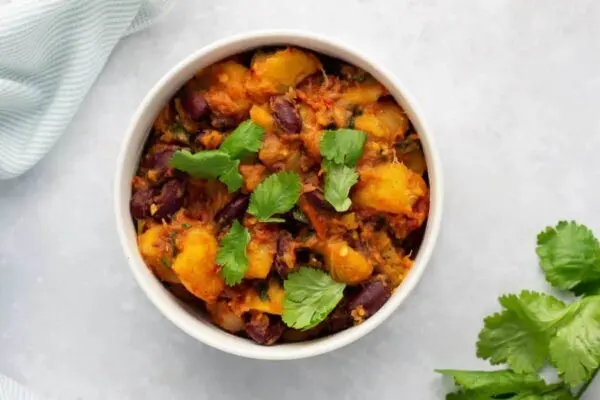
Strictly a Great Lakes cooking banana rather than a plantain, but cooked the same way: green and starchy. AFN's version is stewed with tomato, chilli and lemon.
West Africa
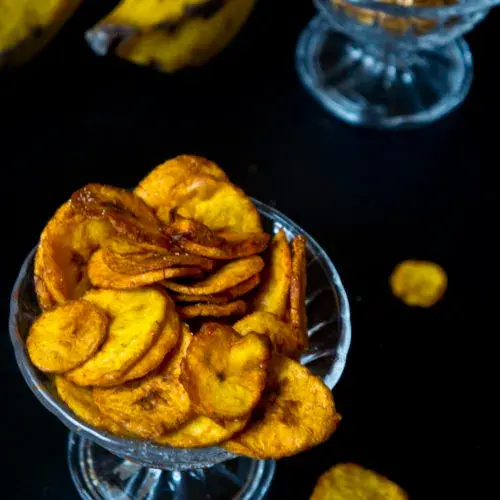
Plantain chipsRipeness: Green
Green plantain sliced paper thin and fried until crisp, then salted. Firm, unripe fruit is what keeps them crunchy.
| Country | Version | Ripeness | What makes it different |
|---|---|---|---|
| Nigeria | Dodo (fried plantain) | Ripe | Thick slices of ripe plantain, salted and fried until the edges caramelise. Plantain, salt and oil, and nothing else; the plantain needs to be yellow with black patches, or it won't caramelise. |
| Ghana | Kelewele | Ripe | Cubes of ripe plantain tossed in ginger, chilli, garlic and nutmeg, left to rest, then fried. A Ghanaian street food, and a different dish from plain dodo, not just a different name. |
| Côte d'Ivoire | Alloco | Ripe | Fried ripe plantain, named from loko, the Baoulé word for a ripened plantain. AFN's recipe serves it with grilled marinated chicken. |
| Nigeria | Boli (grilled plantain) | Ripe | Ripe plantain grilled over charcoal until the skin blackens and the sugars inside caramelise, sold on the street with roasted groundnuts. |
| Nigeria | Gizdodo | Ripe | Gizzard plus dodo: cooked gizzards and fried plantain cubes tossed in a spicy pepper sauce. Party food, usually beside jollof rice. |
| Ghana | Tatale | Very ripe, skins black | Overripe plantain mashed with onion, ginger and pepper, bound with maize flour and fried in spoonfuls. Ghana's plantain pancake, often eaten with bean stew. |
| Côte d'Ivoire | Klako (plantain fritters) | Overripe | Mashed ripe plantain made into savoury fritters with ginger, garlic, paprika and cayenne. Eaten across Côte d'Ivoire, Togo and Ghana. |
| Nigeria | Plantain porridge | Green | Unripe plantain cubes cooked down with palm oil, crayfish, smoked fish and ugwu into a thick one-pot meal, closer to a potato stew than a breakfast porridge. |
| Cameroon | Sese plantains | Green | Green plantain simmered with tomato, onion, pepper and palm oil until its own starch thickens the liquid around it. One of the simplest one-pot meals there is. |
| Cameroon | Kondré | Green | Green plantain and meat cooked slowly in a blended paste of Cameroonian spices such as pèbè, djansang and Penja pepper. A Bamileke dish for weddings and family gatherings. |
| Cameroon | Poulet DG | Unripe to medium ripe | Fried chicken and fried plantain finished together in a sauce of carrots, green beans and peppers. Named after the directeur général, because it was once a rich man's plate. |
| Uganda | Matoke | Green (cooking banana) | Strictly a Great Lakes cooking banana rather than a plantain, but cooked the same way: green and starchy. AFN's version is stewed with tomato, chilli and lemon. |
| West Africa | Plantain chips | Green | Green plantain sliced paper thin and fried until crisp, then salted. Firm, unripe fruit is what keeps them crunchy. |
Plantains and bananas both belong to the genus Musa, which is native to the tropics of Southeast Asia and Oceania. Cooking bananas are the ones grown for the pot rather than for eating raw. True plantains are one group of them, with more starch and less sugar than a dessert banana.
Cooking bananas are a major food in West and Central Africa. Each country has its own name for the same fried ripe plantain: it's dodo in Nigeria and alloco in Côte d'Ivoire, while Ghana spices it into kelewele. In the African Great Lakes, a separate group of cooking bananas called matoke is steamed in its own leaves and mashed. That dish counts as a national dish in Uganda and Rwanda.
Plantain is just as loved in the Caribbean and Latin America, where mashed fried plantain is mofongo in Puerto Rico and the Dominican Republic and twice-fried slices are tostones.
Ingredients & Produce
Plantain in Africa, explained: where plantain grows, what's in it, eight fun facts you may not know, and the African plantain dishes people cook with it.
15 min read
It depends on how ripe it is. Green plantain is starchy, so boil it, cook it into porridge or slice it thin for chips. Ripe yellow plantain is sweet enough to fry as dodo, spice as kelewele or grill as boli. Very ripe, black plantain is best mashed into tatale, fritters or plantain bread.
It's not usually eaten raw. Plantain is starchier and firmer than a dessert banana, so it's cooked at every stage of ripeness.
Plantain is a cooking banana: starchier and less sweet than the bananas you eat raw, and cooked at every stage of ripeness. Bananas are softer and sweeter, and they're eaten raw.
The spice. Dodo is ripe plantain fried with salt and nothing else. Kelewele, from Ghana, is cut into cubes and coated in a paste of ginger, chilli and other spices before it's fried, so it tastes hot and fragrant as well as sweet.
Ripe plantain, yellow with black patches. Green plantain won't caramelise, and fully black plantain is too soft and falls apart in the oil, so save that for tatale or plantain bread.
Not quite. Matoke is a group of cooking bananas from the African Great Lakes, while plantain is a separate group. Both are picked green, are starchy, and are cooked rather than eaten raw.