

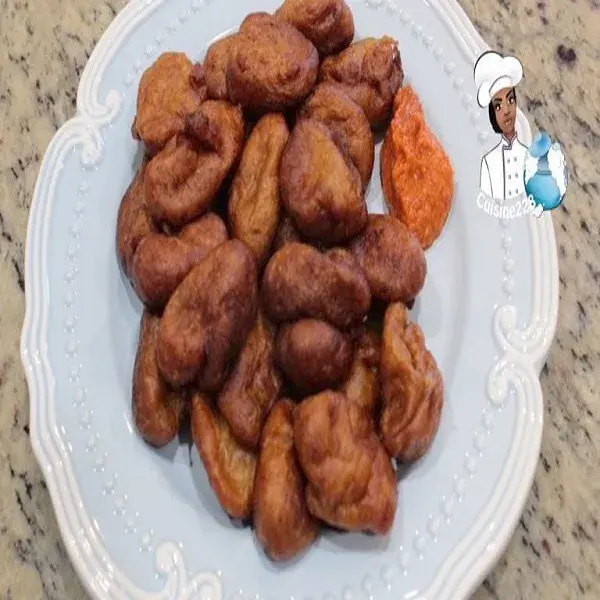
West African Banana Fritters (Klako, Krakro)
Overview
Klako, also written krakro, is a West African fritter made from mashed ripe plantain, and it is the plantain rather than the banana that matters. Ripe plantain has the sweetness and the starch to hold a fritter together; ordinary banana turns to liquid. The recipe here is savoury, seasoned with ginger, garlic, paprika and cayenne, which is the version most commonly eaten across Côte d'Ivoire, Togo and Ghana. That savoury treatment is worth stating clearly, because the sweet version is what most people expect from anything called a banana fritter. Both exist. Sweet versions with sugar, egg and milk are made across the region and across the Caribbean, and the two have travelled together, which is no accident: the same cooking crossed the Atlantic with enslaved West Africans, and Caribbean banana fritters are a direct relation rather than a coincidence. Plantain is abundant across the humid West African belt and very little of it is wasted. Fritters are one of several answers to fruit that has ripened past the point of frying in slices, alongside kelewele, the spiced fried plantain cubes of Ghana, and the many plantain and flour combinations across the region. They are made at home, sold at roadside stands, and eaten hot with the fingers, which is when they are at their best.
AFN Heritage Note
Klako, also called krakro, is documented as a fritter of ripe plantain eaten across Côte d'Ivoire, Togo and Ghana. Plantain cultivation is long established across the humid forest belt of West and Central Africa, and related fritters travelled to the Caribbean with enslaved West Africans.
Ingredients
Dietary tags are provided by contributors as a guide, not verified by AFN, and they depend on the products you buy. If you have a serious allergy, check every ingredient yourself. Cooking, allergies and your own judgement
Directions
- 1
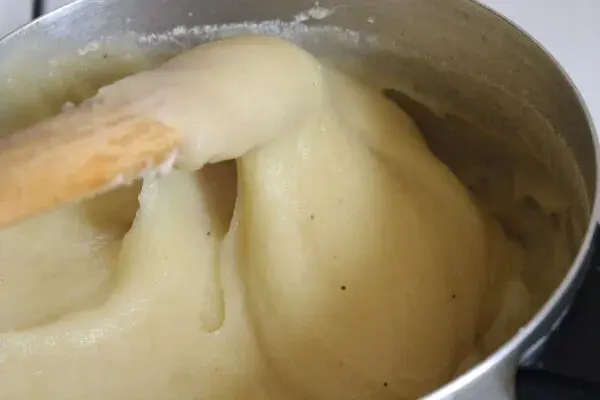
Mash the plantains with a potato masher or spoon until pureed, or blend in a food processor.
- 2
In a medium bowl, add the flour, baking powder, salt, garlic, paprika, ginger and cayenne pepper to the mashed plantains.
- 3
Mix through and adjust the seasoning.
- 4
Let the batter rest for 1 hour.
- 5
Using your hands, roll about a tablespoon of mixture into bite sized balls, or use a spoon to scoop it out.
- 6
Heat oil to 175°C in a skillet or saucepan. To test without a thermometer, drop in a 1 inch square of bread: if it browns in 60 seconds the oil is about right.
- 7
Carefully place spoonfuls of the batter into the hot oil and fry for 3 to 4 minutes, until crisp and golden brown. Work in batches.
- 8
Remove with a slotted spoon and drain on paper towels.
Africook’s Notes
- Use plantain, not banana, and use it genuinely overripe with black skin. Underripe plantain is starchy and bland, and ordinary banana has too much water to hold together in oil.
- The hour of resting matters. It lets the flour hydrate and the batter firm up, and fritters made from batter used straight away spread and fall apart in the pan.
- Keep the oil at around 175°C and fry in batches. Crowding drops the temperature and the fritters absorb oil rather than sealing.
- If the mixture is too loose to hold a ball, add flour a tablespoon at a time. Overripe plantain varies a great deal in water content.
- The sweet version, made with sugar, egg and milk instead of the savoury spices, is equally traditional across the region. Both are klako.
Reviews
2 reviews
i had to leave the plantains in my airing cupboard for almost a week to get completely black and soft enough before trying this! couldn't get good cayenne at the sainsbury near me so I used standard chilli powder instead. That 1 hour resting time is key, they fried up so crispy without being oily inside. nostalgic sha.
the paprika and cayenne combo gives the fritters such a deep colour! Just make sure your oil is on medium heat o, my first batch got dark too fast on high heat while the inside stayed a bit doughy. Once I adjusted the fire they came out perfectly light and soft.