5 Amazing Health Benefits of Eggs

Health benefits of Eggs
Source: Backyard Poultry

The health benefits of eggs cannot be overemphasized as it has nutritional components that are helpful to the human body. In this article, we would be talking about the benefits of eggs, their origin, their components, and how it is a necessary item for healthy living.

Origin of Egg

History has it that humans have been eating eggs for about 6 million years. Eggs were originally eaten raw from the nests of wild birds.

It is said that jungle birds were tamed for egg production in India in the year 3200 BC.

It is also thought that Ancient Egypt and China were the first areas to domesticated hens.

People in South Asia in 1500 BC had already started the domestication of chickens and harvesting their eggs for food.

The most widely eaten variation of eggs is those of the fowl, especially chickens. Ostrich eggs were also eaten as well but not as commonly as Chicken eggs.

People also explored eating eggs from reptiles, amphibians as well as fish.

Fish egg eaten as food is popularly known as roe or caviar. 

The bird and reptile eggs have a productive eggshell, albumen (egg white), and vitellus (egg yolk) contained within various thin membranes. 

Due to their protein content, the United States Department of Agriculture formerly categorized eggs as meats within the Food Guide Pyramid

Regardless of the nutritional value of eggs, there are some potential health issues arising from cholesterol content, salmonella contamination, and allergy to egg proteins.

Eggs have always been a valuable foodstuff since prehistory in both hunting societies  and other cultures where chickens had been domesticated.

In Thebes Egypt, the tomb of Haremhab, dating to approximately 1420 BCE, shows a depiction of a man carrying a bowl of ostrich eggs as well as other large eggs which were thought to be those of the pelican as offerings. In ancient Rome, egg shells were crushed and used to wade off evil spirits.

In the Middle Ages, eggs were forbidden during Lent because of their richness in components. An annual pause in egg consumption to allow farmers to rest their flock and to also limit the hen’s consumption of feed during the times of the year when food stocks are usually scarce.

Eggs were also scrambled with acidic fruit juices in France in the seventeenth century, this may have been the origin of lemon curd.

The dried egg industry originated sometime in the nineteenth century way before the rise of the frozen egg industry. In 1878 a company in St. Louis Missouri started to transform egg yolk and egg white into a light brown meal-like substance by using a drying process. The production of dried eggs significantly expanded during World War II for use by the United States Armed Forces and its allies.

Structural Components of Egg

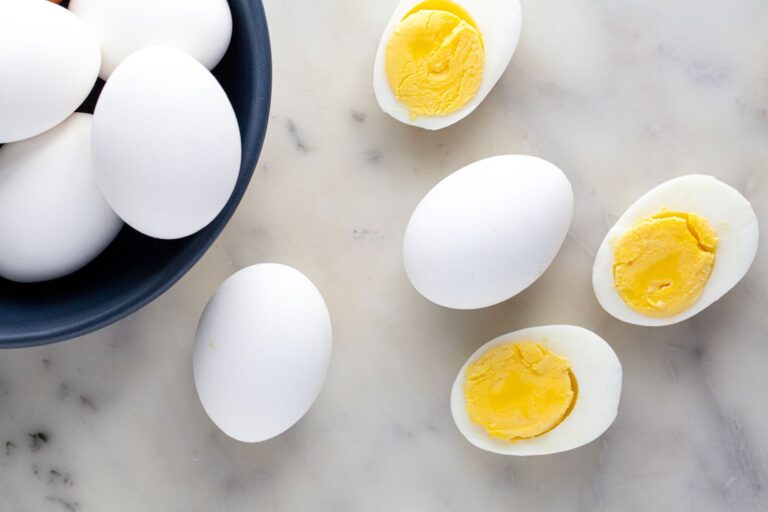
The components of the Egg include the shell and shell membranes, the albumen or white which is about 60 percent of the egg, including the thick albumen, the outer thin albumen, the inner thin albumen, and the chalaza and the yolk which makes up about 30 percent. In a fertilized egg, the yolk supplies the nutrients and the albumen supplies the water necessary for the development of the embryo.

Nutritional Components of Egg

The egg is a source of high-quality protein that contains amino acids which are very essential in the human diet. It is also an excellent source of all vitamins with the exception of vitamin C and contains a lot of essential minerals which include, but are not limited to phosphorus and zinc.

All the fats as well as cholesterol are found in the yolk. Yolk fats are usually high in unsaturated fatty acids. In modern times, by influencing the diet of hens particular emphasis has been given to increasing the highly unsaturated long-chain Omega 3 fatty acid by adding fish oil to the hen feed. Omega 3 fatty acids have been shown to be a fundamental tool in the growth and development of the human body and it also helps prevents many diseases.

The cholesterol content of a large egg is approximately 216 milligrams. However, in recent times the egg industry has made progress in lowering cholesterol content through genetic selection and improved diet.

Health Benefits of Eggs

Health benefits of Eggs

The health benefits of eggs are numerous as it contains a lot of ingredients that are necessary for the growth and development of the human body.

In this article, we will be listing 5 key Health benefits of Eggs how it helps the human body and is essential in our diet.

1. It is highly nutritious: Eggs are among the most nutritious foods on the planet. Eggs contain various trace nutrients that are important to their health. The health benefits of egg lie in their nutritional value as it contains a little bit of almost every nutrient needed by the human body. Eggs are a perfect food to boat your health. Eggs contain high amounts of omega-3 fat and are very high in vitamins A and E.

      A single large boiled egg contains

  • Vitamin A: 8% of the DV (daily value)
  • Folate: 6% of the DV
  • Pantothenic acid (vitamin B5): 14% of the DV
  • Vitamin B12: 23% of the DV
  • Riboflavin (vitamin B2): 20% of the DV
  • Phosphorus: 7% of the DV
  • Selenium: 28% of the DV
  • Eggs also contain decent amounts of vitamin D, vitamin E, vitamin B6, calcium, and zinc.

Eggs are the most nutritional foods n the planet containing a bit of almost every nutrient essential for healthy living.

2. Rich in Cholesterol: This health benefits of eggs is another one to note. It is important to note that cholesterol in your diet may not necessarily be harmful to your health as is widely thought. The liver produces large amounts of cholesterol every single day, so when you eat more cholesterol, your liver is able to regulate cholesterol levels by producing less to even it out. It is necessary to eat eggs to boost your cholesterol levels.

However, in 70% of people, eating cholesterol may not raise blood cholesterol, while the other 30% of the population who are termed hyper responders, eggs, or other sources of dietary cholesterol may lead to a large rise in blood cholesterol.

People with genetic disorders like familial hypercholesterolemia or carriers of the gene variation called APOE4 would need to consider eating eggs in smaller doses.

Eating eggs is a great way to increase your high-density lipoprotein. It is said that eating 1-3 eggs daily for four weeks increased HDL levels by 6-13% in young healthy adults. People who have high levels of HDL usually have a lower risk of heart disease, stroke, and other health issues. there are several health benefits of eggs .

3. It contains antioxidants that are great for eyesight: 

There are several nutrients that help counteract some of the degenerative processes that can affect our eyes.

One amazing health benefits of eggs is how it contains antioxidants such as lutein and zeaxanthin. They are powerful antioxidants that accumulate in the retina of the eye. They are helpful to those with poor or failing eyesight.

Egg yolks contain large amounts of both lutein and zeaxanthin. studies have shown that eating 1 egg every day for a span of 5 weeks can increase blood levels of lutien by over 26% and zeaxanthin by 388% in older adults.

Eggs are also very rich in Vitamin A, as is popularly known that a deficiency of vitamin A in the human body can cause blindness

One of the consequences of aging is that eyesight tends to get worse. Studies have shown that consuming certain quantities of these nutrients can significantly reduce the risk of cataracts and macular degeneration which are two very common eye disorders.

It is very important to eat egg meals and infuse more eggs into your diet for better immunity and eyesight. This one stands out as one of the major health benefits of eggs.

4. Rich in protein that helps build body tissues: The health benefits of eggs are very essential. Eggs are rich in amino acids in the right ratios.

Proteins are the main building blocks of the human body. They are used to make all sorts of tissues and molecules that serve both structural and functional purposes. The health benefits of eggs really aid proper bodybuilding, especially for individuals who exercise.

Getting enough protein is important and adopting eggs in your diet can be very important. The health benefits of eggs show that eggs are an excellent protein source with a single egg containing six grams of it.

Eggs contain all essential amino acids in the right ratios, so your body is well equipped to make full use of the protein in them. Eggs are fairly high in quality animal protein and contain all the essential amino acids that the human body needs.

5. It helps with Sperm Production: Another health benefit of Eggs iS that it aids sperm production and increases sperm count. Eggs are rich in Vitamin E and protein, which help in the motility of the sperm. Consuming eggs protects the sperm from free radicals, thereby doubling the chances of fertilization. Eggs are also a rich source of zinc, which is known for sperm motility. Eggs can be consumed in diverse ways to sperm count.

Does Egg help with weight gain?

health benefits of eggs for weight gain
Image from Unsplash

Yes! You guessed right, eggs can help with weight gain as it contains a high level of protein which helps with bodybuilding, muscle building, and tissue building. Eggs score high on a scale called the satiety index. It has a lot of calories and if implemented into your diet will go a long way in helping with weight gain. This is also one f the major health benefits of eggs as it allows you to gain weight in a healthy way as long as the proportion quantity infused is within the healthy scale. It is said that most people who suffer from anorexia are encouraged to eat more eggs to help them regain lost weight.

Do Eggs cause Heart Disease?

the health benefits of eggs include heart disease prevention
Source:cardio.com

Over time eggs have been considered unhealthy because it contains cholesterol. A large egg contains 212 mg of cholesterol, which is lot a compared to most foods. 

However many studies have shown that the dietary cholesterol in eggs does not adversely affect cholesterol levels in the blood. These are some of the health benefits of eggs that are not duly recognized due to wild assumptions and assertions.

Eggs in actual fact improve your high-density lipoprotein and changes the low-density lipoprotein cholesterol from small and dense to large, which is benign. so it is safe to say that the health benefits of eggs go as far as helping prevent diseases and boosting the immune system of the human body.

Analysis of the studies on egg consumption has shown no connection between eggs and either heart disease or stroke in otherwise healthy people. these are also some health benefits of eggs that are not talked about enough.

The health benefits of eggs outweigh the bad effects of eggs on the human body, however, over time people have thought that eggs are more deadly than healthy because most people who have diseases that are triggered by high cholesterol did not watch their intake of items with high cholesterol.

There are several health benefits of eggs, a lot of which were not referred to in today’s article such as its other nutritional components that help with bones and mineralizing the teeth.

The health benefits of Eggs cannot be overemphasized as it has numerous nutritional components which are necessary for human growth and development. It is advisable to incorporate eggs into your weekly meal plan for a healthier diet which helps improve the general functioning of the human body and also boosts the immunity of the individual. We hope you found this article useful.

Nyama Choma

The nyama choma is a specialty of grilled goat meat. This roasted meat is very popular in Kenya where it is considered the national dish also in Tanzania.

What is Nyama Choma?

The name comprises two words; nyama which means meat and choma which means barbecued in English. Put the two words together and you have barbecued meat.

Where Does Nyama Choma Come From?

Kenya! It is a traditional meat dish from Kenya. The origin of “Nyama Choma” traced back to Massai’s history. Massai eating BBQ immigrated to Massai Mara from North Africa to East in the late first millennium AD. The nomadic people wandered with a herd of cows to look forward to grass and ground in lands.

Nyama Choma
Image Credit: Facebook

What Is Nyama Choma Made Of?

It is made from beef or goat meat, which is then traditionally marinated in either salt alone, or in a combination of salt, lemon, chilli and spice before being slowly barbecued.

How To Make Nyama Choma

Making this dish is not difficult at all and I am happy to let you know that you too, can make your own barbecued meat at home. The marinade is what gives this recipe that extra flavor, That you will Fall in love with. Here is what you will require:

  • Meat: this recipe uses a whole bone-in goat leg (mbuzi) but other cuts such as spare ribs will also do.
  • Vegetables: fresh ginger, garlic, onion and, bird eye chillis (optional).
  • Spices: cumin, paprika, and stock cubes.
  • Fruit: lemon juice (easily substitutable with lime juice).
  • Condiments: cooking oil and salt.

To make nyama choma, it is best to barbecue the goat meat at medium to low temperatures. You can either use charcoal, an electric barbecue grill, or an oven.

What’s The Best Way To Grill Goat Meat For Nyama Choma?

Move the meat to the medium-low side of the grill for 10 to 15 more minutes. If you are working with a one-burner grill or a charcoal grill, lower the heat to medium-low, or about 300 degrees Fahrenheit. Baste large pieces of meat and meat not wrapped in foil with the reserved marinade every five minutes.

What Is Nyama Choma Eaten With?

Today Nyama Choma is eaten on special occasions, such as a weekend family get-together, with the staple food ugali and the fresh vegetable salad, kachumbari. In Kenya, it is generally the men who do the grilling outdoors, while munching on the meat and gossiping.

Other suitable combinations include mukimo, rice, or chapati.

Whatever you pair it with, it is a hit!  Enjoy!

Nyama Choma 3
Image Credit: Facebook

Variations

  1. Meat: Goat is the meat of choice in Kenya, but beef will work just as well. Chunks of meat on skewers are easiest to grill, but whole legs or shoulders are often roasted until fork-tender. The cooked meat is then pulled off the bone with the fingers. Using short ribs, spare ribs and offal for this dish is common as well.
  2. Seasonings: The only seasoning used for authentic nyama choma is salt and pepper, but if you prefer, you can first marinate your meat in a mixture of minced onions, minced garlic, ground ginger, hot pepper flakes and a little lemon juice.

Useful Nyama Choma Recipe Tips

  1. Try injecting the marinade into the meat or simply make gashes on the surface, so the flavors properly penetrate the nyama.
  2. To tenderize, grate a quarter of raw papaya combined with some pineapple.
  3. Remove your marinated goat meat from the fridge at least one hour before grilling.
  4. To reduce the cooking time if using a goat leg, cut into three or four large chunks, so it cooks more evenly and quickly.
  5. Once grilled, allow nyama choma to rest covered in foil for at least 10-20 minutes before cutting to prevent the juices from running over. This way, the goat meat stays juicy and tastier.

If you made this recipe don’t forget to leave a feedback in the comments section.

Suggestions For Best Wooden Skewers:

Wooden Skewers

check price on amazon

Nyama Choma

Nyama Choma

Prep Time 40 minutes
Cook Time 2 hours
Total Time 2 hours 40 minutes
Course Main Dish
Cuisine Kenyan
Servings 0

Equipment

  • charcoal, electric or gas grill
  • grilling rack or baking tray
  • aluminum foil

Ingredients
  

Ingredients

  • 5.5 lbs goat meat (approximately 2.5kgs)
  • 10 cloves garlic
  • 1 bulb whole garlic cut across in the middle
  • 1 red or white onion large
  • 1 lemon juiced
  • ⅓ piece ginger
  • ½ cup extra virgin olive oil or preferred cooking oil
  • 1 tablespoon ground cumin
  • 2 tablespoon ground paprika
  • 1 tablespoon salt
  • 2 stock cubes
  • 2 bird-eye chillis de-seeded
  • ¾ tablespoon salt
  • 6 sprigs fresh rosemary

Instructions
 

Directions

  • In a bowl, combine garlic, ginger, onion, lemon juice, olive oil, cumin, paprika, salt, stock cubes, rosemary, and chili. Use a food processor or blender, to save on time but take care not to process it too much. It should still retain some texture.
  • Place the meat in a large bowl and toss it with half of the marinade. Set the other marinade aside, to be used in basting the nyama choma.
  • Use a knife to make slits 2 inches or 5 cm apart on the goat leg and massage the marinade into the meat, making sure to also cover the slits. Cover the meat with aluminum foil and allow to marinate overnight or for at least for 2 hours.
  • Remove the marinated goat meat from the fridge and allow it to come to room temperature for at least an hour, before setting it on the barbecue. During this time, prepare your grill and set it to high. Cover your grill with ashes if using a charcoal grill, to prevent it from getting too hot.
  • Grill the meat on high for approximately 3 minutes on each side, or until it attains a proper color then transfer to a triple layer of foil paper.
  • Place two sprigs of rosemary and the bulb of garlic on top of the goat leg. Cover the meat loosely with foil so it resembles a tent.
  • Set it on a baking tray or grilling rack, transfer to the barbecue grill then cover the lid, trying to maintain the temperature at medium-low or between 180 and 200 degrees. Grill at medium-low for one and a half hours, turning from time to time.
  • Once the time is up, mix the honey with 2-3 tablespoons of hot water. Uncover the meat and baste it with the honey glaze. Continue to grill for a further 15-30 minutes or until the desired brownness has been achieved and the juices run clear, or it has an internal temperature of at least 150-160 degrees F.
  • Once cooked, transfer the meat to a tray and allow it to rest for 10-20 minutes before carving.
  • Serve nyama choma hot with ugali and kachumbari.

OVEN METHOD

  • To make nyama choma in the oven, simply marinate the meat and cover it with aluminum foil in preparation for roasting, as per the instructions above. Next, preheat the oven to 170° C/ 365° F (standard) or 150° C fan then lay the meat on a baking tray. Place in the oven and slowly roast for 4.5 hours.
  • Once the cooking time is over, get the meat out of the oven and remove the aluminum foil. Mix the honey with 2-3 tablespoons of hot water. Uncover the meat and baste it with the honey glaze.
  • Return the basted meat to the oven and broil each side on high for 5-10 minutes, or until the desired level of browness has been obtained.
  • Remove from the oven and allow to cool for 20 minutes, before carving to prevent the juices from running out.
  • Serve the nyama choma with mukimo, ugali, kachumbari or your favorite side dish.

Notes

NOTES

  • The recipe card uses the minimum marination time of 30 minutes. For best results marinate overnight.
Tried this recipe?Let us know how it was!

Wasawasa


Wasawasa is a cultural food eaten majorly by the people in Northern Ghana. It is a very special delicacy rich in nutrients.

What is Wasawasa?

 Wasawasa
Wasawasa

This is a popular dish eaten in Dagbon and other parts of Northern Ghana. It is also eaten in some West African countries. It is made from dried yam peelings which are grounded into flour and steamed.

This meal is rich in carbohydrates and proteins to the body. It also gives vitamins and roughage because it is accompanied by vegetables like cabbage, carrots, and sliced potatoes.

it is also eaten in Burkina Faso and is mostly eaten with spicy sauces and sometimes garnished with vegetables and fried fish. 

It is sometimes served with beans, pasta, and salad.

Wasawasa Recipe

This recipe is very easy to walk through as long as you have all your essential ingredients such as Yam flour, Water, Salt, Vegetable Oil, Onions, Pepper, Ginger, Garlic, Red bell Pepper, Fish Seasoning cubes, and Crayfish.

Put water in a pot to boil for 10 minutes. Mix the Yam flour by adding water in bits till it forms tiny smooth lumps.

Place a steamer on top of the boiling pot of water and pour the mixed yam flour and steam for 20 minutes 

While your Yam flour is steaming, put oil in a pan and fry your fish.

Blend your garlic, onions, pepper, ginger, and crayfish. Pour the blended items into the oil, add some salt and seasoning cubes, and allow it to simmer for 10 minutes.

Take out the Yam Flour from the steamer, wash them, and allow them to drain for 10 minutes in a sieve.

Put back the washed Wasawasa into the steamer on top of the pot and steam on low heat for 15 minutes.

Pour the Wasawasa into a plate and add salt and groundnut oil to the steamed Wasawasa.

Serve the Wasawasa with spicy pepper sauce and fried fish. You can also serve the Wasawasa with vegetables or beans

Some suggestion for Amazon links to “Harney & Sons Herbal Tea”.

Harney Sons Herbal Tea

Project Overview Docs Banner in Light Green Blue Vibrant Professional Style 1

Try out other Ghanaian recipes  

Kenkey

Waakaye

Wasawasa

Wasawasa is a popular dish eaten in Dagbon and other parts of Northern Ghana. It is also eaten in some West African countries. It is made from dried yam peelings which are grounded into flour and steamed.It is rich in carbohydrates and proteins to the body. It also gives vitamins and roughages because it is accompanied by vegetables like cabbages, carrots, and sliced potatoes.
Prep Time 15 minutes
Cook Time 45 minutes
Course Main Dish
Cuisine Ghanaian
Servings 0

Ingredients
  

  • 2 cups Yam Flour
  • 1 Tilapia Fish
  • 2 Red Bell Pepper
  • 2 pcs Garlic
  • 1 tbsp Crayfish
  • 2 Seasoning Cubes
  • 4 Tatase Pepper
  • 2 Ginger
  • 1 cup Olive oil
  • 1 Onion
  • 1 tbsp Salt
Keyword ghana food, wasawasa, Yam Recipes
Tried this recipe?Let us know how it was!

How much of a foodie are you?

0

The quiz starts the moment you click on the start button, be sure you’re ready! You may answer the quiz until the time allotted for it elapses.

Duration: 1 minutes 30 seconds

Your time is up! Your answer would be submitted automatically whether you finish or not/


Chicken recipes for the Nigerian Chicken pepper soup

How much of a foodie are you?

If you think you are on the foodie spectrum, answer these questions, and we will tell you how much of a foodie you really are.

1 / 11

What is your favorite ice cream flavor?

2 / 11

Can you skip breakfast every day for one week?

3 / 11

Are you a Sea Food lover ?

4 / 11

What meal can you cook with a gun to your head?

5 / 11

After a long day at work, what would you do when you get home?

6 / 11

What is that one food/grocery item that you never run out of in your house?

7 / 11

Which mealtime do you look forward to the most?

8 / 11

What African country is the Jollof rice King ?

9 / 11

How do you like your salad?

10 / 11

Who is your ‘GOAT’ in the meat world?

11 / 11

If you could eat one thing for the rest of your life, what would it be?

Your score is

0%

Ghana Food: 5 Popular Ethnic Groups in Ghana and their Foods

Ghana food is widely eaten across West Africa and the world at large. In this article in celebration of Ghana month, we will be talking about major ethnic groups in Ghana and the Ghana food that they definitely call their cultural dish.

History of Ghana

Ghana food is found in Ghana
Ghana

Ghana which is officially the Republic of Ghana is a country in West Africa. It is bordered on the south by the Gulf of Guinea and the Atlantic Ocean, on the west, it shares borders with Ivory Coast, Togo in the east, and Burkina Faso in the north.

Ghana has a land mass area of about 238,535 km and about thirty-one million inhabitants according to the 2021 Census. Ghana is the second most populated country in  West  Africa after Nigeria.

The capital and largest city in Ghana is Accra; there are other major cities such as Kumasi, Tamale e.t.c
Ghana gained Independence from colonial masters on March 6th, 1957 after 83 years of British colonial rule becoming the first sub-Saharan African country to achieve independence from Britain., and became a republic in the year 1960 on July 1st. Before becoming a republic, Ghana was ruled by Prime Minister Kwame Nkrumah, who became Ghana’s first president in 1960.

Ethnic Groups in Ghana

Ghana ethnic groups and Ghana food
Ghana Ethnic Groups

Ghana is a country with multiple languages with about 80 languages spoken. English is the official language of the Ghanaian people and it is the lingua franca. Ghana also has an indigenous language spoken by the majority which is Akan.

Ghana has over seventy ethnic groups each with its own definite language. Languages that belong to the same ethnic group are usually mutually understandable.

Eleven languages are government-sponsored: four Akan ethnic languages (Akuapem Twi, Asante Twi, Fante, and Nzema) and two Mole-Dagbani ethnic languages (Dagaare and Dagbanli). The rest are Ewe, Dangme, Ga, Gonja, and Kasem, Hausa.

The major ethnic groups in Ghana include the Akan at 47.5% of the population, the Mole-Dagbon at 16.6%, the Ewe at 13.9%, the Ga-Dangme at 7.4%, the Gurma at 5.7%, the Guan at 3.7%, the Grusi at 2.5%, the Kussasi at 1.2%, and the Bikpakpaam a.k.a Konkomba people at 3.5%.

According to Victor Mochere, about 0.064% of the Ghanaian population is white, while another 0.03% is Indian, 0.01% of the population is Arab, 0.011% is African American and about 2.4% of the population is Chinese.

Ghana food
Ghana Food

There are several unique Ghana foods that are quite popular across the African continent and the world in general. 

Staple foods of Ghana are usually root vegetables such as yam, cassava, plantains e.t.c and these provide a majority of the Ghanaian diet. Corn and rice are also an integral part of Ghana’s Food alongside warm-water fruits such as Watermelon, papaya, and mango. Tomatoes, onions, and pepper are popular and readily available vegetables.

The popular protein of choice used in preparing Ghana Food is Fish. As Ghana is situated on the West African coast, fishing is a popular tradecraft.

Popular Ghana foods that are usually eaten by Ghanaians and non-Ghanaians include 

  • Fufu and soup
  • Kotonke
  • Waakye 
  • Banku 
  • Jollof Rice 
  • Tuo Zafi
  • Kenkey and dried fish 
  • Red Red 

Ethnic Groups and their Favourite Ghana Food

As mentioned before, Ghana has a lot of Ethnic groups, but we will be talking about the majority groups and the Ghana Food that they are known for.

It is a known fact that every group of people has a way of life i.e culture which includes the foods they eat. 

Different tribes have diverse Ghana foods that are said to be their main cultural dish, which they are known for. It could also be that the Ghana food peculiar to a particular tribe might be hinged on geographical locations and what is readily available in the area and easily accessible. Regardless of the reason why a particular tribe or ethnic group indulges in a particular Ghana food as its cultural dish. Here are a few Ethnic groups and their preferred Ghana food.

Akan Ethnic Group

Ghana food and Akan People
Akan People

The Akan Ethnic Group is the most popular tribe/ethnic group in Ghana with about 47.5% of Ghana’s population belonging to the Akan tribe.

The Akan people are a kwa group that lives primarily in modern-day Ghana, although some of them are found in some parts of Togo and the Ivory Coast. The Akan language is also known as Twi/Fante. the Akan ethnic group has subgroups which include the Agona, Akuapem, Akwamu, Akyem, Ashanti, Bono, Fante, Kwahu, Wassa, and Ahanta. 

The Akan culture is one of the traditional matrilineal cultures of Africa. They are well own for their art as it is wide-ranging and renowned.

Favourite Ghana Food of the Akan Ethnic Group

Ghana Food Fufu and soup
Source: myrecipe.com

The Ghana Food that the Akan people are most known for and can be eaten at any time of the day is Fufu. Fufu is a combination of cassava and plantain pounded together and can be eaten locally with a locally-made soup like Palm nut soup.

Ewe Ethnic Group

Ghana Food and Ewe People
Ewe People

The Ewe people are a Gbe-speaking ethnic group. The Ewe ethnic tribe makes up about 13% of the Ghana population as over 6 million of Ghanaians are of the Ewe ethnic group.

The Ewe people were formerly known as the Dogbo. The ancient history of the Ewe people is not recorded, they might have migrated from a place called Ketu or Amedzofe in Benin, east of the Niger River, or they are from the region that is now the border between Benin and Nigeria and then, because of invasions and wars in the 17th century, migrated into their current location.

They are patrilineal people that live in towns, cities, and villages that contain lineages. A male elder heads every lineage. In the Ewe ethnic group, the male ancestors are revered.

Favourite Ghana Food of the Ewe People

Ghana Food Akple
Akple

The Ewe people can be found in Ghana’s Volta and Oti regions. The Ghana Food popularly eaten by the Ewe ethnic group is Akple. This meal is not common to other ethnic groups which makes the dish special. 
It is prepared from corn flour boiled with hot water and stirred to make it solid, it is eaten with okra and agbavi.


Ga Ethnic Group

Ghana Food and Ga People
Photo: Wikimedia Commons/ Benson Ibeabuchi

The Ga people are on the southeast coast of Ghana. They speak the Ga language and they make up about six percent of Ghana’s population.

Ga’s are mostly found in the Greater Accra Region of Ghana. Typical Ga’s are found in Osu, Labadi, Chorkor, Teshie, Nungua, and Mamprobi. Each of these Ga towns has a stool that serves as the central object of Ga ritual and war magic. Accra became the most prominent Ga town and is now the capital of Ghana.


Favourite Ghana Food of Ga Ethnic Group

Ghana Food and Ga Kenkey
Ga Kenkey

Their most enjoyed Ghana food is Ga Kenkey. This food is widely eaten by other ethnic groups because it is heavy and affordable. The Ga man will always have his fill of Kenkey, hot pepper, and fried fish.

Kenkey is made by steeping maize grains in water for about two days before milling and kneading them into a dough. After allowing the dough to ferment for a few days, a portion of it is baked and mixed with uncooked dough. This meal, a traditional representation of Ghanaian cuisine, is served all year.

Fante Ethnic Group

Ghana food and Fante People
Image: instagram.com, @ghanatraditional Source: UGC

The Fante people are Akan people also known as the Mfantsefo people. They are mainly located in the Central and Western regions of Ghana. Over the past half-century, because of fishing expeditions, Fante communities can be found as far as Gambia, Liberia, and even as far as Angola. 

Major Fante cities in modern Ghana include Kasoa, Winneba, Agona Swedru, Tarkwa, Oguaa (Cape Coast), Edina (Elmina), Mankessim, Sekondi, and Takoradi.

Favorite Ghana Food of The Fante Ethnic Group

Ghana Food and Etsew
Etsew

The Fante people are known for their love of staple food and the Ghana food that is an all-time favorite is Etsew. This meal is quite similar to Banku, unlike Banku no cassava dough is added when preparing this meal. It is made from maize and it is usually eaten with vegetables, pepper, and fish. Etsew is prepared by boiling water and pouring corn flour into it and mixing it till it is solid. This Ghana food is eaten by a lot of non-Ghanians.

Dagomba Ethnic Group

Ghana food and Dagomba people
By Sir Amugi – Own work,

The Dagombas are a Gur ethnic group of northern Ghana, they have a population of about 3.1 million people. The term Dagbamba is also used to refer to other descendants of Naa Gbewaa. They are located in the Northern region of Ghana in the Guinea savanna region. They speak the Dagbani language.

The Dagomba people are predominantly Muslim as Islam is their major religion. Let us take a look at their favorite Ghana Food of all time.

Suggestions For Best Spices and Seasonings:

Spices and Seasonings

check price on amazon

Favorite Ghana Food of the Dagomba Ethnic Group

Ghana food  wasawasa
Wasawasa

The Dagombas have a unique Ghana Food called Wasawas. This special dish is made from dried Yam leaves that are ground into flour and then steamed.
The Wasawasa dish is a very spicy dish and can be eaten with some vegetables. It is made by mixing the flour in water and steaming it, then adding pepper, oil, and other spices and boiling it together. This Ghana food is very special to not just the Dagomba people but also to people from the northern parts of Ghana.

These are some of the ethnic groups in Ghana and the Ghana food that they are popularly known to eat. These Ghana foods are a must-try and if you do try any of them be sure to tag us on our social media handles.

5 Easy African Okra Recipes You Would Like

Okra recipes have been in use for the longest time, dating back centuries ago. In today’s post, I will be sharing with you some amazing Okra recipes from across Africa that you might find enjoyable.

Monotony is one thing that can make your food experience boring. I never wanted to be a foodie because I felt I had limited options and I started to hate the monotony and repetition.

Then I realized that I was stuck in a box as I needed to explore recipe websites and food bloggers who had found ways to spice up this thing called food.

Okra is one such vegetable that I thought could be eaten in only one form. Once I started exploring, I had the time of my life and realized that one food could have multiple variations. The Okra recipes I have discovered have blown my mind (Not literally, but you get the drift).

So if you have been bored lately with the monotony of how you cook your Okra, I am here to enlighten you on amazing Okra recipes from across Africa.

Before we get into the Okra recipes properly, let us get to know the intricacies of Okra as a vegetable.

What is Okra?

Okra Recipes
Okra

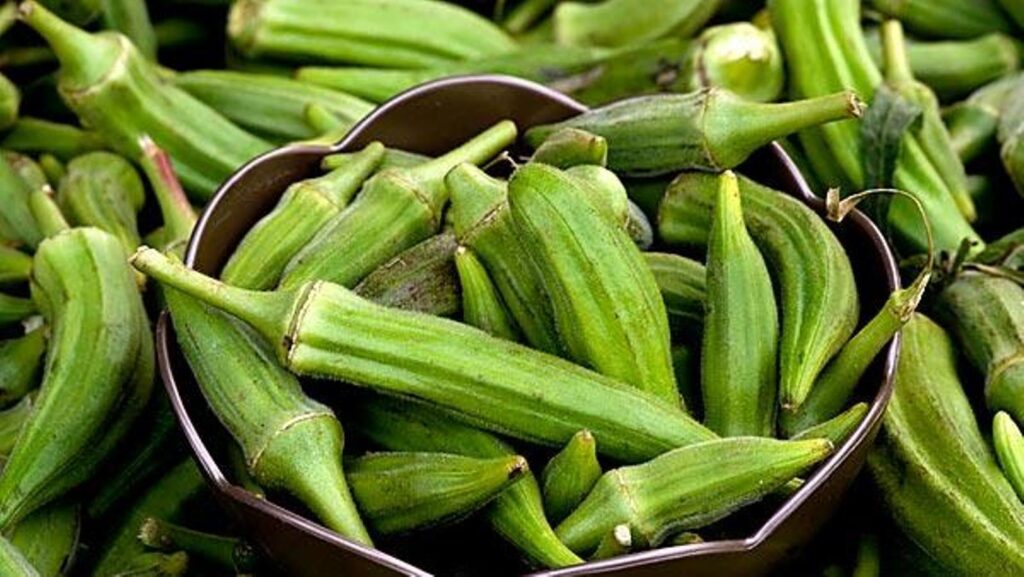
Okra/Okro also known as ochro or ladies’ fingers, is a warm-season vegetable. It is a good source of minerals, vitamins, antioxidants, and fiber. It contains a sticky juice that people use to thicken sauces.

Origin of Okra

The origin of Okra is often disputed amongst the Western, Northern, and Eastern parts of Okra as they all claim that it originated from their parts of the world. However, history shows that it most likely originated from the  Egyptians and Moors of the 12th and 13th centuries who used the Arabic word for the plant, bamya. 

Okra is said to have come into Egypt from Arabia, but earlier it was probably taken from Ethiopia to Arabia. The plant may have entered southwest Asia across the Red Sea or the Bab-el-Mandeb strait to the Arabian Peninsula, rather than north across the Sahara, or from India.
The scientific/botanical name for Okra is Abelmoschus esculentus.

Nutritional Components of Okra

The Okra vegetable is a good source of protein, riboflavin, niacin phosphorus, potassium, zinc, and copper. Okra is a good source of dietary fiber, vitamins A, C & K, vitamin B6, folate, calcium, magnesium, and manganese.

African Okra Recipes

As I mentioned earlier, there are several Okra recipes from Africa and I will be sharing some unique ones that I found quite interesting.

Super Kanja 

Okra recipes used in Superkanja
Superkanja

Superkanja is an okra stew that packs a nutritional and flavorful punch with its combination of leafy greens, such as spinach, collards, okra, and sweet potato leaves. Combined with onions, chili peppers, and fish or meat, variations of this dish are found all over West Africa, such as the Ghanaian kontomire. This is one of the popular okra recipes in Africa.

What country is Superkanja popularly known in?

The Superkanja is one of the amazing Okra recipes in the Gambia. It is even referred to as Gambia’s super soup. The name Superkanja comes from a Portuguese word for soup (sopa) and a West African word for Ora (Kanja which gives the soup its distinct texture.

It is also called supa kanja, supakanja and kanjadaa.

What can I eat with Superkanja?

I know this question was probably burning a hole in your chest, so let me save you some stress. You can have the Superkanja with Rice, Potatoes, Yam, and Fufu and enjoy it as a soup or a stew. 

Read The Superkanja recipe here

Ila Alasepo

Ila Alasepo Okra recipes
Ila Alasepo

Ila asepo or Ila alasepo (okro soup) is a one pot okra soup.  It is a simple yet nutritious meal to prepare. This is another one of the amazing okra recipes that is an absolute favourite because it is a fast meal to prepare.

Origin of Ila Alasepo

Ila Alasepo is popular amongst the Yoruba people in Western Africa. Ila Alasepo is a one-pot Okra Ila is the Yoruba word for Okra, and Asepo means “To cook together”;  Ila Alasepo is mixed okra soup. In regular Yoruba style, Okra is typically served with stew.

How to prepare Ila Alasepo?

I like this meal because everything goes into the pot rather quickly and in minutes you are done. You start by placing a  pot on medium heat, pour in the meat stock (or water), cover, and bring to a boil. Add in the cooking potash if using. Add in the prepared meat, fish, prawns, crayfish powder, seasoning cubes, palm oil, and pepper, and then finally add in chopped okra and minced tatashe. This is one of the best okra recipes.

What Can You eat Ila Alasepo with?

The list is a long one as there are a variety of things you can eat with Ila Alasepo 

  1. Amala
  2. Semolina
  3. Cassava  Fufu 
  4.  Pounded Yam
  5.  Eba (Garri)

Read The Ila Alasepo recipe here 

Miris

Okra recipes for Miris Stew
Miris

Miris is an intriguing dish made with onions, dried okra, and sheep’s fat. Other vegetables, such as eggplant and potatoes, may also be included. It is served with Aseeda porridge. If porridge is not your thing, try it with Sudanese flatbread.

Miris is of Sudanese origin and it can be said to be the national dish of Sudan. This is one of the popular Okra recipes in Africa.

Read the Miris Recipe here 

Otong Soup 

Okra recipes for Otong Soup
Otong Soup

Otong soup is a traditional Okra soup from the Efik people of Cross River State, South Eastern Nigeria. Millions of people around the world love this soup and it is tagged as one of the best Okra recipes.

This is another Nigerian soup that has Okra as one of the ingredients. Otong soup has two key vegetable characteristics, Ikong Ubong( Ugwu) and Okra, the combo of these two vegetables differentiates otong soup from other okra soups- Ikong Ubong (pumpkin leaves) and Uziza leaves (piper guineese).

Things to note when making the Otong Soup

  • If you cannot source Ugwu leaves, you can use spinach, Water leaves, or Kale instead. If you cannot source Uziza leaves, which is optional anyway, you can use ground Uziza seeds instead.
  • Do not cover the pot after okro has been introduced into the pot.
  • Don’t overcook if you want okro green and resilient. The retained heat keeps cooking the Okro for about another 2 minutes after you turn off the heat.

You can enjoy this delicious soup with any type of swallow you like. I highly recommend this dish if you are inviting friends over, they will definitely love it.

Read The Otong Soup Recipe here 

Muamba De Galinha

Okra recipes for Muamba De Galinha
Muamba De Galinha

Muamba chicken is a national food in Angola and it is safe to say that the intentional, spicy infusion of seared chicken makes it even yummier. If you are a lover of core traditional food then this dish is definitely a must-cook. This is a go-to Okra recipes.

Records have it that Chicken Muamba or Muamba de Galinha came out 10th in CNN World’s 50 Most Delicious Foods 2011. So, even if this dish is not so popular in today’s food list, it has made worldwide waves for its uniqueness in taste and composition.

How to make Muamba De Galinha

To make the Muamba Chicken dish you would need lemon, garlic, chili, chicken, palm oil, onions, tomatoes, and okra. All you need to do is combine the ingredients together to get a stew-like mixture.

Natives of Angola and even many seasoned chefs have designed several recipes for making Muamba Chicken.

Read the Muamba De Galinha recipe here 

These are a few of my favourite Okra recipes and I hope you try them out. If you do, please share it with us on our social media handles. We definitely love seeing tags like that.

8 Easy Chicken Recipes For Dinner (African Edition)

Chicken recipes are usually my go-to when I do not know what to make for dinner. If you are always wondering what to have for dinner after a long day at work and you are a chicken lover. Well, this post is just for you. I have curated simple yet tasty, and quick yet nutritious Chicken recipes for dinner. I bet you would find them useful.  

What is Chicken?


Chicken recipes for Chicken
Chicken

Chicken is usually referred to as the meat for every meal and everyone and this cannot be far from the truth.  It is a versatile protein that can be used to make many amazing dishes and the great part is that it is easy to find and does not take long to cook as it is naturally tender.

Chicken is one of the most popular types of meat. It’s not only widely available and easy to prepare but also easily found in a number of preparations and varieties.

Chicken is rich in various important nutrients, including protein, niacin, selenium, and phosphorus. There are diverse Chicken recipes around the world.

In what ways can Chicken be prepared?

Chicken can be prepared in lots of ways and there are countless chicken recipes to aid in making chicken dishes.

  1. You can boil your chicken 
  2. My personal favourite is grilling my chicken
  3. If you want it dry and crispy then I recommend frying  your chicken 
  4. Trying to avoid excess oil in your chicken? Then baking your chicken is a good way to go.

There are a lot of chicken recipes and therefore countless chicken dishes. Still,  we have some very popular chicken dishes that are everyone’s go-to chicken dish such as Chicken Keebab, Chicken Peri Peri, Crispy Chicken, Jerk Chicken and so much more. I probably did not list all your favourite chicken dishes! Not to worry there are so many more Chicken recipes if you keep on reading.

African Chicken Recipes for dinner 

Butter Chicken

Chicken recipes for Butter Chicken
Butter Chicken

Butter chicken, also known as murgh makhani, is an original curry-based Indian dish that combines a spiced tomato and butter sauce with chicken. Its sauce is well-known for its creamy texture. It is comparable to chicken tikka masala, which also includes tomato paste.

The butter chicken recipe has been widely adopted by a plethora of cuisine across Africa and Europe. This is said to be a king among chicken recipes. 

Butter chicken can be served with a variety of simple side dishes, it is an ideal dinner idea because it has a simple recipe. You can have your butter chicken with;

  • Steamed rice
  • Mashed potatoes 
  • Potato wedges
  • Naan bread

Read the Butter Chicken recipe here 

Chicken Yassa (Senegalese Dish)

Chicken recipes for Yassa
Senegalese Chicken Yassa

Another dish to try out for dinner would be the Senegalese Chicken Yassa. It is an exquisite yet simple-to-make dish that is commonly garnished with a lot of regular ingredients such as onions and lemon sauce and the Senegalese can boast of the best variation of the chicken yassa.

When making this dish, first make sure you have a lot of onions to put to use. This recipe would never be complete without the flavor relevance of onions.

Note also that you may decide to grill or fry your chicken but make sure it is well simmered with seasonings and fresh lemon juice.

The following steps are needed in making your Yassa chicken:

  • Make a marinade of your chicken and onions – Marinating the main elements of this dish is an important step that enhances the flavor of your chicken Yassa. It should take at least 6 hours or even overnight. Simply mix with your marinating ingredients and cover the bowl. It’s best to marinate in the refrigerator.
  • Brown your Chicken: You can do this in batches by heating oil and immersing your chicken while letting it be deeply brown on all its sides.
  • Caramelize your Onions: At this point, you must have your other seasoning elements such as; hot pepper ready on the side. Here, cook your onions and stir occasionally until it’s ready. Regulated the heat so that it doesn’t burn.
  • Just before your serve: Place the hot pepper in your pot and pour in your marinated chicken. Allow the mixture to get ready at a simmering level.
  • Serve your Chicken Yassa: It is best served with fluffy white rice.

Read the Senegalese  Chicken Yassa recipe here

Chicken Tagine |(Morrocan Dish)

Chicken Recipes for Moroccan Chicken Tagine
Moroccan Chicken Tagine

Chicken tagine is a Traditional Moroccan cuisine made with spices, garlic, onion, olives, and preserved lemons cooked in a tagine.

The chicken tagine recipe may look complicated at the beginning, but if you organize your ingredients, it would go down smoothly. The mouthwatering dish is usually associated with Morocco, it is actually a Berber dish.

Berbers are an ethnic group native to North Africa, including Morocco, Libya, Tunisia, Algeria, and other countries.

The cooking process of the chicken tagine is very healthy as it is either boiled or steamed as opposed to frying it.

The process of preparing is easy and does not require much effort from the cook and this is ideal for a dinner dish because we do not spend hours making a meal after a long day.

Read the Chicken Tagine recipe here 

Mustard Chicken and Potatoes 

Mustard Chicken and Potatoes

Chicken Recipes for Mustard Chicken and  Potatoes
Mustard Chicken and Potatoes

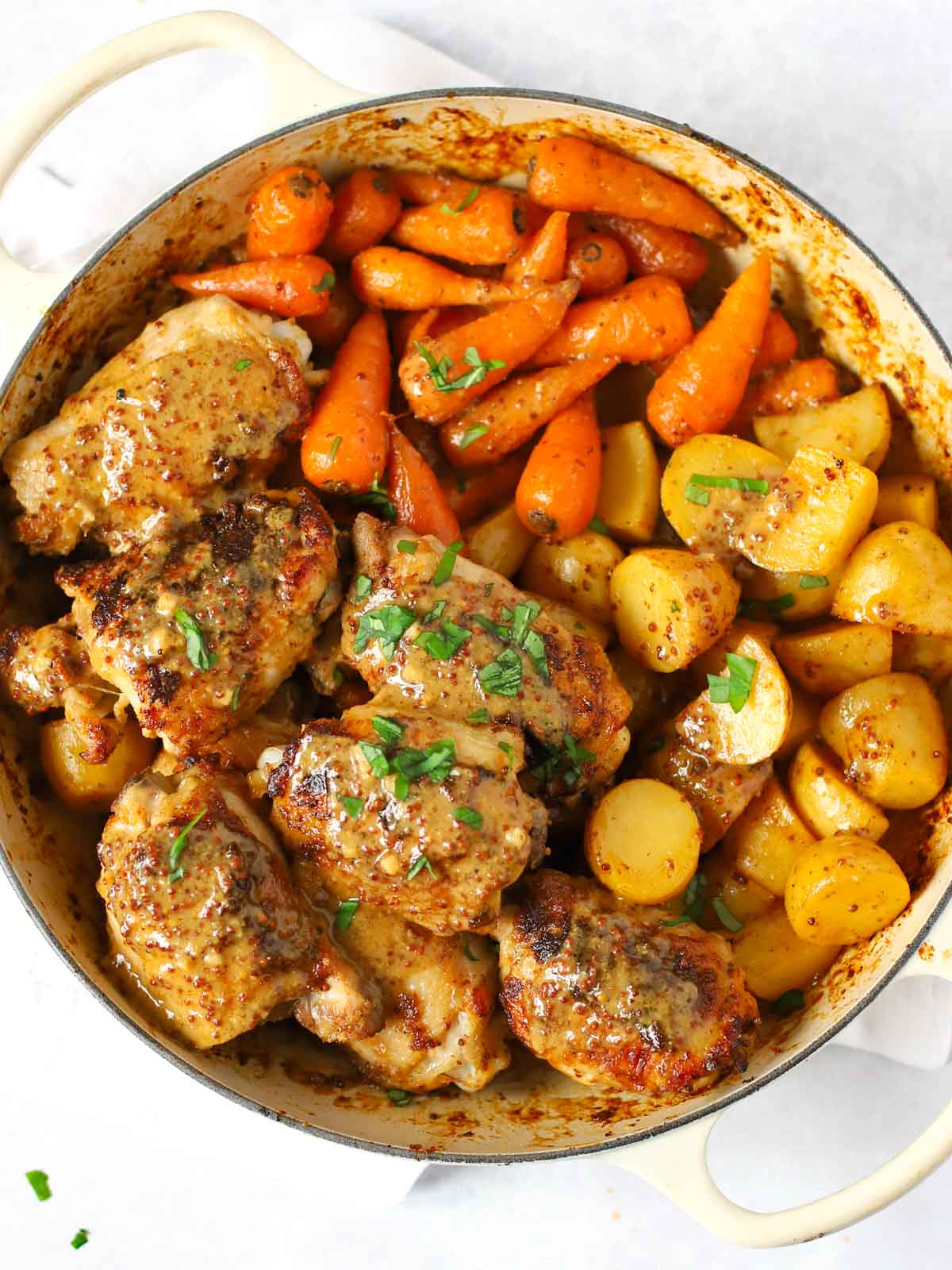
Baked Mustard Chicken and potatoes are very easy to put together and have a unique fantastic taste.

You can use thighs, full chicken, wings, and drumsticks. You can also add other vegetables like carrots, onions, and green pepper.

It is simple to prepare as all you have to do is microwave your potatoes, put them in a baking pan alongside your chicken, and bake for about 50 minutes.

 You can use foil to separate the potatoes from the chicken so that the fluid from the chicken doesn’t drip into the potatoes. 

This recipe is one of the cheapest chicken recipes regardless of the type of chicken or potatoes you chose to use.

Read Mustard Chicken and Potatoes recipe here 

Muamba De Galinha  (Muamba  Chicken )

Chicken recipes for Muamba De Galinha
Muamba De Galinha

Muamba chicken is a national food in Angola and it is safe to say that the intentional, spicy infusion of seared chicken makes it even yummier.

If you are a lover of core traditional food then this dish is definitely a must-cook. One of the Chicken recipes you definitely want to try out. 

To make the Muamba Chicken dish you would need lemon, garlic, chili, chicken, palm oil, onions, tomatoes, okra.

All you need to do is combine the ingredients together to get a stew-like mixture.

It can be served with rice or yuca which is cassava in Africa. 

Read the Muamba Chicken recipe here 

South African Peri Peri Chicken 

Chicken recipes for Peri Peri Chicken
South African Peri Peri Chicken

This is a delicious South African chicken recipe that features chicken simmering in a spiced sauce of onion and lemons.

The chicken is marinated in Peri-Peri Sauce (a blend of chilies, lemon, olive oil, herbs, and spices) along with other seasonings before grilling them.

One major ingredient that makes peri peri chicken so delicious is its central ingredient — the African bird’s eye chili.

This meal can be served with rice, vegetables,  potatoes, and even pasta. You can also decide to bake the Peri Peri Chicken. 

Read the South African Peri Peri Chicken recipe here 

Doro Wat (Ethiopian Chicken stew)

Chicken recipes for Doro Wat
Doro Wat

Doro wat means “chicken stew”. Doro stands for chicken while wat means stew. This translation is gotten from Amharic, the language spoken in Ethiopia.

It is a super spicy dish and a very famous dish in Africa if not one of the most famous African dishes. Chicken recipes like Doro Wat are very versatile .

It is flavored with niter kibbeh, a spicy butter made with fenugreek, hot chiles, paprika, cardamom, coriander, and berbere, a spice mix made with fenugreek, hot chiles, paprika, cardamom, and coriander.

It can be served with  Injera, Rice, or Pita Bread with a side of Yogurt or Cottage Cheese.

Read the Doro Wat recipe here 

Nigerian Chicken Pepper Soup 

Chicken recipes for the Nigerian Chicken pepper soup
Nigerian Chicken Pepper Soup

A famous West African dish, very popular amongst the Nigerian people. It is a hot and spicy broth meal made with chicken and a blend of aromatic African spices . It is a hearty comfort food. It is one of the popular chicken recipes. 

This meal is a fast and easy meal to prepare as the cooking and preparation time is really short. 

The Nigerian Chicken Pepper Soup can be eaten alone but it can also be served with rice, yam, cocoyam, plantain, and even bread. You definitely  want to try this meal on a cold day because it would definitely warm you up 

Read the Nigerian Chicken Pepper Soup recipe here 

I hope you found this piece helpful! Let us know if you tried out any of these dinner ideas and you can share them with us on our social media handles. 

Semovita

Semovita is a brand name for one of the many soft gelatinous substances called “swallow” in Nigeria. It is usually part of the main course, served as an accompaniment for Nigerian soups, and is prepared by continuous boiling.

What Is Semovita Made From?

Wondering what it is made of? It’s made from semolina which is made from durum wheat that is coarsely grounded. This fact shows the difference between semolina and semovita. Both are refined from wheat and contain vitamins and proteins. The richest vitamin is Vitamin A.

Is Semovita Good for Health?

A 100 grams gives about 360 calories, making it unsuitable for diabetic people as well as those who are regulating their weight or are looking to lose weight. It contains gluten thus it is not recommended for people who are gluten intolerant.

Semovita
Image Credit: Golden Penny

How do I Make Semovita?

All you will need for this recipe is semovita, a wooden spatula that will be used for stirring, a pot, a bowl, a cup and water. There are different ways of making this recipe. Let’s look at one.

Begin by placing a clean pot with 500ml of cold water and leaving it to boil on high heat. Pour a cup of semovita into a bowl. Next, add some cool water into the bowl with semovita. Use the wooden spatula to stir the mixture of water and semo continuously until we achieve a smooth consistency.

Check the pot of boiling water. When boiled, reduce the heat intensity to medium. The next step will be to pour the consistent mixture of water and semo into the boiling water. Stir for 1 to 2 minutes then allow it to cook on low heat for about a minute.

We will continuously turn and press the semo to ensure that the texture is neither too hard nor too soft. When the desired result is reached, turn off the heat.

At this point, it should be ready and perfect. It can now be served directly on a plate or wrapped in a clingfilm. For easy serving, place the serving spoon in some cold water.

How Do You Remove Lumps From Semovita?

The secret behind fully removing lumps from semo is by first mixing the semo with cool water in a bowl before mixing the semovita with the boiling water on high heat.

But, that’s not all;

Ensure that as the mixture of semo and water from the bowl is being poured into the boiling water, a wooden spatula is used to continuously stir until the texture is neither too soft nor too hard. This is the only way to successfully make it lump free.

Semovita 2
Image Credit: Golden Penny

What To Serve With Semo

It can now be served with a soup of choice, whether ogbono soup, okra soup, eforiro or egusi soup.
Here is a step-by-step simple guide on how to make a lump-free semo. Enjoy!

Suggestions For Best Side Dishes:

Side Dishes

check price on amazon

Semovita

How to prepare the perfect Semovita without lumps

Semovita is a brand name for one of the many soft gelatinous substances called "swallow" in Nigeria. It is usually part of the main course, served as an accompaniment for Nigerian soups, and is prepared by continuous boiling.
Prep Time 2 minutes
Cook Time 15 minutes
Total Time 17 minutes
Course Main Course
Cuisine African
Servings 2
Calories 600 kcal

Ingredients
  

  • Semovita (or any other brand of your choice)
  • Wooden spatula for stirring
  • Water

Instructions
 

  • 1. Pour about 500ml of water into a clean pot and leave to boil on high heat.
  • 2. Take a bowl, pour a cup of Semovita in it and add some cool water into the bowl. Use the wooden spatula to stir the water and Semovita continuously until a smooth consistency is achieved.
  • 3. When the water in the pot is boiling, reduce the heat of the stove to medium heat and then, pour the mixed Semovita into the boiling water.
  • 4. Continue stirring for 1-2 minutes and then allow to cook on low heat for about a minute.
  • 5. Stir again until the texture is consistent and then turn off the heat.
  • 6. Your Semovita should be perfect and ready to serve! Serve with any soup of your choice.

Nutrition

Calories: 600kcal
Keyword Swallow
Tried this recipe?Let us know how it was!

10 Delicious African Low Carb Salad Recipes

0

You just guessed how best to stay healthy! Eating Salads. Creating a salad recipe is an amazing way to stay healthy as it consists of raw vegetables, fruits, grains, and many other rich energy sources.

There is no specific way of preparing a salad because, across several countries, the different types of salads in Africa have their own special and traditional way of preparing them. This variety doesn’t restrict the dish from being a major source of nutrients. As they say, variety is the spice of life.

A salad is a nutrient-filled meal that consists of mixtures of vegetables, vinegar, oil, and other dressings according to your preference. The vegetables in a salad can either be cooked or served raw, some salads in Africa are served cold.

What Are The Typical Salad Recipes In Africa?

Across countries in Africa, there are countless recipes for a salad, some countries in Africa consider a salad to be a ‘special meal’. In Nigeria, most parties are incomplete without a plate of mixed rice and salad, (which usually consists of a mix of fried rice and Jollof rice).

The amazing taste of this dish has been emphasized, but what’s a dish with great taste but no health benefits? You are going to see different types of salads in Africa, the thought of it alone would make you crave some right now.

Avocado Salmon Salad

Avocado Salmon Salad
Image Credit/ Gimme Delicious

This dish is very fast and easy to prepare, one bowl of this would leave you filled up with goodness and good health. This salad consists of a few vegetables and a few other amazing ingredients for the recipe;

  • Sliced Avocado
  • Diced Tomatoes
  • A cup of corn
  • Garlic
  • Salmon

Kachumbari

Kachumbari
Image Credit/Meals By Mavis

A Tanzanian dish with a Swahili name, that mainly consists of fresh tomato and onions, you can also call it a tomato and onion salad. Kachumbari is a meal best served during the summer as a side dish, it can be paired with rice, plantains, yam, and even grilled beef.

Kachumbari is very common in East Africa, most especially Kenya, it can also be found around places like; Burundi, Uganda, Rwanda, and Tanzania.

With a few ingredients, you can get yourself the perfect recipe for one of the best salad, on this list of amazing salads in Africa.

  • Tomatoes
  • Onions
  • Avocado
  • Chili peppers
  • Cilantro dressing
  • Light lime juice

Sweet Potato and Raisin Salad

Sweet Potato and Raisin Salad
Image Credit/ Safeway

Found in Morocco, this mostly contains, yam or potatoes. This dish is usually served hot. A plate of this salad and you would be filled up. To give the salad more flavor, a few ingredients are added to the salad; these spices help give the salad a rich and flavor-filled taste. Don’t forget the colors that would be bursting out of your bowl with these ingredients.

  • Raisins
  • Water
  • Butter
  • Honey
  • Ground cinnamon
  • Turmeric
  • Saffron threads
  • Sweet potatoes

Omek Houria

Omek Houria
Image Credit/Carthage Magazine

Another salad that is very important on this list of salads in Africa, is Omek Houria. Omek Houria is a Tunisian salad that consists mainly of carrots and other spices. The main vegetable in this salad would be the carrots, the secret to this recipe is the grill, with a mix of other vegetables like onions, tomatoes, and peppers.

This spicy mix can be served with cooked eggs or a baked tuna. Crushing the carrots in the mix is a huge must. This allows the flavor of the carrots to reach every part of the salad, giving it a wonderful taste.

You would need a few ingredients to prepare Omek Houria, with the carrot being the main ingredient these are a few others to get you started;

  • Tomato
  • Pepper
  • Salt
  • Spice
  • Eggs
  • Fish
  • Spice
  • Onions

Avocado and Steak salad

Avocado and Steak salad
Image Credit/Google Images

This salad is rich in nutrients and has a lot of health benefits, you would not want to miss. Also very easy to prepare. You can have this dish as a whole meal and you would not ask for more because you will be filled up. There are a few ingredients you would need to prepare this dish:

  • Bell pepper
  • Butter
  • Paprika
  • Ginger and garlic
  • Boneless steak
  • Parmesan
  • Mustard
  • Lime juice
  • Salt

African Mango Salad

African Mango Salad
Image Credit: African Vibes

Having African Mango salad is the best thing you can do for yourself after a meal, it can be eaten with any main dish. Apart from the amazing colors and great taste, African mango salad has a mixture of sweet, crunchy, and tart. This dish has a combination of various fruits like;

  • Strawberries
  • Mangoes
  • Pineapples
  • Lettuce

Creamy Beet and Potato Salad

Creamy Beet and Potato Salad
Image Credit: NYT Cooking

This dish commonly found in Panama contains potatoes and beetroots as the main ingredients. This dish is usually served during festive seasons like Christmas and other celebratory times. Some major ingredients are needed for this dish’s recipe, even though potatoes and beets are a must.

  • Hard-cooked boiled eggs
  • Potatoes
  • Beetroots

The next time you find yourself in Panama, a bowl of creamy beet and potato salad should be on your to-eat list.

Ivory Coast Salad

Ivory Coast Salad
Image Credit/thestayathomechef

This fruits and veggies-filled dish is a must-have! Guess what? It is also very easy to prepare, the recipe would take you only a few minutes and your bowl will be filled with color, flavor, and vitamins.

Fruity vegetables are very healthy and they cannot be over-emphasized, incorporating a bowl of this fruity salad would change your life and give you a healthier and happier body system. This delicacy is rich in fruits and is a mixture of fruits to make you dance.

You don’t need much for your recipe, just a few ingredients and you are on your way to a healthy life;

  • Papaya
  • Grapefruits
  • Avocados
  • Lemon
  • Tabasco sauce
  • Filets whiting
  • Pineapple
  • Mayonnaise
  • Langoustines or Dublin bay prawns

African salad (Abacha and Ugba)

African Salad
Image Credit/Dream Africa

The list of different types of salads in Africa would be incomplete without African salad itself. Abacha is a local dish, commonly found in the Eastern part of Nigeria, this meal consists of cassava tubers that have been cooked and sliced with a certain type of grater.

This dish can be very filling but is not considered to be the main course meal, it can be eaten in-between meals, or maybe a snack. Although it is very popular in the Eastern part of the country.

There are a few basic ingredients you would need for your Abacha recipe;

  • Ugba
  • Maggi (seasoning)
  • Salt
  • Onions
  • Pepper
  • Crayfish
  • Utazi leaves
  • Palm oil
  • Kpomo
  • Titus fish
  • Abacha
  • Ngor
  • Garden egg

What African Country is most famous for their salad recipes?

Azifa is a popular Ethiopian salad consisting of green lentils, finely chopped tomatoes, and onions. The salad is additionally seasoned with salt, pepper, and lemon juice.

This dish is usually served cold, and eaten as a snack. Azifa is a vegetarian dish and is usually eaten during lent when meat is prohibited.

Lent is usually served as a light snack, and it is often paired with some other veggies like; cottage cheese, lettuce, and tomatoes, or also known as Injera.

10 DELICIOUS LOW CARB SALAD RECIPES

Spicy shrimp salad Recipe

Spicy Shrimp Salad
Image Credit/ NYT Cooking

Here, we combine hot shrimp with smooth avocado and crunchy cucumber, topped with a delicious ginger and garlic dressing. In other words, it’s the perfect salad.

Directions

  • Toss shrimp with 2 tablespoons avocado oil and 1/2 teaspoon each salt and pepper.
  • Heat the grill pan, grill, or broiler. If desired, you can also set aside half of the shrimp for the No-Cook Shrimp Rolls and put them in the refrigerator until ready to use.
  • In a separate bowl, whisk together lemon juice, 2 tablespoons oil, and 1/4 teaspoon each salt and pepper. Toss with onion.
  • Add to bowl with onion along with cucumber and shrimp and toss to combine. Fold in watercress and avocado.

Cobb Egg Salad Recipe

Egg Cobb Salad
Image Credit/Sauder’s Egg

When the first two ingredients are mayo and greek yogurt, you know this dish is going to give you the creaminess you crave.

  • In a small bowl, stir together mayonnaise, yogurt, and red wine vinegar. Season with salt and pepper.
  • In a large serving bowl, gently mix together eggs, bacon, avocado, blue cheese, and cherry tomatoes. Gradually fold in mayonnaise dressing, using only enough until ingredients are lightly coated, then season with salt and pepper. Garnish with chives and additional toppings.

Nicoise Keto Salad Recipe

Nicoise Keto Salad
Image Credit/Diet Doctor

Nicoise salad is a healthy, colorful, and protein-packed tuna salad. It’s a salad staple in French cuisine that’s also really popular around the globe.

Directions

  • Make the Shallot Vinaigrette: Shake olive oil, mustard, vinegar, lemon juice, shallot, sugar, salt and pepper.
  • Make the Niçoise Salad: Drizzle shallot vinaigrette over tuna, olives, eggs, cherry tomatoes, and mixed greens.

Kale and Roasted Cauliflower Salad Recipe

Kale and Roasted Cauliflower Salad
Image Credit/ JustOneCookbook

This delicious low-carb salad recipe calls for roasted cauliflower and raw kale as a base. On top of that, you dress it up with a few other nutritious ingredients you’ll love, like red onion, feta cheese, lemon juice, and nuts.

Directions

On a large rimmed baking sheet, toss cauliflower florets with olive oil and 1/8 teaspoon each of salt and pepper. Roast in 450°F oven for 25 minutes, or until stems are tender.

In large bowl, whisk lemon juice, olive oil and 1/2 teaspoon salt. Toss kale with dressing. Let stand at least 5 minutes.

To kale, add cooked cauliflower, onion, feta cheese, golden raisins and toasted pine nuts. Toss until well combined.

Broccoli Salad Recipe

Broccoli Salad
Image Credit/Jessica Gavin

This low carb salad recipe combines broccoli, bacon, cheese, and sunflower seeds in a mayonnaise dressing. It’s creamy and delicious and clocks in at just four grams of carbohydrates per serving.

Cauliflower Salad Recipe

cauliflower salad
Image Credit/Taste

This friendly salad recipe has all the fixings for a loaded baked potato, but it’s made with healthy cauliflower instead of carb-laden potato. With cheddar cheese, crispy bacon, green onions, and an easy-to-make dressing of sour cream and mayo, it’s a delicious healthy salad.

Taco Salad Recipe

Taco Salad
Image Credit/Kevin is Cooking

With just two net carbs per serving, this healthy salad recipe will quickly become a new favorite. It’s made with ground beef flavored with taco seasoning, avocado, cheddar cheese, grape tomatoes, and Tex Mex dressing.

Buffalo Chicken Salad Recipe

buffalo chicken salad
Image Credit/Our Salty Kitchen

This salad recipe is packed with all the traditional buffalo chicken flavors, just made keto-friendly. First, you make the buffalo chicken, then pair it with lettuce, bacon, cucumber, tomatoes, and blue cheese dressing.

Creamy Shrimp Salad Recipe with Dill

creamy shrimp salad with dill
Image Credit/Simply So healthy

With sour cream, lemon juice, garlic, Dijon mustard, dill, celery, cucumber, red onion, and shrimp, this keto-friendly salad recipe is a quick and easy lunch. Sour cream provides the creaminess for this recipe instead of mayo for a healthy upgrade.

Egg Salad Recipe

Egg Salad
Image Credit/The Recipe Critic

This egg salad recipe couldn’t be easier to make. With avocado, mayonnaise, Dijon mustard, lemon juice, dill, and parsley, this salad provides a healthy lunch with plenty of protein and healthy fats.

Visiting Zambia? Check Out These Delicious Zambian Dishes

Zambian dishes are one of their kind with their major element, maize found in almost every Zambian meal. Zambia, in southern Africa, is a landlocked country of rugged terrain and diverse wildlife, with many parks and safari areas.

In the second half of the 20th century, maize was first used in meals like nsima or nshima which is the traditional dish in Zambia. Traditionally, the Bemba people of what is now Zambia ate what was available depending on the weather. A form of thick millet porridge called ubwali was served with “relish” called umunani at Bemba meals.

Nearly all zambian dishes include ubwali. The most popular form of umunani was a stew made from meat, fish, insects, or vegetables. Ubwali was typically eaten by the Bemba with just one kind of condiment at a time. Salt and occasionally ground nuts were used to prepare the meat and vegetable stews.

Chikanda is one of the most famous Zambian dishes enjoyed in Zambia. Originally common among the Bemba people of the Northern Region, this meat-like special is often referred to as African Polony. It is prepared using wild orchids, which are dried and pounded.
Zambia’s staple food is maize.

Nshima makes up the main component of Zambian dishes and is made from pounded white maize. It is served with “relish”, stew and vegetables and eaten by hand (preferably the right hand). Nshima is eaten during lunch and dinner.

Zambians eat maize in several ways. When the corn is ripe but still green, it can be roasted or boiled. When it is dry and hard, it can be fried or boiled.

Some Traditional Zambian Dishes

Nshima

Nshima
Image Credit/Pinterest

Nshima is the staple carbohydrate of Zambia. It is one out of other zambian dishes made from corn that is processed into a fine white powder called ‘mealie meal’. It is cooked by mixing the corn meal with water which is brought to the boil as porridge (similar to grits). More cornmeal is added until it develops a thicker texture. The cornmeal can be substituted for cassava, sorghum and millet. Nshima is served with a protein (usually meat or fish) and one or two vegetables.

Ifinkubala

Ifinkubala
Image Credit/Klipculture

Caterpillars in Zambia are called ‘ifinkubala‘. They are usually fried in oil, or boiled for a few minutes then fried in oil, and are served with tomatoes and onion with nshima.

Inswa

Inswa
Image Credit/Pinterest

After it rains, flying ants called ‘inswa‘ are collected. The wings are pulled off and the bodies are fried in oil. This is one of the zambian dishes that are rich in protein and can be eaten as a snack or served as a side dish with nshima.

Chikanda
Image Credit/ Daisy’s Kitchen

Chikanda is commonly referred to as ‘African polony’, although it is entirely vegetarian. This Zambian Dish is made from wild orchid tubers, peanuts, chilli and baking soda, it is cooked until it has a meatloaf consistency, and is served either hot or cold.

Ifishashi

Ifisashi
Image Credit/ All African Dishes

Pounded peanuts are mixed with vegetables such as rape (a type of kale) to make ifisashi, although it can be added to other food items such as kapenta (a small sardine-like fish), sweet potatoes and chikanda.

Michopo

Michopo
Image Credit/Pinterest

Michopo is roasted meat which is usually cooked outdoors on the grill. It is usually beef or goat meat served with chilli or onions, tomatoes and potatoes. Michopo is commonly found at bars as it is great paired with a Mosi (the local lager).

Fruit

Masaku
Image Credit/Masakuonmymind

Traditional seasonal Zambian fruits include wild loquats called ‘masuku‘ which have a plum-like taste, ‘masau‘, which tastes like sour apples, and baobab seeds called ‘mawuyu‘ among others.

Fish

Zambian Fish Meal
Image Credit/Pinterest

Zambia’s many water bodies produce different types of fish. Some of the most popular are kapenta (small sardine-type fish that are fried in oil, tomatoes and onions), and buka buka, a species of Nile perch, and bream which is either grilled, boiled or dried, and served in gravy with nshima.

Some Zambian Dishes To Eat When You Visit Zambia

There are variety of food in ZAMBIA and you might have difficulty in choosing which food to eat,, so here are few food you can try when you visit ZAMBIA.

Tongabezi chicken curry

Tongabezi chicken curry
Image Credit/ Just A Mom 

This is a traditional chicken stew originating from Zambia. Although there are a few recipes, the curry is usually made with a combination of chicken, sweet potatoes, onions, tomatoes, garlic, lemongrass, hot peppers, stock, yogurt, ginger, coriander, and curry powder.
The onions, ginger, and garlic are sautéed in oil until soft. Chicken pieces are added to the pan and cooked until done. Chopped tomatoes, lemongrass, curry powder, and stock are stirred in, and the curry is simmered for a few minutes. The sweet potatoes are boiled, sliced, fried in oil, and then served as an accompaniment to the curry, along with rice and yogurt.

Curried Gazelle

Curried Gazelle
Image Credit/ Alamy

This dish originates from land-locked Zambia, where animals such as gazelles freely roam on the vast land, so it is not a surprise that a curry made with good-quality gazelle meat is quite popular in the country. The is one of the relished zambian dishes and it is made with gazelle rump steak, onions, garlic, chilis, sliced plantains, coconut milk, tomato paste, and flavorings such as cumin, cardamom, and curry powder. The ingredients are slowly simmered until the desired consistency is achieved. The dish is then served hot, preferably on a bed of white rice.

Chibwabwa

Chibwabwa
Image Credit/Photo Courtesy

This is a typical Zambian dish cooked throughout the country. It consists of tomatoes, onions, pumpkin leaves, and (optionally) groundnuts. The ingredients are boiled in water until the combination becomes thick in texture. In Zambia, chibwabwa is typically prepared during traditional ceremonies. When properly prepared, this creamy side dish is always served as an accompaniment to nshima, a dough-like porridge made with maize flour.

Food Facts About Zambian Dishes

There are plenty of vegetables that are eaten in Zambia, based on seasonal availability. Popular vegetables include ‘chibwabwa‘, which are pumpkin leaves, ‘katapa‘ sweet potato leaves, ‘bondwe‘ (a species of amaranthus), ‘impwa‘ (a species of eggplant), ‘lumanda‘ (a species of hibiscus), and okra, which is either fried or boiled with bicarbonate of soda.

Asides the dishes, another popular food element in Zmbia is their tradional beer. Traditional beer in Zambia is brewed from maize. Individual communities used to brew their own recipes and distribute them to the entire community.

Commercial maize beer brewing is also practiced in Lusaka; well-known brands include Chibuku and Shake-Shake. Popular beers that are not on this list are Rhino and Mosi. At the Barclays Sports Complex in Lusaka on September 25, 2009, the inaugural Zambian Beer Festival took place.

QUICK RECIPES