Miris (Sudanese Stew with Lamb Fat)
London, United Kingdom · View all recipes
Overview
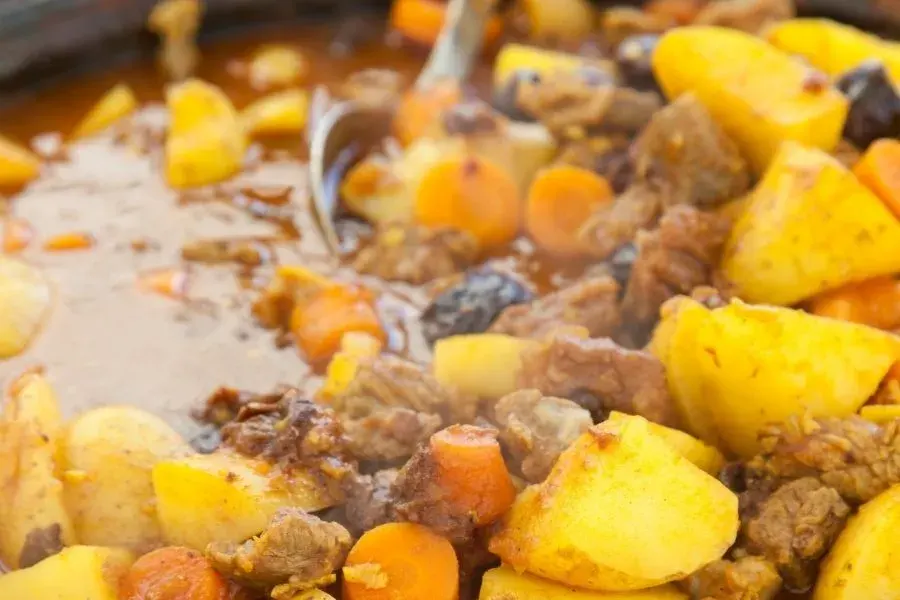
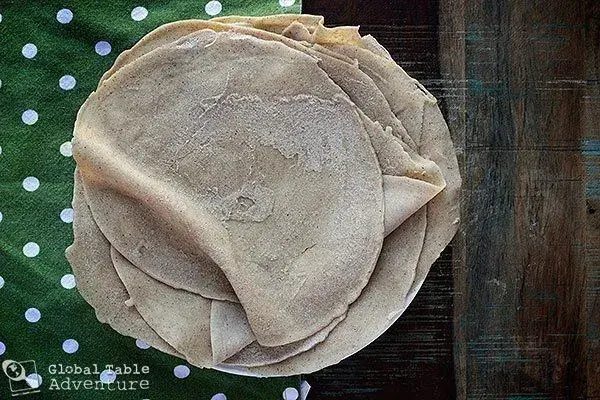
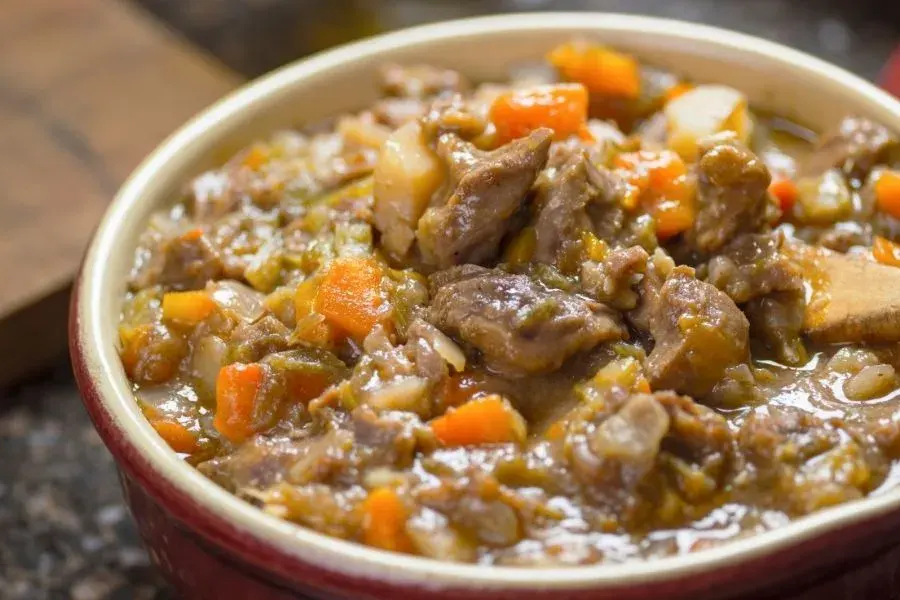
Miris is a Sudanese stew of cassava and okra cooked in lamb fat with onion. It is served with asida, the stiff Sudanese porridge, or with kisra flatbread. The lamb fat is the point, and it is worth understanding rather than substituting away. Only two teaspoons go into the pot, but rendered sheep's fat carries a distinct, slightly gamey savouriness that no oil reproduces, and using it as a cooking medium rather than as a meat is characteristic of a cuisine where nothing from an animal is wasted. The source offers pork fatback, beef fat or olive oil as alternatives and is honest that they change the dish. Sudanese meals are built around a communal central dish with stews and sauces alongside, eaten with the right hand using flatbread or a stiff porridge, asida or kisra. Miris belongs to that format rather than being served as a plated course. Two notes about the recipe as written. The source's prose describes onions, dried okra and sheep's fat, while its ingredient list specifies cassava, and both have been kept since the combination is plausible. And cassava must be cooked thoroughly, the raw root contains compounds that release cyanide, and the ten minutes the method allows assumes it is already properly processed.
AFN Heritage Note
Miris is a Sudanese stew of vegetables cooked in rendered sheep's fat, typically including okra and often cassava, eaten with asida porridge or kisra flatbread. Sudanese meals are built around a communal central dish eaten with the right hand.
Ingredients
Dietary tags are provided by contributors as a guide, not verified by AFN, and they depend on the products you buy. If you have a serious allergy, check every ingredient yourself. Cooking, allergies and your own judgement
Directions
- 1
Warm the lamb fat in a large frying pan over medium-high heat and cook the onions until translucent.
- 2
Tip in the cassava, okra and stock or water.
- 3
Cover and cook gently until the cassava is completely soft, the source says about 10 minutes, which assumes properly processed cassava. Cassava must be cooked through, since the raw root contains compounds that release cyanide.
- 4
Season with salt.
- 5
Serve warm as a stew, or over rice, or with asida or kisra.
Africook’s Notes
 Personal notes from Nympha Nzeribe
- Use the lamb fat if you can. Two teaspoons is a small quantity and it is doing most of the flavouring, oil gives a noticeably plainer dish.
- Cook the cassava properly through. This is a safety point, not a texture one.
- Dried okra rather than fresh gives a more concentrated flavour and less mucilage, which is what the source describes.
- Pork fatback or beef fat are the nearest substitutes for lamb fat. Olive oil works but makes it a different dish.
- Aubergine and potato are named in the source as common additions.
- Asida or kisra is the traditional accompaniment, and both have their own recipes on this site.
Questions cooks ask
Why cook with lamb fat?
Because rendered sheep's fat has a distinct, slightly gamey savouriness that no vegetable oil reproduces, and using it as a cooking medium is characteristic of a cuisine where nothing from an animal goes to waste. Two teaspoons is a small quantity doing a large amount of the flavouring here. The source is honest that pork fatback, beef fat or olive oil will all work, and equally honest that they change the dish.
What is it served with?
Asida, the stiff Sudanese porridge, or kisra, the thin fermented sorghum flatbread, both have their own recipes on this site. Sudanese meals are built around a large communal dish with stews and sauces alongside, eaten with the right hand using bread or porridge to scoop. Miris belongs in that format rather than being plated individually, and it is one of several dishes that would appear together.
Is cassava safe to eat?
When properly prepared, yes, it feeds hundreds of millions of people. Raw and undercooked cassava contains cyanogenic compounds that release cyanide, so it must be peeled, processed and cooked thoroughly. The ten-minute cooking time in this recipe assumes cassava that has already been properly processed. If you are working with fresh cassava, peel it thoroughly and cook it until completely soft.
What else goes in miris?
The source names aubergine and potato as common additions, and the dish is clearly treated as a template rather than a fixed formula. What is constant is the fat, the okra and the long slow cook until everything is soft. Its own prose describes onions, dried okra and sheep's fat while the ingredient list specifies cassava, both have been kept here, since the combination is entirely plausible.
Reviews
Be the first to rate this recipe
Cooked it? Your rating helps the next person decide whether to try it.
No reviews on this one yet. If you have cooked it, yours would be the first.