Peri-Peri Chicken: Exploring the Bold and Spicy Flavors of African Cuisine

Peri-peri chicken is an African cuisine that is a treasure trove of diverse flavors and tantalizing dishes, and also one dish that has captured the attention of food enthusiasts worldwide. Originating in Mozambique and Angola, peri-peri chicken has become a culinary sensation, finding its way into the hearts and taste buds of people across the globe. In this article, we embark on a flavorful journey, exploring the origins, ingredients, cooking techniques, and variations of this fiery African delicacy.

The Origins of Peri-Peri Chicken

We take a deep dive into the history of peri-peri chicken, tracing its roots back to the African continent. We explore the cultural significance of the dish in Mozambique and Angola, where it is often enjoyed as a centerpiece of celebratory feasts. Discover the legend behind the peri-peri sauce, which plays a vital role in creating the distinct flavor profile of the dish.

Peri-peri chicken
Peri-peri chicken

Unveiling the Peri-Peri Sauce

The heart and soul of the peri-peri chicken lie in its fiery sauce. We explore the key ingredients that give peri-peri sauce its unique taste, such as bird’s eye chili peppers, garlic, citrus, and a medley of herbs and spices. Learn about the traditional methods of preparing and preserving the sauce, and how different regions have put their spin on this beloved condiment.

The basic recipe for peri-peri sauce along with some variations:

Ingredients for Basic Peri-Peri Sauce:

10-12 chili peppers (such as bird’s eye chili or peri-peri chili), stems removed
– 4 cloves of garlic
– 1 lemon, juiced
– 2 tablespoons paprika
– 1 teaspoon dried oregano
– 1 teaspoon salt
– 1/2 teaspoon black pepper
– 1/4 cup olive oil

Preparation:
1. In a blender or food processor, combine the chili peppers, garlic, lemon juice, paprika, oregano, salt, and black pepper.
2. Blend the ingredients until you achieve a smooth consistency.
3. While the blender is running, slowly drizzle in the olive oil until well combined. The olive oil helps to emulsify the sauce.

Peri-peri chicken
Peri-peri chicken

Variations Of Chicken peri-peri sauce

1. Citrus Twist: Add a burst of citrus flavor by including the zest of the lemon or by adding the juice of other citrus fruits like lime or orange.

2. Herb Infusion: Customize the sauce by incorporating additional herbs such as fresh parsley, cilantro, or basil. This adds a fresh and aromatic element to the sauce.

3. Smoky Flavor: Enhance the smokiness of the peri peri sauce by using smoked paprika or adding a small amount of liquid smoke.

4. Tomato Base: For a slightly different twist, include some tomato paste or tomato sauce in the sauce mixture. This adds a touch of sweetness and richness.

5. Sweet and Spicy: If you prefer a sweeter peri-peri sauce, you can add a small amount of honey or brown sugar to balance the heat.

Remember, the spiciness of the sauce can be adjusted by varying the amount and type of chili peppers used. It’s always a good idea to taste and adjust the seasoning according to your preference. Experiment with these variations to create your own unique peri-peri sauce!

Chicken peri-peri: Cooking Techniques

There are several cooking techniques you can use to prepare peri-peri chicken. Here are a few popular methods:

1. Grilling: Grilling is a classic technique for peri-peri chicken. After marinating the chicken in peri-peri sauce, you can grill it over direct heat on a barbecue grill. This method imparts a smoky flavor and crispy exterior while keeping the meat juicy and tender.

2. Roasting: Roasting is another great option for peri-peri chicken. Preheat your oven to a high temperature, around 425°F (220°C), and place the marinated chicken on a baking sheet or in a roasting pan. Roast the chicken until it’s cooked through and the skin is crispy and browned.

3. Broiling: Broiling is a quick and intense cooking method that works well for peri-peri chicken. Place the marinated chicken on a broiler pan or a wire rack set on a baking sheet. Position the chicken about 6 inches (15 cm) from the broiler element and broil it until it’s cooked through and the skin is charred and crispy.

4. Frying: For a different twist, you can fry peri-peri chicken. Heat oil in a deep pan or pot until it reaches about 350°F (175°C). Coat the marinated chicken with flour or breadcrumbs, and carefully lower it into the hot oil. Fry the chicken until it’s golden brown and fully cooked.

5. Skewering: Skewering is a fun and flavorful way to cook peri-peri chicken. Thread marinated chicken pieces onto skewers, alternating with vegetables if desired. Grill or broil the skewers until the chicken is cooked through and has a nice char.

Remember to always cook chicken to an internal temperature of 165°F (74°C) for safety. The cooking time will vary depending on the thickness and cut of the chicken, so it’s important to monitor the chicken’s doneness using a meat thermometer.

Choose the cooking technique that suits your preference and equipment, and enjoy the delicious peri-peri chicken with its spicy and vibrant flavors!

Peri-peri chicken
Peri-peri chicken

Regional Variations

Africa is a vast continent with diverse culinary traditions, and peri-peri chicken is no exception.

African peri-peri chicken has gained popularity across the continent, and different regions have put their own unique spin on the dish. Here are a few regional variations of African peri-peri chicken:

1. Mozambican Peri-Peri Chicken: Mozambique is often credited as the birthplace of peri-peri chicken. In this variation, the chicken is marinated in a spicy peri-peri sauce that typically includes chili peppers, garlic, lemon juice, paprika, and olive oil. The marinated chicken is then flame-grilled, resulting in smoky and fiery flavors.

2. South African Peri-Peri Chicken: In South Africa, peri-peri chicken is often enjoyed as a braai (barbecue) dish. The chicken is marinated in a peri-peri sauce, similar to the Mozambican version, and is then grilled over an open flame. The marinade is sometimes adjusted to include additional spices such as coriander, cumin, or ginger.

3. Angolan Peri-Peri Chicken: Angola also has its own take on peri-peri chicken. The marinade typically includes chili peppers, garlic, lemon or lime juice, vinegar, and various spices. The chicken is marinated for an extended period to allow the flavors to penetrate, and it is then grilled or roasted.

4. Nigerian Peri-Peri Chicken: In Nigeria, peri-peri chicken is often referred to as “Yaji Chicken” or “Suya Chicken.” The chicken is coated with a dry spice rub called yaji, which usually includes a mixture of ground peanuts, chili peppers, ginger, garlic, and other spices. The chicken is then grilled or roasted, resulting in a flavorful and slightly smoky dish.

These are just a few examples of regional variations of African peri-peri chicken. Each region adds its own unique flavors and methods of preparation while staying true to the spicy and vibrant essence of peri-peri chicken.

Variations and preparations of peri-peri chicken:

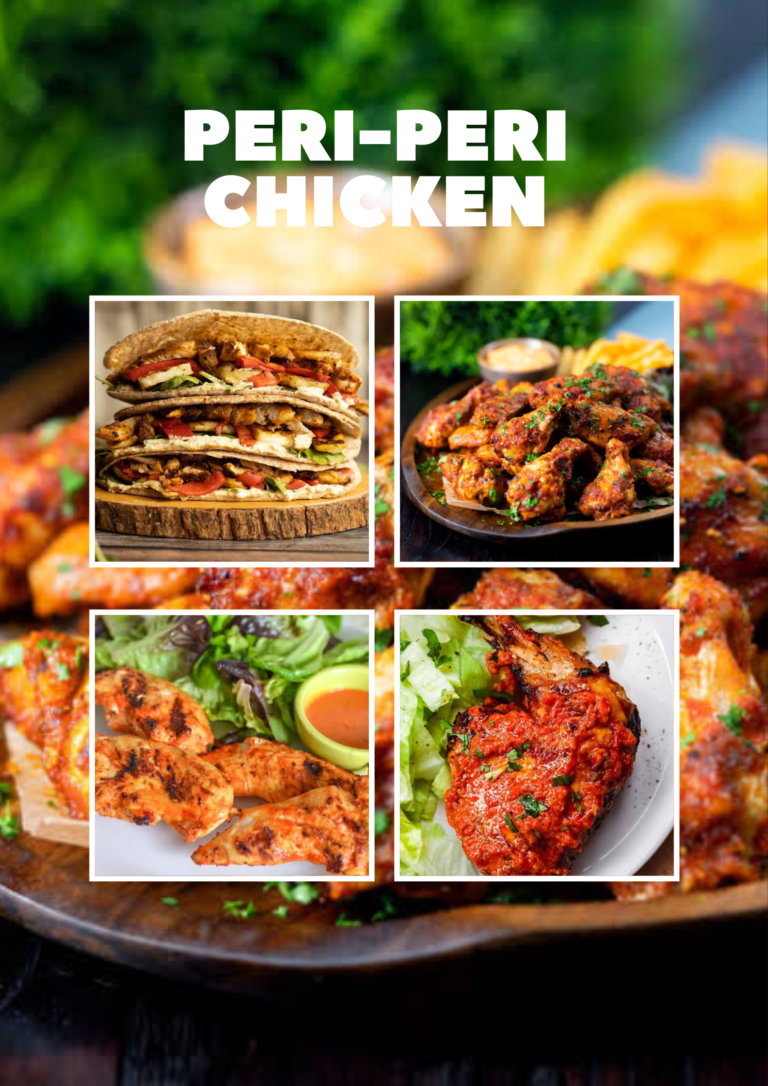
Grilled Peri-Peri Chicken: This is a classic preparation where the chicken is marinated in a spicy peri-peri sauce, typically made with ingredients like chili peppers, garlic, lemon juice, and spices. The marinated chicken is then grilled to perfection, resulting in smoky and spicy flavors.

Peri-Peri Chicken Wings: This variation involves marinating chicken wings in peri peri sauce and then baking or grilling them until crispy. It’s a popular choice for appetizers or game-day snacks.

Peri-Peri Chicken Skewers: Chicken pieces are threaded onto skewers, interspersed with vegetables like bell peppers and onions, and then grilled or roasted. The peri-peri marinade adds a zesty and spicy kick to these skewers.

Peri-Peri Chicken Sandwich: Cooked peri-peri chicken is placed between buns or bread slices along with lettuce, tomatoes, and other toppings to create a delicious and spicy sandwich.

Peri-Peri Chicken Stew: In this preparation, peri-peri chicken is cooked with vegetables, such as potatoes, carrots, and onions, in a flavorful broth. It results in a hearty and spicy stew that can be served with rice or crusty bread.

Peri-peri chicken
Peri-peri chicken

Remember, the level of spiciness can be adjusted according to personal preference by altering the amount of chili peppers used in the peri-peri sauce. Enjoy experimenting with these variations and finding your favorite way to enjoy peri-peri chicken!

Peri-Peri Chicken Spices

When it comes to peri-peri chicken, several spices and ingredients pair well with the flavors of the dish. Here are some spices commonly used in peri-peri chicken preparations:

  1. Chili Peppers: Peri-peri chicken is known for its spicy kick, so chili peppers are a key ingredient. Varieties like bird’s eye chili or peri- peri chili are often used. Adjust the amount of chili peppers according to your desired level of heat.
  2. Garlic: Garlic adds a savory and aromatic element to the peri-peri sauce. Fresh garlic or garlic powder can be used.
  3. Paprika: Paprika provides a smoky and slightly sweet flavor that complements the spiciness of peri-peri chicken. Both sweet and smoked paprika can be used, depending on your preference.
  4. Lemon or Lime Juice: The tangy and citrusy flavor of lemon or lime juice balances the heat of the peri peri sauce while adding a refreshing touch.
  5. Oregano: Oregano is a common herb used in peri-peri chicken preparations. It adds a hint of earthiness and complements the overall flavor profile.
  6. Black Pepper: Black pepper adds depth and mild spiciness to the dish. It enhances the flavors of the other spices used in the peri peri sauce.
  7. Salt: Salt is essential for balancing the flavors and bringing out the taste of the chicken and spices.

These are just a few of the spices that go well with peri-peri chicken. Feel free to experiment and adjust the spice levels and flavors according to your taste preferences.

Conclusion

Peri-peri chicken stands as a testament to the rich culinary heritage of Africa. This article celebrates the bold and spicy flavors that have captivated taste buds around the world. From its humble origins to its global popularity, peri-peri chicken continues to entice food enthusiasts with its distinct taste. By embracing the roots and exploring the variations of this iconic African dish, readers can embark on a flavorful adventure that pays tribute to the vibrant diversity of African cuisine.

Gluten-free fried rice

Fried rice is a worldwide delicacy that has various techniques and variations in its preparation, depending on the region. But Gluten-free fried rice has an endearing ring to it, especially for healthy eaters.

Africans are not left out of the Gluten-free rave and it’s in-fact the second most in-demand recipe option in a lot of African countries.

Fried rice
Fried rice

So, I’ve prepared a wonderful gluten-free recipe that highlights Africas take on Fried rice.

Fried rice

Gluten-free Fried Rice

Avatar photoLaila Yetunde
A Gluten-free Fried rice recipe
Prep Time 30 minutes
Cook Time 40 minutes
Total Time 1 hour 10 minutes
Course Main Dish
Cuisine African
Servings 0

Ingredients
  

  • 1 cup diced cooked chicken or shrimp (optional for protein)
  • 2 cups cooked gluten-free rice
  • 1 tablespoon vegetable oil
  • 1 cup diced mixed vegetables (carrots, bell peppers, peas)
  • 2 cloves garlic, minced
  • 1 teaspoon grated ginger
  • 2 tablespoons gluten
  • free soy sauce or tamari
  • 1 tablespoon African spice blend (such as berbere or ras el hanout)
  • Salt and pepper to taste
  • Fresh cilantro or parsley for garnish 

Instructions
 

  • In a large skillet or wok, heat the vegetable oil over medium-high heat.
    1 tablespoon vegetable oil
  • Add the minced garlic and grated ginger, sauté for a minute until fragrant.
    2 cloves garlic, minced, 1 teaspoon grated ginger
  • Add the diced mixed vegetables and cooked chicken or shrimp (if using). Cook until the vegetables are tender and the protein is heated through.
    1 cup diced mixed vegetables (carrots, bell peppers, peas), 1 cup diced cooked chicken or shrimp (optional for protein)
  • Stir in the African spice blend and gluten-free soy sauce, coating the vegetables and protein evenly.
    2 tablespoons gluten, 1 tablespoon African spice blend (such as berbere or ras el hanout), free soy sauce or tamari
  • Add the cooked gluten-free rice to the skillet, stirring well to combine all the ingredients.
    2 cups cooked gluten-free rice
  • Season with salt and pepper to taste.
    Salt and pepper to taste
  • Cook for a few more minutes until everything is heated through and flavors are well combined.
  • Garnish with fresh cilantro or parsley before serving.
    Fresh cilantro or parsley for garnish 
  • Enjoy your delicious gluten-free fried rice with an African twist!
Keyword Fried Rice, Gluten-free Fried Rice
Tried this recipe?Let us know how it was!

Chocolate Malva Pudding

Chocolate Malva Pudding is a delicious South African dessert. This Chocolate Dessert is a soft and spongy cake-like pudding made with cocoa and drenched in a sweet and sticky sauce typically made with cream, butter, sugar, and sometimes a bit of brandy. It’s often served warm and pairs wonderfully with ice cream or custard.


Chocolate Malva Pudding

Here is a simple recipe you can make and enjoy at home:

Malva Pudding

Chocolate Malva Pudding

Avatar photoLaila Yetunde
Delicious South African Staple Dessert Recipe.
Prep Time 25 minutes
Cook Time 45 minutes
Total Time 1 hour 10 minutes
Course Dessert
Cuisine South African
Servings 0

Equipment

  • oven

Ingredients
  

  • 1 cup all-purpose flour
  • 1/4 cup cocoa powder
  • 1 cup sugar
  • 1 tsp baking soda
  • Pinch of salt
  • 1 large egg
  • 1 tbsp melted butter
  • 1 tbsp smooth apricot jam
  • 1 tsp vanilla extract
  • 1/2 cup milk

For the Sauce

  • 1 cup cream
  • 1/2 cup milk
  • 1/2 cup sugar
  • 1/4 cup butter
  • 1/4 cup cocoa powder
  • 1 tsp vanilla extract 

Instructions
 

  • Preheat your oven to 350°F (175°C) and grease a baking dish.
  • In a mixing bowl, sift together the flour, cocoa powder, sugar, baking soda, and salt.
    1 cup all-purpose flour, 1/4 cup cocoa powder, 1 cup sugar, 1 tsp baking soda, Pinch of salt
  • In a separate bowl, whisk the egg, melted butter, apricot jam, and vanilla extract together.
    1 large egg, 1 tbsp melted butter, 1 tbsp smooth apricot jam, 1 tsp vanilla extract
  • Add the wet ingredients to the dry ingredients and mix well, gradually adding the milk until you have a smooth batter.
    1/2 cup milk
  • Pour the batter into the greased baking dish and smooth the top with a spatula.
  • In a saucepan, combine all the sauce ingredients over medium heat.Stir continuously until the butter has melted and the sauce is smooth and well combined.
    1 cup cream, 1/2 cup milk, 1/2 cup sugar, 1/4 cup butter, 1 tsp vanilla extract , 1/4 cup cocoa powder
  • Pour the sauce over the batter in the baking dish.
  • Carefully place the baking dish in the preheated oven and bake for about 30-35 minutes or until the pudding is cooked through and has a sponge-like texture.
  • Remove from the oven and let it cool slightly before serving.
  • You can serve the chocolate malva pudding warm with ice cream, custard, or whipped cream for a delicious treat!

Notes

Enjoy your homemade Chocolate Malva Pudding!
Keyword Chocolate Malva Pudding
Tried this recipe?Let us know how it was!

Uyayak Spice: Adding African Aroma to Your Cooking Experience

Uyayak is a mysterious and flavorful African spice that has been captivating taste buds for centuries. 

In this article, we will delve into the essence of Uyayak; from its roots in ancient traditions to its contemporary global appeal, and how it continues to intrigue food enthusiasts and health-conscious individuals alike. Uyayak African spice is a very useful condiment you should have in your house.

What is Another Name for Uyayak?

Uyayak, scientifically known as Tetrapleura tetrapter, is an African spice that has been integral to Tropical African traditional medicine for ages. This incredible spice goes by various names across tribes and regions in Nigeria.

The Yorubas call it Aridan, while the Igbos call it Oshosho or Osakirisa, and the Hausas know it as Dawo. Among the Efik tribe, it is simply known as Uyayak. But Uyayak’s presence isn’t confined to Nigeria alone; it flourishes throughout West Africa and holds a special place in Ghana, where it’s known as precise in the Twi language, meaning “soup perfume” due to its delightful aromatic essence.

With its rich history and versatile use, Uyayak has truly become a cherished ingredient in African cuisine and traditional medicine. From its cultural significance to its wide availability, this spice continues to add a unique and flavorful touch to dishes, making it an essential part of the culinary experience in the region. 

Here’s a description of the tree; Imagine wandering through the lush forests or vast savannah regions of West Africa and suddenly coming across an awe-inspiring tree that commands attention – that’s the majestic Uyayak tree! This tree stands tall and can’t go unnoticeable with its imposing size.

Its leaves are no less remarkable, beautifully arranged in a bipinnately-compound pattern. And when it blooms into axillary racemes adorned with small, creamy flowers, each with five petals.

But what truly sets the Uyayak tree apart is its fruit – a striking black, hexagonal wonder about 30 cm long! Picture this: the fruit proudly boasts four fleshy wings, while the other two sport a woody texture. It’s a truly remarkable sight to behold!

This tree thrives in the heart of Africa, and it’s no wonder it has become an integral part of the region’s culture and cuisine. The Uyayak tree’s abundance and unique features make it a true gem of West Africa, standing tall as a symbol of nature’s grandeur and beauty. So, next time you venture into the wilds of West Africa, keep an eye out for the impressive Uyayak tree – a living testament to the wonders of the natural world!

The tree is commonly known as the Aidan tree in English and has many uses; its fruit is the main spice often used to spice up dishes, such as Banga soup(eaten in the southern part of Nigeria), Nsala soup, and pepper soup. Its pulp adds that perfect aroma to pepper soup, while its seeds serve as a condiment, infusing dishes with a distinct taste. It’s been used for ages to address various health concerns.

Here’s something fascinating – the fruit can be boiled to make a soothing tea. Women often take this tea because it’s believed to help shrink fibroids. Whether adding that special touch to your favorite dishes or seeking natural remedies for well-being, the Aidan tree has it all. 

Uyayak tree
Image Credit: Facebook

Isn’t it fascinating how versatile and accessible it can be? One of the most incredible things about this African spice is that you can process it manually, right in the comfort of your kitchen! You can harvest it yourself; the pod often falls from the tree, so you can just pick it from the floor.

Here’s how it goes: once you’ve gathered it, First, you sun dry the fruit until it’s just right. Then roast it! The Efiks know just how to do this. They slice the thin pieces of the dried fruit and roast them over an open flame until they are darkened; the aromatic fragrance fills the air during this process.

Once you’re done roasting, grind those pieces into a fine powder. Traditionally, they would place this powder in a tiny hole sieve or cloth. Pour hot water through the sieve to extract the aromatic flavor. This liquid flavor is the spice that can now be used in your soups or other dishes.

You can either break the pod into two or add it whole to your food during preparation. Make sure to scoop it out before serving, and add the spice early while cooking so it infuses properly. 


Health Benefits of Uyayak

Uyayak fruit

Uyayak is packed with essential nutrients that help our immune system! It’s an excellent source of potassium, calcium, zinc, flavonoids, phosphorous, tannins, alkaloids, saponins, steroids, and phenolic compounds. It also provides a good amount of energy, ranging from 234.42 to 379.48 calories, 7.44% to 17.50% of protein, and 4.98% to 20.36% of healthy fats. 

Let’s run through some health uses of Uyayak;

In Nigeria’s Cross River and Akwa Ibom states, this is used to support quick postpartum recovery. It helps the body get back to normal, reduces the size of the uterus, and aids in losing the weight gained during pregnancy. Additionally, it’s believed to increase breast milk production for breastfeeding moms. The pod of the plant is traditionally used to prepare special soups for new mothers right after giving birth to prevent postpartum contractions. 

Anti-inflammatory Effects

If you’ve been looking for a natural way to combat inflammation, Uyayak might be one of the best for you. It contains compounds known for their anti-inflammatory properties, which can assist in reducing inflammation and promoting overall health.

Digestive Benefits

Its dietary fiber content aids in smooth digestion and may prevent digestive issues and tummy troubles.

Convulsion Management

Researchers have done some studies on it; they found that the plant extract can help reduce convulsions. The plant stems, leaves, and fruit are used as an herbal concoction for managing convulsions. 

 Immune System Support

Boosting your immune system is essential, and Uyayak can play a part in keeping your defences strong. Thanks to its valuable nutrients, it may provide a helpful boost to your immune system, helping you stay healthy and vibrant.

Mosquitoes/Pest Repellant

Uyayak is commonly used in agriculture, gardening, and planting to ward off and control unpleasant gastropod pests, particularly snails and slugs. These animals destroy and devour valuable plants and crops in farms and nurseries. According to studies, the watery extracts from the stalk, leaves, stem, bark, and roots of the Uyayak plant show molluscicidal qualities. 

Lowering Blood Sugar Level(Diabetes)

It’s especially helpful in managing type 2 diabetes mellitus. Some studies have even found that the extract from the fruit is beneficial in reducing blood sugar levels. The stem and bark extracts of Uyayak can be used to make herbal medicines for treating diabetes. 

Anti-Oxidizing Properties

Uyayak is a treasure trove of antioxidants, like polyphenols, alkaloids, tannins, and flavonoids. These amazing compounds play a vital role in shielding our bodies from oxidative damage by hunting down harmful free radicals. 

Fight Against Bacteria

Researchers reveal that water extracts and the alcoholic mixture of the fruit can inhibit the growth of Staphylococcus aureus. The presence of glycosides and tannins in arid ethanolic and water extracts has been proven effective in inhibiting the growth of bacteria.

Healing Wound

In traditional practices, the watery extract from the fruit of Uyayak is used for healing purposes, and scientific studies have confirmed its effectiveness. For the best results, it’s recommended to use the fruit extract in low concentrations when treating wounds. Remember to use the fruit extract in just the right amount!

Remember, Uyayak is a fantastic addition to your dishes, but like everything else, moderation is the key. 

Side Effects of Uyayak

Uyayak, like any other natural remedy or food, may have some side effects to keep in mind. Here are some points to highlight:

Allergic Reactions

Some individuals might be sensitive to certain components of Uyayak, leading to allergic reactions. If you notice any itching, skin rash, swelling, or difficulty breathing after consuming Uyayak, seek medical attention immediately.

Interactions with Medications

Uyayak contains various bioactive compounds that could potentially interact with certain medications. If you are taking any prescription drugs, it’s crucial to consult your healthcare provider before incorporating Uyayak into your diet or using it for medicinal purposes.

Overconsumption Risks

While Uyayak has numerous health benefits, consuming it excessively might have adverse effects. Overindulging in any food or herbal remedy can strain your body and may cause digestive discomfort or other issues.

It is important to note that Individual reactions may vary, and not everyone will experience side.

List of African Dishes that Uyayak Spice Can Be Used In

Soups and Stews: Uyayak spice can be added to traditional African soups and stews to impart a rich and aromatic flavor.

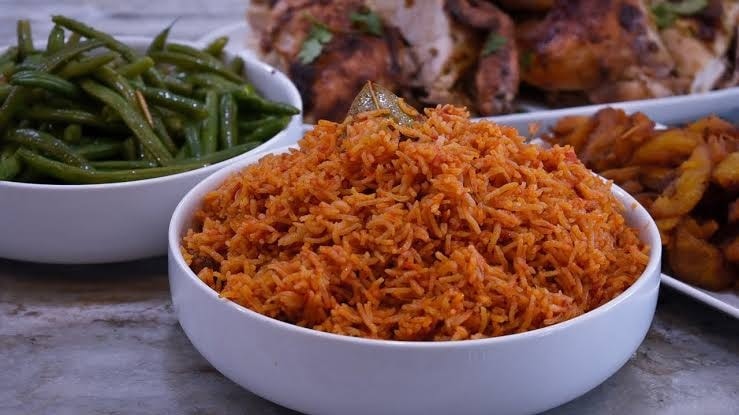
Jollof Rice: A popular West African dish, Jollof rice, can be elevated with Uyayak spice, giving it a unique twist.

Banga Soup: This Nigerian palm nut soup, Uyayak, can spice it up

Groundnut Soup (Peanut Soup): A delicious Ghanaian and Sierra Leonean dish that can be enhanced with Uyayak spice for extra flavor.

Okra Soup: This hearty Nigerian soup can be elevated with Uyayak spice, adding a wonderful aroma.

Maafe (Groundnut Stew): This stew made with groundnuts (peanuts) can be boosted by adding Uyayak spice for a delightful twist.

Egusi Soup: A delicious Nigerian soup made with ground melon seeds, it can be boosted by adding Uyayak spice for a delightful twist.

Pepper Soup: A spicy and flavorful broth commonly made with various meats or fish, Uyayak spice can complement the taste.


Eat This, Not That: A Hilarious Guide to African Food Adventures!

Welcome, curious foodies and adventurous eaters, to the wildest “Eat This, Not That” gastronomic safari you’ve ever embarked upon! Today, we’re exploring the vibrant world of African cuisine, and oh boy, we’ve got some “eat this, not that” surprises in store for you. Prepare your taste buds and sense of humor; it’s going to be a delectable journey!

In this article, I will give you a rundown of healthy alternatives to your everyday junk foods, as well as weight some of Africa’s most popular foods, to help you decide if you should “ Eat This or That “

But first, let’s discuss healthy African Cuisine.

Eat This, Not That
African Cuisine

Healthy Cuisine in Africa: Unraveling the Nutritional Riches of the Continent.

Africa, a continent teeming with diversity and vibrancy, offers a cornucopia of healthy and nutritious cuisines that have sustained generations for centuries. From the shores of the Mediterranean to the heart of the savannah, African culinary traditions emphasize fresh ingredients, bold flavors, and a harmonious balance of nutrients. Let’s take a tantalizing journey through some of the healthiest dishes Africa has to offer:

  • Mediterranean Treasures in North Africa

The countries of North Africa, including Morocco, Tunisia, and Egypt, boast a fusion of Mediterranean flavors with indigenous ingredients. Dishes like couscous with vegetables, rich in fiber and essential nutrients, and hearty stews like tagine featuring lean meats, herbs, and spices, exemplify their commitment to wholesome cooking.

  • Rainbow of Vegetables in East Africa

In East Africa, countries like Kenya, Tanzania, and Ethiopia shine a spotlight on a vibrant array of vegetables. Injera, a fermented teff flatbread, is a staple in Ethiopia, served alongside a variety of vegetable-based stews like Gomen (collard greens) and Atakilt Wat (spiced cabbage, carrots, and potatoes).

  • West African Delights of Plantains and Yams

 West African cuisine, from Nigeria to Senegal, showcases the goodness of plantains and yams. These starchy delights are often prepared in creative and nutritious ways, such as grilled plantains or yam porridge enriched with spices, leafy greens, and lean proteins.

  • Seafood Extravaganza in Coastal Regions

African countries with extensive coastlines, like Ghana, Mozambique, and Senegal, celebrate the abundance of seafood. Grilled fish, shrimp, and octopus dishes are common, offering a wealth of protein, healthy fats, and essential minerals.

  • The Savory Soups of Central Africa

Central African cuisine brings forth nourishing soups that blend local produce and aromatic spices. Peanut soup, also known as groundnut soup, is a prime example, featuring peanuts, vegetables, and sometimes chicken or fish.

  • Pap and Veggies in Southern Africa

Southern African countries like South Africa and Zimbabwe take pride in their traditional pap (maize porridge) and morogo (wild spinach). These simple yet nutritious dishes are a testament to the continent’s focus on wholesome staples.

  • Nutritious Snacks and Sides

African cuisine also offers a wide range of nutritious snacks and sides. Roasted and spiced nuts, dried fruits, and indigenous grains like millet and sorghum crisps are excellent sources of energy and essential nutrients.

  • Fermented Delicacies for Gut Health

Fermented foods like ogi (a fermented cereal) in Nigeria, injera in Ethiopia, and amasi (fermented milk) in Southern Africa play a vital role in African diets. These probiotic-rich foods support gut health and enhance nutrient absorption.

  • Superfoods in African Cuisine

Several superfoods are prevalent in African cooking. Baobab fruit, rich in vitamin C and antioxidants, is used in drinks and desserts. Meanwhile, moringa leaves, packed with essential vitamins and minerals, are often incorporated into stews and soups.

  • Hydration from Nature’s Bounty

Refreshing drinks like hibiscus tea, known as bissap in West Africa and karkade in Egypt, provide hydration while offering a dose of antioxidants.

The gist of this is, African cuisine is a treasure trove of healthy and nourishing dishes that reflect the continent’s cultural diversity and natural abundance. Embracing these wholesome recipes not only satisfies the taste buds but also promotes well-being, making it a delightful culinary journey that nourishes both body and soul.

Eat This, Not That: Food Wars

Eat This,Not That
Food wars

Jollof Wars: Nigerian vs. Ghanaian

Prepare yourself for a heated debate! Nigerian Jollof rice enthusiasts and their Ghanaian counterparts have engaged in a culinary tug-of-war over who reigns supreme. We’ll hilariously attempt to settle this ancient rivalry, though be warned, diplomatic relations may be at stake!

The Plantain Dilemma: Fried vs. Ripe

Plantains – the versatile kings of African cuisine! Do you prefer them green, savory, and crispy, or ripe, sweet, and tender? Whichever camp you’re in, we’ll have a friendly competition to determine the true plantain champ!

Braai or BBQ? South African Sizzle-Off!

South Africans take their barbecues seriously, known as “braai” in the local lingo. We’ll gather an international panel of grill enthusiasts to see if the South African braai can stand up to the traditional BBQ giants. Spoiler alert: expect plenty of tongue-in-cheek grill techniques!

Injera vs. Fufu: The Battle of Bouncy Breads

Ethiopian Injera and West African Fufu may appear innocent, but there’s a bounce-off brewing! Witness our chefs trying to make the perfect bounce with these delicious doughy delights, and brace yourself for the ultimate glutenous showdown!

Piri Piri Showdown: Mozambique vs. Portugal

A saucy dilemma! Piri Piri sauce originated in Mozambique but was popularized in Portugal. We’ll take this fiery condiment head-to-head to determine which version reigns supreme. Expect plenty of fire-breathing and mouth-watering antics!

Warrior Stew: Maasai vs. Zulu

Two fearless warrior tribes, the Maasai and Zulu, have their signature stews. Join us as we create a hilarious stew-off to crown the champion of hearty warrior meals. Bonus points are awarded for the most battle cries while tasting!

Dessert Face-Off: Mbatata vs. Pepe Soup

A sweet treat vs. a savory surprise! The Mozambican Mbatata and the Sierra Leonean Pepe Soup are both unusual desserts in their own right. Watch as we challenge taste testers to guess which is dessert and which is soup, and brace yourself for the belly laughs!

African Food Superheroes: The Mysterious Suya and the Mighty Bobotie

Suya from Nigeria and Bobotie from South Africa are legendary dishes that deserve superhero status! Watch as we create a tongue-in-cheek comic strip that brings these flavor-packed heroes to life.

So, my daring culinary adventurers, fasten your seatbelts, and let the hilarious “eat this, not that” African food tour begin! Prepare for a belly-aching laugh riot, as we celebrate the rich tapestry of African cuisine with a side dish of comedy. Bon appétit and let’s get our funny bones tickled by these unforgettable flavors!

Eat This, Not That: Healthy Food Alternatives For Your Junk Food Cravings

Eat This,Not That
Eat This

Are you tired of feeling guilty every time you indulge in your favorite junk foods? Well, worry no more, because we’ve got a squad of healthy food heroes ready to replace those notorious villains! Say goodbye to guilt and hello to nutritious goodness as we introduce you to the ultimate healthy alternatives that will satisfy your cravings without compromising on taste!

Kale Chips: The Crisp Savior

Who needs greasy potato chips when you have kale chips as your trusty sidekick? These delectable green wonders are packed with nutrients, fiber, and that satisfying crunch you crave. Customize them with a sprinkle of your favorite seasoning for a guilt-free snacking experience.

Frozen Yogurt Pops: The Ice Cream Impersonator

Step aside, ice cream! Frozen yogurt pops are here to save the day. With lower fat and sugar content, they offer a refreshing and guilt-free way to beat the summer heat. Plus, you can get creative with fruity toppings for that extra oomph!

Cauliflower Pizza Crust: The Doughy Avenger

Pizza is a guilty pleasure, but cauliflower pizza crust is the hero we need. Swap out traditional dough for this low-carb alternative and load it up with veggies and lean proteins. You won’t miss the original crust once you taste this healthier twist!

Sweet Potato Fries: The Crispy Champion

Wave goodbye to regular french fries and embrace sweet potato fries as your new sidekick. Packed with antioxidants and fiber, these sweet delights offer the same crispy satisfaction without the guilt trip.

Smoothie Bowls: The Breakfast Avengers

Cereal might be your morning arch-nemesis, but smoothie bowls are here to save the day! Packed with fruits, vegetables, and superfood toppings, these Instagram-worthy bowls are both nutritious and delicious.

Quinoa Burgers: The Patty Protector

Bid farewell to high-calorie beef burgers and welcome quinoa burgers to the scene. Bursting with plant-based protein, quinoa patties are the ultimate healthy alternative for burger lovers. Stack them with fresh veggies and your favorite sauce for a flavor-packed experience.

Dark Chocolate: The Sweet Sensation

Who said all chocolate is a villain? Meet the hero of desserts – dark chocolate! Rich in antioxidants and lower in sugar, dark chocolate is the perfect sweet treat to conquer your cravings without compromising your health.

Homemade Trail Mix: The Snack Avengers

When you crave crunchy snacks, ditch the processed chips and create your trail mix! Combine nuts, seeds, dried fruits, and a sprinkle of dark chocolate for an energy-boosting, wholesome snack.

So, dear foodies, it’s time to assemble your squad of healthy food heroes and embrace these delicious alternatives that will put those junk food cravings in their place. Remember, with these nutritious champions by your side, you can enjoy guilt-free indulgence and nourish your body like never before!

Ghana Abomu Recipe

Ghana Abomu, a delectable West African dish, is made with kontomire. However, in America, Spinach is used as a substitute. Ghanaians typically include Kobi and eggs. I added extra meat to it for full enjoyment.


Abomu

Ghana Abomu

Abomu is a delicious traditional food from Ghana, West Africa. It is made with kontomire.
Prep Time 20 minutes
Cook Time 1 hour
Course Main Dish
Cuisine Ghanaian
Servings 0

Ingredients
  

  • 2 packs fresh Spinach 
  • koobi fish "scented fish 
  • 1 large  red onion (chopped)
  • ½ cut  ginger
  • 3 habanero pepper 
  • 2 tablespoon palm oil
  • 4 plantains 
  • seasoning cube
  • peanuts 
  • kakao fish
  • baked mackerel fish  
  • smoked turkey
  • 4 eggs
  • avocados

Instructions
 

  • Rinse Spinach first then boil until fully cooked
    2 packs fresh Spinach 
  • Add a small amount of koobi to the spinach while boiling. Keep an eye on the koobi not to fully cook
    koobi fish "scented fish 
  • Cut the onion in half, and slice half of the onions to cook with the palm oil. Then chop the other half to mash in an Asanka bowl with habanero and ginger
    1 large  red onion (chopped)
  • Take koobi from cooking Spinach and add to mashed veggies
  • After smoothly mashed together, remove from the Asanka bowl, and mash the fresh peanuts until nice and smooth
    peanuts 
  • Add all mixed ingredients together, and sprinkle some shrimp maggie
    seasoning cube
  • After Spinach is fully cooked, drain out the water, then mash it in the Asanka separately until fully blended
  • Add the rest of the mixed vegetables and peanuts to the blended Spinach while using a spoon to mix it all together
  • Pour oil into a small pan and let it heat up. You then add the kakao and Kobi. Let it cook in the oil for at least a few minutes
    kakao fish
  • Add sliced onions, mixing in the oil to cook, making sure the oil doesn't dissolve
    2 tablespoon palm oil
  • Put your heat on medium as you add your smoked turkey to the cooking onions
    smoked turkey
  • Cut the plantains in half with the skin on
    4 plantains 
  • Boil plantain with eggs and add a small amount of salt. Boil the plantain for about 20-25 mins until fully cooked
    4 eggs
  • Drain out hot water and pour cold water on the plantain
  • While removing the skin, gently place the plantains in cold water until you are ready to serve
  • Remove eggs from cold water and peel off the shells
  • While palm oil is still hot, use a ladle to pour it on top of the Spinach
  • Gently place turkey and other fish on top of the spinach with the eggs
  • You then remove your plantains from cold water and place it separately on a plate with Avocado and enjoy
Keyword Abomu
Tried this recipe?Let us know how it was!


Beans Porridge

Beans porridge is a classic Nigerian dish that’s both hearty and delicious. This recipe is perfect for a cozy night in or a family dinner. The combination of beans, spices, and vegetables creates a comforting and satisfying meal. The aroma of the beans simmering is enough to make your mouth water. This recipe is easy to make and can be customized to your liking. Enjoy a plate of this

beans and plantain

Beans Porridge

Beans porridge is a classic Nigerian dish that's both hearty and delicious. This recipe is perfect for a cozy night in or a family dinner. 
Prep Time 10 minutes
Cook Time 1 hour
Course Main Dish
Cuisine Nigerian
Servings 0

Ingredients
  

  • 3 cups cooked beans
  • 1 small bunch chopped Ugwu (Fluted Pumpkin Leaves)
  • 2 tablespoon palm oil
  • ½ cup crayfish
  • 2 seasoning cubes
  • roughly blended tomatos (as desired)
  • pepper mix - Shombo and Scotch bonnet (as desired)
  • 1 large chopped onions 
  • smoked fish 
  • salt to taste

Instructions
 

  • Heat the palm oil in a large pot over medium heat.
    2 tablespoon palm oil
  • Add the chopped onions to the pot and sauté until they become translucent.
    1 large chopped onions 
  • Stir in the roughly blended tomatoes and pepper mix. Cook the mixture until the oil starts to separate from the tomato paste.
    pepper mix - Shombo and Scotch bonnet (as desired), roughly blended tomatos (as desired)
  • Add the smoked fish, crayfish, and seasoning cubes to the pot. Stir well to combine the flavors.
    smoked fish , ½ cup crayfish
  • Pour in the cooked beans and stir gently to incorporate the ingredients. If the mixture is too thick, you can add some water to achieve your desired consistency.
    3 cups cooked beans
  • Allow the beans to simmer for about 10-15 minutes, allowing the flavors to meld and the palm oil to infuse.
  • Add the chopped Ugwu (Fluted Pumpkin Leaves) to the pot. Stir and let it cook for a few minutes until the leaves wilt and become tender.
    1 small bunch chopped Ugwu (Fluted Pumpkin Leaves)
  • Serve the beans porridge hot with riped fried plantain.

Notes

Note: Beans porridge can be served on its own or with a side of fried plantains, yam, or rice for a delicious and satisfying meal.
Keyword Beans Porridge
Tried this recipe?Let us know how it was!

delicious meal and let it warm you up from the inside out!

Pork Trotters

Pork trotters or pig trotters are a protein of variety, you are able to prepare these to have as a main meal with lots of sauce/gravy, or you can have them as a snack. In South Africa, trotters, just like offal were a food item that was reserved for previously disadvantaged individuals. This was a part of the animal that was considered to be less desirable.

As the years went on, the black community owned the trotters and made them an almost cultural dish.

What Is the Difference Between Pork Hock and Trotter?

Pork hock is the lower part of the pig’s leg, meatier and used in stews and braises, while trotter refers to the foot and ankle, gelatinous and commonly used for soups and broths.

Are Pigs Trotters Good to Eat?

Yes, pigs’ trotters are considered a delicacy in many cuisines around the world. When cooked properly, they become tender, flavorful, and develop a gelatinous texture that adds richness to soups and broths.

Is Eating Pork Trotters Healthy?

Eating pork trotters in moderation can be part of a balanced diet, they are high in protein but are not considered particularly healthy due to their high fat and collagen content. It’s essential to be mindful of portion sizes and include a variety of nutritious foods in your diet for overall health.

Suggestions For Best Slow Cooke

Slow Cooker

check price on amazon

Pork Trotters - Stone

Pork Trotters

Pork trotters or pig trotters are a protein of variety, you are able to prepare these to have as a main meal with lots of sauce/gravy, or you can have them as a snack.
Prep Time 5 minutes
Cook Time 3 hours 30 minutes
Course Main Dish
Cuisine South African
Servings 4 people

Ingredients
  

  • 1 medium pork trotters
  • 1 beef stock cube
  • 1 medium onion (chopped)
  • 3 tablespoon barbeque spice
  • 3 tablespoon tomato paste
  • 8 cups hot water
  • salt to taste

Instructions
 

  • Rinse the trotters under clean running water
  • Add water into a deep pot, add the trotters (ensure that the trotters are completely covered with water, add more water if necessary)
    1 medium pork trotters
  • Add the stock cube into the pot, close the pot, and allow to boil on medium heat until soft; this should take about three hours
    1 beef stock cube
  • Once the trotters are soft, drain excess water if there is any (pour the water into a bowl to use at a later stage)
  • In a separate pot, add a little bit of cooking oil, followed by the onion. Fry until translucent, and then add the trotters and give them a little toss
    1 medium onion (chopped)
  • Pour in the spice and allow the spice to fry for about five minutes. Follow with the tomato paste and the water you drained earlier or fresh water
    3 tablespoon barbeque spice, 3 tablespoon tomato paste
  • Allow to simmer for 5 minutes before serving with hot pap.
Keyword Pork Trotters
Tried this recipe?Let us know how it was!

Rwandan Banana Beignets

This week’s AFN Country Series features the delicious Rwandan Banana Beignets, locally known as “Akabenz.”

These tasty delights are a mouthwatering treat that holds a special place in Rwanda’s rich culinary heritage. The Rwandan Beignets offers a unique fusion of sweet and savory flavors, making them a favorite snack for locals and visitors alike.

The key ingredient that sets Rwandan Banana Beignets apart is the indigenous banana variety used in their preparation. Known as “Igisahira,” these bananas are smaller and sweeter than the typical ones found in many regions. Their distinctive taste provides the beignets with a natural sweetness, allowing them to stand out from other fried delicacies.

AFN Country Series: Rwandan Banana Beignets
Rwandan Banana Beignets

The preparation process of Rwandan Banana Beignets is a labor of love. Ripe Igisahira bananas are mashed into a smooth paste, creating the base for the beignet batter. A hint of spices such as cinnamon and nutmeg is often added to enhance the flavor profile. The batter is then shaped into small, round discs and carefully dropped into hot oil, where they sizzle to golden perfection. The result is a delightful blend of crispy exterior and soft, sweet interior that instantly captivates the senses.

Served hot, Rwandan Banana Beignets are often enjoyed as a quick snack on the go or shared during social gatherings and family celebrations. Their popularity extends to local markets and street food stalls, where vendors skillfully fry batches of these delectable treats, spreading their tantalizing aroma throughout the air.

Beyond their delightful taste, Rwandan Banana Beignets carry cultural significance. They reflect the country’s agricultural abundance and the deep-rooted connection between Rwandans and their land. The use of local ingredients underscores the importance of sustainability and preserving traditional farming practices.

AFN Country Series: Rwandan Banana Beignets
Rwandan Banana Beignets -image credit immaculatebites

For those curious about exploring Rwandan cuisine, indulging in Banana Beignets is a must. The experience is not only a delightful culinary journey but also an opportunity to appreciate the country’s vibrant food culture and the heartwarming hospitality of its people.

So, if you ever find yourself in this beautiful East African nation, don’t miss the chance to savor this beloved treat and immerse yourself in the rich tapestry of Rwandan flavors and traditions.

But for now, here’s a simple recipe you can make yourself at home.

AFN Country Series: Rwandan Banana Beignets

Rwandan Banana Beignets

Avatar photoLaila Yetunde
Savory Recipe For Your Rwandan Banana Beignets
Prep Time 50 minutes
Cook Time 30 minutes
Total Time 1 hour 20 minutes
Course Breakfast, Dessert, Sides, Snacks
Cuisine Rwandan
Servings 0

Ingredients
  

  • 2 ripe bananas
  • 1 cup all-purpose flour
  • 1/4 cup sugar
  • 1/2 teaspoon baking powder
  • Vegetable oil, for frying
  • 1/2 cup milk
  • 1 teaspoon vanilla extract
  • Powdered sugar, for dusting (optional)
  • Pinch of salt

Instructions
 

  • Peel the ripe bananas and mash them in a mixing bowl until smooth
    2 ripe bananas
  • In a separate bowl, whisk together the flour, sugar, baking powder, and a pinch of salt
    1 cup all-purpose flour, 1/4 cup sugar, 1/2 teaspoon baking powder, Pinch of salt
  • Add the mashed bananas, milk, and vanilla extract to the dry ingredients.Stir until you have a smooth, thick batter
    1/2 cup milk, 1 teaspoon vanilla extract
  • Heat vegetable oil in a deep frying pan over medium-high heat.
    Vegetable oil, for frying
  • Using a spoon or your hands, drop small portions of the batter into the hot oil, making sure not to overcrowd the pan.
  • Fry the banana beignets until they turn golden brown on both sides, usually taking about 2 minutes per side.
  • Once cooked, remove the beignets from the oil and place them on a paper towel-lined plate to drain excess oil
  • Optionally, dust the beignets with powdered sugar before serving
    Powdered sugar, for dusting (optional)
  • Enjoy these delicious Rwandan Banana Beignets as a delightful dessert or snack!

Notes

This recipe is inspired by Rwandan cuisine and is part of the AFN Country Series of the Week. Enjoy exploring different flavors from around the world!
Keyword Rwandan Banana Beignets
Tried this recipe?Let us know how it was!

How Well Can You Spell Your Indigenous African Food?

0

26

Let's do this! How well can you spell your African food?

Unscramble these tasty dishes.

1 / 8

folloj ecir

African cuisine

2 / 8

gnotlib

South Afrcan dish

3 / 8

elewelek

Ghana cuisune

4 / 8

nemog taw

ethiopian dish

5 / 8

noyabas

African cuisine

6 / 8

niom niom

Nigerian dishes

7 / 8

akuhskahs

south African dishes

8 / 8

asawasaw

ghana cuisine

QUICK RECIPES