5 Best African Food YouTube Channels

As a food enthusiast, I love learning and practicalizing new recipes. Food blogs like African Food Network and  African food youtube channels are one of my go-to’s; blogs explain in detail all you need to know about the recipe and step-by-step instructions, and beyond recipes, they also provide food-related content you can explore and get the insight you need about any meal while Youtube channels further give a visual representation of the recipes and how to make them. 

If you’ve got a taste for adventure and a love for exploring diverse cuisines just like me, you’re in for a treat! Let’s explore the top African food Youtube channels

Today, we’re visiting Youtube to see the top chefs that give us delightful experiences with African meals; this vibrant community of creators dishes out some seriously delicious content. From traditional recipes passed down through generations to modern twists that’ll have the taste buds dancing, these top 5 African food YouTube channels are a treasure trove of culinary wonders.

One of the best things about these channels is that they don’t just focus on the food; they also take you on a journey into the heart of African culture. It’s like experiencing the essence of each region through its rich food traditions. 

This is based on my personal view and the fact that I subscribe and follow some of these channels closely and enjoy their content, so these are my top 5 Youtube channels for African food, whether you’re an aspiring chef eager to explore African cuisine, a pro chef looking for inspiration, or simply a food lover who enjoys experimenting with new recipes, you’re going to fall in love with these channels.

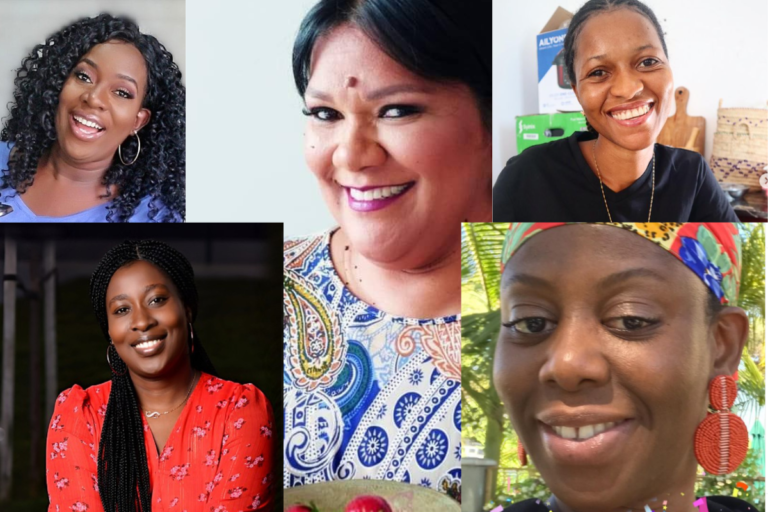
Top 5 Recommended African Food Youtube Channels

Sisi Yemmie TV

Sisi Yemmie African food YouTube Channels
Image credit: Facebook

Yemisi Odusanya, known as Sisi Yemmie across all social media channels, is a fabulous food YouTuber with a charming personality, and she’s as Nigerian as jollof rice! You can’t help but fall in love with her warm and friendly vibe.

She adds a touch of life lifestyle to her vlog, making it more relatable for mothers and career women who want a healthy family. She’s like that cool friend you wish you had in your kitchen, guiding you through the delightful world of Nigerian cuisine.

She was listed as one of the best Nigerian YouTubers in 2020; what sets Sisi Yemmie apart is her unique emphasis on fusion cuisine. She brilliantly combines the rich flavors of African food with other global culinary traditions, creating mouthwatering dishes that’ll blow your taste buds! 

But it doesn’t stop there! Sisi Yemmie goes beyond Nigeria’s borders to explore the vast and diverse world of African-inspired recipes. She celebrates the rich heritage of these communities, bringing their delicious dishes to the forefront, making her channel a beautiful showcase of culinary diversity.

Youtube statistics: 933k subscribers, 1,200 videos, and 103,036,720 views. This alone tells she’s a pro and very vast in African delicacies. She is one of those who made Nigerian dishes get global recognition.

Fatima Sydow Cooks

African food YouTube Channels - Fatima Sydow
Image Credit: Facebook

Fatima Sydow is from Cape Town, South Africa; she is sure a pro; she isn’t just a Youtuber, but also a cookbook author who wrote her first book on a South African recipe titled The Journey of Cape Malay Cooking with Fatima Sydow and TV personality – her program  Kaap, Kerrie en Koesisters is one of the best in South Africa.

A culinary magician who cherishes the rich heritage of South African recipes. Fatima made her first 100-litre pot of curry at the age of 16 and has been sharing her popular recipes ever since. On her captivating YouTube channel, you’ll find a treasure trove of South African traditional dishes that have been passed down through generations. 

She preserves these culinary gems with every video and ensures they remain alive in our hearts and kitchens. From hearty stews to delectable desserts, Fatima’s passion for South African cuisine shines through, making her channel a true celebration of the country’s culinary diversity.

Prepare to be amazed as Fatima Sydow Cooks brings back forgotten and lesser-known South African dishes into the limelight. In her culinary quest, she uncovers hidden treasures that might have been overlooked but are nothing short of flavor-packed delights. Most importantly, she is known for using indigenous spices, herbs, and seasonings.

Youtube statistics: 156K subscribers, 722 videos and 22,657,622 views. She is known worldwide through her Facebook channel.

Ika Malle

African food YouTube Channel Ika Malle
Image Credit: Instagram

Ika Malle an African food Youtube channel, is a delightful platform run by a passionate chef or cooking enthusiast, Haika; this channel primarily focuses on sharing the authentic flavors of Tanzanian cuisine. Additionally, it occasionally features recipes from other countries in East Africa, making it a diverse culinary experience.

The channel doesn’t just stop at presenting the recipes; it goes the extra mile to provide more information about each dish. This additional context adds depth to the cooking experience, allowing viewers to connect with the recipes’ history, stories, and regional variations. 

Tanzanian recipes are often synonymous with Swahili recipes, as Swahili is widely spoken and influential in the region. This connection allows anyone from East Africa to delve into the heart of Tanzanian culinary traditions, understanding the cultural significance of the dishes presented.

The African Food Youtube channel is a culinary gem that brings the vibrant and delicious taste of Tanzanian cuisine to your screens. With its focus on simplicity, healthiness, and cultural context, it welcomes you to embark on a flavourful journey through the diverse and captivating world of East African cooking. So, if you’re Tanzanian and want to learn how to cook different recipes in your region, this channel is undoubtedly one of the best for you.

Youtube statistics: 436K subscribers, 569 videos and 29,318,111 views.

Nanaaba’s Kitchen

Nanabaa's kitchen African food YouTube Channel
Image Credit: Instagram

This is for you Ghana food lovers, Nanaaba’s Kitchen is always ready to spice your tastebuds with recipes from the region. A delightful African food Youtube channel hosted by the talented Nanaaba Akwa-Mushi from Ghana.

Nanaaba’s passion for cooking has its roots in her childhood. Her culinary journey began at a tender age when her mother would involve her in the kitchen, teaching her how to prepare meals and work with fresh produce.

Nanaaba’s cooking style is heavily influenced by her West African roots, particularly Ghanaian cuisine. With a love for bold and fresh flavors, she infuses her dishes with the authentic tastes of Africa that she grew up loving. Each recipe she shared on her channel is a beautiful reflection of her cultural heritage, celebrating the diversity and richness of African cuisine.

What sets Nanaaba apart is her dedication to promoting healthier choices without compromising on flavor. She believes in the power of incorporating nutritious ingredients to support good health; she brings the tastes of Ghana to life on her Youtube channel.

Youtube statistics: 758K subscribers, 393 videos and 73,851,166 views.

Chef Lola’s Kitchen

African food YouTube Channels - Chef lola's kitchen
Image Credit: Facebook

Why am I putting Chef Lola last? That’s because the chef cooks virtually all African dishes; she loves to experiment with different recipes, making them come to life in the tastiest way possible! 

Chef Lola’s African food Youtube channel focuses on using fresh and minimally processed ingredients; Chef Lola creates delicious dishes that are authentic to African recipes and appeal to a broader audience.

One of the remarkable aspects of Chef Lola’s cooking style is her global approach, which allows her to incorporate various culinary influences, expanding the palate of her viewers. While she primarily cooks indigenous African recipes, her dishes are accessible to anyone, making them suitable for food lovers worldwide.

Chef Lola’s passion for cooking started at a young age, and her culinary journey has been nothing short of impressive. At the tender age of 8, she prepared a traditional Nigerian meal called Amala for a crowd of about 20 people. Amala is made by stirring yam flour into hot water until a doughy lump is formed, and Chef Lola’s early culinary feat reflects her natural talent and love for creating delicious food.

On her Youtube channel, you will find an incredible assortment of mouthwatering African recipes that showcase the big and bold flavors of the continent. If you have a sweet tooth, Chef Lola’s channel is a haven for baking enthusiasts like you. Whether you’re a beginner or a seasoned baker, you’ll find a range of baking recipes that will keep you coming back for more.

Youtube statistics: 218K subscribers, 218 videos and 21,963,738 views.

Each channel offers a delightful experience, sharing mouthwatering recipes and providing a glimpse into the heart of African culture. Whether you’re an aspiring chef or a food lover seeking new and exciting recipes, these YouTube channels offer a delightful showcase of African culinary recipes. Experience the essence of each region through its rich food traditions and get ready to try out new recipes and cooking styles with these professional chefs. Enjoy your cooking and experimenting, you sure would love new recipes.

Discover the Rich Flavors of Africa: Test Your Knowledge with our African Foods and Beverages Quiz!

0

Welcome, Discover the Rich Flavours of Africa:
How well do you think you know African Food? Test your knowledge with our African Food and Beverage quiz!

24
African food

Identify The Food

Welcome to the "Identify these African Food and Drinks" quiz! Below are 10 questions about various African dishes and beverages. Your task is to correctly identify each one. Good luck!

1 / 9

A staple food in Nigeria, this starchy side dish is made from yams pounded into a smooth, stretchy consistency. What is it called?

What is this food

2 / 9

This refreshing hibiscus-infused beverage is popular in many parts of Africa and is known by various names. What do Nigerians call it?

What is this food

3 / 9

A traditional Egyptian dessert made from phyllo pastry filled with nuts and sweetened with honey or sugar. What is this delightful treat called?

What is this food

4 / 9

What is the national beer of South Africa, a pale lager with a distinct taste and often enjoyed during social gatherings?

Guess the drink

5 / 9

This spicy rice dish is a specialty in Senegal, typically prepared with fish, vegetables, and various seasonings. What is its name?

What is this food

6 / 9

 This North African dish consists of a savory semolina couscous steamed over a simmering stew of meat and vegetables. What is it called?

What food is this

7 / 9

A popular South African sausage made from spiced minced meat, such as beef, pork, or lamb, dried and cured. What is its name?

Guess food

8 / 9

Found in West Africa, this fried street food snack is made from mashed black-eyed peas mixed with spices. Can you name it?

What is this food

9 / 9

What is the name of the famous Moroccan soup made from tomatoes, lentils, chickpeas, and a blend of various spices?

What is this food

Chef Spotlight: Zamokuhle Mafuleka

Chef Zamokuhle Mafuleka from South Africa talks about her love for cooking, how she began her culinary journey, and what motivates her, during her conversation with Roseline Johnson.

Roseline: Can We Know You Please?

Zamokuhle: I am Zamokuhle Mafuleka, from Empangeni, KwaZulu Natal.

I am a self-taught cook who grew up surrounded by cooking. My mother ran her business out of our kitchen, that’s where my devotion to food began. Which led me to turn ideas into perfected recipes. Another impact on my devotion to food is the compliments I frequently receive from people. I have been working as a travelling chef for the past two years.

I am currently holding an Emerge Africa Best Chef Award 2023. I am also studying towards my Honors degree in Journalism and have a registered business, Food Devotee. I have aspirations to open my own restaurant someday, as well as an African cuisine establishment.

Roseline: Why Do You Cook?

Zamokuhle: Cooking makes me feel better, Whether I am struggling with a low mood, anxiety, stress, or just a lack of motivation. It always excites me when I develop new recipes or try out new dishes. It just boosts my mood.

Zamokuhle Mafuleka

Roseline: What’s Your Favourite Memory Lane in the Kitchen?

Zamokuhle: Cooking out of the country for the first time, I was so excited and could not believe that my passion took me out of the country. It was an exciting experience and I got to work and develop new relationships with great cooks/ chefs from Mozambique, learning about their food and culture.

Roseline: Biggest Cooking Fail?

Zamokuhle: I’m not sure if it was a fail or the recipe given to me was a fail so I was working with a certain brand and I had to advertise their products on social media. So I used their recipe to prepare a meal as requested. It was a total disaster and no one was willing to finish their food that day at home. I was even scared to share the recipe on social media because I knew deep down that it did not taste as good as it looked 😂😂

Roseline: What is the Kitchen Equipment Used Most and Can’t Do Without?

Zamokuhle: The knife is the equipment I use most and can’t do without, to the extent that even when opening a tin I prefer using a knife instead of a tin opener. And also I think I can’t do without a knife because I use it almost every day from spreading bread to chopping onions.

Roseline: What’s Your Favourite Food to Cook?

Zamokuhle: I like making breakfasts especially shakshuka, it is easier to make, does not require many ingredients and time-saving meal.

shakshuka

Roseline: What Would You Like to Share with Our Audience?

Zamokuhle: In everything you do, try to be consistent. Consistency is important as it builds trust. That can be done in different ways like creating a routine for yourself that will help you stay productive. Consistency creates stability. Even though I am not where I want to be at the moment, consistency got me to where I am today.

Roseline: How Can We Connect with You?

Zamokuhle: You can connect with me on;

Instagram account: @zamo_mafuleka

Facebook: Zamokuhle Mafuleka

TikTok: @zamokuhlemafuleka


Nigerian Amasi Spaghetti

Nigerian Amasi Spaghetti is a delicious dish that combines the flavors of traditional Italian spaghetti with the tangy goodness of Amasi, a fermented milk product similar to yogurt or buttermilk.

Nigerian Amasi Spaghetti
Amasi

Here’s a simple and tasty recipe for you to try:

Nigerian Amasi Spaghetti

Nigerian Amasi Spaghetti

Avatar photoLaila Yetunde
Tasty Creamy Amasi Recipe with a Nigerian Twist.
Prep Time 30 minutes
Cook Time 30 minutes
Total Time 1 hour
Course Dinner, Main Dish
Cuisine Nigerian
Servings 0

Ingredients
  

  • 400g spaghetti
  • 1 cup Amasi (fermented milk or cultured buttermilk)
  • 1 medium-sized onion, finely chopped
  • 2 cloves garlic, minced
  • 1 medium-sized bell pepper (red or green)
  • finely chopped- 2 medium-sized tomatoes
  • diced- 250g ground beef or minced meat (optional)
  • 2 tablespoons vegetable oil
  • 1 teaspoon ground cumin
  • 1 teaspoon paprika
  • 1 teaspoon thyme
  • Salt and pepper to taste
  • Fresh parsley or cilantro for garnish

Instructions
 

  • Cook the spaghetti: Bring a large pot of salted water to a boil. Add the spaghetti and cook according to the package instructions until al dente. Drain the cooked spaghetti and set aside.
    400g spaghetti
  • Prepare the sauce: In a large skillet or saucepan, heat the vegetable oil over medium heat. Add the chopped onions and sauté until they become translucent.
    2 tablespoons vegetable oil, 1 medium-sized onion, finely chopped
  • Add the minced garlic and sauté for another minute until the garlic becomes fragrant.
    2 cloves garlic, minced
  • If using ground beef or minced meat, add it to the skillet. Break it up with a spoon and cook until it's browned and fully cooked
    diced- 250g ground beef or minced meat (optional)
  • Add the diced tomatoes and chopped bell pepper to the skillet. Cook for a few minutes until the vegetables soften.
    finely chopped- 2 medium-sized tomatoes, 1 medium-sized bell pepper (red or green)
  • Pour in the Amasi (fermented milk or cultured buttermilk) and stir the sauce gently to combine all the ingredients.
    1 cup Amasi (fermented milk or cultured buttermilk)
  • Add the ground cumin, paprika, thyme, salt, and pepper to the sauce. Adjust the seasonings to your taste preference.
    1 teaspoon ground cumin, 1 teaspoon paprika, Salt and pepper to taste, 1 teaspoon thyme
  • Let the sauce simmer for about 5-7 minutes on low heat, allowing the flavors to meld together.
  • Combine the sauce with the cooked spaghetti. Toss everything together until the spaghetti is evenly coated with the Amasi sauce
  • Serve hot: Garnish with chopped fresh parsley or cilantro for added freshness and flavor.
    Fresh parsley or cilantro for garnish

Notes

Enjoy your delicious Nigerian Amasi Spaghetti! This unique dish offers a delightful blend of cultures and tastes, making it a great addition to your culinary repertoire.
Keyword Nigerian Amasi Spaghetti
Tried this recipe?Let us know how it was!


Creamy Samp

Creamy Samp is a loved South African dish made from dried corn kernels. This is eaten in the place of rice and mealie-meal. Different South African cultures and tribes prepare this meal in different ways, with some adding beans and others enjoying the grain on its own with a few spices and sometimes meat added into the samp to elevate the taste.

Samp is a meal of patience and love; the normal samp takes 3 hours to cook. Our busy lives and the lack of electricity have led some brands to create an easier alternative for busy individuals; the solution is called ‘Quick Cook Samp’, promising to cook in just 30 minutes; this has allowed us to enjoy this meal on any day of the week and not just on special occasions like weddings, traditional ceremonies, and funerals.

South African insight: The preparation of samp used to take so much time that we used to have a joke where when one engaged in risky behaviour, people would say, “Continue, we will eat samp at your funeral” This was because it was the most common place to find samp on the menu.

Suggestions For Best Cooking Pots and Utensils

Cooking Pots and Utensils

check price on amazon

Creamy Samp

Creamy Samp

Creamy Samp is a beloved South African dish made from crushed maize kernels, cooked to a smooth, porridge-like consistency, often served with beans in some parts of the region.
Prep Time 10 minutes
Cook Time 1 hour
Course Main Dish
Cuisine South African
Servings 6 people

Ingredients
  

  • 2 cups  quick cook Samp
  • 3 cups boiling water
  • Cooking oil
  • 1 large onion (chopped)
  • 1 cup mushroom (chopped)
  • 1 tablespoon aromat
  • ½ cup mozzarella cheese (grated)
  • 4 tablespoon cream of Mushroom soup pack
  • 1 cup milk
  • Salt and pepper to taste

Instructions
 

  • In a large deep pot, add two cups of quick cook Samp. Cover with the boiling water and allow to cook over medium heat for 50 minutes.
    2 cups  quick cook Samp
  • In a separate pan, add some cooking oil and allow to heat up before adding your onion.
    Cooking oil
  • Fry the onion until translucent, add the mushrooms, and fry until brown.
    1 large onion (chopped)
  • Add the mushroom mixture and mix well once the Samp is soft and all the water has cooked away.
    1 cup mushroom (chopped)
  • Add a tablespoon of aromat.
    1 tablespoon aromat
  • In a clean bowl, add the mushroom soup pack to the milk, mix well, and then pour into the Samp, followed by the cheese.
    1 cup milk, ½ cup mozzarella cheese (grated)
  • Allow the mixture to simmer for 5 minutes; add salt and pepper to taste if necessary.
    Salt and pepper to taste
  • Serve hot with any protein of your choice. 
Keyword Creamy Samp
Tried this recipe?Let us know how it was!


Exploring Nutritional Riches: Unveiling the Secrets of Healthy Eating in Africa

Food in the motherland is incredibly diverse and not only reflects Healthy eating in Africa, but also highlights the continent’s rich cultural, geographical, and historical influences. Africa is home to a wide array of cuisines that vary from region to region, each offering its own unique flavors, ingredients, and cooking techniques.

Healthy Eating in Africa
Healthy Food

Common Food Classes Eaten In Africa

Staple Foods: In many African countries, staple foods form the foundation of daily meals. These may include:

  •  Maize/Corn: Commonly used to make porridge, maize is a significant staple in many parts of Sub-Saharan Africa.
  • Rice: A staple in West African cuisine, often served with various sauces and stews.
  • Cassava: Also known as yuca or manioc, it is a starchy root vegetable and a staple in parts of Central and West Africa.
  • Plantains: A variety of banana that is larger and starchier, often cooked and served as a side dish or snack.

Meat and Fish: African cuisines often incorporate a variety of meats and fish, reflecting the diverse landscapes and ecosystems across the continent.

Commonly consumed meats include:

  • Beef, Lamb, and Goat: These meats are prevalent in many dishes across Africa.
  • Chicken: Widely consumed in various dishes, especially in urban areas.
  • Fish: In coastal regions, fish and seafood are essential components of the diet.

Vegetables and Legumes: African dishes frequently feature an assortment of vegetables and legumes, such as:

  • Okra: Used in soups and stews for its thickening properties.
  • Eggplant: Commonly used in stews and grilled dishes.
  • Beans and Lentils: A vital source of protein in vegetarian dishes.

Spices and Herbs: African cuisine is known for its bold and flavorful use of spices and herbs, enhancing the taste of dishes. Examples include:

  • Berbere: A fiery spice blend common in Ethiopian and Eritrean cuisine.
  • Harissa: A North African chili paste used to add heat to dishes.
  • Suya Spice: A West African spice blend often used to season grilled meats.

Sauces and Condiments: Many African dishes are served with delicious sauces and condiments, such as:

  • Peanut Sauce: Popular in West African cuisine, often served with stews.
  • Chutneys: A variety of fruit and vegetable chutneys add flavor to meals.
  • Peri-Peri Sauce: A spicy sauce originating from Southern Africa.

Street Food: Vibrant and diverse street food cultures can be found in many African cities, offering an assortment of tasty snacks and meals.

It’s essential to recognize that Africa’s culinary landscape is incredibly vast, and this description only scratches the surface of the incredible diversity and complexity of its food. Each region and country in Africa has its own unique culinary traditions and specialties, making the continent a treasure trove of flavors and culinary experiences.

Factors That Foster Healthy Eating in Africa.

Healthy eating in Africa is influenced by a combination of factors that can vary across regions and countries. These factors include:

Cultural and Dietary Traditions: The traditional dietary habits of various African communities heavily influence food choices. In regions where traditional diets are centered around fresh fruits, vegetables, and whole grains, there may be a higher propensity for healthy food consumption.

Agricultural Practices and Availability: Access to fresh and nutritious food depends on the availability of agricultural resources and practices. Countries with well-developed agricultural sectors are more likely to have a steady supply of locally grown fruits and vegetables.

Economic Factors: The level of income and economic development significantly impact food choices. In wealthier regions, people may have more access to diverse and healthier food options.

Food Prices and Affordability: The cost of healthy food relative to processed and unhealthy options can influence consumption patterns. If healthier foods are more expensive, some individuals and families may choose cheaper, less nutritious alternatives.

Education/Awareness: Knowledge about nutrition and the benefits of a healthy diet can influence food choices. Education campaigns and awareness programs can promote healthier eating habits.

Urbanization and Globalization: Urbanization and exposure to global food trends can lead to changes in dietary preferences, including an increase in the consumption of processed and less healthy foods.

Food Policies and Regulations: Government policies and regulations related to food production, labeling, and marketing can influence the availability and promotion of healthy foods.

Infrastructure and Food Distribution: The efficiency of the food supply chain and the accessibility of nutritious foods in both urban and rural areas can impact healthy food consumption.

Health and Nutrition Programs: The presence and effectiveness of health and nutrition programs can encourage healthier eating habits and improve overall food security.

Crisis and Conflict: In regions facing humanitarian crises or conflict, food insecurity and limited access to nutritious food can exacerbate malnutrition and affect healthy food consumption negatively.

It’s important to note that Africa is a diverse continent with a wide range of cultural, economic, and social contexts. Therefore, the factors influencing healthy food consumption may vary significantly between different countries and communities within the continent.

Reasons Why Africa has a Healthier diet

Africa as a whole has more organic food than the West. The prevalence of organic food production can vary significantly within Africa, as it is a vast and diverse continent with various agricultural practices and levels of development. Similarly, the availability and consumption of organic food in Western countries can vary widely.

However, there are some reasons why organic farming and food production may be relatively more common in certain regions of Africa compared to some Western countries:

  1. Traditional Farming Practices: Many rural communities in Africa continue to use traditional farming methods that are inherently more organic. These practices often involve limited or no use of synthetic chemicals, pesticides, and fertilizers.
  2. Limited Access to Chemical Inputs: In some areas of Africa, farmers may have limited access to chemical inputs due to economic constraints or geographic isolation. This can lead to a higher proportion of organic farming practices by default.
  3. Cultural and Environmental Awareness: Some African communities have strong cultural and environmental values that emphasize sustainable and eco-friendly farming practices, which align with organic principles.
  4. Small-scale Farming: Much of African agriculture is comprised of small-scale farming operations, and these farmers may find organic methods more manageable and affordable than industrial-scale conventional farming.
  5. Consumer Demand and Export Market: There has been an increasing global demand for organic products, and certain African countries have recognized the export potential of organic produce. As a result, they may have invested more in organic farming practices to meet these market demands.
  6. Government and NGO Initiatives: Some African governments and non-governmental organizations (NGOs) have supported and promoted organic farming as a means to improve food security, protect the environment, and enhance the livelihoods of smallholder farmers.
  7. Climate and Environmental Concerns: With growing concerns about climate change and environmental sustainability, some regions in Africa have shown a greater interest in organic farming as a way to mitigate the impact of agriculture on the environment.
Healthy Eating In Africa
Healthy Food – photo credit shutterstock

It’s important to note that organic farming is not uniform across the entire continent, and the extent of organic food availability can differ significantly from country to country and even from one region to another within the same country. Additionally, the adoption of organic farming practices in certain Western countries has been steadily increasing over the years due to similar concerns about sustainability, health, and the environment.

African Countries With The Healthiest Food

It is essential to note that the food landscape in different countries may change over time due to various factors. However, based on historical data and traditional eating habits, the following are some African countries that are known for having healthy and nutritious food options:

Morocco: Moroccan cuisine is known for its diverse range of fresh fruits and vegetables, aromatic spices, and lean meats, such as chicken and fish. Popular dishes include couscous, tagine, and various vegetable stews.

Ethiopia: Ethiopian cuisine often incorporates a variety of lentils, vegetables, and spices. Injera, a type of fermented flatbread, is a staple in many meals and is typically served with a mix of vegetarian and meat-based dishes.

Tunisia: Tunisian cuisine emphasizes the use of fresh ingredients like tomatoes, peppers, olives, and olive oil. Dishes like salads, couscous, and grilled seafood are commonly found.

Kenya: Kenyan cuisine features a mix of vegetables, grains, and lean meats. Popular dishes include nyama choma (grilled meat), sukuma wiki (collard greens), and ugali (a maize-based porridge).

Nigeria: Nigerian cuisine incorporates a wide variety of flavorful spices and herbs. Common dishes include jollof rice, bean-based stews, and vegetable soups like egusi.

Ghana: Ghanaian cuisine is known for its use of fresh seafood, vegetables, and tropical fruits. Dishes like banku (fermented corn and cassava dough) with grilled tilapia are popular.

Senegal: Senegalese cuisine often includes nutritious ingredients like fish, vegetables, and whole grains. Thieboudienne (fish and rice dish) is a well-loved Senegalese specialty.

Tanzania: Tanzanian food often includes plantains, cassava, beans, and a variety of vegetables. Pilau (spiced rice with meat or fish) and mishkaki (grilled meat skewers) are typical dishes.

Algeria: Algerian cuisine incorporates a mix of Mediterranean and traditional North African flavors. It features ingredients like tomatoes, peppers, olives, and couscous.

South Africa: South African cuisine offers a diverse range of healthy options, including various fruits, vegetables, game meats, and fish. Local favorites include biltong (dried meat) and bobotie ( minced meat dish with an egg-based topping).

These rankings are based on the traditional diets and culinary practices of each country. Note that individual dietary preferences and regional variations within each country can significantly impact food choices and nutritional profiles.

Split Pea Soup

Split peas are made from regular peas that are dried and split in half. In South Africa, we love using split peas and other legumes to make wonderful winter warmer soups, such as the split peas soup in this recipe.

Most people prepare split pea soup with some beef bones for that meaty flavour. You are welcome to have it as a meat-free soup, but in most cases, it’s had with a meaty protein.

The soup is then served with some bread smeared with a generous amount of margarine or hot pap. This soup reminds me of my late grandmother; it was her go-to soup on cold winter nights when we would visit her for school holidays—memories to cherish.

Is It Necessary to Soak Split Peas Before Cooking?

You don’t necessarily need to soak split peas before cooking, but some people do it though and it helps to hasten cooking time.  What’s necessary is for you to rinse thoroughly and remove all particles to avoid indigestion.

Why Is Split Pea Soup so Gassy?

Split pea soup can be gassy due to the presence of complex carbohydrates and fibres in split peas. These compounds are not fully broken down during digestion, leading to gas and bloating in some individuals.

Why Are My Split Peas Still Hard After Cooking?

Split peas may remain hard after cooking due to several factors, such as insufficient cooking time, using old or stale split peas, or cooking them at too low of a temperature. Ensure split peas are cooked at a simmer for the recommended time, and use fresh, good-quality split peas for best results.

What if Split Pea Soup is Too Thick?

If your split pea soup is too thick, you can adjust it by adding additional water or broth. then stir gradually until the desired thickness is reached.

Is Split Pea Soup Healthy for Weight Loss?

Split pea soup can be a healthy choice for weight loss due to its low-calorie content, high fibre and protein, and nutrient density.

Spilt pea soup

Split Pea Soup

5fe2a72f77c4fc02f99b4402c300184c6cd7f93a9b6ed2fff53e00004b91a69e?s=30&r=gTshego Stone
Split peas are made from regular peas that are dried and split in half. In South Africa, we love using split peas and other legumes to make wonderful winter warmer soups, such as the split pea soup in this recipe.
Prep Time 5 minutes
Cook Time 50 minutes
Course Main Dish
Cuisine South African
Servings 6 people

Ingredients
  

  • 4 chicken drumsticks
  • 4 cups hot water
  • 500 grams of split peas
  • 1 medium onion (chopped)
  • 3 tablespoon garlic
  • 2 tablespoons Southern spice/ BBQ spice
  • 2 tablespoons whole spice
  • handful of fresh parsley (chopped)
  • 3 tablespoon cooking oil
  • salt to taste

Instructions
 

  • Add the water into a deep pot, and add the chicken drumsticks. Boil the chicken for 10 minutes.
    4 chicken drumsticks
  • Once the chicken is ready, remove it from the water and add the split peas into the same water to allow that meaty flavour to soak into the peas. Boil for 35-40 minutes or until soft.
    500 grams of split peas
  • While the split peas are cooking, remove the chicken from the bones and cut it into smaller pieces (Do not discard the bones).
  • Add a little bit of cooking oil in a pan, followed by the onion. Fry until translucent, and then add the spices as well as the chicken.
    1 medium onion (chopped), 2 tablespoons whole spice
  • Once the peas are soft enough and break apart, add the chicken mixture in the soup, followed by the parsley. Allow to simmer for a few minutes.
    handful of fresh parsley (chopped)
  • Serve the soup with pap or bread. (It is best served straight from the pot)
Keyword Spilt Pea Soup
Tried this recipe?Let us know how it was!

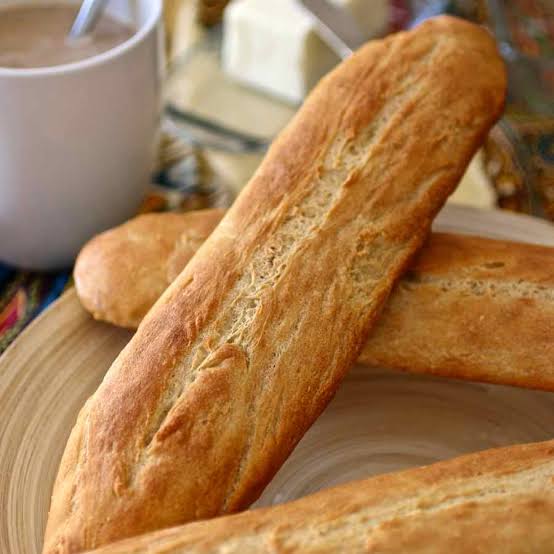
Tapalapa

The origin of Tapalapa bread can be traced to West Africa, specifically countries like Benin, Togo, and Ghana. It is a significant part of the culinary heritage of these regions and is often enjoyed as a staple food.

Variations of the Tapalapa recipe exist, and individual preferences may lead to different adaptations in different regions.

However, here is a basic recipe for Tapalapa bread:

Some suggestions for Amazon links to “Simple Mills Almond Flour Baking Mix, Artisan Bread Mix”.

Simple Mills Almond Flour Baking Mix Artisan Bread

Project Overview Docs Banner in Light Green Blue Vibrant Professional Style 1

Tapalapa Bread

Tapalapa

Avatar photoLaila Yetunde
Delicious and easy to make recipe
Prep Time 1 hour
Cook Time 1 hour
Total Time 2 hours
Course bread, Breakfast, Side Dish
Cuisine African
Servings 0

Equipment

  • oven

Ingredients
  

  • 500g all-purpose flour
  • 1 packet (7g) active dry yeast
  • 1 teaspoon sugar
  • 1 teaspoon salt
  • 300ml lukewarm water
  • 2 tablespoons vegetable oil or melted butter

Instructions
 

  • Preheat your oven to 220°C (425°F).
  • Proof the yeast: In a small bowl, mix the yeast, sugar, and a couple of tablespoons of warm water. Let it sit for about 5-10 minutes until it becomes frothy. This indicates that the yeast is active.
    1 teaspoon sugar, 300ml lukewarm water, 1 packet (7g) active dry yeast
  • In a large mixing bowl, combine the flour and salt. Create a well in the center.
    500g all-purpose flour, 1 teaspoon salt
  • Pour the activated yeast mixture and the vegetable oil or melted butter into the well.
    2 tablespoons vegetable oil or melted butter
  • Gradually incorporate the wet ingredients into the dry ingredients while adding the lukewarm water little by little.
  • Knead the dough: Turn the mixture onto a floured surface and knead for about 10 minutes until the dough becomes smooth and elastic. You can also use a stand mixer with a dough hook attachment for this step.
  • Form a ball with the dough and place it back into the mixing bowl. Cover it with a clean kitchen towel or plastic wrap.
  • Let the dough rise: Allow the dough to rise in a warm place for about 1 to 2 hours or until it has doubled in size.
  • Punch down the risen dough to release any air bubbles, and then shape it into the desired size and shape for your Tapalapa loaves or rolls.
  • Place the shaped dough onto a baking sheet lined with parchment paper.
  • Score the tops of the loaves with a sharp knife or make cuts with scissors to create patterns.
  • Bake the Tapalapa bread in the preheated oven for about 20-25 minutes or until the bread turns golden brown and sounds hollow when tapped on the bottom.
  • Once baked, remove the bread from the oven and allow it to cool on a wire rack before slicing and serving.

Notes

Enjoy your freshly baked Tapalapa bread with your favorite accompaniments, such as soups, stews, or simply as a side with some butter or jam.
Keyword Tapalapa
Tried this recipe?Let us know how it was!


Namibian Venison

“What exactly is venison?” venison is the meat of any game animal, and it’s known for its distinctive flavours. Venison is very common in South Africa; in fact, it’s known as the home of good venison, but our primary focus the Namibia venison is seen as the jewel in the crown of Venison delicacies, that’s because the best game meat comes from Namibia. 

Asides the distinct taste, Its nutritional composition makes it a healthy meal rich in high-quality protein, low-fat content, and essential nutrients like iron, zinc, and vitamins. It offers a healthier alternative to traditional meats. The culinary uses of Namibian Venison are limitless, from hearty stews to succulent steaks. 

Where is Namibian venison from?

Namibian Venison has earned a special place on the plates of both locals and travellers alike. Namibian Venison is from their indigenous game species, such as Kudu, Springbok, Oryx, Impala, and Wildebeest. This contributes to its rich diversity of flavours. Namibia’s commitment to sustainability and ethical hunting practices ensures the region’s wildlife conservation making it sustainable.

Namibian cuisine is a blend of indigenous traditions and European influences, where venison holds a special place. Here are other culinary ideas from venison Biltong, a beloved Namibian snack, takes thinly sliced venison that’s been dried creating a chewy treat that’s perfect for snacking; Potjiekos steals the show with its rich and comforting stew made using tender cuts of Namibian Venison, vegetables, and aromatic spices cooked in a three-legged pot over an open flame, Braai, Namibia’s version of a barbecue.

 I will be sharing the Namibian Venison sauce made with saucy curry called Rhogan Josh.

Venison

Namibian Venison

Namibian Venison is from their indigenous game species, such as Kudu, Springbok, Oryx, Impala, and Wildebeest. Has a distinct taste that makes you want more.
Prep Time 30 minutes
Cook Time 2 hours
Course Side Dish
Cuisine South African
Servings 0

Ingredients
  

  • 1 kg boneless venison meat (shoulder or leg)
  • 2 tablespoon butter
  • 4 tablespoon olive oil
  • 1 large onion (chopped)
  • 3  red chillies (sliced)
  • 4 cloves garlic (ground)
  • 2 tablespoon desiccated coconut
  • 4 tablespoon cardamom pods (grounded)
  • 1 medium tomato paste
  • ½ teaspoon  garam masala
  • 1 cup plain yoghurt
  • 2 medium tomato (chopped)
  • 2 teaspoon ground cumin
  • 1 teaspoon poppy seeds
  • ½ teaspoon fennel (ground)
  • ½ teaspoon cardamom (ground)
  • 1 teaspoon  black pepper
  • ½ teaspoon turmeric
  • ½ teaspoon cloves (ground)

Instructions
 

  • Cut the boneless venison meat into bite-sized pieces
    1 kg boneless venison meat (shoulder or leg)
  • Marinate the venison with olive oil, ground cardamom pods, ground cumin, fennel, ground cardamom, black pepper, turmeric, and cloves. Mix well, ensuring all the meat is evenly coated with the spices. Cover the bowl and let it marinate for at least 1 hour
    4 tablespoon cardamom pods (grounded)
  • Heat the butter and olive oil over medium heat
    2 tablespoon butter
  • Add the chopped onions and sauté until they turn translucent and lightly golden
    1 large onion (chopped)
  • Stir in the sliced red chillies and ground garlic, cooking for an additional 1-2 minutes
    3  red chillies (sliced)
  • Mix the desiccated coconut, poppy seeds, and ground cardamom pods
    2 tablespoon desiccated coconut, 1 teaspoon poppy seeds
  • Increase the heat to medium-high and add the marinated venison pieces to the pot and sear the meat until it browns on all sides, for about 5-7 minutes
  • Mix in the tomato paste and cook for an additional 2-3 minutes to infuse the flavours
    1 medium tomato paste
  • Pour in the plain yoghurt and stir well to combine with the meat and spices
    1 cup plain yoghurt
  • Add the chopped medium tomatoes to the pot, mixing them evenly
    2 medium tomato (chopped)
  • Reduce the heat to low, cover the pot, and let the venison simmer gently and stir occasionally to prevent sticking and ensure even cooking
  • Once the venison reaches the desired tenderness, sprinkle the garam masala over the stew and mix it in
    ½ teaspoon  garam masala
  • Serve and Enjoy, you can pair it with steamed rice, couscous, or traditional Namibian side dishes.

Notes

Note: For fast cooking, you can marinate the venison overnight.
Keyword Namibia Venison
Tried this recipe?Let us know how it was!

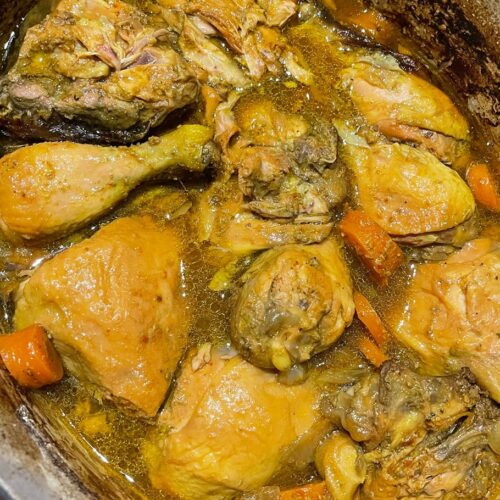
Cape Malay Chicken Curry

Have you ever wondered about the delightful world of Cape Malay cuisine? Well, let me take you on a tasty journey to explore one of its most beloved dishes – Cape Malay Chicken Curry. A native of the Cape Malay community in Cape Town, South Africa, it’s a one-pot sauce made with chicken and vegetables.

Cape Malay cuisine has a rich history, tracing its roots back to when Malay slaves were brought to the Cape of Good Hope by the Dutch East India Company. Over the years, they infused their culture, traditions, and culinary prowess, giving rise to what is now famously known as Cape Malay cuisine. Among the many dishes, Cape Malay Chicken Curry truly stands out and captured the heart of many.

What Does Malay Taste Like?

Cape Malay curry shares some similarities with Indian curries, but the cooking techniques differ slightly. A good example is the species from Cape Malay curry that is not grounded like the Indians. They drop them whole into the broth, and the spices are often removed just before serving.

It is served as a side dish with aromatic Cape Malay yellow rice, buttery roti, and simple tomato, onion, and cucumber sambals. 

Is Cape Malay Chicken Curry Spicy? 

Yes, Cape Malay cuisine is known for its spiciness, and Cape Malay Chicken Curry, in particular, can be quite spicy due to the use of various spices and chilli peppers in its preparation.

Cape Malay Chicken

Cape Malay Chicken Curry

Cape Malay chicken curry a native of the Cape Malay community in Cape Town, South Africa, it's a one-pot sauce made with chicken and vegetables.
Prep Time 20 minutes
Cook Time 1 hour 20 minutes
Course Sauces and Soup
Cuisine South African
Servings 0

Ingredients
  

  • 1 kg chicken (thighs, drumsticks - skinless and boneless)
  • 5 medium irish Potatoes (chopped)
  • 4 cloves garlic (minced)
  • 2 ginger (minced)
  • 2 small hot green chillies
  • 2 tablespoon fresh lemon juice
  • 2 tablespoon mango chutney
  • 3 tablespoon olive oil
  • 1 medium-sized yellow onion
  • salt to taste
  • ½ teaspoon granulated sugar
  • fresh herbs for serving(cilantro or parsley)
  • 1 teaspoon black pepper
  • 2 teaspoon fennel seed
  • 2 teaspoon cumin seed
  • ½ teaspoon turmeric
  • ½ teaspoon paprika (not smoked)
  • 2 inch cinnamon stick

Instructions
 

  • Shred or cut the chicken into smaller pieces and marinate
    1 kg chicken (thighs, drumsticks - skinless and boneless)
  • Add the black pepper, fennel seeds, cumin seeds and to the chicken
    1 teaspoon black pepper
  • Add the fresh lemon juice and olive oil to the bowl.
    2 tablespoon fresh lemon juice
  • Mix well and let the chicken marinate for at least 30 minutes to allow the flavours to infuse.
  • Peel and slice the Irish potatoes into bite-sized pieces.
    5 medium irish Potatoes (chopped)
  • Mince the garlic and ginger pieces finely
    4 cloves garlic (minced)
  • Slice hot green chilies and dice the onion.
    2 small hot green chillies
  • Heat 2 tablespoons of olive oil over medium heat, and the diced onion to the hot oil sauté until it becomes translucent.
    3 tablespoon olive oil
  • Add the minced garlic and ginger, and the sliced green chilies, paprika to the pan. Stir and cook for a minute or until the raw smell disappears.
    2 ginger (minced)
  • Add the marinated chicken with all its spices to the pan and cook the chicken on medium heat until it browns slightly on all sides.
  • Add the chopped Irish potatoes to the pan with the chicken and stir everything together.
  • Add enough water to cover the chicken and potatoes.
  • Add the cinnamon stick to the mixture for added flavour.
    2 inch cinnamon stick
  • Allow the mixture to boil, then reduce the heat to low, and let it simmer for about 20-25 minutes or until the chicken is fully cooked and the potatoes are tender.
  • After the chicken and potatoes are cooked, add the granulated sugar and mango chutney to the curry, salt and stir
    ½ teaspoon granulated sugar
  • Garnish the Cape Malay Chicken Curry with fresh cilantro or parsley before serving and enjoy.
    fresh herbs for serving(cilantro or parsley)
  • You can pair it with steamed yellow rice or flatbreads like naan or roti.

Notes

Note: The amount of water depends on your desired consistency, but about 1 to 1.5 cups should be sufficient.
Keyword Cape Malay Chicken Curry
Tried this recipe?Let us know how it was!


QUICK RECIPES