If you love going to Nigerian parties (owanbe), I’m sure you’ve seen Asun peppered goat meat being served there! It’s a popular dish enjoyed at social gatherings, parties, and special occasions. It is either served as an appetizer or a dessert, depending on their personal preference. It’s delicious and adds to the fun atmosphere of the parties.
What is Asun in Nigeria?
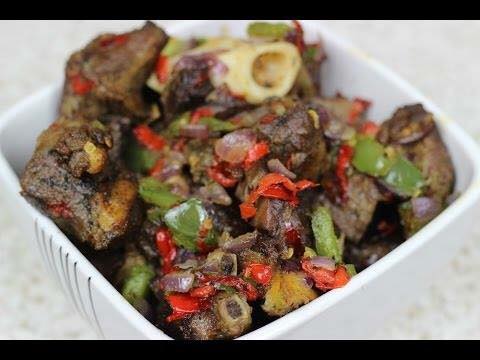
Have you ever tasted Nigerian small chops? The delicious and spicy peppered meat you enjoy is actually called Asun in Nigeria. Asun is made by roasting or smoking goat meat and then adding a mouthwatering blend of spicy peppers.
Trust me; it’s a flavour explosion like no other! Once you try it, you won’t be able to stop at just one bite. It’s a must-try delicacy for anyone who loves bold and spicy flavours!
What Makes Asun?
Asun peppered goat meat! It’s a real treat for your taste buds, a tender and seasoned goat meat cut into small pieces and marinated in a fiery blend of spices like habanero pepper, ginger, and garlic. And to balance the spiciness, it’s complemented by the sweet flavours of onions and bell peppers. Sounds delicious, right?
Now, here’s the best part: Asun is not just tasty; it’s also nutritious! The main ingredient, goat meat is lower in calories than any other meat.
But wait, there’s more! It packs a punch with more protein and iron, making it a healthy choice. Plus, it’s low in saturated fat, which is great for your heart.
Some people might think goat meat is tough, so they don’t like it. There’s a simple trick to make it tender and juicy. Just slow-cook it until it softens, and you’ll have a mouthwatering dish everyone will love.
What Do You Eat Asun With?
Asun peppered goat meat is so versatile! Depending on your preference, you can enjoy it as a main dish or a side dish. As a side dish, it goes perfectly with Nigerian fried or jollof rice, and you can also pair it with delicious fried plantains or yam. For those who like a fresh touch, some folks enjoy having it with coleslaw or salad.
But that’s not all! Asun can also take centre stage as the main dish. You can savour it with any beverage of your choice or even pair it with other meats if you’re feeling extra hungry. So, whether you want it as a tasty side or the star of your meal, Asun is always a delight.
Is Goat Meat an Ogunfe?
In Nigeria, the Yoruba people call goat meat “Ogunfe.” So, if you ever come across “Ogunfe” on a menu or in a conversation, you’ll know it refers to yummy goat meat!
Asun peppered goat meat
Asun peppered goat meat! It's a real treat for your taste buds, a tender and seasoned goat meat cut into small pieces and marinated in a fiery blend of spices like habanero pepper, ginger, and garlic.
Wash the goat meat thoroughly and cut it into smaller pieces for easy cooking.
1 Ibs goat meat
In a pot, add the goat meat, chopped medium onion, and 1 teaspoon of bouillon powder or Maggi. Also, add enough water to cover the meat.
1 Medium onion (chopped)
Cook on medium heat until the meat becomes tender. This may take about 40-50 minutes, depending on the toughness of the meat.
Once the goat meat is tender, Set in a try and roast or grill for 30 mins
In a separate pan, heat 3 tablespoons of vegetable oil over medium heat.
3 tablespoon vegetable oil
Add the chopped garlic and ginger to the hot oil, and stir for about a minute until they release their fragrant aroma.
1 teaspoon garlic, 1 teaspoon ginger
Add the sliced onions, bell peppers, and chopped habanero peppers to the pan. Stir-fry the mixture for a few minutes until the vegetables are slightly softened.
4 bell pepper (green, red, yellow) sliced
Add the cooked goat meat to the stir-fry pan, and stir-fry everything together.
Sprinkle 1 teaspoon of bouillon powder or Maggi, paprika, black pepper, and a bit of salt to taste. Mix everything thoroughly to ensure the flavors are well combined.
1 teaspoon bouillon powder or Maggi
Let the Asun cook on low to medium heat for another 5-7 minutes, allowing the spices to infuse the goat meat.
Once the Asun is ready, you can garnish it with a sprinkle of red pepper flakes for an extra kick if desired.
1 teaspoon red pepper flakes to garnish
Notes
Note: You can also use a pressure cooker to speed up the cooking process.
Killishi (also known as Kilishi) is a popular Northern Nigerian dried meat snack. It is made by thinly slicing meat, marinating it with various spices, and then drying it to preserve it. The result is a flavorful and spicy jerky-like snack that is enjoyed by many in the region. Keep in mind that the following recipe is a basic version of homemade Killishi, but there may be regional variations.
Homemade Killishi
Laila Yetunde
Deliciously Spicy Killishi Ingredients and Cooking Instructions.
1 teaspoon cayenne pepper (adjust according to your spice preference)
1 teaspoon paprika or chili powder
500g beef or suya (thinly sliced)
1 teaspoon ground nutmeg
1 teaspoon ground cloves
1 teaspoon salt (or to taste)
1 tablespoon vegetable oil
2 teaspoons of peanut powder
2 teaspoons of onion powder
Instructions
Prepare the beef: Trim off any excess fat from the beef and slice it very thinly. It's important to have thin slices to facilitate the drying process.
Marinade the beef: In a mixing bowl, combine the peanut powder, groundnut oil, cayenne pepper, paprika, garlic powder, onion powder, ginger powder, ground cumin, ground coriander, and salt. Mix everything well to form a paste-like marinade.
1 teaspoon ginger powder, 1 teaspoon garlic powder, 1 teaspoon cayenne pepper (adjust according to your spice preference), 1 teaspoon paprika or chili powder, 1 teaspoon ground nutmeg, 1 teaspoon salt (or to taste), 1 tablespoon vegetable oil, 2 teaspoons of peanut powder, 2 teaspoons of onion powder, 1 teaspoon ground cloves
Coat the beef: Add the thinly sliced beef into the marinade bowl. Ensure each piece is well coated with the spice mixture. You can use your hands to massage the marinade into the meat.
500g beef or suya (thinly sliced)
Marinate: Cover the bowl with plastic wrap or a lid and let the beef marinate for at least 4 to 6 hours, or preferably overnight in the refrigerator. This allows the flavors to infuse and the meat to tenderize.
Prepare for drying: Remove the marinated beef from the refrigerator and let it sit at room temperature for about 30 minutes before drying. Meanwhile, preheat your oven to the lowest possible temperature, typically around 150°F (65°C)
Dry the beef: Place the marinated beef slices on a wire rack or a baking sheet lined with parchment paper. Make sure the slices are not touching each other to ensure even drying. Put the beef into the preheated oven and leave the oven door slightly open to allow moisture to escape. The drying process may take several hours, depending on the thickness of the slices and your oven temperature. The kilishi is ready when it becomes dry and chewy.
Cool and store: Once the kilishi is dried, remove it from the oven and let it cool completely. You can store it in an airtight container or zip-lock bags. It's best to consume it within a week or two, although it's so delicious it might not last that long!
Notes
Enjoy your homemade Northern Nigerian Killishi as a delicious and spicy snack! It's perfect for sharing with friends and family or enjoying on its own.
Last week I wrote about how to keep your Moi Moi leaves fresh for a month; I decided to take a step further to let you know the moi moi calories and their nutritional facts. If you’re still sleeping on this staple Nigeria meal, then you’re missing a lot.
Moi Moi is a delicious and nutritious dish popular in Nigerian cuisine; Its unique name comes from the Yoruba language, where “Moi Moi” means “steamed beans.” It’s a savoury steamed bean pudding made from blended beans, spices, and other flavorful ingredients. It is also known as Moin Moin. Although it is common among the Yorubas in Nigeria, it is also a staple meal in Ghana and Sierra Leone, where it is called “Alele or Olele.”
Making Moi Moi is an art in itself; it’s the same in all regions. Here’s a link to get a step by step instructions and a recipe for making moi moi. It is not only a delicious treat but also a nourishing one. Made from beans, it is a great source of plant-based protein, making it an excellent option for vegetarians and vegans. It’s also rich in dietary fibre, aiding digestion and promoting a healthy gut.
If you’re curious about its nutritional profile and want to know how many calories it packs, you’re in for a treat because I’ve got you covered with all the juicy details!
How Many Calories in Moi Moi?
The big question – how many calories are in a serving of moi moi? A standard serving of this tasty Nigerian dish, weighing about 100 grams, provides approximately 120 to 200 calories. Of course, these numbers can vary a bit depending on the specific recipe and ingredients used, but this gives you a good idea of what to expect in terms of moi moi calories. So, be rest assured it won’t weigh you down with excessive calories.
The primary factor that influences the moi moi calories count is the type and amount of ingredients used. For example, adding additional proteins like fish or minced meat can increase the calorie count.
Likewise, the type and quantity of vegetable or palm oil used in the preparation can also affect moi moi calorie count. Remember that while moi moi is a nourishing dish low in calories, some variations might have slightly higher calorie levels, so it’s good to be mindful of the ingredients you use.
Portion control is very important in a balanced diet! Moi Moi may be delicious, but enjoying it in moderation is essential, especially if you’re mindful of your calorie intake. Paying attention to portion sizes can help you strike a perfect balance between savouring this delightful treat and maintaining a healthy diet. Opt for a reasonable serving size that aligns with your dietary needs.
Calories in Moi Moi and Nutritional Value
A 100-gram moi moi with average ingredients would give a good idea of moi moi calories count.
Nutritional value
Quantity
Calories
119.2
Total Fats
4.7g
Saturated Fat
1.2g
Polyunsaturated Fat
1.5g
Monounsaturated Fat
1.0g
Cholesterol
58.9mg
Sodium
263.2mg
Potassium
325.3mg
Total Carbohydrate
13.9g
Dietary Fiber
4.4g
Protein
6.9g
Vitamins
86.7%
Vitamin A
21.7%
Vitamin B-12
3.5%
Vitamin B-6
9.0%
Vitamin C
48.0%
Vitamin D
1.6%
Vitamin E
2.9%
Minerals
105.8%
Calcium
2.5%
Copper
7.1%
Folate
19.0%
Iron
7.4%
Manganese
13.2%
Magnesium
9.3%
Niacin
4.4%
Pantothenic Acid
4.4%
Phosphorus
9.8%
Riboflavin
6.7%
Selenium
7.4%
Thiamin
9.4%
Zinc
5.2%
Is Moi Moi Fattening?
If cooked with the average ingredients, moi moi doesn’t make you fat; instead, its fibre gets you satiated and makes you less hungry. To reduce fat in moi moi, you can make conscious choices to use healthier alternatives like vegetable oils instead of plain groundnut oil.
It’s important to note that it can vary based on the ingredients and cooking methods used. moi moi typically contains some fat, especially if oil or palm oil is added during preparation. But Moi Moi can be prepared in a way that includes healthier fats.
Moi Moi is one of the vegetarian meals because of its nutritional benefits. But, for vegetarians, you must stick to healthy vegetables or olive oil instead of palm oil.
What is a Serving of Moi Moi?
The serving sizes of moi moi vary in regions, individual differences, and needs. But to measure Moi Moi calories, ingredients’ serving size and portion control is important.
The standard serving size of Moi Moi is generally measured by weight and is usually around 100 grams. However, this can vary based on personal preferences and the occasion. Some might opt for smaller portions as a delightful side dish, while others might enjoy a more substantial serving as a satisfying main course.
If you’re mindful of your calorie consumption, it’s a good idea to be aware of your portion size of Moi Moi calories when taking it. You can Pair it with various other nutritious foods to create a well-rounded meal. Adding some colourful veggies and lean proteins alongside your Moi Moi can enhance the nutritional value and satisfy you.
Image Credit: Facebook
Is Moi Moi High in Protein?
Regarding protein, Moi Moi is one of the top meals in this category; from the table above, it contains a satisfying protein level. The delicious meal is packed with plant-based protein, making it a fantastic choice for those looking to boost their protein intake.
The major ingredient in Moi Moi is beans, an excellent protein source. Moi Moi becomes a delectable and nutritious protein-rich dish when blended and combined with other ingredients like onions and other spices.
It certainly holds its own when comparing Moi Moi with other protein sources. Beans, the major ingredient of Moi Moi, provide a good amount of protein, similar to other legumes like lentils and chickpeas. It’s a wonderful alternative to animal-based proteins for those seeking more plant-based options in their diet. Whether you’re a vegetarian or just looking to diversify your protein sources, Moi Moi is a tasty and wholesome choice.
Moi Moi is a protein-rich delight for all the vegetarians out there that you can add to your meal without hesitation. It’s a great way to meet your protein needs while enjoying a burst of flavours. So, if you’re seeking a delicious plant-based protein option, Moi Moi can help to impress your taste buds and provide a satisfying and nutritious meal.
Is Moi Moi Good for Diabetics?
For individuals with diabetes or on a low-carb/sugar diet, it’s natural to wonder if Moi Moi is a safe choice. The good news is that Moi Moi can indeed be a diabetic-friendly option when prepared thoughtfully with minimal average ingredients. The key lies in its impact on blood sugar levels.
Moi Moi is primarily made from beans, which are considered a low-glycemic food. Low-glycemic foods are known to cause a slower rise in blood sugar compared to high-glycemic options. This makes Moi Moi a favourable choice for those looking to manage their blood sugar levels.
The beauty of Moi Moi is not just in its taste but also in its ingredients. Beyond beans, Moi Moi is typically prepared with an array of low-glycemic ingredients, such as onions and other spices.
These additions improve the flavour and make it an overall diabetic-friendly dish. By adding low-glycemic ingredients, Moi Moi can offer a satisfying meal option without causing drastic spikes in blood sugar levels.
For people managing diabetes or a low-sugar diet, Moi Moi can be an excellent addition to a diabetic-friendly meal plan. Moi Moi can contribute to a well-rounded and satisfying meal when served alongside a balanced combination of non-starchy vegetables, lean proteins, and whole grains.
The protein and fibre from the “beans” can help regulate blood sugar levels and keep you feeling full and energized all day.
Is Moi Moi Good for the Liver?
Moi Moi can indeed offer some liver-loving nutrients. The key ingredient, Beans, is rich in essential nutrients like folate, which plays a role in liver health and supports its proper function. Additionally, the dish often includes onions, which are a good source of antioxidants like vitamin C and flavonoids. These antioxidants help combat oxidative stress and inflammation, which can be beneficial for liver health.
While Moi Moi can contribute positively to liver health, it’s essential to balance it with other liver-friendly foods in your diet. Incorporating a variety of nutrient-rich fruits, vegetables, whole grains, and lean proteins can further support your liver’s well-being. Hydration is also crucial, so remember to drink plenty of water throughout the day.
Moi Moi can be a good addition to a liver-supportive diet when prepared healthy. Pairing it with a mix of other liver-friendly ingredients like garlic and turmeric in your meals can enhance the overall benefits for your liver.
Guess what? Besides the delicious Moi Moi itself, there’s a fantastic way to make it even more nutritious! You know those indigenous leaves I mentioned at the beginning of this write-up? When you use them to wrap your Moi Moi(in place of foils and containers).
These leaves not only bring a unique flavour that blends perfectly with the dish, but they also pack a powerful nutritional value that adds to the Moi Moi calories, also a good one for diabetic people and also enhances liver health.
African cuisine is incredibly diverse, featuring a wide range of flavors, ingredients, and cooking techniques. While some dishes are considered weird African Food because they are unique to outsiders, they are an integral part of the culinary traditions of various African cultures. In this article, we will explore some of the weirdest African foods, highlighting their distinct characteristics and cultural significance.
Some Weird African Food
The Mopane Worm of Zambia, South Africa, Zimbabwe and Botswana: The Mopane Worm, a type of caterpillar belonging to the emperor moth family, can be found throughout various countries in southern Africa, including Zambia, South Africa, Zimbabwe, and Botswana. In Zambia, where I reside as a member of the Bemba tribe, they are commonly known as “Ifinkubala” and are frequently consumed as a traditional dish. Mopane worms can be enjoyed either as a snack or as a substantial meal.The harvesting of Mopane worms occurs twice a year, with the first harvest taking place during the early months of the rainy season and the second harvest occurring at the end of the rains. Once harvested, the caterpillars are carefully squeezed to remove their gut contents, followed by a process of parboiling and drying before they are sold in the market.
Mopane worms
If the idea of Mopane worms makes you squeamish, then you might not be too thrilled about our next weird African food. Allow me to introduce Chitoum, a popular mid-day snack predominantly enjoyed in West Africa. This involves a small, dark beetle that is collected, emptied of its entrails, and fried to create a dry and crispy delicacy. Interestingly, some claim that Chitoum offers a more enjoyable flavor compared to locusts and grasshoppers, which happen to be the next items on our list. However, as taste preferences vary from person to person, it ultimately comes down to individual preference!
Chitoum- photo credit Shutterstock
Fufu (West Africa): Fufu is a staple food in many West African countries, including Ghana, Nigeria, and Cameroon. Although this weird African food isn’t considered weird in West Africa, it might come off as strange to foreigners. It is made by pounding boiled starchy vegetables like cassava, plantains, or yams until they form a smooth, dough-like consistency. Fufu is usually eaten with various soups or stews and is consumed by tearing off small pieces and dipping them into the accompanying sauce.
Fufu
Fried Termites (Southern Africa): Termites is another weird African food in Southern Africa, particularly in countries like Botswana and Zimbabwe. These insects are collected during the rainy season, dried, and then fried or cooked in various ways. Despite their appearance, fried termites are a good source of protein and are often enjoyed as a crunchy delicacy.
Fried Termites
Some suggestin for Amazon links to “GoGo squeeZ Fruit on the Go Organic Variety Pack.
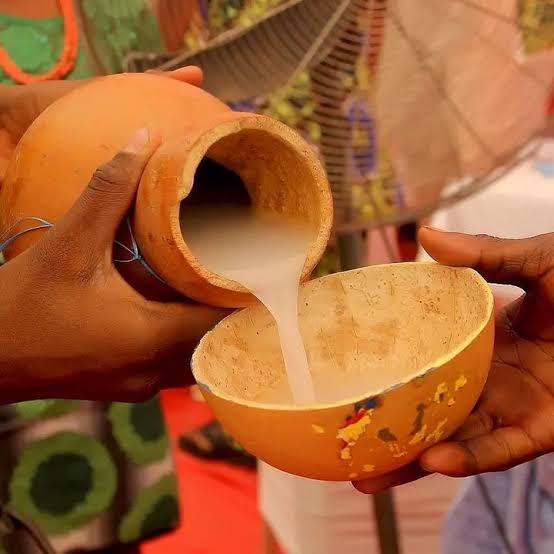
Palm Wine (West Africa): Palm wine is a traditional alcoholic beverage that is widely consumed in West African countries such as Nigeria, Ghana, and Cameroon. It is made by tapping the sap from palm trees and allowing it to ferment naturally. The resulting drink has a sweet and slightly tangy flavor, similar to a light wine or beer. Palm wine is often enjoyed fresh, but it can also be distilled to make a stronger spirit.
Palm Wine
Pounded Bush Mango Seed (Central Africa): In Central Africa, the seeds of the bush mango tree are pounded into a fine powder and used as a base for soups and sauces. The seeds are extremely hard and require substantial effort to crack open. Once pulverized, they create a thickening agent that adds a unique flavor and texture to dishes.
Pounded Mango Seed
Some suggestion for Amazon links to”Settings Plastic Clear Soup Spoons“.
Amasi (Southern Africa): Amasi, also known as fermented milk, is a traditional African dairy product commonly consumed in countries like South Africa and Zimbabwe. It is made by allowing raw cow’s milk to ferment naturally, resulting in a thick, tangy, and slightly sour milk product. Amasi is often consumed on its own or used as an ingredient in various dishes.
Amasi- Picture Credit Daily Sun
Kamba (East Africa): Kamba is a traditional food from Kenya, particularly among the Kamba ethnic group. It consists of red ants that are harvested and dried before being cooked into a stew. The ants provide a unique sour flavor and are often paired with other ingredients such as tomatoes, onions, and spices.
Kamba
Dongo-Dongo (Central Africa): Dongo-Dongo is a traditional dish from Cameroon that consists of roasted or grilled grasshoppers. The grasshoppers are typically marinated in a mixture of spices and then cooked until crispy. They are often served as a snack or as part of a larger meal.
Dongo in okra meal
Some suggestion Amazon links to”Garden of Life, Dr. Formulated Women’s Probiotics Once Daily” .
Insects in Chocolate (Various regions): This weird African Food is popular In several African countries, including Ghana and Uganda, insects are incorporated into chocolate products. Grasshoppers, crickets, and termites are commonly used and are roasted before being mixed into the chocolate. The resulting chocolate bars offer a unique combination of sweet and savory flavors.
Insect in Chocolate
Ostrich Egg (Southern Africa): Ostrich eggs are a common but weird African food item in Southern Africa, particularly among indigenous tribes. These eggs are significantly larger than chicken eggs and can weigh up to 1.4 kilograms (3 pounds). They are often used in cooking, either by scrambling or boiling them, and are shared as communal meals due to their size.
Orstrich egg
Stink Bugs(South Africa): Stink Bugs, found in South Africa, may not sound appealing, but they are actually a nutritious edible option. Despite their name, the “stink” is not detectable in their taste. Prior to cooking, the bugs are decapitated and squeezed to eliminate the gland responsible for the odor. After emptying the gland, South Africans typically boil the bugs and then sun-dry them, turning them into snacks. Surprisingly, these small creatures are rich in Vitamin B, making them a beneficial food choice. Some individuals describe their flavor as a blend of cinnamon and iodine, but I’ll leave the judgment to you.
Stink bug
Uganda: This next weird African food is actually very popular in Africa. In Uganda, the locals refer to these agile creatures as “Nsenene,” and they hold a special place in traditional cuisine. Typically, Nsenene grasshoppers are roasted or fried after being carefully seasoned. If you’re curious about tasting them, capturing these insects usually involves the use of a net or a homemade contraption consisting of a bucket and a tin. They make their prominent appearance during the months of April, May, and November.To prepare this African delicacy, it is customary to pluck off the wings and legs while the grasshoppers are still alive, just before adding them to a frying pan. As the grasshoppers cook, they release their natural oils, creating a distinct flavor. Seasoning them with salt, pepper, and spices of your choice further enhances their taste. (If the process of removing their appendages while they are alive seems cruel, an alternative method is to freeze them for 40 minutes beforehand or remove their heads, which simultaneously eliminates their guts.)
Nsenene
The Ackee plant: Holds a significant place in West African cuisine as a prized delicacy. Surprisingly, this plant is not just any ordinary plant but actually bears fruit. However, it is crucial to note that when consumed prematurely, the fruit is toxic and can lead to severe consequences such as vomiting, hypoglycemia, permanent neurological damage, and even death. Therefore, it is essential to allow the Ackee fruit to fully mature, which typically takes around 8 weeks.Once the fruit reaches its ripe stage, it naturally splits open, revealing three or four large black seeds. At this point, the Ackee fruit is considered safe and ready for consumption. Not only is it a delicacy, but it is also highly nutritious. Ackee fruit is rich in essential nutrients such as vitamin A, zinc, essential fatty acids, and protein, making it a valuable addition to the diet. However, it is crucial to handle and prepare the Ackee fruit with caution and ensure it is fully ripe before enjoying its flavors and benefits.
Acknee
The Maasai, an ethnic group residing in southern Kenya and northern Tanzania, are known for their semi-nomadic lifestyle. During important occasions such as a girl’s wedding, a baby’s birth, and a child’s circumcision, they partake in the consumption of cow blood. Additionally, in order to aid in the recovery from hangovers, the elderly are offered cow blood if they are intoxicated.The traditional diet of the Maasai people in Kenya and Tanzania primarily relies on their livestock. Although meat consumption is infrequent, they regularly consume milk and blood, obtained by piercing the loose flesh on a cow’s neck with an arrow.
Blood Meal-Picture Credit:Shuttershock
While these African foods may be considered strange or unusual to some, they represent the incredible diversity and cultural richness of the continent’s culinary heritage. Exploring and embracing these unique dishes can offer a fascinating glimpse into the traditions and flavors that define various African cuisines.
Ikokore, also called Ifokore, is a traditional Nigerian dish from the Yoruba ethnic group. It is a deliciously satisfying one-pot meal made from grated water yam, locally known as “Isu Ewura” in Yoruba.
The yam is the major ingredient for making Ikokore, and it’s what gives its unique and irresistible pudding/porridge texture; it is somewhat similar to the well-known yam pottage, but in this case, there’s a specific yam for it, and it’s grated which gives it the pudding texture.
Image credit: Facebook
Where Did Ikokore Come From?
Now, let’s explore the historical origins of this culinary treasure. Ikokore has been a beloved part of Yoruba cuisine for generations, and its roots can be traced back to the southwestern region of Nigeria, precisely Ijebu in Ogun state.
There’s hardly anyone from the region that’s not a fan of the sumptuous meal; they will tell you if eaten with cold Eba it’s a match made from heaven. Would you love to try it?
In ancient times, It was often served during special gatherings, festivals, and ceremonies. Its preparation and consumption were steeped in tradition and carried a sense of community and togetherness.
Traditionally, women were the custodians of this culinary art, and they would gather to prepare the dish together, creating a communal bond.
How Do You Eat Ikokore?
You can eat it as a main dish or side dish, according to Ijebu people cold eba is a perfect combination.
Can I Use Blender for Ikokore?
Yes, When preparing Ikokore, you have the option to use either a grater or a blender. If you choose to use a blender, just be careful to maintain that perfect pudding-like texture.
Here’s a simple tip: blend at a slow speed to avoid making it too soft and losing those delightful lumpy bits. With a little caution, you can still achieve an authentic experience using modern kitchen tools!
Ikokore
Ikokore, also known as Ifokore, is a traditional Nigerian dish from the Yoruba ethnic group. It is a deliciously satisfying one-pot meal made from grated water yam, locally known as “Isu Ewura” in Yoruba.
Add the grated yam into the pot, bit by bit, while stirring continuously. This ensures the yam blends nicely with the flavourful mixture.
Sprinkle in the Iru (locust beans), and season the mixture with salt and your favourite seasoning.
1 Teaspoon Iru (locust beans), Salt and seasoning to taste
If you're adding vegetables to your Ikokore, wash and chop them finely. Add the chopped vegetables to the pot and stir them in.
1 Bunch Vegetable(optional)
Reduce the heat to low, cover the pot, and let the Ikokore cook for about 15 to 20 minutes. This allows the flavours to meld together, and the yam to become soft and tender.
Give it a final stir, and your delicious Ikokore is ready to serve!
Notes
Note: You can use a grater or a blender, as per your preference. If using a blender, ensure you blend at a slow speed to maintain a pudding-like texture.If using vegetable you can use spinach, ugu (pumpkin leaves), or any leafy green of your choice.Ikokore tastes even better the next day, as the flavours continue to develop and intensify. So, if you have any leftovers, consider yourself lucky!
African Tips for weight loss have undergone changes over time due to various factors, including cultural shifts, globalization, and access to information.
Here is a general overview of the evolution of African tips for weight loss:
Changes and Growth of African Tips for Weight Loss over the years
Traditional Practices: Historically, African tips for weight Loss was largely influenced by traditional practices and cultural norms. Traditional diets consisted of whole, unprocessed foods, and physical activity was a part of daily life. Practices like portion control, using natural herbs and spices, and engaging in active lifestyles were prevalent. Western Influences: With the spread of globalization and Western influence, there has been a gradual shift in dietary patterns and lifestyle habits in Africa. Processed foods, fast food, and sedentary lifestyles have become more common, leading to an increase in obesity rates. Dietary Modifications: As obesity rates have risen, Africans have become more conscious of the need for weight management. In response, dietary modifications and African tips for weight loss have become popular. Many people have started to incorporate healthier food choices, such as increasing vegetable and fruit intake, choosing lean proteins, and reducing the consumption of sugary and high-fat foods. Fitness and Exercise Culture: The importance of physical fitness and exercise has gained traction in Africa. Fitness centers, gyms, and organized sports activities have become more prevalent in urban areas. This shift has led to an increased focus on incorporating regular exercise routines, including aerobics, running, dancing, and other forms of physical activity, into African tips for weight loss.
Weight loss tips
Health Education: Health education initiatives and campaigns have played a crucial role in raising awareness about the importance of weight management and healthy lifestyles. Governments, healthcare organizations, and NGOs have conducted awareness programs on nutrition, healthy eating habits, and the benefits of physical activity. These initiatives aim to empower individuals with knowledge and tools to make informed choices about their health. Technology and Digital Platforms: The rise of technology and digital platforms, such as smartphones and social media, has provided increased access to information on weight loss. Africans can now access a wide range of resources, including apps, websites, and online communities, offering weight loss tips, healthy recipes, workout routines, and motivational support. Cultural Diversity and Traditional Knowledge: African cultures are diverse, and different regions have their own traditional practices related to weight management.
There is a growing recognition of the importance of preserving and incorporating traditional African knowledge into modern African tips for weight loss. Traditional foods, herbs, and practices are being reevaluated and reintroduced, highlighting their nutritional value and potential benefits for weight management.
Healthy Food
It’s important to note that Africa is a diverse continent, and African tips for weight loss can vary across different countries, regions, and cultures. Additionally, individual preferences, lifestyles, and health conditions should be considered when adopting any weight loss tips or strategies. Consulting with healthcare professionals or registered dietitians can provide personalized guidance based on specific needs and circumstances.
African Tips for Weight Loss to Incorporate into Your Lifestyle
Incorporate Traditional Foods: An important African weight loss tip is to include traditional African foods like vegetables, fruits, whole grains, and lean proteins in your diet. These foods are generally low in calories and rich in nutrients. Portion Control: Be mindful of your portion sizes. This is one African weight loss tip that is upheld from childhood because African parents don’t tolerate wastage. You only serve what you can eat, and this forces your brain to understand limits from a young age. Avoid overeating and try to eat smaller, balanced meals throughout the day. Include Protein: This part of African weight loss tips is commonly upheld in most African homes. You hardly eat a meal without a protein on the side in most homes. In this Tip, include lean sources of protein such as fish, skinless poultry, beans, lentils, and lean cuts of meat in your diet. Protein helps you feel fuller for longer. Increase Fiber Intake: Consume high-fiber foods like whole grains, legumes, vegetables, and fruits. Fiber aids digestion, promotes satiety, and helps maintain stable blood sugar levels. Minimize Processed Foods: Reduce your intake of processed foods, which are often high in unhealthy fats, sugars, and calories. Opt for fresh, natural foods instead. Hydrate: Drink plenty of water throughout the day to stay hydrated and help control your appetite. Replace sugary beverages with water or herbal teas. Be Active: Engage in regular physical activity such as walking, jogging, dancing, or participating in traditional African dances. Find activities you enjoy to make exercise a part of your routine. Mindful Eating: Practice mindful eating by paying attention to your body’s hunger and fullness cues. Avoid distractions while eating, savor your food, and eat slowly. Use Traditional Spices: Utilize traditional African spices like turmeric, cayenne pepper, ginger, and cinnamon. These spices can boost metabolism and add flavor to your meals. Seek Professional Guidance: Consult a registered dietitian or nutritionist who specializes in African cuisine to get personalized advice and guidance for your weight loss journey.
15 Food To Incorporate in Your Diet for Weight Loss
Leafy Greens: Spinach, kale, collard greens, and Swiss chard are low in calories and high in fiber, making them great choices for weight loss. Lean Proteins: Chicken breast, turkey, fish, lean cuts of beef, tofu, and legumes like beans and lentils are high in protein and can help you feel full for longer. Whole Grains: Brown rice, quinoa, millet, and whole wheat products like bread and pasta provide sustained energy and fiber. Berries: Africans are very big on fresh fruits, and that’s berries are a part of my African weight loss tips. Blueberries, strawberries, raspberries, and blackberries are low in calories and packed with antioxidants and fiber. Greek Yogurt: High in protein and calcium, Greek yogurt can help curb hunger and support bone health. Nuts and Seeds: Almonds, walnuts, chia seeds, and flaxseeds are rich in healthy fats, protein, and fiber, which promote satiety. Legumes: Beans, lentils, and chickpeas are high in fiber and protein, making them satisfying and beneficial for weight loss. Avocado: Although high in calories, avocados provide healthy fats, fiber, and various vitamins and minerals. Enjoy them in moderation. Eggs: Eggs are a good source of high-quality protein and can help keep you feeling full throughout the day. Fish: Fatty fish like salmon, mackerel, and sardines are rich in omega-3 fatty acids, which have been associated with weight loss and improved metabolic health. Citrus Fruits: Oranges, lemons, grapefruits, and tangerines are low in calories and high in vitamin C and fiber. Spices: Cayenne pepper, ginger, cinnamon, and turmeric can boost metabolism and add flavor to your meals. Green Tea: Rich in antioxidants and known to increase metabolism, green tea can be a healthy alternative to sugary beverages. Cruciferous Vegetables: Broccoli, cauliflower, Brussels sprouts, and cabbage are low in calories and high in fiber. Soups: Starting meals with broth-based soups can help reduce calorie intake and promote a feeling of fullness.
It’s important to note that weight loss is best achieved through a combination of a balanced diet, regular physical activity, and a sustainable lifestyle. It’s always a good idea to consult with a healthcare professional or registered dietitian for personalized advice.
10 African Drinks that support weight loss:
Hibiscus Tea (Zobo):Hibiscus tea is a popular African beverage made from dried hibiscus flowers. It is known for its tart flavor and is rich in antioxidants. Hibiscus tea can help support weight loss by boosting metabolism and aiding in digestion. Rooibos Tea: Rooibos tea, also known as red bush tea, is native to South Africa. It is caffeine-free and rich in antioxidants. Rooibos tea may help suppress appetite and reduce cravings, making it beneficial for weight management. Ginger Tea: Ginger tea is made from fresh ginger root and is commonly consumed in many African countries. Ginger has thermogenic properties that can increase metabolism and aid in digestion. It may also help reduce appetite and promote feelings of fullness. Moringa Tea: Moringa is a nutrient-dense plant native to Africa. Moringa tea is made from dried moringa leaves and is known for its high antioxidant content. It may help support weight loss by boosting metabolism and reducing inflammation. Bissap (Sobolo): Bissap is a popular West African drink made from dried hibiscus flowers, ginger, and other spices. It is typically sweetened with natural sweeteners like honey or fruit juice. Bissap is low in calories, rich in antioxidants, and can help curb cravings for sugary beverages. Baobab Juice: Baobab is a fruit native to Africa and is known for its high vitamin C and fiber content. Baobab juice is made from the powdered pulp of baobab fruit mixed with water. It is low in calories and provides a good amount of fiber, which can help promote satiety and support weight loss. Sorrel Drink: Sorrel drink is a tangy beverage made from dried sorrel flowers, commonly consumed during festive seasons in various African countries. It is rich in antioxidants and can aid digestion, which may indirectly support weight loss. Bitter Leaf Tea: Bitter leaf tea is made from the leaves of the bitter leaf plant, which is native to West Africa. It has traditionally been used for its detoxifying properties and can help support liver health. Bitter leaf tea may also help regulate blood sugar levels, which can be beneficial for weight management. Soursop Juice: Soursop, also known as guanabana, is a tropical fruit that is popular in many African countries. Soursop juice is made by blending the fruit with water. It is low in calories, high in fiber, and rich in vitamins and minerals. Soursop juice can be a refreshing and nutritious option for those aiming to lose weight. Tigernut Milk: Tigernuts, also known as chufa or earth almonds, are small tubers that are commonly consumed in West Africa. Tigernut milk is made by blending soaked tigernuts with water. It is naturally sweet and has a creamy texture. Tigernut milk is high in fiber and can help promote satiety, making it a suitable option for weight loss.
Remember, while these African tips for weight loss can indeed support weight loss efforts, it’s important to maintain a balanced diet and engage in regular physical activity for optimal results. Consult with a healthcare professional or registered dietitian for personalized advice based on your specific needs and circumstances.
African food in the diaspora stands out amidst the bustling streets of distant cities, as the echoes of ancestral flavors still resonate on plates and in palates of our distant relatives. The Journey of African food in the Diaspora is a tale of resilience, creativity, and cultural fusion. As the tantalizing aromas of spices and the vibrant colors of exotic ingredients fill kitchens and restaurants worldwide, a rich narrative unfolds—a story of how the culinary heritage of Africa continues to evolve and captivate hearts far from its shores. Join us on a journey that transcends borders and time, exploring the delectable world of African food in the diaspora.
In This Article, African food in the diaspora refers to the culinary traditions and practices of people of African descent who live outside of the African continent. As Africans migrated to different parts of the world, they carried their food traditions with them, which have since evolved and adapted to local ingredients, cooking methods, and cultural influences.
The Culture of African Food in the Diaspora
Here are some key aspects of African food culture in the diaspora:
Fusion of African and Local Cuisines: In the diaspora, African food has often merged with the culinary traditions of the countries where Africans settled. This fusion has resulted in unique and vibrant food cultures. For example, in the Caribbean, African culinary traditions have blended with indigenous, European, and Indian influences to create dishes like jerk chicken, callaloo, and rice and peas.
Preservation of Traditional African Dishes: Many African communities in the diaspora actively preserve their traditional dishes. These recipes are often passed down through generations and maintained as an important part of their cultural heritage. Popular examples include jollof rice, fufu, injera, and egusi soup.
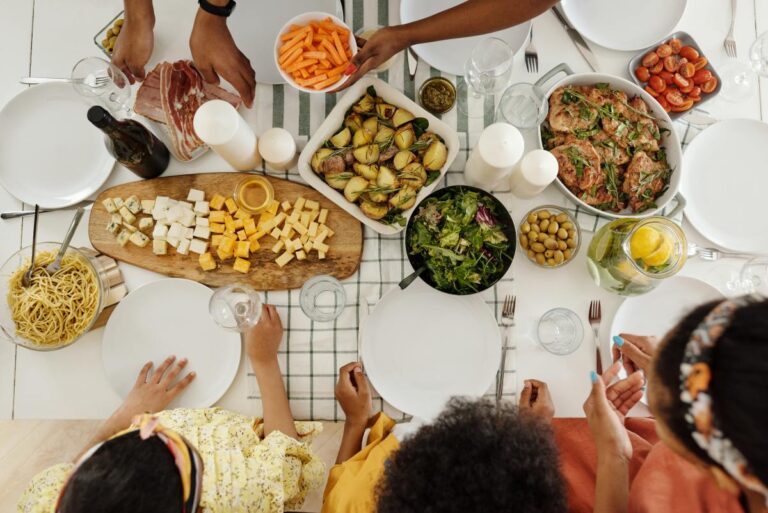
Community and Social Gatherings: African food plays a central role in community and social gatherings within diasporic communities. Events such as weddings, festivals, and religious celebrations often feature a variety of traditional African dishes. These occasions provide an opportunity for people to connect with their cultural roots, share stories, and celebrate together.
Restaurants and Food Businesses: African cuisine has gained recognition in the diaspora, leading to the establishment of numerous African restaurants and food businesses. These establishments serve as hubs for both the African diaspora and people from other backgrounds who are interested in experiencing African flavors. They offer a diverse range of dishes from various African regions, showcasing the richness and diversity of African culinary traditions.
Influence on Mainstream Food Culture: African food has also made its way into mainstream food culture in many parts of the world. Dishes like West African jollof rice and Ethiopian injera have gained popularity and can be found in non-African restaurants. African ingredients such as plantains, yams, and spices like berbere and harissa are being incorporated into contemporary recipes, showcasing the influence of African cuisine on global food trends.
Overall, African food culture in the diaspora reflects the resilience, adaptability, and creativity of African communities as they maintain and share their culinary heritage while embracing the influences of their new environments.
Important Elements that Influence African Food In The Diaspora
The evolution of African food in the diaspora has been influenced by a variety of factors, including the availability of ingredients, local tastes and preferences, cultural exchange, and the creativity of African communities. Here are some key aspects of the evolution of African food in the diaspora:
Ingredient Adaptation: One significant aspect of the evolution of African food in the diaspora is the adaptation of traditional African ingredients to local substitutes. Africans in the diaspora have often had to find alternative ingredients that closely resemble those used in their home countries. For example, in the absence of specific African leafy greens, similar substitutes like collard greens or spinach are used in recipes like Nigerian efo riro or Ghanaian kontomire stew.
Culinary Fusion: The interaction between African culinary traditions and local cuisines in the diaspora has led to the development of fusion dishes. African diasporic communities have incorporated local cooking techniques, flavors, and ingredients into their traditional recipes, resulting in unique combinations. This fusion can be seen in dishes like Afro-Caribbean jerk chicken, Afro-Asian curries, and Afro-Latin stews.
Global Influences: African food in the diaspora has also been influenced by global food trends and cultural exchange. As Africans interact with different cultures and cuisines, they often incorporate elements into their cooking styles. For instance, African diaspora communities may experiment with spices, condiments, or cooking methods from other cuisines to create new flavors and dishes that reflect their multicultural experiences.
Modernization and Innovation: African food in the diaspora has undergone modernization and innovation to cater to changing tastes and lifestyles. Traditional recipes have been adapted to be more convenient and accessible, and new cooking techniques and technologies have been incorporated. This can be seen in the rise of African food bloggers, chefs, and entrepreneurs who are reinterpreting and presenting African cuisine in new and exciting ways.
Increased Awareness and Recognition: Over the years, there has been a growing appreciation and recognition of African food in the diaspora. African restaurants, food festivals, and cultural events have played a significant role in promoting African cuisine and raising its profile. This increased awareness has led to a greater demand for African flavors and ingredients, further fueling the evolution and development of African food in the diaspora.
The evolution of African food in the diaspora is a dynamic process that continues to be shaped by various factors. It reflects the resilience, adaptability, and creativity of African communities as they navigate new culinary landscapes while maintaining their cultural roots.
African food
Future Of African Food In The Diaspora
The future of African food in the diaspora is promising, as it continues to gain recognition and popularity. As people from African countries and their descendants settle around the world, there’s a growing demand for authentic African cuisine, leading to the establishment of more African restaurants, food festivals, and cultural events. This trend is likely to contribute to the diversification of global culinary scenes and an increased appreciation for the rich flavors and traditions of African cuisine.
Here are some potential aspects of the future of African food in the diaspora:
Increased Awareness and Appreciation: African cuisine is gaining more recognition and appreciation globally, and this trend is likely to continue in the future. As people become more adventurous with their culinary choices, there is a growing interest in exploring diverse and authentic flavors. This increased awareness will drive the demand for African food in the diaspora and encourage its integration into mainstream food culture.
Culinary Innovation and Fusion: African diasporic communities are known for their creativity in adapting and fusing culinary traditions. In the future, this innovation will continue to evolve, resulting in exciting combinations of African flavors with other cuisines. Chefs, food entrepreneurs, and home cooks will experiment with new techniques, ingredients, and presentations to create modern African-inspired dishes that cater to changing tastes and preferences.
Sustainable and Healthy Food Practices: The future of African food in the diaspora will likely see a greater emphasis on sustainable and healthy food practices. As people become more conscious of the environmental impact of their food choices, there will be a focus on utilizing locally sourced, seasonal ingredients and adopting traditional African practices that emphasize whole foods, diverse grains, and plant-based options. This aligns with the rich agricultural heritage of Africa and the increasing global interest in sustainable and healthy eating.
Technology and Online Platforms: The future will witness the continued influence of technology and online platforms on the dissemination and promotion of African food in the diaspora. Social media platforms, food blogs, and online communities will play a crucial role in sharing recipes, cooking techniques, and stories about African food. These platforms will connect people, foster a sense of community, and provide opportunities for cultural exchange and learning.
Culinary Education and Empowerment: African diasporic communities will continue to invest in culinary education and empowerment initiatives. Cooking classes, workshops, and culinary schools focused on African cuisine will emerge, helping to preserve and transmit traditional cooking techniques and knowledge to future generations. This will contribute to the professionalization of African culinary arts and create economic opportunities within the food industry for individuals from African backgrounds.
Overall, the future of African food in the diaspora is bright, with a growing recognition and appreciation for its richness, diversity, and cultural significance. As African communities maintain their culinary heritage while embracing innovation and adaptation, they will play a significant role in shaping the global food landscape and fostering cross-cultural connections through the universal language of food.
Conclusion:
In the tapestry of the African diaspora, the journey of flavors and traditions from the continent to various corners of the world has been a testament to resilience, adaptability, and cultural preservation. Through centuries of migration, African food has transcended borders, weaving itself into the culinary fabric of countless nations. This gastronomic journey has not only celebrated diversity but has also underscored the shared human experience of seeking connection through food. As we savor the rich flavors, aromas, and stories that African cuisine brings to our tables, we honor the vibrant tapestry of history, identity, and community that has enriched our global palate.