Fish Chermoula is a delicious and flavorful North African marinade and sauce typically used in Moroccan, Algerian, Tunisian, cuisines. It’s known for its vibrant green color and aromatic taste. The exact ingredients can vary depending on the region and personal preferences, but some common components include:
Fresh herbs: Parsley and cilantro are usually the main herbs used, giving chermoula its green color and fresh flavor.
Garlic: Adds a wonderful depth of flavor to the marinade.
Spices: Cumin, paprika, and sometimes coriander are often included, providing warmth and complexity.
Lemon or lime juice: Adds a tangy and citrusy note, balancing the other flavors.
Olive oil: Helps bring everything together and adds richness.
Salt and pepper: To season the mixture.
Optional ingredients: Depending on the recipe, you might find additional spices like saffron or chili peppers for extra heat.
Chermoula
Fish in Chermoula creates a delightful combination that enhances the natural taste of the seafood.
If you haven’t tried it yet, I highly recommend giving Fish Chermoula a taste. It’s a fantastic way to add some North African flair to your dishes.
Fish Chermoula
Laila Yetunde
To make fish chermoula, you'll need some of the traditional chermoula ingredients mentioned earlier, along with your choice of fish fillets or whole fish. Here's a simple recipe to get you started.
4 fish fillets (such as salmon, sea bass, cod, or any firm white fish)
1 cup fresh parsley leaves
1 cup fresh cilantro leaves
3-4 garlic cloves
1 teaspoon ground cumin
-1 teaspoon paprika
1/2 teaspoon ground coriander (optional)
Juice of 1 lemon
1/4 cup olive oil
Salt and pepper to taste
Red pepper flakes or chopped chili (optional, for added heat)
Instructions
In a food processor or blender, combine the parsley, cilantro, garlic, cumin, paprika, coriander (if using), lemon juice, olive oil, salt, pepper, and red pepper flakes or chili (if using). Blend until you get a smooth and vibrant green chermoula sauce.
1 cup fresh parsley leaves, 1 cup fresh cilantro leaves, 3-4 garlic cloves, 1 teaspoon ground cumin, -1 teaspoon paprika, 1/2 teaspoon ground coriander (optional), Juice of 1 lemon, 1/4 cup olive oil, Salt and pepper to taste, Red pepper flakes or chopped chili (optional, for added heat)
Taste the chermoula and adjust the seasoning to your liking. You can add more salt, lemon juice, or spices if needed.
Salt and pepper to taste, Juice of 1 lemon
Place the fish fillets in a shallow dish or a resealable plastic bag. Pour the chermoula sauce over the fish, making sure they are evenly coated. If you have whole fish, make a few slits on both sides and rub the marinade into the cuts.
4 fish fillets (such as salmon, sea bass, cod, or any firm white fish)
Cover the dish or seal the bag and let the fish marinate in the chermoula for at least 30 minutes to an hour in the refrigerator. For whole fish, you can marinate them for a couple of hours.
Preheat your grill, grill pan, or oven to medium-high heat. If grilling, lightly oil the grates to prevent sticking.
Remove the fish from the marinade and shake off any excess. Grill the fish for about 3-5 minutes per side, depending on the thickness, until cooked through and slightly charred on the outside. If baking in the oven, preheat to 400°F (200°C) and bake for about 15-20 minutes, or until the fish is cooked.
4 fish fillets (such as salmon, sea bass, cod, or any firm white fish)
Once done, serve the fish with extra chermoula sauce on the side for dipping or drizzling.
Notes
Fish chermoula pairs wonderfully with couscous, rice, or a fresh salad. Enjoy the delicious flavors of North African cuisine with this mouthwatering dish!
At its core, stir-fry spaghetti is a straightforward dish. Imagine spaghetti, noodles or pasta stir-fried to perfection with a colourful array of fresh vegetables, succulent pieces of meat and a savoury sauce that ties it all together. The beauty of this dish lies in its flexibility – you can customize it to suit your tastes and preferences.
Customization and Serving Ideas for Stir Fry Spaghetti
Feel free to play around with the ingredients and make a stir fry spaghetti of your choice. You can try different veggies, use rice noodles or any pasta instead of spaghetti, or experiment with various sauces for different flavour tastes.
When it comes to serving, you can enjoy your Stir-Fry Spaghetti just as it is, or pair it with a side of crisp, fresh salad, some spring rolls and a cup of fruit juice for a complete and satisfying meal.
Some suggestions for Amazon links to “Frying Pan Skillet“.
Stir Fry Spaghetti
Introducing our latest recipe: Stir Fry Spaghetti! This delicious and easy-to-make dish is the perfect choice for a quick and satisfying meal. With fresh vegetables and very tasty ingredients, our Stir Fry Pasta is sure to become your new favorite. Try it today and taste the difference!
In a pot of boiling salted water, cook the spaghetti. Drain the cooked spaghetti and set it aside.
1 Spaghetti of choice
Mix together the shredded ginger, chicken seasoning, curry powder, salt, soy sauce, chopped garlic, and crumbled chicken bouillon. Set the sauce aside.
Heat 1 tablespoon of oil over medium-high heat. Add the sliced sausages and cook until they are lightly browned. Remove the sausages and set them aside.
3 Sausages
Add another tablespoon of oil and stir-fry the sliced carrots, cabbage, and green bell pepper until they are tender-crisp. Once cooked, remove the vegetables and set them aside with the sausages.
1 medium-sized Sliced cabbages, 4 Sliced Carrots
Add the chopped onions and pepper flakes. Sauté the onions until they become translucent and slightly caramelized.
1 large Chopped onions , 1 tablespoon Pepper flakes
Return the sausages and vegetables with the onions. Pour in the prepared stir-fry sauce over the ingredients and mix everything together until well coated.
In a small bowl, dissolve 1 tablespoon of cornstarch in 2 tablespoons of water to create a slurry. Pour the cornstarch slurry and stir-fry the mixture until the sauce thickens and coats all the ingredients evenly.
1 tablespoon Cornstarch
Gently add the cooked spaghetti to the stir-fried ingredients. Stir everything together to combine, ensuring the sauce coats the spaghetti thoroughly.
Once everything is well combined and heated through, remove from the heat. Transfer the stir-fry spaghetti to a serving dish, and it's now ready to be served hot and enjoyed!
I’ve got an absolute treat for your taste buds: the finger-licking Tandoori Chicken recipe that will transport you straight to the streets of India. If you’ve ever had the pleasure of savouring this delectable dish at a restaurant, you’ll know just how addictive it can be. But with a little culinary magic and some easy-to-follow steps, you can recreate this mouthwatering delight right in the comfort of your own kitchen.
What’s Tandoori Chicken, and why is it so special?
Tandoori Chicken is a classic North Indian dish that originates from the Punjab region. It’s named after the traditional clay oven called the “tandoor,” in which it is traditionally cooked. The chicken is marinated in a heavenly blend of yogurt and spices, which infuses the meat with an explosion of flavours. The result? Tender, juicy chicken with a vibrant red hue, smoky aroma, and a tantalizing taste that will leave you craving for more.
Tandoori Chicken Recipe
Indulge in the rich flavours of Tandoori Chicken – tender, marinated chicken pieces cooked to perfection in a spicy yogurt blend, creating a vibrant and smoky delight!
Wash, pat dry the chicken and make incisions on it.
1 kg Chicken
In a bowl, add plain yoghurt, cumin seeds, curry powder, mild chillies, 1 tsp food color,ginger and garlic powder and 2 tbsp o of olive oil and mix well to form a paste.
In a pan, add about olive oil and add your chicken on medium heat.
10 tablespoon Olive oil
Keep turning the chicken to cook it on bothsides and after 25 minutes, remove.
Add the cooked chicken to a bowl, then place ahot coal in the middle, pour a little bit of oil on it and cover the smoke asit gives the chicken a smoky, grill look and taste.
After 3 minutes, uncover and serve hot.
Notes
Note: You can marinate the chicken the night before for full absorption of the flavour.
Chicken Curry Sauce is a tantalizing culinary experience that revolves around a carefully crafted blend of warm spices. Achieving the perfect balance of spices is essential, and experimenting with quantities allows you to cook to your taste.
For a creamy texture, Corn starch or coconut milk are the top choices, each adding a unique touch to the dish.
The moderate heat levels make it suitable for those who love spicy food, and the addition of indigenous spices like suya spice enhances its aromatic essence. Its versatility with proteins and vegetables makes it a crowd-pleaser, delight.
Chicken Curry Sauce
Looking for a flavorful and aromatic meal? Our Chicken Curry Sauce is the perfect choice! Made with the ingredients you can easily find, this dish is sure to tantalize your taste buds. This meal is super easy to make and perfect for any occasion. Try it today!
Marinate the chicken, combine chicken breast pieces with ginger and garlic powder, all-purpose seasoning, salt, and seasoning cubes in a mixing bowl. Mix thoroughly to ensure even coating. Cover the bowl and allow the chicken to marinate for 10 minutes to infuse the flavors.
1 kg Boneless chicken breast, ⅓ teaspoon All purpose Seasoning, 1 teaspoon Ginger and Garlic Powder
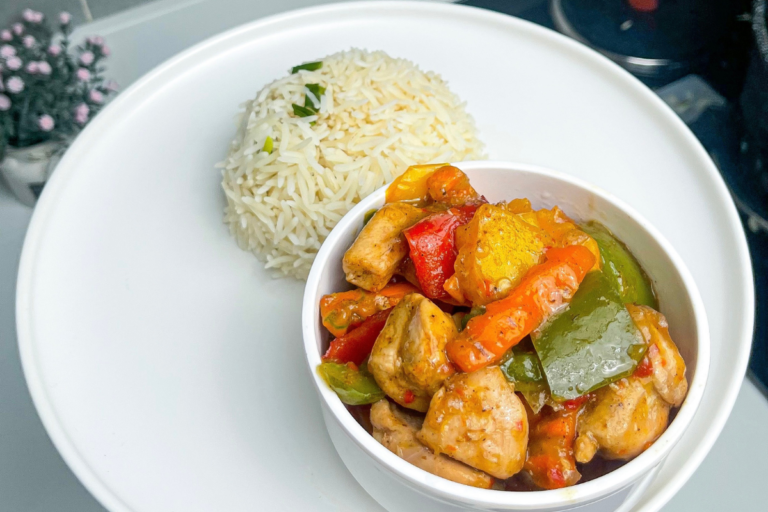
Add the marinated chicken to the hot oil and cook for a few minutes.
Sauté chopped onions until translucent, then add chopped scotch bonnet pepper, carrots, and bell peppers, cooking until slightly tender but still crunchy.
3 medium Diced Carrots, 3 Bell Peppers, Chopped scotch bonnet pepper , 1 medium Chopped onions
Add light soy sauce and Yaji/suya spice to taste, and stir until well combined.
½ teaspoon Light soy sauce, 1 teaspoon Yaji/suya spice
To thicken the sauce, slowly pour in the cornstarch slurry while stirring continuously.
1 cup Corn starch Slurry
Serve the chicken curry sauce hot over steamed rice or with your choice of accompaniments.
Tilapia is a freshwater fish known for its mild flavour and tender, flaky flesh. It comes in various species, but the most commonly found ones have a sleek, silver-coloured body with subtle patterns. One of the things that make Tilapia stand out is its versatility; it can easily adapt to different cooking methods and various seasonings, making it a go-to choice for many dishes.
What Kind of Fish Is Tilapia?
Tilapia belongs to the Cichlidae family and is native to various parts of Africa, including Ghana. Its popularity is attributed to its fast growth rate and mild taste, making it an ideal choice for many dishes, including our oven baked Tilapia.
In Ghana, Tilapia holds a special place in the hearts of the people. Ghanaian cuisine often includes Tilapia in a variety of dishes, and one of the common combinations is with Banku, a traditional fermented cornmeal dish.
Banku and Tilapia Combination
Banku and Tilapia is an awesome match. The combination brings together the best of both – the flavorful, slightly tangy Banku perfectly complements the mild taste of Tilapia, creating a fantastic taste.
There are various ways to enjoy Banku and Tilapia together. One popular one is to serve a portion of Oven Baked Tilapia alongside a serving of Banku.
Can Banku Be Eaten in The Morning?
Banku and Tilapia are commonly enjoyed as a hearty lunch or dinner meal in Ghana. Banku and Tilapia might be a bit too heavy for a morning meal, but, there are no strict rules to these things
Oven Baked Tilapia Recipe
Oven-baked tilapia is a simple and delicious way to prepare this versatile fish, offering a healthy and flavorful meal that can be easily made at home.
Preheat the oven to 400°F (200°C). While the oven is heating, prepare the tilapia fillet by patting them dry to remove any excess moisture.
In a small bowl, mix together the vegetable oil, minced garlic, Sankofa spices, salt, Soy sauce, Portland spice, Chilli powder, Grougd gingerto create a flavorful marinade.
Place the tilapia fillet in a shallow dish and pour the marinade over them, making sure each fillet is coated evenly. Let the fillets marinate for about 10 minutes to allow the flavors to infuse.
Once the oven is preheated and the tilapia has marinated, transfer the fillet into a baking sheet or pan.
Place the baking sheet in the preheated oven and bake the tilapia for approximately 12-15 minutes, depending on the thickness of the fillet. The fish should be opaque and easily flake with a fork when done.
Ready to serve the delicious oven-baked tilapia fish!
Notes
Note: You need to rub some of the spice rub of the fish from time to time when put in the oven to avoid getting dry
You can use any spices you want if you don't like what I used
Kafteji is a popular Tunisian dish that originated in Tunisia, North Africa. It is a delicious and hearty appetizer or street food that is enjoyed by locals and visitors alike. Kafteji is known for its flavorful combination of fried vegetables and meat, typically served with bread.
Some suggestions for Amazon links to “Cast Iron Skillet”.
Kafteji
Laila Yetunde
Delicious Kafteji Recipe and Cooking Instructions.
1 green bell pepper, seeds removed and cut into small cubes
1 onion, finely chopped
2 cloves of garlic, minced
200 grams of ground beef or lamb
2 tablespoons of tomato paste
1 teaspoon of ground cumin
1 teaspoon of paprika
Salt and pepper to taste
Olive oil for frying
Baguette or crusty bread for serving
Instructions
In a large pot, heat some olive oil over medium heat. Add the chopped onion and minced garlic, and sauté until they become translucent.
1 onion, finely chopped, Olive oil for frying, 2 cloves of garlic, minced
Add the ground beef or lamb to the pot and cook until browned, breaking it up with a spoon as it cooks. Stir in the tomato paste, cumin, paprika, salt, and pepper. Cook for a few minutes until the flavors blend together.
200 grams of ground beef or lamb, 2 tablespoons of tomato paste, 1 teaspoon of ground cumin, 1 teaspoon of paprika, Salt and pepper to taste
In a separate deep frying pan or skillet, heat enough olive oil for deep frying. Once the oil is hot, add the potato cubes and fry until they become golden brown and crispy. Remove them from the oil and place them on paper towels to drain excess oil. Repeat this step with the carrot cubes, eggplant cubes, and green pepper cubes separately, frying each vegetable until crispy.
1 small eggplant, 2 medium-sized potatoes, 2 medium-sized carrots, 1 green bell pepper, seeds removed and cut into small cubes
Add the fried potatoes, carrots, eggplant, and green pepper to the pot with the cooked meat. Mix everything together until well combined. Adjust the seasoning if needed.
Let the mixture simmer on low heat for about 10 minutes to allow the flavors to meld together.
Serve the Kafteji hot with slices of baguette or crusty bread.
Baguette or crusty bread for serving
Notes
Note: Kafteji can be customized according to personal preferences. Some variations include adding fried boiled eggs or sliced olives as garnish. Additionally, some recipes call for frying the vegetables in batches, while others prefer baking or grilling them. Feel free to experiment and adapt the recipe to suit your taste. Enjoy!
Nigerian fisherman soup is a simple soup popular in Akwa-Ibom and Cross River states of Nigeria because they are surrounded by rivers winding through their towns and villages. The region is known to have an abundance of seafood. It is called Efere Ndek Iyak in Efik and is indigenous to the people.
Fisherman soup is common in communities; wherever there’s water – be it river, sea, ocean, or lake – you can bet there’s a Fisherman stew or soup associated with it.
It’s not just Nigeria; many cultures of seafarers have developed their own seafood-based stews and soups over time, reflecting the variety of fish they catch and the flavours they love.
Image Credit: Facebook
What Is Fisherman Soup Made Of?
Fisherman soup is prepared in a unique way among the Efik tribe.
They often use yam as the thickener, though cocoyam or other options with mild flavours work just as well. Each thickener adds its unique touch, giving the soup a different taste.
Across different regions of Nigeria, there are variations of fisherman soup, each adding its unique taste to the classic recipe.
Some regions may opt for different types of fish, while others might introduce indigenous vegetables or special spice blends. The regions you can find are south-south (Niger Delta) and eastern Nigeria( a variation of Nsala soup).
I will be sharing the recipe of Akwa Ibom Efere Ndek Iyak.
Major Accompaniment for Nigerian Fisherman Soup
Fufu or pounded yam is best to enjoy your Nigrian fisherman soup.
Suggestions For Best Side Dishes and Accompaniments
Nigerian Fisherman Soup
Nigerian fisherman soup is a simple soup that hails from the Akwa-Ibom and Cross River states of Nigeria. The region is known to have an abundance of seafood. It is called Efere Ndek Iyak in Efik and is indigenous to the people.
Clean and wash the fresh fish (you can use tilapia, catfish, or any other firm-fleshed fish) and seafood (shrimp, prawns)
2 kg Fresh fish
In a large pot, boil water with fish, stockfish, snails, dryfish. Add onions, pepper, ground uziza seed, ground crayfish, season and allow to simmer for 20-30 minutes
Let’s explore the richness of the delicious African vegetables(leafy green). Vegetables are often side dishes, but they are very essential part of African dishes; they provide vitamin A&C which cannot be underestimated in our health. African cuisine offers a fascinating array of leafy green vegetable dishes, each with its unique identity, taste, and name. These vegetables are often cooked in the form of stew or soup.
African vegetables are rooted in centuries of tradition nourished by the diverse regions; these vegetables are cultivated and cherished for generations and hold both nutritional and cultural significance. Vegetables in African cuisine go beyond mere ingredients; they symbolize sustenance and community.
I will be sharing with you 8 most common African vegetable dishes you can easily explore. You will see African indigenous vegetables’ essence, significance, and regional variations from hearty stews to mouth-watering soups.
Most Common African Vegetable Dishes
Spinach Stew (Efo riro)
Collard Greens (Sukuma Wiki)
Jute Leaves Soup (Ewedu soup)
Waterleaf Soup
Pumpkin Leaves Stew (Ugu stew)
Bitter Leaf Soup (Ofe Onugbu)
Rosewood leaf (Oha Soup)
Sorrel leaf (Yakwa)
Spinach Stew (Efo Riro)
Efo Riro
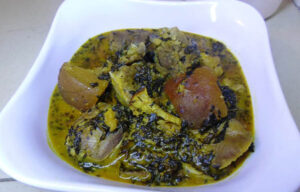
Spinach stew is one of the West African vegetables. It is common in Nigeria and is called Efo riro by the Yoruba tribe in the region, Although it is also eaten in Ghana and Cameroun. The recipes are similar, with few cultural differences.The literal meaning of “Efo riro” is stirred leafy vegetables. This means the leafy vegetable is stirred with different spices and condiments. Two major vegetables are used for this, “Efo shoko or Efo tete” by the Yoruba people.
With its green leaves and tender texture, spinach is one of the easy meals to prepare. It is prepared with pepper sauce loaded with meat, crayfish, dry fish, and other meat or fish of choice. These would surely leave you salivating; you be tempted to eat more.
One major condiment used in making the stew is locust beans called iru among the Yorubas in Nigeria. This gives the stew a special taste and aromatic smell, though it has a distinct smell that makes some people avoid it is optional but advisable you use it; once it’s in the stew, you do not perceive the smell.
Beyond the star ingredient, spinach, this stew typically boasts a delightful blend of flavours and textures.
A dark green leaves with a slightly bitter yet satisfying taste – that’s collard greens for you! These leafy delights belong to the Brassica family, known for their nutritional value and versatility in culinary creations.
Collard greens have their roots in the Mediterranean region, where they have been cultivated for centuries. However, they truly found their home and fame in Africa’s heart, making it one of African vegetables. In East Africa, specifically Kenya and Tanzania, they are affectionately called “Sukuma Wiki,” which translates to “pushing the week” or “stretching the week.” This name reflects their practicality, as they were once considered an affordable and nutritious staple that could help families make their meals last throughout the week.
Across the African continent, collard greens go by various names in different languages and regions. In Nigeria, they are known as “soko,” while in Ethiopia, they are called “gomen.” Despite the diverse names, the love for these greens is a shared sentiment across borders.
Kenya takes the crown to enjoy collard greens to the fullest! Sukuma Wiki offers an affordable and nutritious solution to many households. Whether served with a side of ugali, rice, or chapati, Sukuma Wiki is a dish that delights the taste buds.
Click here to see the step-by-step recipe for Sukuma Wiki.
Jute Leaves (Ewedu Soup)
Picture this: delicate, slender green-coloured leaves with a slightly slippery texture – that’s Jute Leaves for you! Also known as “Ewedu” in Nigeria and “Mulukhiyah” in Egypt.
Jute Leaves African vegetables can be traced back to ancient Egypt, where they were first cultivated for their nutritional and medicinal properties. When it comes to cherishing Jute Leaves, Nigeria takes the crown.
“Ewedu Soup” is a thick soup usually eaten with soup or stew, depending on preference. It is served alongside beans stew(begin) and beef stew or fish stew. It has rarely been eaten, but it’s best for weaning toddlers because of its slippery texture and easy digestion.
Whether served as a side dish with amala, fufu, or pounded yam, “Ewedu Soup” remains a staple in Nigerian households.
Click here to see the step-by-step recipe for Ewedu Soup.
Waterleaf Soup
Waterleaf is often an accomplice with other vegetables. It is used as a softener; as the name implies, it contains a large amount of water. It’s one of the leafy succulent African vegetables that grow abundantly in tropical regions.
When it comes to savouring Waterleaf Soup, Nigeria undoubtedly takes the lead! It is eaten in every region of the country and loved by people from all walks of life. It is consumed mainly because of its softness and nutritional value. It aids digestion and helps the bowels easily.
Beyond Nigeria, Waterleaf Soup is also a favourite in many other West African countries, where it goes by different names depending on the region. In Ghana, it is known as “Ayoyo Soup,” and in Sierra Leone, it is called “Kren-kre” or “Fufu Soup.”
Pumpkin Leaves Stew (Ugu)
Image Credit : Dream Africa
Pumpkin Leaves Stew has its roots in Africa, where it has been a beloved part of traditional cooking for centuries. Known as “Ugu Soup” in Nigeria and “Foilan’ny menakely” in Madagascar, In Nigeria, “Ugu Soup” is a household favourite, prepared with the leaves of the fluted pumpkin plant. The leaves boast a unique taste, with a slight bitterness that adds depth to the stew.
Beyond Nigeria, Pumpkin Leaves Stew has made its mark in various corners of the world. In Madagascar, “Foilan’ny menakely” is cherished as a delicious and comforting soup, often combined with other local ingredients to create a delicious meal.
In Nigeria, Pumpkin Leaves Stew is often enjoyed as a nutritious and comforting meal prepared with a lot of protein, like smoked fish, meat, or spiced chicken. Ugu Soup” is more than just food; it can also be blended as smoothies with evaporated milk and honey, which is very nutritional and helps the immune system. One fantastic thing about this leaf is that it helps to slow down ageing and glows the skin.
Click here to see the step-by-step recipe for Pumpkin leave stew.
Bitter Leaf Soup (Ofe Onugbu)
bitterleaf soup (ofe onugbu)
Bitter Leaf Soup is a bold dish from Africa’s heart. From its origins to its traditional names. It’s a rich soup with a distinctive bitter taste. Bitter leaf soup is a dish popular in West African cuisine, typical among the Igbos in Nigeria.
Different names across the African continent know Bitter Leaf Soup. In Nigeria, it is often called “Ofe Onugbu” in the Igbo language and “Miyan Shuwaka” in Northern Nigeria, where it is enjoyed with a local twist. In Cameroon, it is called “Eru,” and in Ghana, it goes by “Akwete” or “Bitter Leaf Stew.” Despite the diverse names, one thing is sure – the taste is almost the same; there’s slightly any difference.
In traditional African medicine, bitter leaf is believed to have medicinal properties, used to treat malaria, lower blood pressure, and treat gut and abdominal issues. The soup gets its unique bitterness from the leaves of the bitter leaf plant. It’s commonly eaten with fufu or pounded yam—a very delightful African vegetable.
You can easily get bitter leaves in the African market or even the ones grown around; if you can’t, you would be sure the frozen ones are sold in supermarkets.
Click here to see the step-by-step recipe to prepare Bitter leaf soup.
Rosewood leaves (Oha Soup)
image from: Pinterest.com
Rosewood Leaves a flavorful and nutritious African vegetable; the culinary gem hails from the tropics, where it has been a cherished part of traditional cooking for ages.
Rosewood Leaf originates from the tropical rainforests of West Africa, where it is abundantly found. In Nigeria, especially among the Igbo people, it is known as “Oha Soup” or “Ofe Ora,” and in some regions, it is also called “Ora Soup.”
Beyond Nigeria, Rosewood Leaf has also found its way into the culinary traditions of other African countries, such as Cameroon and parts of Ghana. Each region may have its own unique name and preparation techniques.
Oha Soup is not just a meal; In Igbo culture, the soup is often associated with abundance, hospitality, and a sense of identity. Beyond its cultural significance, Oha Soup also holds nutritional value, as the Rosewood Leaves are rich in vitamins and minerals. The leaves are believed to have various health benefits, including antioxidant properties and potential immunity-boosting effects.
Click here to see the step-by-step recipe to prepare Oha soup.
Sorrel leaf (Yakwa)
Sorrel Leaf is an exceptional African vegetable, also known as Yakwa in Northern Nigeria – a tangy and vibrant green delight.
Sorrel Leaf belongs to the Hibiscus family and is scientifically known as “Hibiscus sabdariffa.” The leaves are characterized by their unique tartness, making them a fantastic addition to various dishes. Sorrel Leaf is delicious and packed with essential vitamins and minerals, adding a dose of goodness to every meal it graces.
In some African regions, especially in Nigeria, Sorrel Leaf is known as “Yakwa” or “Zobo Leaves.” “Zobo” is commonly used in Nigeria to refer to the refreshing drink made from Sorrel Leaves, while “Yakwa” is a traditional name in certain communities.
Zobo, the popular drink made from Sorrel Leaves, is a staple during social gatherings, celebrations, and special occasions. It is a refreshing and delicious beverage that brings joy and coolness in the tropical heat.
Beyond its use in drinks, Sorrel Leaf is also incorporated into various dishes, adding a delightful tanginess to stews, soups, and salads.
Ready to embark on a delicious adventure of African vegetables, go ahead and try out these 8 most common African vegetable dishes, you sure would love it.
Gullisuwa is a popular snack from northern Nigeria, particularly in the Hausa ethnic group. It is a deep-fried pastry made from a combination of wheat flour and ground peanuts (also known as groundnut). The Delicious Treat is often enjoyed as a delicious and filling treat, especially during festive occasions, weddings, or as street food.
Gullisuwa
History of Gullisuwa
The exact origin of Gullisuwa is uncertain, but it has been a cherished snack in Northern Nigeria for many generations. It is deeply rooted in the culinary traditions of the Hausa people, who are known for their diverse and flavorful cuisine. The Tasty Goodness is believed to have been influenced by Arab and Middle Eastern culinary traditions, as the Hausa region has a history of trade and cultural exchange with those regions.
Variations of Gullisuwa
While the basic recipe for Gullisuwa consists of wheat flour and ground peanuts, there are several variations and additions you can make to customize the snack according to your taste preferences. Here are a few variations you can try:
Spicy: Add spices such as red chili powder, cayenne pepper, or crushed black pepper to the dough mixture to give the snack a spicy kick.
Sweet: Increase the amount of sugar in the dough mixture or sprinkle powdered sugar on top of the fried Gullisuwa to create a sweeter version.
Nutty: Apart from ground peanuts, you can add other nuts such as chopped almonds, cashews, or pistachios to the dough for added crunch and flavor.
Coconut: Incorporate desiccated coconut into the dough mixture to give the snack a tropical twist. You can also roll the dough in shredded coconut before frying.
Flavored: Enhance the taste by adding a touch of flavorings such as vanilla extract, almond extract, or cardamom powder to the dough mixture.
Stuffed: Make the snack more exciting by adding a filling. Common fillings include a mixture of ground peanuts and sugar, chocolate chips, or sweetened condensed milk.
Savory: If you prefer a savory version, you can add herbs and spices like garlic powder, onion powder, or dried herbs like oregano or thyme to the dough. You can also stuff the Gullisuwa with savory fillings like spiced ground meat or vegetables.
Suggestions for best recipe books for”Gullisuwa“.
Remember to adjust the quantities of the additional ingredients based on your taste preferences while ensuring the dough consistency is maintained. These variations allow you to explore different flavors and create the treat that suits your liking.
Health Benefits
Gullisuwa contains a combination of wheat flour and ground peanuts, which provide some nutritional benefits. Peanuts are a good source of protein, healthy fats, fiber, vitamins (such as niacin and folate), and minerals (such as magnesium and phosphorus). They are also rich in antioxidants. However, it’s worth noting that Gullisuwa is a deep-fried snack and should be enjoyed in moderation as part of a balanced diet. Excessive consumption of deep-fried foods may lead to weight gain and other health issues.
In a mixing bowl, combine the wheat flour, ground peanuts, baking powder, salt, and sugar (if using).
2 cups wheat, 1 cup ground peanuts (roasted and finely ground), 1 teaspoon baking powder, 1/4 teaspoon salt, 1/4 cup sugar (optional, for a sweeter version)
Gradually add water to the dry ingredients and mix well until a firm dough is formed. The dough should be pliable and not too sticky. Adjust the water quantity as needed.
Water (as needed)
Divide the dough into small portions and roll them into thin circles or squares, about 1/8 inch thick.
Heat vegetable oil in a deep pan or fryer to about 350°F (175°C).
Vegetable oil (for deep frying)
Carefully slide the rolled dough into the hot oil and fry until golden brown and crispy on both sides. Flip them occasionally to ensure even cooking.
Remove the fried Gullisuwa from the oil and place them on paper towels to drain excess oil.
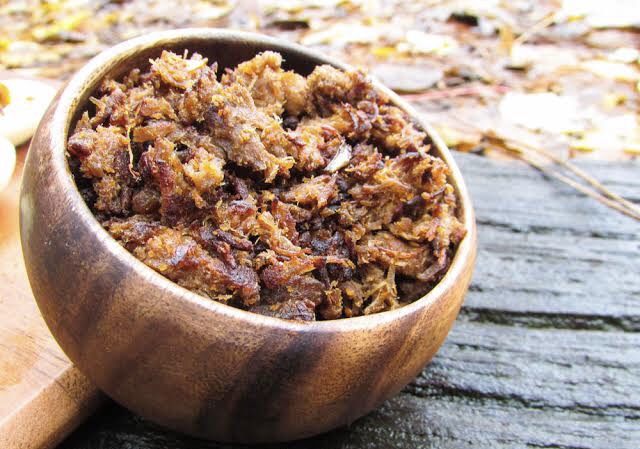
Dambu nama, also known as “Dambun nama” or “Nama dambu,” is a traditional Nigerian snack made from dried beef. It is popular among the Hausa and Fulani ethnic groups in Northern Nigeria. The delicacy is often enjoyed as a flavorful and protein-rich snack.
Dambu nama
History of Dambu Nama
Dambu nama has a long history and is believed to have originated among the Hausa people in Nigeria. It was traditionally prepared as a way to preserve meat during the dry season when fresh meat was scarce. The process of making this meal involves drying strips of beef in the sun, then pounding or shredding them into fine, thin shreds. Over time, various spices and flavors were added to enhance the taste of the dried meat.
Health Benefits
Dambu nama offers several potential health benefits due to its high protein content. Here are some of its potential benefits:
Protein Source: It is a concentrated source of protein, which is essential for various bodily functions. Protein helps build and repair tissues, supports muscle growth, and contributes to the production of enzymes and hormones.
Nutrient Dense: It retains many of the essential nutrients found in beef, such as iron, zinc, vitamin B12, and various other vitamins and minerals.
Satiety:Due to its high protein content, dambu nama can help promote feelings of fullness and satiety, which may aid in weight management and prevent overeating.
It’s worth noting that this northern Nigerian delicacy is a dried and fried product, which means it can be high in sodium and unhealthy fats if consumed in excess. Therefore, it’s best enjoyed in moderation as part of a balanced diet.
Please keep in mind that while the information provided here is based on research and general knowledge, it’s always a good idea to consult with a healthcare professional or nutritionist for personalized advice regarding your specific dietary needs and health conditions.
Start by washing the beef thoroughly to remove any dirt or impurities.
Cut the beef into thin, long strips. You can remove any excess fat if desired.
Season the beef strips with salt, chili powder, garlic powder, and onion powder. You can adjust the amount of seasoning according to your taste preferences.
Place the seasoned beef strips on a drying rack or hang them in a well-ventilated area. Allow them to dry for several hours or until they become dry and crispy. This drying process can take a day or two, depending on the weather conditions.
Once the beef strips are completely dried, heat some vegetable oil in a frying pan or deep fryer.
Fry the dried beef strips in the hot oil until they become golden brown and crispy. Make sure to fry them in small batches to ensure even cooking.
Remove the fried beef strips from the oil and place them on a paper towel to drain any excess oil.
Allow the dambu nama to cool down completely before serving.