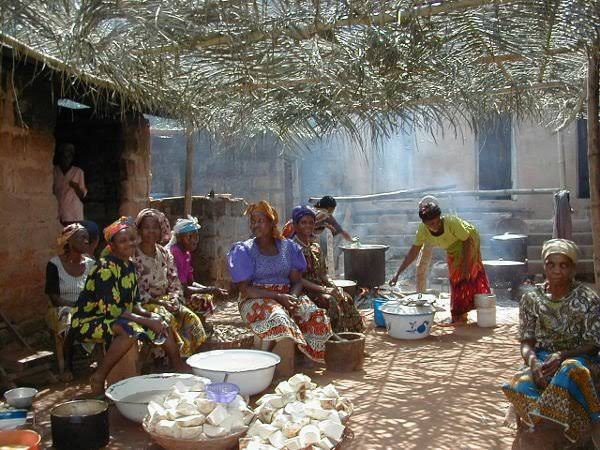
Kenkey is a popular Ghanaian street food that has a long history and is enjoyed by many people in Ghana and beyond. It is a traditional staple food made from fermented corn dough and is commonly eaten with various sauces and side dishes.
Kenkey
History of Kenkey
The origins can be traced back to the Ga people of Ghana, who are one of the major ethnic groups in the country. The Ghanaian people have been preparing and enjoying this meal for centuries, and it has become an integral part of their culinary culture. Over time, it has gained popularity across Ghana and is now enjoyed by people from different ethnic backgrounds.
Health Benefits of Kenkey
Kenkey, a popular Ghanaian street food, offers several health benefits due to its primary ingredient, cornmeal. Here are some of the health benefits associated with consuming Kenkey:
Rich in Carbohydrates: This treat is primarily made from cornmeal, which is a good source of complex carbohydrates. Carbohydrates provide the body with energy and are essential for brain function and physical activity.
Good Source of Fiber: Cornmeal used in Kenkey contains dietary fiber, which aids in digestion and helps maintain a healthy digestive system. Fiber also promotes satiety, making you feel fuller for longer and potentially assisting with weight management.
Provides Essential Vitamins and Minerals: It contains various vitamins and minerals derived from cornmeal. It is a good source of thiamin (vitamin B1), which is essential for converting carbohydrates into energy. Additionally, cornmeal provides minerals such as magnesium, phosphorus, and zinc, which are important for bone health, energy production, and immune function.
Fermentation Benefits: The fermentation process involved in making Kenkey offers additional health benefits. Fermentation enhances the nutritional value of the cornmeal by increasing its bioavailability, making it easier for the body to absorb nutrients. Fermentation also produces beneficial bacteria that contribute to a healthy gut microbiome, promoting overall digestive health.
Gluten-Free Option: The tasty treat is naturally gluten-free since it is made from cornmeal. This makes it a suitable option for individuals with gluten sensitivity or celiac disease, who need to avoid gluten-containing grains like wheat, barley, and rye.
Versatility in Nutritional Pairings: It is often served with various sauces and side dishes that can further enhance its nutritional profile. Common accompaniments include fish, which is a good source of protein and omega-3 fatty acids, as well as plantains, which provide additional vitamins and minerals.
It’s important to note that while Kenkey can offer health benefits, its overall nutritional value can vary depending on the cooking method, portion size, and the accompanying dishes. As with any food, moderation and balance are key to maintaining a healthy diet.
Sauce or side dish of your choice (e.g., grilled fish, fried fish, fried plantains, pepper sauce)
Instructions
In a large bowl, mix the white cornmeal, corn dough, and salt together.
Gradually add water to the mixture while stirring. The consistency should be thick but pourable. Continue to add water until you achieve the desired consistency.
Cover the bowl and allow the mixture to ferment for 1 to 3 days. During fermentation, the mixture will develop a slightly sour taste and a distinct aroma.
After fermentation, prepare the wrapping for the Kenkey. If you have banana leaves or corn husks, cut them into rectangular pieces and wash them thoroughly.
Take a portion of the fermented corn dough and place it in the center of a piece of the prepared wrapping. Fold the wrapping over the dough, forming a tight bundle.
Repeat the process with the remaining corn dough until you have used it all.
In a large pot, bring water to a boil. Carefully place the wrapped Kenkey bundles into the boiling water.
Reduce the heat to low, cover the pot, and allow the Kenkey to steam for about 2 to 3 hours. The Kenkey is done when it becomes firm and easily separates from the wrapping.
Once cooked, remove the Kenkey from the pot and allow it to cool slightly before unwrapping.
Serve the Kenkey hot with your choice of sauce or side dish. Grilled fish, fried fish, fried plantains, or pepper sauce are common accompaniments to Kenkey.
Notes
Kenkey is typically enjoyed by tearing off small pieces with your fingers and using them to scoop up the sauce or side dish. It has a unique flavor and texture that many people find delicious.Remember, this is a basic recipe, and variations of Kenkey exist across different regions and households in Ghana. The cooking time and fermentation period can vary depending on the desired taste and texture.
Hausa Masa, also known as Masa or Waina, is a traditional Nigerian dish that is popular among the Hausa people of Northern Nigeria. It is a type of rice pancake that is made from fermented rice batter.
Masa is often served as a breakfast or snack food and is enjoyed with various toppings and accompaniments.
Masa-photo credit Shutterstock
Origin of Hausa Masa
Hausa Masa, also known as Masa or Waina, is a traditional dish that originates from the Hausa people, who are predominantly found in Northern Nigeria.
The Hausa people are one of the largest ethnic groups in Africa, and their cuisine is influenced by their cultural practices, history, and geographical location.
Masa has been a part of the Hausa culinary tradition for centuries. It is believed to have originated within the Hausa community and has been passed down through generations.
The dish is closely associated with the Hausa people and is an integral part of their food culture.
Masa is traditionally prepared during special occasions, festivals, and family gatherings. It has become a popular street food and is also served in local markets, restaurants, and households throughout Northern Nigeria.
Over time, this delicacy has gained recognition beyond Nigeria and is appreciated by people from different cultural backgrounds. It showcases the rich culinary heritage of the Hausa people and has become a beloved dish enjoyed by many.
Here’s a recipe for making Hausa Masa:
Hausa Masa
Laila Yetunde
Hausa Masa is a popular Nigerian dish made from fermented rice batter. It is a type of rice pancake or dumpling that is commonly eaten for breakfast or as a snack. Here's a recipe for making Hausa Masa
Rinse the rice thoroughly and soak it in water for about 4-6 hours or overnight.
2 cups of rice
Drain the soaked rice and transfer it to a blender or food processor. Add the cooked rice and blend until you have a smooth batter. You may need to add a little water to achieve the desired consistency.
1 cup of cooked rice (for fermentation)
Transfer the batter into a bowl and cover it with a clean cloth or plastic wrap. Allow it to ferment for at least 8-10 hours or overnight. Fermentation time may vary depending on the temperature.
After fermentation, you will notice that the batter has risen and has a slightly sour smell.
In a small bowl, dissolve the yeast and sugar in a little water and let it sit for about 5 minutes until it becomes frothy.
1 teaspoon of yeast, 1 teaspoon of sugar
Add the yeast mixture, salt, and a little water to the fermented rice batter. Stir well to combine.
1/2 teaspoon of salt, Water (as needed)
Heat a non-stick frying pan or a traditional masa pan (tawah) over medium heat. Grease the pan with a little vegetable oil.
Vegetable oil (for frying)
Pour a ladleful of the batter onto the hot pan, spreading it in a circular motion to form a thin pancake-like shape. You can make them as small or as large as you prefer.
Cook the masa on one side until it turns golden brown. You will notice tiny holes forming on the surface.
Flip the masa to the other side and cook for an additional minute or until golden brown.
Remove the cooked masa from the pan and repeat the process with the remaining batter, adding more oil to the pan as needed.
Serve the Hausa Masa warm with a side of honey, peanut butter, or any other topping of your choice.
Notes
Masa-photo credit ShutterstockHausa Masa is best enjoyed fresh and warm. It can be served as a standalone snack or paired with porridge, tea, or any other breakfast accompaniment. Enjoy!
The evolution of kitchen tips and hacks in Nigeria has undergone significant changes over the years, influenced by various factors such as technological advancements, cultural shifts, and global influences. Here are some notable aspects of the evolution of kitchen tips and hacks in Nigeria:
Traditional Methods: In the past, Nigerian kitchens heavily relied on traditional cooking methods, such as using firewood or charcoal stoves for cooking. Kitchen tips and hacks focused on techniques for managing firewood or charcoal efficiently, including tips for building and maintaining a proper fire, controlling heat, and preserving the flavor of dishes cooked over an open flame.
Traditional Kitchen
Modern Appliances: With the advent of electricity and increasing urbanization, modern kitchen appliances gradually entered Nigerian households. This shift brought about new kitchen tips and hacks related to the use of electric or gas stoves, ovens, microwave ovens, blenders, and other appliances. Nigerians learned to adapt traditional recipes to these appliances and discovered new cooking techniques.
Modern Kitchen Appliances – Photo Credit: africa-studio.com
Access to Ingredients: As Nigeria became more interconnected globally, access to a wider variety of ingredients increased. This led to the emergence of new kitchen tips related to sourcing, storing, and preserving ingredients. Nigerians learned how to select fresh produce, store perishables properly, and make the most of seasonal ingredients.
Health and Nutrition: In recent years, there has been a growing awareness of health and nutrition in Nigeria, leading to a shift in kitchen tips and hacks. People are more conscious of using healthier cooking oils, reducing salt and sugar intake, incorporating more vegetables and fruits, and exploring alternative cooking methods to retain nutrients.
Fusion and International Influences: The fusion of Nigerian cuisine with international flavors has gained popularity. As a result, kitchen tips and hacks now encompass techniques for combining Nigerian ingredients and flavors with foreign cuisines, such as incorporating Indian spices into Nigerian dishes or experimenting with Mediterranean cooking techniques
Online Resources and Social Media: The rise of the internet and social media platforms has revolutionized the way Nigerians access and share kitchen tips. Online recipe websites, food blogs, and cooking videos have become popular sources of inspiration and guidance. Nigerians now have easy access to a vast range of kitchen tips and hacks from traditional Nigerian recipes to international culinary trends.
Sustainable Practices: With increased awareness of environmental issues, there is a growing emphasis on sustainable practices in Nigerian kitchens. Tips now include reducing food waste, composting, using eco-friendly cooking utensils, and adopting energy-saving cooking methods.
Convenience and Time-Saving Tips and hacks: As lifestyles become busier, kitchen tips that focus on convenience and time-saving techniques have become valuable. Nigerians seek tips for quick meal preparation, batch cooking, meal planning, and utilizing kitchen gadgets that simplify cooking processes.
Kitchen Confidence
Overall, the evolution of kitchen tips and hacks in Nigeria reflects a combination of cultural traditions, global influences, technological advancements, health consciousness, and sustainability concerns. Nigerians continue to embrace new ideas and adapt their cooking practices to meet evolving needs and preferences.
In this article, I will share with you 50 Tips and Hacks you will benefit from, in your Nigerian kitchen, and here they are:
Keep your kitchen clean and organized to create a conducive cooking environment.
Invest in good-quality pots, pans, and utensils that are suitable for Nigerian cuisine.
Use fresh ingredients whenever possible for the best flavors.
Wash and soak beans and lentils overnight to reduce cooking time.
Use a pressure cooker to speed up the cooking process for tough meats and beans.
Keep a variety of spices and seasonings on hand, such as curry powder, thyme, garlic, ginger, and crayfish.
Store spices in a cool, dark place to preserve their flavors.
Make your own spice blends, like suya spice or yaji, for added authenticity.
Use palm oil or vegetable oil as your cooking oil of choice.
Stock up on staple ingredients like rice, yam, plantain, and cassava flour.
Use local Nigerian ingredients like ogbono, egusi, and ugu leaves to create traditional dishes.
Explore different cooking methods like frying, grilling, steaming, and boiling to vary your dishes.
Prepare homemade stock by boiling meat or chicken bones with vegetables and spices for added flavor in soups and stews.
Use a mortar and pestle to grind fresh spices and herbs for richer flavors.
Blanch tomatoes before blending them to remove the skin for smoother sauces and stews.
Roast or grill peppers for a smoky flavor in dishes like ayamase or jollof rice.
Invest in a good blender or food processor for smooth sauces and pastes.
Use fresh herbs like scent leaves, basil, and parsley to enhance the aroma and taste of your dishes.
Try using coconut milk as a creamy alternative in soups and stews.
Incorporate local vegetables like pumpkin leaves, bitter leaf, and waterleaf in your meals for added nutritional value.
Cook vegetables for a shorter time to retain their vibrant colors and nutrients.
Use iru (locust beans) or ogiri to add a unique flavor to soups and stews.
Don’t forget to season your food with salt, but taste as you go to avoid oversalting.
Marinate meats in a mixture of spices, oil, and lemon or lime juice for added tenderness and flavor.
Preheat your oven before baking to ensure even cooking.
Learn how to make traditional Nigerian snacks like puff puff, chin chin, or buns for a tasty treat.
Invest in a good-quality blender for making smoothies with fruits like pineapple, watermelon, and mango.
Preserve fresh fruits and vegetables by refrigerating or freezing them in air-tight containers.
Make your own fruit juices by blending or squeezing fresh fruits and diluting with water.
Reduce food waste by repurposing leftovers into new meals or freezing them for later use.
Keep a well-stocked pantry with canned goods like tomatoes, beans, and fish for convenience.
Use traditional cooking methods like clay pots or aluminum pots for specific dishes like moin moin or ekuru.
Make your own homemade yogurt for a healthy snack or addition to dishes.
Cook starchy staples like yam or potatoes in their skins to retain their nutrients.
Experiment with different Nigerian soup bases like egusi, ogbono, or ewedu.
Try your hand at making Nigerian snacks like suya or kilishi for an authentic culinary experience.
Learn how to make traditional Nigerian drinks like zobo or kunu for a refreshing beverage.
Invest in a good-quality knife set for efficient and safe food preparation.
Use citrus fruits like lemon or lime to add a tangy flavor to dishes and balance out rich flavors.
Explore Nigerian street food recipes like akara, roasted plantain, or roasted corn for a taste of the local cuisine.
Preserve fresh peppers by blending them with a little oil and freezing in ice cube trays for easy portioning.
Learn how to make your own Nigerian-style bread or rolls for homemade sandwiches.
Add a splash of vinegar or lemon juice to palm oil before cooking to reduce its strong taste.
Keep a variety of dried fish and smoked meats on hand for added depth of flavor in soups and stews.
Incorporate Nigerian spices like uziza, scent leaf, and Cameroon pepper for an authentic taste.
Make your own homemade stock cubes by boiling meat or vegetable broth until concentrated and freezing in ice cube trays.
Try fermenting vegetables like cabbage or carrots for a tangy and probiotic-rich side dish.
Opt for healthier cooking methods like steaming or grilling instead of deep frying.
Keep a well-stocked spice rack with essentials like nutmeg, cloves, cinnamon, and bay leaves for versatility.
Finally, always cook with love and passion to truly enjoy the art of Nigerian cuisine!
These tips and hacks should help you navigate the Nigerian kitchen and create delicious and authentic meals. Enjoy cooking!
Benefits of Kitchen Tips and Hacks
Kitchen tips and hacks offer a range of benefits that can enhance the cooking experience and improve the quality of meals prepared. Here are some key benefits of kitchen tips:
Improved Cooking Skills: Kitchen tips and hacks provide valuable insights and techniques that can help individuals enhance their culinary skills. Learning new tips and tricks can empower individuals to experiment with different flavors, textures, and cooking methods, resulting in more delicious and well-prepared meals.
Time and Efficiency: Kitchen tips and hacks often focus on time-saving techniques and efficient practices. These tips can help individuals streamline their cooking process, minimize prep time, and make the most of their kitchen resources. By learning effective strategies, individuals can save time and energy in the kitchen while still producing great-tasting dishes.
Resource Management: Kitchen tips and hacks can assist in optimizing the use of ingredients and reducing food waste. Tips on proper food storage, portion control, and creative recipe ideas for leftovers can help individuals make the most of their groceries and reduce unnecessary waste. This not only saves money but also contributes to sustainable practices.
Health and Nutrition: Many kitchen tips revolve around health-conscious cooking practices. Tips on using healthier ingredients, reducing the consumption of unhealthy additives, and incorporating more nutritious elements into meals can positively impact overall health and well-being. By following these tips, individuals can make healthier food choices and adopt better eating habits.
Cost-Effective Cooking: Kitchen tips and hacks often include budget-friendly strategies for meal preparation. Tips on meal planning, shopping smartly, and utilizing pantry staples can help individuals save money on groceries and minimize unnecessary expenses. These tips enable individuals to create delicious and satisfying meals without breaking the bank.
Culinary Creativity: Kitchen tips encourage individuals to explore new flavors, experiment with ingredients, and think outside the box. By providing suggestions for ingredient substitutions, flavor combinations, and cooking techniques, these tips foster culinary creativity and inspire individuals to create unique and personalized dishes.
Access to Diverse Cuisines: Kitchen tips can expose individuals to a wide range of cuisines from different cultures and regions. By learning tips specific to various cuisines, individuals can broaden their culinary horizons and enjoy the flavors and techniques associated with different cultural traditions.
Confidence in the Kitchen: Learning and implementing kitchen tips can boost confidence in the kitchen. As individuals acquire knowledge and improve their cooking skills, they become more self-assured when preparing meals. This increased confidence can translate into a more enjoyable cooking experience and greater satisfaction with the final results.
In summary, kitchen tips and hacks offer a multitude of benefits, including improved cooking skills, time and efficiency savings, resource management, enhanced health and nutrition, cost-effective cooking, culinary creativity, exposure to diverse cuisines, and increased confidence in the kitchen. By incorporating these tips into their cooking routine, individuals can elevate their culinary experience and enjoy the many advantages that come with it.
Let me take you on a mouthwatering journey to South Africa, where we’ll explore the delightful world of Lamb Bredie, a traditional South African lamb stew. Lamb bredie is another name for a lamb stew. Picture this: tender chunks of succulent lamb simmering in a pot with aromatic spices and vegetables.
While stews are cooked in a large amount of stock, a bredie uses hardly any stock and relies on the vegetables to form the liquid component of the dish.
Key ingredients like tomatoes, onions, and aromatic spices such as cloves, garlic, and cinnamon infuse the stew with a distinctly South African flair.
It’s a dish that brings people together, symbolizing warmth, hospitality, and the joy of sharing a delicious meal with loved ones. So, get ready to savour every spoonful of lamb bredie, which is simply packed with lamb meat and vegetables.
What Lamb Meat is Best for Stews
Selecting the right lamb meat cut is important to achieve the desired taste. It’s important you prioritize tenderness when making a Lamb Bredie, as this South African stew requires meat that falls apart easily.
In this case, the shoulder or rib is an ideal option due to its tenderness and ability to hold up well during long cooking times.
For those who prefer a leaner stew, the leg of lamb can also be used, provided it is cooked for a sufficient amount of time to make sure it’s tender. Ultimately, the best lamb cuts for stews depend on personal preference. Experimenting with different cuts could give your perfect choice.
What’s the Difference Between Stew and Bredie?
Stews and Bredies are both great dishes, but they have distinct differences. Stew is a slow-cooked dish with meat, vegetables, or pepper with a thick liquid base. It offers a well-rounded taste from ingredients like potatoes, carrots, and herbs. But bredie is a South African stew focused on lamb.
It is slow-cooked until the lamb becomes tender and easily falls apart. Bredies featured ingredients from tomatoes, onions, and aromatic spices, giving it a unique taste. While both dishes share slow cooking, the key distinction lies in the choice of meat and the specific recipe.
Why is My Lamb Stew Tough?
If your lamb stew turns out tough, these are a few common reasons behind it;
Using the wrong cut of lamb
Insufficient cooking time
Not enough liquid or flavour
To prevent toughness in Lamb Bredie, go for tender parts like lamb shoulder or ribs and marinate the meat before the cooking day. Simmering the stew over low heat and making sure there’s enough liquid, such as broth or wine, will also help maintain tenderness.
Enjoy the rich South African lamb bredie stew dish with family and friends!
South African lamb bredie (Lamb Stew)
Lamb bredie is the south African name for lamb stew. While stews are cooked in a large amount of stock, a bredie uses hardly any stock and relies on the vegetables to form the liquid component of the dish.
The history and origin of tigernut drink, also known as horchata de chufa, can be traced back to ancient times. Tigernuts, the main ingredient in this beverage, have a long history dating back to ancient Egypt.
They were cultivated along the Nile River and were highly regarded for their nutritional and medicinal properties.
Tigernut – Photo Credit
Tigernuts are not actually nuts but small tubers produced by a plant called Cyperus esculentus.
They have been consumed for thousands of years and were even found in the tombs of Egyptian pharaohs, highlighting their significance in ancient cultures.
The cultivation of tigernuts spread throughout the Mediterranean region, including North Africa and Spain.
The Moors introduced tigernuts to the Iberian Peninsula during their occupation, and it was in Spain where the tradition of making horchata de chufa flourished.
In Spain, particularly in the region of Valencia, horchata de chufa became a popular beverage.
The drink was made by soaking tigernuts, grinding them, and then mixing the resulting paste with water, sweeteners, and flavorings.
It gained popularity as a refreshing and nutritious alternative to cow’s milk, especially during the hot summer months.
Over time, the popularity of horchata de chufa spread to other countries and regions, including Latin America and the United States.
It is now enjoyed in various parts of the world, often with regional variations in ingredients and preparation methods.
Today, tigernut drink is known for its natural sweetness, creamy texture, and nutty flavor.
It is also recognized for its health benefits, as tigernuts are rich in fiber, healthy fats, vitamins, and minerals.
Tigernut Drink
The history and origin of tigernut drink showcase its cultural significance and enduring popularity.
From its ancient roots in Egypt to its widespread consumption in different parts of the world, this delightful beverage continues to be cherished for its unique taste and nutritional value.
Health Benefits of Tigernut Drink
Tigernut drink, also known as horchata de chufa, offers several health benefits due to its nutritious ingredients. Here are some of the potential health benefits associated with consuming tigernut drink:
High in Fiber: Tigernuts are an excellent source of dietary fiber, which plays a crucial role in promoting healthy digestion and preventing constipation. Adequate fiber intake can also help regulate blood sugar levels and support weight management.
Nutrient-Rich: Tigernuts are packed with essential nutrients, including vitamins E and C, minerals such as potassium, phosphorus, and magnesium, and healthy fats.
These nutrients contribute to overall well-being, support immune function, and promote healthy bones and teeth.
Good Source of Plant-Based Protein: Tigernut drink contains plant-based protein, which is essential for muscle growth and repair, as well as for the production of enzymes and hormones.
Heart-Healthy Fats: Tigernuts are a rich source of monounsaturated fats, such as oleic acid, which can help reduce bad cholesterol levels (LDL) and increase good cholesterol levels (HDL), thereby supporting cardiovascular health.
Antioxidants Properties: Tigernuts contain antioxidants, including vitamin E and phenolic compounds, which help protect the body against oxidative stress and inflammation. Antioxidants are known to have anti-aging effects and may reduce the risk of chronic diseases.
Lactose-Free Alternative: Tigernut drink is a suitable option for individuals who are lactose intolerant or have dairy allergies.It offers a creamy and flavorful alternative to traditional milk-based beverages.
Prebiotic effect: Prebiotics are non-digestible fibers that serve as food for beneficial gut bacteria. The fiber content in tigernuts may act as a prebiotic, supporting a healthy gut microbiome and enhancing digestive health.
Tigernut Drink Recipe
It’s important to note that individual results may vary, and tigernut drink should be consumed as part of a balanced diet.
If you have specific health concerns or dietary restrictions, it’s always advisable to consult with a healthcare professional or registered dietitian before making significant changes to your diet.
Some suggestions for Amazon links to”Tigernut Milk Maker”
Tigernut Drink
Laila Yetunde
Tigernut drink, also known as horchata de chufa, is a delicious and refreshing beverage made from tigernuts. Tigernuts are not actually nuts but small tubers with a nutty flavor, and they are packed with nutrients and fiber. This recipe will guide you through the process of making a creamy and naturally sweet tigernut drink.
3-4 tablespoons sweetener Eg honey, maple syrup, or sugar
1 teaspoon vanilla extract
A pinch of salt
Ground cinnamon or cocoa powder for garnish (optional)
Instructions
Place the tigernuts in a bowl and cover them with water. Let them soak for at least 8 hours or overnight. This will soften the tigernuts and make them easier to blend.
1 cup tigernuts
Drain the soaked tigernuts and rinse them thoroughly under cold water.
In a blender, combine the soaked tigernuts, 4 cups of water, sweetener of your choice, vanilla extract (if using), and a pinch of salt. Blend on high speed for about 2-3 minutes until you have a smooth and creamy mixture.
4 cups water, 3-4 tablespoons sweetener, 1 teaspoon vanilla extract, A pinch of salt
Place a nut milk bag or a fine-mesh sieve lined with cheesecloth over a large bowl or pitcher. Pour the blended mixture into the bag or sieve and let it strain. Gently squeeze the bag or press the mixture with a spoon to extract as much liquid as possible.
Once strained, taste the tigernut drink and adjust the sweetness if needed by adding more sweetener. You can also adjust the consistency by adding more water if desired.
Chill the tigernut drink in the refrigerator for at least 1 hour to allow the flavors to meld and the drink to become cold.
Before serving, give the drink a good stir as it may separate slightly. You can garnish each glass with a sprinkle of ground cinnamon or cocoa powder for an extra touch of flavor.
Ground cinnamon or cocoa powder for garnish (optional)
Serve the tigernut drink over ice and enjoy its creamy and nutty goodness!
Notes
Note: The tigernut pulp left in the nut milk bag or sieve can be used in baking or cooking as an ingredient or added to smoothies for extra fiber and nutrients.Now you have a delightful tigernut drink recipe to enjoy on a hot day or any time you crave a healthy and delicious beverage. Cheers!
Having a genuine interest in different parts of the world can provide people with unique insights into cultural differences and a deep appreciation for ways of life other than their own.
Food is one aspect of culture that leaves a lasting impression in the hearts of many, all around the world. No matter how far away from home you are, longing for your favorite cultural dish is one that most people share. But even more special is our desire as humans to explore dishes from other cultures.
Pap en vleis
In this article, we will discuss the history and significance of this South Africa’s staple dishes called ‘pap en vleis.’ You will learn the ingredients and recipe to make this South African classic, So you too can enjoy a mouth-watering cultural treat in the comfort of your own home anywhere in the world.
This delicacy is a traditional South African dish that has been enjoyed for generations. This hearty meal is made up of a smooth, creamy maize porridge ‘Pap.’ with juicy grilled meat ‘Vleis.’ This dish is a crowd favorite, especially at gatherings and events, and is usually served at ‘shisha nyama’ or at barbecue events.
Origin
Throughout South Africa’s history from the time of the native ‘Khoi and San’ people through to the ‘Great Trek’ and ‘Anglo/Boer wars,’ Pap en vleis was a staple and customary dish. This was in part because settlers were constantly on the move, and so they carried with them imperishables, and pap was one of those foods. The ‘vleis’ (meat) on the other hand were sourced from cattle. The meat was cured, dried, and cut into thin slices, to make it imperishable, and durable enough to be enjoyed while they are on the move.
Suggestions for best “Braai (Barbecue) Equipment” from Amazon
In a medium-sized saucepan, bring the water and salt to a rapid boil. Add half the maize meal, reduce the heat to medium, cover, and cook for 8 minutes. Stir the mixture and add the remaining maize meal, a little at a time
Stir and beat it against the sides of the saucepan with the back of the wooden spoon. This should take about 5 minutes.
Reduce the heat further, cover, and cook for 10 to 15 minutes. Add the butter and mix. Remove from the heat and cool slightly.
Press two spoonfuls of pap into each cup of a greased muffin tray to create a basket or cup-like shape. Set aside.
Marinate the beef strips in half the soy and teriyaki sauces for 10 minutes.
In a large frying pan, heat the oil and sauté the onion, garlic, and ginger for a minute. Add the marinated beef strips, season with pepper, and stir-fry for 3 minutes, or until browned and cooked through.
Add the remaining soya and teriyaki sauces, sweet chili sauce, and spring onion, and cook for 2 minutes. Fill the pap baskets and serve immediately.
Are you a Zobo fan and wondering if it helps your heart?
Yes, it does help the heart; here are some of the health benefits of Zobo drink on the heart;
One major health benefit of Zobo drink on the heart is its antioxidant properties, which can help reduce oxidative stress in the cardiovascular system (also known as the circulatory system, it’s a connection of organs that transport blood throughout the body, It’s made up of the heart, blood vessels, and blood) thereby reducing blood pressure.
According to Duke (1985), zobo drink contains Vitamin C, which raises the body’s immune system; this was confirmed with the presence of a moderate amount of the Vitamin.
Zobo drink is a traditional Nigerian beverage and one of the natural ways to improve one’s health. The primary ingredient is the Hibiscus plant. Zobo drink is made from dried roselle, scientifically called Hibiscus sabdariffa. It is highly cultivated in northern Nigeria.
It has gained wide acceptance as it is consumed by millions of people from different socio-economic classes and backgrounds in the West Africa sub-region and beyond. Some people choose Zobo drink as a cheap, relaxing, and non-alcoholic alternative.
Nutritional Composition of Zobo Drink
Besides its vibrant colour and tangy flavour, Zobo drink is celebrated for its numerous health benefits and its rich nutritional composition. Packed with essential vitamins, minerals, and antioxidants, Zobo drink offers a delightful way to stay hydrated while providing a range of nutrients that contribute to your overall well-being.
You would like to know the composition to get a full grasp of the health benefits of zobo drink on the heart.
Here’s a breakdown of the nutritional value of 100g of Zobo drink. It contains 43.7 calories (kcal).
Nutritional value
Quantity
Energy
37 calories (kcal)
Carbohydrate
7.41g
Protein
0.43g
Fat
0.65g
Copper
0.073mg
Vitamin A
296IU
Vitamin B1 (Thamin)
1.279mg
Vitamin B2 (Riboflavin)
0.099mg
Vitamin C
18.4mg
Dietary Fibre
0.3g
Calcium
1.7 milligrams(mg)
Iron
8.64mg
Zinc
0.012mg
Zobo drink is rich in vitamins, antioxidants, and minerals like potassium and calcium. These nutrients are the health benefits of zobo drink they support immune function, cardiovascular health, and blood pressure regulation.
The drink also contains fibre, which can help lower cholesterol levels and maintain healthy blood sugar levels. According to research, the level of vitamin C and other nutrients in zobo drink meet the daily requirement of natural fruit juice.
It’s a healthy addition to your diet, you can enjoy it as a tasty alternative to sugary beverages, keeping hydration in mind. However, moderation is essential due to its natural sugars.
You can consume zobo alongside balanced meals or as a standalone treat. You can also experiment with different flavours and combinations but remember to complement it with a well-rounded diet to maximize the health benefits of zobo drink on the heart.
Image credit: Ify’s Kitchen
5 Health Benefits of Zobo Drink on the Heart
Let’s go through some amazing health benefits of Zobo drink on the heart.
Reduces Oxidative Stress
The antioxidants present in Zobo drink help reduce oxidative stress in the cardiovascular system by neutralizing free radicals.
A study published in the Journal of Hypertension found that the anthocyanins in Hibiscus sabdariffa (the plant used to make Zobo drink) significantly decreased oxidative stress markers in hypertensive patients.
Vitamin C, a potent antioxidant, also reduces oxidative stress in cardiovascular diseases. These antioxidants scavenge free radicals, preventing cellular damage and supporting cardiovascular health.
Lowers Blood Pressure
Zobo drink may positively impact reducing blood pressure levels, particularly in individuals with hypertension.
The research found that consuming Hibiscus sabdariffa tea for six weeks significantly lowered both systolic and diastolic blood pressure in adults with prehypertension or mild hypertension. This suggests that Zobo drink can have a positive impact on blood pressure control, which is important for maintaining a healthy heart.
Maintaining healthy blood pressure levels is crucial for heart health, as high blood pressure is a major risk factor for cardiovascular diseases. By lowering blood pressure, Zobo drink can help alleviate strain on the heart and blood.
This shows the potential health benefit of Zobo drink as a natural remedy for managing blood pressure.
Improves Blood Lipid Profile
One fantastic health benefit of Zobo drink on the heart is the ability to improve blood lipid profile. Several studies have demonstrated the beneficial effects of hibiscus extract on lipid metabolism.
HDL is known as the good cholesterol, while LDL is the bad one. Too much LDL in the blood has been connected with cardiovascular diseases like heart attack and coronary heart disease.
A study published in the Journal of Ethnopharmacology revealed that hibiscus extract increased HDL cholesterol levels while reducing LDL cholesterol. These findings suggest that Zobo drink, rich in hibiscus, is a natural and effective dietary intervention for improving the blood lipid profile.
Enhances Endothelial Function
The endothelium is the lining of the blood vessels. It’s a single layer of cells that helps to regulate blood flow, blood pressure, and inflammation.
Zobo drink, made from the hibiscus plant, has the potential to improve endothelial function, which is vital for maintaining healthy blood vessel walls and reducing the risk of heart disease.
One key mechanism through which Zobo drink enhances endothelial function is by promoting the production of nitric oxide (NO) in the endothelial cells.
Nitric oxide is a crucial molecule that helps relax and dilate blood vessels, improving blood flow and reducing blood pressure. By supporting nitric oxide production, Zobo drink can improve endothelial function and contribute to overall cardiovascular health.
The antioxidant properties of hibiscus help protect endothelial cells from oxidative stress, promoting their optimal function.
Anti-inflammatory Effects
Another amazing benefit Zobo drink offers on the heart is its anti-inflammatory properties (hibiscus extract possesses potent anti-inflammatory effects) that help reduce inflammation in the cardiovascular system.
Inflammation is a key contributor to the development and progression of cardiovascular diseases.
By neutralizing free radicals, Zobo drink’s antioxidants can help alleviate oxidative stress and reduce inflammation in the cardiovascular system.
By reducing inflammation, Zobo drink can help protect against the formation of arterial plaques, improve blood vessel health, and lower the risk of heart disease.
Additionally, the antioxidants found in Zobo drink can help combat oxidative stress, which is a significant contributor to inflammation.
Oxidative stress occurs when there is an imbalance between free radicals and the body’s antioxidant defences, resulting in cell damage and inflammation.
Precautions of Zobo Drink
Interaction with Medications: Zobo drink may interact with certain medications, including but not limited to antihypertensive drugs, anticoagulants, and antidiabetic medications. It is important to consult with a healthcare professional if you are taking any medications to ensure there are no potential interactions.
Blood Pressure: While Zobo drink has been studied for its blood pressure-lowering effects, individuals with low blood pressure should exercise caution. If you already have low blood pressure or are prone to dizziness or fainting, it is advisable to monitor your blood pressure regularly and consult with a healthcare professional before regularly consuming Zobo drink.
Allergies: Some individuals may be allergic to hibiscus or other ingredients used in Zobo drink. If you have known allergies to hibiscus or related plants, it is best to avoid Zobo drink or consult with a healthcare professional before consuming it.
Pregnancy and Breastfeeding: Limited research is available regarding the safety of Zobo drink during pregnancy and breastfeeding. It is recommended to exercise caution and consult with a healthcare professional before consuming Zobo drink if you are pregnant or breastfeeding.
Moderation: As with any beverage, moderation is key. Zobo drink should be consumed in moderation as part of a balanced diet. Excessive consumption may lead to unwanted side effects or interactions with medications.
Quality and Preparation: Ensure that the Zobo drink is prepared and stored properly to minimize the risk of contamination or spoilage. It is recommended to use clean and filtered water, fresh ingredients, and follow hygienic preparation practices.
Is Zobo Good for Hypertension?
Research suggests that hibiscus tea, the main component of Zobo drink, may help lower blood pressure levels. Zobo drink rich in antioxidants like flavonoids and anthocyanins, helps to reduce oxidative stress, safeguarding the heart and blood vessels.
Regular consumption may also aid in lowering blood pressure, contributing to better hypertension management. Additionally, zobo can positively influence the blood lipid profile, increasing HDL (“good”) cholesterol levels while reducing LDL (“bad”) cholesterol.
Its natural diuretic properties promote urine production, helping to flush out toxins. As with any dietary changes, it’s essential to consult a healthcare professional before incorporating zobo into your routine.
Key Takeaway
The health benefits of zobo drink cannot be underestimated;
It offers several health benefits on the heart. Contains antioxidants that reduce oxidative stress and lower blood pressure thereby preventing hypertension.
Improves the blood lipid profile by increasing good cholesterol (HDL) and reducing bad cholesterol (LDL). Zobo enhances endothelial function, promotes healthy blood vessels, and has anti-inflammatory effects that protect against cardiovascular diseases.
However, precautions should be taken, such as avoiding Zobo if, on antihypertensive or antidiabetic medication, and pregnant or nursing women should avoid Zobo for time till research proves otherwise. Overall, Zobo drink, with its nutritional composition has a great health benefit on the heart.
If you’re a lover of Nigerian cuisine, you’re likely familiar with the vibrant flavours of Moi Moi, the delicious bean pudding wrapped in leaves. But have you ever wondered how these moi moi leaves are preserved and kept for months?
The important ingredient that adds a unique touch to this tasty dish: the moi moi leaf. It adds a distinct flavour and provides a range of benefits, such as a pleasing aroma and aiding in the steaming process.
In this guide, I recommend 2 easy and effective ways to preserve the leaves, the significance of Moi Moi leaves, and also explore the benefits. For folks in diaspora, this would be of great help.
How Do You Preserve Moi Moi Leaves? 2 Ways You Could Try
Drying and Storing
Freezing
Method 1: Drying and Storing
Step 1: Gently wash the leaves in cold water to remove dirt.
Step 2: Lay the leaves out on a clean dry surface, such as a drying rack or a clean cloth. Allow them to air dry naturally.
Step 3: Store the leaves in an airtight container or polyethene bag once the leaves are dried. Make sure the container is clean and dry to prevent moisture from entering. Store the container in a cool and dark place.
This is not to dry till crisp, it is just to prevent any moisture which could decolour the leaves. If you don’t have access to a freezer this is advisable.
Method 2: Freezing
Step 1: Gently wash the leaves in cold water to remove any dirt.
Step 2: Gently pat the leaves to dry using a clean kitchen or paper towel. To remove excess moisture.
Step 3: Place the leaves in sets in an airtight container or polyethene bag. Seal the container tightly to prevent freezer burn. You can wrap it up in paper before putting it in a container or polyethene bag.
Step 4: Put the container or polyethene bag in the freezer and ensure it is placed in an area where it won’t get crushed. The leaves can be stored in the freezer for several months.
Cutting the sticks at the bottom is totally optional.
These methods should help you preserve Nigerian moi moi leaves for an extended period, allowing you to enjoy this delicious dish whenever you want. For Nigerians in the diaspora, this is a good try.
Tips for Keeping Moi Moi Leaves Fresh
To constantly maintain the freshness of your moi moi leaves, take note of these tips:
Proper handling and storage after defrosting: When you defrost your Moi Moi leaves, it’s important you handle and store them properly to maintain their freshness. Make sure your hands are clean to avoid introducing any contamination.
If you defrosted more leaves than needed, reseal the remaining leaves tightly and return to the freezer. Proper storage prevents the leaves from being exposed to air and moisture, which can cause them to spoil or degrade quickly.
Avoiding excessive exposure to air or moisture: Moi Moi leaves are susceptible to moisture and air, which can lead to spoilage. Excessive exposure to air can cause the leaves to dry out or become brittle, making them less suitable for use in preparing Moi Moi.
Similarly, moisture can promote the growth of mold or bacteria. To prevent this, keep the leaves in airtight containers or polyethene bags. Squeeze out any excess air before sealing it, making sure it’s firmly closed.
Regularly checking for signs of spoilage or degradation: To ensure the freshness of your Moi Moi leaves, it’s essential to check them regularly for any signs of spoilage or degradation.
Look out for discolouration, mold, or unpleasant odours, as these are indicators that the leaves have begun to spoil. If you notice any of these signs, discard the affected leaves immediately to prevent contaminating the rest.
Use preserved leaves within a reasonable timeframe: Preserved Moi Moi leaves, whether dried or frozen, have a shelf life. It’s best to use them within a reasonable timeframe to maintain their quality. While the exact timeframe may vary depending on the preservation method, using the leaves within six months to one year is generally recommended.
The leaves may lose their flavour and aroma as time passes, so using them on time helps you get the best taste and experience when preparing Moi Moi.
Benefits of Moi Moi Leaves – Why You Should Use It
Nutritional Value and Health Benefits: Moi Moi leaves aren’t just great for their flavour and aroma but also nutritious. These leaves are a great source of essential nutrients like vitamins A and C, iron, and dietary fibre.
They contribute to a healthy diet by supporting immune function, promoting good vision, and aiding digestion. So, when you enjoy Moin Moin, you’re treating your taste buds and nourishing your body with valuable nutrients.
Aromatic and flavour-enhancing: One thing about Moi Moi leaves is their aroma and spicy flavour. When used in cooking, these leaves impart a distinct aroma that adds a depth of flavour to the dish. They add a unique taste, moi moi. So, not only do Moi Moi leaves make the dish visually appealing, but they also elevate the overall taste.
Traditional and cultural importance: Moi Moi leaves hold a significant place in Nigerian traditions and culture. Moi Moi itself is a symbol of togetherness, as it’s often prepared and shared during special occasions, family gatherings, and celebrations. So, when you use Moin Moin leaves, you’re not just cooking a meal but also honouring a cultural tradition.
Some suggestions for Amazon links to “Ultimate Hard Anodized Nonstick Cookware Set”.
Key Takeaway
Preserving the freshness of Moi Moi leaves is important to enjoy it.
Proper handling, storage after defrosting, avoiding excessive exposure to air or moisture, and regular checks for spoilage help maintain freshness.
Nsala soup or White Soup or Ofe Nsala is a tasty, fast, and easy soup recipe that has its origins in the riverine areas of Nigeria.
This soup is perfect for a cold rainy day due to its spicy taste and because it is so easy to prepare, you can count on it to save the day when you run out on soup a few days before the big soup day. However, in this recipe, we would be discussing how to cook Nsala soup with goat meat and catfish.
What is Nsala Soup?
Ofe Nsala (Nsala Soup) is a delicious soup, popular in the eastern part of Nigeria. It is known as white soup because palm oil is not used for the preparation, unlike other traditional soups. It is a very rich fresh fish soup, traditionally made with Catfish.
Where Does Nsala Soup Come From?
Ofe Nsala is a delicacy peculiar to the Igbo tribe of Nigeria, especially the people of Anambra state.
Is Nsala Soup Medicinal?
The spices of this soup have many health benefits and can improve the absorption of other nutrient foods. White soup is shown to increase circulation and reduce the risk of heart problems
Is Nsala Soup Good For Pregnant Woman?
According to the NIGERIAN HEALTH BLOG, nsala soup is safe in pregnancy. There is no research-based study that has shown that ofe nsala is harmful to pregnant women and their unborn babies. Pregnant women can therefore enjoy the delicacy of white soup without fear of any side effects
Nsala Vs Afia Efere
Ofe Nsala is also similar to Afia Efere, which is the Efik-style white soup, but the extra condiments added to Afia Efere are what differentiates it from Nsala.
What Thickener Do I Use For My Nsala Soup?
The proper thickener used for Ofe Nsala is pounded yam but if you can’t source fresh yam, you can use Achi, yam flour, or Cocoyam. If you’re thinking of using Cocoyam, do remember Cocoyam has a slimy consistency and this will affect the consistency of your soup.
Variations and Substitute
Catfish and other types of fish are traditionally used for Ofe Nsala, I find it tastier with hard/ old Chicken, Goat meat and even Smoked Turkey added so feel free to add other proteins of your choosing, especially if you’re not big on fresh fish.
In the absence of habanero pepper, you can use dry chili pepper.
Utazi leaves do not have any good alternative. If you don’t have it, no worries because it only adds a slightly bitter flavor to the soup. If you can’t get the fresh leaves, you can also settle for dried ones. I’ve made Ofe Nsala in the past without vegetables and they turned out just as yum although frankly, Uziza does add a very pleasant aroma and hotness to the soup.
So here’s a simple Ofe Nsala recipe, using goat only, I also included some tips on how to cook this delicious soup with catfish. Hope you enjoy it! Let’s know how you get on with this Nsala – White Soup recipe and do remember to “share the recipe with friends and family. See you in the next recipe!
Some suggestions for Amazon links to “Barney Butter Almond Butter”.
Nsala Soup (White Soup)
Nsala Soup or White Soup as commonly called by Nigerians is a meal famous to the eastern tribe and riverine area of Nigeria.
The first step, peel the yam cubes, wash and boil. After 10 minutes, drain the yam slices then pound till it is a smooth paste with a mortar and pestle. If you do not have a mortar and a pestle, you can put the boiled yam cubes in blender or food processors, add a little water, until it is a smooth paste. (You can use the water used to cook the yam).
The pounded yam serves as a thickener for the soup, once this is done, put it aside. Next thing to do is to wash the goat meat, and spice it onions, a seasoning cube, and salt. Leave to parboil for at least thirty minutes. While the beef is parboiling, wash the dried fish in a bowl. While washing, remove the entrails to avoid eating the bile, which is bitter and unpleasant. After cleaning the fish, add it to the meat that is being parboiled.
After the proteins in the soup have been softened, the next thing to do is to add the quantity of water needed to make the soup. The amount of water you add depends on the number of ingredients you have, plus the number of people who would be eating.
While the stock (a combination of fish and meat and water) is boiling, add pepper and the thickener (Pounded yam). Ensure that the thickener melts into the stock water. This is to avoid lumps while eating the soup with swallow. After 10 minutes, add the ground Uziza seeds and leave to boil.
Wash the Utazi leaves; they should be in small quantity because they are bitter. Chop the Utazi leaves.
Add the ground crayfish and Utazi leaves, leave to boil for 2 minutes, then turn off the light.
Your Nsala soup is ready to be eaten. You can either eat it with semolina or fufu.
Moving on, this is the procedure for cooking Nsala soup with catfish. Though similar, there are a few differences. To cook Nsala soup with catfish, you would need the following ingredients.
1. One medium-sized catfish.2. 5-7 medium yam cubes.3. A handful of Utazi leaves.4. A cup of ground crayfish.5. One teaspoon of Ogiri.6. One teaspoon of Uziza seeds.7. Quarter teaspoon of Ehuru.8. 1 Small-sized bulb of onion.9. Two teaspoons of ground pepper.10. Three seasoning cubes.11. Salt12. Two medium dried fishes.
Preparations
The first step, peel the yam cubes, wash and boil. After 10 minutes, drain the yam slices then pound till it is a smooth paste with a mortar and pestle. If you do not have a mortar and a pestle, you can put the boiled yam cubes in blender or food processors, add a little water, until it is a smooth paste. (You can use the water used to cook the yam). Set the pounded yam aside for later.
Remove the entrails of the dried fish, wash with hot water, season with salt, a spice cube and half part of the small onion bulb (diced). Cook it until it is soft, then set aside.
For the catfish, it is advisable to get it de-enthralled at the shop if you do not know how to do it properly. Place the cleaned-out catfish in a pot, pour enough water to cover the fish, add the remaining chopped onions, seasoning cube, and salt. Cook for 10-15 minutes. Add the pepper, crayfish, Uziza, and Ogiri. Also, this is an excellent time to add the dried fish you have already cooked. Leave to simmer for another 5 minutes.
Add the yam paste bit by bit so that they can dissolve without turning into lumps. Leave to simmer for a short while. Wash the Utazi leaves and chop into small bits. Finally, sprinkle the chopped leaves, add salt and the last seasoning cube. Allow the soup to simmer for another 25 minutes, then turn off the heat.
You can eat it with fufu, semolina, Eba or pounded yam.
Keyword Nsala Soup, Ofe Nsala Soup, Soup, White Soup