Does a Vegetarian Diet Make You Lose Weight?

Switching to a vegetarian diet might seem like a foolproof way to lose weight, but the reality is a bit more nuanced. While research does show that vegetarian diets are often associated with lower BMI and leaner body mass, simply cutting out meat isn’t a guarantee for weight loss.

The Basics of a Vegetarian Diet

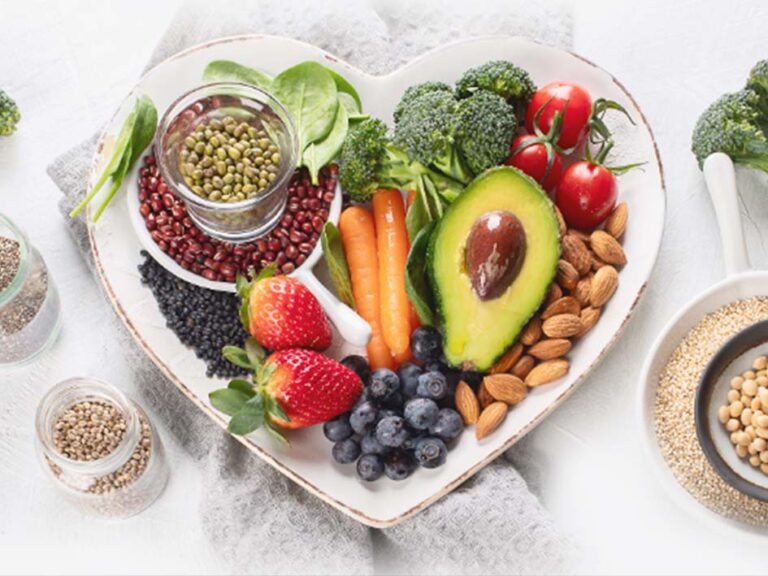
A vegetarian diet excludes meat, poultry, and fish but includes plant-based foods like vegetables, fruits, grains, legumes, nuts, and seeds. Sounds healthy, right? And it is, but like any diet, it’s all about how you balance your food choices.
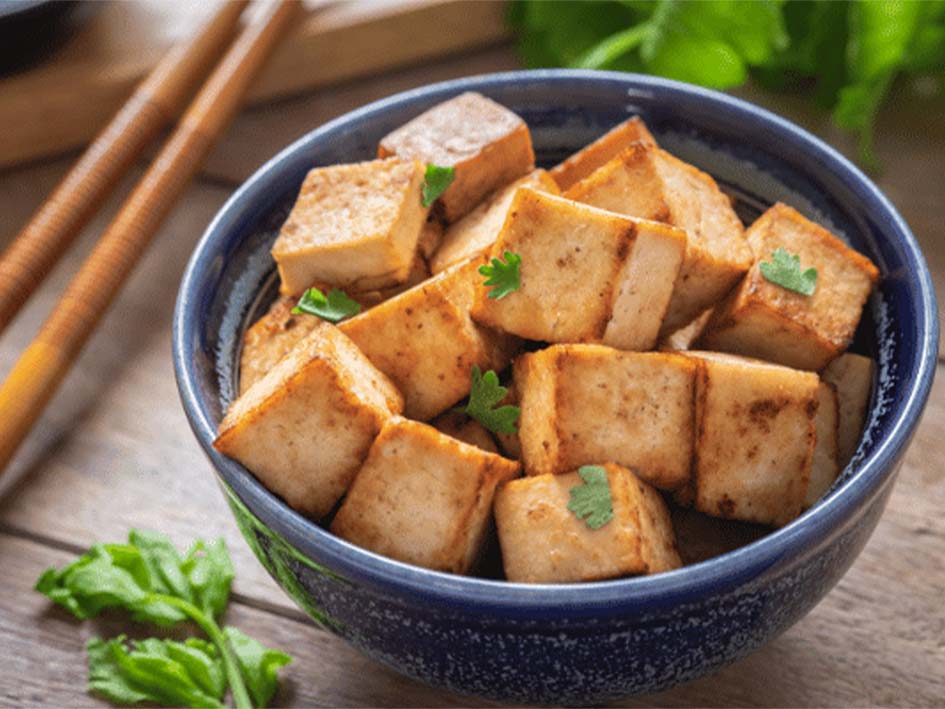
Vegan Tofu

Why a Vegetarian Diet Might Help with Weight Loss

Lower in Calories: Many plant-based foods are naturally lower in calories compared to animal products. For example, fruits and vegetables are packed with water and fiber, which can help you feel full without consuming a lot of calories.

Higher in Nutrients and Fiber: A well-planned vegetarian diet can be rich in essential nutrients and fiber, which aids digestion and can keep you feeling full longer. Fiber, in particular, is a key player in weight loss because it slows digestion and stabilizes blood sugar levels.

Lower in Saturated Fats: Plant-based diets tend to be lower in saturated fats, which are found in high amounts in meat and dairy products. Reducing saturated fat intake can contribute to better heart health and easier weight management.

Pitfalls to Avoid on a Vegetarian Diet

However, not all vegetarian diets are created equal. If you’re not careful, you might find yourself consuming too many calories, leading to weight gain instead of loss. Here are some common pitfalls:

Overloading on Carbs: Filling your plate with bread, cereals, and grains without a balance of vegetables, fruits, or legumes can result in a diet that’s high in calories but low in nutrients. Whole grains are important but they should be part of a varied diet.

Eating Highly Processed Foods: Replacing meat with processed vegetarian foods like meat substitutes, refined carbohydrates, and junk foods can be counterproductive. These foods often contain added sugars, unhealthy fats, and extra calories.

Ignoring Portion Sizes: Even healthy foods can lead to weight gain if eaten in large quantities. Nuts, seeds, dried fruits, and oils are all high in calories, so it’s important to pay attention to portion sizes.
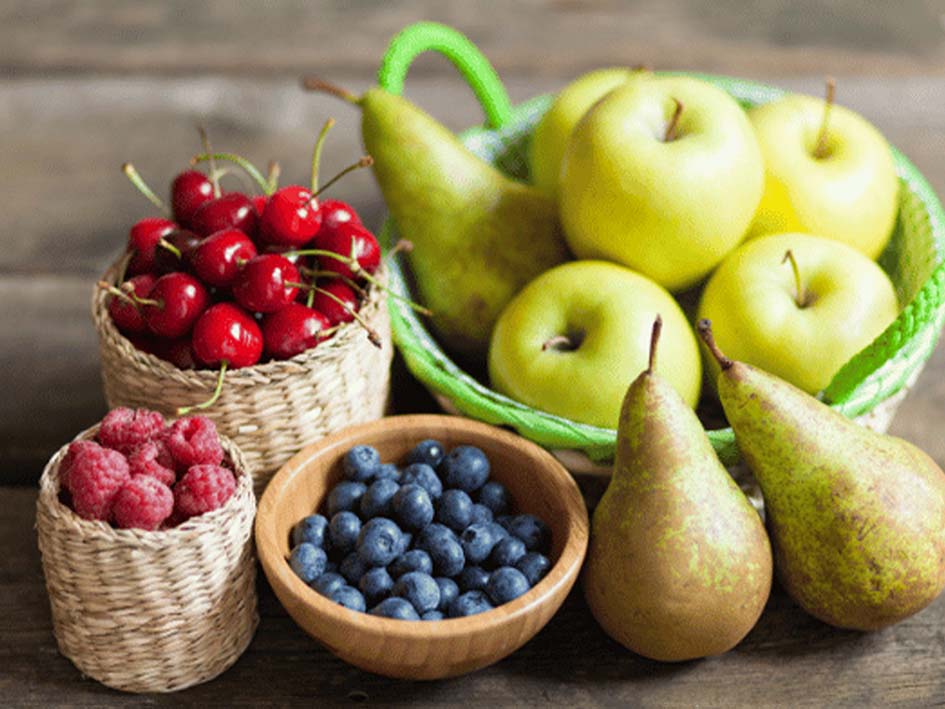
vegan fruit

Making a Vegetarian Diet Work for Weight Loss

Focus on Whole, Unprocessed Foods: Prioritize fruits, vegetables, whole grains, legumes, nuts, and seeds. These foods are nutrient-dense and can help you feel full on fewer calories.

Get Enough Protein: Protein is essential for muscle maintenance and can help keep you feeling satisfied. Good vegetarian sources of protein include beans, lentils, tofu, tempeh, and Greek yogurt.

Watch Your Portion Sizes: Be mindful of how much you’re eating, even of healthy foods. For example, a small handful of nuts is a great snack, but eating several handfuls can add up quickly in calories.

Balance Your Meals: Aim for balanced meals that include protein, vegetables, whole grains, and healthy fats. This will help you stay full and satisfied, reducing the temptation to overeat.

Tips for a Balanced Vegetarian Diet

Plan Your Meals: Take some time each week to plan your meals and snacks. This can help you avoid reaching for convenient but unhealthy options when you’re hungry.

Stay Hydrated: Sometimes thirst is mistaken for hunger. Drink plenty of water throughout the day to stay hydrated and help control your appetite.

Listen to Your Body: Pay attention to your hunger and fullness cues. Eating slowly and mindfully can help you recognize when you’re satisfied, preventing overeating.

Stay Active: Combine your healthy eating habits with regular physical activity. Exercise not only burns calories but also boosts your mood and overall health.

Focus on Whole, Minimally Processed Foods: Stick to whole grains, fresh fruits, vegetables, legumes, nuts, and seeds. Avoid highly processed vegetarian foods, refined carbs, and sugary items.

Portion Control: Even healthy foods can lead to weight gain if eaten in large quantities. Pay attention to serving sizes, especially with calorie-dense foods like nuts and seeds.

Balance Your Plate: Aim for balanced meals that include a mix of protein, fiber, and healthy fats. This combination can help keep you full and satisfied, reducing the temptation to overeat.

Common Misconceptions

Vegetarian Means Unlimited Eating: Some people think that a plant-based diet allows unlimited eating. Remember, a calorie is still a calorie, whether it comes from plants or animals. Eating more calories than your body needs will lead to weight gain.

Vegetarian Diets Are Always Healthy: Just because something is labeled vegetarian doesn’t mean it’s healthy. It’s essential to make informed food choices and focus on nutrient-dense foods rather than processed options.

You’ll Automatically Lose Weight: Weight loss on a vegetarian diet isn’t automatic. It requires a balanced approach, portion control, and attention to overall calorie intake.

Does a Vegetarian Diet Make You Lose Weight?

What Are the Best Vegetarian Foods to Eat for Weight Loss 

Protein-Rich Foods

Protein is crucial for weight loss because it helps build muscle and keeps you feeling full longer. Here are some vegetarian protein powerhouses:

Beans and Lentils: Chickpeas, black beans, lentils, and other legumes are fantastic sources of protein. They’re also rich in fiber, which aids digestion and keeps you satisfied.

Tofu and Tempeh: These soy-based proteins are versatile and can be used in a variety of dishes. They’re low in calories but high in protein, making them great for weight loss.

Greek Yogurt: Opt for low-fat Greek yogurt, which has more protein and less sugar than regular yogurt. It’s perfect for breakfast or a snack and can be paired with fruits or nuts.

Nuts and Seeds: Almonds, walnuts, chia seeds, and flaxseeds are nutrient-dense and provide a good amount of protein and healthy fats. Just remember to eat them in moderation since they are calorie-dense.

High-Fiber Foods

Fiber is your friend when it comes to weight loss. It helps you feel full, regulates blood sugar levels, and supports healthy digestion. Here are some high-fiber options to include in your diet:

Non-Starchy Vegetables: Leafy greens like spinach and kale, cruciferous veggies like broccoli and cauliflower, and other options like mushrooms are low in calories but high in fiber and nutrients.

Whole Grains: Quinoa, brown rice, oats, and barley are great sources of fiber and can keep you full for longer periods. They’re also packed with vitamins and minerals.

Fruits: Berries, citrus fruits, apples, and pears are excellent choices. They’re sweet, satisfying, and high in fiber while being relatively low in calories.

Healthy Fats

Healthy fats are essential for overall health and can help you feel full and satisfied, preventing overeating. Here are some top picks:

Avocado: Packed with monounsaturated fats, fiber, and various nutrients, avocados are a great addition to salads, smoothies, or on toast.

Olive Oil: A staple in many healthy diets, olive oil is great for cooking or as a dressing for salads. It’s rich in monounsaturated fats and antioxidants.

Nuts and Seeds: As mentioned earlier, nuts and seeds are not only good sources of protein but also healthy fats. Use them to add a crunch to your dishes or as a quick snack.

Key Takeaway

A vegetarian diet can be an effective way to lose weight, but it’s not a magic bullet. The key is to focus on whole, minimally processed foods, watch your portion sizes, and make sure you’re getting enough protein and other essential nutrients. By making mindful food choices and staying active, you can achieve your weight loss goals while enjoying the benefits of a vegetarian lifestyle.

Remember, everyone’s body is different, and what works for one person may not work for another.

Grilled Mackerel Fish Sauce (With Video)

Hey Buddies, this grilled mackerel fish sauce is one recipe that is suitable for any occasion, very simple & filling. You would definitely love it! It is healthy and suitable for weight loss (smaller portion).

Grilled Mackerel Fish Sauce

Grilled Mackerel Fish Sauce

Avatar photoSarah
Prep Time 15 minutes
40 minutes
Total Time 55 minutes
Course Sauce, Side Dish
Cuisine Nigerian
Servings 4 people

Ingredients
  

For The Fish I Used:

  • 1 tsp adobo
  • ½ tsp curry
  • Lemon Juice
  • Oil ( OPTIONAL)
  • ½ tsp dry Garlic
  • ½ tsp dry ginger
  • 1 tsp cameroon Pepper
  • 1 tsp fish Seasoning

For The Sauce, I Used

  • 3-4 pcs red bell pepper/ Tatashe
  • 3-4 pcs scotch bonnet pepper
  • 2 onions
  • 1 tsp seasoning
  • 1 tsp onion powder
  • 1 tsp red pepper flakes

Instructions
 

  • Cut the head of the fish and clean properly.
  • To remove excess water, you can use your kitchen towel to dap it out.
  • Add all the listed seasoning together in a bowl, add some lemon juice and oil ( You can also use water).
  • Mix together and spread evenly on both sides of the fish.
  • Transfer to your baking tray and grill for 25-30 minutes @180• ( You can use your air fryer).
  • In another pot, add some water and boil your plantain.
  • Chop some onions and red bell peppers & scotch bonnet, set that aside.
  • In your frying pan, add some oil, your chopped onions and sauté for 3-4 minutes on low heat.
  • Add your chopped peppers and fry for 7-10 minutes on low heat.
  • Add your seasoning and red pepper flakes, add your grilled fish and combine together nicely.
  • Turn off the heat and serve. You can garnish with some spring onions.
  • ENJOY!!!
Keyword Mackerel Fish Sauce
Tried this recipe?Let us know how it was!

Ofe Akwu Soup (With Video)

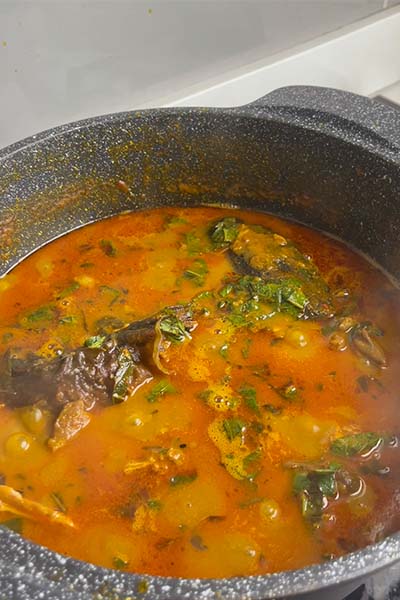
Ofe Akwu, also known as Palm Nut Soup, is a delectable Nigerian dish that originates from the Igbo region. The name “Ofe Akwu” comes from the local term for palm nut fruits, “akwu.” This savory stew features tender chunks of beef or goat meat simmered in a rich, flavorful broth seasoned with aromatic spices and herbs.

What is Ofe Akwu Soup made of?

The base of the stew is created by slowly cooking down palm oil, onions, and a blend of traditional Igbo spices until a deep, complex flavor profile emerges. Ofeakwu is often served over a bed of steaming hot white rice or fufu, making it a hearty, satisfying meal that celebrates the vibrant culinary traditions of West Africa.

Ofe Akwu Soup

Ofeakwu Soup

Avatar photoSobecooks
Ofeakwu is a delectable Nigerian dish that originates from the Igbo region.
Prep Time 10 minutes
Cook Time 20 minutes
Total Time 30 minutes
Course Sides, Soup
Cuisine Nigerian
Servings 6 people

Ingredients
  

  • 2 Ibs goat meat, cut into 1-inch cubes
  • 1 cup chopped onions
  • ½ cup palm fruit extract
  • 3 okpei (locust beans), finely chopped
  • 1 cup ponmo (cow skin), chopped
  • 2 cubes crayfish seasoning
  • ¼ yellow and red pepper blend
  • 2 cups stock fish bone
  • ½ cup crayfish, ground
  • 1 cup smoked fish, flaked
  • ½ cup dried fish, chopped
  • 10 scent leaves, chopped
  • Salt and pepper to taste

Instructions
 

  • In a large pot, heat the palm fruit extract over medium heat. Add the chopped onions and sauté for 2-3 minutes until fragrant.
  • Add the cubed goat meat to the pot and brown on all sides, about 5-7 minutes.
  • Stir in the chopped okpei, ponmo, crayfish seasoning cubes, and yellow/red pepper blend. Cook for 2-3 minutes.
  • Pour in the stockfish bone broth and bring the stew to a boil. Reduce heat to low, cover and simmer, until the meat is very tender.
  • Stir in the ground crayfish, flaked smoked fish, chopped dried fish, and chopped scent leaves. Season with salt and pepper to taste.
  • Allow the stew to simmer for an additional 10-15 minutes to allow the flavors to meld.
  • Serve the Ofeakwu stew hot, over steamed white rice or fufu. Garnish with extra scent leaves if desired.
Keyword Ofe Akwu
Tried this recipe?Let us know how it was!

Which Is Your All-Time Favorite Bridgerton Couple

0
0%

Who Is Your Favourite Brigerton Couple

What’s your favorite way to relax after a long day?

Which Bridgerton character would you invite to your dinner party?

What’s your ideal breakfast in bed?

Pick a setting for a romantic dinner

What’s your go-to snack while watching Bridgerton?

Where’s the weirdest place you’ve had a romantic picnic?

The love of your life just confessed their love to you. How do you respond?

Africook Spotlight: Chef Donkey

We’re thrilled to spotlight our top Africooks of the month, and we’re excited to feature the incredible Chef Donkey! Thank you for your fantastic South African recipes. Your dedication and consistency in the community are immensely appreciated. Keep up the fantastic work

AFN: Tell us about yourself!

Chef Donkey: I was born in South Africa and studied and trained in some of the best restaurants and hotels in London, UK. Now, I run my own South African food pop-ups, events, and private parties. My main focus is content creation, specifically making recipe videos on YouTube.

Chef donkeyy

AFN: Why do you cook?

Chef Donkey: I believe food can bring people from backgrounds all around the world together. So my way of sharing love is through the recipes I create and the food I cook for people.

AFN: What is your favorite memory in the kitchen?

Chef Donkey: My favourite memory was the day I filmed a recipe with the person who inspired me to cook, my mom.

Chef donkey 4

AFN: What is your biggest cooking fail?

Chef Donkey: Oh it would definitely be when I was in the UK Master Chef Professional and I made Quail with Chocolate cake – hahaha! I was still learning about texture combinations then. I have since made the dish again and it is now successful as the texture, flavour and aroma are well balanced.

AFN: What kitchen equipment do you use more and can’t do without? 
Chef Belinda: Not to sound cliche but the only thing I can think of is a knife! Any other equipment is just an added luxury.
Chef donkey 1
AFN: What are your favorite foods to cook and why?

Chef Donkey:  My favourite food without a question of a doubt is South African food but my favourite dish is my version of UMPHOKOQO. This is my version of a traditional and classic South African dish. It has a bottom layer of home-cultured sour cream. Then a layer of traditional chakalaka and lastly it’s a cape Malay spiced Phutu.

Malay spiced Phutu

AFN: What would you like to share with our audience?
Chef Donkey: A meal is a flavour-filled journey through courses which teach us a little bit about the background and culture of the person who prepared and cooked it.
AFN: How can your fans reach you on social media?

My fans and supporters can reach me on social media via Instagram @chefdonkey and also subscribe to my YouTube channel @chefdonkey for easy delicious recipes.

Palm Fruit Juice

0

Palm fruit juice, a rich and flavorful extract, is a cornerstone ingredient in traditional soups like Ofe Akwu and Banga. Gotten from the pulp of ripe palm fruits, this vibrant orange-red juice is bursting with natural oils and nutrients.

This 5-minute video demonstrates the step-by-step process of extracting palm fruit juice using traditional manual methods. The video was produced by a small-scale palm oil producer in Nigeria.

palm fruit juice

Palm Fruit Juice

Avatar photoSobecooks
A rich and flavorful extract, a major ingredient in traditional soups.
Prep Time 20 minutes
Cook Time 45 minutes
Total Time 1 hour 5 minutes
Course Condiments
Cuisine Nigerian
Servings 0

Ingredients
  

  • Palm fruit
  • Hot water

Instructions
 

  • Wash your palm fruit properly. You may need to each 2-3 times for best results.
  • Transfer to a pot and add water to the level of the palm fruit.
  • Boil for 35-45 minutes or till soft.
  • Crush with either a mortar and pestle, a bottle or a food processor.
  • Pour hot water into the crushed palm fruit according to the consistency you want.
  • Squeeze out the chaff, strain and there you go!
  • You can store it in the freezer for up to 3 months.
Keyword Palm fruit juice
Tried this recipe?Let us know how it was!

Butter Crunch Cookies (With Video)

I bring to you my DELICIOUS CRUNCH BUTTER COOKIES. Butter Crunch Cookies are a scrumptious blend of buttery goodness and crunchy perfection. These cookies are perfect for any occasion, whether you’re enjoying a cozy afternoon with a book or hosting a lively get-together.

The secret lies in using high-quality butter and just the right amount of sugar to create that irresistible caramelized flavor. Plus, they’re incredibly easy to bake at home.

butter crunch cookies

Butter Crunch Cookies

Avatar photoB-NAZZIES KITCHEN EXPERIENCE
Prep Time 30 minutes
Cook Time 45 minutes
Total Time 1 hour 15 minutes
Course Dessert, Snacks
Cuisine American
Servings 6 people

Ingredients
  

  • 125 g Butter
  • 40 g Icing/powdered sugar
  • 125 g Cornflour
  • 90 g Cake flour
  • ¼ tsp salt

Instructions
 

  • Get a bowl, put in your butter and sugar, whisk till smooth and fluffy.
  • You put your corn flour, cake flour and salt in the same bowl where you have your butter and sugar, mix everything to combine, cover it with a foil wrap and refrigerate for about 30mins.
  • After 30mins you scoop and measure 20g with a scale for each cookie or even more depends on how big you want your cookies.
  • Roll with your hands to smoothen, you can drop it on a flat surface and then press down with a fork.
  • Bake for 40-45mins @170C (Don't forget to flip it over to the other side) and here you have your delicious “crunchy butter cookies”.
Keyword butter cookies, Cookies, Crunch butter cookies
Tried this recipe?Let us know how it was!

Why Should You Drink More Water?

While reading this article, we should put Fela’s ‘Water no get enemy’ song on replay. Water is life. It is vital to our very existence—cleaning, washing, cooking and of course drinking. You may survive days without food but can’t confidently say that for water.

We all know we should drink loads of water, we hear about it every day. But really, why? What’s the main reason behind doctors and specialists telling us to always drink water?

Did you know water makes up 90 percent of brain weight? It also makes up 60 percent of your body weight. Adequate hydration is essential for your body to function. Your body uses water in all its cells, organs, and tissues to help regulate its temperature and maintain other bodily functions.

How Much Water Should I Drink

Because your body loses water through breathing, sweating, and digestion, it’s important to rehydrate by drinking fluids and eating foods that contain water. The amount of water you need depends on a variety of factors, including the climate you live in, how physically active you are, and whether you’re experiencing an illness or have any other health problems.

Nutritional Components of water:

  • Calories: 0
  • Fat: 0g
  • Sodium: 0mg
  • Carbohydrates: 0g
  • Fiber: 0g
  • Sugars: 0g
  • Protein: 0g

Water has no nutritional value beyond itself, but that’s no game changer.

What Are the Benefits of Drinking a Lot of Water?

  • It helps weight loss: Water helps you feel full longer, without adding any additional calories. Drinking it or eating foods with a high water content can greatly help manage your weight.
  • It aids digestion: It aids in constipation and other abdominal issues, especially for those suffering from irritable bowel syndrome. It helps to move the digestive process along and through the system.
  • It boots energy: It delivers important nutrients to all of our cells, especially muscle cells, postponing muscle fatigue.
  • It hydrates skin: Forget expensive creams and cure-alls, water is the best defence against aging and wrinkles in the skin.
  • It detoxifies: Moves toxins through your system faster and optimizes kidney function. Inadequate hydration means inadequate kidney function.

Why Should You Drink More Water 1

Now the Question Is; How Much Water Should I Drink?

The guideline recommended amount is eight glasses per day, though this varies from person to person. Those who exercise regularly, work outside or have chronic medical conditions should consume more hydration to compensate for more water loss.

There’s no rule cast in stone actually. Many individuals meet their daily hydration needs by simply drinking water when they’re thirsty, according to a report on nutrient recommendations from the Institute of Medicine of the National Academies.

Most people who are in good physical health get enough fluids by drinking water and other beverages when they’re thirsty, and also by drinking a beverage with each of their meals, according to the Centers for Disease Control and Prevention.

If you’re not sure about your hydration level, look at your urine. If it’s clear, you’re in good shape. If it’s dark, you’re probably dehydrated.

What Happens if You Drink Too Much Water?

As with most things in life, too much of a thing is bad. You can actually drink too much water, and this can be detrimental. Drinking way too much water too quickly leads to a condition called Overhydration, hyponatremia or ‘water intoxication.’ When that happens, the sodium levels in your blood drop way too fast and will make you sick. This is a medical emergency and can be fatal.

It’s easy to avoid hyponatremia by drinking a glass or two at a time and spreading your water intake throughout the whole day.

Tips:

  • Get a water bottle on the go. Using a personal water bottle handy is a good way to keep up your water intake. Take a sip or two while you work, travel or exercise.
  • Add flavors to your water. It can get boring drinking just water all the time. Add lemon, cucumbers, strawberries or fresh herbs.
  • If you want some fizz, buy a bottle of sparkling water.

Ayamase Sauce

Ayamase sauce, also known as designer stew, is a cherished Nigerian dish that excites taste buds with its unique blend of ingredients and rich, savory flavors. Often served at parties and in restaurants, this stew has become a favorite among food enthusiasts both in Nigeria and abroad.

What is Ayamase Sauce Made Of?

Ayamase sauce includes an array of ingredients that contribute to its distinct taste. Here’s a breakdown of the key components:

  • Green Bell Peppers: Unlike the traditional ofada stew that uses red bell peppers, Ayamase sauce uses green bell peppers. You can experiment with various green peppers and chilies to adjust the heat and flavor.
  • Unripe Scotch Bonnet (Atarodo): These peppers add a spicy kick to the sauce, balancing the flavors.
  • Locust Beans (Iru): A staple in many Nigerian dishes, locust beans add an earthy, umami flavor.
  • Onions: Essential for a rich, aromatic base.
  • Assorted Meat: A mix of meats, including tripe, beef, and goat meat, adds depth and texture.
  • Boiled Eggs: A unique addition that absorbs the flavors of the sauce.
  • Palm Oil: Provides a distinctive, deep flavor and vibrant color.

Ayamase sauce 1

What is the Difference Between Ayamase and Ofada Sauce?

While Ayamase sauce and ofada sauce share many similarities, there are notable differences:

  1. Color and Ingredients: The primary distinction lies in the color and choice of peppers. Ofada sauce uses red bell peppers and tomatoes, resulting in a reddish hue, while Ayamase sauce uses green bell peppers, giving it a greenish color.
  2. Flavor Profile: The absence of tomatoes in Ayamase sauce results in a more intense, spicy flavor, enhanced by the use of unripe habaneros.
  3. Preparation: Both sauces require patience and attention to detail during cooking. However, Ayamase sauce benefits greatly from resting for a few minutes or even hours before serving, allowing the flavors to meld together.

What is the History of Ayamase Sauce?

Ayamase sauce has its roots in Ikenne-Remo, a town in Ogun State, southwestern Nigeria. The dish is attributed to Mrs. Felicia, fondly known as Aya Mase, who started making the sauce as a means of livelihood.

Her innovative use of green peppers and locust beans quickly gained popularity, and Ayamase sauce became a beloved dish in Nigerian cuisine. Today, it is enjoyed not only in Nigeria but also by the Nigerian diaspora in various parts of the world.

Why Ayamase Sauce is a Hit at Parties

Ayamase sauce is a staple at Nigerian parties and gatherings, and for good reason. Its bold flavors and hearty ingredients make it a crowd-pleaser. The combination of assorted meats, boiled eggs, and the rich, spicy sauce creates a dish that is both satisfying and memorable. Whether served with Ofada rice, parboiled rice, rice and beans, jasmine rice, or plantains, Ayamase sauce always stands out.

Ayamase Sauce

Ayamase sauce

Avatar photoCook with Sandy
Prep Time 20 minutes
Cook Time 30 minutes
Total Time 50 minutes
Course Sauces and Soup
Cuisine Nigerian
Servings 4 people

Ingredients
  

  • 4 medium green bell peppers
  • 2 handfull green cayenne pepper (not so spicy)
  • 5 green scotch bonnet pepper
  • 3 yellow habanero pepper (optional) but for flavor, YES!!
  • 4 medium sized onions
  • cup bleached palm oil
  • Locust beans (optional)
  • Crayfish (add according to preference)
  • 2 cubes of any seasoning of choice
  • Cow skin (kpomo)
  • Cooked Assorted meat
  • Cow beef
  • Boiled eggs
  • Grilled/fried fish
  • Meat stock

Instructions
 

  • Blend all peppers in a food processor for a chunky texture
  • Sauté some chopped and locust beans in your bleached palm oil for 3 minutes
  • Pour in your pepper mix. Combine together and leave to fry for about 10/15 minutes depending on your heat
  • Stir and add your seasoning, protein, meat stock and don’t forget your crayfish add little water to loosen it up a bit (if needed) Stir together and cover to cook for 5 minutes.
  • When your oil starts to float, you know your Ayamase sauce is ready.
  • I served mine with rice and beans.
Keyword Ayamase
Tried this recipe?Let us know how it was!

Edo Black Soup

Edo black soup is a harmonious blend of herbs and vegetables, creating a dish that nourishes you with every mouthful. Paired with hot fufu or pounded yam, Edo Black Soup offers a taste experience that is both heartwarming and invigorating.

The Origins and Essence of Edo Black Soup

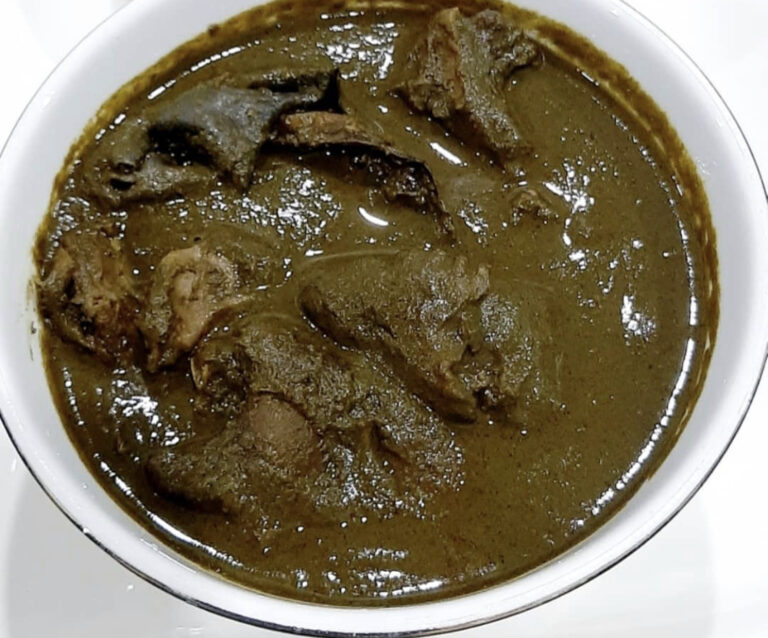
Edo Black Soup, a staple among the Esan people, is renowned for its distinctive dark color and rich flavor. This soup is not just about its taste; it’s a reflection of the culture and tradition of the Edo people.

What is Black Soup Made Of?

The Essential Leaves

There are three basic leaves essential for making Edo Black Soup: Bitter leaf, Scent leaf (Effirin), and Uziza leaf. Some people argue that only two of these leaves are necessary, but I find that using all three provides a richer and more balanced flavor. These leaves are ground together using either a native Edo grinding stone or an electric blender. While some prefer the traditional method, others, like myself, use a blender for convenience.

Edo Black Soup

The Benefits of the Ingredients

The ingredients in Edo Black Soup are not only delicious but also packed with health benefits. Bitter leaf is known for its medicinal properties, aiding in digestion and boosting the immune system. Scent leaf, with its aromatic fragrance, is rich in vitamins and minerals that promote overall well-being. Uziza leaf adds a spicy kick to the soup and has anti-inflammatory properties.

The Cooking Process: Traditional vs. Modern

Using a Grinding Stone

When using a grinding stone, there is no need to add water to blend the vegetables. Simply chop them up and grind until smooth. This method retains the natural flavors and nutrients of the vegetables, resulting in a more robust taste. The texture is also noticeably different, giving the soup a thicker consistency.

Using a Blender

For those who do not have a grinding stone, a blender will work just fine. However, it’s important to use very little water to achieve the desired texture. This soup is not meant to be loose, so be careful not to add too much liquid. Blending the vegetables can be quick and convenient, especially for those with busy schedules.

The Unique Flavor of Edo Black Soup

One of the remarkable aspects of Edo Black Soup is the minimal use of palm oil. This makes it an excellent choice for those on a diet who want to reduce their calorie and fat intake without sacrificing flavor. The little amount of palm oil used is enough to enhance the taste without overpowering the natural flavors of the vegetables.

How to Enjoy Edo Black Soup

Black Soup is best enjoyed with fufu or pounded yam. The combination of the hearty soup and the starchy accompaniment creates a balanced and satisfying meal.

Edo Black Soup 3

Health Benefits of Edo Black Soup

Nutrient-Rich Ingredients

The vegetables used in Black Soup are rich in vitamins, minerals, and antioxidants. Bitter leaf, for example, contains vitamins A, C, and E, which are essential for maintaining healthy skin and a strong immune system. Scent leaf is known for its antibacterial and antifungal properties, while Uziza leaf helps with digestion and inflammation.

Low-Calorie Option

With its minimal use of palm oil, Edo Black Soup is a great option for those looking to reduce their calorie intake. The soup is filling and satisfying, making it an excellent choice for weight management.

Promotes Digestive Health

The combination of Bitter leaf and Uziza leaf in the soup aids in digestion and helps prevent constipation. The high fiber content in these leaves promotes healthy bowel movements and supports overall digestive health.

Variations of Black Soup

While the traditional recipe calls for Bitter leaf, Scent leaf, and Uziza leaf, there are variations of Black Soup that use different combinations of leaves. Some people prefer to make the soup with just Bitter leaf and Scent leaf, while others add additional herbs and spices for extra flavor. Experimenting with different ingredients can lead to new and exciting variations of this beloved dish.

Cooking Tips for the Perfect Black Soup

Choosing the Right Leaves

When selecting leaves for your Black Soup, make sure they are fresh and vibrant. The quality of the leaves will greatly affect the flavor of the soup. If possible, buy the leaves from a local market where they are likely to be fresher.

Blending vs. Grinding

As mentioned earlier, the method you choose to blend the vegetables will impact the texture and flavor of the soup. While a blender is convenient, using a grinding stone will give you a more authentic and robust flavor. If you’re using a blender, be sure to use very little water to maintain the desired consistency.

Cooking Time

Black Soup should be cooked on low heat to allow the flavors to meld together. Rushing the cooking process can result in a less flavorful soup. Take your time and let the soup simmer gently for the best results. Enjoy!

0DD2AFAA 3233 4FB5 982B 91573C68B5ED Taiwo Oladapo

Edo Black Soup

Avatar photoTaiwo Oladapo
Edo Black Soup, a staple among the Esan people, is renowned for its distinctive dark color and rich flavor.
Prep Time 20 minutes
Cook Time 20 minutes
Total Time 40 minutes
Course Soup
Cuisine Nigerian
Servings 4 people

Ingredients
  

  • 2 cup washed bitter leaves
  • ½ cup  sliced Scent leaves
  • 2 cup sliced uziza leaves
  • 300 g roasted fish
  • 1 kg assorted meat
  • ½ cup ground crayfish
  • Ground Pepper to taste
  • 2 seasoning cubes
  • 7 pieces of stockfish
  • 4 cups palm fruit sauce
  • Salt to taste

Instructions
 

  • Grind all the leaves together, these ground leaves act as the soup thickener and also gives it the black-looking color, hence the name – black soup.
  • You can blend to paste by adding a little water to ease up the movement of the blades.
  • Wash and boil the meat with half a cup of onions, 1 seasoning cube and a pinch of salt. Cook for 30-45 minutes, until the meat becomes soft and easily chewable, you can add a little water to stop it from getting burnt.
  • Add the dry fish (hot-water-washed), stockfish, crayfish, add the banga sauce and allow to cook for up to 15 minutes until the soupy mixture thickens.
  • Add the ground leaves, stir, add 2 seasoning cubes, salt to taste, and allow to simmer for another five minutes and you are done.
  • If you have cow liver included, you can start parboiling it with the rest of the meat but you have to remove it after 20 minutes and add them later when the soup is almost done.
Keyword Black soup, Edo black soup
Tried this recipe?Let us know how it was!

QUICK RECIPES