

171

13 Amazing Dishes in Northern Nigeria

Table of Contents
The Northern region of Nigeria is excellent for its traditions, tourist centers, food, and culture. So if you ever find yourself in any of the Northern states in Nigeria, make sure you try out some of their local dishes.
Speaking of states in the Northern part of Nigeria. Here are a few states;
- Sokoto
- Bauchi
- Katsina
- Borno
- Taraba
- Kano
- Kaduna
- Kebbi
- Adamawa
- Zamfara
Now that you are familiar with the states in the Northern regions of Nigeria, are you ready to get to know their food?
If we were to discuss the amazing traditions in the Northern region of Nigeria, there would be so much, so we have decided to help you with these special dishes found in the Northern parts of Nigeria.
Keep in mind that the recipes of some of these dishes found in the Northern parts of Nigeria would vary across states in the region, but who is to say you cannot get a recipe that’s good enough for you, and you just create your magic.
13 Popular Dishes in Northern Nigeria
Tuwo Shinkafa

This is the first dish on this list because you cannot make a list of foods found in the Northern parts of Nigeria without Tuwo Shinkafa. This is arguably one of the most popular staples in the Northern parts of Nigeria, amongst other dishes, it can also be referred to as “Rice Tuwo”.
Tuwo Shinkafa is a rice dish, that involves the boiling of white rice till it’s soft and sticky, then rolling the boiled rice into balls. The Rice balls are then served as a swallow and can be enjoyed with any soup of your choice.
A good reason why this would be the most popular is because it is very easy and fast to prepare. Who wouldn’t like a dish that is delicious, healthy, simple and quick to make? Everyone would love that, without a doubt.
Another interesting fact about Tuwo shinkafa (Rice Tuwo) is that you can enjoy it with any soup of your choice.
The Ingredients for Tuwo Shinkafa
To get you started on a few ingredients you would need for your recipe for Tuwo shinkafa at home, here are a few ingredients to get you started;
- White rice (Or rice flour)
- Water
- Salt (to taste) How to make Tuwo Shinkafa.
Now, you have a killer recipe, you have the ingredients, what’s stopping you from trying this delicious dish that can be found in the Northern parts of Nigeria?
Tuwon Dawa

Tuwon Dawa is also a very popular dish that is very common amongst the people of the Northern regions of Nigeria, not just for its taste, but also for the great health benefits of this delicious dish.
Tuwo Dawa is a dish that is traditionally made from potash and grounded guinea corn, the end product of this is the amazing Tuwon Dawa.
The Ingredients for Tuwon Dawa
To get started on this dish, you would need to know some major ingredients that would be needed for the preparation of Tuwon Dawa, so here’s a list;
- Grounded Guinea corn (Also known as sorghum)
- Potash
- Water
This dish is very easy and quick to prepare, so get started on your preparation of this amazing dish found in the Northern parts of Nigeria. Here’s how to make it.
Miyan Kuka

You have read about Tuwo Shinkafa, and you should know that there are a few soups you can enjoy Tuwo Shinkafa with. Miyan Kuka is one of the soups you can enjoy Tuwo shinkafa with.
Miyan Kuka is a soup that is made from baobab leaves and some other special spices that add a local and special flavor to the dish, an example of the spice that is usually added to Miyan Kuka is “Yaji”.
This soup is also one of the most popular dishes found in the Northern parts of Nigeria because it is commonly paired with Tuwo shinkafa which is already the most popular staple in these Northern regions.
This soup is what you can describe as “draw soup”, mostly because… Well, when you give this dish a try, you will know why it is called “draw soup”.
What is YAJI?

This is a special spice that is commonly used to season the popular street food in Nigeria, called “Suya”. Some might also refer to Yaji as “Suya pepper”.
Yaji plays some interesting roles in food preparation, it is not restricted to just Suya, you can use Yaji for many other purposes;
- Use Yaji to marinate your grilled meat skewers
- Use Yaji to prepare Miyan Kuka
- Add Yaji as a seasoning for your food
- Give your chicken an extraordinary flavor by using Yaji to garnish it. Enjoy your new hot and tasty spice for your chicken.
The Ingredients for Miyan Kuka
- Kuka powder (powdered Baobab leaves)
- Catfish
- Palm oil
- Pepper
- Onion
- Salt
- Dawa Dawa
- Seasoning cubes. Here’s how to make Miyan Kuka.
Pate
Are you looking for more rice dishes? Here’s another one for you. Pate is a soup that’s commonly eaten in the Northern regions of Nigeria. This dish is very popular in places like Nassarawa, Kaduna, Plateau, and other Northern states.
Major ingredients for the preparation of this soup are grounded corn or rice and it can be considered to be porridge.
There are a lot of health benefits that can be gotten from this soup alone, and this is all thanks to the good amount of vegetables that are used to prepare this dish.
The Ingredients for Pate
In case you don’t know the ingredients that make up this healthy cuisine, here are a few ingredients that are used for the preparation of Pate;
- Locust beans
- Tomatoes
- Vegetables
- Fresh Pepper
- Dry pepper
- Minced meat
- Brisket bones
- Groundnut
- Assorted meat
- Seasoning
- Water
- Garden egg
Now that you know the ingredients, you are already intrigued, you cannot wait to try this dish, what are you waiting for? Get to your kitchen and get cooking.
Danwake

Danwake is a dish that mainly consists of a couple of veggies to give you rich nutrients. Danwake is often eaten as “Danwake da mai da yaji” which translates to “Danwake with pepper and oil” in the Hausa language.
The Ingredients for Danwake
Here is a list of ingredients you would need to get started with your Danwake recipe;
- Danwake flour
- Water
- Onions
- Salt
- Medium lemon
- Seasoning
- Tomatoes
- Egg
- Bell pepper
- Red pepper
- Vegetable oil. How to make Danwake.


Masa

Masa is a traditional fermented rice cake that is popular in Northern Nigeria, particularly among the Hausa people. It is a steamed or baked cake made from a batter of fermented rice flour, spices like ginger and cloves, and sometimes coconut milk or palm oil.
The fermentation process gives Masa a unique, slightly sour flavor and a dense, chewy texture. It is often served as a snack or a light meal and can be enjoyed on its own or with a variety of accompaniments, such as miyan taushe (pumpkin soup), miyan kubewa (dried okra soup), or kunun aya.
Ingredients for Masa:
- Fermented rice flour
- Water
- Ginger
- Cloves
- Coconut milk or palm oil (optional)
- Salt (to taste) How to make masa


Every dish has its different taste and who wouldn’t love to have a try of all the flavors you can?
Reasons You Should Try These Delicious Dishes Found in The Northern Parts of Nigeria
Think of this section of this article as the benefits of exploring the world of African food. You are going to see reasons why it is important you give these dishes a try, not just these delicious dishes found in the Northern parts of Nigeria, but also food across several African countries like,
- It expands your knowledge of the different types of food in the world.
- It is a really fun and exciting experience, who doesn’t like new experiences?
- Trying out new dishes, especially those dishes found in the Northern parts of Nigeria, you are sure to get a kind of insight into the life they live, and the kind of food they eat.
- Nourish your body with healthy food that will help boost your body system.
- It would help improve your cooking skills.
- Gives you some sort of range in your food menu.
- Try something new! One of the best decisions you would make is the decision to try new dishes in your kitchen. No one is expecting you to be perfect, that is why we have recipes here to guide you through every step of your food preparation.
LET US KNOW WHAT YOU THINK
Did you enjoy this list? Did any of these dishes interest you? What dish would you love to try from this list of delicious dishes found in the Northern parts of Nigeria? If you have had any of these dishes before, let us know how it was.
Be sure to try these dishes, or maybe just one, and let us know what you think, and how it tasted.
How to Make Crispy Fried Chicken Feet

Table of Contents
Chicken feet may not have much meat to speak of, but when they are fried, they make up for it in crunchy texture and chicken flavor. These crispy Fried Chicken Feet are coated in a light batter, fried to a perfect golden brown and sprinkled lightly with salt.
If you’re with me on the chicken feet wagon (I don’t know, is that a thing???) then you are would fall in love with these ultra crispy fried chicken feet. Crispy on the outside, but still that tender goodness we love about chicken feet on the inside, they are totally addictive.
How To Make Crispy Chicken Feet
The feet have a different texture than the rest of the chicken meat as a result of this. Chicken feet are particularly gelatinous since they are largely skin.

Should I Boil Chicken Feet Before Cooking?
Yes, you should boil chicken feet before cooking them. Boiling helps clean the feet, remove any dirt or impurities, and tenderize the tough skin and connective tissues. Typically, you would first parboil the feet for 5-10 minutes to clean them. After that, you can proceed to frying it.
Tips for Cleaning Chicken Feet
- Add the chicken feet, in batches if necessary, to a large pot of boiling and cook for approximately 30 seconds. While you can add more than 1 chicken foot at a time, make sure not to overcrowd the pot.
- Set each chicken foot on a plate to cool. Once cool enough to handle, begin peeling off the skin one foot at a time. You may find it easier to peel the top layer of the nails first before removing the skin from the rest of the foot, but either way is fine. The goal is to remove the top layer of skin and nails.
- Proceed to fully cut the nails off of each chicken foot at the first joint. The scaly skin and nails are unusable and should be discarded.
- You can clean the chicken feet up to a day prior to cooking. Just place them in the refrigerator until you are ready to proceed with the recipe.
- Chicken feet freeze well and will keep for at least six months as long as they are wrapped airtight to protect them from any freezer burn.
Suggestions For Best Deep Fryer


How Do You Eat Fried Chicken Feet?
To eat chicken feet, it’s best to use chopsticks or your hands to get a good grip on the chicken feet. Remember, don’t eat the bones and nails; the rest is edible.
Get a grip on the foot and bite off the toes between the joints—do it one toe at a time.
Reheating Instructions
Honestly, fried chicken feet are not great leftover. However, we have actually found the best reheating option is the reheat option on the air fryer.
If you don’t have an air fryer, reheat them in the oven at 350F degrees, or the toaster oven.
Other Chicken Recipe you would love:
Did you make this recipe? Rate it and leave a comment below to let me know how you liked it!

Fried Chicken Feet

Chicken feet may not offer much meat to speak of, but when they are fried, they make up for it in crunchy texture and chicken-y flavor.
Ingredients
- 10 chicken feet
- 4 cloves garlic
- 1 tsp ginger
- 1 bouillon cube
- salt
Instructions
- Clean the chicken feet (remove claws)

- Slow cook the chicken feet for about 1 hours in a little fat or lard until they feel soft and flexible to the touch.
- Set fryer to 350°F and drop in the precooked and declawed feet. Be sure to keep fryer covered while the chicken feet give off any remaining water
- Once golden brown, pull feet from the fryer and place in a mixing bowl or plate lined with paper towels to drain off excess oil.


Tried this recipe?Let us know how it was!
Garden Egg Leaves Benefits and Side Effects

Table of Contents
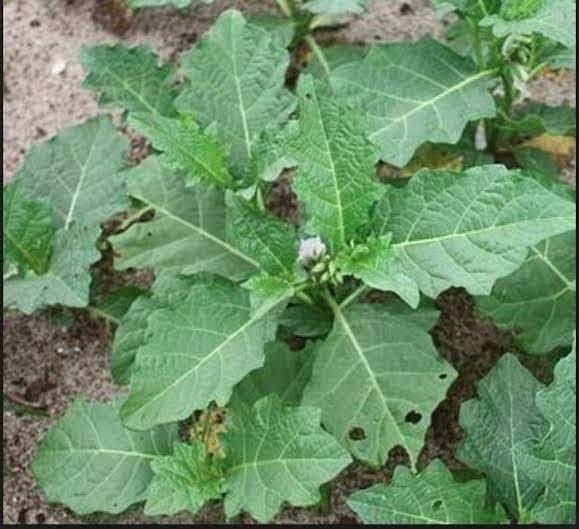
Have you ever heard of garden egg leaves? If not, you’re in for a treat! These unassuming green leaves pack a powerful nutritional punch and have been cherished for centuries in West African cultures, particularly in Nigeria, where they are deeply rooted in traditional medicine and cuisine.
Let’s start by knowing these versatile leaves’ fascinating origins and various names. Garden egg leaves are native to the lush, tropical regions of West Africa. In Nigeria, they are cultivated and consumed extensively, especially in the southern and western parts of the country.
Garden egg leaves go by different names that reflect their cultural significance in Nigeria. In the Igbo language, they are called “Akwukwo Anyara,” while the seed is referred to as “Mkpuru Anyara.” The Yoruba people know them as “Efo Igbo,” and in the Hausa language, they are called “Ganyen Gauta.” These names explain the deep-rooted appreciation for garden egg leaves across various Nigerian ethnic groups.

Now, let’s see the incredible benefits that these unassuming leaves have to offer:
Health Benefits of Garden Egg Leaves
Kidney Cleansing
Garden egg leaves are renowned for their ability to cleanse and detoxify the kidneys naturally. When consumed raw or as a juice, they act as potent detoxifiers, filtering unwanted materials and impurities from the kidneys.
This process can help prevent dialysis and other kidney-related issues, such as kidney failure, by improving the organ’s blood filtration capabilities. The presence of potassium in garden egg leaves further enhances the kidney’s ability to filter blood effectively.
Nutritional Boost for Pregnant Women
Pregnant women can greatly benefit from incorporating garden egg leaves into their diet. These leaves are a treasure trove of essential vitamins and minerals, including vitamins B and C, potassium, and calcium.
These nutrients play an important role in supporting a healthy pregnancy by promoting proper fetal development, maintaining a healthy weight, and reducing the risk of congenital disabilities.
Fertility and Libido Enhancer
Many African cultures have long believed in the fertility-boosting properties of garden egg leaves. While scientific evidence is still lacking, these leaves have been traditionally used to treat infertility and improve libido in both men and women.
In communities where this practice is prevalent, individuals firmly believe in the positive effects of garden egg leaves on sexual health and fertility.
Cancer-Fighting
Properties Garden egg leaves possess remarkable anti-inflammatory properties, making them valuable allies in the fight against cancer. The presence of phytochemicals in these leaves helps combat free radicals that can cause inflammation, which is a known risk factor for various cancers.
By reducing inflammation and neutralizing harmful free radicals, garden egg leaves may help prevent the formation and progression of cancerous cells.
Weight Loss and Cholesterol Management
If you’re looking to shed a few pounds or maintain a healthy weight, garden egg leaves can be a valuable addition to your diet. They contain micronutrients that can help manage obesity and reduce cholesterol levels in the blood.
By lowering cholesterol levels, these leaves not only aid weight loss but also contribute to maintaining a fresh and toned appearance. Adequate consumption of garden egg leaves, combined with a balanced diet and exercise routine, can support your weight management goals and improve overall heart health.
Blood Tonic and Anemia Fighter
Garden egg leaves have long been revered as a natural blood tonic, particularly for individuals suffering from anemia or low blood levels. Medical experts often recommend these leaves to help increase blood levels and provide relief to weak or anemic patients.
Whether consumed raw, as a side dish with ukpaka (fermented oil bean seeds), crayfish, salt, and oil or as freshly squeezed juice, garden egg leaves can help replenish depleted blood levels and restore vitality.
Heart Health Guardian
Potassium in garden egg leaves makes them valuable for maintaining a healthy heart. Potassium plays a vital role in regulating heartbeat and blood pressure. By ensuring an adequate intake of potassium, you can help prevent conditions like hyperkalemia (too much potassium) or hypokalemia (low potassium levels), which can disrupt the heart’s rhythm and pose serious health risks.
Blood Sugar Regulation
Garden egg leaves may be good for individuals dealing with diabetes or those seeking to maintain healthy blood sugar levels. These leaves are rich in fiber and magnesium, both of which are known to aid in regulating blood sugar levels.
Unlike some carbohydrates, the fiber in garden egg leaves slows down digestion, preventing sudden spikes in blood sugar levels. For optimal blood sugar control, it is recommended to consume these leaves raw or as freshly squeezed juice.
Digestive Aid and Constipation Relief
The fiber content in garden egg leaves offers multiple benefits for digestive health. Fiber aids in the digestive process by promoting regular bowel movements and increasing stool bulk.
This can help alleviate constipation and maintain a healthy digestive tract. By consuming an adequate amount of garden egg leaves, you can support proper digestion, prevent discomfort, and maintain overall gut health.
Stomach Ulcer Prevention
Garden egg leaves have been traditionally used in the treatment of stomach ulcers due to their possession of anti-ulcer properties. Recent studies on rats have shown promising results, indicating the effectiveness of these leaves in combating ulcers caused by inflammation of the stomach lining.
By incorporating garden egg leaves into your diet, you may be able to reduce the risk of developing stomach ulcers and alleviate symptoms associated with existing ulcers.
Side Effects of Garden Egg Leaves
Now that we’ve seen the remarkable health benefits of garden egg leaves, it’s important to address any potential side effects. While these leaves are generally considered safe for consumption, some individuals may experience allergic reactions. If you notice any adverse effects after consuming garden egg leaves, such as itching, or rashes it is advisable to stop taking it and seek medical attention immediately.
Health Benefits of Garden Egg Leaves in Pregnancy
To fully harness the benefits of garden egg leaves, it is recommended to incorporate them into your diet in various forms. You can enjoy them raw, as a side dish with traditional Nigerian accompaniments, or as a freshly squeezed juice. Experiment with different recipes and find the preparation method that suits your taste preferences best.
Easy Ways To make Nigerian Pounded Yam

Table of Contents
Pounded yam is one of the many yam recipes in Nigeria. It is very delicious, one of the best Nigerian swallows in existence, and also very popular.
It is known as iyan by western Nigerians, foutou in Ivory Coast, fufu in Togo and Benin, and yam fufu in Ghana, and is undoubtedly the most popular traditional yam culinary product in West Africa.
I’m going to tell you all you need to know about this dish, including how to make pounded yam. Keep Reading!

Pounded Yam
It belongs to a group of foods referred to as ‘swallow’ in Nigeria, because of the way it is eaten it. It is made with boiling white yam a sticky dough traditionally made by pressing and kneading or pounding the yam but with the advent of food processors, making pounded has become super easy, you can have your pounded yam ready in less than 10 minutes.
We take a bite from the dish and use our thumb to make an impression on it. Then we eat it with a spoonful of stew or soup.
It’s usually swallowed, although depending on the stew or soup you choose to serve it with, it may take some chewing.
Is Pounded Yam and Fufu the Same?
No, pounded yam is not the same as fufu. Fufu, is produced from cassava or cassava flour. Pounded yam has a slightly rough while has a smooth, sticky, and slightly elastic texture.
Eba, Amala, and other foods are also of the swallow family.
Eba, Amala, and other foods are also of the swallow family.
Some suggestions for Amazon links to “Yam Pounder Machine”.

Where Did Pounded Yam Originate From?
There hasn’t been any confirmed story on how pounded yam came about but it is well cherished in the eastern and western part of Africa. Women are the ones who pound yam the most, but men do as well.
Pounding yam to make a mashed semi-solid paste is one of the most popular ways to prepare and serve it. While pounding yam may appear to be a brute force workout, there is a strategy to it that varies from ethnic group to ethnic group but food processors help reduce the stress.
How To Prepare Pounded Yam
To make pounded Yam, you’ll need the following ingredients;
Yam – Puna yam, genuine yam, or African yam are all terms used to describe the sort of yam we use. It has tough dark brown skin and the inner part is an off-white color. They can be cooked in a variety of ways, including boiling, roasting, and frying. If you live outside of Africa, such as in the United States, the ethnic market or online retailers are the best places to find real yams. To understand more about the genuine yam, go here.
Water – the second component is water, which is required to boil the yam until it is fork-tender.
When I was younger, we used a Mortar and Pestle to pound the Yam until it was smooth and doughy. This takes a lot of time, effort, and sweat, but these days one can make use of a hand mixer and other simpler method to make pounded Yam, it’s a lot easier.
Easy Ways to Make Pounded Yam Without Pounding
When the yam is soft, put it in the blender (in bits) and blend till you achieve a stretchy ball-shaped solid. There you go! so easy and stress-free.
Serve with any soup of your choice and enjoy.
2. Use a hand mixer: So, if you do not have a blender or food processor at home, just make use of your hand mixer.
Like using a blender, boil the yam till it’s soft. Put it into the mixing bowl. With the hand mixer, crush the yam until it becomes smooth, stretchy and lump free.
3. Use a pounded yam flour: Like Semo, Amala, Starch and the likes that require heating up water and then pouring the flour in the boiling water as you mix properly, pounded yam can also be prepared in the same manner using pounded yam flour.
Now you can enjoy preparing pounded yam in the most stress-free way possible.

Is Pounded Yam Healthy?
Yes, it is. Yams are not only an excellent source of fiber but also high in potassium and manganese, which are important for supporting bone health, growth, metabolism, and heart function. These tubers also provide decent amounts of other micronutrients, such as copper and vitamin C.
How To Pound Yam
Start by peeling the yam tubers to remove the skin, then cutting or slicing the tubers into cylindrical pieces. After that, the pieces are boiled in water for around 20 to 25 minutes, depending on the variety. This is commonly referred to as boiled yam.
Pick with a fork and transfer into a mortar then go ahead and pound with a pestle, pound until the yam is seedless and can easily be molded, you can add water and pound until you have a smooth soft pounded yam. Your Pounded yam is ready!
Notes and Tips:
- You need to know that the yam used for the preparation of pounded yam must have stayed for at least three months on the surface, we don’t use newly harvested yams for the preparation of pounded.
- When prepping yam for pounding, you’ll need different amounts of water to boil it depending on how dry the yam is. Fresh yams in the early season of the harvest will take less water while yams harvested in the later season will require more water. This also applies during the pounding, you will need more water for the dry yam and less water for the less dry yams.
What To Serve With Pounded Yam
Pounded Yam is best enjoyed while it’s still hot and fresh. Here are some soups and stews that goes well with Pounded Yam
Check out the recipe below.

Pounded Yam

Equipment
- Mortar and Pestle
Ingredients
- yam tuber
- water
Instructions
- Peel the skin off the yam and then slice.
- Put them in the pot and boil till soft, add enough water so as the water in the yam won’t dry up because you will need it while pounding.
- Scoop the hot yams into a mortar and pound with the pestle, if the yam that you are pounding gets stiff add some of the water used in cooking the yam into the mortar and keep pounding.
- Pound the yam until it has a stretchy consistency and doesn’t stick when touched.
- Scoop your pounded yam in a plate.
- Serve with any Nigeria Soups.
Nutrition
Calories: 236kcal
Tried this recipe?Let us know how it was!


Chef Spotlight: Abena Aboagye

Let’s meet Chef Abena Amoakoaa Sintim Aboagye, her brand name is Chefabbys. She is a Chef, Food Content Creator, African Food Tourist and Food Recipe Creator.
AFN: Tell us about yourself!
Chef Abbys: Well, My name is Abena, a Ghanaian from the Ashanti Region, a young vibrant woman who has developed a passion for the field of cooking. I’m actually an engineer as well so I practice engineering and construction management as well, got a degree from that.
I don’t just love to cook, cooking is a deep passion oriented activity for me. What I love to do outside of cooking is watch movies, however, I’m extremely extroverted.
AFN: Why do you cook?
Chef Abbys: I realized I’ve always loved to cook from a young age, but one time during Covid 19, I realized why stay indoors and do nothing due to quarantine. When I can just start learning new ways to cook? So I tapped into my inner passion during COVID-19! Can you imagine that
So I cook because it makes me extremely happy and anything that makes you happy will make you grow because you never stop doing it hence you become consistent in it
AFN: What is your favorite memory in the kitchen?
Chef Abbys: My favorite kitchen memory was when I shot my 75-year-old dad, he made a recipe for my page and also for my mum. It’s something I’ll never forget it was so adorable and memorable! And that’s my favorite.

AFN: What is your biggest cooking fail?
Chef Abbys: Personally as a person I don’t consider anything a failure in my life. I rather consider them as an opportunity to grow and do better. So nothing is a failure for me. Everything is a success in disguise.
AFN: What kitchen equipment do you use more and can’t do without?
Chef Abbys: I can’t do without Blender! What will life be without a blender haha.
AFN: What are your favorite foods to cook and why?
Chef Abbys: My favorite foods to cook are kenkey and Waakye! Even though etor is my favorite food, I don’t enjoy the process of cooking it. What I enjoy so much is kenkey and Waakye. The dynamics in those Two meals are beautiful.

AFN: What would you like to share with our audience?
Chef Abbys: My fellow Africans, a big thanks to African Food Network for this opportunity. I’d like to let you all know that you should always tap into that inner drive and passion in you and do what makes you happy! Do not follow the crowd. If it makes you happy, do it; trust me, you’ll be extremely consistent. I can’t wait to share more beautiful videos depicting African food and culture.
AFN: How can your fans reach you on social media?
My fans can reach me on all social media pages
@chefabbys on tiktok
@chefabbys on instagram
@chef.abbys on Snapchat
@chefabbys on Twitter
@chefabbys on YouTube
@chefabbys on tiktok
@chefabbys on instagram
@chef.abbys on Snapchat
@chefabbys on Twitter
@chefabbys on YouTube
Nigerian Pancake (Diet)

Table of Contents
Nigerian Pancake, also known as Diet is simply delicious; with a sweet, savory, and slightly spicy taste, you can’t resist.
The sugar, pepper, and onion give the pancake a sweet, slightly spicy, and savory taste.
What is Nigerian Pancake?
The Nigerian Pancake is very different from the regular pancake. This is the most balanced meal for breakfast as it is a blend of protein, carbohydrates, oil, and vitamins. This is thinner, lighter, spicy, and more savory than fluffy pancakes.

What’s the Major Difference Between the Nigerian Pancakes and The American Pancakes?
How to Make Nigerian Pancakes
Everything you’ll need to make a great pancake is most likely already in your kitchen. The ingredients consist mainly of sugar, pepper and onion, which gives the pancake a sweet, slightly spicy and savory taste, that will keep you asking for more.
Apart from the aforementioned ingredients, other spices and ingredients can also be added; it all depends on your preference. The full recipe with ingredient amounts is shared in the recipe section below.

Storage Instructions
Though they are best served fresh and warm, these pancakes can be refrigerated in an airtight container for 2-3 days.
Some Suggestions to Buy the Best Non-Stick Frying Pan

Reheat Instructions
To reheat them, microwave one pancake for about 20 seconds. Add another 5-10 seconds as you add additional pancakes.
If you know you’re going to have pancakes in the morning, you could even pop the number of pancakes you’ll need into the fridge the night before so they thaw (which is what I’ve been doing). Either way, these reheat beautifully.
Here’s an easy recipe, you’ll surely love. Enjoy!

Nigerian Pancakes (Diet)

Nigerian Pancake is very different from the regular pancake. This is the most balanced meal for breakfast as it is a blend of protein, carbohydrates, oil and vitamins.
Ingredients
- 1 cup plain flour
- 2 med eggs
- ½ cup evaporated milk
- 2 tbsp of margarine
- ¼ tsp nutmeg (optional)
- 1 cup of water
- ¼ tsp salt
- 6 tsp sugar
- 3 tsp ground chilli pepper
- scotch bonnet pepper
- 1 tbsp onions (minced/blended)
- 1-2 tbsp vegetable oil (for greasing the pan)
Instructions
- Put the margarine is a small bowl and melt in the microwave or place the bowl in a bigger bowl of hot water to achieve same effect.
- Break the two eggs into the melted margarine and beat till smooth. Then add ½ cup of water.
- Add the flour and mix well till there are minimal lumps.
- Add the salt, sugar, minced/blended onions, pepper, salt, nutmeg and the milk.
- Gradually add the water while stirring until the pancake batter is smooth with a runny consistency (a liquid blender would give the batter a very smooth consistency). The lighter the batter, the thinner the pancakes.
- Set a frying pan over medium heat. Add a few drops of vegetable oil to grease the frying pan.
- Pour some pancake batter into the frying pan. Tilt the pan so that the batter coats the surface of the pan evenly.
- Cook on one side for 1 minute, shaking the pan from time to time till the pancake comes loose.
- Flip the pancake so the other side can cook as well.
- The pancake is done when both sides are light brown.
Notes
Serve with Custard, Pap or Oat Meal. It can also be served as a snack.
Tried this recipe?Let us know how it was!
