8 Foods that Boost your Immune System

0


Foods that help boost the immune system
Image from Unsplash

How can you improve your immune system? On the whole, your immune system does a remarkable job of defending you against disease-causing microorganisms. But sometimes it fails: A germ invades successfully and makes you sick. Is it possible to intervene in this process and boost your immune system? What if you improve your diet? Take certain vitamins or herbal preparations? Make other lifestyle changes in the hope of producing a near-perfect immune response?


Some ways to boost your immune system includes;

  • Don’t smoke.
  • Eat a diet high in fruits and vegetables.
  • Exercise regularly.
  • Maintain a healthy weight.
  • If you drink alcohol, drink only in moderation.
  • Get adequate sleep.
  • Take steps to avoid infection, such as washing your hands frequently and cooking meats thoroughly.
  • Try to minimize stress.


Infections that people with a weak immune system often get include:

  • pneumonia
  • meningitis
  • bronchitis
  • skin infections
  • These infections may recur with a high frequency.

Other symptoms of a weak immune system can include the following:

  • autoimmune disorders
  • inflammation of the internal organs
  • blood disorders or abnormalities, such as anemia
  • digestive issues, including loss of appetite, diarrhea, and abdominal cramping
  • growth and developmental delays in infants and children

Eating foods that boost your immune system is probably the best bet for you. This includes foods like;


Citrus fruits can actively boost your immune system 

Citrus fruits help boost the immune system
Image from Unsplash

Citrus fruits contain vitamin C. Most people turn straight to vitamin C after they’ve caught a cold. That’s because it helps build up your immune system.

Vitamin C is thought to increase the production of white blood cells, which are key to fighting infections.

Almost all citrus fruits are high in vitamin C. With such a variety to choose from, it’s easy to add a squeeze of this vitamin to any meal.

Popular citrus fruits include:

  • grapefruit
  • oranges
  • tangerines
  • lemons
  • limes

Because your body doesn’t produce or store it, you need daily vitamin C for continued health.


Red Bell Peppers are great immune system boosters

Red Bell Peppers help boost the immune system
Image from Unsplash

They contain almost three times more vitamin C than citrus fruits, ounce for ounce. They’re also a rich source of beta carotene.

Besides boosting your immune system, vitamin C may help you maintain healthy skin. Beta carotene, which your body converts into vitamin A, helps keep your eyes and skin healthy.


Did you know Garlic is also an immune system booster?

Garlic helps boost the immune system
Image from Unsplash

Garlic is found in almost every cuisine in the world. It adds a little zing to food and it’s a must-have for your health. Early civilizations recognized its value in fighting infections. Garlic may also slow down hardening of the arteries, and there’s weak evidence that it helps lower blood pressure.

Garlic’s immune-boosting properties seem to come from a heavy concentration of sulfur-containing compounds, such as allicin.


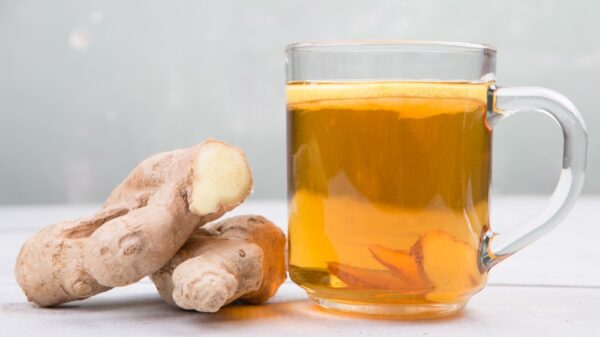
Ginger

Ginger helps boost the immune system
Image from Unsplash

Ginger is another ingredient many turn to after getting sick. It may help decrease inflammation, which can help reduce a sore throat and inflammatory illnesses. This vegetable may help with nausea as well. Ginger may also decrease chronic pain and might even possess cholesterol-lowering properties.


Yogurt

Yoghurt helps boost the immune system
Image from Unsplash

Greek yogurt have “live and active cultures”, which are good for you. These cultures may stimulate your immune system to help fight diseases.

Try to get plain yogurts rather than the kind that are flavored and loaded with sugar. You can sweeten plain yogurt yourself with healthy fruits and a drizzle of honey instead.

Yogurt can also be a great source of vitamin D, so try to select brands fortified with this vitamin. Vitamin D helps regulate the immune system and is thought to boost our body’s natural defenses against diseases.


Turmeric

Tumeric helps boost the immune system
Image from MedicalNewsToday

You may know turmeric as a key ingredient in many curries. This bright yellow, bitter spice has also been used for years as an anti-inflammatory in treating both osteoarthritis and rheumatoid arthritis.

Research shows that high concentrations of curcumin, which gives turmeric its distinctive color, can help decrease exercise-induced muscle damage. Curcumin has promise as an immune booster and an antiviral. More research is needed.


Green Tea

Green Tea helps boost the immune system
Image from healthy women.org

Both green and black teas are packed with flavonoids, a type of antioxidant. Where green tea really excels is in its levels of epigallocatechin gallate (EGCG), another powerful antioxidant.

In studies, EGCG has been shown to enhance immune function. The fermentation process black tea goes through destroys a lot of the EGCG. Green tea, on the other hand, is steamed and not fermented, so the EGCG is preserved.

Green tea is also a good source of the amino acid L-theanine. L-theanine may aid in the production of germ-fighting compounds in your T cells.


Pawpaw is great for boosting the immune system 

Pawpaw or Papaya is another fruit loaded with vitamin C. You can find the daily recommended amount of vitamin C in a single medium fruit. Papayas also have a digestive enzyme called papain that has anti-inflammatory effects.

Papayas have decent amounts of potassium, magnesium, and folate, all of which are beneficial to your overall health.


Here are other articles you may love:

These Foods Are Known To Cure ColdCold

Lemon Leaf Herbal TeaTea

Health Benefits Of Fruit Salads

6 Things About Eggs and More You Need To Know.

Everyday Foods That Can Cause Allergic Reactions

Best Food Choices For Lactating Mothers


3 Amazing differences Between Margarine and Butter

0
Butter vs Margarine
image source: asapscience

In this article, we’ll be bringing to light the key differences between margarine and butter.

I remember when I first learned that these two items aren’t the same. I was super curious to know the differences as well as similarities between the two. Put simply, margarine is a highly processed food product made from vegetable oils, while butter is basically concentrated dairy fat. Butter is a dairy product made by churning cream. Conversely, margarine is a product designed to imitate butter.

Butter

This is a dairy product made from churning milk or cream. The churning process separates its fat (the solids) from its milk (the liquid). The butter we most often buy is made from cow’s milk, although other varieties — made from the milk of sheep, goat, yak, or buffalo — are also available. While typically pale yellow in color, butter can range from white to deep yellow, depending on the animal’s diet. And since, at its core, it is made from one ingredient, it can be made at home. The biggest factor that sets different brands of butter apart is the fat content, which ultimately has an effect on the butter’s taste and texture.

Margarine

This is a non-dairy product created as a substitute for butter. While originally made from animal fat in the 1800s, today the primary ingredients include vegetable oil, water, salt, emulsifiers, and some also include milk. It can be found in both sticks and tubs. Unlike butter, margarine isn’t something that can be made at home. Like butter, regular margarine must also have a minimum fat content of 80 percent by law. Anything less is considered a “spread.”

Differences between Margarine and Butter

butter-vs-margarine.jpg-
Image from Science ABC

Since margarine’s primary component is vegetable oil, it lacks the cholesterol and saturated fat found in butter and has a higher percentage of polyunsaturated and monounsaturated fats. It may, however, contain trans-fat — although, many brands have reduced or totally eliminated this from the ingredient lineup, using palm oil and palm kernel oil in its place.

The most important difference between the two is that butter is derived from dairy and is rich in saturated fats, whereas margarine is made from plant oils. This difference has an impact on taste, texture, and nutrition. Although margarine used to contain trans-fat, nowadays, manufacturers have started phasing them out.

Margarine usually tops butter for heart health.

As far as substituting one for the other, it’s best to go by the recipe, especially when it comes to baking. Those kinds of margarine that have a lower fat content contain more water, which can lead to tougher baked goods.

As far as which one is better, your best bet is to just use whichever one you choose in moderation.


Here are related articles you may love:

Peanut Butter Rice

Gnocchi With Sage (Butter Sauce)

No Buttermilk Skillet-Fried Chicken

How to Defrost Food Easily and Quickly

0
Defrosting
image source: aifs

Another term for allowing food to defrost is ‘thawing’. Defrosting or thawing of food is the melting of a food item, bringing its temperature above the freezing point to remove ice. For instance, you’ve had your chicken in a deep freezer for days and you would like to use it to cook, but getting it to defrost on time is an issue and your children are soon back from school. What do you do?

Thawing Methods

Thawing
image source: amg
  • Refrigerator Thawing.
  • Cold-Water Thawing.
  • Microwave Thawing.

Here are some tips for defrosting food, easily and quickly.

Tips For Defrosting Meat

If you’re pressed for time and can’t allow the meat naturally thaw, your meat can be quickly thawed in cold or warm water, although warm water is a little riskier if you let some of the water cool for too long.

Cold Water Thawing

  • Place the frozen meat inside a sealable plastic bag that will comfortably fit.
  • Put the bag in a large bowl and fill it with cold tap water. Take a large glass or metal bowl out of your cabinet. The container must be big enough to fully submerge your food in the water. Place your frozen food item at the bottom of the bowl. Turn your sink’s water on and fill the bowl with the water.
  • Once your bowl is filled with water, submerge your food in the water. Leave the bowl in your sink or on your counter-top. The size, type, and density of your food will determine how long it takes to thaw. Stone cold meat can take up to an hour or two. You can tell if smaller meat are thawed by simply touching them. If they’re as soft as they’d be if they weren’t frozen, you’re good to go. Larger items may be frozen in the center though, making this method a poor choice for thicker foods.
  • Use a spoon or spatula to weigh the food down if it’s floating at the top of the water.
  • Change the water out every 30 minutes to prevent it from warming. The goal when thawing food in cold water is to keep the water significantly colder than room temperature so that dangerous bacteria doesn’t grow in your food. To keep the water temperature under 40 °F (4 °C), which is the threshold for dangerous bacteria, drain the water while refilling it in your sink once every 30 minutes. This will ensure that your food stays cold as it thaws.
  • Cook your food immediately after it’s fully thawed.

This is faster than refrigerator thawing and safer than hot water thawing. This cold water method is excellent for frozen meat.

Tips For Defrosting Baked Goods

For defrosting baked goods, you’ll have to be careful so you don’t end up making them soggy hence defeating the point. For baked goods, the best method you can use, is the refrigerator thawing. This means, taking it out of the freezer and putting it in the refrigerator. This ensures that it doesn’t get soggy. You can also use the microwave thawing method. You can certainly defrost bread entirely in the microwave, but it may get soggy as the ice crystals melt into the bread.

This method may not work with baked goods that contain filling, like pie or donuts with cream filling.

The microwave thawing method works for smaller baked goods, like individual scones, muffins, or croissants.

Tips for Defrosting Cooked Meals

Defrosting of cooked meals is best done by the refrigerator thawing method. It is recommended that you defrost ready-cooked foods in the fridge overnight.

Or use these other methods:

Cold water thawing: Submerge a bag of frozen food in cold tap water to slowly thaw. This method can take 30-minutes to 3 hours depending on the food volume.

Microwave thawing: Use the defrost setting to thaws food over several minutes without cooking it.


The time it takes to thaw cooked food depends on how thick the frozen food is. Try cold water thawing, microwave thawing or just put the frozen meal in a pot as part of the cooking process. If it is a meal that has water, you can add water to the pot and put the heat on low. This ensures the food doesn’t burn and melts easily.


Is Alcohol Consumption Fattening?

0
Whisky
image source: invaluable

If you were ever in doubt as to if alcohol makes you gain weight, well you shouldn’t doubt anymore because the fact is that it actually does. Whether directly, or relatively, alcohol consumption make you gain much more weight than you thought possible.

You’re more likely to put on weight if you drink alcoholic beverages. In fact, drinking alcohol is double wahala. Not only is booze high in calories, but it also evidently leads to increased appetite. In a study, researchers alternated giving alcoholic and nonalcoholic aperitifs (an alcoholic drink taken before a meal to stimulate the appetite) to a group of men and women lunchers over a 7- day period. On the days when the group drank, they ate faster, ate more, ate for a longer time, became “full” later, and kept on eating even after they had reached satiety.

Certainly, the alcohol prompted the people in the study to eat more and eat faster. Perhaps it also made them throw caution to the wind.

How About A Drink?

What about an evening cocktail or a glass of wine with dinner?

Well, awareness comes first when you’re making this choice. The first thing to be aware of is that some recent studies have suggested that alcohol may actually increase appetite. What is almost certain is that it decreases resistance and can tend to muddle the decision making process.

Since your food choices are they key to your weight loss, if alcohol tends to put you in an I-don’t-care mood, that’s something you ought to recognize. If you find that a bowl of peanuts at the bar disappears in the blink of an eye when you’re meeting the gang for some bottles of beer, you may want to regulate drinking.

Tips:

  • Start with a glass or two of water, ask for lime or lemon in it.
  • Do this before taking a glass of wine.
  • Order a bottle water to the table when the wine is ordered.
  • Alternate your glasses. Water and wine. This paces your drinking.

Are You Getting Enough Protein? – 5 Reasons Why You Should

0
Protein
image: thejakarta

Protein is a nutrient needed by the human body for growth and maintenance. They are essential nutrients for the human body as they are one of the building blocks of body tissue and can also serve as a fuel source. Protein can be found in all cells of the body and is the major structural component of all cells in the body, especially muscle. This also includes body organs, hair and skin.


Too Little Or Too Much?

Protein deficiency and malnutrition (PEM) can lead to variety of ailments including mental retardation and kwashiorkor. Symptoms of kwashiorkor include apathy, diarrhea, inactivity, failure to grow, flaky skin, fatty liver, and edema of the belly and legs. This edema is explained by the action of lipoxygenase on arachidonic acid to form leukotrienes and the normal functioning of proteins in fluid balance and lipoprotein transport.

When food protein intake is periodically high or low, the body tries to keep protein levels at an equilibrium by using the “labile protein reserve” to compensate for daily variations in protein intake. However, unlike body fat as a reserve for future caloric needs, there is no protein storage for future needs.


Health Benefits

Studies show that eating protein can also help you lose weight and belly fat while increasing your muscle mass and strength. A diet that is high in protein may also help lower blood pressure, fight diabetes, and more. Here are the essential benefits of eating proteins:

  • Protein is a key component of bones, muscles, cartilage, and skin. Protein makes up the majority of your hair and nails.
  • A protein molecule found in red blood cells transports oxygen throughout the body. This aids in the flow of nutrients to your entire body.
  • It is essential for building new and repairing worn-out tissues.
  • Protein is crucial for hormone regulation, particularly during cell transformation and development throughout puberty.
  • About half of the protein you eat each day is used to make enzymes, which aid in digestion, as well as new cells and body chemicals.

Recommend Daily Intake

The Reference Daily Intake (RDI) for protein is 46 grams for women and 56 grams for men.


Sources Of Food Protein

Eggs:

Eggs Protein source
Image from Unsplash

Whole eggs are among the healthiest and most nutritious foods available. They’re an excellent source of vitamins, minerals, healthy fats, eye-protecting antioxidants, and brain nutrients that you need. Whole eggs are high in protein, but egg whites are almost pure protein. Egg and foods containing egg are not suitable for people with an egg allergy.

Protein content: 33% of calories in a whole egg. One large egg has 6 grams of protein and 78 calories.


Chicken breast:

chicken breast protein source
Image from Jessica Galvin

Chicken breast is one of the most popular protein-rich foods.If you eat it without the skin, most of its calories come from protein.Chicken breast is also very easy to cook and versatile. It can taste delicious in a wide range of dishes.

Protein content: 75% of calories. One roasted chicken breast without skin contains 53 grams and only 284 calories.


Oats:

Oats protein source
Image from Unsplash

Oats are among the healthiest grains available. They provide healthy fibers, magnesium, manganese, thiamine (vitamin B1), and several other nutrients.

Protein content: 14% of calories. One cup of oats has 11 grams and 307 calories.


Greek yogurt:

Greek yoghurt protein source
Image from Eat This, Not That

Greek yogurt, also called strained yogurt, is a very thick type of yogurt. It pairs well with sweet and savory dishes. It has a creamy texture and is high in many nutrients.

Protein content: 69% of calories. One 6-ounce (170-gram) container has 17 grams of protein and only 100 calories.

When buying Greek yogurt, opt for one without added sugar. Full fat Greek yogurt is also high in protein but contains more calories.


Milk:

Milk contains a little of nearly every nutrient that your body needs. It’s a good source of high quality protein, and it’s high in calcium, phosphorus, and riboflavin (vitamin B2). If you are concerned about your fat intake, low or zero fat milk is an option.

For those with lactose intolerance, consuming milk can lead to gastrointestinal symptoms. People with a milk allergy can likewise experience severe symptoms, so dairy milk is not a suitable option for them either.

For those who wish to drink milk but either cannot tolerate it or follow a purely plant-based diet, alternatives include soy milk.

Protein content: 21% of calories. One cup of whole milk contains 8 grams of protein and 149 calories. One cup of soy milk contains 6.3 grams of protein and 105 calories.


Tuna: Tuna is a popular type of fish. You can eat it hot in a range of baked dishes or cold in salads. It’s low in fat and calories but a rich source of protein. Like other fish, tuna is a good source of various nutrients and contains omega-3 fats.

Protein content: 84% of calories in tuna canned in water. One can (142 grams) contains 27 grams of protein and only 128 calories.


Turkey breast:  Turkey breast is similar to chicken breast in many ways. It consists mostly of protein, with very little fat and calories. It also tastes delicious and is high in various vitamins and minerals.

Protein content: 82% of calories. One 3-ounce (85-gram) serving contains 26 grams and 125 calories.


Fish (all types): Fish is healthy for various reasons. It’s rich in essential nutrients. Some types are high in heart-healthy omega-3 fatty acids.

Protein content: Highly variable. Salmon is 22% protein, containing 19 grams per 3-ounce (85- gram) serving and only 175 calories.


Peanuts: Peanuts are high in protein, fiber, and magnesium. Studies show that they can help you lose weight. Peanut butter is also high in protein, but it can likewise be high in calories. Therefore, you should eat it in moderation.

Peanuts are not suitable for people with a nut allergy.

Protein content: 18% of calories. One ounce (28 grams) contains 7 grams and 161 calories.


Lentils: Lentils are a type of legume. They are high in fiber, magnesium, potassium, iron, folate, copper, manganese, and various other nutrients. Lentils are among the world’s best sources of plant-based protein, and they’re an excellent choice for vegetarians and vegans.

Protein content: 31% of calories. One cup (198 grams) of boiled lentils contains 18 grams of protein and 230 calories.

Other high protein legumes includes;

Soybeans (33% of calories), kidney beans (24%), and chickpeas (19%).


In summary, Protein is essential for maintaining and repairing body tissue. It may also help you lose weight. Endeavor to eat a protein-based meal daily.

Here are similar articles you may love:

Counting Carbohydrates – 3 Fundamental Things About Carbohydrates You Need to Know

Beans As A Carbohydrate Source

6 Astonishing Things About Eggs and More You Need To Know.

Ham, Liver and Eggs Fried Rice

Try These Interesting Ways To Cook Eggs

Dambu With Veggies

You Would Be Surprised With These 5 African Foods That Will Help Your Skin Glow

4 Economically Important African Fruits And Their Seasons

5 Natural African Spices You Should Incorporate Into Your Daily Meal


12 Things About Ginger You Should Know

0

When the Covid-19 scare started in Nigeria a few week back, everyone went into a frenzy. And the good ol’ ginger became a necessity because of it’s said nutritional components. Is it worth the hype?

Origin

Ginger originated from an Island Southeast Asia. It is a true cultigen (a plant species or variety known only in cultivation) and does not exist in its wild state. The most ancient evidence of its domestication is among the Austronesian peoples where it was among several species of ginger cultivated and exploited since ancient times. They cultivated other gingers including turmeric (Curcuma longa), white turmeric (Curcuma zedoaria), and bitter ginger (Zingiber zerumbet). The rhizomes and the leaves were used to flavor food or eaten directly. The leaves were also used to weave mats. Aside from these uses, ginger had religious significance among Austronesians.


About Ginger

Ginger helps boost the immune system
Image from Unsplash

Raw ginger is composed of 79% water, 18% carbohydrates, 2% protein, and 1% fat (table). In 100 grams, it supplies 80 Calories and contains moderate amounts of vitamin B6 (12% of the Daily Value, DV) and the dietary minerals, magnesium (12% DV) and manganese (11% DV), but otherwise is low in nutrient content (table).

When used as a spice powder in a common serving amount of one tablespoon (5 grams), ground dried ginger (9% water) provides negligible content of essential nutrients, with the exception of manganese (70% DV).

What Ginger Can/Cannot Do

Ginger
Image from TheList

Very many health benefits, but there are also insufficient evidence for a few of the points listed below:


  1. It can reduce your risk of diabetes.

Scientists have linked some active compounds in it with improvements in insulin and metabolism. That said, if you’re at risk for diabetes, adding extra to sugary gingerbread cookies won’t do you any favors! Keep both dried and fresh ginger on-hand for flavoring smoothies and veggie-based stir-frys and soups. While some chemical compounds in ginger may decrease over time, the drying process enhances other beneficial ones.


  1. It’s a natural way to relieve period pain.

Out of all of the research done on ginger’s pain-relieving properties, results show it helps with menstrual pain the most. Sipping its tea can also soothe nausea during that time of the month. However, if you usually take acetaminophen or ibuprofen, it may not work as well. Check with your doc before trying any supplement in extract or pill form, since it may interact with other medications you’re taking.


  1. It’s an anti-inflammatory.

Like other produce, nuts, seeds, beans, and whole grains, it contains antioxidant-like compounds called phytonutrients that may reduce cell damage. The root can also prevent inflammation from starting by reducing cell-signaling activity. With that in mind, adding it to already good-for-you, nutrient-dense meals is the key to unlocking those properties.


  1. It can settle an upset stomach.

The idea that itcit help with some light tummy trouble isn’t new. In fact, research has linked multiple digestive benefits to ginger, specifically acting on parts of your GI tract responsible for feelings of nausea, stomach upset, and vomiting. It may also help move food from the stomach to the small intestine for digestion and absorption. That said, ginger cannot prevent food poisoning or counteract ingestion of a harmful substance, so contact your physician ASAP if something requires urgent medical attention.


  1. It can also curb morning sickness.

And speaking of an upset stomach, pregnant women in particular should take note: it may help reduce symptoms of morning sickness! In fact, research supports the safety and its  efficacy during pregnancy, with some improvement in symptoms when compared to a placebo.


  1. It may help prevent heart disease.

The same anti-inflammatory compounds in ginger can also reduce the risk of chronic disease. A 2016 review even linked regular its intake with lower cholesterol and blood sugar compared to a placebo. But just like diabetes, eating ginger can’t offset an otherwise poor diet high in saturated fat and added sugar. You’ll still have to consume more veggies, 100% whole grains, lean proteins, fish, legumes, and beans in order to reduce your risk.


  1. It may lower your risk of cancer.

Its cell protecting values can lower the long-term risk of certain cancers. That’s because the spice and other flavorings may reduce cellular activity that causes DNA changes, cell death, and proliferation of cancer cells. It could also help sensitize tumors to treatments like chemo and radiation. While it’s not a cure-all for any chronic disease, using it regularly with loads of other spices and plant-based foods can help benefit health overall.


  1. It can help you lose weight.

Some small studies have linked ginger intake — when combined with other plant extracts — to some benefits in weight loss. And there’s definitely some promising animal research linking it to weight management. But as with anything else, it is no magic weight-loss pill! Other components of a healthy, balanced diet matter just as much when it comes to losing weight and keeping it off.


  1. Osteoarthritis.

Most research shows that taking ginger by mouth can slightly reduce pain in some people with osteoarthritis. There is some evidence that taking it by mouth works as well as certain drugs such as ibuprofen and diclofenac for pain in hip and knee osteoarthritis. But conflicting results exist. Some early research also shows that ginger gel applied to the knee or ginger oil massaged into the knee can also relieve osteoarthritis pain.


  1. Chronic obstructive pulmonary disease or COPD.

A lung disease that makes it harder to breathe.  Research shows that taking two capsules of a specific combination product (AKL1, AKL International Ltd) containing ginger twice daily for 8 weeks does not improve respiratory symptoms in people with COPD.


  1. Acute respiratory distress syndrome or ARDS.

 A sudden and serious lung condition. Research suggests that administering 120 mg of ginger extract daily for up to 21 days increases the number of days without ventilator support, the amount of nutrients consumed, and reduces the time spent in intensive care units in people with sudden respiratory system a failure. However, its extract does not seem to affect death rates in people with this condition.


  1. High blood pressure.

Drinking black tea with ginger might lower blood pressure by a small amount in people with diabetes and high blood pressure.

Ginger can be a delicious way to flavor any anti-inflammatory diet plan. Plus, swapping the spice for added salt, sugar, or saturated fat may help us lose unwanted pounds! It can be used for seasoning veggie-heavy meals and snacks, not solely for health benefits.

Food that Deceive (Saboteurs)

0
Saboteurs
image source: owensboro

You can also call them Saboteur Foods. Saboteurs often travel in disguise, and these foods are no exception.

What is their disguise? They pretends to be foods that help you lose weight. But the fact is, those foods serve no purpose in weight control. They are high in calories, or empty in calories. We give ourselves permission to eat them because they are lower in fat or sugar than their regular food counterparts.

All too typically, when we give ourselves permission to eat these foods, we can easily rationalize overeating them. This is why you should avoid these foods, if you’re trying to lose weight. They will sabotage your weight loss efforts and undermine the results.

High on the list of saboteurs are low fat and fat free baked goods. To read the advertising on these products, you’d think weight would vanish in an instant. Evidence shows otherwise. Eating these foods simply replaces fat calories with refined carbohydrate calories.  Basically, all you’re doing is exchanging one kind of calorie for another.

Dividing these foods into two main categories:

One category includes snack foods with advertising that lists all the ‘bad’ ingredients they do not contain. They are low-fat, reduced-fat, sugar-free, low-sodium, low- cholesterol, and so on. Cholesterol free foods can still be high in ingredients that really add weight.

The other category are foods that can be referred to as ‘healthy naturals’. We mistakenly perceive them as having some redeeming nutritional benefits. Maybe the product is sweetened with fruit juice or honey instead of with refined sugar. The replacement item sounds healthy and natural, so we rationalize that it isn’t as bad as an empty calorie food.

But a cookie sweetened with honey is just as caloric as one sweetened with sugar. You’re actually better of eating real cookies or chips rather than saboteurs.

Why?

This is because even if a saboteur food is lower in fat, sugar, or calories than the regular food, it’s almost certain you’ll give yourself permission to eat them more frequently and probably in more generous quantities. Over time, then, they’ll add more calories.

It’s easy to find out whether these foods are high in calories. Just check the nutritional information on the label. But it is unlikely you’ll do that. Instead, we tend to rationalize by saying, it is low fat. It is easy and dangerous to fall into the habit of thinking that these foods are ‘not as bad’.

Listen to Your Body Chemicals

0
Weight loss
image source: daily express

There are least six body chemicals that have a profound effect on your life— and your weight. Their names are strange, and there’s no reason to memorize them. But as weight loss research continues, it’s likely that you’ll see these chemicals mentioned again and again.

They are;

  • Cholecystokinin
  • Cortisol
  • Dopamine
  • Lepton
  • Neuropeptide Y
  • Serotonin

At the moment, there are no adequate explanations about how each of these affects your weight individually. What researchers do know, however, is that these substances relay messages to your fat cells, blood, brain, and intestines. They play a role in regulating body weight, appetite, eating behaviors, and even the way we think about food.

This is not to say that we are automatons programmed by chemicals. Our eating is also affected by other factors, from psyche to circumstances. Since the whole issue of eating is so complex, no researcher can tell you with absolute certainty why someone can resist the temptation of the bread basket one day but lust helplessly after chocolate cake the next day.

While it’s nearly impossible to know the reasons why you need to eat a particular food at a particular time, it’s very important to be in touch with that desire. You can’t understand all the ways in which chemicals work, but you must listen when they talk to you.

Most dieters have not learned to do this. The urge to eat is a need that must be filled.

If we don’t respond to that urge, the need-to-eat feelings— call them hunger, appetite, or anything else—will get the upper hand. And here’s the irony: as a result of trying not to respond to the need to eat, there’s a good chance that you won’t be able to lose weight or maintain weight loss.

The Amazing and Healthy Lemon Leaf Herbal Tea

0
lemon tea herbal tea
image source: draxe

Herbal teas are made from dried fruits, flowers, spices, or herbs. This means herbal teas can come in a wide range of tastes and flavors and make a tempting alternative to sugary beverages or water.

In addition to being delicious, some herbal teas have health-promoting properties. In fact, herbal teas have been used as natural remedies for a variety of ailments for hundreds of years.

I have this lemon tree in my house, it hasn’t started growing fruits yet but for me the leaves are IT!

The flavor is everything to me. I remember growing up, my mom used to send us to pluck the leaves from our neighbor’s compound, then we’ll use them to make chicken pepper soup. Pure bliss, trust me.

I’m sitting home one day and decide to make a herbal/detox tea. I’ve always liked herbal teas as they are always a healthy option. The antioxidants and vitamins found in herbal teas are great for helping fight disease and infections. They can protect against oxidative stress and lower the risk of chronic disease. Some of the best herbal teas for boosting your immune system are elderberry, echinacea, ginger, and liquorice root tea.


What To Know About Lemon Leaves

Lemon leaf herbal tea
Image from Unsplash

Lemon leaves are small to medium in size and are ovate, oblong, and taper to a point on the non-stem end. The vibrant green leaves grow alternately along the branches, and they have fine-toothed edges with a slight rippling. There is also a prominent central stem with some small veins spreading throughout the leaf. Lemon leaves have a glossy finish on the green topside and a matte finish on their lighter green underside. When young, Lemon leaves are red and as they mature turn to a deep green. Lemon leaves are slightly oily with an aromatic and bright, green, citrus taste. Lemon leaves are a secondary crop utilized in many cultures throughout the world for flavoring dishes, making teas, and as an aromatic decoration. Lemon leaves, when boiled to make teas, may have antispasmodic and sedative properties. Lemon leaves can be used to cure migraine headache and asthma.

How? soak two handfuls of fresh or fried  lemon leaves in hot water. Allow it infuse for 10 minutes. Drink two cups every night for two weeks. This applies more particular to asthma patients.

The Lemon leaf is also used for de-worming. For this prepare as for migraine and asthma above. The dosage is three cups every night for one week. Lemon leaves also serve as a better alternative to Valium and other synthetic sedatives, which by the way, have side effects.


How to make lemon leaf herbal tea

So here I am with ginger, garlic, and lemon leaves. Let’s make tea!

Ingredients

  • Fresh lemon leaves
  • Ginger
  • Garlic
  • Honey


Directions

  • Wash and cut garlic into tiny pieces.
  • Repeat same for the ginger
  • Wash the leaves and place into a pot
  • Add the ginger and garlic
  • Add enough water
  • Allow to boil for twenty minutes.


Your tea is ready. You can drink it hot or allow to cool. Add honey to sweeten or any artificial sweetener you have if you don’t want to drink it like that. The Lemon leaf herbal tea has a flavor from heaven. Combined with the nutritional components of garlic and ginger, this is one tea you should try!

Some suggestions for Amazon links to “Jade Leaf Matcha Organic Green Tea Powder”.

Jade Leaf Matcha Organic Green Tea PowderProject Overview Docs Banner in Light Green Blue Vibrant Professional Style 1

Here are similar articles you may love, just click:

15 Astonishing Fruits and vegetables That Help Boost your mental health

8 Foods that Boost your Immune System

Foods That Relieve Constipation

5 Natural African Spices You Should Incorporate Into Your Daily Meal

Nutritional Benefits of Cocoa Powder

0
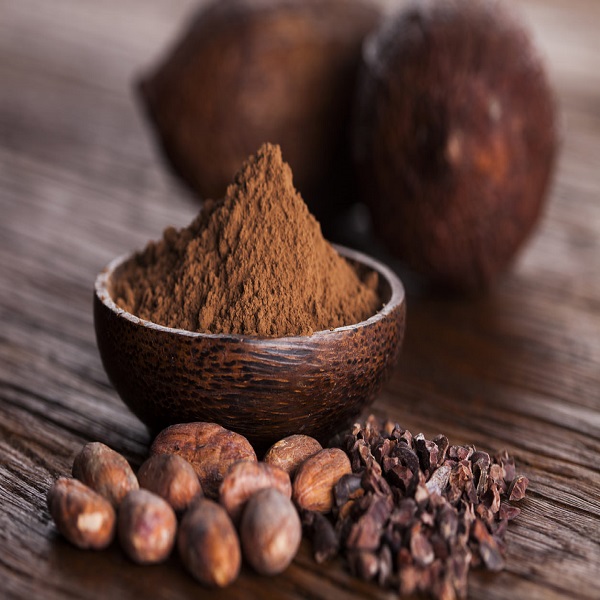
cocoa beans
image source: mydietgoal

Cocoa powder is made by crushing cocoa beans and removing the fat or cocoa butter. Cocoa powder is commonly used to bake, as in, chocolate cake, brownies etc. Also, the powder can be drank as hot or cold tea. Today, cocoa is most famous for its role in chocolate production. However, modern research has revealed that it does indeed contain important compounds that can benefit your health. Consuming cocoa can improve blood flow and reduce cholesterol. Eating up to one serving of chocolate per day may reduce your risk of heart attack, heart failure and stroke. Cocoa is likely safe for most people. Cocoa contains caffeine and related chemicals, therefore eating large amounts might cause caffeine-related side effects such as nervousness, increased urination, sleeplessness, and a fast heartbeat. A compound found in cocoa, the main ingredient in chocolate, may help prevent and treat type 2 diabetes (T2D), a new study suggests. Previous studies have found that cocoa flavanols affect obesity, insulin resistance, and glucose tolerance.

Nutritional benefits of consuming Cocoa powder includes;


  • Rich in Polyphenols That Provide Several Health Benefits:

Polyphenols are naturally occurring antioxidants found in foods like fruits, vegetables, tea, chocolate and wine.

They have been linked to numerous health benefits, including reduced inflammation, better blood flow, lower blood pressure and improved cholesterol and blood sugar levels.

  • May Reduce High Blood Pressure by Improving Nitric Oxide Levels:

Cocoa, both in its powdered form and in the form of dark chocolate, may be able to help lower blood pressure. The flavanols in cocoa are thought to improve nitric oxide levels in the blood, which can enhance the function of your blood vessels and reduce blood pressure.

  • May Lower Your Risk of Heart Attack and Stroke:

Flavanol-rich cocoa improves the level of nitric oxide in your blood, which relaxes and dilates your arteries and blood vessels and improves blood flow. What’s more, cocoa has been found to reduce “bad” LDL cholesterol, have a blood thinning effect similar to aspirin, improve blood sugars and reduce inflammation.

  • May Improve Mood and Symptoms of Depression by Various Means:

Cocoa’s effect on the brain may also improve mood and symptoms of depression. The positive effects on mood may be due to cocoa’s flavanols, the conversion of tryptophan to the natural mood stabilizer serotonin or its caffeine content.

  • May Aid Weight Control in Many Surprising Ways:

Cocoa intake, even in the form of chocolate, may help you control your weight. It’s thought that cocoa may help by regulating the use of energy, reducing appetite and inflammation and increasing fat oxidation and feelings of fullness.


What’s more? Cocoa may have Cancer-Protective properties, has antibacterial and immune-stimulating properties, may benefit your teeth and skin and of course, it is very easy to include in your diet.

QUICK RECIPES