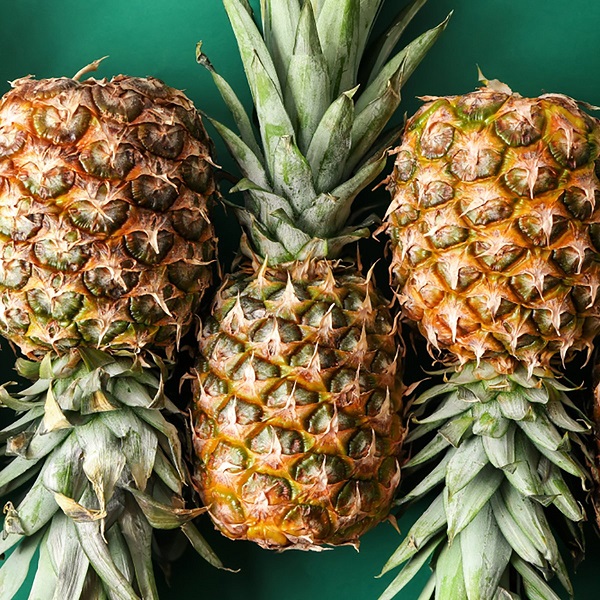
The pineapple fruit looks regal. Like the royalty of fruits, maybe the queen or the princess. Apart from it’s appealing physical properties, the pineapple is one highly nutritious fruit. The pineapple (Ananas comosus) is a tropical plant with an edible fruit and the most economically significant plant in the family Bromeliaceae. The pineapple is indigenous to South America, where it has been cultivated for many centuries. Pineapples grow as a small shrub; the individual flowers of the unpollinated plant fuse to form a multiple fruit. The plant is normally propagated from the offset produced at the top of the fruit, or from side shoot, and typically mature within a year.
The flesh and juice of the pineapple are used in cuisines around the world. In many tropical countries, pineapple is prepared and sold on roadsides as a snack. It is sold whole or in halves with a stick inserted.
Raw pineapple pulp is 86% water, 13% carbohydrates, 0.5% protein, and contains negligible fat. In a 100-gram reference amount, raw pineapple supplies 50 calories, and is a rich source of manganese (44% Daily Value, DV) and vitamin C (58% DV), but otherwise contains no micronutrients in significant amounts.
Health benefits of Pineapple
Contains Enzymes that can ease digestion: Pineapples contain bromelain, a group of digestive enzymes that breaks down proteins. This may aid digestion, especially in those with pancreatic insufficiency.
May Help Reduce the Risk of Cancer: Pineapple contains compounds that reduce oxidative stress and inflammation, both of which are linked to cancer. One of these compounds is the enzyme bromelain, which may stimulate cell death in certain cancer cells and aid white blood cell function.
Highly Nutritious: Pineapples are packed with a variety of vitamins and minerals. They are especially rich in vitamin C and manganese.
Good source of antioxidants: Pineapples are a good source of antioxidants, which may reduce the risk of chronic diseases such as heart disease, diabetes and certain cancers. Many of the antioxidants in pineapple are bound, so they may have longer lasting effects.
Side Effects
The juice from unripe pineapples can cause severe vomiting. Bromelain ingestion is associated with a low incidence of adverse reactions, including diarrhea, excess menstrual flow, nausea, skin rash, and vomiting. Swelling of the mouth and cheeks can result from eating large amounts of the fruit.
Health risks
“Because pineapple is a great meat tenderizer, eating too much can result in tenderness of the mouth, including the lips, tongue and cheeks,” Flores said. “But, [it] should resolve itself within a few hours.” But if the feeling persists, or if you experience a rash, hives or breathing difficulties, you should seek medical help immediately, as you could have a pineapple allergy.
The foods you eat can have an effect on your cardiovascular system. Your heart is a finely tuned machine. To keep it running in top form you need to give it heart healthy fuel. And that means you should choose a healthy diet. Some foods offer great heart benefits. Including these heart-healthy foods as part of a nutritious, well-balanced diet can help keep your heart in good shape and minimize your risk of heart disease.
Leafy Green Vegetables
Leafy green vegetables are high in vitamin K and nitrates, which can help reduce blood pressure and improve arterial function. Studies show that a higher intake of leafy greens is associated with a lower risk of heart disease.
Whole Grains
Whole grains include all three nutrient-rich parts of the grain: germ, endosperm and bran.Common types of whole grains include whole wheat, brown rice, oats, rye, barley, buckwheat and quinoa. Compared to refined grains, whole grains are higher in fiber, which may help reduce “bad” LDL cholesterol and decrease the risk of heart disease. Studies show that eating whole grains is associated with lower cholesterol and systolic blood pressure, as well as a lower risk of heart disease.
Berries
Strawberries, blueberries, blackberries and raspberries are jam-packed with important nutrients that play a central role in heart health.
Berries are also rich in antioxidants like anthocyanins, which protect against the oxidative stress and inflammation that contribute to the development of heart disease. Studies show that eating them can reduce multiple risk factors for heart disease.
Avocados
Avocados are high in monounsaturated fats and also in potpotassium. They may help lower your cholesterol, blood pressure and risk of metabolic syndrome.
Fatty Fish and Fish Oil
Fatty fish like salmon, mackerel, sardines and tuna are loaded with omega-3 fatty acids, which have been studied extensively for their heart-health benefits.
Fatty fish and fish oil are both high in omega-3 fatty acids and may help reduce heart disease risk factors, including blood pressure, triglycerides and cholesterol.
Walnuts
Walnuts are a great source of fiber and micronutrients like magnesium, copper and manganese. Research shows that incorporating a few servings of walnuts in your diet can help protect against heart disease. Studies suggest that walnuts can help reduce cholesterol and blood pressure and may be associated with a lower risk of heart disease.
Beans
Beans contain resistant starch, which resists digestion and is fermented by the beneficial bacteria in your gut.
According to some animal studies, resistant starch can improve heart health by decreasing blood levels of triglycerides and cholesterol. Beans are high in resistant starch and have been shown to reduce levels of cholesterol and triglycerides, lower blood pressure and decrease inflammation.
Dark Chocolate
Dark chocolate is rich in antioxidants like flavonoids, which can help boost heart health. It has been associated with a lower risk of developing calcified plaque in the arteries and coronary heart disease.
Additionally, chocolate can be high in sugar and calories, which can negate many of its health-promoting properties. So be sure to pick a high quality dark chocolate bar that has at least 70% cocoa.
Tomatoes
Tomatoes are loaded with lycopene, a natural plant pigment with powerful antioxidant properties. Antioxidants help neutralize harmful free radicals, preventing oxidative damage and inflammation, both of which can contribute to heart disease.
Tomatoes are rich in lycopene and have been associated with a lower risk of heart disease and stroke, as well as an increase in “good” HDL cholesterol.
Almonds
Almonds are incredibly nutrient-dense, boasting a long list of vitamins and minerals that are crucial to heart health. Almonds are high in fiber and monounsaturated fats, and have been linked to reductions in cholesterol and belly fat.
Seeds
Chia seeds, flaxseeds and hemp seeds are all great sources of heart-healthy nutrients, including fiber and omega-3 fatty acids.
For example, hemp seeds are high in arginine, an amino acid that has been associated with reduced blood levels of certain inflammatory markers.
Human and animal studies have found that eating seeds may improve several heart disease risk factors, including inflammation, blood pressure, cholesterol and triglycerides.
Garlic
For centuries, garlic has been used as a natural remedy to treat a variety of ailments.
In recent years, research has confirmed its potent medicinal properties and found that garlic can even help improve heart health. Be sure to consume garlic raw, or crush it and let it sit for a few minutes before cooking. This allows for the formation of allicin, maximizing its potential health benefits.
Garlic and its components have been shown to help reduce blood pressure and cholesterol. They may also help inhibit blood clot formation.
Olive Oil
Olive oil is packed with antioxidants, which can relieve inflammation and decrease the risk of chronic disease. It is also rich in monounsaturated fatty acids, and many studies have associated it with improvements in heart health. It has been associated with lower blood pressure and heart disease risk.
Green Tea
Green tea has been associated with a number of health benefits, from increased fat burning to improved insulin sensitivity, Green tea is high in polyphenols and catechins. It has been associated with lower cholesterol, triglycerides and blood pressure.
What you put on your plate can influence just about every aspect of heart health, from blood pressure and inflammation to cholesterol levels and triglycerides.
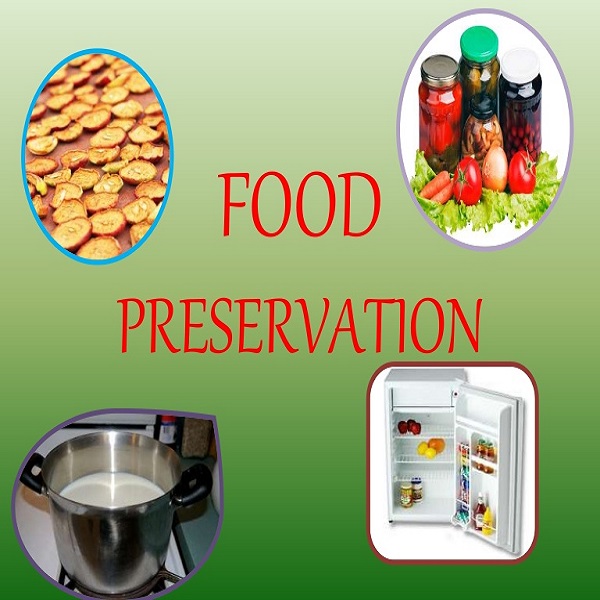
Food preservation refers to the processes you use to prepare food for safe, long-term storage, whether you plan to use it at home, for prep in a commercial kitchen, or to sell directly to consumers. Preservation methods help inhibit bacterial growth and other types of spoilage, meaning the food is safe and satisfying to eat in the future.
Food Preservation Methods
Chilling: Storing food at a low temperature is the simplest, and often safest, way to store many types of food. Fridges preserve the quality and safety of food because the cold slows bacterial growth and minimises spoilage. Depending on the type of food, it can last between a few days and a few weeks in the fridge before the texture and taste deteriorate.
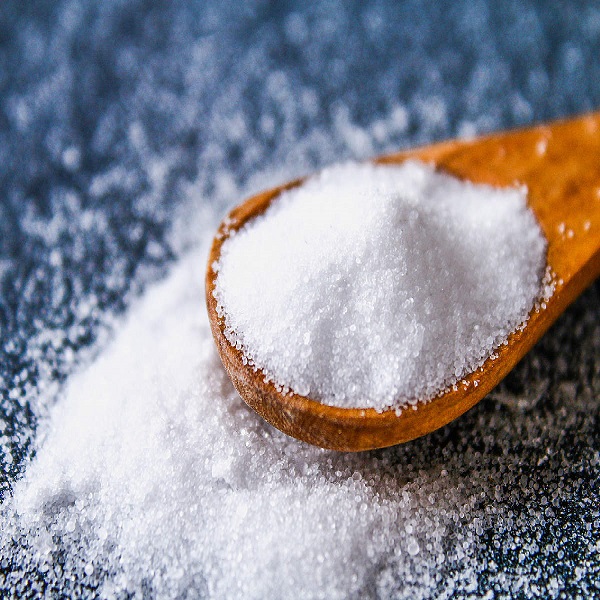
Salting: The Ancient Romans valued salt so highly as an ingredient for preserving food that they used it as a form of currency. Salt draws water out of food and stops bacterial growth. In high concentrations, it can even destroy bacteria cells, although by this point the food is likely unappetising. There are two forms of salting; Dry curing – you apply salt to the food, such as meat, and leave it to draw out the water. Wet curing – better known as brine, you mix salt with water and add food to the liquid to preserve it, usually together with canning.
Canning: Keeping food canned significantly extends its lifespan – but only if done correctly. The canning process preserves food by removing oxygen through an airtight seal and containing food in an acidic, sugary, or salty environment, where bacteria cannot thrive.
Freezing: If stored properly, frozen food can last for months. In fact, because bacteria cannot grow when frozen, food you keep in the freezer can remain safe to eat for almost indefinite periods of time. However, it will eventually deteriorate in quality and become unappetising, so you should use most frozen food within a few months or a year.
Sugaring: Preserving food in a high-sugar environment stops bacterial growth by reducing the food’s water content. It works particularly well for fruit: you can make jam and marmalade that lasts for a long time, and you can use canning to store it. All sorts of sugary substances work well to preserve food, including sugar granules, sugar syrup, or honey. Some sugaring recipes even use alcohol alongside sugar to preserve certain foods. You may use sugaring to preserve foods such as: Fruit – apples, peaches, plums, apricots, cherries, and more preserve well when sugared. Vegetables – ginger and carrot are commonly sugared and used for relishes or condiments. Certain fish and meat – you can combine sugar with salt or another liquid to make a brine that helps preserve meat and reduce saltiness.
In a broad sense, the physical properties of food may be defined as those properties that lend themselves to description and quantification by physical rather than chemical means. Their importance stretches from product handling to processing to consumer acceptance. Most of the early advances in this area have been made in the context of agricultural products with much credit due to agricultural engineers, quality control personnel and agriculture endorsed universities. More recently, food process engineers and food scientists interested in this area have made significant contributions. Although much still needs to be researched and endorsed, these efforts have resulted in a sizable body of organized knowledge.
Physical properties of food are aspects such as colour, structure, texture, rheology and interfacial properties, and composition. There is a range of instrumental methods for objectively characterising and measuring food structure and physical properties. These are useful for applications such as new product development, benchmarking, reformulation and specification.
These properties include:
Color: Although only a few definitive studies have been done on the effect of color on consumer acceptance, there is much experimental evidence that it is one of the most important quality attributes. It can signal a high quality product (such as the golden yellow of orange) or can alert the consumer to a potential physiological danger (such as green processed meat). Also, color has important psychological connotations that can influence the mood of and emotional state of humans.
Volume, Density and Surface Area: Volume and density measurements of liquid foods present no special problems, other than the proper control of temperature at which the measurements are made. The situation is more complicated with solid foods, especially those of a porous nature. Volume of agricultural products, especially those exhibiting an irregular shape, is usually determined by water displacement.
Structure: The structure of food influences texture. Examples include porous products such as aerated foods and bakery products where the bubble structure affects softness, and starch-based snacks where it affects crispiness.
Size and Shape: We can differentiate here, two general cases: one, food products such as agricultural commodities, in which the shape and size can be differentiated with the naked eye. Two, food powders such as ground coffee, salt and milk powder in which the differentiation of shape and size can be best done with the aid of magnifying glasses. They influence packaging, distribution of stresses when forces are applied and processibility.
Texture: Food texture is an important sensory attribute as it affects the way food tastes and how it feels in the mouth. The texture depends on the rheological properties of the food and evaluation involves measuring the response of a food when it is subjected to forces such as cutting, shearing, chewing, compressing or stretching.
If you’re Nigerian, you already know these foods. You have probably been eating them since you were young. They have probably saved you from hunger, being a quick fix when you need to be on the go. Or even when you’re too lazy or uninspired to make dinner or even lunch or breakfast.
These popular street foods are the ultimate and realest most valuable players. In a contest, these foods would probably beat home cooked meals or food from high brow fancy restaurants, arguably. If as a child, you were never punished for using your mum’s change to buy these street food, then maybe you’re a typical boty! Everyone loves these street foods. The argument comes in later about them being or not being prepared in the most sanitary conditions. That is story for another day.
Suya
The major ingredient that makes suya what it is, is night. Suya during the day is not suya. Suya is spicy skewered meat which originates from the Hausa people from Northern Nigeria. Suya is peculiar for its unique spice in which the meat is marinated before being barbecued. The spice is made up of ground peanuts, salt, red pepper, ginger, bouillon cubes amongst other spices. Suya is commonly available all over Nigeria and it is a truly Nigerian street food.
Roasted Plantain
Popularly known as Boli, Roasted Plantains are a street favorite. The Boli may not be complete without groundnut. It is sold on the street roasted on a steel mesh over a charcoal filled basin. It used to be and still arguably my favorite street food. Can be eaten as a snack on the go, or as an actual meal.
Roasted corn
Roasted corn is a delightful street food. As in the case of roasted plantain, the corn follows the same process. They are mostly sold alongside coconuts or pear. The pear (known as ube, or African pear) is roasted as well. Sometimes, the same seller sells boiled corn.
Meshai
This is one of Nigeria street foods made by a vendor who makes fried noodles with egg and other ingredients, It is most people’s go-to breakfast or dinner.
Puff Puff
These are delicious fried sugary dough puffs of goodness. They are soft and if you catch them hot, you’re in luck because they taste great!
Buns
These are similar to Puff Puff, but are a lot denser as there is no use of yeast in the dough. As such, they tend to be a favorite amongst laborers and others with a very active lifestyle. They’re very affordable as well.
Wara
Wara is traditionally made by adding a coagulant called bomubomu in the Yoruba language, to fresh boiling cow’s milk to curdle it. It is the most populat street food in Kwara state.
Kilishi
Kilishi is similar to suya or beef jerky. However, Kilishi is typically not sold hot, and it is a lot tougher. This is due to the process of making it. Meat is cut into wafer thin slices and dried. It is then left to soak in a special sauce before being roasted. The result is a delicious tough meat that you can chew on endlessly.
Ewa Agoyin
This is mashed beans paired with a delicious pepper sauce. The pepper sauce is the game changer. A perfect combo with bread, but most times, the sellers carry thinly cut boiled yam alongside. Personally, I’d rather have my ewa Agoyin with yam.
Chin Chin
Perfect for snacking or for curing boredom, you choose. They are made from flour, are usually very sweet, and crunchy.
Akara and Yam
These two get along like five and six and are mostly sold together. Also this is a night time street food. They are usually sold with a pepper sauce, fried fish, ponmo etc. Fit fam may not want to have this everyday.
Plantain Chips
Plantain chips are everywhere on Nigerian streets. A lot of people love plantain chips. The ripe crunchy ones are a personal fave. But some people like the ones that are unripe. A lot of people have gone into the business of packaging plantain chips, while the locally made ones are just tied up in transparent nylons.
Edible worms
Now playing ‘Yummy yummy’. If you’re from the south, you know this one well. People that do not know about this would cringe and ask why anyone would want to eat worms. I can only say this, ‘you don’t know what you’re missing’! The worms are delicious, proteinous and nutrient dense.
Salt is a mineral consisting primarily of sodium chloride, a chemical compound belonging to the larger class of salts; salt in its natural form as a crystalline mineral is known as rock salt or halite. Salt is present in vast quantities in seawater, where it is the main mineral constituent.
Everyone is concerned about their salt intake. If not everyone, at least 95 percent of people in weight loss programs are concerned about their salt intake. Most people take it that salty foods, sauces and soups are bad for them.
But that is not necessarily so. Sodium, which plays a big role in the body’s fluid balance, is a nonissue when it comes to losing fat. There may be medical reasons for you to restrict your salt intake, but that’s a matter for your medical doctors, it has nothing to do with weight loss.
In fact, for two very obvious reasons, salt can actually help the weight loss process.
Salt has no calories: firstly, salt has no calories.
Flavor: secondly, salt flavors food.
All those sodium packed sauces, dressings and condiments are flavorful inducements to eat vegetables, seafood, and soups that make such good, low-calories choices.
Your scale may go up a pound or two if you choose such high-sodium foods such as canned tomato juice. But that’s because sodium tends to make you retain water. You really haven’t gained or regained fat.
Similarly, if you eat a very low salt diet for a while, especially if you’re drinking a lot of fluid, you can trick your kidneys into sending out a lot of water. You will urinate a lot, this will make it seem like you have really lost weight. But no, what you have really lost is water, you haven’t lost fat.
In both of these situations, by the way, the normal balance will restore itself. As for fat loss, that will come, with or without salt, through calorie reduction and exercise.
Hormones are chemicals that are produced by glands in the endocrine system. Hormonal imbalances occur when there is too much or too little of a hormone in the bloodstream. Because of their essential role in the body, even small hormonal imbalances can cause side effects throughout the body. They are often the culprit behind symptoms such as joint pain, fatigue, high blood pressure, headaches and bloating. Unfortunately they can also increase the risk of more serious diseases, such as cancer and diabetes. When it comes to changes in our hormones or issues related to these changes such as stress or PMS, we often don’t think to turn to food as a remedy. However, certain foods can help balance out your hormones, and including these foods in your diet can help level out your body and improve your overall health without having to take any medication. Although everyone’s body reacts differently, incorporating these health foods can help to at least ensure a healthy diet, which can keep your body functioning optimally.
Here’s a list of foods that can help with hormonal imbalance:
Avocado
Avocado is one of the healthiest fruits in the world. It is rich in healthy fats and fiber. According to research, avocado reduces absorption of estrogen and boosts testosterone levels.
Research also shows that avocado will improve your heart health. Note that avocados are high in calories so eat them in moderation. One-fourth of an avocado per day is a good serving size to aim for. On top of being a great go-to brunch treat, avocados can help manage stress hormones, and even impact the hormones that control your menstrual cycle.
Green Tea
You probably already know some of the numerous health benefits of green tea. Studies suggest that it boosts metabolism. Green tea also contains theanine, a compound which reduces the release of cortisol (a stress hormone). It also has antioxidants that reduce inflammation and lower risk of disease.
Leafy Greens
Nutrient-rich foods such as leafy greens are ideal for balancing hormones. Because they’re filled with so many antioxidants, leafy greens help prevent inflammation and lower levels of stress, which can help improve cortisol levels. They can also help with estrogen balance. Veggies are also a good source of iron. Since iron deficiency can be an issue that leads to fatigue, brain fog, and headaches, it’s always good to incorporate your leafy greens into your daily meals!
Nuts
Nuts like almonds have an effect on your endocrine system, which can assist in lowering your levels of cholesterol. They can also help lower insulin and maintain blood sugar levels. Walnuts in particular contain polyphenols, which can protect our heart and cardiovascular system by fighting free radicals in our body. This component can also have anti-inflammatory properties, and they’re rich in omega-3s which are good for brain health.
Soybeans, despite the name, are members of the pea family and were first discovered more than 5,000 years ago in Asia. Their introduction revolutionized the region’s diet, and soybeans cane to be regarded as a sacred crop. During the past five millennia of experimentation and invention, Asian chefs have perfected the art of working with soybeans. they were steadily expanding the range of foods made with this excellent culinary product. Although soybeans have only been cultivated in the United States since 1765, their health benefits and culinary potential are finally beginning to catch on with the public at large.
Today, we can get soy milk, tofu, and of course, soy sauce. But there’s far more as well. More than 2,000 new soy products can be found on the shelves of supermarkets. If you’re in search of soy, you can find a good fit for almost any taste and any occasion.
In a study that included people from 59 different countries, researchers showed that the incidence of fatal prostate cancer was inversely related to the intake of soy products. In other words, the more soy that people ate, the lower the rate of fatal prostate cancer. Soy was four times more likely to prevent prostate cancer than any other ingredient in the diet.
In Asian countries where soy has long been a culinary staple, the incidence of breast and prostate cancer is far below that if western countries. Recent studies in the United States, Japan, and China confirm that even one serving of soy per day can halve the risk of colon, rectal, lung, and breast cancer.
The key weapon appears to be genistein, an important estrogen-like substance that seems to suppress the growth of certain cancer cells. In addition to prostate cancers, the genistein in soy may lower your risk of breast cancer, colon cancer and lung cancer.
Genistein may also be the secret weapon protecting calcium in the bone and thereby helping to prevent osteoporosis. Compare this to dairy products, in which the animal protein is now thought to promote osteoporosis by inducing calcium loss through the kidneys. Soy protein, on the other hand, has just the opposite effect: it helps protect the calcium in your bones.
This legume is also cost-effective. A single acre sown with soybeans can produce sufficient protein to sustain a person for 7years. In addition to its other virtues, soy packs a sensational nutritional wallop. As a protein source, it is comparable to meat and eggs. It also contains Iron, B vitamins, calcium, and zinc.
With soy, you’ll get a power-packed supply of good health. And nearly all soy foods that are considered “substitutes”- like soy burgers- have fewer calories than the foods or ingredients they’re replacing.
Weight-loss products abound on the shelves of drugstores, health food stores, even supermarkets. They contain a range of ingredients. Some of these ingredients are utterly ineffective, and some are completely unsafe. Other ingredients do decrease appetite or increase fat loss, but their long-term safety has not been established.
What makes the products especially troublesome is that they are sold without prescription. Nor is it known if the weight that’s taken off comes back, as is the case with most diets.
The ingredients in these products, like the “fat blockers”, how do they work?
Over-the-counter fat blockers prevent a certain amount of dietary fat from being absorbed from the intestine. In controlled studies, some people took chitosan, a fat blocker made from the exoskeletons of shell fish, while others received a placebo, a blank pill that looked exactly the same. The studies showed that the chitosan did seem to have some effect on weight loss. In other clinical studies, large doses of chitosan caused a sharp drop in the blood levels of vitamin E, intensified the loss of calcium from bones, and resulted in the loss of other minerals.
Here are some of the ingredients in popular products that promise weight loss in a pill.
Cassia (senna) and garcinia (camboge).
These act as laxatives and can be dangerous. People who have a history of intestinal obstruction and/or inflammatory intestinal disease should not take them.
Cellasene
A very expensive treatment for cellulite, cellasene is made of herbs, seed extracts, fish oil, soy lecithin. It is considered dangerous for women who are pregnant or lactating, people with thyroid conditions, and people on blood thinners.
Chromium picolinate
It’s biological role is not well understood, although it appears to play a role in insulin metabolism. It is known to be toxic in large doses.
Conjugated linoleic acid (CLA)
It is a mixture of polyunsaturated fatty acids that form in the intestines of cattle. In animals, CLA increased the percentage of muscle and decreased the percentage of fat. In human adults, CLA has no effect.
Hawthorn, ginseng and ginkgo biloba
According to studies, these have no effect on weight loss.
Hydroxycitric acid (HCA)
It is an extract of a tropical fruit, Garcinia cambogia, HCA can block the body’s fat metabolism by inhibiting the enzymes that turns citric acid to fat. It also has a laxative effect and has been shown to be toxic in animal studies. For weight loss in humans, HCA has no consistent effect.
L-arginine and L-ornithine
These amino acids are said to help metabolize fat when taken with L-lysine before bedtime. No studies have shown that these amino acids have any measurable effect.
L-carnitine.
An amino-acid that plays a role in fat metabolism at the cellular level. Some overweight people may have low levels of this acid, but supplements have not been proven to affect weight loss.
Phenylpropanalomine (PPL)
It suppresses appetite by increasing the brain level of a chemical called Dopamine, which is essential to the normal functioning of the central nervous system. You should not take PPL if you have heart disease, thyroid disease, kidney disease, or high blood pressure, or if you’re pregnant and breastfeeding.
Pyruvate
Made in the body and found in some foods. Large doses of pyruvate can cause a slight fat decrease and slight muscle increase, but it has an insignificant effect on total weight loss.
Willow (Salix)
Willow contains salicin, a naturally occurring salicylate. In lab studies, salicylate doubled the effect of ephedra but had no effect on fat loss when administered alone.
A lot of us who are neither vegans nor vegetarians may have a hard time understanding the difference between the two diet practices. Both do not eat meat but they are different and similar in this sense;
Vegans eat no animal or animal by-products.
Vegetarians eat no animal but may eat products that come from them, e.g dairy and eggs.
Vegan diets do not include honey, carmine and pepsin to name a few.
Vegans and vegetarians both consume vegetables, fruits, grains, nuts, and beans.
The vegan diet is the strictest form of vegetarianism.
Both diets offer similar health benefits.
Vegans are at risk for an essential Omega-3 fatty acid deficiency.
Vegetarians can get Omega-3 fatty acids from eggs and dairy products.
Vegans may have lower BMI than vegetarians because they do not consume eggs or dairy products.
Both vegetarian and vegan diets may provide health benefits like reduced body weight, lower cholesterol levels and decreased risk of cardiovascular disease.
Vegetarians and vegans differ in their beliefs regarding the use of animals by humans. This is why some vegetarians may consume animal-derived products, whereas vegans do not. Looking for the best online casinos to play at? Look no further than our comprehensive top online casino list ! Our expert team has scoured the web to find the most reputable and enjoyable online casinos for players of all levels.