Lemonade is a refreshing summer drink made from lemon juice, water, and sugar. Sugar cane is commonly utilized, but several other sweeteners can also be employed.
In a general sense, it can be any variety of sweetened or unsweetened beverages found throughout the world, which are traditionally all characterized by a lemon flavor. All you need for this refreshing drink is just some lemons, sugar, and water.
It is also a fantastic source of vitamins, especially the crucial Vitamin C, which our bodies require to function properly. This liquid element has a long list of health advantages, including hydration, re-energization, and immune system support.
You should drink it in moderation anyway, but don’t forget to make lemonades from the lemons life throws at you. haha!
Brief History of Lemonade
This beverage was invented in Paris around 1630. Despite its origin traced to Paris, the kind in Europe today is completely different – it’s carbonated, which means it’s a sweet lemon-flavored carbonated soft drink.
It is named “lemonade” rather than “lemon juice,” as is the case with “orange juice,” because it is made up of lemon juice, sugar, and water. Orangeade is made by mixing orange juice and apple juice with water and sugar. Do you get it?
It takes on the qualities of a fizzy, carbonated drink outside of the United States. In many regions of the world, sodas such as Sprite or 7-UP are considered lemonade (although technically, they are lemon and lime drinks.) Concentrated lemon solutions can also be used to make this beverage.
Difference Between Lemon Juice and Lemonade
Lemon juice is just the juice extracted from a lemon. It has a strong sour flavor. Water, sugar, and lemon juice are used to make lemonade.
This means that while lemon juice from lemons is the base element for making the lemonade, it is only a derived product from lemon juice and it is achieved by adding sugar and water to the juice.
Health Benefits of Lemonade
This homemade beverage certainly contains a lot of sugar, but several benefits can be derived by taking it:
It is a source of Vitamin C: Our body needs vitamins to stay nourished and hydrated. All bodily tissues require vitamin C, commonly known as ascorbic acid, for growth, development, and repair.
It’s engaged in a variety of body activities, including collagen creation, iron absorption, immune system function, wound healing, cartilage, bone, and tooth maintenance. A dose of lemonade contains enough Vitamin C to meet your daily needs.
It’s an energy booster: There are several energy-boosting elements and activities, lemonade is one. Apart from its benefits including providing us with our daily dose of Vitamin C and its antioxidizing properties, it provides our bodies with enough sugar for energy-boosting.
The sugars which our bodies can employ as fuel to meet their daily requirements can be derived from lemonades. Taking lemonade is a terrific way to stay motivated and maintain a healthy blood sugar level, especially if you’ve been exercising.
There are downsides to consuming a lot of sugar anyway. As an alternative, you may want to explore other energy-boosting options.
Is Lemonade Healthy?
Since lemonade is made from freshly squeezed lemons, it’s got to be healthy and good for you, right? Well, yes and no. Lemon juice is full of minerals and vitamins, especially vitamin C, which helps strengthen your immune system. It also helps digestion and mineral absorption and aids weight loss.
While drinking lemonade has many benefits, store-bought lemonade often has a VERY high amount of sugar which makes it as bad for you as any other sugar-filled drink.
The good news is, when making lemonade at home, you have more control over the ingredients and can easily make lemonade a healthy drink to enjoy.
Let’s be honest here, really, the only not-so-healthy component of lemonade is the sugar. Luckily, you can easily make lemonade healthier by swapping sugar with healthier, natural sweeteners.
Is Drinking Homemade Lemonade Good?
The answer is yes, homemade lemonade is healthier than carbonated lemonade, but only if you cut down on the sugar. Unsweetened lemonade is always the best way forward, allowing you to keep the hydrating properties, vitamin C, and antioxidants but cut down on the drawbacks, primarily caused by excess sugars.
Tips On How to Make the Best Lemonade
One of the beauties of making your lemonade at home is not only that it is super easy, but you’ll be able to customize your lemonade, and here are some best tips for how to make the best lemonade.
Use fresh lemon juice – avoid buying pre squeezed lemon juice. It just won’t taste the same.
Use good quality ingredients – fresh, vibrant lemons, raw honey, and good quality water will all help to make your lemonade taste great.
Don’t just add all the sweeteners – just because you can, doesn’t mean you should. Make sure to taste test the lemonade mixture to see how much honey water you’ll need to add to get it to suit your taste buds.
Keep or remove the pulp – if you don’t like pulp, you can strain the lemonade through a fine-mesh sieve to easily remove the pulp.
Make sure to refrigerate – after you mix everything, your lemonade needs a little time to chill in the fridge
To get those flavors to jive together and make the most flavorful lemonade.
Add more flavors – try using one of the added fruits to your lemonade to make a whole new delicious flavor of lemonade.
Consider making a little extra to turn into ice cubes for later so your ice doesn’t “water down” your lemonade.
How Long Does Homemade Lemonade Last?
Homemade lemonade is best served fresh and chilled, but it’s also a super easy recipe to make ahead for the week.
Generally speaking, homemade lemonade will last in your fridge for up to 7-8 days. The longer it sits in your fridge, however, the more strong the flavor will become.
How To Make Lemonade Sugar-Free
Our main goal to make lemonade healthier is to replace the highly refined granulated which will spike your blood sugar levels through the roof and then leave you with a sugar crash.
Here are some healthier non-sugar options for how to sweeten your lemonade without sugar:
Coconut Palm Sugar – this sugar is sapped from the coconut palm which is heated and evaporated which reduces it to granules.
Coconut sugar is nutritious and has a low score on the glycemic index (which essentially means it doesn’t tax your body and make you crash after giving you a sugar rush).Coconut sugar tastes similar to brown sugar but slightly richer.
Raw Honey – is simply honey that has not been filtered or pasteurized so it includes beeswax, royal jelly, bee pollen, and propolis (a substance collected by honeybees from tree buds, used to fill crevices and seal honeycombs.).
Raw honey is pretty awesome. It’s used by many cultures as a remedy for ailments, including ulcers, digestion problems, and as an antibiotic. Raw honey contains antioxidants, vitamins, minerals, amino acids, and enzymes.
Make sure to look for raw in the name, as processed honey has no such health benefits.
Each of these non-sugar clean sweetener alternatives would work well in your lemonade to sweeten, but my favorite is raw honey because the sweetness is so rich and it doesn’t impair the color as much as the others. For more info on sugar, check this post on Uses Of Sugar That Will Blow Your Mind!
Alright, let’s get to the homemade lemonade recipes!
Lemonade can be any variety of sweetened or unsweetened beverages found throughout the world, which are traditionally all characterized by a lemon flavor.
It is very common to pick up any oil you find at the grocery store without actually checking what it’s made out, its nutritional values, and if or not it would be healthy for you.
When it comes to everyday cooking, the most vital item is cooking oil. Many aspects of your health are influenced by the cooking oil you use. When it comes to selecting oils for culinary purposes, we have to be very careful because using the wrong kind of oil could be detrimental to your health.
In this article, we’ll be talking about the best cooking oils, the worst oils, and what to look out for when selecting cooking oil for your pantry.
Oil Overview
Cooking oil is a form of fat that can be made from plants, animals, or synthetic materials and is used in frying, baking, and other sorts of cooking. It’s also known as edible oil because it’s used in food preparation and flavoring that doesn’t involve heat, such as salad dressings and bread dipping sauces.
Olive oil, palm oil, soybean oil, canola oil (rapeseed oil), corn oil, peanut oil, and other vegetable oils, as well as animal-based oils like butter and lard, are all common cooking oils.
Oils used for cooking tend to get their name from the nut, seeds, fruits, plants or cereals they’re extracted from, either by methods of crushing, pressing, or processing. Each type of oil has its own chemical composition, which means some oils are better suited for salads, while others will help you achieve that perfect sear on a steak.
Oils have a high-fat content, which includes saturated fat, monounsaturated fatty acids, and polyunsaturated fatty acids.
Oil is extracted by three general methods: rendering, used with animal products and oleaginous fruits; mechanical pressing, for oil-bearing seeds and nuts; and extracting with volatile solvents, employed in large-scale operations for a more complete extraction than is possible with pressing.
Types Of Fat In Oil
Saturated, monounsaturated, and polyunsaturated fats are present in various proportions in natural fats.
At room temperature, saturated fats are solid and relatively stable. Because they are resistant to oxidation, they can frequently withstand greater temperatures.
Polyunsaturated fats are the least stable for cooking since they are liquid at room temperature. If not designated for high heat or “high oleic,” they oxidize quickly and can be found in safflower and sunflower oils.
Monounsaturated fats are likewise liquid at room temperature and are more stable than polyunsaturated fats in general. Canola, nuts, and olives all contain them.
Unrefined Oil
Unrefined oils are either cold-pressed or expeller-pressed, which means they are extracted from the seed, nut, or other source using mechanical extraction (pressure) and low-temperature regulated circumstances. They are also known as ‘virgin’ or ‘extra virgin’. To remove big particles, unrefined oils are only gently filtered. After sitting, some oils, such as sesame or olive oil, may seem murky or contain visible sediment. This has no effect on the quality of the product. Flavors, colors, and smells are more prominent in unrefined oils than in refined oils. Unrefined oils, like unrefined whole grain flours, are more nutritious and have a shorter shelf life than refined oils. Unrefined oils are best used cold in salad dressings or in low-heat sautéing or baking. If their natural resins and other beneficial particles are warmed, they burn readily, developing disagreeable tastes and unhealthful qualities.
Refined Oil
Naturally refined oils are filtered and strained more thoroughly than unrefined oils, usually with a little extra heat but no harsh or destructive chemicals. Refining lowers the nutritious content and alters the flavor. It also eliminates particles and resins, making naturally refined oils more stable for extended storage, smoking-resistant, and suitable for high-heat cooking and frying. “High oleic” safflower, sunflower, and peanut oil are refined oils that are recommended for high-heat cooking and deep-frying. These oils are made from monounsaturated fat-rich types that are well-suited to high heat.
What to look out for when selecting a cooking oil
Cooking oils are a must-have in any kitchen. However, there is a lot of contradicting evidence about how beneficial they are. How do we know which ones to use and if we should avoid any at all, with so many on the market from coconut to olive, vegetable to canola, avocado to rapeseed oil?
Here are the things to look out for when choosing cooking oil for your pantry:
Their Smoke Points
The smoke point of an oil is the temperature at which it stops shimmering and starts smoking. The smoke point is also called the burning point of oil and can range from relatively low 325 F to very high (520 F).
When the oil reaches its smoke point the oil starts to break down. When oil reaches its smoke point and starts to burn, it destroys phytochemicals and beneficial nutrients in both the oil and the food create highly flammable conditions, and releases free radicals that are potentially harmful to your health if consumed. The smoke point and characteristics of different oils are influenced by a variety of factors. Roasting, crushing, and pressing are common methods for extracting oils, oils contain varying amounts of minerals and nutrients depending on whether or not they have been refined after being pressed and extracted. So, it is always recommended that you use the cooking oil with a high smoke point.
Later on in this article, we’ll talk about different cooking oils and their smoke points.
Effect On Cholesterol Levels
Cholesterol is a waxy type of fat, or lipid, which moves throughout your body in your blood. Lipids are substances that do not dissolve in water, so they do not come apart in blood. Your body makes cholesterol, but you can also get it from foods.
Cholesterol itself isn’t bad. Your body needs some cholesterol to make hormones, vitamin D, and digestive fluids. Cholesterol also helps your organs function properly. LDL (low-density lipoprotein), sometimes called “bad” cholesterol, makes up most of your body’s cholesterol. Having too much LDL cholesterol can be a problem. High LDL cholesterol over time can damage your arteries, contribute to heart disease, and increase your risk for a stroke.
The cooking oils you use can help lower your LDL cholesterol and could as well increase it.
Monounsaturated and polyunsaturated fats are found in heart-healthy oils such as canola, corn, olive, peanut, and sunflower oils. They aid in the reduction of dangerous low-density lipoprotein (LDL) cholesterol and the increase of beneficial high-density lipoprotein (HDL) cholesterol. Butter is high in saturated fat, see, and saturated fat raises your cholesterol.
Flavor
It is always preferable to purchase cooking oil that is neutral and does not alter the flavor or taste of the components. Few cooking oils have the ability to impart their flavor to anything they come into contact with. It is preferable to select a neutral, low-cholesterol oil for cooking.
Fatty acid profile
Omega 6 fatty acids are abundant in oils such as safflower oil, sunflower oil, corn oil, soybean oil, and cottonseed oil. The importance of omega 6 fatty acids in the diet cannot be overstated. Linoleic acid (LA) is an omega-6 fatty acid that is required for good health. Essential fatty acids are those that our bodies cannot produce on their own and must be obtained from our diet. Overconsumption of omega 6 fatty acids, on the other hand, can be harmful. Omega 6 fatty acids are far more abundant in the Western diet than they were in our forefathers’ diets. The ratio of omega 6 to omega 3 fatty acids in a Western diet is thought to be as high as 20:1. A high ratio of omega 6 to omega 3 fatty acids, according to scientists, can lead to chronic inflammation.
Their oxidative ability
Cooking oil can oxidize when exposed to heat, light, and oxygen. Oxidized oils can produce hazardous substances and toxic by-products, as well as alter the flavor of your food. An oil with a longer induction time is more resistant to oxidation, while one with a shorter induction time is more easily oxidized.
The Best Oils For Cooking
When it comes to picking which sort of oil to sauté, bake, or drizzle with, home cooks have a lot of alternatives. Some are well-known, such as olive oil, while others, such as avocado or coconut oil, are less well-known.
The term “vegetable oil” is used to refer to any oil that comes from plant sources, and the healthfulness of a vegetable oil depends on its source and what it’s used for.
1. Olive Oil
Image credit: Afrimash
Olive oil is a liquid fat made by pressing entire olives and extracting the oil from olives (the fruit of Olea europaea; family Oleaceae), a traditional tree crop of the Mediterranean Basin. It’s a common ingredient in cooking, frying, and salad dressing. It’s also utilized in cosmetics, pharmaceuticals, and soaps, as well as being a source of fuel for traditional oil lamps, and has religious significance. Extra virgin, virgin, and refined olive oil are the three varieties (or grades) available. They’re classified according to the amount of processing they go through before being bottled and marketed. Olive oil that has been refined is the most processed of the three.
Extra-virgin olive oil Extra-virgin olive oil is olive oil that has not been subjected to any chemical or heat treatment, implying that it was cold-pressed from the fruit. As a result, the oil is of greater quality, more delicious, and darker in color. Depending on the olives picked, extra-virgin olive oils have a wide range of flavors, ranging from floral and fruity to bitter and peppery. Extra virgin olive oil’s smoke point is somewhere around 374–405°F (190–207°C) and is used as sauté, finishing oil, dressings, marinades, and baking.
Nutritional value of olive oil
According to the United States Department of Agriculture (USDA, 1 tbsp, or 13.5 grams (g) of olive oil, provides:
119 calories
13.5 g of fat, of which 1.86 g is saturated
1.9 milligrams (mg) of vitamin E
8.13 micrograms (mcg) of vitamin K
It also contains traces of calcium and potassium, as well as polyphenols, tocopherols, phytosterols, squalene, and terpenic acids, and other antioxidants.
2. Canola Oil
Image credit: Ariyan International Inc.
Canola (Brassica napus L.) is an oilseed crop created through plant crossbreeding. Canola oil is oil made from crushed canola seeds. It is one of the best oils for heart health. Canola oil is one of the most flexible cooking oils due to its light flavor, high smoke point, and smooth texture.
Canola oil is low in saturated fat and high in monounsaturated fat, similar to olive oil. It also includes a lot of polyunsaturated fat. There are both edible and industrial forms produced from the seed of any of several cultivars of the plant family Brassicaceae.
Canola oil’s safety, however, has been questioned. Some claim that canola oil contains significant levels of erucic acid, a toxin that can cause everything from respiratory distress to blindness in humans. However, its erucic acid levels are substantially below the FDA’s requirements.
Canola oil has a smoke point of 400-450°F (204-230°C) and is used in searing, saute, pan-fry, stir-fry, baking, roasting, grilling, and deep-frying.
Nutritional value of canola oil The following nutrition information is provided by the USDA for 1 tablespoon (14g) of canola oil:
Calories: 124
Fat: 14g
Sodium: 0mg
Carbohydrates: 0g
Fiber: 0g
Sugars: 0g
Protein: 0g
Fat provides all of the calories in canola oil. The majority of the fat, however, is considered “healthy fat.”
Canola oil has four grams of polyunsaturated fat. Polyunsaturated fatty acids (PUFAs) are necessary fatty acids, which means your body can’t produce them and you have to get them from food.
3. Sunflower Oil
Image credit: FirstCry Parenting
Sunflower oil is the non-volatile oil pressed from the seeds of a sunflower. Sunflower oil is commonly used in food as a frying oil, and in cosmetic formulations as an emollient. Sunflower oil is primarily composed of linoleic acid, a polyunsaturated fat, and oleic acid, a monounsaturated fat.
Sunflower seed oil is another name for sunflower oil. Its color can range from clear to golden yellow. Sunflower oil is now used for cooking all over the world, and it can be found in a variety of commercially produced and processed goods. It’s also utilized in cosmetics and as a skin-care component.
Types Of Sunflower Oil There are three types of sunflower oil available; Mid-Oleic, Linoleic, and High Oleic sunflower oil. All are developed with standard breeding techniques and as their name suggests, they each differ in oleic levels and each one offers unique properties.
Linoleic acid is a polyunsaturated fatty acid with two double bonds in its carbon chain. It is commonly known as omega-6. Oleic acid, often known as omega-9, is a monounsaturated fatty acid that has one double bond. Because of these characteristics, they are liquid at room temperature.
Linoleic and oleic acids are both energy sources for the body and contribute to the strength of cells and tissues.
However, they react to heat in different ways during cooking and hence may have varied health impacts.
High oleic sunflower oil includes stearic acid, a saturated fatty acid that solidifies at room temperature and has a variety of culinary uses.
This type of sunflower oil isn’t for cooking at home; instead, it’s for packaged meals, ice creams, chocolate, and industrial frying.
Nutritional Value Of Sunflower Oil The main nutrients in 1 ounce (30 grams or 1/4 cup) of shelled, dry-roasted sunflower seeds are:
The seeds of the safflower plant are used to make safflower oil, which is a popular cooking oil. According to certain research, it may have some health benefits when used in the diet and on the skin. Because of its high smoke point and neutral flavor, safflower oil may be a healthier alternative to olive oil when cooking at high temperatures.
High cholesterol, heart disease, stroke, diabetes, scar prevention, and a variety of other ailments are all treated with safflower seed oil, however, there is no clear scientific evidence to back up these claims.
Safflower seed oil is used as a cooking oil in meals. The safflower flower is used to color cosmetics and dye fabrics in the industrial industry. As a paint solvent, the safflower seed oil is utilized.
Safflower oil high in linoleic acid is primarily found in margarine and salad dressings. Other varieties of safflower plants produce oil that is high in oleic acid. This type of safflower oil is a heat-stable option better suited for cooking.
High-linoleic-acid safflower oil is mostly found in margarine and salad dressings. Other safflower cultivars generate oil with high oleic acid content. This sort of safflower oil is more heat-resistant and therefore better for cooking.
Safflower oil has a smoke point of 266 °C.
Nutritional Value The following nutrition information is provided by the USDA for one tablespoon (14g) of safflower oil.
Calories: 120
Fat: 14g
Sodium: 0mg
Carbohydrates: 0g
Fiber: 0g
Sugars: 0g
Protein: 0g
Vitamin E: 4.6mg
Safflower oil has three different forms of fat.
This oil has only a modest quantity of saturated fat. Saturated fats are less healthful fats since they might lead to heart disease. We should choose oils with less than four grams of saturated fat per tablespoon, according to the American Heart Association. Per tablespoon, safflower oil contains only one gram of saturated fat.
When you eat a tablespoon of safflower oil, you’ll also get two grams of polyunsaturated fat. Polyunsaturated fatty acids are considered good fats because they have a beneficial effect on the cardiovascular system.
Monounsaturated fat, primarily oleic acid, makes up the majority of the fat in safflower oil. It’s vital to remember that safflower comes in two varieties that produce oil. One contains a lot of oleic acids (monounsaturated fat), whereas the other contains a lot of linoleic acids (polyunsaturated fat). The one high in monounsaturated fats is the one you’re most likely to buy in the grocery store for cooking.
Safflower oil has no protein neither does it contain carbohydrates, but contains Vitamin E.
5. Avocado Oil
Image credit: Bicycling
Avocado oil is made from the flesh of the avocado fruit. It’s a favorite cooking oil because of its mild flavor and high smoke point, but you can also eat it raw. In terms of usability and nutritional value, avocado oil is fairly similar to olive oil. Cold-pressed avocado oil, like extra virgin olive oil, is unrefined and preserves part of the flavor and color of the fruit, rendering it greenish in appearance.
While avocados have become increasingly popular, avocado oil is still quite uncommon. However, if you’re looking for a heart-healthy oil to use in cooking, salad dressings, and other applications, it could be a good choice.
Nutritional Value Of Avocado Oil A tablespoon of avocado oil contains:
Calories: 124.
Fat: 14 grams.
Carbohydrates: 0 grams.
Protein: 0 grams.
Fiber: 0 grams.
Sugars: 0 grams.
Sodium: 1 milligram.
A tablespoon of avocado oil contains:
Monounsaturated fat: 10 grams.
Polyunsaturated fat: 2 grams.
Saturated fat: 2 grams.
Avocado oil is a heart-healthy oil that is high in unsaturated fat oleic acid. It contains vitamin E and aids in the absorption of other fat-soluble vitamins by the body. Avocado oil is high in monounsaturated fats, which have been associated to lower LDL cholesterol and increase HDL cholesterol levels.
6. Coconut Oil
Image credit: Medical News Today
Coconut oil comes from the flesh of coconuts and is a tropical oil. Both virgin and refined coconut oil are available in stores. The type of product you’re purchasing will be specified on the front label. Virgin coconut oil is less processed than refined coconut oil, so its delicious, coconut-y tropical flavor is preserved. Refined coconut oil is subjected to greater processing, resulting in a more neutral odor and flavor. You can use the refined version as the main cooking oil for a range of recipes because it doesn’t have that distinct tropical flavor.
Coconut oil should either be avoided or used in moderation, depending on who you ask. Coconut oil’s main source of contention is its high saturated fat content; unlike other plant-based oils, it is largely saturated fat. Although not everyone thinks that such a concentrated dose of saturated fat is bad for your health, some experts, such as the American Heart Association, suggest that replacing high-saturated-fat foods with healthier alternatives can help lower blood cholesterol and improve lipid profiles. Despite this, science is beginning to suggest that not all saturated fats are harmful to your health.
Coconut oil also has powerful health benefits. It is particularly rich in a fatty acid called Lauric Acid, which can improve cholesterol and help kill bacteria and other pathogens. The fats in coconut oil can also boost metabolism slightly and increase feelings of fullness compared to other fats.
Nutritional Value According to the U.S. Department of Agriculture, these are the nutrition facts for a 1 tablespoon serving of coconut oil:
Calories: 121
Protein : 0 grams (g)
Fat: 13.5 g
Saturated fat: 11.2 g
Carbohydrates: 0 g
Fiber: 0 g
Sugar: 0 g
7. Sesame Oil
Image credit: The Kitchen Community
The seeds of the blooming sesame plant, also known as Sesamum indicum, are used to make sesame oil. Although these plants are native to East Africa and India, they are now grown in a variety of places across the world. Sesame oil has become one of the most popular cooking oils due to its hearty, nutty flavor and high quantities of mono- and polyunsaturated fats.
Sesame oils extracted from raw seeds have a light color and a delicate, neutral flavor. Toasted kinds, on the other hand, have a deeper, richer, and nuttier flavor. Both can be used in the kitchen. Sesame oil is frequently used in the preparation of meats and vegetables, as well as in dressings and marinades.
Sesame oil is thought to provide a number of health benefits, including heart-healthy lipids, anti-inflammatory properties, and UV protection. To completely comprehend the benefits (and potential hazards) of sesame oil, more research is required.
Sesame oil comprises 82% of unsaturated fatty acids. In particular, it’s rich in omega-6 fatty acids. Omega-6 fatty acids are a type of polyunsaturated fat that is essential to your diet and plays an important role in heart disease prevention. Sesame oil has a high smoke point (410˚)
African beverages are food-grade liquids made from single or mixed grains (mainly cereals) using simple food processing processes, the most common of which is fermentation. The content and nutritional value of these beverages vary greatly, and they are unique to different cultures and regions.
Overview on African Beverages
Globally, a beverage is a sort of liquid that can be consumed for nutrition, energy, or hydration at its most basic level. You may encounter a variety of alcoholic and non-alcoholic beverages when you look at a menu, go down a grocery store aisle, or even open your refrigerator. The variety can be mind-boggling at times. It’s critical to comprehend the various forms and types of these beverages, as well as the potential effect on health.
In addition to their basic function of satisfying thirst, drinks play important roles in human culture. Common types of drinks include plain drinking water, milk, juice, and soft drinks. Traditionally warm beverages include coffee, tea, and hot chocolate. Caffeinated drinks that contain the stimulant caffeine have a long history.
African beverages are single or mixed cereals/legumes, animal milk, and various plant parts that can all be used to make traditional African beverages that are processed (such as flowers, sap, and fruits). They are also utilized during the weaning process of infants, whereas men prefer alcoholic beverages.
Types of African Beverages
African beverages are classified into alcohol and non-alcoholic beverages.
Alcoholic African Beverage
Alcoholic African beverages are made by treating grapes, grains, barley, fruits, sugarcane, and rice with yeast in a controlled atmosphere and fermenting them. Fermentation is a biological event that occurs when sugar interacts with yeast at various temperatures, distillation is then done to reduce the original watery liquid to a liquid of much greater alcoholic strength.
Non-alcoholic African Beverage
Non-alcoholic, also known as an alcohol-free or temperature drink is a form of an alcoholic drink that is created without alcohol or with the alcohol removed or reduced to virtually zero. These include non-alcoholic mixed drinks (also known as “virgin cocktails”), non-alcoholic beer (sometimes known as “near beer”), and “mocktails,” and are generally accessible anywhere alcoholic African beverages are sold.
Top 10 African beverages you’d absolutely love
Umgombothi
Image credit: The South African
Umgombothi is a beer produced from maize (corn), maize malt, sorghum malt, yeast, and water, according to the Xhosa and Zulu languages. It’s very common in South Africa. It contains a lot of vitamin B. The beer is recognized for having a strong, noticeably sour aroma and a low alcohol concentration (typically less than 3%). The beer has an opaque look and a pale color. It has a rich, creamy, and grainy texture (from the maize), and a bitter taste.
This African beverage is popularly classified as a traditional African beer is known by a number of different names. It all depends on where you are in the world and what region you are in. Traditional artisan beer is known as Umqombothi in the Western and Eastern Cape districts of South Africa, where Xhosa is the prevalent African language. This home-brewed mixture is created using maize (corn), maize salt, yeast, and warm water, which is a commonality across cultures and places.
For Xhosa people, making and eating Umqombothi has always been a way of life, especially in more traditional rural areas. Weddings, funerals, rites of passage, and imbizos (traditional meetings) all feature it. It’s also a traditional component of connecting with one’s ancestors. Naturally, consuming too much homebrew will lead to intoxication, despite the fact that umqombothi is believed to have a lower alcohol level than commercially packaged beers.
It does, however, have a short shelf life. The longer it is kept between manufacturing and consumption, the higher the alcohol level and the more bitter the taste becomes. In traditional African culture, Umqombothi is associated with respect for customs and traditions and not with intoxication.
Umqombothi is high in Vitamin B and has anti-inflammatory qualities.
According to their beliefs, their forefathers taught them that beer is beneficial for cleaning the stomach, removing toxins from the body, and, most significantly, it is a good source of sexual energy.
It is stated that the substances make men sexually active and energetic. So that could help to explain why I’m so fond of this beer.
Sobia
Image credit: Open Drinks
Sobia, a delicious rice-based drink from Egypt, is made with coconut milk, sugar, and pulverized rice. Vanilla is commonly used as a flavoring, and it can also be created using cooked rice. The ingredients are blended, and the drink is strained before serving. It should always be served chilled, definitely one of the best African beverages in the northern part of the continent.
Sobia is a sweet beverage with a thick texture. The usual form is off-white, but some people like to tint it with food coloring to make brilliantly colored drinks. Sobia is popular all year, but it’s most popular during Ramadan when it’s served as a fast-breaking beverage.
Many Saudis make a profit from selling Sobia in the streets. Locals, as young as 12 and as old as 70 years old, sell Sobia during Ramadan. They put their Sobia in plastic bags and seal them.
When it comes to breaking the fast during the holy month of Ramadan, Saudi Arabians have a lot of traditions. During iftar (breaking of the fast), one such tradition is to provide specialized Ramadan drinks due to their unique flavor. Many refreshing drinks are in high demand throughout the fasting month to assist deal with the sweltering temperatures and stave off continuous thirst.
Zobo (Sobolo Drink)
Image credit: Ify’s Kitchen
Zobo (Zoborodo) is an African beverage popularly used in Nigeria and made from dried Roselle plant flowers. It’s an ox-blood or red wine-colored drink and is also known as Roselle in Australia, sorrel in the Caribbean, and sobolo in Ghana.
Rosella is a beautiful annual shrub with broad, lobed crimson leaves and gorgeous yellow hibiscus-like blooms that grows to 1.5 meters tall
Roselle is used in many folk medicines. It is valued for its mild laxative effect, ability to increase urination, relief during hot weather, and treatment of cracks in the feet, bilious, sores, and wounds.
Roselle is thought to have originated in Africa, but it has since spread throughout tropical and subtropical regions of the world, particularly in India and Southeast Asia. Africa, Asia, Papua New Guinea, and the Pacific are all home to this plant. China and Thailand are the biggest manufacturers, controlling a large portion of global production. Mexico, Egypt, Senegal, Tanzania, Mali, and Jamaica are all notable suppliers, however, the majority of the product is consumed in the United States.
Nutritional value of zobo
Roselle is a wonderful source of nutrients, vitamins, and minerals in addition to their delicious taste. 57 grams of roselle provide 123 milligrams of calcium, 0.84 milligrams of iron, 6.8 milligrams of vitamin C, 29 milligrams of magnesium, 6.45 grams of carbohydrate, 21 milligrams of phosphorus, 119 milligrams of potassium, 0.016 milligrams of vitamin B2, and 8 milligrams of vitamin A.
Health benefits of zobo drink
Zobo drink has been used as a herbal health drink for years and has been known to aid with a variety of health issues such as high blood pressure, loss of appetite, circulation, liver disorders, malignancies, fevers, and as a light laxative and diuretic. Hibiscus, on the other hand, provides a variety of health benefits, according to modern research. This places it among the top ten nutritious drinks you can brew at home.
It is thought to help manage blood pressure
In pre-hypertensive and slightly hypertensive people, consuming zobo drinks may reduce blood pressure. It possesses antihypertensive and cardioprotective characteristics, according to a study published in the Journal of Advanced Pharmaceutical Technology & Research, which may be advantageous for patients with hypertension and those at high risk of cardiovascular disease.
It improves appetite
Calcium, carotene, iron, free caffeine, fiber, and other minerals and vitamins are found in Zobo drink. Loss of appetite is sometimes linked to your digestive system, and when your stomach is working properly, you will regain your hunger. Because of the anti-bacterial characteristics inherent in the Zobo drink, the nutrients in the drink can help you lose weight while also overcoming any worms or germs in your digestive tract.
Its effect on the menstrual cycle
Zobo drink is also great for women who suffer painful cramps while menstruating as it provides natural relief. The Zobo drink also helps to deal with diseases related to irregular menstrual periods. Inducing menstruation may be beneficial to certain women. It can actually help regulate your menstruation if you have an erratic cycle. Even if you’re already on a regular schedule, a cup of hibiscus tea will help relieve cramps. Taking a zobo drink when pregnant, however, is not advised. For pregnant women, the hibiscus drink poses the most danger. It raises your chances of having a miscarriage by inducing menstruation. Drinking hibiscus is not recommended even if you are merely trying to conceive. It could make it much more difficult for you to conceive. If you’re taking birth control pills or breastfeeding, you should avoid hibiscus.
It helps to deal with anemia
According to the nutritional qualities of Zobo leaves, the drink includes enough iron to enhance red blood cell synthesis. Those who suffer from anemia disease should start drinking this drink because it can assist to increase hemoglobin production, preventing anemia symptoms such as weariness, weakness, and so on. Because of the iron content, the health benefits of Zobo drink herbs perform well against anemia.
It helps prevent oxidative stress
The antioxidants in the Zobo drink are believed to help prevent oxidative stress caused by free radicals. This is due to the plant’s anthocyanins, which are natural pigments that give the flower its red color.
The anti-oxidant properties of Zobo drink to aid in the prevention of malignant disorders such as leukemia.
Palm wine
Image credit: Rebrand Nigeria Campaign
Palm wine is an African beverage made by fermenting the sap of various palm species. This alcoholic African beverage is sweet, milky, has a cloudy-white appearance, and is effervescent. Amino acids, proteins, vitamins, and carbohydrates make up palm wine. This traditional beverage is made in various parts of Africa including Ghana, Cameroon, and West Africa.
Palm ‘wine’ gained popularity as one of the top alcoholic African beverages in the Western part of Africa, with over 10 million people drinking it and its production has become a source of household income in several areas.
Palm wine comes in a wide range of flavors, from sweet and unfermented to sour fermented and vinegary alcoholic beverages. In Nigeria, it is known as emu and ogogoro, and in Ghana, it is known as nsafufuo. Sugary palm saps are used to make it. The oil palm (Raphia hookeri or R. vinifera) and raphia palms (Raphia hookeri or R. vinifera) are the most often tapped palms (Elaeis guineense).
Traditional uses of palm wine
Palm wine is commonly used in traditional rites in many African countries. Rites such as libations in which palm wine is poured forth as a sacrifice to a deity or god. As a symbol of respect to their dead ancestors, some traditionalists spill palm wine on the ground.
Palm wine is an important feature of many African festivals and traditional events; for example, it is provided as a special drink to visitors at birthday parties, weddings, and other events.
Palm wine is traditionally offered to the bride by the head of the family during traditional wedding rites in Igboland.
The bride confirms her husband by serving him the palm wine after searching for him from among the crowd of attendees.
Nutritional constituents of palm wine
Palm wine is a good source of probiotics, nicotinic acid, thiamin, vitamin C, protein, and riboflavin, among other nutrients. Sugar, protein, carbohydrate, amino acid, Vitamin C, yeast, potassium, zinc, magnesium, iron, vitamins B3 and B6, and vitamins B3 and B6 are all present.
One cup of Palm oil serves 1909 calories and 216 g of total lipid fat. It also offers 0.02 mg of iron, 0.6 mg of choline, 34.43 mg of Vitamin E, 17.3 µg of Vitamin K, 106.488 g of total saturated fat, 0.216 g of lauric acid, 2.16 g of myristic acid, 93.96 g of palmitic acid, 9.288 g of stearic acid, 79.92 g of total monounsaturated fats.
Palm oil contains 0.648 g of palmitoleic acid, 79.056 g of oleic acid, 0.216 g of gadoleic acid, 20.088 g of total polyunsaturated fats, 19.656 g of linoleic acid, and 0.432 g of Linolenic acid.
Health benefits of palm wine
It improves vision
Beta-carotene is essential for vision improvement. Palm wine has a lot of antioxidants, which help the body’s defense mechanisms work better. They are helpful by-products of cellular metabolism that can aid in the body’s protection against free radicals.
Free radicals are to blame for a lot of cellular damage and mutation, including eyesight loss. Palm products can help prevent macular degeneration and cataracts by replacing other forms of oil.
Optometrists confirm that yeast contained in palm wine is very good for the eyes thus the presence of yeast in palm wine makes it very helpful for boosting eyesight.
It is effective in the treatment of skin rashes
Palm wine can be used to treat rashes on the skin, especially in children. It is used to treat measles in children in Nigerian rural communities.
In the name of consumerism, people nowadays commit a lot of horrible things. To maximize profit, many hazardous ingredients are added to food products. Palm wine must be fresh, unadulterated, and free of artificial sweeteners if you want to reap the benefits it has to offer. It must also be consumed in moderation.
It helps control cardiovascular diseases
According to studies, consuming palm wine on a regular basis helps to reduce the number of people who die as a result of cardiovascular disorders including heart failure. Nonetheless, excessive consumption of palm wine with high alcoholic content might have negative health consequences, therefore it should be consumed in moderation.
Amasi
Image credit: TasteAtlas
Amasi is the common name for fermented milk that tastes like cottage cheese or plain yogurt. It is a very popular African beverage in South Africa and Lesotho and is called maas in Afrikaans, mafi in Sesotho, and amasi in Zulu and Xhosa. Amasi is traditionally prepared by storing unpasteurized cow’s milk in a calabash container or hide sack to allow it to ferment.
The milk comes from Nguni Cattle (which is already on the Ark of Taste) and, on rare occasions, goats; sour milk is the result of spontaneous acidification of raw or, even more rarely, boiling milk. It’s made during the offspring season. The coagulum has a sour taste and is whitish. It usually has a uniform texture. Magege varies in consistency from semi-fluid to thick.
The day’s leftover fresh milk from home consumption is poured into a lidded container. Acidification occurs after a few days, either as a result of the natural flora of milk when it is not cooked or as a result of bacteria growing on the vessel’s surfaces. For two days, milk is left to settle in a quiet environment, usually in a closed container protected from dust. Coagulation time varies greatly depending on room temperature, which can range from 22 to 35 degrees Celsius.
Nutritional constituents of amasi
Despite the fact that different strains of amasai are taken around the world today, they all appear to provide similar advantages to the African variety. The type of container in which amasai is fermented to get the perfect African beverage, the length of the fermentation period, the type of dairy utilized to manufacture amasai, and the type of bacteria “starter” employed all influence the strain of amasai.
One cup of amasai (8 ounces, or 240 ml) that are made with whole cow’s milk has about:
170 calories
8 grams protein
11 grams fat
7 grams sugar
10 grams carbohydrates
Amasai is a good source of nutrients including:
probiotic bacteria
protein
calcium
B vitamins
vitamin A
iron
magnesium
potassium
omega-3 fatty acids and CLA
Health benefits of amasi
It boosts immunity
They can help to strengthen immunity and defend against cancer, allergies, parasites, infections, and diseases. Treatment with probiotic strains could result in a 60 percent reduction in a form of intestinal illness that affects youngsters and can cause mortality in some circumstances, according to a Colombian study.
It improves digestive health
Amasi is a gut-healing food with probiotics. Probiotics can improve one’s digestive health, helping to ease common issues such as bloating and constipation
It improves brain health and metabolism
Probiotics have been linked to improved cognitive function as well as prevention of dementia and Alzheimer’s disease. They also have a role in the regulation of hormones that regulate hunger, satiety, and body weight.
Rooibos tea
Image credit: The Conversation
Red tea, or red bush tea, is another name for Rooibos tea. It’s one of the popular African Beverages created from the leaves of a plant called Aspalathus linearis, which is commonly found on South Africa’s western coast. Green and black teas are not linked to Rooibos, which is a herbal tea. The leaves of traditional rooibos are fermented, giving them a reddish-brown appearance. Green rooibos is also available, which hasn’t been fermented. It’s usually more expensive and has a grassier flavor than ordinary tea, but it’s also higher in antioxidants.
The tea has been popular in Southern Africa for generations, and since the 2000s has gained popularity internationally. The tea has an earthy flavor, similar to yerba mate or tobacco.
Nutritional value
While rooibos is high in antioxidants, it is low in vitamins, minerals, and nutrients. It does, however, contain significant levels of:
Copper
Fluoride
Potassium
Iron
Calcium
Magnesium
An 8-ounce serving of rooibos tea has no calories, protein, fat, carbohydrates, fiber, or sugar. However, an 8-ounce serving of rooibos tea with nonfat milk contains:
Calories: 80
Protein: 4 grams
Fat: 0 grams
Carbohydrates: 16 grams
Fiber: 0 grams
Sugar: 16 grams
Health benefits of amasi
It is caffeine-free
Rooibos tea is caffeine-free, making it a healthy choice for pregnant women, children, and caffeine-sensitive individuals. While caffeine may have certain health benefits, it is not suitable for everyone. It can disrupt sleep, exacerbate anxiety, and create physical symptoms like jitteriness and heart palpitations. Black tea, green tea, and coffee all contain caffeine. Rooibos tea is a fantastic alternative for folks who want to cut back on caffeine or altogether avoid it.
It helps improve heart health
Antioxidants found in rooibos have been linked to improved heart health. This can happen in a variety of ways. To begin with, rooibos tea may lower blood pressure by blocking the angiotensin-converting enzyme (ACE). By causing your blood vessels to constrict, ACE indirectly raises blood pressure. Drinking rooibos tea 30–60 minutes after intake decreased ACE activity in 17 persons in a study. However, there were no changes in blood pressure as a result of this. More evidence suggests that tea can help lower cholesterol levels.
Six cups of rooibos tea per day for six weeks reduced “bad” LDL cholesterol while increasing “good” HDL cholesterol in a trial of 40 overweight people at high risk of heart disease. Healthy people, on the other hand, did not have the same effect. Healthy cholesterol levels protect against a variety of cardiac problems, including heart attacks and strokes.
More evidence suggests that tea can help lower cholesterol levels. Six cups of rooibos tea per day for six weeks reduced “bad” LDL cholesterol while increasing “good” HDL cholesterol in a trial of 40 overweight people at high risk of heart disease.
Healthy people, on the other hand, did not have the same effect. Healthy cholesterol levels protect against a variety of cardiac problems, including heart attacks and strokes.
It is great for weight loss and management
A cup of rooibos tea has nearly no calories, making it an excellent choice for people looking to reduce weight or maintain a healthy weight. Keep in mind, though, that adding honey, sugar, or other sweeteners can up the calorie count.
According to one study, rooibos tea can help with weight loss and control by raising leptin levels. This hormone provides signals to the brain that help to control food intake and decrease appetite. In the same study, rooibos tea was proven to boost metabolism and prevent the development of new fat cells.
The human heart is a muscular organ about the size of a fist, located just behind and slightly left of the breastbone. The heart pumps blood through the network of arteries and veins called the cardiovascular system. In this article, we’ll be discussing 10 foods that help greatly to improve heart health.
A heart-healthy meal is essential for a healthy heart, which is in turn essential for general well-being. At any age, adopting a healthy lifestyle can help you avoid heart disease and reduce your risk of a heart attack or stroke. It’s never too late or too early to start caring for your heart. Understanding how the heart works will give you a greater incentive to live a heart-healthy life as you age.
How the Heart Works
Your circulatory system, which is a network of blood vessels that transports blood to every area of your body, is centered on your heart. Blood transports oxygen and other vital nutrients to all human organs, ensuring that they remain healthy and function properly.
The job of your heart, which is a muscle, is to pump blood throughout your circulatory system.
The heart is a wonderful organ. To keep you alive, it circulates oxygen- and nutrient-rich blood throughout your body. This fist-sized powerhouse beats 100,000 times every day, pumping five to six quarts of blood per minute, or almost 2,000 gallons per day.
Your heart is an important component of your cardiovascular system, which also includes all of your blood veins that transport blood from the heart to the body and back.
When you look at the outside of the heart, you can see that it is made up of muscle. Contracting (squeezing) the strong muscle walls pumps blood to the rest of the body. Coronary arteries run over the surface of the heart, supplying oxygen-rich blood to the heart muscle. The superior vena cava, inferior vena cava, and pulmonary veins are the three major blood vessels that enter the heart. The pulmonary artery leaves the heart and travels to the lungs, carrying oxygen-depleted blood. The aorta leaves the heart and transports oxygen-rich blood throughout the body.
The heart is a hollow, four-chambered organ on the inside. A muscle wall called the septum separates the left and right sides. The heart is further divided into two top chambers, the atria, which receive blood from the veins, and two bottom chambers, the ventricles, which pump blood into the arteries.
How the Heart Pumps Blood
Your heart is divided into two separate pumping systems, the right side and the left side.
The right side of your heart receives oxygen-poor blood from your veins and pumps it to your lungs, where it picks up oxygen and gets rid of carbon dioxide.
The left side of your heart receives oxygen-rich blood from your lungs and pumps it through your arteries to the rest of your body.
Blood flows through your heart and lungs in four steps:
The right atrium receives oxygen-poor blood from the body and pumps it to the right ventricle through the tricuspid valve.
The right ventricle pumps the oxygen-poor blood to the lungs through the pulmonary valve.
The left atrium receives oxygen-rich blood from the lungs and pumps it to the left ventricle through the mitral valve.
The left ventricle pumps the oxygen-rich blood through the aortic valve out to the rest of the body.
What Could Happen if you Don’t Take Good Care of Your Heart
You may not have a family history of heart disease, but your bad behaviors could make you the first. Some of you may believe that you are too young to begin worrying about your heart health but trust us when we say that you don’t want to take chances with your heart.
Heart failure generally occurs after the heart has been injured or weakened by other disorders. Heart failure, on the other hand, can develop if the heart gets excessively rigid.
The main pumping chambers of the heart (the ventricles) may stiffen and fail to fill correctly between beats in heart failure. The heart muscle can be injured and weakened in some persons. The ventricles may enlarge to the point where the heart is unable to adequately pump blood throughout the body.
The heart can no longer keep up with the normal demands placed on it to pump blood to the rest of the body as time passes.
By measuring how much blood is pumped out with each beat, your doctor can evaluate how well your heart is pumping (ejection fraction). Ejection fraction is a metric that is used to classify and treat heart failure. The ejection fraction of a healthy heart is 50% or more, which means that each beat pumps out more than half of the blood that fills the ventricle.
Factors That Affect the Heart
1. Cholesterol
Cholesterol is a waxy, fat-like molecule found in all of your body’s cells. Cholesterol is required by your body for the production of hormones, vitamin D, and chemicals that aid digestion. Your body produces all of the cholesterol that it requires. Cholesterol can also be found in animal-based meals including egg yolks, meat, and cheese.
If you have too much cholesterol in your blood, it can form plaque when it combines with other molecules in your blood. Plaque adheres to the inner surfaces of your arteries. Atherosclerosis is the accumulation of plaque. It can cause coronary artery disease, in which your coronary arteries constrict or become completely clogged.
2. Uncontrolled blood pressure
When the average arterial blood pressure on a regular day is 130/80 mmHg or greater, it is considered hypertension. Hypertension causes the walls of big arteries (aorta, carotids) as well as smaller arteries (cerebral, coronary, renal, and retinal) to deteriorate over time, making the heart work harder to pump blood throughout the body.
3. Resting heart rate
Adults should have a resting heart rate of 60 to 100 beats per minute. In general, a lower resting heart rate indicates better cardiac function and cardiovascular fitness. A well-trained athlete, for example, would have a resting heart rate closer to 40 beats per minute.
Stress, hormones, and medication all have a bad impact on it. Getting in better shape can help save your life as well as lower your resting heart rate. Even among those who don’t have classic heart disease risk factors, studies have demonstrated that a greater rate is linked to a higher chance of mortality.
4. High blood sugar level
If left untreated, having too much sugar in the blood for an extended length of time can lead to major health complications. Hyperglycemia damages the blood arteries that supply important organs, raising the risk of heart disease, stroke, kidney disease, visual issues, and nerve problems. These issues rarely appear in children or teenagers who have just had the condition for a few years. However, they can occur in adults with diabetes, especially if their diabetes has not been effectively managed or controlled.
5. Cardiorespiratory fitness
Aerobic exercise can increase heart rate and endurance. Low levels of cardiorespiratory fitness have been linked to an increased risk of cardiovascular illness and death during the last three decades, according to growing research. High levels have been associated to a reduced risk of dementia, Alzheimer’s disease, diabetes, and even cancer.
How you can Improve Your Heart Health
Eat a lot of foods that have proven to be great for heart health, this of course includes a lot of fruits and vegetables. Start your day with some fruit and whole grains, such as oats, bran flakes, or whole-wheat bread.
Cut down as much as possible on alcohol and smoking
Meditating and yoga practices have been clinically proven to be great for heart health.
If overweight, losing weight can do a lot to improve your heart health, just a few pounds can make a difference.
Exercising is a great direction to go when looking to improve heart health. If you haven’t exercised in a while, a short walk is a good place to start. It’s a good way to get extra activity into your day if you do.
Foods Good For Heart Health
Diet has a significant impact on heart health and can influence your risk of heart disease. In reality, specific foods can affect blood pressure, triglycerides, cholesterol levels, and inflammation, all of which are heart disease risk factors.
Below is the list of important nutrients the heart needs to stay healthy:
Omega-3 fatty acids
Fiber
Monosaturated fats
Folate
Potassium
1. Oranges
Oranges can be consumed at any time and in any location. The fruit is minimal in calories and fats, and it has no cholesterol or saturated fats. Oranges are high in dietary fiber, tasty, and juicy, and they provide a long list of necessary nutrients, vitamins, and minerals for general health.
This citrus classic is great for your heart. Orange flavonoids (naringenin and hesperidin, to name a couple) have been shown in studies to have high antioxidant and anti-inflammatory properties. They may also lower blood pressure and reduce the chance of developing atherosclerosis.
An orange has over 170 phytochemicals and over 60 distinct antioxidants! Another fascinating fact about oranges is that they are high in potassium, an electrolyte component that aids normal heart function. According to a new study, eating more citrus fruits like oranges and lemons can help you stay fit and reduce the negative impacts of obesity-related heart disease, liver disease, and diabetes.
2. Nuts
Almost every nut contains heart-healthy elements such as vitamin E, omega-3 fatty acids, fiber, and unsaturated fats. They may help you lower your cholesterol, reduce inflammation, enhance the health of your blood vessels, and reduce your risk of heart disease.
The best part is that there are so many delicious ways to prepare them. You can eat them as snacks, add them to salads, eat them as nut butter, blend them into yogurt, or otherwise incorporate them into your diet. The most crucial thing, though, is that you consume them.
According to research, eating nuts can help you:
Reduce your triglyceride and low-density lipoprotein (LDL or “bad”) cholesterol levels, which play a crucial role in the formation of plaques in your arteries, improve the health of your artery linings, lower levels of inflammation linked to heart disease, and reduce your chances of getting a blood clot, which can cause a heart attack and death.
Some of these nuts include:
Cashew nuts
Almonds
Peanuts
Walnuts
Pecans
Hazelnuts
Macadamia nuts
3. Salmon
Salmon is the common name for various ray-finned fish species belonging to the Salmonidae family. Trout, char, grayling, and whitefish are all members of the same family.
Salmon is one of the most nutrient-dense foods available. This delicious fatty fish is not only high in nutrients, but it may also help to minimize risk factors for a variety of ailments. It’s also delicious, flexible, and abundantly available.
This cold-water fish is a great source of protein and is also packed with heart-healthy omega-3 fatty acids.
Omega-3 fatty acids are unsaturated fatty acid that has been shown to lessen inflammation in the body. Inflammation in the body can cause blood vessel damage, which can lead to heart disease and stroke.
Omega-3 fatty acids may benefit heart health by:
Decreasing triglycerides
Lowering blood pressure slightly
Reducing blood clotting
Decreasing your risk of strokes and heart failure risk
Reducing irregular heartbeats
In general, eating at least two servings of fish per week, particularly omega-3-rich fish, appears to lower the risk of heart disease, especially sudden cardiac death. Here are some ways you can be creative with your fish: 5 ways to be creative with your fish
4. Beans
Legumes like dry beans have been shown to improve serum lipid profiles in patients with coronary heart disease (CHD). A growing body of evidence supports the positive effects of dietary legume consumption on health, particularly in relation to risk for CHD.
Beans contain resistant starch, which is resistant to digestion and fermented by your gut microbes. Resistant starch has been shown in animal tests to promote heart health by lowering triglyceride and cholesterol levels in the blood. Eating beans has also been shown in multiple trials to lower some heart disease risk factors.
Eating pinto beans lowered blood triglycerides and “bad” LDL cholesterol levels in 16 participants in one trial. A diet rich in beans and legumes was also found to lower LDL cholesterol levels in an analysis of 26 research. Furthermore, eating beans has been related to lower blood pressure and inflammation, both of which are heart disease risk factors.
5. Avocados
Researchers have found that avocados may protect the heart in a similar way as olive oil and nuts do in the heart-healthy Mediterranean diet. They’re high in fiber (which can also help reduce cholesterol levels) and they have been associated with a decrease in metabolic syndrome.
Avocados are also high in heart-healthy monounsaturated fats, which have been linked to lower cholesterol levels and a decreased risk of heart disease. One study examined the impact of three cholesterol-lowering diets on 45 overweight and obese persons, with one of the test groups eating one avocado per day. The avocado group had reduced levels of “bad” LDL cholesterol, notably tiny, dense LDL cholesterol, which is thought to increase the risk of heart disease dramatically.
6. Olive Oil
Image credit: Afrimash
Saturated fats, polyunsaturated fats, and monounsaturated fats will all be present in some proportion in all oils. While one tablespoon of any oil will supply around 120 calories, the quality of these calories will vary. Butter, coconut oil, and hydrogenated oils all include saturated fats. The fat in your body might raise the level of LDL cholesterol in your blood. Olive oil contains unsaturated fats, which can aid with HDL “good cholesterol” levels.
Extra virgin olive oil is high in monounsaturated fatty acids, which have been demonstrated to lower the risk of heart disease. Olive oil also contains antioxidants that protect red blood cells from harm, which could otherwise lead to heart disease, heart attacks, and stroke.
Researchers have found those who eat more than half a tablespoon of olive oil each day have a 15% lower risk of having any kind of cardiovascular disease and a 21% lower risk of coronary heart disease thus going a long way to improve heart health. Replacing one teaspoon of butter, margarine, mayonnaise or dairy fat with the same amount of olive oil may the risk of cardiovascular disease by 5% and coronary heart disease by 7%.
7. Tuna
Tuna is a saltwater fish eaten all over the world. It’s incredibly nutritious and a great source of protein, omega-3 fatty acids, and B vitamins. However, it can contain high levels of mercury, a toxic heavy metal.
Tuna fish’s high levels of omega-3 fatty acids may assist to lower levels of omega-6 fatty acids and LDL cholesterol that can build up inside the heart’s arteries. Omega-3 consumption has been linked to a lower risk of cardiovascular illness, including heart attacks, according to research.
Tuna is also rich in potassium. Omega-3 fatty acids in combination with potassium bring an anti-inflammatory effect to the cardiovascular system, which in turn benefits us by lowering blood pressure, risk of stroke, and heart attacks.
Mercury is released into the sky or straight into the ocean by natural processes such as volcanic eruptions and industrial activity such as coal burning, where it accumulates in marine life. Too much mercury in the diet has been linked to major health problems, prompting worries about regular tuna consumption.
8. Berries
Strawberries, blueberries, blackberries, and raspberries are chock-full of nutrients that are essential for heart health. Berries are also high in antioxidants like anthocyanins, which protect against oxidative stress and inflammation, both of which contribute to heart disease development. Several studies have shown that consuming a lot of berries can lower your risk of heart disease. For example, one study found that drinking a beverage composed of freeze-dried strawberries for eight weeks reduced “bad” LDL cholesterol by 11% in 27 persons with metabolic syndrome.
Metabolic syndrome is a collection of symptoms linked to an increased risk of heart disease. Another study discovered that consuming blueberries on a daily basis increased the activity of blood vessel lining cells, which assist manage blood pressure and blood clotting. Furthermore, a review of 22 research found that eating berries were linked to lower levels of “bad” LDL cholesterol, systolic blood pressure, body mass index, and inflammation indicators. So, if you’re wondering if berries help to improve heart health, you have your answer. Yes, they do.
Garlic and garlic supplements have been found in certain studies to improve heart health by preventing cell damage, decreasing blood pressure, and controlling cholesterol. Garlic supplements may also help to prevent plaque buildup in the arteries, according to other research.
The arteries of a healthy person are elastic and flexible. However, as we age, they can stiffen, harden, and develop plaque, all of which hinder blood flow. Garlic may help prevent scarring and hardening linked with atherosclerosis because it can help lower blood pressure.
Aged garlic extract has also been demonstrated to help lower the quantity of “soft plaque” in the arteries in several studies. Soft plaque is more prone to break off and obstruct arteries, resulting in a heart attack.
10. Green Tea
Green tea has been linked to a variety of health benefits, including improving heart health by better fat burning and insulin sensitivity. It’s also high in polyphenols and catechins, antioxidants that can help prevent cell damage, reduce inflammation, and safeguard heart health. A larger intake of green tea catechins was linked to considerably lower levels of LDL and total cholesterol in a meta-analysis of 20 studies.
Furthermore, green tea was found to lower both systolic and diastolic blood pressure in a study of 1,367 adults. When compared to a placebo, ingesting green tea extract for three months reduced blood pressure, triglycerides, LDL, and total cholesterol. Taking a green tea supplement or drinking matcha, a beverage similar to green tea but brewed with the entire tea leaf, may also help your heart.
There are several types of African food from different African countries, but there is one special African country delicacy that everyone should get involved with, and that is the delicious and nutrient-filled Egyptian delicacies.
You cannot say you have tried a good number of African delicacies if you have not had at least three of the delicious Egyptian delicacies that you are going to be reading about here on this article about 10 delicious Egyptian delicacies you must try.
If you are a lover of food and you have been looking for some delicious African delicacies to try, this is your sign to get up and hop on the delicious African delicacies train, starting with this list of delicious Egyptian delicacies.
This list of delicious Egyptian delicacies is not just for those who are looking to explore the amazing world of African delicacies; Are you in Egypt for one reason to the other? It can be pretty hard being in a new environment, especially a new country, some of the questions that come to mind would be ”what can I eat?” Well, that is why you have the African food network here to guide you and give you amazing ideas on some of the delicious African delicacies in these countries; To ease some of the stress from your mind and make your experience amazing and healthy.
If you had no idea before now, then this is us telling you that, deciding to try out new and delicious African delicacies is one of the best decisions you will be making.
Egypt is not left out of the list of African countries with healthy and delicious delicacies, if not, why then would we be bringing you this list of ten delicious Egyptian delicacies you must try?
Before we look into the 10 delicious Egyptian delicacies, let us take a closer look at Egypt, just so you would get familiar with the African country.
An Overview Of Egypt
Egypt is known to be the largest Arab country, not just that, the Egyptians are popular for their agricultural activities. The capital of Egypt is Cairo and is also the heartland of the Nile River delta and valley.
The ancient civilization might have had a lot of influence on some delicious Egyptian delicacies and the Egyptian culinary landscape in general.
Egyptian dishes are also known to have some similarities with some Eastern Mediterranean delicacies (some delicacies like kofta, shawarma, kebabs, and rice stuffed vegetables), Egypt has also learned to cultivate and grow their local cuisines, and some of these delicacies rely on some of the old banks of the River Nile.
It is very hard to find an African country that would not be proud of their traditional delicacies, which is one of the beauties of tradition, and Egypt as a country also shared some of the pride of their traditional delicacies.
Egyptian cuisine is a colorful, flavor-filled, and rich diet, which mostly consists of vegetables and legumes. These few ingredients are also seasoned with different types of herbs, spices, coriander, cinnamon, chiefly cumin, clove, mint, and cardamom. Most of these herbs and spices are grown in Egypt.
Meat is another friend of the Egyptian cuisines because it is beginning to gather fame in Egypt, which is great. After all, meat is a thing to love. Although in Egypt, meat can be quite expensive, it is not something that is eaten very often, compared to the other vegetarian delicacies.
There are a few other types of meat that are commonly used for the preparation of some of these delicious Egyptian delicacies, and they are rabbit, pigeon, offal (from sheep), cattle, chicken, liver, and duck.
There might also be some incorporations of seafood into the diet, but the most popular one would be the fish. These are a few other popular infusions that are incorporated in these Egyptian delicacies, but the most popular inclusion would be the food that is planted and harvested from the soil.
Egypt is an amazing country and they are known for so many things, and their delicacies are one of them.
Now that you know a little bit about Egypt, don’t you want to know more about the delicious and healthy Egyptian delicacies?
This is a popular staple in the Middle East, but due to its richness and sweet flavor, it has become a special delicacy that is being held so close to the hearts of many Egyptians.
This Egyptian dessert is a mix of so many different flavors, this is as a result of the inclusion of some special ingredients that give it its rich flavors. To give this delicious Egyptian delicacy its rich flavors, syrup, cream, and equal nuts are added.
Basbousa is a sweet cake that is often prepared from semolina or farina. The farina is usually soaked in syrup and then pressed until it forms a mound, after the mound is formed, it would then be baked, using an oven.
The flavor of this delicious Egyptian delicacy is also an important aspect of this delicious Egyptian delicacy; Just like we said earlier, the syrup is added to the cake, but to enhance the flavor of this syrup, rose water is added. The addition of rose water is to give the syrup some type of sweet and a savory flavor, allowing you to have the best time with your delicious Egyptian delicacy.
After the rose water is added to flavor the syrup, to finish off the flavoring of this delicious Egyptian delicacy, dried coconut is also added.
If you are a vegan, this is probably one of the best African savory delicacies you should try.
This delicious Egyptian delicacy is often enjoyed by the Egyptian population of Coptic Christians, and it is mostly consumed during fasting periods.
Some suggestions for Amazon links to “Bob’s Red Mill Artisan Bread Flour for making Basbousa”.
What Are The Health Benefits of Basbousa?
This delicious Egyptian delicacy is highly rich in fiber.
Basbousa is rich in protein.
This delicious and healthy Egyptian delicacy helps in the conversion of food to energy.
Basbousa is rich in vitamin B.
Besarah
Another amazing and nutrient-filled vegetarian dish that everyone would enjoy. This delicious Egyptian delicacy is prepared using fava beans, and they are usually grounded to a thick paste, then the thick paste is seasoned with some special ingredients that enhance and give the Egyptian delicacy its amazing and rich flavor.
image from: Pinterest.com Besarah
Some of the ingredients that are used for the seasoning of this delicious Egyptian delicacy are;
Green pepper
Fried onions
Salt
Seasoning cubes
Spices
Leek
Dill
Most times, this delicious Egyptian delicacy is enjoyed as a side dish, and also eaten with either any meat of your choice.
Basrah is also very commonly served as a main dish, but it is paired with green onions and Egyptian flatbread.
There are different variations of besarah, this is because in some places in Egypt; the fava beans are often blitzed to a runny paste, which also is used as a dipping sauce. This procedure makes the delicious Egyptian delicacy thinner than the other different types.
This does not stop the delicious Egyptian delicacy from having its great taste and rich flavor.
What Are The Health Benefits of Besarah?
Besarah is very rich in vitamins
This Egyptian delicacy is rich in nutrients
This delicious Egyptian delicacy is great for vegetarians
image from: Pinterest.com
Fatta
This is another delicious Egyptian delicacy that initially originated from ancient religious ceremonies.
Fatta consists of layers of different types of dishes, like; bread, fried rice, vinegar, meat broth, and tomato sauce.
The meat broth added to those delicious Egyptian delicacies is usually gotten from cow brains or sheep.
There are two major reasons for the popularity of this delicious Egyptian delicacy, and the first one is its richness in flavor and exciting taste, and the other is its fattening content.
Fatta is considered to be a fattening meal, especially if taken every day. To help control the intake of this delicious Egyptian delicacy, it is rarely taken, except during a delicacy’s special religious festivals and special occasions.
Fatta can be found in most restaurants in Egypt, so don’t worry, if you are looking to enjoy this delicious Egyptian delicacy, it is not so far from your reach, they can easily be gotten around you in Egypt.
What Is Egyptian Fatta Made Of?
There are a few ingredients required for the preparation of this delicious and healthy Egyptian delicacy, and they are;
Chickpeas
Flatbread
Oil
Yogurt
Some suggestions for Amazon links to “Pasta Maker Machine”.
Molohkiya
This is another delicious Egyptian delicacy that you would not want to miss out on, during your visit to Egypt.
With its ingredients being some delicious types of meat and green leafy vegetables. The leafy vegetables are cooked after being chopped, and after the leafy vegetables have been chopped, they are then cooked in a stew with different types of meat like chicken, rabbit, and beef.
This delicious Egyptian delicacy is enjoyed with bread or white rice. The leafy vegetables used for the preparation of this delicious Egyptian delicacy usually have a butter flavor. After being boiled and fried, they usually have a silky texture.
In some other places, molokhiya is used as a wrap for seafood, mostly before it gets grilled.
What Is Molokhiya Made Of?
This delicious Egyptian delicacy is made of a leafy vegetable known as the Egyptian molohkiya or the Egyptian spinach, this leafy vegetable is highly nutritious and healthy. it has a rich taste, some would say it has a taste close to spinach.
Hawawshi
This is a very popular Egyptian street food, if you happen to find yourself in Egypt, this is delicious Egyptian delicacy is a must-have.
image from: Pinterest.com
Hawawshi is also a party dish, this is because of the mix of different types of meat like beef or lamb.
The meat is usually minced and marinated with some spices that give this delicious Egyptian delicacy its spice, flavor, and sweetness.
Some of the ingredients added to the marinade of this dish are; pepper, onions, chili, and parsley.
Some people say hawawshi is very similar to the Middle Eastern Labmacun, this similarly is attributed to the use of two round pieces of dough.
The round pieces of dough are joined together (most times by pressing them against each other around the filling), after they are joined together, it is baked until it turns golden brown.
This delicious Egyptian delicacy can be enjoyed anywhere, and it can also be found almost everywhere around you in Egypt.
If you have been looking for some delicious Egyptian delicacy to enjoy as a family, or something nice and spicy to share with your friends, hawawshi is the Egyptian delicacy for you.
What Goes Into Hawawshi?
When preparing this delicious Egyptian delicacy, there are a few ingredients that are required, and they are;
Bell pepper
Pita
Ginger
Seasoning
Onion
Parsley
Garlic
Ground meat
Feseekh
If you are in Egypt during the spring festival of Sham El Nessim (it usually falls on the Monday of Easter) make sure you try feseekh.
This delicious Egyptian cuisine is often regarded as a sacred dish because it is mostly only eaten during this festival.
This delicious Egyptian delicacy consists of fermented mutton that had been dried in the sun, then salted and stored for some time (usually for a few months).
The preparation of this delicious Egyptian delicacy is also often regarded as a sacred practice amongst the Egyptians. This delicious Egyptian delicacy is usually served with galaxy bread, onions, and olive oil.
What Are The Nutritional Benefits Of Feseekh?
This delicious Egyptian delicacy is known to aid indigestion and constipation.
This delicious and healthy Egyptian delicacy is known to aid in the treatment of flu.
The Egyptian feseekh is rich in antioxidants.
This delicious Egyptian delicacy is known to aid in the improvement of the immune system.
Baladi (Egyptian Pita)
There cannot be a list of delicious Egyptian delicacies if the national bread of Egypt is not included on this list.
Baladi is also known as the national bread of Egypt, it is a glutinous, thick, pita style-bread. The origin of this bread dates back thousands of years. Who does not like a delicious Egyptian delicacy with an interesting back story? Everyone would love that.
It is also the iconic and delicious gamosa utensil of Egypt. Mostly served with vegetables, it is often used to scoop the food.
With the vegetable content of this delicious Egyptian delicacy, you would be sure to get some important nutrients and vitamins that are required by the body. Everyone loves a nutritious and healthy Egyptian delicacy.
This delicious Egyptian delicacy is baked at a really high temperature, the high temperatures cause the dough to swell up, which gives it what is described as the ‘airy pita shape’. The space that is created due to the swelling of the dough allows the bread to get stuffed with some delicious filling.
The only way to know what this delicious Egyptian delicacy tastes like is to try it out for yourself, you will be sure to have a treat with the delicious flavor and its nutritional benefits.
What Are The Health Benefits Of Baladi?
This delicious Eyptian delicacy is known to be one hundred percent vegetarian.
This delicious Egyptian delicacy is known to be a carb dominant delicacy
The Egyptian pita is known to be very rich in proteins.
This delicious Egyptian delicacy aids indigestion.
Sayadeya
This is what some might call an exclusive Egyptian delicacy, this is because it is mostly served in coastal cities like Alexandria, Sues, and Portsaid.
Just like the previous delicious Egyptian delicacy on this list of delicious Egyptian delicacies (fish Baladi); Sayadeya is another amazing and nutritious fish delicacy.
This delicious Egyptian delicacy is a baked fish dish, it includes white fish fillet (some of the fish used preferably are lionfish, bass, or bluefish).
The fish is seasoned with some delicious and spicy ingredients. A few of the ingredients used to season this delicious fish dish is;
Cumin
Parsley
Spices.
The fish is usually baked very slowly, and an earthenware pot is used; light Romario sauce and onions are also added, the addition of these ingredients is to allow the flavors to infuse into the fillet.
When the preparation process of the fish is concluded, it is then served with yellow rice on the side and also fish Baladi bread.
What Are The Health Benefits Of Sayadeya?
Sayadeya is a great energy booster.
This delicious Egyptian delicacy helps in the reduction of blood pressure.
TSayadeya is known to help in boosting metabolism.
Bamia
This is another traditional Middle Eastern delicacy. It is very popular for its rich flavor. Bamia is an okra stew. Bamia is the Arabic word for okra.
There are a few ingredients used for the preparation of this delicious Egyptian delicacy and they are; tomatoes, spices, okra, and some other ingredients.
This delicious Egyptian delicacy is usually served alongside some other delicious dishes like salad, bread, and rice. If you are a meat lover, this is a delicious delicacy for you because Bamia is an Egyptian delicacy that also consists of lamb meat.
After the lamb meat is cooked in the stew, the lamb meat gets soft and tender, also soaking up the juicy nutrients and flavor of the delicious stew.
To also improve the taste of this delicious Egyptian delicacy, a type of garlic cooking sauce called ta’aleya is added alongside some other ingredients like cardamom, coriander, and onions.
Some may say it is similar to the Italian frittata, this delicious Egyptian delicacy is a thick omelet. With eggs being the main ingredient, Eggah is made from a batter of flour, parsley, and eggs. This batter is usually cooked with cumin, spices, and onions.
image from: Pinterest.com
This delicious Egyptian delicacy is usually baked in the oven but a deep skillet. There are different varieties of eggah, and each of these variants is cooked in a special and amazing way. The variations of eggah do not stop it from having an amazing and flavor-filled taste.
This delicious Egyptian delicacy is usually served at lunchtime, with a side of mixed salad and tahini. These are ten delicious, amazing, and nutrient-filled Egyptian delicacies, they are more than enough to choose from.
Remember, you don’t have to feel confused about what types of foods to eat when you are in Egypt.
You don’t even have to be in Egypt to give these delicious Egyptian delicacies a try, you can be anywhere around the world, trying out different African and Egyptian delicacies, this would add some extra spice to your diet.
Other Egyptian Delicacies
Molokhiya.
Ta’meya
Alexandrian Liver Sandwich
Baqlawa
Sayadeya.
Ful Medames.
Kushari.
Let Us Have A Quick Recap
image from: Pinterest.com fatta
We looked at a quick overview of Egypt, maybe a little geography, then we had a sneak peek of the origin of Egyptian delicacies.
Learning about some delicious and healthy Egyptian delicacies means you have new African delicacies toad to your diet, giving you more nutrients and also opening your mind to new flavors and styles of cooking.
You can always check out the recipes for these delicious and healthy Egyptian delicacies here at the African food network.
If you are looking to explore a little further into the world of delicious African delicacies, not to worry, there is always something here for you at the African food network.
Have fun experiencing these delicious and healthy Egyptian delicacies and other delicious and healthy African delicacies, don’t forget to be creative with your food, try out new techniques, nourish your body with the right amount of nutrients, drink enough water, and have an amazing day.
If you are a lover of mangoes, then this article is for you. Mangoes are one of the most popular fruits across Africa and are also highly appreciated outside the continent.
Worldwide, there are several hundred cultivars of mango. Depending on the cultivar, mango fruit varies in size, shape, sweetness, skin color, and flesh color which may be pale yellow, gold, green, or orange.
Mangoes are sweet, creamy fruits that have a range of possible health benefits. They are highly popular around the world.
The mango is a member of the drupe family. This is a type of plant food with a fleshy outer section that surrounds a shell, or pit. This pit contains a seed. Olives, dates, and coconuts are also part of this family.
There are many different kinds of mango. They vary in color, shape, flavor, and seed size. Although mango skin can be green, red, yellow, or orange, its inner flesh is mostly golden yellow.
Before we get to it, check out this delicious mango recipe: Mango Fool Recipe
Parts of the mango fruit
The mango fruit has three main parts namely: the pulp, the peel, and the kernel.
The pulp
The pulp is the component that people eat the most, whereas the peel and kernel are frequently thrown away. Mango pulp contains a range of reducing sugars, amino acids, aromatic compounds, and functional chemicals like pectin, vitamins, anthocyanins, and polyphenols, among other things.
The skin/peel of the mango
Mango skin is edible and although it may have an unpleasant taste, it is high in vitamins, fiber, and antioxidants. Its unpleasant taste may be due to pesticide residues and may contain chemicals that may induce allergic reactions. While eating mango skin is generally safe, it is unnecessary for most people.
Health benefits of mango peel
Mango peels contain potent antioxidants mangiferin, norathyriol, and resveratrol, which may help prevent or fight malignancies such as lung, colon, breast, brain, and spinal cord tumors. Triterpenes and triterpenoids, which are plant components that help fight cancer and diabetes, are also found in mango peels.
The function of mango peel has been revitalizing abilities. It helps to prevent wrinkles from forming before they become visible. It is impossible to remove because it is a natural process that occurs as people age. However, with correct treatment, it may be postponed. The main causes of wrinkles on the face are free radicals, air pollution, and stress. Apply the mango peel paste and leave it on for fifteen minutes before washing it off.
Mango peel is a natural way to lose weight. Mango varieties such as Nam Dok and Irwin have bioactive in high concentrations that inhibit fat cell formation in the body.
Mango peel’s high fiber content makes it an excellent metabolism stimulant, and it has been shown to help people lose weight. It also helps to keep the digestive system working smoothly by easing bowel movements.
Mango peel’s high fiber content makes it an excellent metabolism stimulant, and it has been shown to help people lose weight. It also helps to keep the digestive system working smoothly by easing bowel movements.
The skin of unripe, pickled, or cooked mango can be eaten, but it has the potential to cause contact dermatitis of the lips, gingiva, or tongue in susceptible people.
The kernel
Mango seed is a single flat oblong that can be fibrous or hairy on the surface, depending on the cultivar. The kernel inside the seed represents 45 to 75 percent of the seed and about 20 percent of the whole fruit. The mango seed, also known as gutli, is commonly pulverized or processed into oil and butter. This large creamy-white seed in the center of mango is usually thrown out or disregarded, although it has a high concentration of minerals and antioxidants.
History of mangoes in Africa
The mango tree, which originated in India, was first reported in West Africa, in Senegal, in 1824. Mango trees began to spread widely at the end of the nineteenth century, particularly in coastal areas. During the early half of the twentieth century, their extension became important.
Mangoes were brought to East Africa by Arab and Persian traders in the 9th and 10th centuries from tropical Asia. It was mentioned in Mogadishu by the Moroccan adventurer Ibn Battuta in the 14th century. During the Colonial Era, it began to spread to other parts of the globe. From their colony in Goa, the Portuguese Empire carried the mango to East and West Africa. From the 16th to the 17th centuries, they brought it to Brazil from West Africa.
Production of mangoes in Africa
About 1.5 million tons of mangoes are produced in West Africa annually representing about 4 percent of global production. Furthermore, post-harvest losses run from 50 to 80 percent, implying that less than 100,000 tons of fresh mangoes are exported each year and approximately 50,000 tons are processed domestically.
In South Africa, mangoes are farmed throughout a large area. However, the Letsitele valley/Tzaneen, Hoedspruit/Phalaborwa, Letsitele/Lower Letaba, and Trichardsdal/Ofcolaco areas account for 60% of overall production in the Northern Province.
Nutritional value of mangoes
Mango is a low-calorie fruit that is high in nutrients. One cup of sliced mango (165 grams) gives:
Calories: 99
Protein: 1.4 grams
Carbs: 24.7 grams
Fat: 0.6 grams
Dietary fiber: 2.6 grams
Vitamin C: 67% of the Reference Daily Intake (RDI)
Copper: 20% of the RDI
Folate: 18% of the RDI
Vitamin B6: 11.6% of the RDI
Vitamin A: 10% of the RDI
Vitamin E: 9.7% of the RDI
Vitamin B5: 6.5% of the RDI
Vitamin K: 6% of the RDI
Niacin: 7% of the RDI
Potassium: 6% of the RDI
Riboflavin: 5% of the RDI
Manganese: 4.5% of the RDI
Thiamine: 4% of the RDI
Magnesium: 4% of the RDI
Phosphorus, pantothenic acid, calcium, selenium, and iron are all present in modest levels.
Vitamin C is a water-soluble vitamin that supports your immune system, helps your body absorb iron, and promotes growth and repair. One cup (165 grams) of mango contains nearly 70% of the RDI.
Varieties of mangoes
1. Bush mango/African mango
Image credit: Verywell Fit
Irvingia gabonensis, often known as wild mango, African mango, or bush mango, is a species of African tree in the genus Irvingia. They produce edible mango-like fruits, and their fat- and protein-rich nuts are particularly prized. This tall tree is native to the Congo, Gabon, Ghana, Nigeria, Senegal, and Cameroun, among other nations in tropical West-Central Africa. It is now grown in a variety of tropical and subtropical climates around the world.
The African mango is said to help with weight loss by suppressing appetite, speeding up metabolism, and reducing fat storage in alternative medicine. Some proponents also say that African mango can help with health issues including high cholesterol and diabetes.
Cherry Mangoes are a unique variety of mango that originated in Indonesia. They’re noted for being more fragrant and having a stronger flavor. The mango’s ripe flesh is soft and delicious, pale orange in color, and has a texture that ranges from fibrous to almost buttery. Also called Sheri or Cherie, these mangoes are green in color and are elliptical in shape. They have a rich and spicy taste, with an aftertaste of Kerosene or turpentine. These mangoes are best for juicing or eaten as fruit.
3. Kent mangoes
Image credit: App.com
Kent mangoes are large, oval fruit with dark green skins, sometimes with a dark red blush. They have juicy, tender golden flesh with few fibers, which makes them excellent for juicing. The fruit measures 20 to 26 ounces (570–740 g) and has a rich, sweet flavor. As it matures, it normally turns a greenish-yellow tint with a red flush. The seed is monoembryonic, and if left on the tree too long after maturing, it will grow in the fruit.
This medium to large-sized fruit is available from February to early April. Even when ripe and ready to eat, its skin is mostly green in color. The flesh is solid and fiberless, with a sweet and fragrant flavor.
4. Peach mango
Peach Mango, often known as R2E2, is an Australian hybrid that tastes great when ripe and fresh. It’s also great for salads, especially when cubed and paired with other salad ingredients like fruits or veggies.
5. Sabre mango
Image credit: pinterest
The smooth-surfaced, strong leathery skin of this mango species yellow-green, frequently with a reddish blush is readily separated from the meat. The flesh has a deep orange color, with a soft melting texture and a moderate amount of fiber. The eating quality is average, with a sweet to insipid flavor and a turpentine aftertaste.
6. Julie mango
Image credit: Wikipedia
The Julie mango is a little fruit that weighs less than a pound when fully ripe. The skin tone is green, with a crimson flush. The fruit is oblong with a noticeable flattened side and has an interesting shape. The flesh is juicy and fibrous, with a rich flavor and a vivid orange hue. It has a mono embryonic seed in it. The fruit ripens in Florida between June and July.
The dwarfing growth tendency of the tree is well-known. Julie trees grow slowly and can reach a height of roughly 10 feet without pruning in South Florida. Julie mango trees that are over 30 feet tall can be seen in the Caribbean.
7. Carabao mango
Image credit: Antioxidant fruits
Carabao mangoes, also known as Philippine mangoes or Manila mangoes, are sweet mango species native to the Philippines. Because of its sweetness and unusual flavor, the cultivar is well-known over the world. The mango cultivar was named the sweetest in the world by the Guinness Book of World Records in 1995.
Carabao mangoes have a diameter of 8.5 cm (3+14) and a length of 12.5 cm (5 in). These fruits are kidney-shaped and can be small or long in length. The fruit is brilliant yellow with a green tinge when fully mature. The flesh has a beautiful yellow color, soft and aromatic, and has a tender melting consistency.
Benefits of Eating Mangoes
1. It is rich in antioxidants:
Polyphenols, which are plant components that act as antioxidants, are abundant in mango. It comes in a variety of forms, including mangiferin, catechins, anthocyanins, quercetin, kaempferol, rhamnetin, and benzoic acid, among others. Antioxidants are crucial because they protect your cells from the harmful effects of free radicals. Free radicals are extremely reactive molecules that can bond to your cells and cause damage. Free radical damage has been linked to aging and chronic diseases in studies. Mangiferin has gotten the most attention among the polyphenols, and it’s been dubbed a “super antioxidant” because of its potency.
2. It helps reduce cancer
Mangos are also good for your heart and circulatory system. They’re high in magnesium and potassium, which are both linked to reduced blood pressure and a steady pulse. Mangos also contain a chemical called mangiferin, which preliminary research suggests may be able to alleviate cardiac inflammation.
3. It helps boost immunity
Mango is high in nutrients that help the immune system. One cup (165 grams) of mango contains 10% of your daily vitamin A requirements. Vitamin A is necessary for a healthy immune system since it aids in the fight against infections. Meanwhile, a lack of vitamin A has been related to an increased risk of infection. Furthermore, a single mango supplies roughly three-quarters of your daily vitamin C requirements. This vitamin can help your body create more disease-fighting white blood cells, improve the effectiveness of these cells, and strengthen the defenses of your skin. Mango is also high in folate, vitamin K, vitamin E, and many B vitamins, all of which help with immunity.
4. It can be used as a skincare product
Aside from eating mangoes, exfoliating your body with mango scrub leaves your skin smoother and more delicate. Mangoes can be mashed and mixed with honey and milk to produce a paste. To get beautiful skin, gently massage it in and let it on for 10-15 minutes before washing it off. Mangoes help the body maintain a healthy PH level by alkalizing it, and their high vitamin C, A, and E content help to prevent skin problems. Using mango pulp as a scrub also functions as a skin cleanser, helping to unclog pores and give the face a healthy sheen. It’s appropriate for all skin types.
Furthermore, Vitamin C is essential for making collagen, a protein that gives structure to your skin and hair. Collagen gives your skin its bounce and combats sagging and wrinkle.
5. It is great for your digestive health
Mangos might help to keep your digestive system in check. They include both amylase chemicals and dietary fiber, which can aid in constipation prevention. Amylase molecules can aid in the digestion of other foods by breaking down tough carbohydrates. Meanwhile, mango fiber may be more beneficial than comparable fiber supplements in alleviating constipation.
6. Mangoes are great for the eyes
Mango is high in antioxidants that improve eye health. These antioxidants are lutein and zeaxanthin are two important minerals. These build up in the retina of the eye, especially in the macula, which transforms light into brain signals so your brain can comprehend what you’re seeing. Lutein and zeaxanthin operate as natural sunblocks in the retina, absorbing excess light. They also appear to shield your eyes from the dangerous blue light.
Mangoes are also high in vitamin A, which is beneficial to eye health. Dry eyes and nighttime blindness have been linked to a lack of vitamin A in the diet. Defects that are more severe can lead to more significant problems, such as corneal scarring.
7. It may help in weight loss
Eating one mango makes you feel fuller because it provides several vitamins and important elements. It also improves digestive function and burns unnecessary calories because it is high in fiber content. This, in turn, aids in the loss of excess weight.
8. It helps in alkalizing the body
Because mangoes are high in tartaric and malic acids, as well as traces of citric acid, they aid in preserving our body’s alkali reserve. If your body is overly acidic, it can cause a variety of health issues, including chronic depression, excessive anxiousness, a higher chance of bone loss, ulcers, eye irritation, and tooth and gum disease, to name a few. Improved energy, correct digestion, lower susceptibility to colds and flu, more peaceful sleep, and more supple, youthful skin are all benefits of an alkalized body.
9. It helps improve memory and concentration
Mangoes contain glutamine, which in the body is converted to glutamine acid. Glutamine aids immune system function, good brain function, and digestion by helping to remove excess ammonia from the body.
10. It improves the health of your hair
Mango is high in vitamin A, which promotes hair growth and sebum production, a liquid that keeps your scalp moisturized and your hair healthy. Vitamin A and other retinoids also travel to your skin, protecting it from the sun. Mango is high in polyphenols, which act as antioxidants in addition to vitamins A and C. These antioxidants aid in the protection of hair follicles from oxidative stress.
How to pick a good mango
Feel the mango from top to bottom. Like avocados and peaches, ripe mangoes will be slightly soft to the touch, but not so soft or mushy that your fingers sink into or through the skin. If you don’t plan on eating the mango for a few days, though, choose a mango with firmer skin and let it ripen at home.
Do not focus on color, it is a wrong indicator of ripeness. In truth, the crimson flush on some mangoes is usually the consequence of the fruit being exposed to the sun while on the tree. You can end up with a mango dud if you go off-color alone.
Smell mangoes near their stems. Ripe mangoes will always have a strong, sweet, aromatic, and fruity aroma around the stem. A ripe mango smells like melon, but also like pineapple, with a hint of carrot tossed in for good measure. Mangoes that are fully ripe have a beautiful, sweet aroma. You’re good to go if it smells good enough to eat.
Different ways to enjoy your mango
1. Mango cheesecake
Image credit: Tincuocsong274
Mango cheesecakes are delectable, creamy, smooth textures, and flavors are topped with a wonderfully crumbly crust for a decadent treat.
Cheesecake is a sweet dessert consisting of one or more layers. The main, and thickest, layer consists of a mixture of soft, fresh cheese (typically cottage cheese, cream cheese, or ricotta), eggs, and sugar.
2. Mango salad
Image credit: Seasons and suppers
Fruits and vegetable salads can perform wonders for you if you use the correct amount and variety of fruits and vegetables, as they will offer you a powerful dose of fiber, vitamins, and antioxidants. At the same time, you will get a slew of health benefits, ranging from reduced blood pressure to weight loss.
There are tons of mango fruit and vegetable salads. They are super easy to make, ingredients are readily available in your kitchen and yes, they are so healthy. Here are some mango salad recipes you should try:
African mango salad
Tomato-mango salad with basil and feta
Coronation chicken salad with mangoes and almonds
Avocado and mango fruit salad
Mango-cucumber salad with mint
Chicken, mango, and rice salad
Mango salad with crabs and chiles
Green mango salad – Green mangoes are those that have not yet ripened. They’re green on the outside, but the inside is the yellow-orange of a ripe mango, but without the sweet flavor or softer texture. Green mango salad is made with this sharper fruit and served with prawns, cashews, and shallots.
3. Mango pudding
Image credit: Little Sweet Baker
Pudding is a type of food that can be either a dessert or a savory (salty or spicy) dish that is part of the main meal and Mango pudding happens to be very popular.
Pudding is made by heating milk and sugar foundation and thickening it with cornstarch. This results in a semisolid texture and a creamy consistency. It’s best served chilled, but it’s also good heated or at room temperature.
Mango pudding is very soft and rich in nutrients and is great for vegetarians and vegans.
It is made by adding agar solution, or gelatin, or any setting agent of choice, to a blended mixture of sweet mangoes and sugar. Which is then mixed with coconut milk and blended again. This blended mixture is refrigerated after the top has been scraped off to give a smooth, delicious-looking pudding.
4. Mango icecream
Image credit: Recipe Tin Eats
Mango ice cream is one flavor of ice cream you shouldn’t miss out on. Mango ice cream, also called mango sorbetes, is an ice cream flavor prepared using pulped or pureed ripe mangoes. It is one of the most popular flavors of ice cream.
5. Mango cake
Image credit: Bake with Shivesh
Mango cake or mango chiffon cake is a layered chiffon cake infused with ripe sweet Carabao mangoes. It is typically topped with mango cream frosting, fresh mango slices, or pureed mangoes in gulamin or gelatin. Other common toppings include cream, cream cheese, and chocolate. It also commonly sandwiches slices of mangoes between the layers.
You might have healthy herbs in several locations in your kitchen and have no idea that they are herbs, or you know they are healthy herbs but have you ever wondered “what exactly are herbs?” Well, the African food network is here to answer that question and more questions for you with this article on everything you need to know about healthy herbs and 10 healthy herbs to incorporate into your diet.
Before we begin, of course, we are going to have a discourse about herbs, but we are going to start by asking the obvious question, what are herbs?
Healthy herbs are known to have great health and energy-boosting abilities, and this has been known for ages.
Back in the day, in the 8th century, Charles The Great, described herbs as “the praise of cooks and the friend of physicians.” This statement alone should tell you just how much power herbs hold in your everyday life.
What Exactly Are Herbs?
There are a lot of meanings to the word “herb”, it can easily be described as the name for flavor-filled green garnish used for cooking, it can also be the scientific or botanical driving tool, and it can mean so many other things, but we are going to take them one at a time.
The Botanical Definition Of Healthy herbs
Healthy herbs can easily be described as edible flowers, roots, and even leaves of some specific types of herbaceous plants.
What Are Herbaceous Plants?
Herbaceous plants are plants that are often defined or characterized by their inability to possess or lack of above-ground wood stems. Some examples of herbaceous plants are grasses, ferns, and herbs.
Unlike the herbaceous plants, non-herbaceous plants possess above-ground wood stems, and some examples are shrubs, woody bamboo, and trees.
You have some idea of what the botanical definition of a herb is, there are still some other fun definitions of healthy herbs that we will be looking at, so sit tight and enjoy the ride.
Healthy herbs In The Kitchen
The term herb is a common word that is used in the kitchen, it is also a very common ingredient used in the kitchen.
Some might even describe herbs in the kitchen as anything green used for the seasoning of a dish. This isn’t entirely wrong it might be a simple and less complex way to put it.
There are some kitchen herbs that do not entirely fit into the botanical definition of healthy herbs (like we described earlier), some of the healthy herbs that don’t fit into the standards of the botanical definition of herbs, some examples are; thyme (woody shrubs), sage, bay leaves (they usually come from the bay laurel tree), and rosemary.
The term “herbs” cuts across several other different types of greens it does not have to be green to be called a herb, some examples of them are mushrooms, sea greens, some parts of non-herbaceous plants and some might include fruits, and spices.
There might be a little confusion with the famous question, ‘are healthy herbs vegetables?’ You will get the answers that you need, all here for you, here at the African food network.
Now that you have some idea of what exactly healthy herbs are, a small fragment of the first question has been answered, and we are going to move to the next question, and which is the difference between vegetables and herbs.
Are Vegetables Herbs?
This is a very common question asked when the topic of healthy herbs comes up, but not to worry, sit tight and enjoy the learning process.
The answer to the question “is vegetable herbs?” is not quite a straightforward answer, because in some cases, vegetables might be herbs, and in some other cases, vegetables might not be herbs.
The definition for vegetables and the botanical definition of herbs, (which is described as edible roots, stalks, and leaves of an herbaceous plant) have very similar definitions.
The little difference between vegetables and healthy herbs is that vegetables can easily be described as the “main event of a dish”, while healthy herbs can be added to a dish because of the flavor it gives the dish or the aroma, it can also be used for therapeutic purposes. This is the tiny line that differentiates vegetables from herbs.
To further differentiate healthy herbs from vegetables, vegetables are known for their huge amounts of macronutrients, which would adequately enrich a meal. Some of these popular macronutrients are carbohydrates and proteins. Betandreas bookmaker company encourages its customers in every way. Especially it concerns new players, who are just starting to get acquainted with the bookmaker. bet andreas The official website has all the necessary information to minimize the risks of losing significant amounts of money on sports betting.
While healthy herbs are known to contribute or give an addition of bioactive compounds (also known as health promotional chemicals) and micronutrients (minerals and vitamins).
In other words, to give an answer to the question “are vegetable herbs?” The answer is in the botanical definition of healthy herbs and vegetables, which can both be described as edible roots, leaves, or stems of an herbaceous plant. The major difference between healthy herbs and vegetables is the way they are consumed, and the antioxidants (bioactive compounds) that are found in some types of herbs.
This article is about ten healthy herbs that you can incorporate into your diet, meaning we are talking about what goes into your food and how it affects your body, you know what else goes into the body? Spices.
There is another common question that is being asked about herbs, and that is if herbs are spices or if they are both the same thing.
Don’t worry, every question you have about healthy herbs will be answered in this article, here at the African food network. If you also have questions about any type of food, you can check out these articles about the interesting facts about any type of food, you can always check them out here at the African food network.
Back To The Healthy Herbs
Just like we said earlier, there is always a question or two when it comes to a discussion about herbs, and it is completely okay to ask those questions, that is why the African food network is here to give you clearer pictures about healthy herbs and give you an understanding about whatever type of African food that you eat.
The second question usually asked when it comes to healthy herbs, is the discussion about healthy herbs being spices. We will be making things a little clearer for you, but before we do that, let us answer the question “are healthy herbs different from spices?”
Are Healthy Herbs Different From Spices?
When answering this question in culinary terms, the answer would be yes, healthy herbs are different from spices.
In the definition that was given about healthy herbs, we said that healthy herbs are leaves, green plants, or stems only; On the other hand, spices are gotten from different plants of the plant, for example, roots, seeds, flower buds, berries, and bark.
image from: Pinterest.com
There are a few very common spices, and they are;
Cumin (dried seeds)
Cinnamon (dried bark)
Cloves (dried flower buds)
Ginger
It gets pretty interesting, some plants are also known to produce both spices and healthy herbs, an example of healthy herbs and spices producing plant is Coriandrum sativum (Coriander), this plant is responsible for the production of the spice coriander (they are also known as dried seeds) and the herb cilantro (they are also fresh leaves).
This is just the culinary world that differentiates healthy herbs from spices, but in the world of wellness, healthy herbs and spices work hand in hand, and they are both often referred to as herbal (or plant-based) supplements. In this aspect, both healthy herbs and spices work hand in hand and they are both lumped together and both have similar great health benefits.
Another great similarity between healthy herbs and spices is the nutritional benefits they offer the body, which are the effects and the ability
to boost the immune system.
Let us take a look at the health benefits of healthy herbs and spices;
Healthy Herbs And Spices Are Rich In Antioxidants And They Are Anti-Inflammatory
There are so many other great nutritional benefits of healthy herbs and spices but the most common and popular benefit of healthy herbs and spices is the anti-inflammatory and antioxidants properties.
If you are looking for the best sources of antioxidants for spices, they are cloves, oregano, and cinnamon.
There are also some herbs that are known to be greatly anti-inflammatory are Ginger, turmeric, and capsaicin (also known as chili peppers).
Other health benefits of healthy herbs and spices are their ability to aid in the health of the heart, brain health and so many more.
With healthy herbs, the questions don’t stop, it just keeps going on and on, but not to worry, you have the questions, we have the answers.
We have looked at two commonly asked questions when it comes to a discussion about herbs, after clearing the air about the first two questions, which were “are healthy herbs vegetables?” And “are healthy herbs different from spices?” We can now finally continue to take a closer look at what exactly herbs are and why we are talking about them.
We are going to be taking a look at the uses of herbs. Herbs are known to have so many uses, but the most popular uses of herbs are for cooking and it’s medicinal properties. These are two major uses of herbs, but we are going to take a closer look at the uses of healthy herbs.
What Are The Uses Of Healthy Herbs?
Herbs have a very important role to play in our everyday life, in common sense, anyone will tell you that healthy herbs are edible plants that are added to food to help in the improvement and enhancement of the flavor of the food.
Another popular opinion about healthy herbs is that they are used to treat the body and help in the provision of some nutrients that are required for the body to function properly. These are both great answers to the question “what are the uses of healthy herbs?” But let us take a closer look into these uses of healthy herbs.
Herbs are mostly known for their medicinal, aromatic, savory, and nutritional properties, they can either be used fresh or dried, and they can be found in almost any type of food or even the ingredient labels.
Healthy herbs don’t just have these two functions some healthy herbs are known to be multifunctional; Like the chopped parsley, they are known to add some freshness, flavor, and color to your chicken dish and the same parsley can also be used for the treatment of allergic and autoimmune diseases.
Parsley is not the only multifunctional herb, garlic is also another great multifunctional healthy herb, not only does it give the dish a delicious flavor and aroma, but it is also known to help to lower blood pressure.
image from: Pinterest.com
Another multifunctional healthy herb is basil; Basil is known to be both an anti-inflammatory and antioxidant.
Rosemary is another healthy and nutrient-filled herb, it also helps to reduce and inhibit allergies.
Are you feeling thirsty? Herbal beverages like peppermint tea, rooibos, and ginger are rich in antioxidants which may also help in the reduction of the risk of some diseases.
Healthy herbs are not only ingested, so you need to feel a little relaxed? Herbal baths will be one of the best options you will choose for some healthy and nutritious rejuvenation and relaxation.
Spending some time soaking in some herbal baths is a great way to feel refreshed and relaxed after a stressful day, a popular herbal bath is a lavender.
Lavender is popularly used in aromatherapy, this is as a result of the calming effects that they possess; Another great herbal product that can be used is Hemp lotion, it is very popular for the red clover and refreshingly natural moisturizer that they possess.
We have covered most of the questions asked when it comes to discourse about healthy herbs, now let us talk some more about healthy herbs and the nutritional benefits of these healthy herbs.
What Are The Nutritional Benefits Of Healthy Herbs?
As you already know, having nutritional herbs in your diet is highly nutritious, it will also help add some flavor and aroma to your dish, but we are here to talk about the nutritional benefits of healthy herbs, so let us get into it.
When you take a close look into the nutritional benefits of fresh healthy herbs, you will notice a few similarities with leafy vegetables.
Some nutritional benefits differ, this is very dependent on the herb, but some of them may contain much more minerals and vitamins than leafy vegetables.
Healthy herbs are known to be low in calories, sodium, and fat.
If you are having some low-fat foods, healthy herbs will help to improve the taste of the food.
Spinach is known to be a great source of folate, fiber, iron, calcium, vitamin K, vitamin C, and vitamin A.
Spinach is low in calories, sodium, and fat.
Basils contain as many calories as spinach.
Basils are very rich in iron.
Basils are rich in vitamin K.
Basils have twice as much calcium as spinach
Basils have less vitamin A than spinach, and they are also rich in vitamin A
Basils are known to contain 4mg of sodium.
Parsley
Parsley is a pretty interesting herb, it is having a very rich amount of iron and has three times more vitamin K than spinach.
Thyme is another special herb because it is rich in vitamin C, and it is great for cooking. The best cooking herbs, this is because elf the rich flavor it gives a dish.
Adequate consumption of healthy herbs can help to prevent certain diseases.
Garlic is great for people with high blood pressure.
Onions, garlic, chives, mint, oregano, sage, and so many other types of healthy herbs can help in the protection of the body against cancer.
Healthy herbs are known to be very rich in antioxidants, but there are a few that are known for their great antioxidant properties, and they are oregano, sage, cinnamon, thyme, and cloves.
Fresh herbs contain more nutrients than processed and dried healthy herbs.
After getting to know your herbs a little better, it’s time to know the types of healthy herbs, their properties, and how you can incorporate them into your diet.
image from: Pinterest.com
The whole point of learning about healthy herbs is simply so that you can be able to enhance the flavor of your food, get some amazing nutrients and live healthily. Not only for your consumption, learning about healthy herbs is to enable you to understand it’s used and incorporate these healthy herbs in your everyday life, giving you a rich, healthy, and happy life. Now, let us take a look at the different types of healthy herbs.
Types Of Healthy Herbs You Can Incorporate In Your Diet
Basil (Scientific Name: Ocimum basilicum)
Others may know basil as ‘the great basil’ or ‘the Saint Joseph’s wort’; This healthy herb is a very popular healthy herb, it is one of the most consumed culinary herbs.
Basils are known to have an abuse-like flavor and a very intense and peculiar aroma, almost like cloves. The flavor and aroma of this healthy herb will give your dish an amazing flavor and aroma, you will not be able to resist.
Not only does this healthy herb have a great flavor, but it is also known to have great health benefits that will leave you feeling refreshed and nourished with great nutrients and minerals.
image from: Pinterest.com
How Do You Use Basils In Your Diet?
Basils can be added to the stew, to give it a rich and amazing flavor.
Basils can also be added to jolly rice.
Basils can also be used to prepare pasta.
Basils can be added to salads.
Basils can be used for the preparation of sauces.
Basils can also be used to spice your meat.
Mint Leaves (Scientific name: Mentha)
The cultivation of this healthy herb is distributed around Africa, it is another popular healthy herb that has a great aroma and flavor.
This type of healthy herb is mostly used for perfumed fragrances and scents; this is because of the amazing aroma of this healthy herb.
The flavor of this healthy herb is fresh and minty, it is not only used as perfumed scents but it is also used to make drinks like cocktails and so many others (you can check out this article about African cocktails here at the African food network).
Fresh mint is considered to be rich in nutrients and minerals, unlike the dried and processed variety, this is also because of the warm and minty flavor, accompanied by its amazing and sweet aftertaste.
Mint is often used as a remedy for some ailments like stomach aches, chest pains, nausea, and so many others.
Parsley (Scientific Name: Petroselinum crispum)
This healthy herb is one of the most popularly grown healthy herbs around the world, the cultivation of parsley over the year has become very popular in some parts of the world, and it is mostly used as a spice, vegetable, or a healthy herb.
image from: Pinterest.com
How Do You Enjoy parsley?
Jollof rice
Plantain and vegetable sauce
Beans porridge
Waakye rice
Stew
Boiled yam and vegetable sauce
Just like other types of healthy herbs, parsley is known for its distinctive and amazing aroma but has a mild-bitter flavor that is known to enhance the flavor of any dish it is added to.
This healthy herb is known to also have great antioxidant and anti-inflammatory properties that help to boost and improve the immune system and generally aids in the digestive processes of the body. Parsley is also a very effective technique used for the treatment of bad breath.
For us Africans, our hair is one important thing that makes us who we are, it defines our look, the styles we can make, and makes a great part of our culture. In this article, we will be discussing 10 foods for hair growth.
Afro-hair as we know it is quite different from all other types of hair. While hair of other races might be straight, wavy, or curly, most black people’s hair is tightly curled to varying degrees. Spirals, coils, loops, zigzags, and various curves are various forms in which it comes. This is why it grows upwards rather than downwards, allowing it to create gravity-defying hairstyles such as afros and puffs.
Kinky hair, often known as afro-textured hair, is the hair texture of people from Africa and the African diaspora. This hair type grows in a small, angle-like helix structure with each strand. The overall effect is that afro-textured hair appears denser when compared to straight, wavy, or curly hair. A person’s hair can have a variety of textures.
History of Afro-hair
Hair was an important part of ancient African civilizations’ culture. It represented one’s family background, social standing, spirituality, tribe, and marital status.
Many African civilizations evolved hairstyles that denoted status or identity in terms of age, ethnicity, money, social rank, marital status, religion, fertility, adulthood, and death in the past. Because the social consequences of hair maintenance were a vital aspect of communal life, hair was carefully groomed by individuals who grasped the aesthetic standard. Hair that was dense, thick, clean, and well-groomed was highly praised and desired. Hairstylists possessed distinct style abilities, allowing them to produce a wide range of designs that reflected local cultural norms.
Hair was frequently styled in accordance with local customs. Communal grooming was a social occasion in many traditional societies, when a woman may mingle and establish bonds with other women and their families. Hair braiding was not traditionally a compensated profession. Since the African diaspora, it has grown into a multibillion-dollar industry in places like the United States, South Africa, and Western Europe in the twentieth and twenty-first centuries. A person’s hair groomer was usually someone they had a close relationship with.
Growing the afro-Hair
It’s not easy to take care of afro hair. Things get considerably worse if you’re trying to grow it long. There are a plethora of prescription and pharmacy solutions available that promise increased revenue. However, they can have negative side effects, and the price can quickly mount.
There are very simple health tips for hair growth. But the basics are understanding your hair and what it needs.
In this article here on African Food Network, we’ll be working you through the important nutrients your hair needs and the 10 best, easily accessible foods that contain these nutrients and in turn help your hair grow and keep it healthy.
Iron
Iron aids the transport of oxygen to your cells by red blood cells. As a result, it’s essential for a variety of body activities, including hair growth. Iron improves circulation and transports oxygen to the roots of your hair, allowing it to grow faster and longer. Hair loss can be caused by an iron shortage. Anemia, which is caused by an iron shortage, is a primary cause of hair loss.
Omega-3 fatty acid
Omega-3 fatty acids can be found in the cell membranes of your scalp’s skin, as well as in the natural oils your scalp and hair create to stay hydrated. Getting enough of these vital fatty acids can help your hair grow and shine while also preventing dry scalp. A good dose of omega-3s can be obtained by eating wild salmon and other fatty fish like striped sea bass or mackerel twice a week. If you don’t like fish, try flax seeds, walnuts, soybeans, and canola oil, which are all plant-based options.
Vitamin A
Vitamin A is required for cell proliferation. This includes hair, the human body’s fastest-growing tissue. Vitamin A also aids the production of sebum, an oily material produced by the skin glands. Sebum helps to maintain hair healthy by moisturizing the scalp. Vitamin A deficiency can cause a variety of issues, including hair loss. While getting adequate vitamin A is crucial, you don’t want to overdo it. Too much vitamin A has also been linked to hair loss in studies.
Beta-carotene, which is converted into vitamin A, is abundant in sweet potatoes, carrots, pumpkins, spinach, and kale.
Animal products such as milk, eggs, and yogurt also contain vitamin A. Cod liver oil is an excellent source of omega-3 fatty acids.
B Vitamins
B6, B12, and folate all contribute to the formation of red blood cells, which transport oxygen and nutrients to all of the body’s cells, including those in the scalp and hair follicles. The cells in your hair can starve if you don’t receive enough B vitamins, causing shedding, sluggish growth, and breaking. These vitamins are abundant in pork tenderloin, but if you don’t consume pork, beans, chicken, oats, and low-fat dairy foods are other good sources.
Zinc
Zinc is necessary for the growth and repair of hair tissue. It also aids in the normal functioning of the oil glands surrounding the follicles. A typical symptom of zinc deficiency is hair loss. According to studies, addressing zinc insufficiency with supplementation can minimize hair loss caused by deficiency.
However, some anecdotal evidence suggests that supplementing with a high a dose can cause hair loss. As a result, getting zinc from whole meals may be preferable. Oysters, steak, spinach, wheat germ, pumpkin seeds, and lentils are all high in zinc.
Here are 10 Magical Foods for Hair Growth
1. Sunflower seeds
The sunflower seed is the seed of the sunflower (Helianthus annuus). There are three types of commonly used sunflower seeds: linoleic (most common), high oleic, and sunflower oil seeds. Each variety has its own unique levels of monounsaturated, saturated, and polyunsaturated fats.
Sunflower seeds are frequently categorized for commercial purposes based on the pattern on their husks. The seeds are known as black oil sunflower seeds if the husk is completely black. The plants are known as oilseed sunflower plants. The oil from these seeds is normally extracted by pressing them. Because striped sunflower seeds are usually consumed as a snack, they are sometimes referred to as candy sunflower seeds.
When referring to the seed in its pericarp, the phrase “sunflower seed” is essentially a misnomer (hull). It’s a cypsela, botanically speaking. The edible portion of the sunflower kernel or heart is called the sunflower kernel or heart once it has been dehulled.
Benefits of sunflower seeds for hair growth
Sunflower seeds are high in elements that prevent hair loss, such as iron, as well as minerals that promote hair growth, such as zinc. Zinc aids hair health by promoting tissue growth and repair. For healthy hair development, grab a handful of sunflower seeds. Sunflower seeds can also be sprinkled on salads or cereal, or added to pancakes or bread. Eat-in moderation because they’re heavy in calories. Although healthful, one serving of sunflower seeds (equal to 2 tablespoons) has 110 calories and 10 grams of fat.
Sunflower seeds provide important fatty acids that infuse your hair with moisture and work from the inside out to hydrate your strands and repair damage. It also provides a protective layer that helps to prevent environmental aggressors from causing harm to your hair, keeping it appearing healthy and robust.
The sunflower seed oil has a light, airy texture that absorbs quickly into your hair and scalp. Without needing to go to the salon for a hair spa, the emollient characteristics of this oil go a long way in moisturizing and deep conditioning your locks. Massage your hair with cold-pressed sunflower seed oil on a regular basis to make it shinier and healthier!
Another fantastic hair advantage of sunflower seeds is their capacity to prevent hair loss and encourage hair growth. Sunflower seeds have a special component known as gamma-linolenic acid, which aids in deep conditioning and activating dormant hair follicles. It also helps to protect hair from the effects of numerous environmental elements, resulting in healthier, faster, and stronger hair development cycles.
Benefits of sunflower oil for the hair
Sunflower oil is high in oleic and linoleic acids, which are thought to promote hair growth faster by preventing hair breakage (since the ends are not breaking off). Anti-inflammatory characteristics of oleic and linoleic acids can help prevent itchy scalp and dandruff.
2. Greek Yoghurt
Image credit: Kompas
Strained yogurt, also known as Greek yogurt, yogurt cheese, sack yogurt, or kerned yogurt, is yogurt that has been strained to remove the majority of the whey, resulting in a thicker consistency than conventional unstrained yogurt while retaining the sour flavor. Strain yogurt, like many other forms of yogurt, is created from milk that has been enhanced by boiling some of the water or adding more butterfat and powdered milk.
Protein, calcium, iodine, and vitamin B12 are all found in strained yogurt. Strained yogurt goes through more stages than regular yogurts, such as straining fermented milk after coagulation to eliminate liquid whey and lactose, resulting in higher protein content. The protein level in strained yogurt must be at least 5.6 percent, compared to 2.7 percent in unstrained yogurt. Yogurt that has been strained contains less sugar than yogurt that has not been strained.
Benefits of Greek yogurt for the hair
Greek yogurt is high in protein, which is the building block of your hair. Greek yogurt also contains an element that promotes scalp blood flow and hair development. It’s called vitamin B5 (also known as pantothenic acid) and it may help prevent hair loss and thinning, thus enhancing the hair growth process.
Greek yogurt contains enzymes that aid in the treatment of dandruff and scalp itching. Mix ¼ cup Greek yogurt with a few drops of jojoba oil and massage into the scalp and hair. Before washing it off, leave it on for 30 minutes.
Greek yogurt strengthens your hair and nails when consumed on a regular basis. It conditions severely damaged and dry hair, making it silky, lustrous, and manageable when applied topically. To make this, combine two tablespoons of Greek yogurt with one tablespoon honey, add ¼ teaspoon coconut oil, and apply to strands only. Allow sitting for 15-20 minutes before rinsing.
3. Salmon
Salmon is the common name for various ray-finned fish species belonging to the Salmonidae family. Trout, char, grayling, and whitefish are all members of the same family. Salmon are native to the North Atlantic and the Pacific oceans. Many salmon species have been introduced into non-native habitats such as North America’s Great Lakes and South America’s Patagonia. In many regions of the world, salmon are intensively farmed.
Benefits of salmon for hair
Nutrients found in fatty fish such as salmon, herring, and mackerel may aid hair development. They’re high in omega-3 fatty acids, which have been linked to increased hair growth. Taking a supplement containing omega-3 and omega-6 fatty acids, as well as antioxidants, decreased hair loss and enhanced hair density in 120 women, according to research.
Eggs are a nutrient-dense superfood for your hair. Eggs contain vitamins A and E, biotin, and folate, among other minerals that are claimed to help keep hair strong and healthy. The yolk is high in healthful lipids, which help strands retain moisture and seem sleek and lustrous. Here are 6 astonishing things about eggs and more you need to know.
Eggs are beneficial not only to the hair shaft, but can also be beneficial to the scalp. Applying eggs directly to the roots provides much-needed vitamins and nutrients to the hair follicles. New hair grows stronger and is less prone to breakage and loss when the scalp is nourished. And because your hair is thicker and healthier when it isn’t falling out as much, it seems thicker and healthier.
Applying egg yolks to the hair, according to some natural beauty advocates, can accelerate hair growth. They claim that egg yolks stimulate the scalp and nourish the roots of the hair. Sulfur, which is a crucial component of hair, is one of the key ingredients in egg yolk. Per 100 grams (g) of egg yolk, 164.5 milligrams (mg) of sulfur are present. However, no studies have demonstrated that applying egg yolk to the scalp can help prevent hair loss or promote new hair growth.
The protein in egg yolks is one of the most important components, as it may be nutritious and shine-promoting. Because the yolk is high in fat, it can improve hair suppleness and hair growth. Per 100 g of egg yolk, there are 26.54 g of fatTrusted Source.
Eggs contain a lipid called lecithin, which may aid to moisturize hair. Some cosmetic hair products include this lipid as well. For these reasons, alternative health professionals frequently recommend utilizing egg yolks to treat dry, damaged hair.
Spinach is a nutrient-dense food. It has a lot of nutrients in a small number of calories. Spinach and other dark, leafy greens are good for your skin, hair, and bones. Protein, iron, vitamins, and minerals are also found in them.
Consuming spinach may have health benefits such as improving blood glucose management in diabetics, lowering cancer risk, and enhancing bone health, as well as providing minerals and vitamins that can provide a variety of benefits.
Benefits of spinach for the hair
Vitamins K, A, C, B2, B6, B1, E, manganese, zinc, iron, and omega-3 fatty acids are all abundant in spinach. These nutrients support healthy hair growth by nourishing your scalp and hair.
The strong antioxidant content of spinach protects hair and improves scalp health.
B and C vitamins are great for promoting healthy hair development. They increase collagen and keratin levels, which accelerate hair growth.
Almonds are high in magnesium and other elements that aid hair growth. Almond prevents dandruff and hair damage by providing sufficient nutrients to the hair follicles, which strengthens the hair strands and reduces hair fall.
Almond oil is an emollient, which means it can fill in cellular gaps in your hair. Your hair will feel smoother to the touch as a result of this. Over time, using almond oil on your hair will give it a softer texture. You may also notice that your hair is easier to comb through and style if you integrate almond oil into your hair care routine.
Hair that is treated with specific oils is less prone to breaking and has fewer split ends. Nut oils, such as almond oil, have lubricating characteristics that reduce friction during hair styling. When hair was treated with tiny amounts of oil components, a study on Brazilian nut oils (many of which contain oleic acid and linoleic acid, just likeTrusted Source sweet almond oil) indicated an improvement in hair’s resistance.
There are no official experiments that show almond oil can help you grow your hair. But here’s what we do know: almond oil helps strengthen hair and makes it less prone to split ends, so your hair development won’t be hampered by shedding damaged hair. Vitamin E, which is a natural antioxidant, is abundant in almond oilTrusted Source. Antioxidants protect your hair against environmental stress, making it seem younger and healthier.
Almond oil can also be used to treat scalp psoriasis and flaky scalp (seborrheic dermatitis). While there are no studies that indicate how almond oil heals these issues, it has been used for generations in Chinese and Ayurvedic medicine to treat dry scalp conditions. The source you can trust. By using a tiny amount of almond oil directly on your scalp, you can improve blood flow and add potent antioxidants to your scalp’s surface.
7. Sweet potato
Beta-carotene can be found in abundance in sweet potatoes. This molecule is converted into vitamin A in the body, which is connected to healthy hair. A medium sweet potato (114 grams) contains enough beta-carotene to meet four times your daily vitamin A requirements.
Vitamin A stimulates sebum production, which keeps hair healthy, according to research. Furthermore, vitamin A may help to speed up hair growth and boost the formation of thicker hair, all while preventing the regressing of other hair follicles.
8. Red bell peppers
Peppers are high in vitamin C, which is necessary for the synthesis of collagen. Collagen is required for hair follicle health and optimal development. Vitamin C deficiency can cause hair to become dry, split, and brittle.
Red bell pepper can help prevent hair loss by increasing blood flow, which stimulates hair development and protects hair follicles from DHT’s effects.
Red bell pepper’s spiciness can speed up hair growth by more than 50%. Boil a few red bell pepper slices in water for 10 minutes, then let them cool for 15 minutes. Then leave it on for 30 minutes before rinsing it off. Hair growth will be stimulated if you do this on a regular basis.
Oysters are one of the healthiest foods for your hair because they’re high in zinc, which aids the body’s production of hormones that promote hair development.
A shortage of zinc in the diet can produce telogen effluvium, which is a common but reversible form of hair loss caused by a nutritional deficiency. Hair loss caused by zinc deficiency can be reversed by taking a zinc supplement, according to studies. Taking too much zinc, on the other hand, may cause hair loss. Because foods provide zinc in modest but healthy quantities, acquiring zinc through meals like oysters may be preferable to taking supplements.
10. Beans
Beans are an excellent plant-based source of protein, which is required for hair development. Beans, like oysters, are high in zinc, which helps with hair development and restoration. Black beans supply 7% of your daily zinc needs in a 3.5-ounce (100-gram) portion.
They also include iron, biotin, and folate, all of which are beneficial to hair. Aside from all of these advantages, beans are extremely adaptable and affordable, making them a simple addition to any diet.
Senegal boasts one of its best in Chicken Yassa. It’s an exquisite and yet, easy to prepare dish which is commonly garnished with a lot of regular ingredients such as onions and lemon sauce.
This popular West African, French-inspired dish with chicken pieces has a flexible preparation method. No wonder the average southern Senegalese regard it as a ‘comfort food‘.
This dish is simple to prepare, smells wonderful, looks lovely, and tastes amazing. If you’re looking for something different to eat, try this!
What is Chicken Yassa?
Chicken Yassa (also known as Poulet Yassa) is one of the most popular traditional Senegalese dishes, cooked with chicken, caramelized onions, lemon, and a blend of African flavors and spices.
Lamb and fish are two other variations of meat used in Yassa.
Chicken Yassa History
This chicken yassa dish originates from Casamance, a historical and natural region of Southwest Senegal, between The Gambia and Guinea Bissau, partially isolated from the rest of the country by the Gambian territory. The Casamance region gets its name from the river Casamance.
How To Make Chicken Yassa
When making this dish, first make sure you have a lot of onions to put to use. This recipe would never be complete without the flavor relevance of onions. Note also that you may decide to grill or fry your chicken but make sure it’s well simmered with seasonings and fresh lemon juice.
The following steps are needed in making your Yassa chicken:
Make a marinade of your chicken and onions – Marinating the main elements of this dish is an important step that enhances the flavor of your chicken Yassa. It should take at least 6 hours or even overnight. Simply mix with your marinating ingredients and cover the bowl. It’s best to marinate in the refrigerator.
Brown your Chicken: You can do this in batches by heating oil and immersing your chicken while letting it be deeply brown on all its sides.
Caramelize your Onions: At this point, you must have your other seasoning elements such as; hot pepper ready on the side. Here, cook your onions and stir occasionally until it’s ready. Regulated the heat so that it doesn’t burn.
Just before your serve: Place the hot pepper in your pot and pour in your marinated chicken. Allow the mixture to get ready at a simmering level.
Serve your Chicken Yassa: It is best served with fluffy white rice.
What Kind Of Chicken Should You Use For Chicken Yassa?
Have you ever heard of poulet bicyclette (literally chicken bicycle in English)? Poulet bicyclette is known in Burkina Faso, in Senegal, in Côte d’Ivoire, in Niger, in Ghana and in Cameroon as well as in most of the West African region.
A chicken gets out of the coop early in the morning, runs all day like a bicycle in search of food and at dusk, it returned to his coop. In Senegal, it is very common to see chickens freely running around in small villages.
These chickens are nicknamed poulet bicyclette because of their fast demeanor and the shape of their legs that resemble the legs of a cyclist. It is quite different from the standard chicken, but what makes poulet bicyclette so popular is its tastier and juicier meat.
If you are new to making African dishes, this is a good recipe to start with and you will be glad you did. I absolutely loved this very tangy and spicy chicken yassa dish!
Chicken Yassa is a typical West African spicy dish made with a lot of onions and marinated chicken, lamb or fish. It was originally inspired by the French people but now popular as one of Senegal's comfort food.
5balls of onions (about 2 pounds) peeled, halved, and thinly sliced
1habanero or scotch bonnet pepper
Marinade
½cup fresh lemon juice
¼cup canola oil or olive oil
2 tablespoons Dijon mustard
4medium garlic cloves, crushed
½teaspoon salt
Kosher salt
Freshly ground black pepper
1tbsp cooking oil (olive, canola, or grape seed)
1½ cups low-salt chicken broth (I recommend Swanson’s)
1cup of garnished pitted green olives, sliced
Instructions
Marinate the Chicken: Put the chicken and onions into a large glass bowl.
Cut a few slits in the habanero pepper and add it to the bowl.
Whisk marinade ingredients in a small bowl and pour on top.
Toss to coat
Cover bowl with plastic wrap and marinate in the fridge for at least 3 hours or, preferably, overnight.
Brown the Chicken and Caramelize the Onions: Preheat the oven to 176ºC.
Heat 1 tablespoon oil over medium-high heat in a large heavy pot or Dutch oven.
Remove the chicken from the marinade and sprinkle pieces with a few pinches of salt and a few grinds of pepper, to taste.
Brown chicken on both sides in batches, three pieces at a time, about 5 minutes per batch.
Transfer to a plate and set aside. Spoon out some of the chicken fat from the pot, leaving about one tablespoon.
Caramelize the Onions Set the hot pepper aside and scrape the onions and all the marinade into the pot over medium-high heat.
Cook, stirring, for about 5 minutes to get the onions hot and cooking. Cover the pot and turn the heat to medium-low.
Let the onions cook, stirring occasionally, for about 10 minutes more, until they are soft and starting to caramelize.
Regulate the heat so they don’t burn.
Use a spatula or wooden spoon to move onions aside, as you lay chicken pieces into the bottom of the pot, and then mound the onions on top of the chicken pieces.
Place the hot pepper in the middle of the pot. Pour in chicken broth. Turn the heat to medium high and bring the broth to a simmer.
Cover the pot and put it in the oven and cook for 1 hour and 20 minutes. Serve with fluffy white rice and sliced green olives.
As you should know by now, vegetables are a very important aspect of a diet, in fact, they are very necessary for the improvement and maintenance of good health, that is why the African food network is bringing you this article about some African leafy vegetables that are known to have some incredible medicinal and healing properties.
In some countries in Africa, it is a common practice to have traditionally made medicine, and these medicines are used for the treatment and maintenance of some illnesses.
These African leafy vegetables are not only used to heal the internal organs, some of them can also be used for the treatment and healing of the skin.
Some of these African leafy vegetables are even used to prepare soap, creams, essential oils, and some other necessary treatments for the maintenance and treatment of the skin, and these traditionally made medicines are known to work naturally and perfectly.
It is only wise we give you some of the tips used for the preparation of these African medicines with this article about five African leafy vegetables with incredible medicinal properties.
This article is going to focus on popular African leafy vegetables that are rich in nutrients, so much that they have amazing medicinal properties.
The African vegetables on this list are popular for their richness and nutritional benefits, most of these nutritional benefits help the body to function properly, even healing some parts of the body, just as a medicine would.
Before we look at the five African vegetables with incredible medicinal properties, let us have a quick discourse on what exactly leafy vegetables are.
When we say leafy vegetables, there is a small difference between the leafy vegetables and regular vegetables, and we are going to take a look at the difference between these two types of vegetables, but before we do that, let us take the definition of vegetables and Leafy vegetables.
Ask around for the definition of a leafy vegetable and the response you would get will be “vegetables are leaves that can be eaten”.
This is the simple definition of what exactly vegetables are, which is correct, but to look deeper into the meaning of vegetables and what exactly their functions are it would be simply put as; Vegetables are soft, leafy, and edible fruits, they can be consumed in different ways and a few of these ways include;
Leafy vegetables can be eaten raw
Leafy vegetables can be cooked in a stew
Leafy vegetables can be eaten in a salad
Leafy vegetables can be steamed
Some of the edible aspects of a vegetable can be leafy, and some examples of a few vegetables are bitter leaf, waterleaf, ugu (pumpkin leaves), fluted pumpkin, scent leaves, mint leaves, lemongrass, and so many more.
African leafy vegetables in your diet ensure the consumption of most of the nutrients that are required by the body to function properly.
Vegetables are a very essential part of the diet and they should always be included in your meal, as regularly as you can.
Vegetables have very important roles to play in the human body, diet, and nutrition, this is as a result of the macronutrients and micronutrients that are present in vegetables.
Some other essential nutrients that are present in vegetables are fiber, vitamin C, vitamin K, Vitamin A, potassium, iron, and zinc. These few nutrients each have important roles to play, and they are all needed in the body to help the body function properly, and also get through some important metabolic activities that occur in the body.
This section is going to look at some simple advantages of vegetables, that exclude their health benefits. This is going to give you some form of insight on why you should have vegetables and how easily accessible they are.
African Leafy Vegetables Are Affordable: African vegetables are one of the cheapest and affordable vegetables you can get out there, so you have no excuse not to have vegetables in your diet.
African leaf vegetables are very easy and quick to cook.
African leaf vegetables are very rich in essential nutrients like Vitamin C, carotene, and Vitamin B.
Adequate consumption of African leaf vegetables ensures reduction in the risk of some major diseases and also stress management.
African leaf vegetables are known to have the ability to aid in the reduction of malnutrition, this is most common among rural regions.
Back to African Leafy Vegetables With Incredible Medicinal Properties
The body needs most of the nutrients from these African leaf vegetables, as you already know, to give you some insight on the importance of these African leaf vegetables, let us take a quick look at the general health benefits of African Leafy Vegetables.
General Nutritional Benefits Of African Leafy Vegetables
Dark African leaf vegetables protect the bones from osteoporosis.
African leaf vegetables help to prevent some inflammatory diseases.
Due to the high content of antioxidants, African leaf vegetables are considered to be one of the most effective and best cancer-preventing foods.
African leafy vegetables are very rich in some vitamins like Vitamin C, Vitamin K, Vitamin A, and Vitamin E.
African leafy vegetables are known to have an abundance of carotenoids-antioxidants. These antioxidants help in the protection of the cells, and they are also very popular for their ability to block the early stages of cancer.
African leafy vegetables are rich in some essential minerals and elements like magnesium, calcium, potassium, iron, and fiber.
African leafy vegetables contain small amounts of sodium, cholesterol, and carbohydrates.
Another known function of African leafy vegetables is their great amount of folate. Folate is a vitamin B that helps in the promotion of the health of the heart. Folate also helps in the prevention of some types of birth defects, and they are also very important and essential for The duplication of DNA. Another known function of this Vitamin B is that they help in the protection of the body against certain diseases, cancer included.
As you already know, African leafy vegetables are rich in antioxidants, this high content of antioxidants gives these African leafy vegetables the ability to assist the body in the prevention of cancer. Consumption of a good amount of vegetables every week is said to reduce the risk of skin and break cancer.
You have seen some of the great health benefits of these African, reasons why you should try them, and these are more than enough reasons why African leafy vegetables should be included in your diet. Welcome to the vibrant world of Ice-Casino.lv! Indulge in a deluge of bonus surprises, free spins, and an extensive selection of games, all secured by Ice Casino’s robust security. Revel in the adrenaline rush of live betting and the enticing prospect of hitting the big time at Ice Casino Online. Every moment at this online casino is a step towards potential fortune. Ignite your gaming spirit at Ice-Casino.lv – the ultimate gaming paradise! #IceCasino #IceCasinoOnline #BonusSurprises #FreeSpins #RobustSecurity #BigTimeWins #StepTowardsFortune #Ice Casino Latvia #Ice Casino LV #Ice Casino Online Latvia
In case you have no idea how to incorporate these African leafy vegetables into your diet, there is always something for everyone.
You are not only going to be getting familiar with some of the African leafy vegetables with incredible medicinal properties, but you are also going to get some ideas on the types of dishes they can be enjoyed with.
Getting a recipe for these delicious African dishes is not a problem because there is always something for everyone here at the African food network, so relax and enjoy this list of five African leafy vegetables with incredible medicinal properties.
With these few health benefits of African leafy vegetables, everyone should be excited and getting ready to know what these African leafy vegetables are, and of course their medicinal properties.
Let Us Take A Look At The List Of 5 African Leafy Vegetables With Medicinal Properties
When we say African leafy vegetables with medicinal properties, these are African leafy vegetables that are known to be used for several local treatments across Africa and are known to work amazing wonders in the lives and general health of individuals.
The medicinal properties cut across just the internal body, it also spreads towards the skin, the hair and so many other parts of the body.
Some of these African leafy vegetables should be eaten as regularly as possible because they each have roles they play in the human body, which also includes giving you the adequate nutrients that you need for some functions and growth in the body.
5 African Leafy Vegetables with Incredible Medicinal Properties
Knowing these amazing African leaf vegetables with incredible medicinal properties is very important. When you are familiar with some of these African leafy vegetables, you will be able to incorporate the leafy vegetables into your diet, which would leave you satisfied, smiling, and best of all, smiling.
FLUTED PUMPKIN
This African leafy vegetable is very popular in Nigeria, not just Nigeria, it is in fact, mostly cultivated in countries in West Africa.
This African pumpkin leaves also goes by so many names according to different states and traditions in Nigeria. It is known as Ikong-ubong in the Ibibio or awful language, it is also known as eweroko in the Yoruba language, ugu in the Igbo language, and offi in the Ukwani language.
These are not the only names of this incredible African leafy vegetable, it also goes by other names in other countries in Africa; in Ghana, the fluted pumpkin is known as krobonko and Gonugbe in Sierra Leone.
The fluted pumpkin is cultivated for so many reasons but one of the most common reasons for the cultivation of this incredible African leafy vegetable is for its nutritious and amazing leaves. Due to the nature of the cultivation and growth of this African leafy vegetable, it is often referred to as an outdoor domestic food plant.
What Are The Nutritional Values Of The Fluted Pumpkin?
As you already know, African leafy vegetables are known for their great nutritional benefits, but the most common benefits are the phenolic compounds and antioxidant properties.
The leaves of the fluted pumpkin are known to have an abundance of minerals like P, Ca, and Fe, and the contents of these minerals have a higher amount or percentage, compared to other African leafy vegetables.
The fluted pumpkin might be a reliable source of protein, but the fiber content is moderate and enough to enrich you and keep you healthy.
What Are The Medicinal Properties Of The Fluted Pumpkin?
When you consume the fluted pumpkin, due to the great medicinal properties that it possesses, the fluted pumpkin has the potential to relieve and protect you from the implications of oxidative stress.
The fluted pumpkin is also known to have a high level of potassium; This may also mitigate hypertensive.
The increased amount of iron content in the pumpkin leaves is also known to help in the improvement and boosting of blood production. For this reason, the fluted pumpkin is a known traditional treatment for anemia and can also be used in the control and management of diabetes.
How Do You Enjoy The Fluted Pumpkin?
The popular name for this African leafy vegetable is ugu, and it is very common and easy to find in countries in West Africa.
Ugu can be enjoyed in so many ways, but it is most popularly used in soups, and sometimes stews.
Here are a few dishes that you can enjoy the fluted pumpkin with;
Egusi soup (pumpkin seeds)
Boiled plantain and vegetable sauce
Boiled yam and vegetable stew
Ogbono soup and fufu
Palaver soup
Rice and palm kernel stew
Rice and vegetable sauce with fish
LEMONGRASS
image from: pinterest.com
This is a native plant which is also referred to as atta-okuku or atta-oyinbo in Ukwani, located in Delta State, Nigeria.
Lemongrass grows naturally but is often cultivated as a cash crop (this usually happens in other African countries).
What Are The Nutritional Values Of Lemon Grass?
The nutritional values of lemongrass are very similar to the nutritional values of the fluted pumpkin and chives.
Although they have similar properties, lemongrass is said to contain about fourteen times more manganese, than is present in chives. Lemongrass is very popular for its use as an infusion in herbal tea.
What Are The Medicinal Properties Of Lemon Grass?
Lemongrass is popular for its use in traditional medicine, this is because it can be used to treat several diseases, like diabetes and high cholesterol included.
The medicinal properties of lemongrass are attributed to its high amounts of fiber and fat, which are higher than the amount present in fluted pumpkins.
This is African leafy vegetable might be what some might describe as a short-lived shrub. This is as a result of the short life span, and their sensitivity to cold conditions.
This is a very popular leafy vegetable in West Africa, especially Nigeria, it is often referred to as bologi (pronounced as ‘ghologi’).
The amazing thing about this African leafy vegetable is its ability to grow on its own without actual cultivation.
This incredible African leafy vegetable is known for its medicinal properties and sweetness and flavor.
Waterleaf is very rich in some nutrients and vitamins that are very essential for the human body, especially protein and fiber.
What Are The Medicinal Properties Of Water Leaf?
Waterleaf is known to be very rich in antioxidants, anti-inflammatory, and antimicrobial properties.
The presence of these antioxidants is also known to aid in the management and treatment of metabolic syndrome, which includes high cholesterol, hypertension, and diabetes.
Due to the great medicinal properties of this African leafy vegetable, when consumed with any soup, it is said to have healing properties, which help to remedy hypertension, this is as a result of the increasingly high amount of potassium that is present in waterleaf.
How Do You Enjoy Water Leaf?
There are so many different ways to enjoy waterleaf, but one of the most common is waterleaf is enjoyed in Nigeria is by incorporating the African leafy vegetable in your soup.
Here are a few soup ideas you can enjoy waterleaf with;
This is another highly nutritious African leafy vegetable, including the grain. They both can be used for animal and human consumption; This is as a result of the great nutritional benefits that they possess.
Just like water leaves, morogo can grow on their own in farms but they could also be cultivated.
Another amazing fact about this African leafy vegetable is the high-fat content, compared to waterleaf, butter leaf, and mint leaves.
Due to the great iron content and amazing antioxidant properties of morogo, it may be able to alleviate malnutrition of macronutrients.
What Are The Medicinal Properties Of Morogo?
The zinc content of this amazing African leafy vegetable has a huge role to play in fertility and its ability to be able to manage diabetes.
How Do You Enjoy Morogo?
Just like some of the other types of African leafy vegetables, it can be enjoyed with any dish of your choice.
MIRACLE TREE
A list of African leafy vegetables with incredible medicinal properties will be very incomplete without the miracle tree 94 drumstick tree.
This tree is mostly grown for traditionally prepared medicines, food sources and so many more.
This African leafy vegetable is mostly grown in Nigeria and is popularly known as ekwe-oyibo or ekwe.
This African leafy vegetable usually grows as a tree in different areas like lining and farming areas.
What are The Medicinal Properties Of the Miracle Tree?
This African leafy vegetable is known to be a high source of nutrients that leads to the promotion of good health, it is also used for the preparation of traditional medicine, which is then used for the treatment of several types of ailments.
The leaves of the miracle tree are usually prepared in so many ways, it can either be powdered, cooked or even used raw. The miracle tree can exist in each of these different forms, while still holding onto a good amount of the nutritional value, which is amazing because there would be no loss of nutrients as the form of the leaves of this incredible African leafy vegetable changes.
The leaves of the miracle tree, also known as moringa leaves are also known to contain a lot more vitamin C content than is present in lemons and oranges.
These African leafy vegetables are also very rich in bioactive compounds, which also include antioxidants.
Let Us Have A Quick Recap
After reading through this article, you would be sure to have learned some amazing acts about African leafy vegetables, the health benefits, and even ways you can enjoy these African leafy vegetables.
But to have a quick summary of what exactly was discussed let us look at these few points.
We first had a close look at the simple differences between leafy vegetables and vegetables.
We also got some reasons why vegetables are important for the development of the human body. If you would like to know more about vegetables and how to use them, and also some ways to enjoy them, African style, feel free to check out these articles here at the African food network.
You also got to know some of the traditional names of these African leafy vegetables, what nutrients, minerals, and vitamins make these African leafy vegetables so incredible and special.
With this little information about African leafy vegetables, it is expected that you start having a few of them in your diet. For the taste of course, but who does not like a healthy and happy life?
Everyone should start getting in on these African vegetable dishes because they have great healing and nutritional properties.
With this little information about African leafy vegetables, you should already have an idea of some of these African leafy vegetables with incredible nutritional benefits, and also how to incorporate them into our diet.
Have fun with these African leafy vegetables and be sure to live a healthier and happier life.




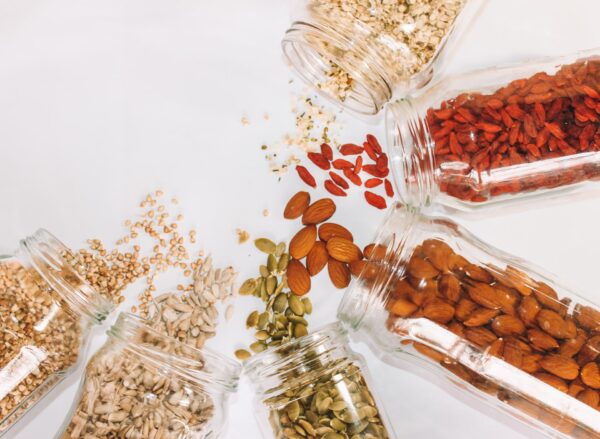


 This Egyptian dessert is a mix of so many different flavors, this is as a result of the inclusion of some special ingredients that give it its rich flavors. To give this delicious Egyptian delicacy its rich flavors, syrup, cream, and equal nuts are added.









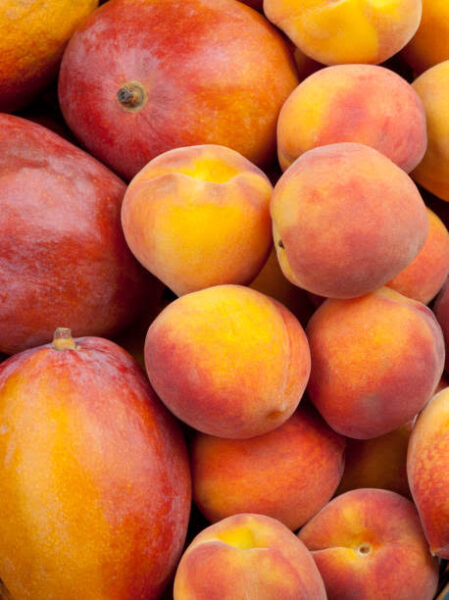


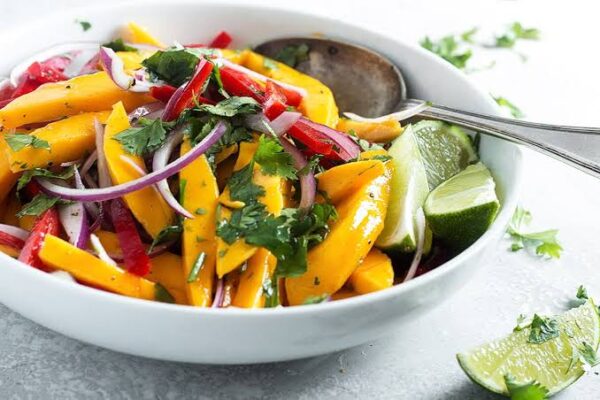




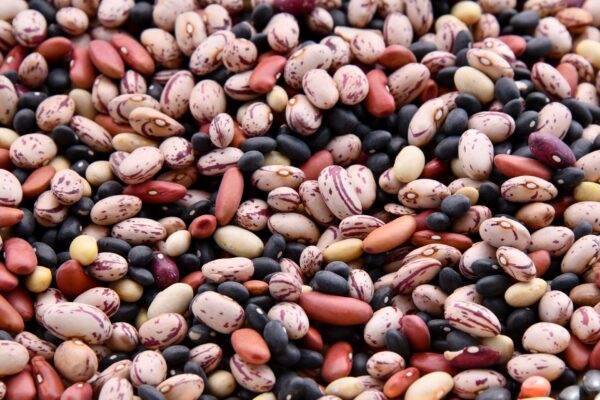


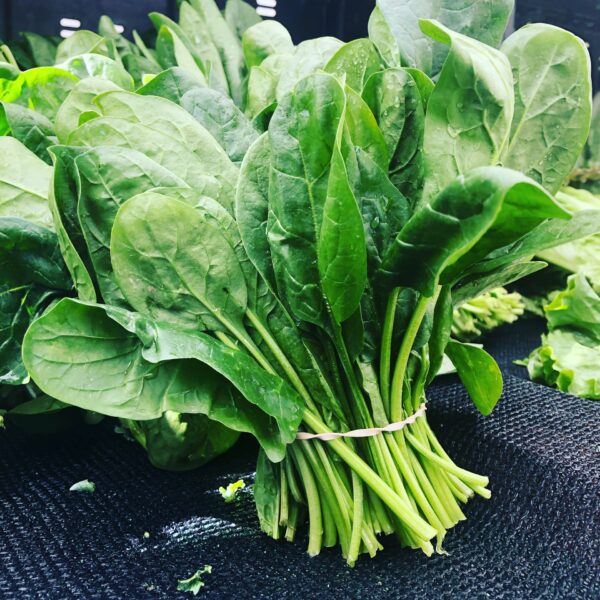
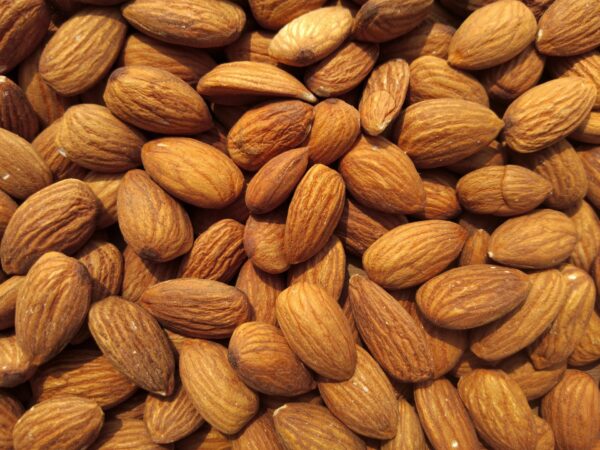


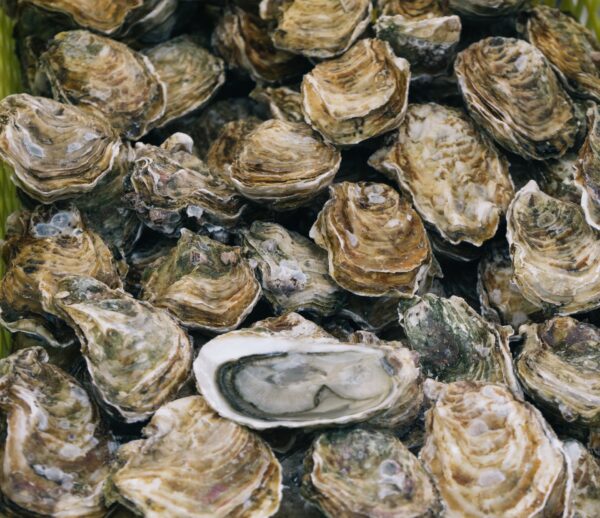


 This is a very popular leafy vegetable in West Africa, especially Nigeria, it is often referred to as bologi (pronounced as ‘ghologi’).