10 Amazing Benefits of Onions That Would Excite You

The Onion is a worldwide culinary and therapeutic spice used daily and in nearly every meal across Africa. This spice needs no special introduction as it is one of the most known spices in the world. Unfortunately, a lot of us use without knowing the numerous nutritional benefits of onions. Well, this article is out to address that.

Onion is a common component in many African sauces, and it is mainly grown locally, with Egypt being the continent’s first producer. Onions include phenolic acids, thiosulfinates, and flavonoids, among other biologically active chemicals.

Anticancer, antidiabetic, antibacterial, cardiovascular, antioxidant,  and other pharmacological actions of the plant indicate its potential application in the treatment of a number of human disorders. Onion, also known as the bulb onion or common onion is a vegetable. It has narrow, hollow leaves and a base which enlarges to form a bulb. The bulb can be white, yellow, or red and require 80 to 150 days to reach harvest.  Its close relatives include garlic, scallion, leek, chive, and Chinese onion.


Description

Onion - nutritional benefits of onion
Image credit: Unsplash

For at least 7,000 years, the onion plant has been cultivated and selectively bred. Although it is biannual, it is commonly grown as an annual. Modern cultivars usually reach a height of 15 to 45 cm (6 to 18 in). The leaves are yellowish to bluish green and grow in a flattened, fan-shaped swath alternately. They have one flattened side and are soft, hollow, and cylindrical.

They are at their broadest approximately a quarter of the way up, before tapering to a blunt point.

Each leaf’s base is a flattened, typically white sheath that emerges from the bulb’s basal plate. A bundle of fibrous roots extends a short distance into the earth from the plate’s underside. Food reserves begin to develop in the leaf bases as the onion matures, and the onion bulb swells.

The leaves die back in the autumn, and the outer scales of the bulb become dry and brittle, thus the crop is usually harvested then. The growth point in the middle of the bulb begins to develop in the spring if it is left in the soil during the winter.

New leaves emerge, and a tall, sturdy, hollow stem with a bract sheltering a budding inflorescence expands. The inflorescence is a globular umbel of white flowers divided into six segments. The seeds are glossy black in color and triangular in shape. An onion’s pH is usually around 5.5.

Nutritional values of onions

Raw onions have a low-calorie content, with only 40 calories per 3.5 ounces (100 grams). They are 89 percent water, 9 percent carbohydrates, and 1.7 percent fiber by fresh weight, with trace amounts of protein and fat.

The main nutrients in 3.5 ounces (100 grams) of raw onions are:

  • Calories: 40
  • Water: 89%
  • Protein: 1 gram
  • Carbs: 3 grams
  • Sugar: 2 grams
  • Fiber: 7 grams
  • Fat: 1 gram

Carbohydrates account for 9–10% of raw and cooked onions, respectively. Simple sugars like glucose, fructose, and sucrose, as well as fiber, make up the majority of their composition. The total digestible carb value of a 3.5-ounce (100-gram) piece is 7.6 grams, including 9.3 grams of carbs and 1.7 grams of fiber.

Onions are a good source of fiber, accounting for approximately 0.9–2.6 percent of the fresh weight depending on the variety. They’re high in fructans, which are beneficial soluble fibers. Onions are one of the most common sources of fructans in the diet. Fructans are prebiotic fibers that nourish the good microorganisms in your intestine. Short-chain fatty acids (SCFAs), such as butyrate, are formed as a result of this, which may improve colon health, reduce inflammation, and lower your risk of colon cancer.

FODMAPs, on the other hand, are fructans, which can induce unpleasant digestive symptoms in people who are sensitive to them, such as those who have irritable bowel syndrome (IBS).

Onions contain decent amounts of several vitamins and minerals, including:

  • Vitamin C: An antioxidant, this vitamin is needed for immune function and maintenance of skin and hair.
  • Folate (B9): A water-soluble B vitamin, folate is essential for cell growth and metabolism and especially important for pregnant women.
  • Vitamin B6: Found in most foods, this vitamin is involved in the formation of red blood cells.
  • Potassium: This essential mineral can have blood-pressure-lowering effects and is important for heart health.

Health benefits of onions

1.     Lowers risk of heart diseases and stroke:

Organic sulfur compounds can be found in onions. These chemicals are responsible for onions’ harsh, pungent flavor and odor. Organic sulfur compounds lower the risk of heart disease and stroke by decreasing cholesterol levels in your body and maybe breaking down blood clots. To acquire the most sulfur compounds from onions, eat them raw rather than cooked.

2.     Improves the body’s immunity:

These days, everything revolves around immunity. Onions include antioxidants that can help you strengthen this as well. According to a study published in the journal Mediators of Inflammation, the chemical makeup of onions is so powerful that it aids in immunological boosting and also has anti-cancer capabilities.

3.     Onions can be great for the eyes:

The selenium in onion helps in the production of vitamin E, which in turn keeps this painful eye problem at bay. In fact, some natural eye drops also contain extracts of onion juice.

4.     It contains cancer-fighting compounds:

Garlic and onions, which belong to the Allium genus, have been related to a lower risk of some malignancies, particularly stomach and colorectal cancers. Studies have shown that people who consume higher amounts of allium vegetables are 22% less likely to be diagnosed with stomach cancer than those who consume less amount.

5.     It improves libido in men

If your boyfriend suffers from erectile dysfunction, force him to consume onions, which, according to a study published in the journal Biomolecules, can help to alleviate the problem. According to the study, it also aids in the increase of testosterone levels in men.

6.     It lowers the risk of Alzheimer’s disease:

Flavonoids are plant-derived compounds that are abundant in onions. According to one study, those who eat a high-flavonoid diet for a long time have a lower risk of Alzheimer’s disease.

7.     It is good for bone health:

Incorporating onions into one’s diet has been linked to increased bone density. This could be due to their antioxidant qualities, which help to prevent oxidative stress and bone loss. According to a study including peri- and postmenopausal women, frequent onion eating reduced the incidence of hip fracture. Another study on middle-aged women found that drinking onion juice decreased bone loss and increased bone density.

8.     It may support gut health:

Onions are high in fiber, especially non-digestible fiber, which is important for intestinal health. Although we cannot digest prebiotic fiber, the bacteria that live in our gut can, and they use it as fuel to help them grow and create short-chain fatty acids as by-products (SCFAs). These SCFAs are vital for gut health and integrity, as well as aiding our immune and digestion, according to research.

9.     It helps in the control and management of diabetes:

Both the quercetin and organic sulfur compounds found in onions are known to promote insulin production, making them a helpful vegetable choice for those with diabetes.

10.  It helps relieve cough and cold:

Onions are used in folk medicine to treat coughs, colds, and catarrh, and studies show that they have antibacterial properties against bacteria like E. coli, Pseudomonas aeruginosa, and Staphylococcus aureus. Furthermore, it appears that older, preserved onions are the most effective. Quercetin appears to be useful here once again, as it inhibits the growth of Helicobacter pylori and Methicillin-resistant Staphylococcus aureus (MRSA).

Eating onions raw vs cooked

Onions have vital therapeutic and nutritional properties, and they were even utilized in ancient times to combat cholera and the plague. Natural sugar, vitamins A, B6, C, and E, sodium, potassium, iron, dietary fiber, and folic acid are all found in onions. However, heat destroys some of these health benefits, so if you want to get the most out of your onion, you’ll have to consume it raw.

History of onions

Because the wild onion is extinct and ancient records of using onions span western and eastern Asia, the geographic origin of the onion is uncertain, although domestication likely took place in Southwest or Central Asia. Onions have been variously described as having originated in Iran, western Pakistan, and Central Asia.

Onions were utilized as far back as 5000 BC, according to traces found in Bronze Age towns in China, not only for their flavor but also for the bulb’s resilience in storage and transportation.

The onion bulb was treasured by ancient Egyptians, who saw its spherical shape and concentric rings as symbols of an endless life.

Onions were utilized in Egyptian funerals, as demonstrated by onion remnants discovered in Ramesses IV’s eye sockets.

Pliny the Elder of the first century AD wrote about the use of onions and cabbage in Pompeii. He detailed Roman believes in the onion’s power to treat anything from mouth ulcers and toothaches to dog bites, lumbago, and even dysentery. Garden like those described in Pliny’s precise tales has been discovered by archaeologists digging Pompeii long after its 79 AD volcanic burial.

Onions were employed in several Roman recipes, according to documents collected in the fifth/sixth centuries AD under the authorial auspices of “Apicius” (supposed to be a gourmet). Onions were brought to North America by the first European settlers during the Age of Discovery, only to discover that the plant was freely available and widely used in Native American cuisine. The bulb onion was one of the earliest crops planted by the Pilgrim fathers, according to diaries written by some of the first English immigrants.

Onion production in Africa

Egypt is the 3rd largest onion producer in the world, producing more than 2.3 million tons per year. According to the Egyptian Ministry of Agriculture and Land Reclamation, onion exports from Egypt increased by about 45 percent in 2019 compared to 2018. On November 27th, onion exports totaled 550 thousand tons, up from 310 thousand tons the previous year.

The major buyer of the crop was Saudi Arabia, but Egypt depended on new markets this season, including India, Pakistan, Bangladesh, and other Asian countries, to dramatically increase exports.

Onions are one of West Africa’s most dynamic regional sectors. Senegal’s production has surged tenfold in ten years, reaching 400,000 tons. Nigeria and Niger are the region’s top producers, producing 600,000 and 500,000 tons respectively.

Nigeria is one of the major producers of onions in the world, producing more than 2 million tonnes yearly. Red onion is the most popular variety in Nigeria and is of immense benefit to commercial onion farmers due to their wide patronage. In Nigeria, onion is grown mostly in Kano, Kaduna, Jigawa, Sokoto, Plateau, Bauchi, and Kebbi States. In 2012 alone, an estimate of about 240,000 tons of green onions and 1,350,000 tons of dry onions were produced in Nigeria.

In Nigeria, Sokoto happens to be the largest producer of onion. From April to August 2020, onions worth four billion were sold despite the fact that Aliero village in Kebbi State, has the biggest onion farm/market in West Africa and buyers come from neighboring countries such as Cotonou, Togo, Ghana, etc to buy.

The people of Aliero pride themselves as the largest onion farming community in West Africa, not just because they get high patronage from other onion traders in the Southern, Eastern and other Northern parts of Nigeria, but also because they export their commodity to neighboring countries such as Benin Republic, Niger, and Cameroon.

Different types of onions

The main differences between onions are determined by the time of year and the location in which they are grown, which might influence their flavor. Spring onions, for example, are grown in warmer areas and have a milder, sweeter flavor.

Here are different types of onions to familiarize yourself with:

1.     Red onions

Red onion - nutritional benefits of onion
Image credit: Bon Appetit

Red onions are cultivars of the onion and have purplish-red skin and white flesh tinged with red. The skin of the red onion has been employed as a dye in the past, but it is most typically used in the culinary arts. These onions are medium to large in size, with a strong flavor and a mouthwatering appearance.

They’re commonly eaten raw (adding color and bite to salads), grilled, or lightly cooked with other meals. Red onions are accessible all year and include a lot of flavonoids and fiber (compared to white and yellow onions). Cut red onion can be soaked in cool water for a short time and then drained, resulting in a reduction in “bite” and pungency.

2.     Sweet onions

Sweet onion - nutritional benefits of onion
Image credit: Gardening Know How

Sweet onion is a non-pungent kind of onion. When compared to other onion cultivars, its mildness is due to its low sulfur level and high water content. They can range in color from white to yellow and often have a flattened or squashed appearance.

Sweet onions tend to be more perishable and should be stored in the refrigerator. The best way to preserve sweet onions and to prevent bruising is to store them in a cool, dry place and separated from each other. Always handle sweet onions carefully. Wrap sweet onions separately in paper towels or newspaper and store them in the refrigerator.

Whole raw sweet onions will last for 1 to 2 months in a cool (45-55° F; warmer than the refrigerator, but colder than normal room temperature) dark area. If a cool, dark area is not available, then sweet onions should be refrigerated to ensure maximum shelf life.

3.     Green onion (Scallions)

Green onion - nutritional benefits of onion
Image credit: BBC Big Food

Green onions (mostly known as scallions, spring onions, or sibies) are vegetables that come from the Allium genus. The flavor of scallions is milder than that of most onions. Garlic, shallot, leek, chive, and Chinese onions are close relatives.

These onions are frequently plucked before they reach full maturity. Both in appearance and flavor, these baby or immature onions differ from bulbing onions. Green onions have long green tips and a sleek linear shape with white or pale-green bulbs. The bulb and stem are both tasty.

Types of green onions

  • Spring onion
Spring onion - nutritional benefits of onion
Image credit: Specialty Produce

Although the bulbs of many Allium species are eaten, spring onion species are distinguished by the absence of a completely grown bulb. Spring onions are Allium species with hollow, tubular green leaves that sprout directly from the bulb. These leaves are eaten raw or cooked and are used as a vegetable. The leaves are frequently sliced into other recipes in the same way that onions or garlic are chopped into other cuisines.

  • Chives
Chives - nutritional benefits of onion
Image credit: VeryWell Fit

Chives are a little green herb with a slight onion flavor. They belong to the Allium genus, which contains garlic, onions, and leeks, among others. For millennia, people have grown allium vegetables for their distinctive pungent aromas in culinary and medicinal benefits.

Allium schoenoprasum, or chives, provide elements that are beneficial to sleep and bone health. Chemicals found in chives and other allium plants have also been related to anticancer properties in some studies.

  • Leeks
Leek - nutritional benefits of onion
Image credit: iStock

Leeks are a member of the onion family, native to the eastern Mediterranean and the Middle East—the biggest producers are Indonesia, Turkey, France, Republic of Korea, and Belgium. Leeks look like scallions (or green onions), but they’re a lot larger. And their mild flavor and ease of preparation make the vegetable a favorite addition to soups, casseroles, and white meat entrées, as well as a simple side dish when gently sautéed. Look for the best leeks of the year starting in autumn and enjoy them all the way through spring.

4. Pearl onion
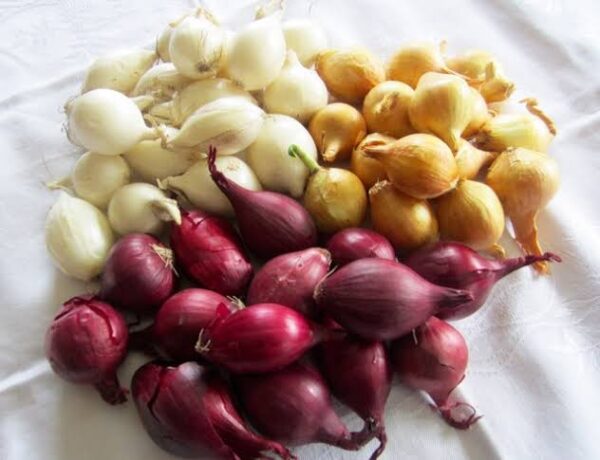
Pearl onion - nutritional benefits of onion
Image credit: MyFavorite Pastime

White Pearl onions are globular in shape with slightly pointed ends and are tiny in size, usually 1-4 cm in diameter. The tiny bulb is wrapped in a thin, papery layer of white parchment that easily peels away when touched. A white sheath, similar to garlic, lies beneath the papery epidermis, and the flesh is white, nearly translucent, with layers of thin rings. It has a firm, juicy, and crisp texture. When cooked, white pearl onions become crunchy and mild, with a savory, sweet, and slightly less pungent flavor than full-sized onions.

5. Egyptian onion
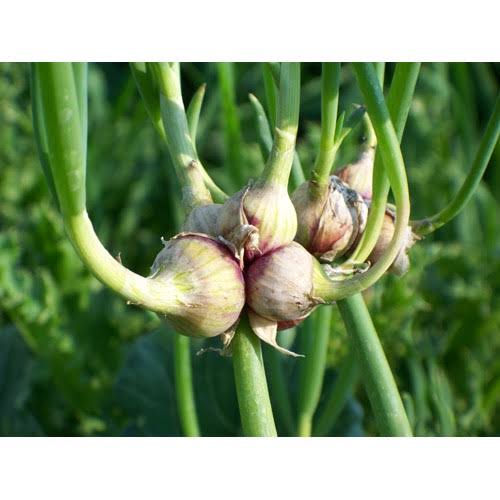
Egyptian onion / nutritional benefits of onion
Image credit: LivingSeeds

Tree onions, also known as topsetting onions, walking onions, or Egyptian onions, are identical to common onions (Allium cepa) but feature a cluster of bulblets instead of blooms. They are a hybrid of the common onion and the Welsh onion, according to genomic data (A. fistulosum). Some sources, however, continue to refer to the tree onion as A. cepa var. proliferum or A. cepa Proliferum Group. While still attached to the parent stalk, tree onion bulblets will sprout and grow. The name “walking onion” comes from the fact that they may bend down under the weight of new growth and take root at a distance from the parent plant.

It has been postulated that the name “Egyptian onion” derived from Romani people bringing tree onions to Europe from the Indian subcontinent.

6.     Shallot

Shallot - nutritional benefits of onions
Image credit: MyRecipes

Shallots, like garlic, grow in clusters of offsets with a head made up of many cloves. Shallots’ skin can be golden brown, gray, or rose red, and its off-white flesh is generally colored with green or magenta.

Shallots are a type of onion that is used in cooking. It’s possible that they’ll be pickled. In Asian cuisine, finely sliced deep-fried shallots are commonly served with porridge as a condiment. Shallots, as a species of Allium, have a flavor similar to that of a regular onion, but with a milder flavor. When raw shallots are sliced, they release chemicals that irritate the human eye, causing tears to be produced.

7.    Yellow onion

Yellow onion - nutritional benefit of onion
Image credit: IndiaMART

The brown onion or yellow onion (Allium cepa L.) is a variety of dry onions with a strong flavor. They have a greenish-white, light yellow, or white inside; their layers of papery skin have a yellow-brown or pale golden color.

It is higher in sulfur content than the white onion which gives it a stronger, more complex flavor.

A dozen varieties of yellow onion are grown, following the time of year. They vary in nutritional content, but they do contain quercetin (a flavanol).

Fun facts about onions

  1. Onions have been a part of the human diet for more than 7,000 years. Archeologists have discovered traces of onions dating back to 5000 B.C., found alongside stones from figs and dates in settlements from the Bronze Age.
  2. On almost every continent, wild onions can be found. Because onions are one of the few vegetables that can be easily kept for the winter, their popularity expanded along with them all over the world.
  3. In ancient Egypt, onions were worshiped. It was believed by ancient Egyptians that concentric rings and the spherical shape of the onions were symbols of eternity.
  4. Onions were used as gifts and even payment during the Middle Ages. Onions were once used to pay for services, commodities, and even rent.
  5. The sulfuric acid created in our eyes causes a stinging sensation, prompting the brain to react. Our brain, in a defensive attitude, causes our eyes to generate tears, which wash away the acid. Crying while cutting onions is what we call it.
  6. The Guinness Book of World Records lists the largest onion ever grown as a whopping 10 pound, 14-ounce onion!
  7. Did you know that Libyans are known for their onion consumption? Libyans consume a remarkable 66.8 pounds of onions per year per capita.


Moroccan Chicken Tagine

Chicken tagine is a Traditional Moroccan cuisine made with spices, garlic, onion, olives, and preserved lemons cooked in a tagine. The chicken tagine recipe may look complicated at the beginning, but if you organize your ingredients, it would go down smoothly.

The aroma from this chicken tagine wafting from your kitchen will have the entire family crowding around. 

What is a Tagine (Tajine)?

A tagine, sometimes spelled “tajine,” is a traditional Moroccan cooking vessel made of ceramic or unglazed clay with a round base and low sides. A cone-shaped cover sits on the base during cooking. The tagine functions like a slow cooker in a sense, and the cone shape functions as a way to return moisture to the base of the tagine, creating a moist and flavorful dish.

Is Tagine Cooking Healthy?

The cooking process is great for making healthy, delicious foods. Just like in a slow cooker, the food in a tagine is boiled or steamed instead of being fried.

Is It Easy To Cook In a Tagine?

Like most slow-cooking methods, making a tagine is easy and requires very little work from the cook – the pot does it all!

Methods of Cooking With Tagine

More convenient methods of cooking with a tagine nowadays are in an oven or on a gas or electric stove top. Make sure you use the lowest setting when using the stove, just enough to keep it simmering gently. Resist the urge to increase the heat or you may damage your tagine or scorch the food.

Is a Tagine The Same As a Dutch Oven?

A tagine oven is a cooking dish created from clay, even though you can purchase aluminum and cast iron engines. Foods cooked in tagines are known as tagines. A Dutch oven is generally enamel-covered cast iron and may be used for frying, roasting, boiling, and soups. Both may be used on a stovetop and in the oven.

What is Chicken Tagine Made From?

Chicken tagine is a traditional Moroccan dish of chicken pieces braised with spices, garlic, onion, olives, and preserved lemons.

Where Does Chicken Tagine Originates From?

While this mouthwatering dish is usually associated with Morocco, it is actually a Berber dish. Berbers are an ethnic group native to North Africa, including Morocco, Libya, Tunisia, Algeria, and other countries.

What You’ll Need to Make Chicken Tagine

While you can use a whole cut-up chicken for chicken tagine, many persons prefer to use bone-in, skin-on chicken thighs only. This is because they provide a good amount of meat and remain tender even if slightly overcooked, and the bones and skin add depth of flavor and richness to the sauce (though the skin is removed midway through cooking).

Can I Prepare Chicken Tagine Without The Tagine?

If you don’t have your tagine yet, you can still cook your chicken tagine dish in a saucepan or deep frying pan. When cooking in your saucepan or frying pan, check regularly and make sure the ingredients don’t stick to the bottom of your pan.

What Do You Serve With a Chicken Tagine?

You may serve this Moroccan chicken in a single pot with whatever side dish you choose. The chicken tagine is best served with couscous, pearl couscous, white or brown rice, or saffron rice. This couscous with chickpeas and raisins would be pretty amazing as a side if you want to turn this into a real Moroccan feast.
4DB56BDA F22A 40EA A101 ABAFB6C17191

Moroccan Chicken Tagine

Course Main Course, Main Dish
Cuisine Moroccan
Servings 0

Ingredients
  

  • 1 tbsp paprika
  • 1 teaspoon ground cumin
  • 1/4 teaspoon cayenne pepper
  • 1/2 teaspoon ground ginger
  • 1/2 teaspoon ground coriander
  • 1/4 teaspoon ground cinnamon
  • 1 lemon
  • 5 cloves garlic, minced
  • 8 bone-in, skin-on chicken thighs (about 4 pounds), trimmed of excess skin and fat
  • Salt and ground black pepper
  • 1 tablespoon olive oil
  • 1 large yellow onion, halved and cut into 1/4-in-thick slices
  • 2 tablespoons all-purpose flour
  • 1-3/4 cups chicken broth
  • 2 tablespoons honey
  • 2 large or 3 medium carrots, peeled and cut crosswise into 1/2-inch-thick coins
  • 1/2 cup Greek cracked green olives, pitted and halved
  • 2 tablespoons chopped fresh cilantro leaves

Instructions
 

  • Combine the spices in a small bowl and set aside. Zest the lemon.
  • Combine 1 teaspoon of the lemon zest with 1 minced garlic clove; set aside.
  • Season both sides of chicken pieces with 2 teaspoons salt and 1/2 teaspoon pepper.
  • Heat the oil in a large heavy-bottomed Dutch oven or pan over medium-high heat until beginning to smoke.
  • Brown the chicken pieces skin side down in single layer until deep golden, about 5 minutes; using tongs, flip the chicken pieces over and brown the other side, about 4 minutes more.
  • Transfer the chicken to a large plate; when cool enough to handle, peel off the skin and discard.
  • Pour off and discard all but 1 tablespoon of fat from the pan.
  • Reduce the heat to medium. Add the onion and cook, stirring occasionally, until they have browned at the edges but still retain their shape, 5 to 7 minutes (add a few tablespoons of water now and then if the pan gets too dark).
  • Add the remaining minced garlic and cook, stirring, until fragrant, about 30 seconds.
  • Add the spices and flour and cook, stirring constantly, until fragrant, about 30 seconds.
  • Stir in the broth, honey, remaining lemon zest, and 1/4 teaspoon salt, scraping the bottom of the pan with a wooden spoon to loosen any browned bits.
  • Add the chicken (with any accumulated juices) back in, reduce the heat to medium-low, cover and simmer for 10 minutes.
  • Add the carrots, cover, and simmer until the chicken is cooked through and the carrots are tender-crisp, about 10 minutes more.
  • Stir in the olives, reserved lemon zest-garlic mixture, cilantro, and 1 tablespoon of the lemon juice; taste the sauce and adjust seasoning with salt, pepper, and more lemon juice, if desired.
  • Serve with couscous or French Green Beans with Shallots.
Keyword Chicken
Tried this recipe?Let us know how it was!

Beetroots 101: The Taproot With Amazing Health Benefits

Before you get into this article, you should know that you are going to get familiar with some interesting information about beetroots, that you probably have not heard about before.

You are going to know what exactly beetroots are, some people mistake them for fruit, which is okay, but they are actually known as a taproot vegetable. This is pretty obvious, given the name has roots in it.

What Are Root Vegetables?

Roots can easily be described as plant parts that grow underground and are eaten by humans and animals as food.

You might know a few root vegetables, but to refresh your memory, here are a few examples of root vegetables;

  • Rutabaga
  • Turnip
  • Daikon
  • Beetroot
  • Radish
  • Potatoes
  • Onions
  • Carrots
  • Ginger
  • Cassava
  • Yam

Now you know what roots are, and what to describe beets as, now back to the main discourse, let us talk about beetroots.

Let Us Talk About Beetroots

Giving you amazing information on everything you need to know about beetroots. Most people don’t have so much idea of what beers are, not to worry, you are about to get a good amount of information on beetroots.

Before we begin, let us get into the basics and the simple question that would be asked is, “what are beetroots?”

image of beets 2
image from: Pinterest.com

What Are Beetroots?

To simply but what beetroots are, they are easily described as the products of a beet plant, or the taproot aspect or portion of a beet plant.

The name the taproot is often referred to as beets, while the vegetable is actually known as beetroots.

Beets have some other names, and these names vary across continents and countries, and a few of them are;

  • Dinner beet
  • Red beet
  • Golden beet
  • Garden beet
  • Table beet
  • Beet

The varieties of names that this amazing root possesses do not stop it from being highly nutritious and rich in so many essential nutrients and vitamins.

Another way to describe what exactly beetroots are would be to say that beetroots are root veggies packed with so many important nutrients like Vitamin B9, folate, fiber, manganese, iron, and potassium.

Now that we have covered the simple basics of what beets really are, the next aspect would be to dive into the health benefits of beets. Before we look into the health benefits, let’s discuss a little bit about beets.

What Are The Health Benefits Of Beetroots?

Beetroots Are Great For The Heart

Beetroots are known for their great fiber content, they are not only rich in fiber, but beetroots are also very rich in so many plant compounds, and they are a great source of nutrients.

Beetroots are also very popular for their ability to aid and improve the health of the heart, this is as a result of the great nutrients that this amazing root possesses.

Beetroots Help To Enhance The Human Exercise Capacity

This feature of beetroots is mostly attributed to the amazing nutrients they possess and one of the major nutrients is the inorganic nitrate content of the beetroots.

Beetroots Are Known To Help Lower Blood Pressure

High blood pressure puts your health at risk, this is because it can also damage the heart and the blood vessels. High blood pressure is also one of the known risk factors of some dangerous diseases, most especially heart disease and some others like stroke, even premature death.

No one should experience this, it is important everyone puts in some effort to improve the mind and health one way or another.

A few of the knob ways of improving general health and being healthy is through the intake of good food and exercise.

Just like you read earlier, beetroots help to boost the human exerciser capacity. In other words, beetroots give you the energy to be able to exercise more.

Apart from giving you the ability to exercise more, beetroots are known to help lower blood pressure, which also keeps you healthy, hence protecting you and keeping you safe from several diseases, especially heart disease.

Beetroot juice is so healthy that it is capable of reducing blood pressure by about 3-10mm Hg, and thus can occur within a matter of hours.

The reason for this capability of beetroots is a result of the increased levels of nitric oxide. Nitric oxide causes the blood vessels to dilate and relax, allowing your blood pressure to come down, leaving you healthy and strong.

image of beets 3
image from: Pinterest.com
Beetroots are rich in minerals and vitamins that are essential to the body

As you already know, beetroots are nutrient-filled and healthy, they are also very rich in some essential vitamins and minerals and a few of them are;

  • Vitamin B9 (folate)

One of the major importance of folate is that they aid in the function of the cell and normal growth of tissues. This vitamin is very essential for pregnant women.

  • Potassium

Potassium is a mineral that is known for its ability to aid in the reduction of blood pressure. Any diet which consists of a good amount of potassium is said to be capable of reducing blood pressure.

Reduced blood pressure will have great and amazing effects on the health of the heart.

  • Manganese

This is another important trace element that is found in beetroots. Manganese is also very high in legumes, whole grains, vegetables, and fruits.

  • Vitamin C

Vitamin c is a very popular vitamin, it is also an antioxidant, and they are very essential for the treatment and improvement of the health of the skin and also proper and adequate immune function.

  • Iron

This is another mineral that is very essential to the body, iron is known for its many functions, but one of the major functions it is known for is its importance for the transport of oxygen in the red blood cells.

Beets are very rich in water and some other essential nutrients

Did you know that beets are very rich in water? In fact, they consist of about 87% water, 2-3% fiber, and 8% carbs.

Here is a simple breakdown of the contents of beetroots

Fat- 0.2grams

Sugar- 6.8grams

Carbs- 9.6grams

Water- 88%

Protein- 1.6grams

Fiber- 2.8grams

Beets are very rich in fiber

Fiber is a very essential part of a healthy and nutrient-filled diet. A good amount of fiber in a diet ensures a reduced risk of some dangerous diseases.

Beetroots are known to possess a high fiber content, which makes is nutrient-filled and healthy.

The good fiber content of beets gives it the capability to help strengthen and enrich your body, keeping you healthy and fit, which prevents you from several heart diseases.

The Different Types Of Beetroots

When you say beetroots, most people assume there is just one type of beet, but The African food network is here to tell you that, there is more than one type of beetroots.

The different type of beetroots doesn’t exist in just one color, and that’s the red color, but most of them have varieties of colors that are just as beautiful and colorful as the red beets.

What Do The Other Types Of Beetroots Taste Like?

Finding out there are other types of beets out there, the next question that would follow would be “what do the other types of beetroots taste like?”

If you have had the opportunity to give the red beets a try, then you already have some idea of what the other types of beetroots might taste like.

Most people would say beets are not delicious and they taste kind of funny, but other people might tell you that it is one of the most flavor-filled roots they have ever tasted. The two answers are both right, and the only way to find out what beets actually tastes like is to give them a try for yourself.

What Are The Different Types Of Beetroots?

There are more than ten different types of beetroots. Not to worry, you are going to get familiar with most of them.

image of chioggia beets 22
image from: Pinterest.com

Here are the names of the other types of beets;

  • The bull’s blood
  • The avalanche
  • Detroit dark red
  • Early winder
  • Cylindra
  • Crosby Egyptian
  • Merlin
  • Lutz green leaf
  • Golden beets
  • Forno
  • Red ace
  • Moulin rouge

    image of beets
    image from: Pinterest.com
  • Ruby queen
  • Touchstone Gold
  • White Detroit
  • Golden Detroit
  • Chioggia

As you can see, there are so many different types of beets, and the beautiful thing about these different types of beets is that they all possess great health benefits, and they will be sure to nourish and enrich your body.

Beets are so beautiful because they come in so many different colors like gold, pink, white and so many others.

The most common type of beets as you already know is the red beets, also known as the classic deep-red beetroots.

The major feature of beetroots as you should know is the color. The color of beets is due to a pigment that is known as betalain.

What Is Betalain?

Betalain is responsible for the color of the red and golden beets.

You already know the names of some of the different types of beetroots, now let us take a closer look at the types of beetroots.

Let Us Talk About The Other Types Of Beetroots

The First Type Of Beets Are;

THE WHITE BEETROOTS

image of avalanche beets
image from: Pinterest.com

These types of beets are considered to be the sweetest and mildest, they also don’t have a harsh and what some might describe as earthy taste, like the red beets.

Unlike red and golden beets, the white Beetroots don’t possess the compound betalain (the compound that is responsible for the color pigments of the golden and red beets).

The white Beetroots are considered the sweetest type of beets because of the sugar content that they possess, which is considered to be higher than the other type of beets.

image of cylndra beetsThe Second Type Of Beets Are;
CYLINDRA BEETROOTS

Also known as ‘butter slicer, this type of beetroot is perfect if you are into canning and pickling. It is known for its smooth skin, elongated roots, and deep red flesh.

This type of beet is known to be sweet with a mild flavor and a hint of earthiness.

Cylindra beets can grow to about 6-8inches in length.

The name butter slice is given to this type of beet because of its uniform width, which is said to be perfect for slicing.

Cylindra can be enjoyed in so many ways, but one of the most common ways that this type of beet is often enjoyed is the roasted cylindra. This type of beet can also be added to a stew, soups, and even salads.

The leaves of cylindra are reddish-green and can also be consumed, but some might say it does not have a pleasant taste when eaten raw.

The roots of cylindra beets usually take up to 60-70 days to mature and can be harvested in about 35-40 days.

The Third Type Of Beets Are;

DETROIT DARK RED BEETS

The name of this type of beet already gives it off, it has a deep red color with round roots, a delicious taste that is often described as mild, and smooth skin.

This type of beet can be eaten raw or can be used to add some color, flavor, and elegance to your salad bowl.

The tops of this type of beets are where the flavor hides because the top is usually filled with flavor and it is also tender. This type of beet is known for its veins, bright red stems, and dark green leaves.

The Fourth Type Of Beets Are;

THE CROSBY EGYPTIAN

Also known as Crosby, this type of beet is very popular in Egypt, but it originated from Germany, which was later brought down to the United States and called the Egyptian beet.

This type of beetroots can grow up to about 3-5 inches, and this is the early maturing root.

This type of beetroots has a flat shape and just like some other types of beets, they have a very earthy taste, but it is also sweet.

The Crosby has red stems and green tops, and are best harvested when they are hounded, and guess what? They are also perfect for salads.

The Fifth Type Of Beets Are;

CHIOGGIA BEETROOTS

image of chioggia beets
image from: Pinterest.com

Also referred to as Dulce di Chioggia, the candy stripe, or the bull’s eye; This type of beet is popular for its amazing flavor and beautiful colors.

The slices of this type of beets would definitely catch your eye because the concentric ring colors of white and pink, are not something you see every day.

Accompanied by its beautiful color, this type of beet is also known for its flavor. Adding this type of beets to your salad will be sure to give your bowl the best nutrients, but not just the nutrients, the colors would also be something to talk about.

Chioggia beetroots can be cooked, but cooking this type of beetroots does not ensure the color rings stay, the color fades away as it gets cooked.

The leaves of Chioggia are green and crispy, and they can get harvested after about 50-60 days. It is advisable to wait till 60 days so that it would grow some more, to about 3-4 inches.

The Sixth Type Of Beets Are;

THE BULLS BLOOD

image of Egyptian crossby beets
image from: Pinterest.com

With its purple-colored leaves, this type of beets can be harvested as microgreens, they go very well with salads, as they add a bit of flavor and a pop of color to your salad dish.

This type of beetroots has a deep red color with an amazing earthy flavor but sweet and a little bitterness to balance off the flavor.

It is preferable to harvest this type of beets when they are mature, this would ensure an improvement of the taste and color.

These are six different types of beets, there are still other types of beetroots, but these are enough to get you started on this exciting and fun experience with beets.

Remember that saying about the more being merrier? Well, it is the same case with beets, the more beets, the merrier, because now you have more beets to enjoy and have fun with.

There are different ways of enjoying beets, and we are going to show you a few ways you can be creative with your beets while consuming a great number of nutrients that will nourish and enrich your body system.

How Can You Enjoy Beets?

To get enriched with this delicious and nutrient-filled root, there are so many ways you can enjoy them, but the African food network is here, giving you different ways of enjoying beetroots, African style.

  • South African Beet And Onion Salad
image of onions and beets salad
image from: Pinterest.com

This is the healthiest salad you can have, a bowl of South African beet and onion salad is packed with nutrients, minerals, and vitamins that will enrich your body, and have you feeling refreshed and healthy.

There are a few ingredients required for the preparation of this nutrient-packed African beets delicacy, and they are;

  • Beetroots
  • Onions
  • Salt
  • Sugar
  • Water
  • Beetroot Rice

This is a delicious and healthy African beetroot dish; it is also a very popular staple in some African countries. If you are looking for something new and nutrient-filled to enjoy for lunch, this is the perfect African beetroot dish. You can always check out the recipe for this delicious and nutrient-filled African beets dish, here at the African food network.

There are a few ingredients required for the preparation of beetroot rice, and they are;

  • Green peas
  • Beetroots
  • White rice
  • Parsley
  • Water
  • Seasoning
  • Key sir Alicha (beets and potatoes)
image of beets and potatoes
image from: Pinterest.com

This is an Ethiopian beetroot dish, and it is enjoyed with injera. If you have been looking for some healthy and rich Ethiopian dishes to try out, this is a fun and simple way to start. You can also check out other delicious Ethiopian dishes, here at the African food network.

There are a few ingredients that are required for the preparation of this delicious and nutrient-filled Ethiopian beetroot dish, and they are;

  • Garlic
  • Onion
  • Ginger (Optional)
  • Large beets
  • Potatoes
  • Water
  • Salt
  • African Beetroot Salad

Are you looking for something with color, earthy flavor, and rich in nutrients? Have you tried the African beetroot salad? If you have not, this is your sign to check out the recipe for this incredible African beetroot salad, here at the African food network.

  • Beetroot Juice

    image of beetss juice
    image from: Pinterest.com

This should be on the list of healthiest juices, because it really gives you some very important nutrients that the body requires, not to forget its absolutely amazing and earthy flavor that beetroot juice has.

  • Moroccan Grated Beets And Carrot Salad

There is something amazing about this African beets dish, the mix of healthy and amazing vegetables, paired with the mix of flavors and other ingredients required to add some type of spice to this African beets dish is spectacular.

A Quick Recap

image of Detroit dark red beets
image from: Pinterest.com

Learning about beets is one of the exciting and interesting things will do this week, and the best thing you can do for your health and your mind is to add some African beets dish to your diet.

Just like we said earlier, there is a common misconception that beets are fruits, but they are actually roots, and you also got to understand what exactly roots are and a few examples of roots.

Learning about the different types of beets is something fun to know because you will be able to mix and try out exciting and fun recipes with the different types of beets, giving you a mix of flavors, colors, and overall nutrients.

South African Peri Peri Chicken

Peri-Peri chicken is a spicy chicken dish, also known as Piri Piri Chicken was introduced in Angola and Mozambique when the Portuguese settlers came with Chili Peppers or what they call, Piri Piri in Swahili.

What makes peri peri chicken so delicious is its central ingredient — the African bird’s eye chili.  This Peri Peri chicken is certainly a mouthwatering chicken recipe that is amazingly good whether it’s grilled or baked. This tender and juicy Peri-Peri chicken recipe is best served with steamed rice or dinner rolls. 

What is Peri Peri Chicken?

It’s a delicious South African chicken recipe that features chicken simmering in a spiced sauce of onion and lemons. The chicken is marinated in Peri-Peri Sauce (a blend of chilies, lemon, olive oil, herbs, and spices) along with other seasonings before grilling them.

Is Peri-Peri Portuguese or African?

The Peri-Peri is a flame-grilled chicken with African and Portuguese origins. It’s not clear who first created the now-iconic dish and the subject remains hotly debated between Portuguese-Angolans and Portuguese-Mozambicans.

Peri-Peri is an important part of Mozambique’s history, as the sauce reflects the blend of cultures present in the country for centuries. Peri-Peri chicken eventually made its way across the border to South Africa, but it all started in Mozambique.

Is Peri-Peri Healthy?

Peri-Peri is rich in vitamins and minerals — and holds metabolism-enhancing and curative properties. The green variety is packed with Vitamin C. The red genre has more Vitamin A than fresh carrot — and sun-drying increases the carotene content.

Is There a Difference Between Peri-Peri and Piri-Piri?

Piripiri, peri-peri or peli-peli is the name used in Portuguese and a number of African languages to describe the African bird’s-eye chili. The variations in spelling derive from the various pronunciations of the word in parts of Africa, although ‘piri-piri’ is the correct spelling in Portuguese.

Best Chicken to Use For Peri-Peri

You can make this recipe with any cut of chicken. Pick your favorite part, bone-in or boneless chicken breast, chicken thighs, wings, you name it, or mix it up and make peri-peri chicken with a whole chicken. With a few ingredients and a few hours to spare, you can now enjoy peri-peri original with a tender and juicy goodness perfect for lunch or dinner. It’ll be more amazing if you can marinate your chicken overnight for the best-tasting flame-grilled chicken.

What to Eat With Peri-Peri Chicken

Serve it up with your favorite vegetable sides, or serve it over rice for a more complete meal. Peri Peri Chicken pairs with a big variety of side dishes.

Peri-Peri Chicken Recipe Variations

  • Baked Peri Peri Chicken – if you’re too lazy to grill, you can just bake them at 400 degrees Fahrenheit for 35-40 minutes. Or until the internal temperature reaches 165 degrees Fahrenheit.
  • Peri-Peri Chicken Bowl – Serve your chicken on top of a warm Cajun Rice or Jamaican Rice and Peas for the ultimate comfort food combo.
  • Piri Piri Pasta – Seafood blend and sausage in a spicy peri peri-based sauce served on top of fettucini pasta. Just wow!

More chicken recipes;

South African Piri-Piri Chicken

Course Main Dish
Cuisine South African
Servings 0

Ingredients
  

  • Juice of two lemons
  • 1 Tablespoon white vinegar
  • 1/4 cup extra virgin olive oil
  • 1/2 yellow onion, roughly chopped
  • 1 1/2 teaspoon minced garlic
  • 1 teaspoon salt
  • 1/2 teaspoon ground black pepper
  • 1 teaspoon cayenne pepper
  • 1 Tablespoon chili powder
  • 1 Tablespoon paprika
  • 1 teaspoon ground oregano
  • 1/2 teaspoon ground ginger
  • 2 pounds boneless, skinless chicken breasts

Instructions
 

  • In a large bowl, whisk together everything except for the chicken.
  • Add the chicken and toss with tongs to coat in the marinade. Cover with plastic wrap and refrigerate overnight, or at least three hours.
  • When ready to cook, preheat your oven to 176 degrees Celsius. Heat an oven-save skillet over medium-high heat until very hot.
  • Use tongs to transfer the chicken breasts out of the bowl and into the pan, reserving the marinade.
  • Let cook for two or three minutes per side, until nice and browned.
  • Pour the reserved marinade into the pan and spoon the sauce onto the chicken.
  • Turn off the stove, and use oven mitts to transfer the pan to the pre-heated oven.
  • Let cook in oven for 15-20 minutes (depending on thickness of chicken breasts), or until cooked through.
     
Keyword Chicken
Tried this recipe?Let us know how it was!

Domada (Gambian Peanut Stew)

Authentic root in an authentic meal” is a great description of this unique Mandinka dish; Domada “peanut stew”.

It is usually prepared using regular veggies such as pumpkins or even potato sauce with groundnut[peanut] sauce as its base ingredient. You could add or use chicken or beef instead, for variety and luxury’s sake.

What is Domada?

It is valid to wonder the history or relevance of the name ‘Domada”. In Mandinka, an ethnic group popular in Southern Mali, Gambia and Eastern Guinea, Domo means eating and Da is the word for a stew pot.

Is Domada The National Dish of Gambia?

Similar to Maafe, Domada is a national dish in Gambia. With this information, you can guess the wide variety of mouths that would be interested in eating it for its delicious and nutritional qualities.

Situated in West Africa, Gambia is the smallest country in the African mainland. Their economy is majorly dominated by farming fishing and tourism especially. It is this farming culture that orients their style of the peanut stew, Domada.

How to Cook Domada

The nutritional standard of this food is quite high when compared to the cost of its preparation. It is an advantage to have such an exquisite meal with one of the simplest methods of preparation.

For an average Gambian family, a little more luxury would be in using chicken or beef to garnish the dish instead of the regular vegetables. Other Ingredients for domada include; fresh tomatoes and tomato paste, onions[caramelized], chili pepper, seasoning cubes. Of course not forgetting the regular seasoning for your meat stock such as garlic and salt[to taste].

The following is a step by step process on how to make your Domada – Gambian peanut stew;

  • Heat the oil in a large Dutch oven. Sauté [quickly fry in hot oil] the onions until golden.
  • Add the meat and garlic and continue to sauté until the meat is no longer in its pink, fresh state.
  • Add the tomatoes and cook for 3 minutes.
  • Add tomato paste, chilies, peanut butter [well concentrated], and stir to combine.
  • Add water and your choice of bouillon cubes.
  • Bring to a boil, reduce heat, cover and simmer for 15 minutes, stirring occasionally.
  • Add squash, cover, and continue to cook for 35 to 40 minutes or until the pumpkin is soft, occasionally stirring—season with salt and pepper.
  • Serve hot with rice.

The Domado peanut stew is widely known to always taste better the next day after cooking. This option is always open for exploration.

Domada (Gambian Peanut Stew)

Domada is a Gambian dish, usually prepared using regular veggies such as pumpkins or even potato sauce with groundnut[peanut] sauce as its base ingredient.
Prep Time 15 minutes
Cook Time 1 hour
Course Main Course
Cuisine Gambia
Servings 0

Ingredients
  

  • 1 lb beef stick or chicken breast, cut into ½ inch chunks () you can also use bone-in chicken pieces and simmer them in the sauce; once cooked leave the pieces whole or remove the meat from the bones and add it back to the stew.
  • 1 large onion diced
  • 2 tablespoons olive oil
  • 3 cloves garlic minced
  • 3 Roma tomatoes diced
  • ¾ cup natural, unsweetened peanut butter
  • 4 Maggi or Knorr tomato bouillon cubes
  • 3 cups water
  • Scotch bonnet chilies, diced, according to heat preference
  • 4 cups pumpkin or sweet potato, diced
  • Salt and pepper to taste

Instructions
 

  • Heat the oil in large Dutch oven. Sauté the onions until golden.
  • Add the beef and garlic and continue to sauté until the beef is no longer pink.
  • Add the tomatoes and cook for 3 minutes. Add the tomato paste, chilies, peanut butter and stir to combine.
  • Add the water and bouillon cubes. Bring to a boil, reduce heat, cover, and simmer for 15 minutes, stirring occasionally.
  • Add squash, cover, and continue to cook for 35-40 minutes or until the pumpkin is tender, stirring occasionally. Season with salt and pepper.
  • Serve hot with rice. This stew tastes even better the next day.
Keyword Peanut Stew
Tried this recipe?Let us know how it was!


African Mango and Cucumber Salad

This East Africa Mango Cucumber Salad is wonderful on its own or as a side dish to accompany grilled meats, thanks to its fresh ingredients and a hint of spice.

This salad is as easy as cutting up some produce, adding some spices, and mixing it all, it also offers fantastic combinations of crunchy and soft, sweet and tart.

Where Does African Mango and Cucumber Salad Come From?

African Mango and Cucumber Salad are the most popular in East Africa. East Africa includes the countries Kenya, Tanzania, and Ethiopia. East Africans have been eating mangoes since Persian traders brought them to Africa in the 10th century.

Did you know that when there is a lot of color on a dish, people eat more? That’s a random fact about fruits and appetizers generally. Apart from its delicious taste, it is a very beautiful sight to behold, making you not stop, until the last bite is down. Hmmmmmm.


East African Mango and Cucumber Salad

You will need the following tools in preparing your Mango and cucumber salad;

  • Cutting board
  • Sharp knife (adult needed)
  • Measuring cup
  • Measuring spoons
  • Medium-sized bowl
  • Spoon, for mixing

Note; you can decide to hand peel your mangoes and cucumbers or use a peeler to do that.

Here’s the Recipe!

african mango and cucumber salad

African Mango and Cucumber Salad

Course Appetizer
Servings 0

Ingredients
  

  • 1 English cucumber, thinly sliced
  • 1/2 small red onion, finely chopped
  • 1/2 teaspoon salt
  • 1 garlic clove, minced
  • 1 teaspoon peanut oil
  • 2 cups chopped seeded tomato
  • 1 red or green jalapeno, seeded and minced
  • 1/4 teaspoon cumin
  • Dash of cinnamon
  • 2 champagne mangoes, pitted and diced
  • 3 Tablespoons chopped, unsalted dry-roasted peanuts
  • 1 Tablespoon chopped cilantro
  • 3 Tablespoons fresh lime juice

Instructions
 

  • Toss together the cucumber, onion, salt, and garlic in a colander. Let stand 20 minutes to drain.
  • Meanwhile, toss together peanut oil, tomato, jalapeno, cumin, cinnamon, and mango in a large bowl.
  • Add the cucumber mixture to the bowl and toss to combine. Garnish with peanuts, cilantro, and lime juice.
Keyword African Mango Salad, cucumber, Salad
Tried this recipe?Let us know how it was!

About Watermelons and 5 Amazing Ways to Enjoy Them

Watermelon is one of the juiciest fruits to exist. With a very high water content, it consists of about 92% water, and here is all you need to know about this fruit.

Watermelon is a low-calorie summer food that is sweet and refreshing. It contains vital elements such as vitamins, minerals, and antioxidants, as well as hydration.

Watermelon (Citrullus lanatus) is a flowering plant species of the Cucurbitaceae family and the name of its edible. A scrambling and trailing vine-like plant, it was originally domesticated in Africa. It is a highly cultivated fruit worldwide, with more than 1,000 varieties.

The fruit is a type of berry known as a pepo in botanical terms. The reddish, white, or yellow sweet juicy flesh varies with variety, as does the form of the fruit and the thickness of the rind. The weight of watermelon can range from 1 to 2 kilograms (2.5 to 5 pounds) to 20 kilograms (44 pounds) or more. The quantity of grapes per vine varies between two and fifteen.

Watermelon is a delicious summer fruit that is typically served as fresh slices, diced in mixed fruit salads or juice. Watermelon juice can be converted into wine or combined with other fruit juices.

The nutty-flavored seeds can be dried and roasted, or crushed into flour. Watermelon rinds may be eaten, but their unappealing flavor may be overcome by pickling, sometimes eaten as a vegetable, stir-fried or stewed.

Brief history

Watermelon melon was first used as a source of water by the ancients. Watermelon’s origins can be traced back 5000 years to southern Africa, where a strong, drought-resistant predecessor thrived. Although we don’t know what this plant’s official name is, we do know that it was revered for its ability to conserve water and was used by indigenous people in the Kalahari Desert.

It had bitter flesh, unlike today’s watermelon. People native to the region are said to have roasted and eaten its seeds as a source of food, in addition to taking advantage of its water content.

Watermelon soon made its way to Egypt, where it was enhanced for the first time. Watermelon seeds and drawings have been uncovered in Egyptian tombs dating back over 4,000 years. Some tomb paintings portray an oval-shaped watermelon, implying that ancient plant breeders must have enhanced the round wild form.

It’s very possible that progress was achieved in developing melons with sweeter, more appealing flesh during this time of early improvement. As a result, watermelon evolved from a source of water to a tasty snack.

Watermelon is assumed to have arrived in the New World via European colonists and the slave trade from Africa. It was discovered growing in Florida in 1576 and Massachusetts in 1629. Watermelon was farmed by Native Americans from the Mississippi Valley south to Florida by the early part of our nation’s history, and Thomas Jefferson grew it at Monticello.

Watermelon improvement began practically as soon as the crop was produced through selection (preserving the seeds of superior melons). Significant progress was made in the United States during the twentieth century when the USDA supported a watermelon breeding experiment at its Charleston, SC facility.

A huge, oblong light green melon that became known as “the grey melon from Charleston” was one of the results of this research. ‘Charleston Grey’ is still a commonly planted cultivar recognized for its great yields, disease resistance, and table quality nearly 70 years later.

The emergence of seedless watermelons in the 1950s marked a significant advancement in watermelon development. Watermelons with no seeds are produced by crossing a regular (diploid) watermelon with one that has had its chromosome number doubled, resulting in a tetraploid strain with four sets of chromosomes. When a tetraploid with four sets of chromosomes crosses with a diploid with two sets, the result is a triploid with three sets. Triploids are extremely sterile, and only a small percentage of them produce viable gametes.

Myth About Watermelons

If you eat the seeds of watermelon, a watermelon would grow in your stomach –  definitely not true. Sure we’ve all eaten watermelon seeds.

Varieties of Watermelon

Watermelon has a distinct, mouth-watering, thirst-quenching, sweet flesh surrounded by a solid rind of all kinds. Some watermelon varieties have a sweeter rind and flesh, while others have a different colored rind and flesh. The rectangular, dark green watermelon with brilliant, ruby red pulp is the most common, but melons can also be light pink, yellow, or even orange. Watermelons range in size from modest 5 pounders (2 kg.) to gigantic 200 pounders (91 kg.).

1.     Seedless variety

Seedless watermelons
Image credit: Science ABC

Seedless watermelons have been around for almost 50 years and have few or no seeds. Watermelon breeders discovered that crossing a diploid (two sets of chromosomes) plant with a tetraploid (four sets of chromosomes) plant creates a fruit that generates a triploid seed.

Varieties of seedless watermelon include

King of hearts
King of hearts watermelon - watermelon varieties
Image credit: Food Gardening Network

The watermelon ‘King of Hearts’ is a delicately striped variety that weighs 14 to 18 pounds on average (6-8 kg.). Because the seeds are immature, white, and soft, they are entirely edible. The rind of King of Hearts is thick, and it stores and travels well.

Citrullus lanatus is the botanical name for one of the best long vine melons. The term “long vine” refers to the fact that it requires a lot of room to develop and yield those summer fruits. Watermelon is grown in more than 50 different types all over the world. The game King of Hearts was created on Mercer Island, Washington.

Crimson Sweet watermelon
Crimson sweet watermelons
Image credit: Bonnie Plants

Crimson Sweet is a beautiful light green melon with dark stripes that is known for its high sugar content and delicious flavor. The seeds are tiny and black in color. Anthracnose and fusarium wilt resistance is present in the vines. Allow lots of room for the vines to grow. It was first released in 1963 by Kansas State University and has since become a timeless favorite. Lycopene is abundant in this variety.


Other seedless varieties include;
  • Queen of hearts
  • Millionaire
  • Jack of hearts
  • Trio
  • Nova

2.     Black diamond watermelons

Black watermelon - types of watermelon
Image credit: Specialty Produce

Black Diamond is an open-pollinated heirloom watermelon variety. For many years, commercial and home gardeners have preferred Black Diamond watermelons for a variety of reasons. Watermelon plants from the Black Diamond variety have robust vines that produce fruits that can weigh up to 50 pounds (23 kg.).

Gray-black seeds (ideal for seed spitting contests) can be found in the fruits, which can grow to be fairly enormous. Local gardeners in Arkansas, where it’s claimed to have been produced, advocate this melon for greased watermelon competitions: Simply oil the melon, drop it in a child’s plastic swimming pool, and watch the youngsters chase it down and try to catch it!

3.     Cal sweet bush watermelons

Cal sweet bush watermelon - varieties of watermelon
Image credit:

Cal Sweet Bush is another example of how continuous breeding efforts yield a new and improved product. This watermelon has true short internodes (parts between the stem joints). The vines on these watermelons are compact and bushy, growing only 14-18” long but providing ample leaf protection to protect the fruits.

Each plant produces two to three fruits weighing 10 to 12 pounds. This newcomer, like previous AAS Winners, has great flavor and texture. Cal Sweet Bush is a fantastic watermelon for individuals with a small yard or who wish to grow a container melon. If cultivated in a container, Cal Sweet Bush will produce at least one fruit per vine.

4.     Charleston grey watermelons

Charleston Gray watermelon
Image credit: Bonnie Plants

Charleston Gray watermelons are large, elongated melons with a greenish-gray rind that gives them their name. This heritage melon’s vivid crimson flesh is sweet and juicy. It’s not difficult to grow heritage watermelons like Charleston Gray if you have lots of sunlight and warmth.

5.     Picnic watermelons

Picnic watermelons - varieties of watermelons
Image credit: Kalash Kitchen Garden Seeds

Picnics are larger than iceboxes, weighing between 15 and 50 pounds on average. They can, however, become much larger. Bill Rogerson of North Carolina made the Guinness Book of World Records in 1991 with his massive 279-pound watermelon! This watermelon got its name from the fact that it can feed a big party, such as at a picnic or backyard BBQ. Most of us are familiar with this type of watermelon, which has an oval or round form, a vivid green exterior, and rich red flesh. All sweet, Black Diamond, Charleston Gray, Crimson Sweet, and Jubilee are some of the picnic watermelon varieties.

6.     Icebox watermelons

The icebox watermelon gets its name from its size, which ranges from five to fifteen pounds and makes it easier to store in the refrigerator. They include the Sugar Baby and Tiger Baby kinds, which are intended to feed a single person or a small family. The Sugar Baby has a dark green rind with sweet, red flesh, while the Tiger Baby matures to a gold color.

7.     Yellow-orange watermelons

Yellow watermelon - varieties of watermelon
Image credit: Garden.eco

The flesh inside these round or oblong kinds will be golden to orange in color. They come in seedless or seeded varieties and range in weight from 10 to 30 pounds. Chiffon and Honeyheart are seedless cultivars, while Desert King, Tendergold, Yellow Baby, and Yellow Doll are seeded varieties to seek for.

8.     Jamboree watermelons

Jamboree watermelon - varieties of watermelon
Image credit: Rupp seeds

Jamboree Watermelon is a hybrid “allsweet” watermelon with extra-large, consistent fruits. This picnic-style watermelon variety produces oblong fruits weighing 25-30 pounds on average. The flesh of the fruits is a rich red color and quite tasty. This watermelon type has a wide range of adaptations and thrives in a number of environments. Although watermelons are most recognized for their effectiveness in hotter areas, this type thrives in cooler settings as well. The dark green skin is sunburn resistant, and the fruits keep well once picked.

Watermelon Relatives

Watermelon is a member of the Cucurbitaceae plant family of gourds(classified as Citrullus Lantus), related to the cucumber, squash, and pumpkin, bitter melon, and various types of melons, zucchini, gourds, luffa, etc. In the Cucurbitaceae plant family, there are about 965 species.

Nutritional Facts of Watermelon

Watermelon consists mostly of water (91%) and carbs (7.5%). It provides almost no protein or fat and is very low in calories.

The nutrients in 2/3 cup (100 grams) of raw watermelon are:

  • Calories: 30
  • Water: 91%
  • Protein: 0.6 grams
  • Carbs: 7.6 grams
  • Sugar: 6.2 grams
  • Fiber: 0.4 grams
  • Fat: 0.2 grams

Carbs:

Watermelon’s carbs are primarily sugars, with only a small amount of fiber. Fructose makes up half of the sugar, glucose makes up a quarter, and sucrose makes up less than a quarter, with other sugars making up tiny fractions.

The glycemic index (GI) of watermelon is 76. This indicates it may cause your blood sugar to rise faster than foods with a lower GI. However, a half cup of sliced watermelon has a glycemic load of 4, which is considered modest when considering how much you consume each serving.

Fiber

Watermelon has low fiber content, with approximately 0.4 grams per 2/3 cup (100 grams). It is, however, high in FODMAPs, or fermentable short-chain carbohydrates, because to its fructose level. Individuals who cannot adequately digest fructose, such as those with fructose malabsorption, may experience unpleasant digestive symptoms if they consume large amounts of it.

Vitamins and minerals

The nutrients in a fully ripe red watermelon are higher than in a less ripe watermelon. Watermelon is a strong source of vitamin C and vitamin A, with a single serving providing a considerable portion of your daily requirement for each.

Vitamin C promotes wound healing and may have anti-aging and immune-boosting properties6properties, whilst vitamin A is crucial for eye health.

A one-cup portion of watermelon also contains about 7% of your daily copper and pantothenic acid requirements, 5% of biotin, and 4% of vitamins B1 and B6.

Health Benefits

1.     It keeps you hydrated

Water is an essential component in keeping your body hydrated. Eating foods with a high water content, on the other hand, can assist. Watermelon, interestingly, is 92 percent water. What’s more, high water content is one of the reasons why fruits and vegetables make you feel full. You’re eating a lot of food without consuming a lot of calories because of the mix of water and fiber.

2.     It is a heart-healthy fruit

According to studies, eating a slice of watermelon every day can help prevent heart disease by preventing the formation of harmful cholesterol. Watermelon eating has also been associated with a reduction in fatty deposits within the blood vessels. Citrulline, a molecule found in watermelon, is responsible for the fruit’s heart-healthy benefits. Citrulline, according to a Kentucky study, can help with atherosclerosis. Citrulline has also been found to help postmenopausal women with vascular stiffness.

3.     It helps lower blood pressure and improve blood circulation

L-citrulline, a naturally occurring chemical found in watermelon (especially in the white area of the rind), has been demonstrated to improve artery function and lower blood pressure by assisting blood vessels in relaxing, allowing for better circulation.

Watermelon has been deemed “nature’s Viagra” because to L-effect citrulline’s on blood flow. (Viagra helps with erectile dysfunction by improving blood flow in the penis.) L-citrulline has also been shown to boost muscle oxygenation and athletic performance during endurance exercise in studies.

4.     Watermelon contains compounds that may help prevent cancer

Lycopene and other plant chemicals found in watermelon have been researched for their anti-cancer properties. Though lycopene consumption is linked to a lower risk of some cancers, research findings are equivocal. So far, the strongest association appears to be between lycopene and gut malignancies.

It appears to minimize cancer risk via decreasing insulin-like growth factor (IGF), a cell division protein. High IGF levels are linked to cancer. In addition, cucurbitacin E has been investigated for its ability to inhibit tumor growth.

5.     It might help relieve muscle soreness

Lycopene and other plant chemicals found in watermelon have been researched for their anti-cancer properties. Though lycopene consumption is linked to a lower risk of some cancers, research findings are equivocal. So far, the strongest association appears to be between lycopene and gut malignancies.

It appears to minimize cancer risk via decreasing insulin-like growth factor (IGF), a cell division protein. High IGF levels are linked to cancer. In addition, cucurbitacin E has been investigated for its ability to inhibit tumor growth.

Citrulline has been found to accelerate the process of lactic acid removal, thereby relieving muscle soreness. Drinking watermelon juice can also help your muscles receive more oxygen, this helps them recover faster.


6.     It is good for your digestive system

While watermelon isn’t particularly high in fiber, the fiber it does have is beneficial to intestinal health. Prebiotics, a form of fiber that stimulates the growth and/or activity of beneficial bacteria in the large intestine, are also present in the fruit. Prebiotics has been linked to improved immune function, reduced inflammation, and a more cheerful mood. Prebiotics also help with mineral absorption, blood glucose and insulin levels, and colon cancer prevention.


7.     It is helpful in the prevention of asthmatic attack

Lycopene, as one of the most important antioxidants, aids the body’s response to colds and flu. What’s more, this antioxidant has been discovered to help children with asthma flare-ups. Watermelon also assists asthmatic patients to breathe correctly without needing to take each breath with trepidation. Lycopene may have a therapeutic effect on asthmatic individuals, according to a study conducted on 17 of them.

According to a survey, asthmatic patients may benefit from appropriate lycopene and vitamin A intake.

8. Watermelon is great for weight loss

Watermelon has a very low-calorie count. 100 grams of watermelon includes only 30 calories, 0 percent saturated fat, and 6 grams of sugar, which may surprise you. It is an excellent food choice for anyone looking to lose weight.

Ways to Prepare and Enjoy Your Watermelon

1.     Watermelon cocktails and mocktails

Watermelon cocktails
Image credit: A couple cooks

Summer is watermelon season, which is the ideal time to experiment with watermelon cocktails. Cocktails including margaritas, martinis, and mojitos, as well as nonalcoholic lemonade and punch, are all available.

Fresh watermelon is used in many drink recipes (perfect for picnic leftovers), and because the fruit is so watery, it quickly turns into a delicious juice. Watermelon mixes well with gin, rum, tequila, and vodka, and some watermelon drinks utilize watermelon liqueur instead.


2.    Watermelon fruit salads

Watermelon fruit salad
Image credit: Watermelon.org

Fruit salad is a dish consisting of various kinds of fruit, sometimes served in a liquid, either their own juices or a syrup. In different forms, fruit salad can be served as an appetizer, a side salad, or a dessert.

Watermelon goes well with a variety of fruits, including strawberries, bananas, and tropical fruits such as mango and pineapple.


3.     Watermelon salad

Watermelon vegetable salad
Image credit: Love and Lemons

Watermelon salad is a refreshing summer salad that includes watermelon, mint, feta, and a simple vinaigrette dressing, as well as cucumber and red onion. You can garnish with olives or baby arugula. There are several varieties, some of which include tomatoes and parsley in addition to the mint. Some variations serve it simply with olive oil and a squeeze of lemon juice, without the vinaigrette. The feta cheese can be replaced with goat cheese, and satsuma fruits and chopped pecans can be added to the basic salad.


4.     Watermelon smoothies

Watermelon smoothie
Image credit: Cooking LSL

Because watermelon is roughly 92 percent water, making a watermelon smoothie without a recipe can be difficult. That implies if you throw watermelon cubes into a blender, you’ll get watermelon juice. The key to preparing a rich, luscious watermelon smoothie is to freeze the cubes first. Other elements can then be added to the texture to create other effects.

Some of the best watermelon smoothies include:

  • Watermelon pineapple smoothie
  • Watermelon strawberry smoothie
  • Watermelon blueberry smoothie
  • Watermelon banana smoothie
  • Orange and watermelon slushie
  • Watermelon peach smoothie


5.     Watermelon juice

Watermelon juice
Image credit: The Spruce Eats

Extracting watermelon juice is a breeze. A blender is all you need instead of an expensive juicer.  Scoop the watermelon into the blender, pulse for 30 seconds, and voila! You’ve successfully prepared watermelon juice.

Straight from the blender, take a sip of your juice. You don’t have to stretch it if you like it as is. Pour the juice through a fine-mesh sieve into a pitcher if your watermelon has seeds in it or if you want it to be less pulpy. Easy!  Give your juice a whirl with a spoon if it separates as it sits. It’s a good idea to add a dash of tequila or white rum if you’re thinking about it.


How Many Of These 6 Incredible African Pepper Dishes Have You Had?

Are you looking to add some extra heat and spice to your diet? Check out these 6 incredible African pepper dishes, and tell us how many you have tried.

As an African, you can say that about seven of ten traditional dishes are prepared with pepper, and about five of them are African pepper dishes. Some cultures are known for their love of some of these African pepper dishes.

Pepper is a very key ingredient when it comes to the preparation of a large number of African dishes. A fruit or vegetable as spicy and hot as pepper just had to get its special delicacies, and you are going to get familiar with some of these incredible African pepper dishes.

Before we get into the list of African pepper dishes, let us have an overview of pepper. There are different types of pepper, and they are not all spicy and hot as you might assume.

What Is a Pepper?

Peppers are described as fruit, this is because they grow from a pepper plant and they also have seeds, just like every other plant.

There might be confusion, when there is a discussion about the classification of pepper as a vegetable or a fruit, not to worry, we will look into that.

Is Pepper A Vegetable

Just like we said earlier, peppers possess seeds, and they grow from pepper plants, this is a simple definition of a fruit, which answers the question ‘is a pepper a vegetable’. No, pepper is not a vegetable.

Now that we have covered a few questions commonly asked when it comes to a pepper discourse, let us talk about the different types of pepper.

Did you know that there is more than one different type of pepper? This is amazing because each of these different types of pepper has a distinctive taste from the other types of pepper.

picture of pepper
image from: Pinterest.com

You might think pepper has just one taste and that is hot and spicy, but that is not all true. Peppers are known to add some flavor, hotness, and spice to your meal, but some types of the different types of pepper have a particular flavor that will completely change the taste and even appearance of the dish.

Pepper can be considered to be a very important ingredient in cooking as a good amount of dishes require a type of pepper.

Before we look at the different types of pepper, have you ever wondered what the health benefits of pepper could be?

You eat pepper in at least one meal every day, and you might think they don’t do much to your food, and they do not have much to add to the body and the general health, but that is false. Peppers have a great effect on the health of the human body, this is because they possess so many great health benefits, which you are going to be looking into here at the African food network.

What Are The Health Benefits Of Pepper?

African pepper dishes
image from: Pinterest.com
  • Pepper helps with the treatment and protection of the digestive tract.
  • Pepper is known to help in the promotion of a healthy and better heart.
  • Pepper helps in the reduction of the risk of cancer.
  • Pepper is a known great treatment for the common cold, flu, and even fungal infections.
  • Pepper also helps in the improvement and promotion of metabolism.
  • Pepper is known to be of great help when it comes to weight loss.

Nine Different Types Of Pepper

Just like you read earlier, there are different types of pepper and it is important you get to know the different types of pepper.

The First Type Of Pepper Is; CAYENNE PEPPERS

This pepper is tapered and skin and the length of this type of pepper usually range from 3½ to 8 inches.

Cayenne peppers are mostly dried but there is also a fun fact about cayenne peppers.

There is a hybrid version of the cayenne peppers and they are called the ‘super cayenne’. This type of cayenne pepper is considered to be very hot, and they mature very early.

The Second Type Of Pepper Is; RED CHILI PEPPERS

The red chili pepper has a cone shape and is usually 1-3 inches long and they have semi-thick flesh.

The red chili peppers are usually where the chili powder comes from, that is after they undergo some processes like drying and grinding.

A fun fact about this type of pepper is the hybrid chili pepper. The first hybrid of the chili pepper is the super chili.

The Third Type OF Pepper Is; THE GREEN CHILI PEPPERS

pictures of Hungarian peppers
image from: Pinterest.com

This type of chili pepper is quite different from red chili peppers. One of the differences between these two types of chili pepper is the length. Just like you read earlier, the length of red chili pepper is often 1-3 inches long, but the length of the green chili pepper is usually 7-8 inches long.

This type of chili pepper eventually turns red when left on the vine to ripen even more, but when the chili pepper is at the green ripening stage, it can also be eaten.

The Fourth Type Of Pepper Is; THE HUNGARIAN YELLOW WAX (ALSO KNOWN AS THE HOT BANANA PEPPER)

The Hungarian yellow wax is one of the mild-hot peppers. This type of pepper can grow for up to 5-6 inches in length.

The Hungarian yellow wax is usually picked when they are not fully mature, at the stage of maturation, they are usually greenish-yellow in color.

But when the Hungarian yellow wax pepper is left to ripen even further, the color changes to an orangish type of red.

The Fifth Type Of Pepper Is; THE RED CHERRY PEPPER

pictures of red cherry 2
image from: Pinterest.com

This is a very hot type of pepper and it often grows about 1½ inches long. This type of pepper is called the red cherry pepper because of the shape of the pepper, which is in the shape of a cherry. This type of pepper is usually eaten fresh, primarily pickled, or pickled.

picture of jalapeno pepper
image from: Pinterest.com

The Sixth Type Of Pepper Is; THE JALAPEÑO PEPPER

This is a very popular type of pepper in places like Mexico. The jalapeño peppers can grow about 2½-4 inches long, and they also have thick pungent flesh.

The jalapeño peppers are usually harvested when they are not fully ripe, otherwise immature.

When they are at this immature stage, they are usually green, but when they are harvested when they are ripe, they are mostly in the color red.

Fun fact about jalapeño pepper: Did you know that about 200,000 or more pounds of jalapeño pepper seeds are planted annually in Mexico?

The Seventh Type Of Pepper Is; THE RED HOT PEPPERS

This type of pepper is also known as the Capsicum annum and they are also in the Longum group. This type of pepper adds a different and distinctive flavor to the meal, you just cannot miss the taste. Red hot pepper is also one of the hottest peppers, even hotter than the jalapeño peppers.

The Eighth Type Of Pepper Is; PAPRIKA

This type of pepper is usually in a grounded and dry state; They also have a thin wall. Paprika will be sure to give your dish a distinctive taste and flavor that you just cannot miss out on.

The Ninth Type Of Pepper Is; SWEET PEPPERS

This type of pepper is also one of the most popular types of peppers across the world, it is famous for its sweet taste, lack of hotness, and overall amazing colors.

They are usually in the block shape and they have three to four lobes around the bottom of the bell peppers.

Bell peppers are often regarded as sweet peppers because of their taste, and also because they can be harvested at any ripening stage.

When the bell pepper is at the first ripening stage, they are usually at the color green, but as they progress into other stages, the color begins to change to yellow, orange, and green.

There are actually other colors of these bell peppers, they are so beautiful and multicolored, some of the colors of the bell peppers usually come in different colors like red, purple, lavender, chocolate, orange, yellow, green, and red.

pictures of bell peppers
image from: Pinterest.com

This type of pepper is great for baking and cooking, as it would give your dish a colorful look, not to forget the great health benefits and overall sweet and nice taste.

There are other fun and interesting facts about the bell peppers which we are going to look into now.

Fun And Interesting Facts About Bell Peppers

  • Did you know that there are some peppers that are sweeter than others? Red bell peppers are known to be sweeter than the other colors of bell peppers, this is as a result of the amount of time left for the red bell peppers to ripen, the riper a fruit gets, the sweeter it is and red bell pepper is said to be the ripest stage of the bell peppers.
  • Bell peppers are often used as a treatment for some specific medical conditions like; loss of appetite, swelling, digestive issues, frostbite, and blood circulation.

The use of pepper for the treatment of some of these medical conditions is a very common practice in traditional Chinese medicine.

  • There is some type of bell peppers that consists of all the colors (red, green, and yellow), guess what? They are not some special type of bell peppers, they are just green peppers that were left on the vine, leaving the green pepper on the vine for a longer time, making it undergo a continuous ripening stage.

When the pepper is left to ripen on the vine, all the colors begin to show, which is evidence of excess ripening of the bell pepper.

pictures of bell peppers 2
image from: Pinterest.com

Its being over-ripped on the vine tree gives it some extra flavor and taste, so using this multicolored bell pepper to cook your food will give your meal a tasty and rich flavor.

A rich flavor is not the only benefit of this multicolored bell pepper, a bell pepper left to ripen to that extent is sure to give you some great health benefits that would not only leave you feeling great with your African pepper dish, but you will also be getting the right health benefits that will leave you feeling healthy and enriched with the right nutrients that will help you and your body.

  • Talking about the health benefits and nutrients that are present in these bell peppers, bell peppers are known to be very rich in Vitamin C, in fact, one bell pepper has the highest vitamin c levels of any other produce item. Is this not amazing? Remember we said you will be shocked; We will get ready to feel even more with these facts about pepper that will shock you.

The fun does not stop there; One large red pepper is rich in more than 300% of the daily required amount of vitamin C in the body. Do you know what this means? One large red pepper contains three times more vitamin C than an orange. It is almost impossible not to be shocked by this interesting fact about peppers.

This is quite fascinating because the first thing that comes to your mind when you hear vitamin c would be oranges when peppers are the actual king of vitamin C. It is about time we give pepper the accolades it deserved for this rich and amazing vitamin C content.

This does not make oranges any less nutritious, in fact, oranges are also highly nutritious, and you can check out this article that talks about everything you need to know about your orange.

  • Remember the fact about the multicolored bell pepper that is left to ripen for a longer period of time, which gives the bell pepper its multicolored feature? Well the riper a pepper, the higher the vitamin C content and other essential nutrients.

This does not mean that the bell peppers cannot be eaten at any ripening stage, in fact, bell peppers can be enjoyed at any stage, it is still very rich in nutrients, but if you want to get more flavor, taste, and overall health benefits, then leaving the bell pepper on the hope to continue to ripen is going to be a very great choice.

  • Did you know that bell peppers do not produce capsaicin?
What IS Capsaicin?

Capsaicin is a chemical that causes a burning sensation when there is contact with the tongue. This chemical is mostly produced in peppers and this is the chemical that gives pepper its hot and burning sensation when eaten.

Let Us Talk About The Different Types Of African Pepper Dishes

Just like we said earlier, pepper is a great ingredient and addition to almost every African food, as it has a way of enhancing, improving, and bringing out the spice and taste of your dish, it is only right the African food network gives you great and amazing ideas of some great, delicious, and healthy African pepper dishes.

The First African Pepper Dish on this list of African Pepper Dishes Is; THE AFRICAN PEPPER SOUP

The name of this delicious African pepper dish has practically given the main ingredient of the African pepper dish away. With pepper being the main ingredient for this delicious African pepper dish, African pepper soup is a very popular African pepper dish, it is highly rich in nutrients and it is also a very delicious dish.

One interesting fact about this African pepper dish is its great nutritional properties, this delicious African pepper dish is great for the treatment of the flu. Ever had a cold and your mom fed some hot chicken pepper soup? The cold will leave almost immediately.

Another fun aspect of this delicious African pepper dish is the fact that there are different variations of the African pepper soup and you can enjoy it with any meat of your choice. To get some idea of the different types of meat and how to enjoy them, you can check out this article about the different types of meat, and fun ways to enjoy them, here at the African food network.

There are different types of African pepper soup, and they are;

  • Catfish pepper soup
  • Goat meat pepper soup
  • Cow meat pepper soup
  • Chicken pepper soup

This African pepper soup can also be enjoyed with any side of your choice or eaten alone.

There are a few ingredients used for the preparation of this delicious African pepper dish, and they are;

  • Ginger and garlic
  • Fresh pepper
  • Chicken (Any meat of your choice)
  • Parsley or basil
  • Salt
  • Habanero pepper
  • Onions
  • Paprika

The Second African Pepper Dish On This List Of African Pepper Dishes is; Suya

Suya is considered to be a very popular street food in Nigeria and some other West African countries (if you would love to know more about some amazing African street food, you can check out this article here at the African food network). Most people will tell you the secret ingredient for the perfect suya is the meat, that is false.

The secret ingredient for suya is the pepper, think about it, what is suya without the pepper? That is just meat, which is good but boring.

The point is not to be boring, we are trying to be fun, intriguing, and overall healthy, guess what special ingredient is all of those things? Pepper of course.

There is a special kind of pepper used for the preparation of suya, and it is called Yaji, which is also known as suya pepper. This pepper gives the suya its unique and spicy flavor, no wonder most people find it so irresistible.

You can always find this delicious African pepper dish everywhere around you in Nigeria, you just need to step outside.

If you want to try this delicious African pepper dish at home, you can always check out the recipe for this African pepper dish, and other African pepper dishes here at the African food network.

The Third African Pepper Dish On This List Of African Pepper Dishes Is; African Pepper Sauce

The main ingredient for this delicious African pepper dish is pepper, and it is very popular in West Africa.

This pepper sauce can be enjoyed with any other side dish of your choice.

Just as the name implies, this delicious African pepper dish is very spicy and hot, but also very delicious.

There are a few ingredients used for the preparation of his delicious African pepper sauce and they are;

  • Basil leaves
  • Seasoning
  • Parsley
  • Cooking oil
  • Salt
  • Onions
  • Habanero peppers and scotch bonnet pepper
  • Tomatoes
  • Ginger and garlic

Other types Od Delicious African Pepper Dishes;

  • Ivoirian pepper soup
  • Potato pepper soup
  • Shitor (Ghanaian pepper sauce)

Let Us Have A Quick Recap

Bell peppers are one of the healthiest peppers, this is a result of the great Vitamin C content that they possess, and they are also not as hot and spicy as the other types of pepper, and this is as a result of the lack of capsaicin.

pictures of ayenne peppers 2
image from: Pinterest.com

For the fun part of it, you also go to learn about a few African pepper dishes, which is amazing.

You might think you need pepper for almost every African dish out there, but there are some specific pepper dishes that you can always enjoy.

Pepper adds some spice, flavor, and color to your meal, it is something that everyone should get involved with, but remember, not too much.

Just like you have already learned, pepper comes in different colors, sizes, shapes, forms, even flavors, that is what makes it so great.

Remember to enjoy your pepper in a moderate amount, you wouldn’t want to harm yourself with too much pepper, nobody would like that.

Be sure to have fun with these delicious African pepper dishes, you can also explore the world of pepper as much as you want, you can purchase a new type of pepper every week and prepare a meal with the type of pepper, just to see and taste what the meal would be like.

This is a great way to experiment and have fun with your food, you are not just cooking, you have explored the world of flavors and taste, and not to forget, you are also giving yourself some great health benefits.

Trying out the different types of African pepper dishes would also help improve your cooking skills because practice makes perfect.

The more you continue to practice with the different types of pepper, the more you cook, and the more you cook, the more you perfect your cooking imperfections and you start to make new and amazing African pepper dishes from your home or your kitchen. Is this not amazing?


Nigerian Chicken Pepper Soup

Nigerian Chicken Pepper Soup is an easy and hearty comfort food very popular in West Africa. It is also known as African Pepper soup, and as the name implies ‘Pepper Soup’ is a hot and spicy chicken broth recipe made with a blend of aromatic African spices.

Full of delectable, meaty flavor and packing a peppery bite, this moreish soup will have you coming back for more! Don’t hold back – add extra pepper if you’re brave!

Chicken Pepper Soup 2
Image Credit: Facebook

What Is a Chicken Pepper Soup?

Chicken pepper soup is a spicy soup cooked with chicken, herbs, and a variety of spices from across the world. It’s a thin soup that’s commonly served as an appetizer or main course with rice, agidi/eko, or yam

You can have Pepper soup in various forms like Cat Fish Pepper Soup, Goat Meat Pepper Soup, Cow Leg Pepper Soup, or Assorted Meat Pepper Soup. It’s just a matter of substituting and going for your preferred type of protein.

Is Pepper Soup Healthy?

One pot of pepper soup is an incredibly easy meal that the entire family will enjoy! Made with tons of veggies, this dish provides vital nutrients while also tasting absolutely delicious.

Benefits of Pepper Soup

Here are some benefits of pepper soup;

  • The calabash nutmeg, traditionally called Ehiri or Ehuru seems small but mighty in its medicinal strength, it is efficient in the treatment of diarrhea, relieves toothache, headache, chest pain, cold and body aches.
  • It can be good for stomach issues, rashes, dermatitis and skin disease.
  • It’s a low-carb meal.
  • It is one meal that can increase the appetite of a person with a poor appetite

Is Pepper Soup Good For Weight Loss?

While it is usually served as part of a meal combo, it is best enjoyed as a single meal for weight loss. Pepper soup is a favorite Nigerian meal usually served as desert, but if you are serious about your weight loss, it certainly should be on your list as one of the meals for the day.

Is Pepper Soup Good For Sore Throat?

Just like drinking hot tea, hot soup can be soothing on a sore throat and can help thin sinus mucus. It also helps keep you hydrated (but stick with low sodium soups) and according to a study in the Chest Journal, it may even contain anti-inflammatory substances that could help reduce cold symptoms.

How To Make Chicken Pepper Soup

Hardly, will you get to any inn house or restaurant in Nigeria and other African restaurants abroad and not find Pepper soup. The ingredients used in making pepper soup gives you a whole package of nourishment and flavor; right from the cooking process, the entire atmosphere is filled with the strong aromatic smell of the spices.

Chicken Pepper Soup 1 1
Image Credit: Facebook

Chicken Pepper Soup Ingredients

Chicken Pepper Soup does not need lots of ingredients. All you need is the special spice and scent leaves and you have the pepper soup taste.

  • Chicken
  • Grounded ehu (calabash nutmeg)
  • Seasoning cubes (chicken flavour)
  • Scent leaves
  • Habanero pepper (to taste)
  • Sweet pepper or tatashe
  • Red onions
  • Thyme (optional)
  • Salt (to taste)

Tools and utensils you’ll need

  • Spice/Coffee grinder

What Part Of Chicken Should You Use?

Basically, you can use almost any part of a chicken for your pepper soup. The popular parts used include the thighs, drumsticks, wings, or breast.

Why is My Nigerian Chicken Pepper Soup Bitter?

Your pepper soup will have a bitter taste if you use too much of the pepper soup spice blend. To rectify this simply add more water to the broth.

Notes on the Chicken Pepper Soup Ingredients

  1. Use hard chicken (a hen). It is tastier than a rooster.
  2. The only spice you need to get the Chicken Pepper Soup taste is EHU. Please do not buy the so-called pepper soup ingredients mix, it will ruin your Chicken Pepper Soup or any Nigerian Pepper Soup for that matter.
  3. Ehu does not have any known alternatives. Outside Nigeria, if you live in a big city where lots of Nigerians live, you may be able to buy ehu in African food shops or farmers’ market stalls run by Nigerians.
  4. Even though this dish is called pepper soup, always add the pepper to your family’s taste. If you are having a party, make it very hot and spicy for your Nigerian guests. You can dish out your family’s portion before adding more pepper.
  5. If you do not have scent leaves, you can add parsley. Parsley does not add any unique flavor though. BUT NEVER ADD MINT LEAVES TO YOUR NIGERIAN PEPPER SOUP. It will ruin it. Mint leaves are not the same as scent leaves.

Storing and Reheating Chicken Pepper Soup

Store this pepper soup in an air-tight container to preserve it properly. You can store chicken pepper soup for a few days in the refrigerator and about 1-2 months in the freezer.

If frozen, allow the pepper soup to thaw entirely before reheating. There’s no need to add water to reheat it, just leave it on low heat for five to ten minutes.

Keep watch and turn it with a spoon so it doesn’t burn. Do not reheat in a microwave to prevent it from splashing everywhere.

Other African soup and stew recipes you might want to try:

Suggestions For Best Pepper Soup Spices:

Pepper Soup Spices

check price on amazon

Nigerian chicken pepper soup

Nigerian Chicken Peppersoup

Nigerian Chicken pepper soup is a delightfully ,intensely flavored soup that is served throughout Nigeria and other neighboring West African countries.
Course Main Course, Main Dish
Cuisine Nigerian
Servings 0

Ingredients
  

  • 1500g large whole Chicken (cleaned and cut up.)
  • 1 Large Onion (finely chopped)
  • 1 Tbsp chicken bouillon powder (or 2 seasoning cubes)
  • ⅛ Tsp Salt (or to taste)
  • ½ to 1 Tbsp Cameroon Pepper (you can sub with 2 habaneropeppers)
  • 1 Tbsp Crayfish (optional)
  • 1 Tbsp Pepper-soup spice
  • 2 Tbsp Palm oil (optional)
  • 2-3 Scent leaves (nchianwu)

Instructions
 

  • Place the washed and cut up chicken in a pot.
  • Add about 6cups of water, the chopped onions, salt and 2 seasoning cubes and bring to a boil.
  • When the contents in the pot begins to boil, add the pepper soup spice(Pepper soup spice is a special blend of spices which include Ehuru (calabash nutmeg), uziza seeds and Uda (negro Pepper) this spice mix can be bought in the African stores.
  • Cook till chicken meat is tender then lower heat.
  • Add the chopped scent leaves and palm oil. Allow to simmer for about a minute, then turn off the heat
  • Your Chicken Pepper Soup is ready. Enjoy!!!
  • You can eat it on its own, with some hot white rice, boiled unripe plantains or boiled yam.
Keyword Chicken, Pepper Soup
Tried this recipe?Let us know how it was!

Chicken Kebabs

The chicken kebabs consist of tender pieces of marinated chicken cooked on a BBQ or griddle for a sweet and smoky flavor. These chicken kebab skewers are so versatile, they can be grilled, baked in the oven, or cooked on the BBQ.

What is Kebab?

Kebab is a cooked meat dish, with its origins in Middle Eastern cuisines and it has wide varieties around the world. It comprises cut-up or ground meat, occasionally with veggies, and a variety of other ingredients depending on the recipe.

Although kebabs are traditionally cooked on a skewer over an open flame, some kebab dishes, such as tas kebab, are baked in a skillet in the oven or served as a stew. Mutton or lamb is the most common meat for kebabs, but regional versions may use cattle, goat, chicken, fish, or, more rarely, pork due to religious constraints.

What Kind of Chicken to Use For Chicken Kebab?

To make these tasty kebabs, you will need some chicken. Chicken thighs is mostly used because they make really soft and juicy kebabs.

Chicken breast is a bit of a healthier option, and you are welcome to use it instead, but your kebab will come out a little dry. So if you do decide to use chicken breast, make sure you marinate it for at least 4 hours, or, better yet, overnight.

For the chicken thighs they can be marinated overnight, although, even 2 hours would be enough. The more you keep the meat in the marinade, the happier the result.

Can You Cook Chicken Kebab in The Oven?

Yes, it’s perfectly safe to cook chicken kebabs in the oven. Just ensure to check that they are cooked through before serving.

How Long do you Cook Chicken Kebab?

If you are cooking these Chicken Kebabs under a hot grill (broiler) or on the BBQ (or barbecue) they will take about 20 – 30 minutes depending on how thick your chicken is and how high your heat is. Always be sure to check that the chicken is cooked through and not pink, before serving.

If you’re using bamboo skewers, soak them for about 30 minutes in water before using. They will take about 20 – 30 minutes at 180C.

Are Chicken Kebabs Good For You?

Homemade chicken kebabs are not unhealthy when cooked this way. You can easily make this recipe and even lower your fat by using chicken breasts instead of chicken thighs and using low fat, or fat free yoghurt.

You could also add in extra vegetables, like peppers or onions onto the skewers. These look good too!

Are chicken kebabs, a healthy option for someone who is on a weight loss diet?

Chicken kebabs are so good, you can eat them everyday, provided you are not using much oils. Its good protein and some healthy fats you are taking in so go ahead without any worries

What to Serve With Chicken Kebabs

You can serve these chicken kababs with:

Pro Tips For Perfect Kebabs

Skewers:

You can use wooden or metal skewers. Metal skewers can actually help the chicken to cook faster, as the metal heats up and helps to cook the meat from the inside. However they’re HOT and they retain their heat for longer – so be careful not to burn yourself.

Wooden skewers can still be hot during cooking but they don’t conduct heat within the chicken pieces and they don’t retain their heat for as long. If you’re using wooden skewers, soak them in water for an hour before using. This will help to prevent them from burning during cooking.

Even pieces:

Try to keep the size of the pieces of chicken even, and ideally make the chicken pieces slightly larger than the chunks of pepper and onion. The chicken requires longer cooking than the peppers and onion, and the chicken needs to be in contact with the griddle or BBQ all the time. If you have small pieces of chicken and large pieces of pepper, the pepper will char and the chicken will be undercooked.

Spacing:

Don’t squash the meat and vegetables together on the skewers. Leaving a tiny bit of space between each will allow a bit of airflow during cooking and will help the heat to penetrate better – meaning they’ll cook more evenly.

Check the chicken:

Always check if the chicken is cooked by slicing into a larger piece and ensuring it’s piping hot and no longer pink in the middle. Check up and down the skewers to ensure the chicken looks evenly cooked throughout. If you’re still finding the chicken pink and the veggies are starting to look overcooked, you can finish in a hot oven, covered in foil for 5-10 minutes (to prevent the chicken from drying out).


Chicken kebab

Chicken Kebab

Servings 0

Ingredients
  

  • 2 lbs boneless chicken thighs, cut into medium pieces
  • ⅛ Cup soy sauce
  • ⅛ Cup olive oil
  • 1 tsp dried oregano
  • 3 garlic cloves (minced)
  • ½ lemon, juiced
  • 3 multicolored bell peppers, cut into medium pieces skewers

Instructions
 

  • Place the chicken pieces in the large bowl and add the rest of the ingredients.
  • Mix everything well. Cover, and refrigerate for 2 to 24 hours (the longer, the better).
  • Preheat the grill to medium-high heat. Arrange the chicken and peppers onto the skewers.
  • Oil the grilling grate. Cook for about 7 minutes on each side, until the chicken is well done.
Keyword Chicken
Tried this recipe?Let us know how it was!

QUICK RECIPES