Green seasoning, also known as green sauce, is a vibrant and delicious blend of herbs, vegetables, and spices. It’s known to the Caribbean and some parts of Africa. This versatile sauce can transform the flavor of meats, seafood, grains, and more with its fresh, aromatic punch.
What Is Green Seasoning Made Of?
Green seasoning is a sauce or paste made from blending fresh herbs, vegetables, and spices into a flavor-packed blend. It gets it’s signature green color from all the fresh green herbs used.
Green seasoning recipes vary by region and culture, but common ingredients include garlic, onions, celery, bell peppers, habanero peppers, ginger, thyme, basil, parsley, cilantro, and more. The result is a bold, aromatic seasoning that combines many flavors in one sauce.
Image Credit: Facebook
The Many Benefits of Homemade Green Seasoning
Making your own green seasoning has several advantages over store-bought versions. You can customize it to suit your tastes and highlight your favorite herbs and veggies.
Going the homemade route also allows you to control the quality of the ingredients. Store-bought versions often contain preservatives, whereas homemade features fresh, wholesome ingredients. Making it yourself is also more economical in the long run.
Getting Creative with Green Seasoning Recipe
Now comes the best part – using your homemade green seasoning! This flavorful sauce has endless culinary applications. Here are just a few ways to put it to use:
As a marinade or rub for meats – Bring chicken, fish, pork, and more to life with a coating of green seasoning. Let it marinate for a few hours for maximum flavor.
In soups and stews – Add a spoonful of green seasoning to ramp up the flavor of soups and stews. It’s especially delicious in Caribbean pepper pot stew or oxtail soup.
As a seasoning for grains – Stir some green seasoning into rice, quinoa, or couscous dishes for a flavor and aroma boost.
As a sauce or dip, Thin it with some oil and lime juice for a tangy sauce, or enjoy it thick as a dip for grilled meats.
On eggs – Sprinkle on some green seasoning when scrambling eggs for next-level flavor.
In dressings and marinades – Boost the taste of salad dressings, veggie dips, and meat marinades with a spoonful of this bright green sauce.
The possibilities are endless with this dynamic seasoning. A little goes a long way in packing a flavor punch.
Tips for Storing Green Seasoning
Freshly made green seasoning can be kept in the refrigerator for up to one week. For longer storage, try freezing it in ice cube trays, then store the cubes in freezer bags for up to 2 months. Thaw cubes before using them as a marinade, or toss them straight into soups and stews. Adding oil or vinegar will also help it stay longer in the fridge.
Whip up a batch of green seasoning recipe on your next cook day and explore the different ways to put it to use. The flavor possibilities are limited only by your imagination.
1habanero or scotch bonnet pepper( seeded and chopped)
1teaspoondried thyme
½1/2 teaspoon salt
1tablespoonolive oil (optional)
Instructions
Add all ingredients to a food processor or blender.
Mix until a smooth, uniform paste forms.
Add a tablespoon of water at a time if needed to facilitate blending.
Transfer to an airtight container and refrigerate for up to 1 week.
Notes
From this basic recipe, you can customize and tweak to your heart's content. Add more of your favorite herbs or a kick of ginger. Make it mild or extra spicy. The possibilities are endless.
Walk into any bustling market or humble roadside food shack in West Africa, and you’re sure to find garri—the versatile and beloved staple food made from cassava. From Nigeria to Ghana and beyond, garri is a dietary staple and cultural icon for over 200 million people across the region.
But what exactly is garri? How did it become so vital to West African cuisine? And how do you prepare and enjoy this grain-like yet gluten-free food? Grab a bowlful, and let’s explore the Origins, types, dishes, and significance of one of Africa’s well-known comfort foods.
Image Credit: Facebook
Garri Origin?
Portuguese traders first introduced cassava to West Africa in the 16th century. The starchy and hard cassava tuber thrived in the tropical climate and soils. West Africans realized they could rely on this resilient crop as a staple food.
Early preparation in Africa was labor intensive. Traditionally, cassava tubers were peeled, washed, and grated by hand. The grated pulp was then squeezed of excess water, packed into sacks, and left to ferment for days. Next, it was sieved and finally fried on cast iron pans for hours until dry and crispy.
This long process helps reduce the naturally occurring cyanide in raw cassava to safe levels. The result is garri—a cheap, starchy staple that lasted long without refrigeration and provided vital calories.
Today, It is seen in Nigeria, Ghana, Togo, Benin, and beyond cuisine. It’s eaten by rich and poor alike in rural villages and bustling megacities. Annual consumption in Nigeria alone tops 10 million metric tons. The average Nigerian eats up to 200 kilograms per year!
What Do You Call Garri in English?
The English term “cassava flakes” accurately describes the appearance and texture, which can resemble flakes or granules, depending on the processing method. This widely-used translation helps non-African individuals understand the nature of this essential food product and its significance in regional cuisines and diets.
Other Names…
Garri goes by many names across the African region;
Nigeria: garri, eba
Ghana: gari, Garry
Cameroon: gari
Sierra Leone: krain krain
Gambia: krankay
Types of Garri
Not all garri is made the same way. Ask anyone from the region, and they’ll tell you the best from their area. Here are the major types you can see around;
Yellow Garri
The most common type across much of Nigeria gets its golden color from added palm oil during processing. Yellow garri has a mildly sweet taste and starchy texture, perfect for making the dough-like eba.
Image Credit: Facebook
White Garri
This variant prepared without palm oil has a light color. It’s ideal for making the soaked garri flakes eaten across the region. The absence of oil allows for a crisper taste with a longer shelf life.
Ijebu Garri
It hails from southwestern Nigeria. Ijebu garri is known for its crispy texture and sour taste. It ferments for 3-7 days, allowing the tangy flavor over time. It is loved for its versatility in soaking and making eba.
Ghana Garri
In Ghana, garri is known as “gari”. It is a crispy, starchier white garri that is sun-dried before roasting. Ghanaians love its ease of making a firm eba paste. It’s also eaten as cereal with milk and sugar.
Garin Dutse
Up north in Nigeria, Hausa artisans prepare Garin Dutse—a unique garri variant mixed with peanuts. The nutty aroma and crunchy texture make this variant a tasty snack.
What Does Garri Taste Like?
Garri has a distinctive taste characterized by a mildly sour and slightly nutty flavor. The taste can vary depending on the processing method, region, and whether it’s white or yellow. Generally, white garri has a neutral, starchy taste with a subtle tanginess due to fermentation.
Yellow garri, on the other hand, tends to have a slightly sweeter and richer flavor due to the addition of palm oil. It is enjoyed as a staple food in West Africa and is often consumed as “garri soakings” or used as a side dish in various meals(eba).
Is Eating Garri Healthy?
Yes, garri can be a nutritious part of a healthy diet when consumed in the right proportion. Here are some of the health benefits:
High in Fiber – Garri contains a good amount of dietary fiber, which promotes healthy digestion and gut health. The fiber also helps you feel fuller for longer, which can aid weight management.
Gluten-Free – Since garri is made from cassava, it naturally contains no gluten. It is a good option for anyone with celiac disease or gluten intolerance.
Low Fat – It contains minimal fat when eaten plain without added oils or ingredients. This makes it a lighter option compared to some other starchy staples.
Provides Energy – It is an excellent source of carbohydrates to fuel the body and brain. The starch provides sustained energy release.
Rich in Vitamins & Minerals – Lastly, it provides small amounts of vitamins, minerals, and antioxidants like vitamin C, thiamine, magnesium, and zinc.
Consuming large amounts may displace other more nutrient-dense foods. Limit palm oil used in preparation, as the oil can be high in saturated fat. As with any food, take the right proportion with other proteins and vitamins for the best health results. But garri can be a tasty and nutritious dietary staple when consumed wisely.
Garri Recipes
One reason why garri is loved is its versatility. The most basic way to eat it is as a cereal.
To make a bowl of soaked garri:
Add garri to a bowl until the desired amount is reached
Add cold water until it is fully soaked
Mix and let sit until it absorbs water
Add milk, sugar or honey to taste
For extra flavor and protein, mix in groundnuts, fried or smoked fish, bean cake (Akara), or evaporated milk. The possibilities are endless!
Image Credit: Facebook
Eba (dough-like as a side dish)
While soaked garri is simple, Eba is more filling and can be consumed throughout the day.
Keep stirring until a smooth, stretchy ball of dough forms
This versatile dough can be eaten with any sauce, stew, or soup as a filling one-pot meal. You can try classic combos like eba and egusi, ogbono, okra, or bitterleaf soup for a taste of West Africa in minutes.
Image Credit: Facebook
Does Garri Taste Good?
The taste of garri is a matter of personal preference. Many people find it enjoyable and delicious, appreciating its unique blend of flavors. Due to fermentation, Garri has a mild, starchy taste with a subtle tanginess. Some prefer the neutral, slightly sour taste of white garri, while others enjoy the sweeter, richer flavor of yellow garri. The taste can also be influenced by the way it’s prepared and the accompanying dishes.
Does Garri Go Bad?
Garri has a relatively long shelf life when stored properly. Its low moisture content and the fermentation process during production contribute to its durability. When stored in an airtight container in a cool, dry place, it can last for several months to even a year without spoiling.
However, exposure to moisture or humidity can cause it to become moldy or develop an off smell, rendering it inedible. So, while it doesn’t “go bad” in the traditional sense, it can deteriorate in quality if not stored correctly.
Garri Place in African Cuisine
Beyond convenience, it holds a special place in the culture. For many Nigerians and Ghanaians, eating garri feels like home. It’s a nostalgic taste that conjures fond memories of the motherland no matter where they find themselves.
Garri is also a great economic equalizer. Regardless of status, it remains an affordable and easy option for nourishing millions. It fuels the worker, student, and family in a pinch.
It is a healthy food containing no gluten, little fat, and ample fiber. Its high satiety and energizing carbohydrates make it a good addition to diets.
As the world continues discovering this gluten-free, versatile staple, it is known to be Africa’s next great culinary export.
Ready to Try Garri?
From rural to urban fast meals, garri nourishes millions daily. Its bold flavors and versatility continue sparking new culinary combinations across continents.
Still not familiar with garri? It’s time to grab a bag and join the obsession! Let us know in the comments how you enjoy preparing and eating this gluten-free West African staple.
Eba also sometimes called garri, is a Nigerian dish made from fermented, dried cassava flakes. It is garri that has been made into dough. If you are looking for how to make this dish then you are in the right place.
Here, you will learn how to make it on the stovetop, in the microwave, and a bowl. These procedures are quick and very easy too. There is also a bonus on how to make the roll.
What Is Eba?
It is a type of food staple (swallow) popularly eaten in Nigeria and by Nigerians all over the world. It is made with fried cassava called garri and hot boiling water to form a smooth stiff dough. Garri comes in two forms, yellow garri which contains palm oil or white garri which is fried without palm oil.
What Is Eba Food Made Of?
Eba is made with garri (processed cassava). There are different types of garri depending on the state it is processed and how it is processed. For example, we have garri ijebu, garri oyo, garri ibo.
Garri ijebu is the sour type which is good for drinking and also for making this recipe. Ibo garri is usually made with some palm oil which gives it it’s yellow color. This type is not favored for drinking by the Yorubas.
Image Credit: Facebook
Is Eba Healthy?
Yes! This dish is healthy and can be eaten on Nigerian weight loss diet. ½ Cup of garri has 218kcal.
Ingredients For Nigerian Eba
Boiling water
Garri (white or yellow)
For Eba Roll
Premade morsel food of choice (swallow/solid as called in Nigeria)
Rolling pin
Cling film or plastic bag
How To Make Eba
This is a quick overview of how to make this recipe. You can make it in the microwave, in a bowl or on the stovetop. It is important to know that garri absorbs water differently depending on the type used.
You only need boiling hot water, a sturdy spoon or wooden spatula and garri to make this recipe. For every 1 cup of boiling water used, you will need between ⅓ cup of garri to ½ cup. Like I mentioned above, garri absorbs water differently.
How To Make Eba On a Stove
Bring water to a boil in a kettle, place a small saucepan on medium heat, carefully measure out 1 cup of hot boiling water and pour into the saucepan.
Start by stirring in ⅓ cup of garri to the hot water with a wooden spatula. If the eba is still soft, sprinkle more garri until desired texture is achieved. Serve it immediately with any Nigerian soup of choice.
How TO Make Eba In a Bowl
Add hot water to a bowl (water must be at rolling boiling point). Sprinkle the garri into the water (distributing it evenly as much as you can) use a wooden spatula or spoon to turn it together until smooth and lump free.
Just like the stovetop method, add more garri if it is too soft or more of the hot water it is too hard.
How To Make Microwave Eba
Add garri to a microwaveable bowl and cover with cold water (the same level). Place the bowl in the microwave
Microwave on high for 2 minutes, take it out and turn together to combine until smooth and lump-free.
How To Make Eba Roll
If you have worked with dough before, you may find this very easy. Just imagine you are in an art studio creating a masterpiece with any substance of your choice.
On a plain surface, cut cling film or plastic bag into 2 big sizes. One to put the eba on and the other to cover it with.
Use a rolling pin to flatten it and remove the cling film covering it.
Cut out uneven sides to form a rectangle/square
Roll or fold it from one end to another, there you have it EBA ROLL.
Before you confirm if you’re a real foodie or not, let me share this with you Afrifoodnetwork is cooking up the largest African food and drink festival yet on November 19th in Lagos, Nigeria. If you’re food and you’ve attended a festival this is one you’d love.
Quick pizza sauce is a simple and delicious way to enhance your homemade pizza. Made with pantry staples like canned tomato sauce, olive oil, garlic, and this sauce comes together in just a few minutes. It offers a burst of rich, tomato flavor, making it perfect for busy weeknight pizza creations. Whether you’re in a hurry or simply looking for a hassle-free pizza sauce option, this quick recipe ensures your pizza will be as tasty as it is convenient.
In a saucepan, pour in the can of tomato sauce. Add 2 tablespoons of honey (or sugar) to the sauce.
Mix the ingredients thoroughly until the honey (or sugar) is fully incorporated into the tomato sauce.
Place the saucepan over low heat and let the sauce simmer for about 7 minutes. This helps the flavors meld and the sauce to thicken. Stir occasionally to prevent sticking.
Once the sauce reaches your desired taste and thickness, remove it from the heat and let it cool slightly.
You can now use it as a quick and sweet pizza sauce for your homemade pizzas.
Nigerian Fried Rice! This mouthwatering dish is a delightful blend of flavors, featuring rice, vibrant vegetables, succulent liver and chicken, and a medley of aromatic spices.
Get ready to tantalize your taste buds with this authentic Nigerian recipe that will transport you to the bustling streets of Lagos.
Stay tuned for a culinary adventure that will leave you craving more!
Parboil the Rice: Rinse the rice thoroughly, then partially cook it in 4 cups of water until it's about 70% done; drain and set aside.
Prepare the Vegetables and Protein: Heat vegetable oil, sauté onions until translucent, add ginger & garlic paste, and stir in carrots and bell pepper until they start to soften.
Season and Cook the Protein: Cook the chopped liver, season with curry, thyme, all-purpose seasoning, and fried rice spice to your taste, and incorporate chicken bouillon cubes.
Mix and Fry: Add the parboiled rice to the skillet, ensuring it's well mixed with the spices and vegetables.
Add Stock and Cook: Pour in protein stock, cover, and cook the rice until tender and the liquid is absorbed, stirring occasionally.
Stir in Peas and Spring Onions: Add peas and spring onions when the rice is almost done; cook until the peas are heated through and the rice is fully cooked.
A papaya smoothie is a beverage made by blending ripe papaya fruit with various ingredients such as milk, yogurt, or other fruits. It is a popular choice for a refreshing and nutritious drink, especially in tropical regions.
Papaya smoothies are not only delicious but also offer several health benefits due to the nutritional content of papaya and other ingredients. I will be sharing some of the nutritional benefits and, most importantly, how you use papaya smoothie for weight loss.
The Role of Papaya Smoothies in Weight Loss
Papaya smoothies can be beneficial to a weight loss diet due to their low-calorie content, high fiber, and satiating properties. Some of the ways in which papaya smoothies can support weight loss include:
Low-Calorie Option for Meal Replacement
Papaya smoothies can be used as a healthy and filling alternative to high-calorie meals, helping to reduce overall calorie intake.
Provides Satiety and Reduces Overall Calorie Intake
The high fiber content of papaya can help you feel full for longer, reducing the temptation to snack on unhealthy foods.
Promotes Healthy Digestion
The digestive enzymes in papaya, such as papain, can help improve digestion and prevent bloating, which can be beneficial for weight loss.
Curbs Sugar and Junk Food Cravings
The natural sweetness of papaya can help satisfy your sweet tooth without the added sugars found in many other desserts and snacks.
Nutritional Benefits of Papaya
Papaya is a tropical fruit that is rich in fiber, vitamins, minerals, and antioxidants. Some of the major nutritional benefits of papaya include:
High in fiber: Papaya is high in dietary fiber, which aids healthy digestion and prevents constipation.
Rich in vitamins and minerals: Papaya is high in vitamins C and A, as well as trace amounts of calcium, magnesium, and vitamins B1, B3, B5, E, and K.
Low in calories: Papaya is a low-calorie fruit, making it suitable for weight loss or management.
Contains digestive enzymes (papain): Papaya contains an enzyme called papain, which aids digestion and can help reduce digestive discomfort.
Some suggestions for Amazon links to “Protein Powder Vanilla”.
Papaya Smoothie Recipes for Weight Loss
Here are some papaya smoothie recipes that are specifically designed to support weight loss:
Basic papaya smoothie recipe: Blend 1 cup of ripe papaya, 1 cup of low-fat or coconut milk, and a cup of ice cubes until smooth. Optionally, add a natural sweetener like dates or honey.
Green papaya smoothie with spinach and kale: Blend 1 cup of ripe papaya, 1 cup of spinach, 1 cup of kale, 1/2 banana, and a cup of coconut water for a nutrient-packed green smoothie.
Papaya and protein smoothie for muscle preservation: Blend 1 cup of ripe papaya, 1 scoop of protein powder (such as whey or plant-based), 1 cup of almond milk, and a cup of ice cubes for a satisfying and muscle-preserving smoothie.
Papaya and yogurt smoothie for probiotics: Blend 1 cup of ripe papaya, 1/2 a cup of Greek yogurt, 1/2 a cup of coconut water, and a cup of ice cubes for a creamy and probiotic-rich smoothie.
Additional Ingredients for Enhanced Weight Loss
To further enhance the weight loss benefits of your papaya smoothies, consider adding the following ingredients:
Chia Seeds
Chia seeds are rich in omega-3 fatty acids and fibre, which can aid in satiety and weight loss. For an extra nutritional boost, add 1 tablespoon of chia seeds to your smoothie.
Greek Yogurt
Greek yogurt is a good source of protein and probiotics, which can help support muscle growth and a healthy gut. Add 1/2 a cup of Greek yogurt to your smoothie for added creaminess and nutritional benefits.
Spinach and Kale
These leafy greens are low in calories, vitamins, and minerals. Add 1 cup of spinach or kale to your smoothie for an extra nutrient boost.
Ginger
Ginger helps to boost metabolism and aid digestion, making it a great addition to a weight loss smoothie. Add a small fresh ginger to your smoothie for a subtle kick.
Flax Seeds
Flax seeds are also high in omega-3 fatty acids and fiber, which help with digestion. For an extra nutritional boost, add 1 tablespoon of ground flax seeds to your smoothie.
Tips for Preparing Papaya Smoothies
Here are some tips to help you prepare the best papaya smoothies for weight loss:
Choosing ripe papayas: Look for papayas that are slightly soft and have a sweet aroma. Avoid papayas that are too firm or have a strong smell, as they may be overripe or underripe.
Blending techniques: Start by blending the liquid ingredients first, then add the solid ingredients and blend until smooth. This will help ensure a creamy and well-mixed smoothie.
Sweeteners and flavorings: If your papaya is already ripe and sweet, you may not need to add any additional sweeteners to your smoothie. However, if you prefer a sweeter taste, add a natural sweetener like dates honey.
Portion control: While papaya smoothies can be a healthy addition to a weight loss diet, it’s important to practice portion control. Stick to one serving size (about 1-2 cups) and avoid adding excessive high-calorie ingredients like sweeteners or fats.
Papaya Smoothie for Weight Loss
A popular choice for a refreshing and nutritious drink.
Fish is a very good source of omega-3 fatty acids essential for the body. These nutrients are beneficial in keeping our brain and heart healthy. Our body does not produce omega-3 fatty acids, so we need to eat fish to get them. Fishes are also high in protein and low in fats, making them a healthy food source.
Fishes can be a superfood or a toxic food, depending on your choice of fish. Some fishes are toxic due to mining, sewage, fossil fuel emissions, and heavy metals that accumulate in waters and build up in the fish. Although water poisoning by the chemicals is low, it is still enough to contaminate the fish, making them a real threat to health when eaten.
8 Fish To Avoid
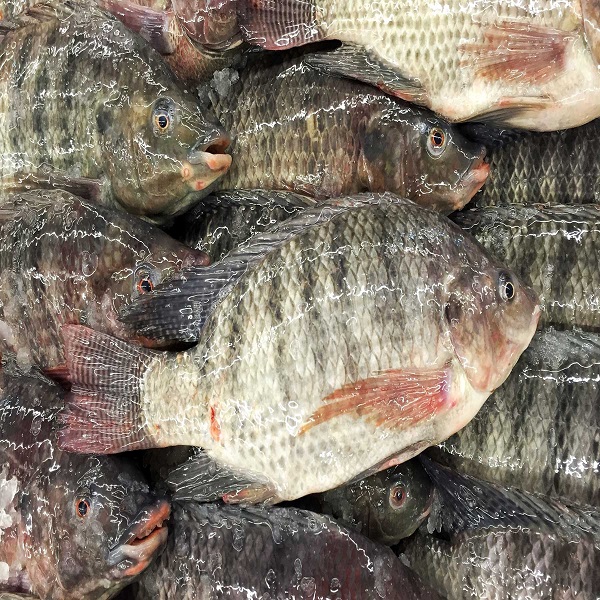
Tilapia
Tilapia fish is one of the leading inflammatory diets. It contains very low levels of omega-3 fatty acids and high levels of inflammatory omega-6 fatty acids so it’s a fish to avoid. Eating tilapia fish sustains high levels of inflammation in the body, and these inflammations worsen the symptoms of autoimmune disorders.
They may also be linked to chronic conditions like heart disease, diabetes, and cancer. If you must eat tilapia fish, avoid eating the ones gotten from China and go for those fishes that are wild-caught rather than farmed.
Caviar
Caviar is the egg of an ancient fish called Beluga sturgeon. This fish is in trouble of extinction because they have been widely fished for caviar, which is worth lots of money. They may become extinct if enforcement is not made to stop fishing them. If you cannot give up caviar, try eating it from blue sturgeons raised in aquaculture systems; they are a more sustainable alternative.
Chilean Seabass
Seafood distributors started marketing this fish, which is common on most restaurant menus. This has generated the problem of overfishing, and now this fish species is in trouble of extinction. Also, Chilean seabass is a fish to avoid because it contains high mercury level, making it a toxic fish.
Eel
Eel fish are slow to mature and have been overfished in many parts of the world. Eels also readily absorb and store harmful chemicals and contaminants such as polychlorinated biphenyls and flame retardants, making them very toxic fish to avoid. River eels are so contaminated that even adults are advised not to eat more than one eel yearly.
Farmed Salmon
Most of the salmon consumed in countries is farmed salmon, the unhealthiest kind. This is major because farmed salmon fishes are raised in conditions that involve pesticides, faeces, bacteria, and parasites.
Studies have shown that farmed salmon is more likely to contain harmful contaminants like polychlorinated biphenyls linked to insulin resistance, obesity, stroke, and cancer. They are also higher in inflammatory omega-6 fatty acids because they are often treated with antibiotics. If you must eat farmed salmon, skip the Atlantic salmon and opt for wild-caught Alaskan salmon.
Imported Catfish
A study done in 2016 showed that 70-80% of imported catfishes were contaminated by vibrio bacteria, which is the microbe behind most cases of shellfish poisoning. Farming catfish has led to the destruction of river life and wetlands.
Also, this fish factory farming method results in fish swimming in waste and sludge. Imported catfish are treated with a broad range of antibiotics, pesticides, and disinfectants, which makes them toxic and a fish to avoid.
Imported Farmed Shrimp
Farmed shrimp accounts for about 90% of the shrimp we consume. Italian researchers have discovered that 4-hexylresorcinol, a food additive used to prevent discoloration in shrimp, could reduce sperm count in men and increase breast cancer risk in women.
Also, most pesticides used globally in shrimp production are banned in US shrimp farms. Shrimp farm ponds are usually treated with harmful chemicals and pesticides, which harm health when consumed.
King Mackerel
Food and Drug Administration warns women and children not to take king mackerel because they have been shown to have high mercury levels, it’s fish to avoid at all cost. The Atlantic mackerel is a better option for eating mackerel fish because they are high in omega-3 fatty acids and very low in mercury.
The issue of finding safer seafood can be challenging and requires you to consider many factors, including sustainability, nutritional value, mercury levels, and risk of contamination with pollutants, pesticides, or harmful chemicals. Choose fishes rich in omega-3 fatty acids, low in environmental contaminants, and ecologically friendly. Fishes like;
Sardines
Anchovies
Sablefish
Albacore tuna
Arctic char
Which Fish is Worst Mercury?
The fish with the highest mercury levels typically belong to huge, predatory species, such as sharks, swordfish, king mackerel, and tilefish. As they take in smaller fish with lower mercury levels, mercury accumulates in their flesh.
To reduce mercury exposure, choose lower-mercury seafood such as salmon, sardines, and trout, which are safer and include essential nutrients such as omega-3 fatty acids.
Fishes to Avoid During Pregnancy
During pregnancy, it’s essential to avoid fish with high mercury content, as it can harm fetal development. Species like shark, swordfish, king mackerel, and tilefish are best avoided, as they accumulate mercury in their tissues.
Mercury exposure can lead to neurological and developmental issues in the developing baby. Opt for safer choices like salmon, sardines, and trout, which are lower in mercury and provide vital nutrients, including omega-3 fatty acids, benefiting both the mother and the baby’s health.
Prioritizing low-mercury fish ensures a healthier pregnancy and reduces potential risks associated with mercury intake.
Injera is an Ethiopian flatbread, often known as an “Ethiopian pancake,” that is served with practically all traditional Ethiopian dishes. It is considered Ethiopia’s number one staple meal and is utilized to serve wonderful Ethiopian dishes.
You may buy prepared Injera in certain stores’ freezers, but the finest flavor comes from cooking this delectable Ethiopian delicacy yourself. Teff flour, a finely ground flour manufactured from Teff grains, is typically used to make injera.
However, very fine millet flour, which may be easier to get in your local grocery store, can also be used to make this wonderful Ethiopian pancake.
Image Credit: Facebook
What is Injera Made Of?
It is made with teff, a tiny, round grain that flourishes in the highlands of Ethiopia. While teff is high in nutrients, it contains almost no gluten.
This makes teff unsuitable for raising bread, yet injera still benefits from the unique qualities of yeast. A brief fermentation period gives it an airy, frothy texture as well as a slightly sour taste.
This is one of the meals that appears at every Ethiopian meal. It is a tangy, sour, spongy flatbread prepared from a fermented batter that resembles a crepe.
Is Injera Good for Stomach?
The unique nutritional properties of injera make it quite beneficial for digestive health. The teff grain used to make injera is high in fiber, which aids healthy digestion and prevents constipation.
The fermentation process injera goes through increases the bioavailability of nutrients like protein, iron, and calcium. The sourdough starter culture can also provide probiotics that are good for your gut microbiome. Injera’s spongy texture helps it absorb stomach acid and bile as well, acting as a buffer. Eating this Ethiopian flatbread regularly can certainly aid digestive health.
What Makes Injera Sour?
The mild sourdough flavor of injera comes from the fermentation process used to make the teff batter. First, a starter culture called ersho is made by combining teff flour and water and allowing the natural yeasts and bacteria to culture for several days. This ersho gives injera its tangy flavor.
The fungi and bacteria in the starter break down sugars into lactic and acetic acid during the fermentation, leading to the characteristic sourdough taste injera is known for.
How Long Before Injera Goes Bad?
For longer preservation, you can refrigerate for about a week, or freeze it for up to six months. When it begins to spoil, injera may develop mold, an off smell, or a sour taste. To extend its life, store it in an airtight container or ziplock bag, and if it’s been sitting out, consider reheating it to kill any potential bacteria before consumption.
Mix the yeast together with 2 tbs of hot water in a glass
Put 375 gram of the flour in a bowl and the glass of water and yeast to it.
Add 500ml of cold water to the flour and mix the dough until very smooth Let the dough rest for at least one day
Pour the remaining flour (125 gram) in another bowl.
Boil 150ml of water and pour over the flour.
Mix and let it stand 5 minutes.
Now mix the dough of the previous day together with 165ml of cold water with the dough of today.
Let it rest for about one hour Heat a nonstick griddle or large frying pan and pour a ladle of batter to form a very thin layer in the pan or on the griddle.
Cover the pan or griddle when the first bubbles start to appear and cook for about 5 minutes.
Now your Injera is ready and you can serve your delicious Ethiopian, Eritrean or Somalian food on your own homemade Injera.
Red curry paste is a common ingredient in many Thai dishes but may not always be accessible at the nearby grocery store. Fortunately, various alternatives will give you a similar flavor profile.
While red curry paste is the most commonly used, yellow and green curry pastes are also loved and are often used as substitute for red curry paste. They may be scarce in your locality, too, so see this as a guide to getting the best red curry paste substitute anywhere you find yourself.
Curry paste is a flavorful blend of aromatic herbs and spices that serves as the base for various dishes. It adds depth, richness, and heat to Thai curries, soups, stews, and stir-fries. Red curry paste, made from red chili peppers, garlic, lemongrass, and other spices, is well-known for its powerful, spicy flavor.
On the other hand, yellow and green curry pastes bring their unique flavors to the table, with yellow curry paste providing a milder, slightly sweeter taste and green curry paste providing a vibrant, fresh, and hot bite.
Chili Powder
Red curry paste is a common ingredient in many Thai dishes but may not always be accessible at the nearby grocery store. Fortunately, various alternatives will give you a similar flavor profile.
While red curry paste is the most commonly used, yellow and green curry pastes are also loved and are often used as red curry paste substitute. They may be scarce in your locality, too, so see this as a guide to getting the best red curry paste substitute anywhere you find yourself.
Curry paste is a flavorful blend of aromatic herbs and spices that serves as the base for various dishes. It adds depth, richness, and heat to Thai curries, soups, stews, and stir-fries. Red curry paste, made from red chili peppers, garlic, lemongrass, and other spices, is well-known for its powerful, spicy flavor.
On the other hand, yellow and green curry pastes bring their unique flavors to the table, with yellow curry paste providing a milder, slightly sweeter taste and green curry paste providing a vibrant, fresh, and hot bite.
7 Perfect Substitute for Red Curry Paste
Curry Powder
While curry powder doesn’t match the flavor of red curry paste, it can be used as a substitute in a pinch. A blend of turmeric, cumin, coriander, and other spices, curry powder provides a warm and aromatic base for your dishes. To create a paste, mix it with a bit of water. You can use one teaspoon of curry powder for each tablespoon of curry paste called for in your recipe.
If you use curry powder instead of curry paste, mix it with water or oil to make a paste-like consistency. Remember that curry powder is a dry spice blend, but curry paste is a wet seasoning paste. Therefore, your recipe may need to be adjusted accordingly.
Yellow Curry Paste
Yellow curry paste is a versatile, flavorful seasoning base different from its red curry paste. While both red and yellow curry pastes contain herbs, ginger, cumin, lemongrass, coriander, and curry powder, the presence of turmeric distinguishes the yellow curry paste.
When substituting red curry paste for yellow curry paste in your recipes, you’ll notice that the consistency remains consistent, providing a better substitute for your dishes. However, expect a minor color alteration – from hot red to a gentle golden tint – and a spicy level. You can add a few extra dashes of chili or other spices to keep the heat up.
Green Curry Paste
Green curry paste, like yellow curry paste, is a great substitute for red curry paste in different dishes, including curries, stews, soups, and stir-fries. It contains many of the same ingredients as the red version, including galangal, garlic, kaffir lime peel, coriander, cumin, shallots, and white pepper. Some green curry pastes contain shrimp paste, adding a particular flavor depth to the mixture.
The most striking attribute of green curry paste is its bright green color, which results from the large amount of green chilies used as its base.
One thing to keep in mind when using green curry paste as a substitute is the chance of extra spiciness from the green chilies; it has a similar level of spiciness to red curry paste, so use it in the same proportion. If you want something hot, this is a good alternative.
Garam Masala
Garam masala adds a warm and spicy dimension to your dishes with its blend of cinnamon, cardamom, cloves, cumin, and coriander. Although it lacks the heat of red curry paste, it imparts a rich flavor that complements various recipes.
Harissa
A North African spice paste made from chili peppers and garlic, harissa offers a similar heat level to red curry paste. Its distinct flavor profile can add an exciting twist to your dishes, but be mindful of its North African influence, which may only suit some recipes. Harissa introduces a zesty complexity to your recipes with hints of smokiness, earthiness, and subtle tanginess.
Tom Yum Paste
As a Versatile Option, while not identical to any curry paste, Tom Yum paste is a versatile Thai seasoning paste made from lemongrass, chili peppers, and spices. It may lack the depth of red curry paste but can be used as a substitute in various dishes, especially soups and stir-fries.
Image Credit Facebook
Massaman Curry Paste
For a Milder Option, another Thai seasoning paste, massaman curry paste, offers a flavor similar to red curry paste but with a milder heat. This makes it a great choice for those who prefer a less spicy curry without sacrificing the complexity of flavors.
Sambal Oelek
This Indonesian chili paste is a spicy twist, made from chili peppers, vinegar, and salt, and provides a spicy kick akin to red curry paste. Its unique flavor profile can excite your dishes, but remember; it may only suit some recipes.
This is an emergency substitute for red curry, chili powder, a blend of chili peppers and spices, can be mixed with a bit of water to create a simple substitute for curry paste. While it lacks the complexity of true curry paste, it can provide decent spiciness and flavor.
Berbere
Consider maintaining similar quantities in your recipe to use Berbere as a substitute for red curry paste seamlessly. However, it’s worth noting that Berbere’s distinct flavor may give a unique taste to your dish.
Berbere is a prominent spice blend from Ethiopian cuisine and offers a bold and fiery substitute for red curry paste. Known for its intense and hot punch, Berbere is a mix of spices, including cumin, coriander, red chili powder, black pepper, and dried ginger powder.
While it shares some similarities with red curry paste, such as the presence of cumin and coriander, it introduces a deeper and more robust flavor profile.
African spices
What is Red Curry Paste Made Of?
Red curry paste is typically made from red chili peppers, garlic, lemongrass, shallots, galangal (or ginger), coriander seeds, cumin, shrimp paste, and other spices and herbs.
Can I Use Green Curry Paste Instead of Red?
Yes, in many recipes, you can use green curry paste as a substitute for red curry paste. Both green and red curry pastes are versatile and can be used interchangeably. They also have the same level of hotness.
What Is the Flavor of Red Curry Paste?
The flavor of red curry paste is spicy, savory, and aromatic, with a balance of heat from chili peppers, depth from ingredients like galangal and lemongrass, and a hint of sweetness from shallots or onions.
What is the Difference Between Curry Powder and Red Curry Paste?
Curry powder is a spice blend typically made from a mixture of ground spices such as turmeric, cumin, coriander, and others, while red curry paste is a Thai seasoning paste made from ingredients like red chili peppers, garlic, lemongrass, and shallots. Curry powder is dry and used as a seasoning, whereas red curry paste is a moist paste used as a base for Thai curry dishes.