10 Madagascar Food Every Tourist Should Try

Madagascar, the island nation nestled in the Indian Ocean, is famous for its stunning landscapes, unique wildlife, and rich and diverse cuisine. The Malagasy people have crafted a wide array of mouthwatering dishes that reflect their cultural heritage and the island’s abundant natural resources.

If you are a tourist with an adventurous palate, exploring the culinary treasures of Madagascar is a must. In this article, we will introduce you to 10 must-try Malagasy dishes (Madagascar Food) that every tourist should savor during their visit.

10 must-try Madagascar Food

Romazava: Dive into Malagasy royalty with Romazava, one of the seven royal dishes known as Tatao. This flavorful soup combines meat or chicken with a variety of vegetables like Aangivy (small eggplants), ginger, tomato, garlic, or onions. Served hot with dried rice and a touch of chili (preferably pili-pili), Romazava is a savory delight.

Romazava

Ravitoto: Conclude your Malagasy culinary adventure with Ravitoto, a beloved Madagascar food made from crushed cassava leaves. Enhanced with zebu or pork meat, coconut milk, or crushed peanuts, it’s a flavorful and hearty lunchtime option, often accompanied by tomato Achard.

Madagascar food
Image credit: Facebook

Hen’omby Ritra: Experience the Malagasy love for beef with Hen’omby Ritra. This succulent Madagascar food is made from zebu, cooked in water with just a hint of salt. The slow-cooking process, lasting up to 48 hours, results in tender and flavorful beef often served as a side dish with rice during traditional celebrations.

Henomby Ritra
Image credit: Facebook

Vary Amin’anana: Begin your culinary journey with a taste of Madagascar food, Vary Amin’anana. This delightful combination of rice (vary) and green vegetables (anana) is often served at breakfast and dinner. Whether paired with chicken, meat, eggs, or mini shrimp, known as chevaquines, Vary Amin’anana is a flavorful and hearty option that is sure to energize you for the day ahead.

Vary Aminanana 1
Image credit: Facebook

Henakisoa Sy Amalona: Explore the blend of flavors in Henakisoa Sy Amalona, a dish that combines pork with eel. While it may be unusual to some, it’s considered prestigious and is served to honor special guests during traditional celebrations in the highlands.

Henakisoa Sy Amalona 1
Image credit: Facebook

Ranon’ampango: When you’re feeling thirsty, skip the regular water and try Ranon’ampango. This unique beverage is made by heating water with a thin layer of burnt rice left at the bottom of the pot after cooking. It’s an economical way to stay hydrated, especially when drinking water is scarce. You can enjoy it hot or cold; some believe it has curative properties.

Akoho Rony: For a taste of Malagasy chicken, savor Akoho Rony. This hearty chicken broth, made from the local Akoho Gasy chicken, is simmered with fresh ginger and vegetables. It’s traditionally served hot with rice and is a favorite among the locals during family celebrations.

Akoho Rony

Bambara Pea or Voanjobory: Try the unique Bambara Pea (Voanjobory), a dish prepared with dry bambara peas, pork meat, shank, or sausages. Served with white rice and tomato rougail, it offers a delightful blend of flavors reminiscent of beans and peanuts.

Bambara Pea or Voanjobory
Image credit: Facebook

Vorombe Sy Henakisoa: Another Tatao dish, Vorombe Sy Henakisoa, brings together pork and poultry. While traditionally prepared with turkey or goose, chicken is now commonly used. Simmered with ginger, garlic, onion, and optional vegetables, it pairs perfectly with the Red rice of Madagascar.

Beans or Tsaramaso: Tsaramaso, or white beans, are a popular Madagascar food, often accompanied by zebu meat or pork. Simmered with water and tomato sauce, this creamy dish is a must-try for visitors, offering a taste of the island’s culinary heritage.

Beans or Tsaramaso 1
Image credit: Facebook

What is Madagascar Famous Food?

The most popular and iconic food in Madagascar is “Romazava.” Romazava is essentially a hearty soup made with a rich combination of meat, often beef or chicken, and a medley of vegetables. The vegetables vary but typically include ingredients like Aangivy (small eggplants), ginger, tomato, garlic, and onions. It’s a wholesome and flavorful dish, often served hot with a touch of chili, preferably pili-pili, for those who enjoy a spicy kick. The meat and vegetables are simmered to create a savory broth that pairs perfectly with dried rice.

Romazava has a historical significance, having been one of the seven royal dishes of Madagascar known as Tatao. Originally reserved for the Malagasy ruler, it has become a beloved staple for all citizens. It’s frequently enjoyed during family gatherings, special occasions, and traditional celebrations.

What does Madagascar drink?

Madagascar offers a fascinating array of beverages, reflecting the island’s rich culture and ability to make the most of its natural resources. Here’s a glimpse into what you can expect to drink while visiting this enchanting nation:

Ranon’ampango: When it comes to quenching your thirst, Madagascar has a unique solution – Ranon’ampango. This intriguing beverage is crafted from burnt rice residue at the bottom of the pot after cooking. The burnt rice is heated with water, creating a refreshingly light yet flavorful drink. It can be enjoyed hot or cold and is a practical way to stay hydrated, especially in areas where clean drinking water might be scarce. Some even believe it possesses curative properties.

Fun Fact: Ranon’ampango shows the resourcefulness of the Malagasy people in utilizing every element of their cuisine, minimizing waste while creating a drink that offers a taste of local tradition.

Fresh Fruit Juices: Madagascar boasts an abundance of exotic fruits like lychees, passion fruits, and guavas. The island’s markets and street vendors offer fresh fruit juices that are a tropical paradise in a glass. These juices are delicious and a great way to cool down in the island’s warm climate.

Fun Fact: Madagascar is renowned for its succulent lychees, and the lychee season, which typically runs from November to January, is a much-anticipated event, with lychee festivals celebrated across the country.

Coconut Water: As you explore Madagascar’s coastal regions, you’ll often find fresh coconut water readily available. Sipping on this natural, electrolyte-rich drink is not only hydrating but also a delightful way to enjoy a taste of paradise.

Fun Fact: The versatile coconut is not only used for its water but also its milk and flesh, which are essential ingredients in many Malagasy dishes and desserts.

Local Alcoholic Beverages: Madagascar offers a selection of traditional alcoholic beverages, including “Three Horses Beer” and various local rums. These drinks are often enjoyed during social gatherings and celebrations, adding a touch of local flavor to the festivities.

Fun Fact: Malagasy rums often incorporate unique ingredients like vanilla beans, infusing them with distinct and aromatic flavors.

In Madagascar, beverages go beyond quenching your thirst; they offer a taste of the island’s culture and resourcefulness. So, as you explore this captivating nation, remember to sample the local drinks and discover the refreshing and unique flavors that make Madagascar’s beverages truly one-of-a-kind.

What Is the Most Popular Dessert in Madagascar?

Koba, also known as “Mofo Ravina,” stands out as one of the most popular and beloved desserts in Madagascar. This sweet treat is delicious and carries a piece of Malagasy culture and history.

koba
Image credit: Facebook

Ingredients and Preparation: Koba is a dessert made from rice flour, crushed peanuts, and brown sugar, all mixed into a delectable blend. The mixture is then wrapped in banana leaves or ravenala leaves (a native plant known as the “traveler’s tree”) and slow-cooked in a water bath. This unique cooking method imparts Koba a distinctive taste and aroma, making it a truly Malagasy delicacy.

Talata Volonondry, the capital of Madagascar a rural community located about twenty kilometers north of Antananarivo, is particularly renowned for its expertise in crafting Koba. The town has even earned a reputation as a specialty hub for this delicious dessert. So, if you find yourself in Madagascar, take advantage of the opportunity to savor a piece of Koba for its sweet taste, cultural significance, and history. It’s a dessert that encapsulates the warmth and hospitality of the Malagasy people.

Conclusion

Madagascar food is as diverse and captivating as its landscapes and wildlife. Exploring the island’s culinary traditions is essential to any tourist’s experience. From the hearty Vary Amin’anana to the exotic Henakisoa Sy Amalona, the island offers a feast of flavors that will leave you with lasting memories of your visit. So, when you travel to Madagascar, remember to go on a culinary adventure and savor these 10 delectable dishes that showcase the heart and soul of Malagasy cuisine. Your taste buds will thank you for the unforgettable journey.

Chicken Seasoning Recipe

0

When it comes to preparing delicious chicken dishes, the right seasoning can make all the difference. Whether you’re roasting, grilling, or frying, a well-made chicken seasoning recipe can take your chicken to the next level.

What Seasonings Go Well with Chicken?

  • Herbs that Complement Chicken: Rosemary and thyme provide a classic pairing with poultry, lending a fragrant and savory character.
  • Spices that Enhance Chicken Dishes: Paprika, with its smoky and slightly sweet notes, adds depth, while cumin and coriander introduce a hint of exotic spice.
  • Popular Seasoning Blends for Chicken in different regions: Cajun seasoning brings the heat and zest, while Italian seasoning offers a taste of the Mediterranean. Lemon pepper adds zing with a citrusy twist.
  • How Marinades Can Infuse Flavor into Chicken: Teriyaki, BBQ, and soy sauce-based marinades soak the chicken, resulting in juicy, succulent meat.
Spices For Chicken
image source: galilfoods

How to Prepare Chicken for Seasoning

Cleaning and Patting Dry: Properly clean and pat the chicken dry with paper towels before applying any seasoning.

Applying a Light Coat of Oil or Butter: Brushing your chicken with a thin layer of oil or melted butter helps the seasoning adhere and promotes browning.

Seasoning Under the Skin (for Whole Chickens): To infuse flavors deep within, season under the chicken’s skin while keeping the skin intact.

Seasoning Bone-in vs. Boneless Chicken: Adjust the seasoning amount based on whether you’re cooking bone-in or boneless chicken.

Homemade Chicken Seasoning Recipes

Create a flavorful homemade chicken seasoning blend using common pantry ingredients. Here’s a classic recipe to get you started:

  • Cayenne Pepper (adjust to taste for spiciness)
  • Black Pepper (freshly cracked or ground)
  • Sage (for an earthy herbal note)
  • Salt (to taste)
  • Thyme (adds extra flavor)
  • Onion and Garlic Powder (for aromatic depth)
  • Smoked Paprika (for a smoky, earthy flavor)
  • Ground Cumin (enhances overall flavor)

Why Homemade Seasoning

Crafting your own seasoning blends offers several advantages: it’s cost-effective, customizable to your taste preferences, and eliminates the need for preservatives. Plus, you’ll know exactly what goes into your seasoning.


How Long Does the Chicken Seasoning Recipe Last

Properly stored, your homemade chicken seasoning blend can last up to 6 months. Keep it in an airtight container at room temperature in a cool, dry place. Avoid storing it in a damp location to prevent moisture infiltration.

Storage

If you make a larger batch of seasoning, it’s important to store it properly. Seal it in an airtight container, and remember to shake the blend before using it after extended storage to reactivate the flavors.

Step up your chicken dishes with the right seasoning is a culinary journey that allows for creativity and personalization. Whether you opt for classic herbs and spices, ready-made blends, or you create your own homemade chicken seasoning blend, the result will be mouthwatering, flavorful chicken dishes that will leave everyone at the table asking for more.


Chicken Seasoning Recipe

Chicken Seasoning Recipe

When it comes to preparing delicious chicken dishes, the right seasoning can make all the difference.
Prep Time 5 minutes
Course Seasoning
Cuisine American
Servings 0

Ingredients
  

  • 1 teaspoon dried thyme
  • ½ teaspoon cayenne pepper
  • ½ teaspoon ground cumin
  • 2 teaspoon paprika
  • 2 teaspoon garlic powder
  • 2 teaspoon black pepper
  • 1 teaspoon dried oregano
  • 2 teaspoon onion powder
  • 2 teaspoon salt to taste

Instructions
 

  • Get all the ingredients in one place to ensure you have everything you need.
  • In a bowl, combine the dried thyme, cayenne pepper, ground cumin, paprika, garlic powder, black pepper, dried oregano, and onion powder.
  • Sprinkle salt into the mixture. You can adjust the amount of salt based on your personal taste preferences. If you prefer a lower-sodium option, you can reduce the salt or omit it entirely.
  • Mix and transfer the mix to an airtight container or a spice jar with a tight-sealing lid. Properly sealed.
Keyword Chicken, Seasoning
Tried this recipe?Let us know how it was!


Major Differences: Rice Vinegar versus White Vinegar

0

A major difference between rice vinegar and white vinegar is their flavor profiles. Rice vinegar, derived from fermented rice, has a subtle, sweet, and mellow taste.

Its mild acidity makes it an excellent choice for dressings and sushi, while white vinegar, made through the fermentation of grain alcohol, is sharp, harsh, and highly acidic. It lacks the nuanced flavors of rice vinegar and is primarily used for pickling, cleaning, and preserving. 

Choosing between rice vinegar and white vinegar can be a bit tricky when you’re cooking. You might wonder, “Which one should I use? It’s a common kitchen dilemma. Rice vinegar and white vinegar have their special flavors. This guide will help you understand the differences between rice vinegar and white vinegar so you can feel more confident and have fun trying new flavors in your recipes.

rice vinegar 2 1 1

Major Differences Between Rice Vinegar and White Vinegar

The major differences between rice vinegar and white vinegar are:

Rice Vinegar White Vinegar
Flavor profiles  Rice vinegar has a mild sourness and a slightly sweet taste White vinegar has a sharp sourness
Acidity levels Rice vinegar typically has a milder acidity compared to white vinegar, with a pH level ranging from 4 to 5 While white vinegar has an average acidity of 4-7%
Culinary applications  Rice vinegar is commonly used in Asian cuisines, particularly in Japanese, Chinese, and Korean dishes White vinegar is a versatile ingredient that can be used in a variety of culinary applications, from pickling and preserving to baking and cooking
When to use each Rice vinegar is a great choice for dressings, sauces, and marinades White vinegar is commonly used in pickling, as its high acidity level helps to preserve fruits and vegetables
Nutritional value Rice vinegar is low in calories and fat and contains small amounts of vitamins and minerals, such as potassium, magnesium, and vitamin B White vinegar is virtually calorie-free and contains negligible amounts of macronutrients like carbohydrates, fats, and proteins
Health Benefits Rice vinegar has several potential health benefits, including aiding digestion, reducing inflammation, and regulating blood sugar levels White vinegar has antibacterial properties and can be used as a cleaning agent.
Storage considerations Rice vinegar should be refrigerated after opening White vinegar can be stored at room temperature


Shelf Life: Rice vinegar and white vinegar have a similar shelf life of about two years when stored in a cool, dark place.

Rice Vinegar: The Sweet and Mild Option

Rice vinegar is a vinegar that is made from fermented rice, specifically glutinous rice, commonly used in Asian cuisines. Its mild sourness and slightly sweet taste make it a great choice for dressings, sauces, and marinades.

Rice vinegar typically has a milder acidity compared to white vinegar, with a pH level ranging from 4 to 5. It ranges in color depending on the type of rice used, from white and has a pale yellow or light amber hue, resembling the color of straw. Rice vinegar is also available in seasoned varieties, which are infused with sugar, salt, and other flavorings.

Rice vinegar is a staple in Asian cuisines, particularly in Japanese, Chinese, and Korean dishes. It is commonly used in sushi rice, pickled vegetables, marinades, sauces, and salad dressings.

In Japanese cuisine, rice vinegar is used to make sushi rice and to dress salads, while in Chinese cuisine, it is used in sweet and sour dishes and as a dipping sauce for dumplings. In Korean cuisine, rice vinegar is used to make kimchi and to add acidity to soups and stews.

Benefits and Potential Health Advantages

Rice vinegar has several potential health benefits include digestive aid in inflammation reduction and blood sugar regulation. It’s also low in calories and fat, and it’s high in vitamins and minerals including potassium, magnesium, and vitamin B.

rice vinegar 1 1

White Vinegar: The All-Purpose 

White vinegar, also known as distilled white vinegar, is a type of vinegar that is made from acetic acid, which comes from fermenting grain. It has a sharp sourness and a higher acidity level compared to rice vinegar, with an average acidity of 4-7%. White vinegar is usually very clear, like distilled white vinegar, or has a whitish tinge.

White vinegar is a multifunctional ingredient that can be used in an extensive variety of culinary applications, including pickling, preserving, baking, and cooking. It is commonly used in salad dressings, marinades, sauces, and as a cleaning agent. It is also a popular ingredient in pickling, as its high acidity level helps to preserve fruits and vegetables.

White vinegar is also a widely use cleaning agent due to its high acidity level and antibacterial properties.

When Should Rice Vinegar and White Vinegar Be Used in Recipes?

Rice vinegar and white vinegar are both versatile ingredients that can be used in a variety of recipes. Here are a few popular recipes using each type of vinegar:

Rice Vinegar Recipes

  • Asian Cucumber Salad: This refreshing salad is made with red onion, sliced cucumbers, and a dressing of rice vinegar, sesame oil, soy sauce, and sugar.
  • Sushi Rice: Sushi rice is made with a mixture of rice vinegar, sugar, and salt, which gives it a sweet and tangy flavor.
  • Korean Beef Bulgogi: This classic Korean dish is made with thinly sliced beef marinated in soy sauce, sugar, sesame oil, garlic, and rice vinegar.

White Vinegar Recipes

  • Quick Pickled Vegetables: This easy recipe uses white vinegar, sugar, and salt to pickle a variety of vegetables, such as carrots, radishes, and cucumbers.
  • Homemade Mayonnaise: This classic condiment is made with egg yolks, oil, mustard, lemon juice, and white vinegar.
  • Southern-Style Coleslaw: This creamy coleslaw is made with a dressing of mayonnaise, sugar, white vinegar, and celery seed.

white vinegar 2 1 1

Here are some common questions and concerns about Rice Vinegar versus White Vinegar;

Can I Substitute Rice Vinegar for White Vinegar?

Yes, you can substitute rice vinegar for white vinegar in most recipes, but be aware that rice vinegar has a milder, slightly sweet flavor, so it may slightly alter the taste of the dish.

What Is the Same as White Vinegar?

Substitutes for white vinegar include apple cider vinegar, malt vinegar, lemon, or lime juice for cooking purposes. For pickling or canning, it’s recommended to use white vinegar for the best results.

What Is the Closest Substitute for Rice Vinegar?

The closest substitute for rice vinegar is apple cider vinegar, followed by white wine vinegar, which both closely matches its sweet-to-sour ratio.

Is Rice Vinegar the Same as Rice Wine Vinegar?

Rice vinegar and rice wine vinegar are not the same but share a close relationship. Rice vinegar is typically made from fermented rice wine, wherein the alcohol is turned into acetic acid. However, “rice wine vinegar” is often used interchangeably to refer to rice vinegar. In practical cooking terms, you can often use them interchangeably without a significant difference in taste or performance.


Chef Spotlight: Loraine Musix

Chef Loraine Musix shares how her passion for cooking started at a young age and how she had her first chef role.

AFN: Tell us about yourself

Loraine:  I never thought I would be a Chef; however, having to have a mother who was passionate about food ended up being my passion.

I started working as a chef when I was 18 and had my first role as a head Chef when I was just 22 years old. People have always asked what my cooking style is, but honestly, I don’t have.

I cook anything, play with ingredients and serve good food. This industry is very tough; it will break you, and the only thing that keeps you going is your passion.

In my journey, I have worked in South Africa for 7 years, learnt a lot about their food and culture, and now found my way to Scotland, hoping to travel around the world and learn more about food, different palates and cuisines.

Loraine Musix


AFN: Why do you cook?

Loraine:  Because I suck at everything else, growing up, I wanted to be a lawyer. However, I was always in the kitchen helping my mother, who was into catering, and I started enjoying cooking at an early age.

When my mum passed away, I eventually found myself as a chef due to a twist of events and never stopped cooking, I enjoy serving people and putting a smile on their faces through food.

AFN: What is your biggest cooking fail?
Loraine: My biggest cooking failure was using 2 cups of salt instead of sugar as someone had made an error in labelling, and I also did not taste what I was cooking; you don’t want to hear the rest of it, lol.
AFN: What kitchen equipment do you use more and can’t do without? 
Loraine: The kitchen equipment I use is my serrated knife (bread knife). For some weird reason, it works on everything. It only rests when I’m fine dicing.
IMG 20231005 WA0002
AFN: What are your favorite foods to cook and why?
Loraine:  Recently, I have been putting my skills into fine dining, working with a 3AAA rosette dining, aiming for its first Michelin star. I would say anything for fine dining; however, I don’t have a favourite.
IMG 20231005 WA0003
AFN: What would you like to share with our audience?
Loraine:  To everyone in the hospitality industry, make sure you are in it for the right reasons and enjoy what you do; this industry can break or build you. As a chef, you can never stop learning, be humble and wear your heart on your sleeve. You will go far; it’s about something other than the money, but the experience is important as you set your eyes on your goals. It’s never easy, but you best believe in yourself and never give up; you are your competition in this industry.
AFN: How can your fans reach you on social media?
@lorainemusix on Instagram

African Food & Drinks Festival: A Celebration of Flavors, Culture, and Community

We (African Food Network) are hosting the Largest African Food Festival, mark your calendar for the upcoming event happening live in Lagos, Nigeria. African Food & Drinks Festival – is a periodical event dedicated to promoting and celebrating African food culture home and abroad.

At the African Food & Drinks Festival, we are passionate about showcasing the culinary diversity of the African continent. Our festival is a gathering of food enthusiasts, chefs, restaurateurs, and anyone who appreciates the beauty and flavors of African food.

We showcase the best African cuisine with food exhibitions from different countries across the continent. An African festival that is a melting pot of flavors, aromas, and textures that will take you on a culinary journey through Africa.

afrifoodnetwork

Are you in Nigeria Register here to be a part of this delectable experience.

One of our primary goals is to promote African cuisine to a global audience. Through the African Food & Drinks Festival, we provide a platform for chefs, restaurateurs, and food entrepreneurs to showcase their skills and products to an international audience.

The festival provides a unique opportunity for food lovers from around the world to come together, learn about African cuisine, and experience the flavors and culture of Africa.

In addition to the food exhibitions and showcases, we host food competitions, live cultural music performances, and cooking demonstrations. You get a unique opportunity to explore African cuisine, learn about the ingredients, and delight yourself in the culture. Whether you are a food lover, a chef, or a restaurateur, the African Food & Drinks Festival has something for you.

Our maiden edition of the festival was held in 2021 in Abuja, Nigeria, and it was a huge success with over 5000 people in attendance. Building on the success of our maiden edition, we held the African Food & Drinks Festival in Ghana and Abuja again in 2022, attracting an even bigger crowd with over 10,000 people in attendance.

Today, the African Food & Drinks Festival is one of the largest celebrations of African food in the world. We are proud of what we have achieved, and we believe that there is still so much more to do. Our festival is not just a celebration of African cuisine; it is a movement to promote African cuisine to a global audience.

We are passionate about African food and believe that it has the potential to take the world by storm. Join us at the African Food & Drinks Festival and be part of the movement to promote African cuisine to a global audience. Experience the richness and diversity of African cuisine and culture, and join us in celebrating the beauty of African food.

Chef African food festival

The Major Highlight of the African Food Festival

A Feast for the Senses

One of the main highlights of African food festivals is, of course, the food itself. Attendees can indulge in various dishes, ranging from traditional favorites to modern styles of African cuisine. These festivals often feature food vendors, pop-up restaurants, and cooking demonstrations by renowned chefs, providing a unique opportunity to taste and learn about the unique flavors and techniques of African food.

Chef Live Cookout

Top chefs would demonstrate their skills, celebrating diversity through food and culture. Guests can engage, receive gifts, and learn recipes during 30-45 minute sessions. An unforgettable culinary experience with African flavors.

African food Festival

Battle of The Chefs

Rising Chefs compete in challenging culinary contests, presenting a variety of both local and international cuisines to win several gifts and cash prizes courtesy of our sponsors, while our esteemed top judges provide valuable feedback.

Foodie Competitions

For those with a competitive spirit, the festival offers an Eating Competition where participants can test their gastronomic limits by consuming large quantities of delicious African dishes. The Influencers Challenge will bring together popular food bloggers, YouTubers, and chefs for exciting food-related challenges, providing entertainment for both participants and spectators.

competition African food festivals

Influencers Challenge

Food bloggers, YouTubers, chefs, and entertainers engage in thrilling food-related challenges as fans cheer them on. These challenges prioritize safety and ensure no harm to the participants.

Fun and Learning

The Food Trivia Challenges will engage participants in a fun and educational quiz about African cuisine, enhancing their knowledge of the continent’s culinary heritage. The festival aims not only to satisfy appetites but also to educate and inspire a love for African food.

Cultural Showcase

Showcase of diverse cultures from Africa, engaging guests, evoking cherished memories, and highlighting the richness of our unique diversity. One of the festival’s highlights is the Cultural Display, which will showcase the richness of our unique diversity. You will have the opportunity to immerse yourself in traditional music, dance, and art, providing a deeper understanding of the cultural context of African cuisine.

culture

The Largest African Food Festival in Lagos

Lagos, Nigeria, the bustling metropolis known for its vibrant culture and stunning coastline, is set to host the largest African Food & Drinks Festival ever. As the festival continues to grow in popularity and scope, Lagos has been chosen as the host city for this grand celebration of African cuisine and culture.

The African Food & Drinks Festival in Lagos promises to be a spectacular event, with an array of activities and culinary delights that will leave attendees with a deep appreciation for African food and culture. With the festival’s successful track record in Abuja and Ghana, Lagos is the natural choice for its expansion.

Boosting Local Economy and Tourism

The festival also plays a significant role in boosting the local economy by connecting small businesses involved in the food industry with an international audience. Additionally, by attracting a diverse international crowd, it promotes tourism and provides tourists with a unique opportunity to explore Lagos and experience its vibrant culture.

Celebrating Culture and Community

In addition to the culinary delights, African food festivals showcase the vibrant culture and community surrounding African cuisine. These events often feature live music performances, dance workshops, art exhibitions, and cultural displays, providing a holistic experience beyond just food.

Guests can immerse themselves in Africa’s sights, sounds, and flavors, creating lasting memories and connections.

Global Reach and Impact

African food festivals have gained popularity not only on the continent but also around the world. Events such as the African Food Festival in New York City and the Chopd & Stewd Festival in Houston have attracted international attention, drawing in food enthusiasts and cultural enthusiasts alike.

These festivals serve as platforms for African chefs, entrepreneurs, and artists to showcase their talents and promote a positive image of African culture and cuisine.

Join the Celebration

If you are a food lover, a fan of African culture, or simply someone who appreciates the power of food to bring people together, attending an African food festival is a must. These events offer a unique opportunity to explore the flavors, traditions, and community that make African cuisine so special. 

Vegetable Palm Oil Stew

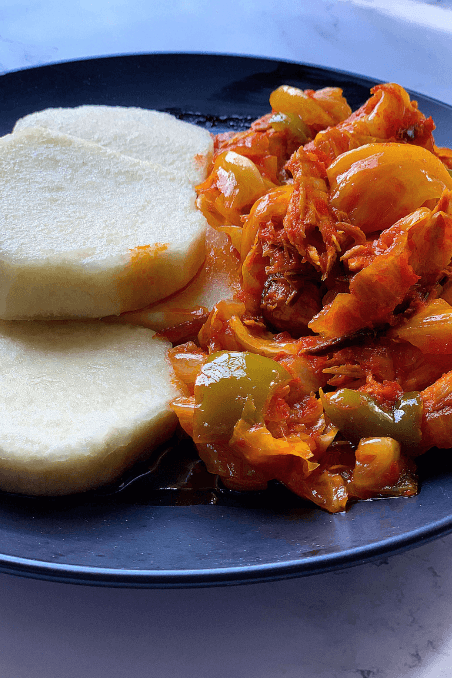
Are you a lover of chunky vegetables in your stew? If yes, then this recipe is perfect for you. It is one of my many kitchen experiments which turned out to be great.

VEGETABLE PALM OIL STEW

I like to eat vegetable palm oil stew with soft-boiled yam but eating this with rice or boiled ripe plantains works too.

VEGETABLE PALM OIL STEW

Vegetable Palm Oil Stew

Prep Time 30 minutes
Cook Time 45 minutes
Total Time 1 hour 15 minutes
Course stew
Cuisine African
Servings 4 people

Ingredients
  

  • 200 ml red/palm oil
  • 2 medium-sized onions
  • 7 large tomatoes
  • 5 fresh red habanero peppers 
  • 1 medium smoked tuna
  • 1 medium smoked salmon
  • 1 stock stock tablet
  • 1 medium cabbage
  • 2 large  green bell peppers

Instructions
 

  • Under running water, wash all your vegetables.
  • Cut onions into rings.
    2 medium-sized onions
  • Blend the tomatoes and red habanero peppers together (take out the tomato seeds).
  • Chop the cabbage and green bell peppers into big chunks 
    5 fresh red habanero peppers 
  • Wash and debone the smoked salmon and tuna and divide into chunks.
    1 medium smoked tuna, 1 medium smoked salmon
  • Heat up the palm oil in a saucepan for about two minutes (medium heat).
    200 ml red/palm oil
  • Add onion rings and sauté till they are soft and fragrant.
  • Add the blended tomatoes and peppers to the saucepan and stir for a while.
    7 large tomatoes
  • Add the smoked tuna and salmon and stir.
  • Add the stock tablet and salt (if necessary) and stir.
    1 stock stock tablet
  • Allow the contents in the saucepan to cook for about 25 minutes while stirring occasionally.
  • Next, add the chopped cabbages and stir. Adjust the taste with extra salt or leave it as it is (your preference) Cook for two minutes 
    1 medium cabbage
  • Garnish with the green bell peppers and turn off the heat after a minute.
    2 large  green bell peppers
  • Serve with any side of your choice and enjoy.
Keyword vegetable palm oil stew
Tried this recipe?Let us know how it was!


Nigerian Jollof Spaghetti

Embark on a culinary journey to the heart of Nigeria with my mouthwatering Nigerian Jollof Spaghetti recipe. Delight your taste buds as we explore the vibrant flavors and aromatic spices that make this dish a true sensation.

Nigerian Spaghetti 1 scaled

Join me as I unravel the secrets behind this beloved West African delicacy, showcasing the perfect fusion of Nigerian tradition and gastronomic creativity.

Prepare to savor every strand of this tantalizing dish that will leave you craving more. Welcome to this side! What Drink are you pairing this with?

Nigerian Jollof Spaghetti

Nigerian Jollof Spaghetti

Delight your taste buds as we explore the vibrant flavors and aromatic spices in Nigerian Jollof Spaghetti.
Prep Time 20 minutes
Cook Time 10 minutes
Total Time 30 minutes
Course Main Dish
Cuisine Nigerian
Servings 3 people

Ingredients
  

  • 1 pack spaghetti 
  • ½ cup Pepper mix - Tomatoes, Somto, Tatashe and  Scotch Bonnet peppers
  • 1 medium onions
  • 1 clove ginger & garlic
  • ¼ cup olive oil
  • 3 piece sausages
  • bay leaves 
  • 2 tablespoon tomato paste
  • curry & thyme
  • 1 cup chicken stock
  • ½ teaspoon paprika 
  • all purpose mix
  • salt
  • seasoning cubes
  • 3 bell pepper
  • 5 carrots

Instructions
 

  • Boil the spaghetti, drain, and set aside.
    1 pack spaghetti 
  • Blend tomatoes, Somto, Tatashe, and Scotch Bonnet peppers into a smooth paste.
    ½ cup Pepper mix - Tomatoes, Somto, Tatashe and  Scotch Bonnet peppers
  • Sauté onions, garlic, and sliced sausages in olive oil.
    ¼ cup olive oil
  • Add bay leaves, tomato paste, curry powder, thyme, paprika, all-purpose seasoning, salt, and seasoning cubes; cook for 2-3 minutes.
    bay leaves , curry & thyme, all purpose mix, seasoning cubes, 2 tablespoon tomato paste
  • Pour in the blended pepper mix and cook until the sauce thickens.
  • Add chicken stock and simmer for 5-7 minutes.
    1 cup chicken stock
  • Stir in sliced bell peppers and julienned carrots; simmer for 5 minutes.
    3 bell pepper, 5 carrots
  • Add cooked spaghetti with the sauce.
  • Adjust seasoning with salt and seasoning cubes.
  • Serve with some boiled Eggs and Chicken Drumsticks.

Notes

You can remove bay leaves, and serve hot, garnished with fresh herbs if desired.
Keyword Jollof Spaghetti
Tried this recipe?Let us know how it was!

Garden Egg Stew (Earthernware Bowl Method)

This garden egg stew recipe is a personal favorite. There are two ways of preparing it: the earthenware bowl style, which I will show you today, and the fried version, which I’ll share later.

garden egg stew

It is mostly enjoyed by the Akan tribe of Ghana and pairs so well with boiled yams or plantains. It can also be eaten with rice or any swallow of your choice.

garden egg stew

Garden Egg Stew

Mostly enjoyed by the Akan tribe of Ghana and pairs so well with boiled yams or plantains.
Prep Time 20 minutes
Cook Time 30 minutes
Total Time 50 minutes
Course stew
Cuisine African
Servings 3 people

Ingredients
  

  • 5-7 medium garden eggs
  • 1 medium  tomato
  • 5 pieces red habanero pepper 
  • 1 large onion
  • 1 medium koobi (salted/cured fish)
  • 2 boiled eggs (optional)
  • 1 medium avocado (optional)
  • 1 medium smoked mackerel
  • 5 pieces smoked herrings
  • ½ cup palm oil 
  • salt (to taste)

Instructions
 

  • Wash all the ingredients under running water.
  • With a knife, divide each garden egg into two and place into a saucepan. Add water (just enough to cook it) and boil for about 20-25 minutes and set aside.
    5-7 medium garden eggs
  • In another saucepan, boil koobi (salted fish). It should take about ten minutes to get ready. 
    1 medium koobi (salted/cured fish)
  • About 8 minutes into cooking the koobi, add the smoked mackerel and smoked herrings into the saucepan and allow to steam for about two minutes. (This is optional) The residual water from boiling the koobi, mackerel and herrings can be added to the sauce later (this is also optional)
    1 medium smoked mackerel
  • In an earthenware bowl, grind some pepper and onions and add some salt. 
    5 pieces red habanero pepper , 1 large onion
  • Roast tomato over the fire for about a minute, add to the earthenware bowl and grind.
    1 medium  tomato
  • Add the previously cooked garden eggs to the earthenware bowl and grind till you achieve a smooth consistency.
  • Pour the contents of the saucepan with the koobi, smoked mackerel and herrings and residual water into the earthenware bowl and stir.
    5 pieces smoked herrings
  • Heat up some palm oil (about half a cup) and sauté some onions in it for about a minute.
    ½ cup palm oil 
  • Pour the palm oil and sautéed onions onto the mixture in the earthenware bowl and stir again.
  • Garnish with boiled eggs and avocado and enjoy with boiled yam or any side of your choice.
    2 boiled eggs (optional)
Keyword Garden Egg Stew
Tried this recipe?Let us know how it was!

10 Liberian Food You Should Try

One of the most popular Liberian food is rice, which is often served with various stews and sauces made with meat, fish, or vegetables. Other common Liberian food ingredients are cassava, plantains, yams, and peanuts. Liberian cuisine also includes a variety of soups and stews, such as pepper soup, peanut soup, palm butter soup, and okra soup.

Liberia is a country located on the west coast of Africa, bordered by Sierra Leone, Guinea, and Cote d’Ivoire. The country has a diverse population made up of over 16 ethnic groups. Liberian food is heavily influenced by this cultural diversity, the country’s history of colonization, and trade with other nations.

The history of trade between Liberia and other countries, particularly the United States, has also had an impact on Liberian food. As a result, foods like fried chicken and biscuits have become popular in the country.

10 Liberian Food You Should try when next you visit the country

Liberian Food Fufu

Fufu is a popular Liberian food that is a must-try for anyone visiting the country. Fufu is a dough-like starchy food made with either cassava, yams, or plantains. It is often served with soup or stew. To make fufu, the cassava, plantains, or yams are boiled until they are soft. They are then mashed and pounded with a large wooden pestle until they form a smooth, elastic dough. The dough is then formed into small balls or lumps and served with soup or stew.

Fufu is typically eaten with the hands and is used to scoop up the soup or stew. It has a slightly sour taste and a chewy texture and is often described as similar to dumplings or gnocchi.

If you’re visiting Liberia, you can try fufu at the local restaurants and markets or even learn how to make it yourself by going through the recipe.

Liberian Food Fufu

Dumboy

“Dumboy,” also known as “dundun,” is a traditional Liberian food that you should try to experience the rich flavors of Liberia. Dumboy looks a lot like fufu or pounded yam, which are common Liberian foods. Many Liberians love Dumboy as a hearty and fulfilling dinner.

Because dumboy is a sticky dough that will stick to anything dry if not consumed immediately after making it, meat stock or hot pepper soup is poured over it, along with some vegetables, before serving. Dumboy is more popular among Liberia’s Manos, Gio, and Bassa people.

Dumboy


Torborgee

Torborgee is a traditional Liberian stew that is often bitter, spicy and made with palm oil. It is typically made with African pea eggplants or torborgee beans, stewed, and spiced with fermented palm oil. 

The dish is often spiced up by adding dried meat, chicken, or fish. Torborgee is a thick stew usually served with rice, dumboy, fufu, plantain, or yam.

Torborgee is typically consumed with rice and is associated with the Lorma people of northwestern Liberia. 

Torborgee

Palm Nut Butter Soup

Palm nut butter soup, also known as palm butter soup, is a popular Liberian dish made from palm nuts. The soup is typically thick and creamy, rich and nutty. It is often made with meat, such as chicken, and is seasoned with hot peppers, onions, and garlic.

The palm nuts are boiled and ground to create a creamy paste to make palm nut butter soup. The paste is then cooked with the meat and other ingredients to create a flavorful stew. The soup is often served with rice or fufu.

Palm nut butter soup is dearly loved as a Liberian food and is enjoyed by many people in the country. It is perfect for cold days or when you need a comforting meal. Palm butter soup has a slightly nutty and buttery flavor that is rich and creamy.

Palm Nut Butter Soup 2 1

Palava Sauce

Palava sauce, also known as palaver sauce or plasas, is a type of stew popular in West Africa, notably Liberia. The sauce contains a variety of ingredients, such as meat, seafood, veggies, and spices. The meal is frequently accompanied by cooked rice, potatoes, garri, fufu, or yams. Spinach is usually used as a substitute for other green vegetables outside Africa. In Liberia, the leaves used to make this soup are known as molokhia or mulukhiyah leaves.

Palava Sauce

Collards and Cabbage

Collards and cabbage are two common vegetables in Liberian cuisine. Leafy vegetables, collard greens, and cabbage are infused with delicious flavors and textures. Cabbage is frequently used in dishes like collards and cabbage in Liberia, which is cooked with chopped collard greens, cabbage, onions, red pepper, black pepper, and shrimp. 

collard

Liberian Rice Bread

Liberian rice bread is a local favorite in Liberia, and it is a rice-based bread similar to banana bread with a moist. Rice flour is mixed with ripe mashed plantains, butter, eggs, baking soda, sugar, salt, water, and chopped ginger. It is very similar to banana bread and is made with mashed bananas and cream of rice for a quick and easy snack.

Liberian Rice Bread

Peanut Soup

Peanut soup is a popular Liberia food. It is a thick, hearty soup made with ground peanuts, vegetables, and meat or fish. The soup is typically served with rice or fufu, a starchy side dish made from cassava, yams, or plantains.

The first step is to roast and grind peanuts into a fine powder to make peanut soup. The peanut powder is then mixed with water to form a paste. The paste is cooked with a variety of vegetables, such as onions, garlic, tomatoes, and peppers. Meat or fish and spices such as ginger, thyme, and bay leaves are added to the soup.

It is also a popular street food and can be found at local markets and food stalls. In addition to its delicious taste, peanut soup is also a nutritious dish. Peanuts are a good source of protein, healthy fats, and fiber, while vegetables and spices add a variety of vitamins and minerals to the dish.

Peanut Soup

Liberian Cabbage Stew

Liberian cabbage stew is a popular dish in Liberia, West Africa, and is often served as a side dish or as a main course with rice. It is a simple and flavorful stew made with cabbage, onions, tomatoes, and spices.

To make Liberian cabbage stew, the first step is to chop the cabbage into small pieces. The cabbage is then boiled in salted water until it is tender. While the cabbage is cooking, onions and tomatoes are sautéed in oil until soft and fragrant. The cooked cabbage is then added to the onion and tomato mixture, along with spices such as garlic, ginger, and black pepper. The stew is simmered for a few minutes until the flavors have melded together.

Liberian cabbage stew is often served with rice, which helps balance out the dish’s flavors and textures. It can also be served with other starchy side dishes such as fufu or cassava.

Liberian Cabbage Stew 1

Liberian Jollof Rice

Like other West African countries, jollof rice is also a staple of Liberian food. It is often enjoyed at parties and social gatherings. Liberian Jollof rice is often served with fried plantains, grilled chicken, or other meats. It is a flavorful and satisfying dish many in Liberia and beyond enjoy.

Liberian Jollof rice

It is a one-pot rice dish cooked with a tomato-based sauce and various spices and vegetables.


Curry Powder Substitute You Can Easily Find in Your Pantry

0

Curry powder is a popular spice blend known for its unique flavor and aroma. However, there may be instances where you don’t have curry powder on hand, and you want to use it in your cooking, or you don’t even want to use it, you want to replace it with another spice similar to it with a different flavor. In such cases, knowing about curry powder substitutes that can be used in its place is helpful.

Curry powder is a versatile spice blend in various dishes, including sauces, stews, soups, marinades, and curries. It adds a complex flavor profile to dishes and is known for its yellow color, primarily from turmeric.

Curry Powder Substitute

 What is Curry Powder Made Of?

Curry powder is a spice blend that varies in composition but typically includes spices like coriander, cumin, turmeric, ginger, fenugreek, mustard seeds, black pepper, cinnamon, cardamom, and cloves. The specific blend of spices varies by region and personal choices, resulting in mild, medium, and hot curry powders. Dried herbs, such as curry leaves, may also be used in some variants.

Curry powder is used to flavor curries, stews, soups, and rice, and it has a warm, aromatic, and somewhat spicy flavor profile that is closely associated with Indian and South Asian cuisine but is also an integral part of African cuisine.

Curry Powder Substitute Garam Masala

Garam masala is a spice blend commonly used in Indian cuisine and can be used as a substitute for curry powder. It is typically used as a finishing spice to add flavor to dishes.

Though it has a stronger flavor and taste, reducing the amount used as a curry powder substitute is important compared to what you use in your curry powder. So, instead of 1 teaspoon curry powder, use 1/2 teaspoon garam masala mixed with other spices such as coriander, cumin, or turmeric powder.

Garam masala is typically made of cinnamon, cardamom, cloves, cumin, and coriander. It can vary in taste and flavor depending on its composition.

Garam masala can be used as a substitute for curry powder in dishes such as curries, stews, and soups. It can be added towards the end of cooking to flavor the dish.

Garam Masala 1

Curry Powder Substitute Curry Paste

Curry paste is another curry powder substitute. Curry paste is a blend of spices and ingredients commonly used in Indian and Thai cuisine. Curry paste typically includes chili peppers, garlic, ginger, lemongrass, and spices such as cumin, coriander, and turmeric.

Curry paste can be used as a substitute for curry powder in dishes such as curries, stews, and soups. It can be added towards the end of cooking to add flavor to the dish.

curry paste 1

What Are the Ingredients Commonly Found in Curry Paste and How Can It Be Used as A Substitute for Curry Powder?

Curry paste typically contains aromatic ingredients such as garlic, ginger, onions, chili peppers, lemongrass, and various spices like cumin, coriander, turmeric, and paprika, and all can be found in curry powder mix. These ingredients are combined into a thick, flavorful paste. You can easily use curry paste as a curry powder substitute.

8 Other Curry Powder Substitutes You Can Easily Find in Your Pantry

Several other curry powder substitutes can be easily found in the kitchen. These include:

Turmeric

Turmeric is a spice is a key ingredient in curry powder. It is a common spice that can effectively serve curry powder substitute in various dishes. When using turmeric as a substitute, it’s important to understand that while it imparts a distinct and vibrant color to the dish, it doesn’t replicate the full flavor profile of curry powder, a blend of multiple spices.

Turmeric provides the rich yellow-orange hue that is characteristic of many curry dishes. It also offers a slightly earthy and warm aroma. Use a teaspoon of ground turmeric for every tablespoon of curry powder called for in the recipe. You can always adjust the amount to suit your taste, as turmeric can be quite potent.

Tumeric helps boost the immune system
Image from Unsplash

Cumin and Coriander

The combination of cumin and coriander is an excellent substitute for curry powder in a wide range of dishes.

Cumin: Cumin ground cumin provides a warm and earthy flavor with a slight hint of citrus. To use cumin in your substitute, start with ground cumin and add it to your recipe. 

Coriander: Coriander seeds or ground coriander offer a fresh, citrusy, and mildly sweet flavor. They complement cumin beautifully and are commonly found in curry powder blends. To create a balanced substitute, use ground coriander mixed with cumin in a one-to-one ratio, and for a more authentic curry flavor, you can also enhance this mix with other spices like turmeric, ginger, or garlic, adjusting the quantities to suit your taste and the specific recipe you’re preparing.

Cumin and Coriander 1 1

Chili Powder

Chili powder is a spice blend that primarily consists of ground chili peppers but often includes other complementary spices like cumin and garlic. While it’s not an exact match for curry powder, chili powder can be substituted in certain contexts.

To use chili powder as a curry powder substitute:

  • Start with a smaller quantity than the curry powder called for in the recipe, as chili powder tends to be hotter. You can adjust the heat level by adding more or less chili powder according to your preference.
  • To get the curry flavor, add spices like coriander, turmeric, ginger, and even a pinch of cinnamon to the dish. These will help approximate the multi-layered taste of curry powder.

Chili Powder 1

Mustard Powder

Mustard powder, although not a traditional component of curry powder, can serve as a unique substitute. It adds distinctive flavor and aroma to your dishes, making them stand out. Here’s how you can use mustard powder as a substitute for curry powder:

  • Mustard powder has a spicy, slightly sharp, and tangy taste, which can add depth and complexity to your dishes. It offers a different flavor dimension than traditional curry powder’s warm and earthy notes.
  • Begin using a smaller quantity of mustard powder than the recipe specifies for curry powder, as mustard’s flavor can be quite intense. Start with a pinch and gradually adjust to taste.
  • Be mindful of the strength of mustard powder; too much can overpower a dish. It’s always a good idea to taste as you go and adjust accordingly.

While mustard powder can create a distinct and flavorful alternative to traditional curry powder, it’s essential to recognize that the resulting dishes will have a unique taste profile with a more pronounced tangy and sharp character. This substitution is particularly suitable for those who enjoy experimenting with flavors and are open to culinary innovation.

Mustard Powder 1

Allspice

Allspice is a versatile spice with a warm and slightly sweet flavor reminiscent of cinnamon, cloves, and nutmeg. While it’s not a traditional component of curry powder, it can be a flavorful substitute, especially in Caribbean-inspired dishes. Here’s how you can use allspice as a substitute for curry powder:

  • Allspice offers a unique and complex flavor profile with hints of sweetness and spiciness. 
  • Start by using allspice sparingly, as it can be quite potent. A small amount can go a long way. Start with a pinch and adjust to your taste preferences.
  • Add other spices like cumin, coriander, turmeric, and paprika to create a well-rounded flavor similar to curry powder. These additional spices will help achieve the layered taste found in curry powder.
  • Be mindful of the intensity of allspice. Too much can overpower a dish, so it’s important to taste as you go and adjust accordingly.


Allspice 1

Ground Ginger

Ground ginger can be a useful ingredient when creating a curry powder substitute. While it’s not a complete substitute for curry powder, it can provide certain key flavor elements often found in curry blends. Here’s how to use ground ginger as part of a curry powder substitute:

Ground ginger contributes a warm, slightly sweet, and aromatic flavor with a hint of spiciness. This makes it a suitable choice to replicate the ginger notes commonly present in curry powder.

Add other spices like cumin, coriander, turmeric, and paprika to the dish to get the curry flavor. These spices, combined with ground ginger, will help approximate the nuanced taste found in curry powder.

Ground Ginger 1

Cinnamon and Nutmeg

Cinnamon imparts a sweet and warming flavor with a hint of spiciness. It can complement the aromatic and sweet elements often found in curry powder. On the other hand, nutmeg offers a warm and slightly nutty flavor, which can provide depth to your dishes, similar to the way curry powders do. 

Cinnamon and Nutmeg 1

Ras El Hanout

Ras el Hanout is a complex and aromatic spice blend from North African cuisine, particularly Morocco. While it is not a direct substitute for curry powder, it can be used as an alternative in certain dishes to add depth of flavor and a unique North African twist. 

Ras el hanout and curry powder have distinct flavor profiles. Ras el hanout typically includes a combination of warm and sweet spices like cinnamon, cloves, nutmeg, cardamom and savory spices such as cumin, coriander, and turmeric. The blend also often contains aromatic ingredients like rose petals and lavender.

On the other hand, Curry powder is characterized by the presence of turmeric, which gives it a vibrant yellow color, along with a mix of spices that can vary but often include cumin, coriander, and chili. The key to using Ras el Hanout as a curry powder substitute is appreciating and adapting to these flavor differences.

Ras el hanout can be used as a substitute for curry powder in dishes where the exotic and aromatic North African flavor profile complements the ingredients. Consider using it in recipes like tagines, stews, soups, rice dishes, or even as a rub for grilled meats or vegetables. It pairs particularly well with lamb, chicken, chickpeas, and root vegetables.

Remember that Ras el Hanout can have a slightly sweeter and more floral note than curry powder, so you must find the right balance.

Ras El Hanout 1

Lastly, you can make your curry powder by mixing some of the ingredients mentioned above, which are core in curry powder.

Here to make your homemade curry powder with the resource in your pantry;

  1. Combine ground spices: Mix turmeric powder, ginger powder, ground cloves, and ground nutmeg in a bowl.
  2. Store curry powder: Put your homemade curry powder in an airtight container stored in a cool, dark place

Each substitute has its unique characteristics and usage. For example, turmeric is a key ingredient in curry powder and can be used as a substitute for it. However, it may provide a different depth of flavor than curry powder. Similarly, garam masala can be used as a substitute for curry powder but has a different flavor profile. It’s important to consider the pros and cons of each substitute and choose the one that best suits your needs.

Final Thoughts

Curry powder substitutes can be easily found in the kitchen and used in various dishes. Several substitutes can be used whether you’re out of curry powder or prefer not to use it. Using kitchen staples as substitutes, you can add a unique flavor profile to your dishes and experiment with different spice blends.

QUICK RECIPES