Homemade Chili Garlic Oil

Chili garlic oil is a versatile and flavorful condiment that can take your cooking to the next level. With just a few simple ingredients, you can make this tasty oil at home in minutes.

This spicy oil is a staple in many Asian cuisines and is easy to customize to your preferred level of heat. The combination of aromatic garlic and spicy chilies infused in oil makes for an umami-rich topping that adds a kick of flavor to everything from noodles to eggs.

In this ultimate guide, we’ll cover everything you need to know about making and using the perfect homemade chili garlic oil.
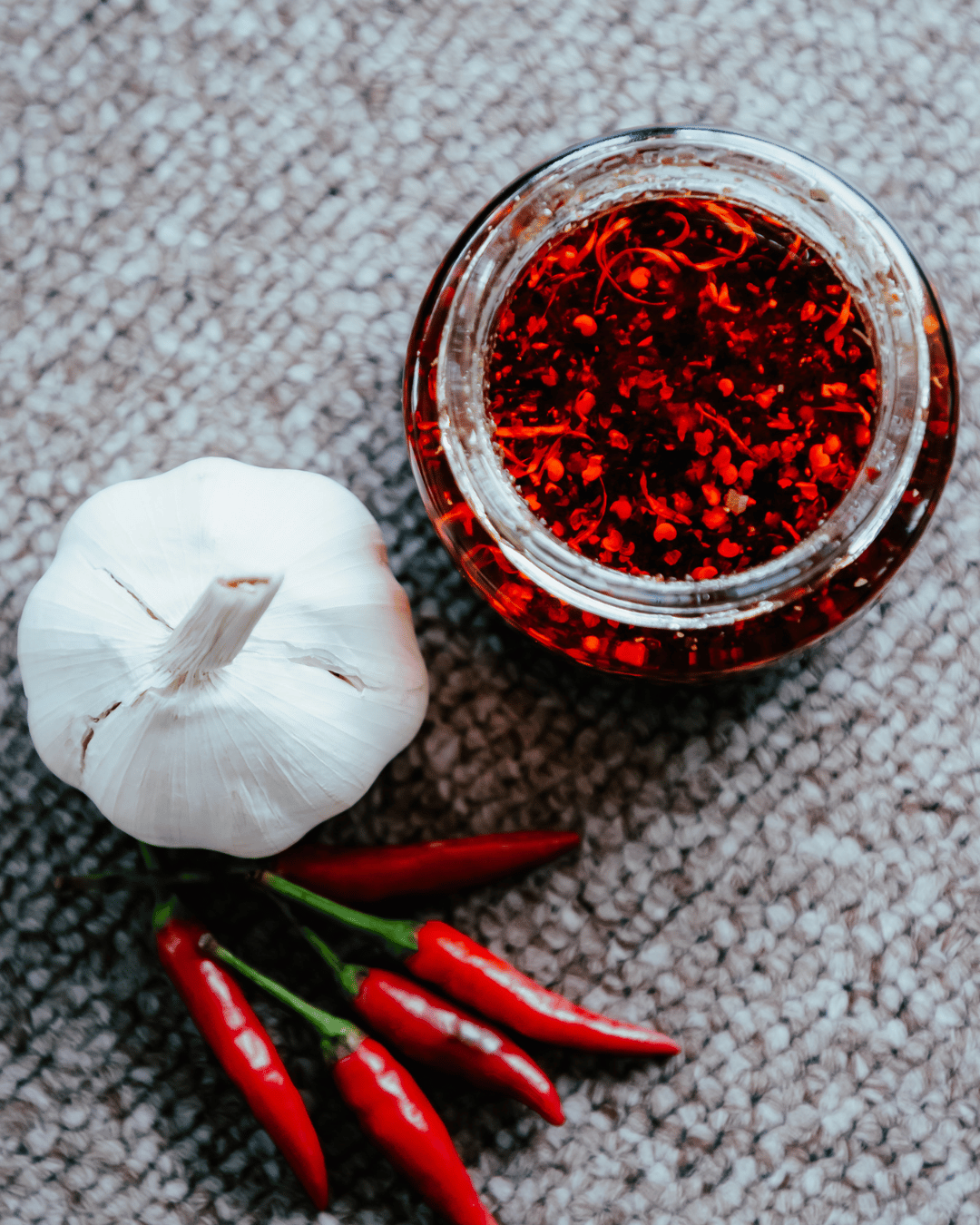
chili garlic oil

Chili Garlic Oil Recipe

The beauty of chili garlic oil lies in its simplicity. With just 3 main ingredients, you can make a flavor bomb topping for all kinds of dishes.

Here’s an overview of what goes into it:

Oil: A neutral-flavored oil works best as the base. Options include vegetable, canola, grapeseed, sunflower, peanut, or avocado oil. Olive oil can also work, but may impart more flavor.

Garlic: Fresh garlic adds a pungent aroma and flavor. Aim for at least 2 large cloves per 1/4 cup of oil. Mince or crush the garlic before adding it to the oil.

Dried Red Chili Peppers: These provide the signature heat and red-orange coloring. Popular options are red pepper flakes, Korean gochugaru, or Sichuan chili powder.

Beyond the major ingredients, you can also customize your oil with extra aromatics and spices. Some delicious additions can include:

  • Fresh ginger or galangal
  • Lemongrass
  • Shallots or onion
  • Scallions
  • Star anise or cinnamon
  • Sesame seeds
  • Cumin or fennel seeds
  • Dried shrimp or krill
  • Soy sauce or fish sauce

Have fun playing with different flavor combinations!

Chili Garlic Oil 2

How to Make Chili Garlic Oil at Home

Making homemade chili garlic oil is simple, requiring just a few steps:

1. Mince the garlic.

Peel and mince 2-6 cloves of garlic, depending on how garlicky you’d like your oil to be. Mincing helps release the flavors.

2. Toast any dried spices or aromatics (optional).

Quickly toast spices like Sichuan peppercorns, star anise, cumin seeds, or dried chilies in a dry pan for 1-2 minutes to intensify their flavors.

3. Heat the oil over medium.

Add your oil to a small saucepan or pot. Warm over medium heat until shimmering and thin.

4. Add the garlic and aromatics.

Once hot, take the oil off direct heat. Carefully stir in the garlic, spices, and any fresh aromatics like ginger so they can infuse.

5. Let the garlic and aromatics sizzle.

Return the pot to low heat for just 10-30 seconds. The garlic will sizzle gently. Don’t let it burn!

6. Transfer oil to a heatproof container.

Remove from heat and pour through a fine mesh strainer into a heatproof bowl or jar.

7. Add the dried chili flakes.

While the oil is very hot, stir in your preferred dried chilies. The residual heat will bring out their vibrant flavor.

8. Allow the oil to cool completely.

This infuses the flavors fully. Once cool, store in an airtight container.

The bonus of making chili garlic oil at home is that you can customize the ingredients to match your taste and spice tolerance!

Chili Garlic Oil 3

Pro Tips For Making The Perfect Chili Garlic Oil

With chili garlic oil, the technique is key for getting out the most flavor. Follow these tips:

  • Mind the heat: Use medium-low heat and don’t let the garlic or spices burn. Burnt garlic turns bitter.
  • Toast then infuse: Quickly toasting the dried spices amplifies their essence before infusing.
  • Strain as needed: For clean oil, strain out any debris, skins, or seeds.
  • Pour when piping hot: The bubbling residual heat blooms the richness of the chili flakes.
  • Adjust the chili flakes: Use more or less depending on your desired spiciness.
  • Bottle once completely cooled: Funnel into jars, bottles, or condiment squeezers for easy access.
  • Use clean utensils: When dipping into the oil from the jar, always use a super clean utensil to prevent contamination.

What Is Chili Garlic Oil Used For? (Creative Ways to Use the Oil)

 A condiment this versatile deserves to be drizzled on more than just a bowl of plain white rice!

Here are some delicious ways to incorporate chili garlic oil into recipes:

  • As a finishing oil for noodle dishes like pad thai, lo mein, or ramen
  • Drizzled over dumplings, potstickers, or spring rolls
  • As a spicy sauce for cold sesame noodles or cucumbers
  • Mixed into stir fries and fried rice dishes
  • As a marinade or sauce for proteins like chicken, tofu, shrimp or fish
  • Brushed over grilled or roasted vegetables

-Swirled into soups, stews, and brothy noodle bowls

  • As a flavor booster in dressings, marinades, and sauces
  • Drizzled over eggs, avocado toast, pizza, sandwiches
  • For spicing up dips, spreads, and creamy dishes like hummus or mashed potatoes
  • For tossing with roasted nuts and seeds

However you use it, chili garlic oil always packs recipes with addictive flavor and heat!

Storing Chili Garlic Oil Correctly

To keep your homemade chili garlic oil fresh and flavorful for as long as possible:

  • Store in the fridge in an airtight container for up to 3 months. The chili flakes will absorb the oil fully over time.
  • Pour off just the spicy oil as needed into a small condiment bottle so the flakes don’t over-soak.
  • Freeze for longer storage, up to 6 months. Thaw in the refrigerator before using.
  • Keep dry spices submerged in the oil to prevent oxidation or spoilage.
  • Use clean utensils every time you take any out to prevent contamination.
  • Watch for signs of spoilage like off smells, bubbles, or mold and discard the oil if necessary.

With proper storage methods, you can keep flavorful chili garlic oil on hand whenever cravings (or new recipes!) strike.

chili garlic oil

Chili Garlic Oil

Prep Time 5 minutes
Cook Time 2 minutes
Total Time 7 minutes
Course Condiments
Cuisine Asian
Servings 1 cup

Ingredients
  

  • 1 cup vegetable oil
  • 6 cloves garlic, minced
  • 2 tablespoon red pepper flakes, to taste
  • 1 teaspoon sesame seeds (optional)

Instructions
 

  • In a small skillet over medium heat, add the oil and heat until shimmering.
  • Remove from heat and add the minced garlic. Let sizzle for 10-30 seconds. Be careful not to burn the garlic.
  • Add the red pepper flakes and any other aromatics like sesame seeds.
  • Immediately remove from heat and pour through a fine mesh strainer into a heatproof jar or bowl. This straining process will remove any fried garlic bits or aromatics.
  • Allow the chili garlic oil to cool to room temperature, then cover and store in the fridge for up to 1 month.
  • To use, drizzle the chili garlic oil over noodles, fried rice, dumplings, grilled meats, roasted vegetables, and more. Enjoy!

Notes

  • Adjust red pepper flakes to your desired spiciness. For mild, use 1 tablespoon. For extra spicy, use 2-3 tablespoons.
  • You can also add other aromatics like ginger, lemongrass, soy sauce, shrimp powder, etc.
  • Add even more flavor by letting the oil sit for 1-2 days before using.
  • Store in an airtight container in the fridge to prevent spoilage.
Keyword Chilli oil, Garlic, oil
Tried this recipe?Let us know how it was!

Dombolo (Dumpings or steamed bread)

Dombolo, which means dumpling in Spanish is a South African steamed bread. However, other foodies are sure that dombolo and dumplings are not the same.

If there’s one meal that will always be associated with South Africa, it’ll be handmade bread. There are many acquired new baking skills and kitchen delights related to bread, including the making of more intricate sourdoughs or simple baking powder bread.

This time, the subject of engagement is a traditional bread, perfect for breakfast and intentionally steamed rather than baked, giving it a comforting softness. It is called Dombolo.

Dombolo Recipe

  • Flour
  • Maize meal (You can replace this with flour if you want)
  • Dry yeast
  • Sugar
  • Salt
  • Lukewarm water or water mixed with milk
  • Eggs

How to Make Dombolo

The leavening component in dombolo is yeast, whereas baking powder or self-raising flour is used in dumplings. Cooking methods vary as well.

  • In a bowl, mix together flour, maize meal, dry yeast, sugar and salt. Stir in lukewarm water mixed with milk and a beaten egg until a soft dough forms. Knead dough for several minutes.
  • Let dough rise until doubled in bulk. Punch down and place in a greased bowl. Let rise again until doubled.
  • Bring water to a boil in a large pot. Place dough bowl in pot, with water partway up sides of bowl.
  • Cover pot tightly and steam for an hour, adding more water if needed. Don’t open lid while steaming.
  • Remove bread from pot, cut into wedges and serve.
Steamed bread
Image Credit: Facebook

What Is the History of The Dombolo in South Africa?

It is a common staple cuisine that originated from South African households. The bread is cooked in a saucepan of boiling water in a container.

It is different from regular dumplings in that it is made with yeast rather than baking powder. The dish is prepared in a variety of ways around South Africa.

The bread is cooked in a saucepan of boiling water in a container. It is different from regular dumplings in that it is made with yeast rather than baking powder. The dish is prepared in a variety of ways around South Africa.

Dombolo is cooked on top of a stew in Zulu tradition, rather than separately. Among the Zulus, this type of steaming bread is called Jeqe. Dombolo is frequently served with a variety of side dishes, including chicken stew, beef stew, oxtail stew, lamb stew, and tripe stew.

What Is the Difference Between Jeqe and Dombolo?

In isiZulu culture, Jeqe refers specifically to steamed bread, while Dombolo refers to dumplings. Jeqe is made by steaming dough in a pot separately from any stew or sauce.

The dough is mixed, left to rise, formed into loaves, steamed, and then served as bread. Dombolo, on the other hand, are dough dumplings that are placed directly on top of a stew or sauce to cook.

The raw dumplings are dropped into a pot containing stew and steam right in the sauce. So while both involve steaming dough, Jeqe results in separate bread loaves and Dombolo are dumplings cooked on top of stew.

dombolo

Is Dombolo Healthy?

According to new research, steaming bread lowers its glycemic index, making it a better option for people suffering from diabetes and other related ailments.

Also, according to the metabolic findings, baked bread may be beneficial for body weight control for persons who eat predominantly wheat flour-based items, whereas steamed bread may be better for people suffering from malnutrition or food shortages.

Suggestions For Food Container For Dombolo

food container

check price on amazon

dombolo

Dombolo (Dumplings or steamed bread)

3.50 from 2 votes
Prep Time 31 minutes
Cook Time 13 minutes
Course Main Course
Cuisine South African
Servings 0

Ingredients
  

  • 3 cups flour About 500ml
  • 1 cup maize meal you can replace this with flour, if you prefer
  • 1×10 g sachet dry yeast
  • 2 tbsp sugar
  • 1 tsp salt
  • 2 cups lukewarm water or water mixed with milk
  • 1 egg beaten

Instructions
 

  • Sift the flour and mix in the maize meal, yeast, sugar and salt. 
  • Mix the egg with the water and add enough lukewarm liquid to the dry ingredients to form a soft but pliable dough.
  • Knead for 10 minutes.Cover the dough with plastic and leave to rise until double in size.
  • Knock down the dough and place in a greased enamel bowl.
  • Allow to rise once again until double in size before steaming.
  • Meanwhile prepare a pot for steaming: bring water to the boil in a pot large enough to hold the bowl containing the dombolo.
  •  Immerse the bowl in the hot water (the water should come one third of the way up the sides of the bowl).
  • Seal the pot tightly and simmer gently for 1 hour.
  • Avoid opening the lid while steaming.
  • Replenish the water if necessary.
  • To serve, cut the dombolo into wedges.
Keyword dombolo
Tried this recipe?Let us know how it was!


Instant Pot Cabbage

0

Cabbage is an underrated vegetable that can be transformed into something delicious with the right cooking method. Using an Instant Pot is one of the easiest, fastest ways to cook cabbage that highlights its naturally sweet, slightly spicy flavor. This super versatile veggie can be made into tasty side dishes, soups, stews and more.

Why Cook Cabbage in an Instant Pot?

Cabbage cooked in the Instant Pot turns out incredibly tender and flavorful in a fraction of the time it would take with traditional cooking methods. The pressurized environment helps break down cabbage’s tough cell walls faster.

You can have fall-off-the-fork tender cabbage on the dinner table in under 30 minutes start to finish with an Instant Pot. No more waiting an hour or longer for boiled, braised or roasted cabbage!

Using the Instant Pot also allows you to build fantastic flavor into the cabbage as it cooks. A little broth, seasoning and butter is all you need.

Instant Pot Cabbage 2

Tips for Preparing Cabbage for the Instant Pot

Start with a head of fresh green or purple cabbage. Remove any damaged outer leaves. Rinse the cabbage under cold water to remove any dirt.

Cut the cabbage into wedges by first slicing it in half through the core. Stand each half up on its flat side, then cut into quarters or eighths depending on the size.

The wedges allow the cabbage to partially steam and partially braise in the cooking liquid for the best texture. You can make the wedges any size that fits your Instant Pot.

For even cooking, try to cut the wedges so they are roughly equal in size and thickness. Remove the tough central core if preferred.

How to Cook Cabbage in an Instant Pot

Cooking cabbage in the Instant Pot is very simple:

  1. Add cooking liquid to pot – chicken or vegetable broth works well.
  2. Stir in seasoning like garlic, salt, pepper, thyme.
  3. Add a fat like butter for richness – olive oil to make it vegan.
  4. Place cabbage wedges in the pot, submerging them partially in liquid.
  5. Pressure cook 3-6 minutes depending on the tenderness desired.
  6. Quick release pressure and serve warm with extra seasoning if desired.

The cooking time can vary based on how tender you want the cabbage and the size of the wedges. Start checking doneness at 3 minutes. For very soft cabbage, cook up to 6 minutes. Quick releasing the pressure prevents overcooking.

Instant Pot Cabbage

Instant Pot Cabbage Recipes

Aside from garlic, salt and pepper, almost any seasoning complements cabbage beautifully. Get creative with your favorite fresh or dried herbs, spices, vinegars, mustards, etc.

Some delicious flavor combinations to try:

  • Garlic, thyme, sage
  • Onion, paprika, oregano
  • Apple cider vinegar, caraway
  • Soy sauce, sesame oil, garlic
  • Mustard, dill

Don’t be shy with adding richness from butter, olive oil or bacon drippings. Cabbage soaks up and balances out fats very nicely.

For a sweeter cabbage side dish, add chopped apples, raisins or cranberries and a splash of apple cider or red wine vinegar.

Serving Suggestions for Instant Pot Cabbage

The possibilities are endless when it comes to serving tender, flavorful Instant Pot cabbage. Here are just a few ideas:

  • As a side to pork chops, sausages, ribs
  • In soups – potato, tomato, butternut squash
  • Over grains like rice, barley or farro
  • Wilted into a salad with apples, nuts and lemon vinaigrette
  • Stuffed into tacos or sandwiches
  • Under pot roast or brisket
  • With smashed potatoes as an updated colcannon
  • Pureed into a silky soup with broth and cream

However you choose to use it, Instant Pot cabbage is guaranteed to become a staple in your dinner rotation. Its versatility and ease of cooking can’t be beat!

Instant Cabbage Pot

Instant Pot Cabbage

Prep Time 10 minutes
Cook Time 10 minutes
Total Time 20 minutes
Course Side Dish
Servings 4 people

Ingredients
  

  • 1 medium green cabbage, chopped into bite-sized pieces
  • ½ cup  chicken or vegetable broth
  • 1 tbsp olive oil
  • 1 tsp salt
  • 1 tsp pepper
  • 1 tbsp apple cider vinegar

Instructions
 

  • Add the olive oil to pot.
  • Once hot, add the chopped cabbage and sauté for 2-3 minutes until it starts to wilt.
  • Add the broth, salt, and pepper and stir to coat the cabbage.
  • Secure the lid on the instant pot and make sure the valve is set to sealing. Set to pressure cook on high for 3 minutes.
  • Once cooking is done, quickly release the pressure.
  • Stir in the apple cider vinegar.
  • Serve warm and enjoy!

Notes

  • For variations, you can add chopped bacon, shredded carrots, or other veggies.
  • The cooking time will vary based on how large you chop the cabbage.
Keyword Cabbage, Cabbage Soup
Tried this recipe?Let us know how it was!

How to Make Harissa Powder


If you love exploring new cuisines and spice blends, then you need to try homemade harissa powder! This aromatic and fiery North African spice mix is incredibly versatile and adds a delicious taste of flavor to many dishes.

In this article, I’ll walk you through everything you need to know to make your own homemade harissa powder and by the end, you’ll be ready to make this warm and earthy seasoning to liven up your cooking.

What is Harissa Powder?

Harissa powder is from North African countries like Tunisia, Algeria, and Morocco. It’s commonly used as a condiment or seasoning to add heat and depth to various stews, tagines, couscous dishes, sandwiches, and more.

The base of harissa powder is ground chili peppers blended with other spices like cumin, coriander, caraway, and paprika. This creates an intensely aromatic, reddish-orange powder with some serious kick! The flavor is simultaneously smoky, sweet, savory, and spicy.

Compared to the paste form of harissa which has more of a thick, spreadable texture, the powder is a dried and finely ground blend that can sprinkled as seasoning. The paste and powder can both be used in cooking, but the powder has a longer shelf life and is more versatile as an all-purpose spice mix.

Harissa powder

Why Make Homemade Harissa Powder?

There are a few reasons why making your own harissa powder at home is worthwhile:

  • You can control the spiciness level and flavor to suit your tastes exactly. Like it extra fiery? Just add more hot peppers or cayenne!
  • It’s significantly cheaper than buying pre-made powder which can be expensive. The ingredients are simple pantry staples.
  • It will taste fresher and more aromatic than store-bought versions.
  • You can make a large batch to have on hand whenever a recipe calls for it. It stores very well in an airtight container.
  • It’s an easy and fun DIY spice blend that makes you feel like a seasoned chef!

Harissa Powder Recipe

The beauty of harissa powder is that it requires just a handful of ingredients, most of which you likely have on hand already:

  • Dried chile peppers – The traditional pepper used is called baklouti, but they can be hard to source. Common substitutions are guajillo, ancho, New Mexico, arbol, or your preferred dried chiles.
  • Whole spices – Cumin seeds, coriander seeds, caraway seeds, and black peppercorns provide warm, earthy flavor notes.
  • Smoked paprika – Adds a lovely smokiness and also lends the powder its rich red color.
  • Garlic powder – For aroma and pungency. Dried parsley and oregano also enhance the overall flavor.
  • Salt – I prefer smoked salt but regular table salt works too. This helps amplify all the other flavors.
  • Ground cayenne (optional) – Want an extra spicy powder? Cayenne really turns up the heat.

Equipment Needed

You don’t need any fancy equipment to make harissa powder. The only tool that’s indispensable is:

  • A spice grinder – This can be a small dedicated coffee/spice grinder, a powerful blender, or my personal favorite – a mortar and pestle. A mortar and pestle may be more labor intensive, but it really lets you grind the spices down into an ultra-fine powder.

The Step-by-Step Method

Ready to make some spicy magic? Here is the full method:

  1. Prep the dried peppers – Start by removing any stems and seeds if you want to control the heat level (seeds add more spice). Rinse the peppers briefly to remove dirt or dust. Pat them completely dry.
  2. Toast the peppers – Heat a dry cast iron skillet over medium-low heat. Add the chile peppers and toast for 3-5 minutes, stirring often, until fragrant. Don’t let them burn. Transfer to a plate to cool.
  3. Toast the spices – Add the cumin, coriander, caraway seeds, and peppercorns to the hot skillet. Toast for 2-3 minutes until you can smell their fragrances. Immediately transfer to a separate plate to cool.
  4. Grind the toasted peppers and spices -Once cooled, grind them up in small batches in your spice grinder or with the mortar and pestle. I like to start with the peppers first until they become a coarse powder.
  5. Add remaining ingredients – In a small bowl, combine the ground toasted peppers and spices. Mix in the smoked paprika, garlic powder, cayenne pepper, dried parsley, oregano, and salt.
  6. Blend thoroughly – Give everything a final grind/blend until the powder has a fine, even consistency.
  7. Store in a jar – Transfer the homemade harissa powder to an airtight container like a jar or spice bottle. Store away from heat and sunlight.

And that’s it – you now have a heavenly batch of spicy, addictive North African harissa powder! The toasting steps are super important for maximizing the depth of flavors.

Storage and Shelf Life

Stored properly in an airtight container away from heat, light, and moisture, the powder will stay fresh for up to 3 months. Over time, the oils in the ground spices can go rancid which makes the powder taste bitter.

To extend the shelf life even longer (up to 6 months), you can store it in the refrigerator or freezer. The cold helps preserve the flavors better.

harissa powder 3
Image Credit: Low Carb Africa

How to Use Harrissa Powder

A world of culinary possibilities opens up with this versatile spice blend! Here are just a few ways to enjoy it:

  • Sprinkle it on chicken, beef, lamb, fish or tofu before grilling or roasting
  • Mix it into olive oil as a spicy drizzling sauce for breads.
  • Add it to lentil or chickpea soups and stews
  • Rub it on salmon or shrimp before searing in a hot pan
  • Swirl it into hummus, baba ghanoush or labneh dip
  • Season vegetables like cauliflower, carrots and potatoes before roasting
  • Mix it into ground meat for making spicy burgers or meatballs
  • Add it to scrambled or fried eggs for a morning kick
  • Toss it with popcorn or nuts for snacking

-Blend it into vinaigrettes and marinades

As you can see, the flavor combinations are endless! It’s especially good in Middle Eastern or North African dishes like couscous, tagines and kebabs.

Frequently Asked Questions

Here are answers to some common questions about homemade harissa powder:

What’s the Difference Between Harissa Powder and Regular Chili Powder?

Harissa powder contains warm, earthy spices like cumin, coriander and caraway while regular chili powder is often just pure ground chiles. Harissa is also smokier, more fragrant and complex.

Is Harissa Powder Spicy?

It can range from mildly spicy to very spicy depending on the type of dried peppers used and whether seeds are included. Removing all seeds will create a milder powder. Guajillo and New Mexico chiles make a more mild harissa.

How do you turn harissa powder into harissa paste?

Simply mix the harissa powder with some olive oil, lemon juice and salt in a food processor until it comes together into a thick paste. You can adjust the consistency by adding more oil or water as needed.

Harissa Powder Substitute

Popular substitute are chili powder, smoked paprika, cayenne pepper, or for more authentic flavor try the North African spice blend ras el hanout.

Should harissa powder be refrigerated?

It’s not strictly necessary, but refrigerating or freezing the powder will help extend its shelf life and prevent it from losing potency over time. Bring to room temperature before using.

When a recipe calls for harissa paste but you only have the powder, what should you do?

No problem, just mix the powder with some olive oil and salt until it forms a thick paste consistency. Start with 1 tablespoon oil per 1 teaspoon powder. Add more oil or a splash of water as needed.

Key Takeaway

With its addictive smoky-sweet-spicy flavor profile, harissa powder is sure to become your new favorite spice blend for everything from meat rubs to veggie roasts. Making your own at home lets you customize the flavors exactly how you like it.

I hope this article has inspired you to give homemade harissa powder a try. Let me know in the comments how it turns out and how you like to use harissa to add some heat to your dishes!

Harissa powder

Harissa Powder

Prep Time 10 minutes
Course Condiments
Cuisine African
Servings 0

Ingredients
  

  • 1 tablespoon cumin seeds
  • 1 tablespoon coriander seeds
  • 1 tablespoon caraway seeds
  • 6 dried guajillo chiles, stemmed and seeded (add more for spicier powder)
  • 3 dried 3 dried, stemmed and seeded
  • 1 tablespoon black peppercorns
  • 1 tablespoon smoked paprika
  • 2 teaspoon garlic powder
  • 1 teaspoon ground cayenne pepper (optional, for more heat)
  • 1 teaspoon salt
  • 1 teaspoon dried oregano
  • 1 teaspoon ground turmeric (for color and earthy flavor)

Instructions
 

  • Prep the dried peppers - Start by removing any stems and seeds if you want to control the heat level (seeds add more spice). Rinse the peppers briefly to remove dirt or dust. Pat them completely dry.
    6 dried guajillo chiles, stemmed and seeded (add more for spicier powder), 3 dried 3 dried, stemmed and seeded
  • Toast the peppers - Heat a dry cast iron skillet over medium-low heat. Add the chile peppers and toast for 3-5 minutes, stirring often, until fragrant. Don't let them burn. Transfer to a plate to cool.
  • Toast the spices - Add the cumin, coriander, caraway seeds, and peppercorns to the hot skillet. Toast for 2-3 minutes until you can smell their fragrances. Immediately transfer to a separate plate to cool.
    1 tablespoon cumin seeds, 1 tablespoon caraway seeds, 1 tablespoon black peppercorns
  • Grind the toasted peppers and spices -Once cooled, grind them up in small batches in your spice grinder or with the mortar and pestle. I like to start with the peppers first until they become a coarse powder.
  • Add remaining ingredients - In a small bowl, combine the ground toasted peppers and spices. Mix in the smoked paprika, garlic powder, cayenne pepper, dried parsley, oregano, and salt.
    1 tablespoon smoked paprika, 2 teaspoon garlic powder, 1 teaspoon ground cayenne pepper (optional, for more heat), 1 teaspoon salt, 1 teaspoon dried oregano, 1 tablespoon coriander seeds
  • Blend thoroughly - Give everything a final grind/blend until the powder has a fine, even consistency.
  • Store in a jar - Transfer the homemade harissa powder to an airtight container like a jar or spice bottle. Store away from heat and sunlight.
Keyword Harissa, Harissa powder
Tried this recipe?Let us know how it was!

Honey Popcorn Recipe

0

Popcorn is a classic snack that’s loved by many. The light and crispy texture makes it hard and soft to stop munching once you start! While plain popcorn with just salt and butter is delicious, honey popcorn adds a sweet touch that makes this snack extra yummy and delicious.

Honey popcorn is easy to make at home with just a few simple ingredients – popcorn kernels, oil, honey, butter, and salt. Making it on the stovetop results in light and crispy popcorn that perfectly absorbs the sweet honey coating. The honey balances out the saltiness for a snack that hits all the right notes.

Read on for an easy homemade honey popcorn recipe, along with tips for making it perfectly sweet, salty, and crispy every time. This will become your new favorite snack!

Why Honey Popcorn is So Good

What makes honey popcorn so tasty? Here’s why it’s so hard to stop eating this sweet and salty snack:

  • The crispy, airy texture of freshly popped popcorn is irresistible on its own. The light crunch with each bite makes you want more.
  • Coating the popcorn in honey adds sweetness to the salty, savory popcorn. It balances out the flavors perfectly.
  • The honey helps adhere the salt to the popcorn, distributing it evenly. This prevents dry, under-salted pieces.
  • Baking the coated popcorn makes it crispy on the outside. The inside stays tender and airy.
  • The irresistible sweet and salty flavor combination keeps you coming back for more bites!

Tips for Making the Best Honey Popcorn

Follow these tips to make honey popcorn with the perfect crunch and sweet honey flavor:

  • Pop the popcorn in coconut oil or avocado oil to get the lightest, crispiest texture.
  • Transfer the popped popcorn to a baking sheet before coating to allow excess steam to escape. This prevents sogginess.
  • Stir the honey coating thoroughly to evenly distribute over each piece. Uncoated pieces won’t have enough sweetness or crunch.
  • Spread the coated popcorn out in a single layer on the baking sheet. This allows maximum crispness.
  • Bake at a low temperature (250°F) for around 45 minutes, stirring occasionally. Low, slow baking dries out the honey coating.
  • Let the baked popcorn cool completely before serving. The honey coating will become crispy as it cools.

Simple Homemade Honey Popcorn Recipe

Now that you know why this snack is so addicting, get ready to make it yourself! This easy homemade honey popcorn recipe results in the perfect sweet and salty popcorn every time.

Prep time: 10 mins Cook time: 45 mins Total time: 55 minutes Yield: 9 cups

Ingredients

  • 1/2 cup popcorn kernels
  • 2 tbsp coconut oil
  • 1/2 cup honey
  • 4 tbsp unsalted butter
  • 1/2 tsp salt

Instructions

  1. Line a large baking sheet with parchment paper and preheat oven to 250°F.
  2. In a large pot, heat coconut oil over medium-high heat. Add 3 popcorn kernels and cover. When the kernels pop, add the remaining kernels in an even layer. Cover, leaving the lid slightly ajar. Shake pot gently as kernels pop.
  3. Once popping slows significantly, remove from heat. Transfer popped popcorn to the prepared baking sheet. Discard any unpopped kernels.
  4. In the empty pot, combine honey and butter. Heat over medium, stirring, until melted and combined.
  5. Pour honey mixture over popcorn and stir with a spatula to coat evenly. Spread popcorn out in a single layer.
  6. Bake for 45 minutes, stirring every 15 minutes, until deep golden brown.
  7. Let cool completely, then break into bite-sized pieces. Enjoy!

10 Amazing Health Benefits of Pumpkin Leaves and Other Facts

0

Pumpkin leaves, also known as ugwu leaves in Nigeria, it is mainly cultivated in Southern Nigeria and known mostly in West Africa. It is packed with essential vitamins, minerals, and other nutrients that provide various health benefits.

Though the leaves are not as popular as the pumpkin, they are highly nutritious and can be a great addition to one’s diet. Here are 10 amazing health benefits of pumpkin leaves and other key facts about this underappreciated superfood.

Pummpkin leaves 4 1

How Do You Identify Pumpkin Leaves?

Pumpkin leaves grow on trailing vines and have a very distinctive appearance. They are large, roundish leaves with deep lobes and serrated or slightly prickly edges. The leaves may be dark green, light green, yellowish, or grey-green, depending on the variety.

When raw, pumpkin leaves taste bitter and nutty like broccoli or spinach. Their flavor mellows out when cooked and tastes like boiled spinach or turnip greens.

What Is Pumpkin Leaf Good For?

Pumpkin leaves contain a powerhouse of nutrients, including iron, calcium, zinc, vitamin C, and vitamin A. Just one cup of pumpkin leaves includes a whopping 1088% of the daily recommended value for vitamin A!

They are also a good source of protein, magnesium, phosphorus, and manganese. The high fiber content helps support digestion and heart health.

With antioxidants like beta-carotene, pumpkin leaves can help reduce oxidative stress and inflammation in the body. Their stellar nutritional profile makes pumpkin leaves a superfood worthy of inclusion in one’s diet.

Pumpkin Leaves benefits

Promotes Heart Health

Pumpkin leaves contain good amounts of potassium and soluble fiber, which help support heart health in various ways. Potassium relaxes blood vessel walls, lowering blood pressure. Fiber scrapes plaque from artery walls and removes LDL or “bad” cholesterol from the bloodstream.

The combined effect protects against heart disease, stroke, and other cardiovascular problems. The phrase health benefits of pumpkin leaves appear in this paragraph.

Eases Rheumatoid Arthritis Symptoms

Pumpkin leaves are packed with vitamin B6, which is beneficial for curbing arthritis pain and joint inflammation. Vitamin B6 has been shown in studies to reduce the severity of rheumatoid arthritis symptoms.

Consuming pumpkin leaves regularly can ease aching joints and muscles in arthritis patients. The phrase health benefits of pumpkin leaves appear in this paragraph.

Alleviates PMS Symptoms

Being abundant in manganese, pumpkin leaves can help women suffering from premenstrual syndrome (PMS). Manganese helps regulate mood and minimize headaches, depression, and irritability associated with PMS.

It also prevents mood swings caused by hormonal fluctuations. Having pumpkin leaves daily can greatly alleviate troublesome PMS symptoms. The phrase health benefits of pumpkin leaves appear in this paragraph.

Maintains Dental Health

With significant amounts of phosphorus, pumpkin leaves support good dental health. Phosphorus is essential for healthy bones and teeth. It works with calcium to strengthen tooth enamel, jawbone density, and gum health.

Eating raw pumpkin leaves or cooking them into dishes ensures you meet your phosphorus needs for strong pearly whites. The phrase health benefits of pumpkin leaves appear in this paragraph.

Strengthens Bones

Pumpkin leaves provide ample amounts of calcium and phosphorus, which makes them wonderful for bone health. These two minerals are key structural components of bones that prevent fractures, osteoporosis, and age-related bone loss.

Getting enough calcium and phosphorus ensures strong, healthy bones at any age. The phrase health benefits of pumpkin leaves appear in this paragraph.

Fights Colon Cancer

The soluble and insoluble fiber in pumpkin leaves provide colon-cleansing benefits that may help prevent colon cancer. Fiber facilitates regular bowel movements, removing toxins, waste, and harmful germs from the colon.

This reduces colon inflammation and damage to colon cells, thus lowering colon cancer risk. The phrase health benefits of pumpkin leaves appear in this paragraph.

Boosts Immunity

Pumpkin leaves have high amounts of plant-based iron, strengthening the immune system. Iron produces hemoglobin that aids in transporting oxygen to all cells. Oxygen supercharges immune cells so they can combat pathogens efficiently.

Getting enough iron is vital for a robust immune response against infections and illnesses. The phrase health benefits of pumpkin leaves appear in this paragraph.

Gives Younger-Looking Skin

The beta-carotene in pumpkin leaves converts to vitamin A in the body. Vitamin A is essential for youthful skin. It quickens cell turnover, boosts collagen production, and protects against UV damage.

Vitamin A ensures proper skin hydration while fighting acne, wrinkles, and dull skin. Pumpkin leaves give your skin the nutrients it craves to look supple, glowing, and younger. The phrase health benefits of pumpkin leaves appear in this paragraph.

Reduces Risk of Chronic Diseases

Pumpkin leaves contain three important antioxidants – beta-carotene, beta-cryptoxanthin, and alpha-carotene. These compounds protect cells from damage by neutralizing free radicals.

This antioxidant effect lowers oxidative stress and inflammation, reducing the risk of chronic illnesses like heart disease, cancer, diabetes, and autoimmune disorders. The phrase health benefits of pumpkin leaves appear in this paragraph.

Aids Weight Loss

With just 7 calories per cup serving, pumpkin leaves are the perfect low-calorie food. Their high fiber keeps you feeling full for longer, curbing appetite and overeating.

Pumpkin leaves are nutrient-dense – low in calories yet packed with vitamins, minerals, and antioxidants. Adding them to your diet supports fast, healthy weight loss. The phrase health benefits of pumpkin leaves appear in this paragraph.

Pummpkin leaves 1

Usage in Cooking

Preparing pumpkin leaves for cooking must be cleaned thoroughly to remove any prickly spines on the leaves and stems. Hold each leaf by the stem and scrape off the top layer from stem to tip. Chop the peeled leaves and add to soups, curries, stir-fries, or omelets. They can be steamed, sauteed, braised, or used in any recipe for cooked greens. Their slightly bitter flavor works well with olive oil, garlic, onions, and coconut milk.

Availability and Storage

Pumpkin leaves are available year-round in supermarkets and specialty grocers. Choose leaves that are vibrant green without wilting or discoloration. Store them unwashed in plastic bags in the refrigerator crisper, where they will keep fresh for 2-3 days. Pumpkin leaves can also be blanched and frozen for later use.

Is Pumpkin Leaf Medicinal?

In Africa, pumpkin leaves are considered an important nutritional and medicinal plant. They are valued for their anti-parasitic effects. Africans traditionally drink pumpkin leaf infusions to expel intestinal worms. The leaves are also applied topically with coconut oil to heal wounds, burns, and external parasites. Pregnant women are encouraged to eat pumpkin leaves for their high nutrient content.

Nutrient Density

With their stellar nutrition profile and abundance of vitamins, minerals, and antioxidants, pumpkin leaves are one of the most nutrient-dense leafy greens available. They provide substantial amounts of daily recommended nutrients in very few calories. Maximizing nutrient density in one’s diet promotes optimal health and helps prevent disease.

Health benefits of pumpkin leaves 1

Facts About Pumpkin Leaves

  1. Pumpkin leaves grow on trailing vines that can be trellised. They are the large, lobed leaves attached to the pumpkin fruit.
  2. They are abundant in vitamins A, C, K, folate, iron, calcium, phosphorus, magnesium, manganese, and zinc.
  3. Pumpkin leaves have a slightly bitter, nutty taste when raw. When cooked, their flavor becomes milder, like boiled spinach.
  4. They are valued as a nutritious vegetable in many parts of Asia, Africa, and the Americas. They are referred to as ‘ugwu’ in parts of Africa.
  5. The leaves can be eaten raw in salads, cooked by steaming, sautéing, braising, or added to soups, stews, and curries.
  6. They have serrated, slightly prickly edges. The leaves and stems must be peeled to remove the prickly texture before cooking.
  7. Pumpkin leaves have been used traditionally in herbal medicine to treat intestinal parasites, wounds, burns, and other skin conditions.
  8. They are thought to provide anti-inflammatory, antioxidant, and anti-diabetic benefits due to their high nutrient content.
  9. Pumpkin leaves are an excellent source of vitamin K, which helps with blood clotting and bone health.
  10. They are low in calories but packed with fiber, making them a nutrient-dense food choice for weight loss diets.

What Can I Do with Pumpkin Leaves?

  1. Add them to soups – Pumpkin leaves can be chopped and added to vegetable, bean, chicken or fish soups for extra nutrition.
  2. Stuff them – Remove the stems and veins from the leaves and stuff them with rice, meat or vegetables for an interesting stuffed leaf dish.
  3. Wrap food in them – Large pumpkin leaves can be used as edible wrappings instead of tortillas or rice paper. Stuff them with whatever fillings you like.
  4. Bake into breads – Add some pureed pumpkin leaves to quick breads, muffins or loaf breads for moisture and nutrients.
  5. Blend into smoothies – Add a handful of pumpkin leaves into your morning fruit smoothies for a nutrition boost.
  6. Saute as a side dish – Saute chopped leaves with olive oil, garlic, salt and pepper for a simple side.
  7. Bake into frittatas – Add some chopped pumpkin leaves when making vegetable or cheese frittatas.
  8. Juice them – Juice pumpkin leaves with apples, celery, cucumber, ginger for a healthy green juice.

 Final Thoughts

Though the leaves are often overlooked for the pumpkin, they are amazingly healthy and packed with nutrients and medicinal properties. Pumpkin leaves deliver many benefits – from strengthening bones and immunity to fighting cancer and arthritis. Their versatility, availability, and nutrient density make pumpkin leaves a leafy green that everyone should eat. Add these nutritious leaves to soups, curries, and stir-fries to reap their many health perks.

7 Delicious Sorghum Recipes You’d Love to Try

Sorghum is an ancient cereal grain that has been a dietary staple in Africa for thousands of years. Known for its drought resistance and ability to grow in harsh environments, sorghum is an important crop across the African continent. Sorghum features prominently in many African traditional cuisines.

While sorghum may not be as widely known globally as grains like wheat or rice, it offers many nutritional and culinary benefits. Sorghum is gluten-free, making it a great option for those with gluten sensitivities.

It is high in protein, iron, and fiber. The tannins in sorghum also act as antioxidants. Beyond its nutritional profile, sorghum has a lovely toasted, nutty flavor that adds richness to dishes.

Sorghum recipes can be in ground into flour for porridges and breads to popped as a snack, sorghum is a versatile ingredient. Here are some delicious ways that modern African cooks are using this ancient grain today:

African Sorghum Recipes

Popped Sorghum Snack Balls

Popped sorghum makes a deliciously crunchy, gluten-free snack. By mixing popped sorghum with peanut butter, honey, and spices you can create tasty little snack balls, a more nutritious version of popcorn balls.

The peanut butter and honey act as a binder while adding protein and sweetness. Spices like cinnamon, nutmeg, ginger, and cardamom complement the nutty flavor of the sorghum. Roll balls of the mixture in sesame seeds or coconut for extra crunch and visual appeal. These tasty morsels are great for snacking on the go.


Popped Sorghum Snack Balls

Sorghum Porridge

Porridge made from sorghum flour is a beloved breakfast dish across Africa. In South Africa, this porridge is known as pap and often served with stew or sauce. Nigerians enjoy a version called ogi which is made by fermenting the grains before grinding them into a smooth porridge.

The porridge can be enjoyed plain, sweetened with sugar or honey, spiced with ginger, or topped with sliced fruit. Using a mix of sorghum and corn meal makes the texture even creamier. The aromatic nuttiness of sorghum enhances the comforting factor of this morning staple.

Sorghum Porridge

Sorghum Bread Recipe

The lack of gluten in sorghum makes it ideal for gluten-free baking. Mixed with tapioca flour, xanthan gum and a leavener-like baking powder, sorghum flour makes tasty quick breads and muffins.

The sorghum gives the crumb a pleasant brownish hue and rich, almost malted flavor. Baking with sorghum does require some adjustments from regular wheat baking. More liquid is needed as sorghum flour absorbs a lot of moisture. Using milk instead of water enhances flavor.

Letting the batter rest before baking allows the sorghum to fully hydrate and prevents tunnels in the crumb. The result is a hearty, gluten-free bread with a hint of sweetness. This is one of the amazing sorghum recipes you should try.

Sorghum Bread

Lesotho Likhobe (African Bean and Grain Stew)

Likhobe is a comforting bean and grain stew originally from the Kingdom of Lesotho. It features sorghum along with beans, vegetables and warming spices. Traditional recipes use cracked wheat or sorghum berries, but using sorghum flour creates a porridge-like thickness that makes this stew extra hearty.

Onions, tomatoes and peppers add sweetness while ginger and paprika add a hint of heat. Chickpeas or other beans along with shredded greens round out this nourishing one-pot meal. The sorghum gives the stew a wonderful texture and rich, malted flavor.

Sorghum Recipe
Image Credit: Palatablepastime

Kisra and Dosa

In Sudan and Egypt, a thin, crêpe-like bread called kisra is made from sorghum flour and water. The batter is fermented before cooking to add sourdough tang. It is baked on a circular griddle called a migbaq. Kisra is torn into pieces and used to scoop up stews and sauces.

A similar fermented pancake called dosa is popular in southern India. The fermentation process helps increase the protein content and creates B vitamins. Sorghum adds great flavor and structure to these traditional flatbreads.

Kisra and Dosa

Mabele Porridge

Mabele is the Setswana word for sorghum, and it is used to make a traditional porridge in Botswana and South Africa. To make mabele porridge, sorghum flour is mixed with hot water and boiled until thickened.

Butter, milk and sugar are then stirred in for added richness and sweetness. Moringa powder, dried fruit or nuts can also be added to customize the porridge. Like oatmeal, mabele porridge makes for a sustaining breakfast. It also works well as a starchy side dish with braised meat or stew.

Sorghum Flapjacks

For a twist on pancakes, try using these sorghum recipes from sorghum flour in place of regular flour. The sorghum lends its signature nutty, tannic notes to American-style flapjacks. Mix sorghum flour with baking powder, salt, sugar and eggs.

For optimal texture, let the batter rest for 30 minutes before cooking. Cook the flapjacks on a buttered griddle and top with syrup or fruit compote. The sorghum gives great flavor, nutrition and makes these hearty flapjacks gluten-free. kids and adults alike will enjoy this twist on a breakfast classic.

Sorghum flapjacks
Image Credit: Woolworth Taste

What Does Sorghum Taste Like?

Sorghum has a lovely sweet, nutty flavor that is a bit similar to brown rice or farro. It has a chewy, toothsome texture when cooked that makes it satisfying to eat. The tannins in sorghum give it a slightly earthy, malted quality – think along the lines of Guinness beer!

Different varieties of sorghum range in flavor from milky and mild to rich and tannic. Overall the taste is wholesome, hearty and just a little bit sweet. Sorghum brings a lovely roasted aroma and hearty nutrition to dishes. If you enjoy nutty whole grains like farro or brown rice, give sorghum a try for a delicious new flavor.

Do You Need to Soak Sorghum Before Cooking?

Soaking sorghum before cooking is not strictly necessary, but it can help improve the texture and digestibility of the grains. Sorghum contains tannins, which can give it a bitter taste or chewy texture if not properly prepared.

Soaking the grains for at least 4 hours allows the tannins to leach out into the water, leaving behind a sweeter, milder flavor. This helps reduce the cooking time as well.

The soaking process also begins the germination process, making the sorghum easier to digest. While not required, soaking can unlock the best flavor and texture potential of sorghum. Simply cover the grains with water and soak for several hours before draining and cooking as desired.

Is Sorghum Healthier than Corn?

While both contain benefits, sorghum edges out corn in a few regards. Sorghum is gluten-free, making it a better choice for those with celiac disease or gluten sensitivity. It also has higher levels of certain antioxidants, like tannins and anthocyanins, than corn.

Sorghum is a whole grain, meaning it contains all parts of the kernel, providing more fiber and protein than refined cornmeal. However, corn has more vitamin A and more lutein and zeaxanthin, which are important for eye health.

Both provide antioxidants, fiber, carbs and B vitamins. For those on a gluten-free or whole foods diet, sorghum may have a slight advantage over corn due to its nutrient profile. But both can be part of an overall healthy diet.

Conclusion

These sorghum recipes show this ancient African grain is an incredibly versatile ingredient. Used to make breads, porridges, snacks and flatbreads, sorghum brings nutrition and wonderful flavor to both traditional and modern dishes.

As you seek out alternative grains and gluten-free options, sorghum is good to get more of the global appreciation it deserves. African cooks have known its value for generations, and now the rest of the world is starting to catch on. Used in different parts Ethiopian injera to Nigerian ogi, Lesotho likhobe, sorghum is an essential part of African culinary heritage.

What Do Beets Taste Like? Earthy Unique Flavor

0

What do beets taste like? That’s a great question! Beets have a unique, earthy flavor that some people love and others don’t care for as much. But don’t let that scare you away from trying them. When prepared well, beets can be quite delicious and good for you too!

Let’s start with the basics. Beets are root vegetables that grow underground. They come in a few different varieties, with red beets being the most common. Other types include golden beets, white beets, and even rainbow/Chioggia beets. While the colors differ, they all have a similar earthy, mineral-like taste.

Some people describe the earthiness as dirt-like. But true beet lovers will tell you the flavor is more complex. There are undertones of sweetness to balance out the earthiness. When cooked properly, beets take on a rich, mellow flavor with hints of nuttiness and only subtle earthy notes. The taste can vary slightly depending on how they are prepared.

For example, roasting really concentrates the natural sugars and produces a sweeter beet. Boiling dilutes some of the earthy intensity. And eating them raw gives you the pure, unadulterated beet flavor. So start with cooking methods you are comfortable with, and branch out from there.

Now you may be wondering, why do beets taste earthy? The main compound responsible is geosmin. It’s an organic compound that occurs naturally in soil. When beets photosynthesize through their leaves, they absorb geosmin from the surrounding dirt. This gives their flesh that mineral, earthen essence. Geosmin is also why soil has that fresh “just rained” smell.

what do beets taste like

Some Tips for Toning Down the Earthiness of Beets:

  • Roasting or sautéing beets helps balance the earthy notes with sweet caramelization.
  • Boiling or steaming dilutes some of the strong beet flavor.
  • Pairing roasted or cooked beets with acidic ingredients like lemon juice or vinegar helps brighten their flavor.
  • Combining beets with creamy ingredients like goat cheese, yogurt or avocado creates a nice flavor balance.
  • Sweetening beets with maple syrup, honey or oranges offsets the earthiness.
  • Spices like cumin, ginger, coriander, and curry powder complement and mask beet’s earthiness.

Now that you know what creates that earthy essence, let’s talk about the sweet side of beets. When properly cooked, beets reveal an inherent sweetness due to their natural sugars. Roasting really amplifies this. Golden beets tend to be the sweetest, followed by Chioggia and white beets. But even standard red beets have a subtle sugary quality.

what do beets taste like


How to Make Beets Taste Delicious?

  • Roast or sauté beets with a bit of olive oil to caramelize their natural sugars.
  • Pair roasted beets with fresh orange segments or a drizzle of orange juice to highlight sweetness.
  • Toss steamed beets with maple syrup or honey for added sweetness.
  • Top cooked beet slices with sweet fruits like pear, apple, or fresh figs.
  • For salads, dress raw grated beets with a sweet vinaigrette made with honey or maple syrup.
  • Add a touch of brown sugar when roasting beets to amplify their natural sweetness.

Beyond their distinctive earthy-sweet essence, beets have some subtle floral notes. Depending on the variety, you may detect a slight woodsy aroma. Golden and Chioggia beets tend to be the most floral. But even standard red beets have delicate flower-like undertones when eaten raw.

Here Are Some Tips for Picking up Those Floral Hints:

  • Grate raw beets over a salad for a fresh, crunchy texture and floral aroma.
  • Top cooked beets with edible flowers like nasturtiums. Their peppery taste complements beets.
  • Toss hot roasted beets with fresh herbs like dill, parsley, basil, mint or chives.
  • Pair steamed or roasted beets with mild fresh cheeses that won’t overpower their delicate essence.
  • Drizzle roasted beets with a floral-infused vinegar. Try tarragon, rosemary, thyme or lavender infusions.
  • A sprinkle of freshly ground nutmeg brings out subtle earthy, floral notes in cooked beets.

Beet 2

Hopefully, this gives you a good sense of the range of flavors found in fresh beets. When shopping, look for firm, smooth beets without wrinkles, spots or blemishes. Smaller beets tend to be more tender than large ones. The greens attached to the beetroot are also edible, so try to find bunches with fresh, vibrant leaves.

Beets should be stored unwashed in the crisper drawer, away from sunlight and heat. If leaving the greens on, wrap the roots in a damp paper towel to keep the moisture from being pulled out. Beet greens can be wrapped dry in a paper towel and refrigerated in a loose plastic bag for a few days.

Whether you love that earthy essence or want to tone it down, beets are worth trying if you prepare them thoughtfully. Roasting and pairing with sweet or acidic ingredients helps balance their flavor. And don’t overlook their delicate floral notes. With the right cooking methods and pairings, beets can offer wonderful sweet, earthy and floral undertones. Approach them with an open mind, try different preparations, and you might just become a beet lover too!

How to Tell if A Sweet Potato Is Bad – Signs and Storage Tips

How to tell if a sweet potato is bad – The most obvious signs that a sweet potato has gone bad are soft or mushy spots, a rotten smell, or oozing liquid coming from the potato. These are clear indications that spoilage bacteria or fungi have taken hold, and the potato should be discarded.

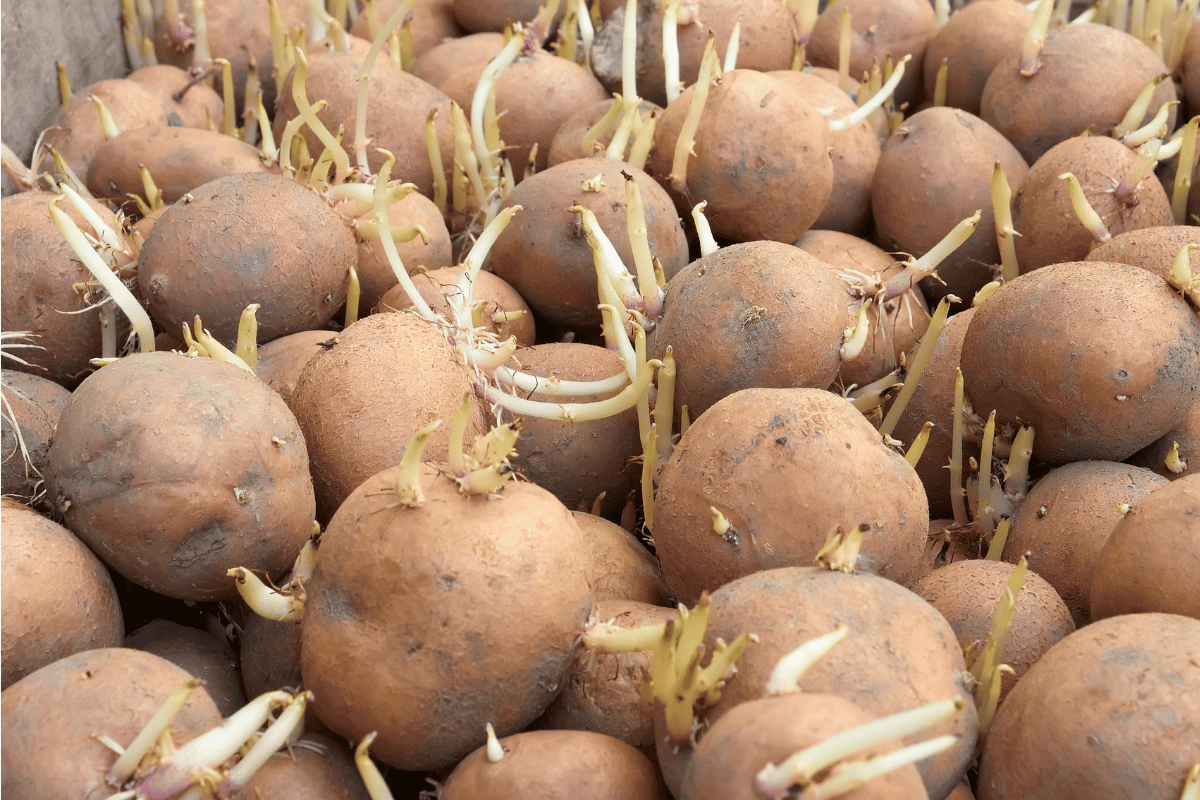
Another signal the sweet potato is past its prime is the growth of stalky purple sprouts. Though sprouts themselves are not toxic, their emergence means the potato is diverting nutrition into new growth rather than sustaining the tuber.

The internal flesh likely becomes fibrous, bitter, and unpalatable. If you see extensive sprouting combined with wrinkling skin or other decay signs, the sweet potato is too far gone and best removed from the kitchen.

Knowing how to tell if a sweet potato has gone bad can help you avoid wasting food and prevent potential illness from consuming spoiled veggies.

This guide covers tips for choosing fresh sweet potatoes at the store, proper storage methods to maximize their shelf life, and signs that indicate it’s time to toss that aging spud.

How to Tell if A Sweet Potato Is Bad 1

Selecting Fresh Sweet Potatoes

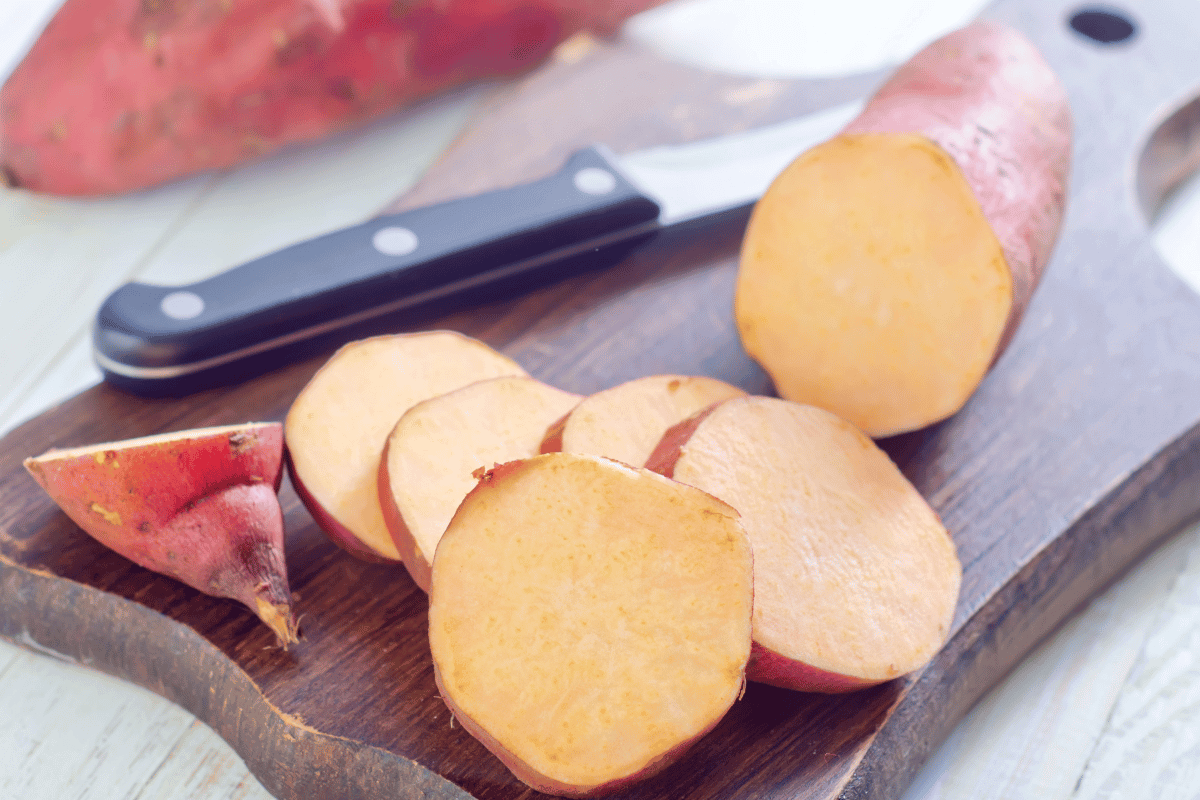
The first step to ensuring your sweet potatoes stay fresh is choosing high-quality ones from the start. When shopping for sweet potatoes, look for ones that are firm and free of soft spots, wrinkles, splits, bruises, or mold.

The skin should be smoothly intact. Size is not generally an indicator of quality or freshness. Both small and large sweet potatoes can be perfectly ripe and delicious.

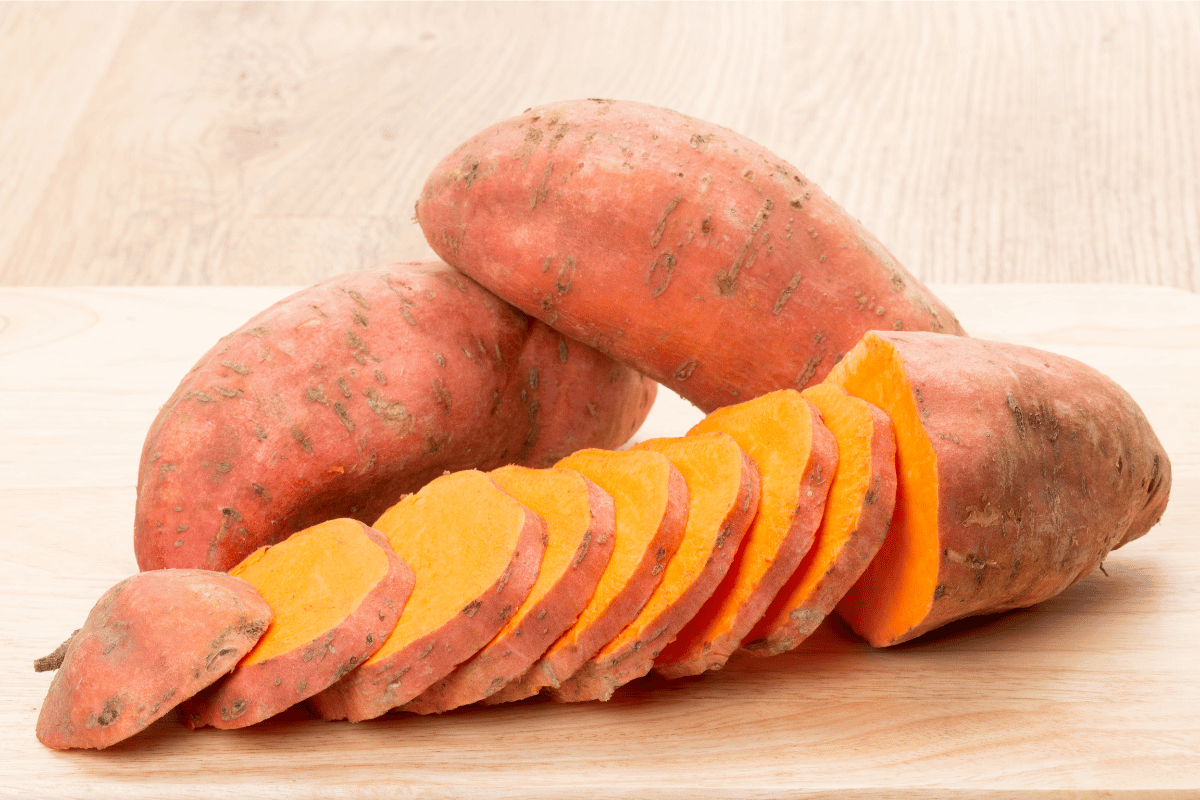
Sweet potatoes come in a rainbow of skin colors ranging from brown and red to purple or deep orange. The flesh can be creamy white, orange, yellow, or purple. While the different pigments do affect flavor, with some varieties being starchier or sweeter, any intact, firm sweet potato can be used interchangeably in recipes.

Avoid purchasing sweet potatoes displayed in the refrigerated section of the produce aisle. The cold temperature can negatively alter their taste and texture. Choose potatoes from a regular produce bin or stand.

What Does a Bad Sweet Potato Look Like? Signs of Spoilage

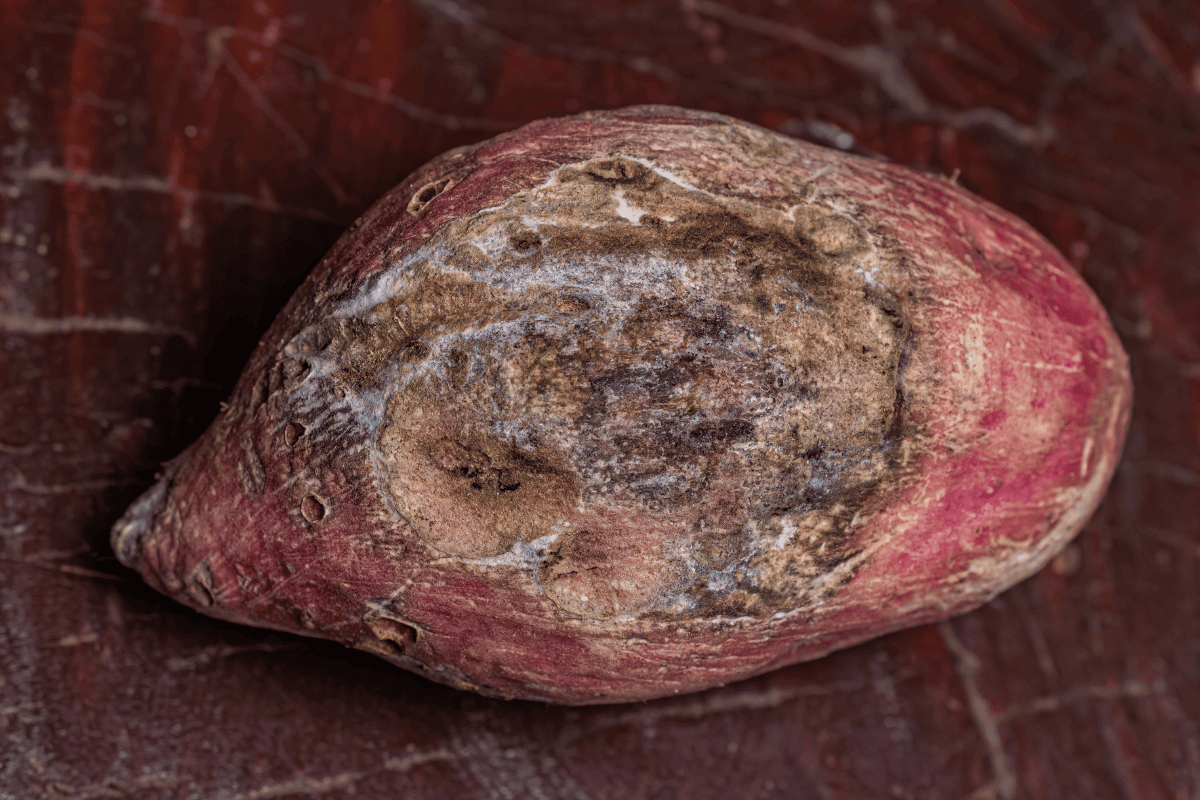
Despite your best storage efforts, sweet potatoes will eventually start to show signs of aging. Here’s what to look out for:

  • Wrinkling skin that looks deflated or shriveled. As moisture evaporates from an aging potato, its skin becomes loose, wrinkly, and thin.
  • Sprouting fibrous roots or stems. This indicates the potato is diverting nutrition into new growth.
  • Soft, hollow, or concave areas. Press gently; spoiled spots will feel mushy or spongy compared to the firm flesh of a good potato.
  • Mold growth, which usually looks fuzzy or hair-like. Discard moldy potatoes immediately as mold spreads rapidly.
  • Green patches or areas. This chlorophyll develops after exposure to light. Green spots taste bitter, so cut away any green portions before cooking.
  • Unpleasant odors. A rotten or musty smell means bacteria or fungi are growing.
  • Liquid oozing from eyes or skin. This likely indicates bacterial decay. Discard any oozing potatoes.
  • Dark brown or black areas, either spots on the skin or discolored flesh inside. This is due to impact bruising or exposure to cold. Cut away severely discolored parts before cooking.

If the exterior seems fine, but you’re unsure about hidden interior decay, cut the potato open and inspect the flesh. Discard if it appears dry, brown, or mushy compared to a healthy pale yellow or orange color.

Fungus sweet potatoes 1

Proper Storage for Maximum Freshness

Once home, take a few steps to extend the shelf life of your sweet potatoes:

  • Store them in a dark, dry, well-ventilated place. The ideal storage temperature is 55-60°F. Avoid extreme heat or cold.
  • Do not refrigerate raw sweet potatoes. The cold converts their starches into sugars, creating hard centers and off-flavors.
  • Place them in a basket, rack, or bowl with ventilation all around. Avoid sealing in plastic bags, which promote spoilage.
  • Keep away from direct sunlight, which accelerates sprouting in potatoes.
  • Store separately from onions, which release gases that hasten decay.

Stored properly in a cool dark pantry, fresh sweet potatoes will usually last 3-5 weeks. Refrigerating cooked mashed sweet potatoes in an airtight container extends their life by 3-4 days.

Can You Eat a Sprouted Sweet Potato?

It’s common for sweet potatoes to start sprouting little tendrils if stored too long. Contrary to myth, the sprouts themselves are not toxic or dangerous to eat. However, their presence usually coincides with increasing starchiness and declining flavor.

If your potato has only minimal sprout growth and remains firm and fresh, otherwise, trim off the sprouts and cook as normal. The potato still retains good eating quality.

However, potatoes with major sprouting or other signs of aging, like wrinkles and softness, often become bitter, fibrous, or mushy when cooked. At that point, it’s best to compost them rather than eat them.

sweet potatoes 2 1

Freezing and Cooking Older Sweet Potatoes

If you have sweet potatoes that are past their prime but haven’t turned fully rotten, there are still ways to salvage them:

  • Cook and freeze for later use. Bake or boil the potatoes, mash, then freeze for up to 4 months. Thaw before using in recipes. The texture may become mushier when thawed.
  • Use in baked goods like breads and muffins. Their moisture helps counteract dry, old potatoes.
  • Make soups, purees, or smoothies. Cooking and blending help mask unwelcome textures.
  • Pickle in vinegar, salts, and spices. This extends shelf life while adding flavor. Refrigerate pickles for up to 6 weeks.

When preparing questionable potatoes, take extra care to remove any extremely mushy or discolored parts before cooking. Monitor while baking or boiling; discard any potatoes that split, ooze, or turn an abnormal color.

Safety Concerns of Spoiled Sweet Potatoes

Eating moldy or rotten sweet potatoes can cause foodborne illness, so don’t take risks with produce that shows signs of decay. Potential hazards include:

  • Mycotoxins from mold growth that can cause nausea, vomiting, and diarrhea if ingested.
  • Salmonella, E. coli, and Listeria bacteria that spread in decaying produce and cause severe gastrointestinal illness.
  • Natural glycoalkaloids are found in green skin or sprouts that become toxic at high doses.
  • Botulism spores that can multiply on potatoes stored in airtight containers.

If you experience concerning symptoms after eating suspect potatoes, seek medical care. Prevent illness by discarding bad produce, washing hands and surfaces after handling spoiled food, and separating moldy items from other kitchen foods.

How Long Before Sweet Potatoes Go Bad?

Home gardeners face the same challenges keeping just-harvested sweet potatoes fresh. Cure freshly dug potatoes for 7-10 days in a warm, humid place out of direct sun.

Then, store cured potatoes for 2-3 months in ideal 55-60°F conditions as described above. Check frequently for sprouting or wrinkling, and remove anything that is going bad. 

Sweet potatoees 1


Is White Stuff in Sweet Potato Bad?

No need to worry; that white stuff in your sweet potato is normal and safe to eat! The starch and sugar leak out when you cut into a really fresh, moist sweet potato.

Older potatoes that have dried out more won’t have as much. The milky white liquid is a sign you have a nice ripe, juicy sweet potato on your hands!

That natural sugary goodness is what makes sweet potatoes so delicious in the first place. Some varieties are more prone to it than others, too. So go ahead and enjoy your sweet potato, white liquid and all. It’s all part of what gives this veggie its great flavor!

Don’t Waste Aging Potatoes

While you should discard any rotten potatoes, you can put aging ones that are still edible to use. Here are some options for using up older sweet potatoes:

  • Cook and freeze mashed sweet potatoes for later baking projects.
  • Make soup stocks using peeled and sliced potatoes. Strain out the solids before using stock.
  • Use in homemade dog treats. Dehydrate potato slices to make chewy snacks.
  • Chop, boil, puree, and other vegetable scraps for all-natural baby food.
  • Compost whole potatoes or peels to enrich your garden soil.

Conclusion

Fresh sweet potatoes will be kept for weeks or more with proper selection, handling, and storage. But inevitably, age creeps in, causing sprouting, wrinkling, spotting, and softness. When those signs of spoilage appear, it’s time to cut your losses and say goodbye to the aging spud. Discard any that are moldy, mushy, or foul-smelling, and avoid eating potatoes with extensive greening or bitterness. With vigilance, you can catch potatoes before they turn and use up aging ones creatively. Follow these tips, and you’ll never have to ask, “Is this sweet potato still good?” again.

This Quiz Will Tell how Committed You’re to Achieve Your New Year Resolutions.

0
47
Chef Ngobile 3

Would you keep your New Year resolutions?

1 / 6

What's your breakfast like?

2 / 6

What's for lunch?

3 / 6

Dinner?

4 / 6

Which would you prefer?

5 / 6

Pick a side

6 / 6

How many times do you eat in a day?

QUICK RECIPES