What Do Chickpeas Taste Like? A Guide to This Versatile Legume

Chickpeas have a wonderful, nutty flavor with earthy undertones. Their taste is similar to beans, but more savory and complex. When cooked properly, chickpeas are soft and creamy on the inside with a satisfying bite. They make a fantastic addition to a wide variety of dishes.

What are Chickpeas?

Chickpeas, also known as garbanzo beans, are part of the legume family along with beans, peas, and lentils. They have been cultivated for thousands of years, especially in Mediterranean and Middle Eastern cuisine. Today they are grown and eaten all over the world.

There are two main varieties of chickpeas:

  • Kabuli – These chickpeas are larger and have a smooth coat. They are the most common variety found in grocery stores.
  • Desi – Smaller, darker chickpeas with a rougher coat. They have a stronger, earthier taste and are popular in Indian cooking.

Chickpeas are highly nutritious, providing a good source of fiber, protein, iron, potassium, and magnesium. They are low in fat and help improve heart health. The fiber and protein keep you feeling fuller longer, making them an excellent weight loss food.
What Do Chickpeas Taste Like

What Do Chickpeas Taste Like?

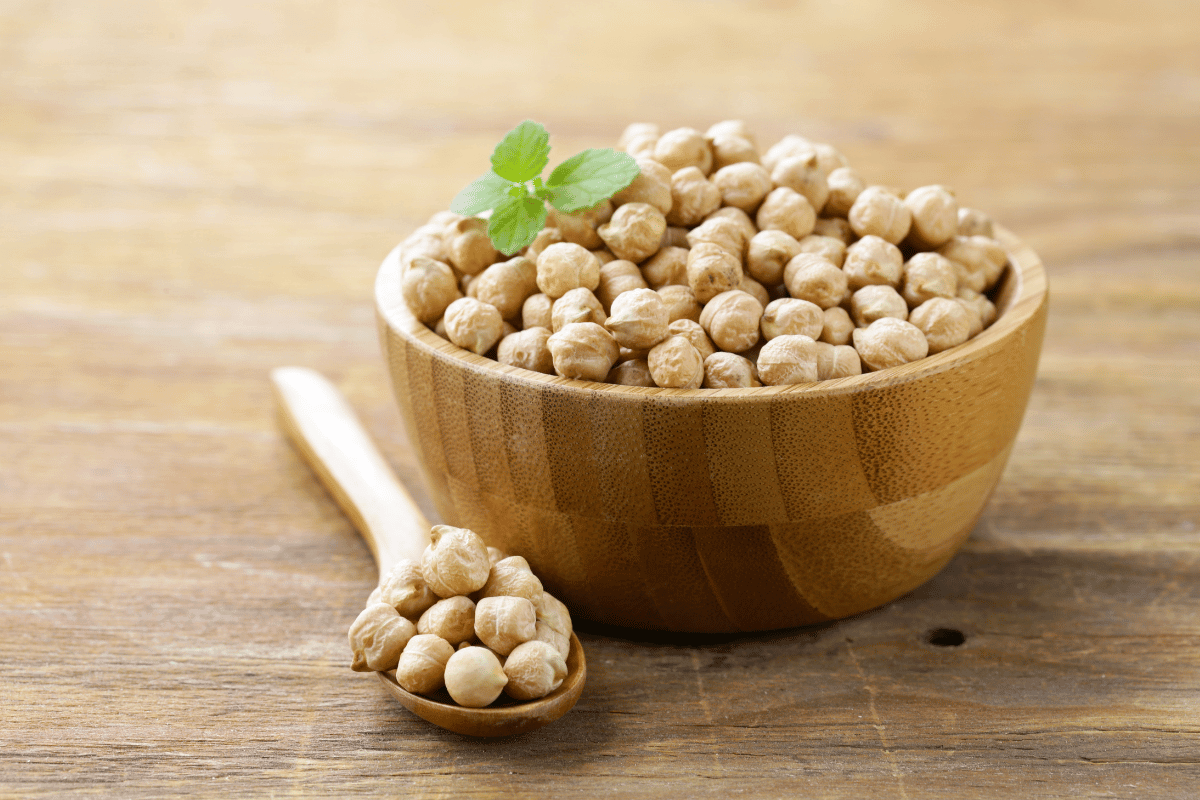
So what do chickpeas actually taste like? They have a wonderful earthy, nutty flavor that is pleasantly hearty. Many describe it as a cross between chestnuts and beans.

When raw, chickpeas have a very dense, starchy texture and bitter taste. But once cooked, that starchiness transforms into a lovely creamy, soft texture that is perfect for hummus or stews.

Chickpeas complement spices and seasonings very well. Their taste pairs nicely with garlic, cumin, curry powder, cinnamon, paprika, chili pepper, parsley, mint, and more. They also go well with lemony flavors.

If you cook chickpeas properly, they should be tender but still retain a nice bite to them, not mushy. Their savory taste enhances dishes like soups, salads, curries, and rice or grain bowls.

Substitutes for Chickpeas

Some of the best substitutes include other beans, lentils, and soy-based options. Kidney beans can work well, as they have a similar taste and texture when cooked. Cannellini or great northern beans can also substitute for the texture.

Lentils are an especially good option as they have a mild flavor that works in place of chickpeas in dishes like curries, stews, and salads. Green or brown lentils hold their shape well when cooked.

Edamame, or fresh soybeans, provide protein and have a pleasant nutty taste. Shelled edamame seeds can stand in for chickpeas in many recipes. Tofu is made from soy and has a neutral flavor that allows it to soak up the other flavors in a dish.

Firm or extra-firm tofu cubed or crumbled can provide the texture of chickpeas in vegetarian dishes. With all of these substitutes readily available, it’s easy to replicate the unique taste and texture of chickpeas when needed.
What Do Chickpeas Taste Like

How to Cook Dried Chickpeas Perfectly

Cooking chickpeas takes some time and patience, but following a few tips will ensure tender, flavorful results:

1. Soak chickpeas overnight – Letting them sit in water allows them to rehydrate and begin to soften.

2. Drain and rinse chickpeas – Pour out the water and give them a good rinse to wash away indigestible sugars that cause gas.

3. Simmer in broth or water – Chickpeas should be gently simmered until tender, not boiled rapidly. Adding aromatics like garlic, onion, or herbs enhances flavor.

4. Season generously – Chickpeas need bold seasonings. Spices, herbs, broth, and acidity from lemon juice or vinegar makes them shine.

5. Don’t overcook – Sample a chickpea periodically as they cook. You want them tender but not mushy.

6. Store cooked chickpeas – Let cool completely before refrigerating in an airtight container for up to one week. Freeze for longer storage.

7. Use the liquid too – The cooking liquid, called aquafaba, adds delicious flavor when making recipes like hummus.

Incredible Ways to Use Chickpeas

Chickpeas come in three main forms – dried, roasted, and canned. Dried chickpeas need to be soaked overnight and then cooked before eating. They have a longer shelf life but take more prep.

Roasted chickpeas are cooked dried chickpeas that are tossed in oil and spices and roasted for a crunchy, flavorful snack. Canned chickpeas are pre-cooked and ready to eat straight from the can, making them very convenient.

However, canned chickpeas tend to be softer in texture and saltier in flavor. Each form has its advantages depending on the recipe and cook’s preferences in terms of texture, flavor, and ease of use.
What Do Chickpeas Taste Like2

Their mild, nutty flavor pairs well with a wide variety of seasonings and foods. Some of the best flavors that complement chickpeas are cumin, coriander, turmeric, paprika, garlic, onions and chili peppers.

Indian-spiced chickpeas are delicious because ingredients like curry powder, ginger and garam masala all work well with the chickpea flavor. Mediterranean flavors like olive oil, lemon, parsley, mint and oregano also pair nicely with chickpeas. Since they hold their shape when cooked, chickpeas are great in salads with cucumbers, tomatoes, feta and spinach.

Hummus, made from blended chickpeas, sesame paste and lemon, is a classic pairing. Chickpeas pair well with grains like rice, quinoa and barley in vegetarian bowls and salads. Their texture stands up well to sturdy greens like kale. Chickpeas even work in sweet applications like blended into cookie or cake batters. Their versatility comes from their mild flavor that complements both savory spices and sweet ingredients.

  • Hummus – Blend chickpeas, tahini, olive oil, lemon juice, and garlic for classic hummus.
  • Curries – Add chickpeas to any Indian curry recipe for extra protein and fiber.
  • Chili – Toss chickpeas into vegetarian chili for heartiness and texture.
  • Salads – Chickpeas liven up green, grain, pasta, or potato salads.
  • Soups – Put chickpeas in minestrone, lentil, or vegetable soup.
  • Rice bowls – Fold chickpeas into rice along with sauteed veggies for a satisfying meal.
  • Snacks – Roast spiced chickpeas for a crunchy snack or add to trail mixes.
  • Spreads – Puree chickpeas with garlic, lemon, and tahini for a quick sandwich spread.
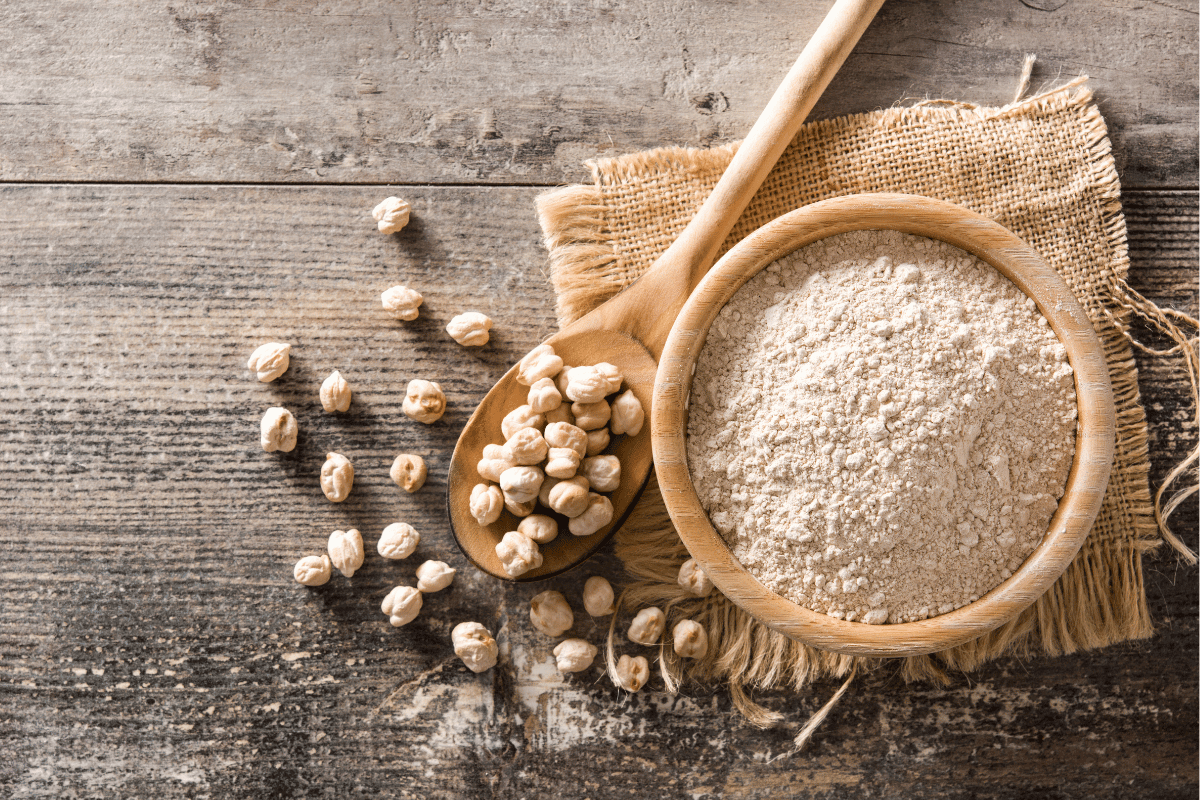
  • Fritters – Make crispy chickpea fritters by mixing chickpea flour with seasonings and baking.

Tips for Buying and Storing Chickpeas

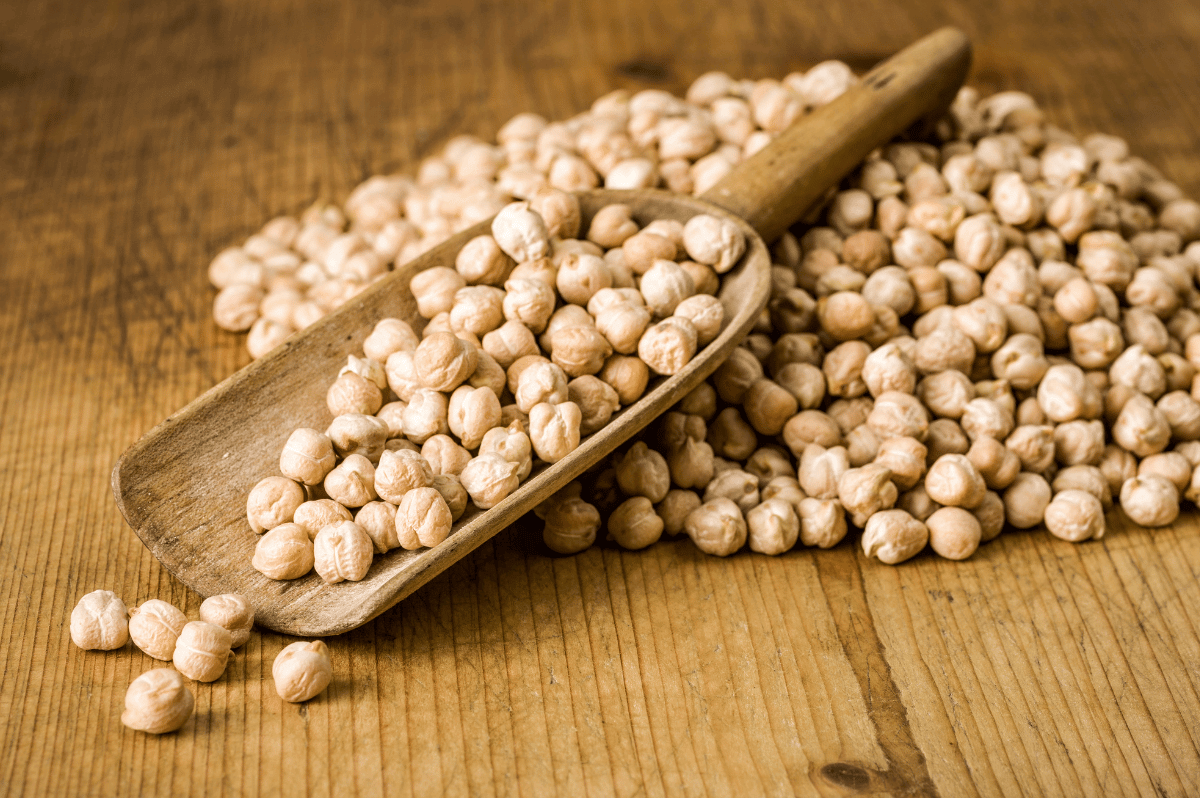
  • Look for plump, uniform dried chickpeas in the bulk bins or ethnic food aisle. Avoid any with holes, splits, or light color.
  • Canned chickpeas work well too. Seek low-sodium varieties packed in water, not oil. Rinse before using.
  • Store dried chickpeas in an airtight container in a cool, dark place for up to one year.
  • Cooked chickpeas will keep for 3-5 days refrigerated or six months frozen. Freeze them in liquid for the best texture.
  • If a recipe calls for canned chickpeas, don’t substitute with uncooked dried ones. The measurements will be different.
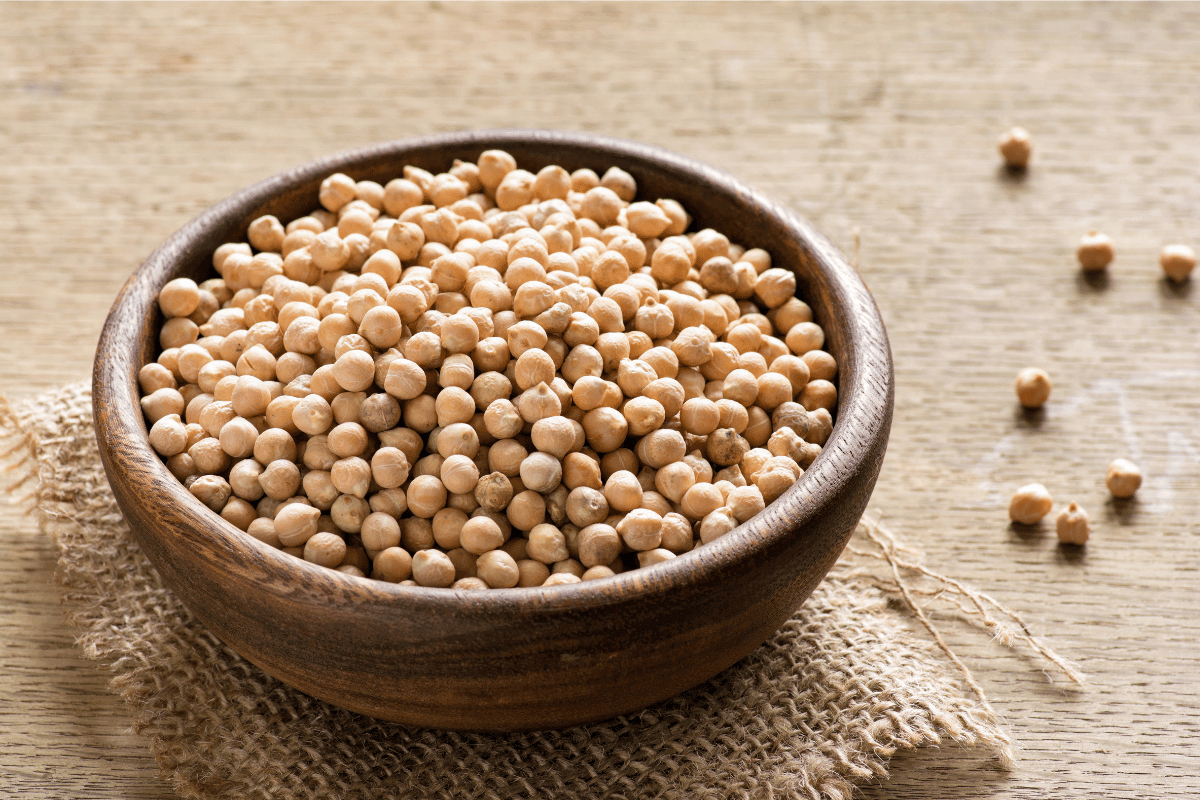
Chickpeas

Dried vs Canned Chickpeas Which Is Better?

Both dried and canned chickpeas have their advantages and disadvantages. Dried chickpeas need to be soaked overnight and then cooked for 1-2 hours before using in recipes. The benefit is they have a firmer, more al dente texture and fresher flavor.

However, cooking dried chickpeas takes more planning and time. Canned chickpeas are precooked so they are ready to use instantly in recipes. They are convenient and save a lot of prep time.

The canning process can make them softer and less intact. The liquid in canned chickpeas also has a tinny flavor. Nutritionally, dried and canned are comparable, providing fiber, protein and minerals. For fastest recipes, canned works best. But for optimum texture and flavor, such as in salads or soups, dried and home-cooked chickpeas are superior. So choose based on your time constraints and the dish you are making. Both have a place in a well-stocked kitchen.

Satisfying and Nutritious Chickpeas

With their mildly nutty taste, pleasant texture, and stellar nutrition, it’s no wonder chickpeas have been a dietary staple for thousands of years. They’re affordable, easy to cook, and can be used in endless recipes from hummus to stews to crispy snacks.

Keep chickpeas stocked in your pantry for a healthy, flavor-packed addition to meals any day of the week. Experiment with new seasonings and dish ideas to enjoy their versatility.

These African Desserts Will Reveal Who You’ll Be Spending Your Valentine’s Day With

0

Who do you wanna spend vals day with?

26

You want to pick a romantic African dessert to share on Valentine's Day. What do you choose?

Your Valentine has a sweet tooth. What traditional African dessert do you make for them?
It's your first Valentine's Day together. What sweet drink do you serve with your African dessert?
You stop by the market to pick up ingredients for your Valentine's Day African dessert. What fruit looks the most fresh?
It's Valentine's Day! What ingredients are in your dream African dessert?
You're going out for Valentine's Day. What African dessert do you order for you and your date to share?
What is your date's favorite color? You'll use it to decorate the African dessert you make.

Maafe

Among the vibrant and rich culinary traditions of West Africa, maafe (also spelled mafe or maafé) stands out as a beloved and iconic comfort food.
This fragrant peanut stew originates from Senegal and neighboring countries like Mali, Gambia, and Guinea. It reflects the heart and soul of Senegalese cuisine and culture.
Maafe
Image Credit: Facebook

What Is Maafe?

The name maafe comes from the Mandinka word “mafé” which means sauce. As its name suggests, maafe consists of a smooth and creamy peanut sauce studded with meat or vegetables. This stew has a complex medley of savory, sweet, spicy, and nutty flavors that mingle together in perfect harmony.

The sauce clings lusciously to bites of tender beef or chicken, potatoes, carrots, cabbage or spinach. A big spoonful with a side of rice is the quintessential Senegalese comfort food experience.

While maafe recipes vary between regions and cooks, the fundamentals remain peanut butter, tomato paste, onions, garlic, spices, and a choice of meat or vegetables. Let’s explore the components that give this iconic stew its signature taste and texture.

 It is known by different names in different African countries like… Mafé or Maafe (Senegal), Sauce d’Arachide (Ivory coast ) Tigadèguèna or Tigadegena (Mali) , Domoda (Gambia), African Peanut Stew, Groundnut Stew and many. This dish is usually eaten with fufu or rice.

peanut soup
Image Credit: Facebook

Brief History of West African Peanut Stew (Maafe)

Firstly, there are several names for the traditional, iconic groundnut stews you’ll find all over Western Africa:  (Mafé, Mahfe, Maffé, Maffe, Sauce d’Arachide, Tigadèguèna, Tigadegena, Sauce Z’ara, African Peanut Stew, Groundnut Stew).

Peanut stews are found across West Africa, with ancient roots in dishes made with native groundnuts before the peanut arrived from the New World in the 16th century. Maafe can trace its origins to the Mandinka and Bambara people of Mali. The proper name for it in the Mandinka language is “domodah” or “tigadegena” in Bamanankan.

From Mali it spread to neighboring Senegal and the rest of Western Africa. It even found its way across the Atlantic to the American South, where you see remnants of peanut stew or peanut soup in some regions.

It’s believed that peanut stew became popular in Western Africa during the Colonial era, when more efforts were channeled into groundnut farming. Plenty of nuts, what to do? Incorporate them into everyday food like stews and soups.

Maafe, as mentioned above, is the Senegalese version of peanut stew.

What You Need To Make Some Great Maafe

  • Meat – I am making two batches here, one with boneless skinless chicken thighs and one with beef chuck.
  • Peanut butter – The STAR.
  • Onion – Chopped.
  • Tomato – Sauce and paste that gives beautiful vibrant color and flavor.
  • Aromatics – Garlic, ginger, cilantro (for garnishing).
  • Hot pepper – Some like it hot so they use habanero. Some don’t, so they can handle a little jalapeño.
  • Veggies
  • Chicken broth
  • Spices – Paprika, red chili flakes, freshly ground black pepper.

What Kind Of Meat To Use For Maafe

While the peanut-tomato sauce supplies the stew’s signature flavor, the protein and vegetables round it out into a complete meal.

For protein, beef and chicken thighs are classic options that pair wonderfully with the sauce. Slow simmering makes the meat incredibly moist, tender and infused with flavor. Hearty stews cuts like chuck roast, oxtail or lamb shank shine in this stew.

What Kind Of Veggies To Use For Maafe

Vegetarians can enjoy maafe too by substituting ingredients like sweet potatoes, eggplant, okra, squash, greens, or chickpeas for the meat.

In addition to the main protein, maafe typically contains vegetables like potatoes, yams, carrots, cabbage, spinach, okra or bell peppers. They contribute pleasant textures ranging from creamy to toothsome. Their savory flavors soak up the rich peanut sauce.

How To Make Maafe

It is super easy to make when you use Peanut butter paste. You can use any variety depending on what you have on hand. I usually go for 100% Peanut butter for an intensified peanut flavor without the added sugar. However, I must admit that I sometimes use whatever brand I have on hand.

You can easily make your own peanut butter and avoid all the commercial brand which contains sugar, salt, oils, and often preservatives. This can be achieved by blending roasted peanuts in a food processor. Not only is it healthier, but it also tastes much better!

How To Make Maafe In a Slow Cooker

Season and marinate the meat with salt, pepper, paprika, chopped ginger and garlic.

You can directly put the meat in the crock pot, or take the extra step to brown it first in an oiled pan searing 4-5 minutes per side. After browning, place it in the crock pot.

Saute onions till golden brown along with ginger, garlic and jalapeno. Add this mixture over the meat. In a bowl, stir together tomato paste, tomato sauce, paprika, red chili flakes, chicken broth, peanut butter and salt. Pour this mixture over the meat and mix everything well.

Add in carrots or any other root vegetables you want. Cover and cook 4 hours on high or 7-8 on low for chicken. If using beef, cook 5-6 hours on high or 8-9 hours on low.

Towards the last one and half hour you can add in bell peppers. Taste for seasoning and garnish with cilantro.

Maafe
Image Credit: Facebook

What To Serve With West African Peanut Stew

Some are made very thick and served over rice, fufu, or millet couscous, other versions can be more thin, almost soup-like, the consistency depending largely on where in Western Africa you happen to be.

How Is West African Peanut Stew Typically Served?

In Senegal, this dish – like so many others – is served family style. Senegalese eat communally, using the right hand. If you wish to enjoy the meal in this fashion, give each diner a spoon.

If you really wish to eat traditionally, use your hand. Pinch the food, shape it into a ball and place it into your mouth.

Tips When Making Maafe

  • If you use beef for your peanut stew, cut it into smaller pieces before sautéing, to cut down on your cooking time.
  • You can adjust the cayenne pepper to your desired preference. To increase the heat, add a whole habanero pepper after adding the stock.
  • After adding the peanut butter, you can add a little water if the stew is too thick.
  • If you prefer chicken, try this African chicken peanut stew. So delicious!

Storage

Mafe is great when sitting in your refrigerator for a night or so when all the flavors mingle together. You can store it for 3-4 days in your refrigerator or freeze it in an airtight container for up to a couple of months for future meals.

Check out the step-by-step printable recipe below. Enjoy!

Some suggestions for Amazon links to “Peanut Butter”.

Whole Foods Market Organic Creamy Peanut Butter No Salt Addedn

Project Overview Docs Banner in Light Green Blue Vibrant Professional Style 1

MAFE (MAAFE) - SENEGALESE PEANUT STEW

Mafe (or Maafe) is a popular African peanut stew made in a spicy, creamy peanut and tomato sauce. This is one mouthwatering and appetizing dish you would not be able to get enough of!
Prep Time 20 minutes
Cook Time 1 hour
Total Time 1 hour 20 minutes
Servings 4

Ingredients
  

Ingredients

  • One pound of beef (500gr)
  • White rice
  • Peanut butter
  • Tomato concentrate
  • 1 sweet potato
  • 2 normal potatoes
  • 1 eggplant
  • 3 carrots
  • 1 chili pepper
  • 1 Onion
  • 2 tomatoes
  • cooking oil (15 ml)
  • 1 laurel leaf
  • 2 stock cubes
  • 1.5 liter of water
  • Salt
  • pepper

Instructions
 

Directions

  • Cut the beef into smaller pieces and heat up the oil in a big deep pan.
  • Now fry the meat until it takes a slight brown color.
  • Chop the onions and tomatoes. Now add the onions first and fry them slightly before adding the chopped tomatoes.
  • Now add 2 tablespoons of tomato concentrate and cook for 2-3 minutes .Add around 1,5 liter of water so that the meat is completely covered.
  • Add 4 tablespoons of peanut butter to the water and stir slowly until there are no lumps left.
  • Now chop all the vegetables left (1 sweet potato, 2 normal potatoes, 1 eggplant, 3 carrots, 1 chili pepper) in rather big pieces and add them together with the laurel leaf and the magi cubes to the pan. Let it simmer on low fire for about 50 minutes.
  • Cook the white rice and serve it together on one big plate with the thickened maafe sauce.
  • Now enjoy your Senegalese Maafe together with your friends or family. add a bit of salt and pepper if necessary.
Tried this recipe?Let us know how it was!


Ugali

Ugali is like porridge but much more densely made from white maize meal or maize flour. It is the staple diet of the indigenous people of East Africa, made exactly like polenta but with maize flour.
Also known as Nsima it is generally enjoyed with a vegetable and/or meat stew. People at the coast and around Lake Victoria enjoy it with fish. One of the easiest dishes to prepare, it is not only rich in fiber but also is a good source of carbohydrates, minerals, and Vitamin B. And it is gluten-free and vegan friendly.
Ugali
Image Credit: Facebook

What is Ugali?

According to Wikipedia, The dish was one of a few foods included in the UNESCO Representative List of the Intangible Cultural Heritage of Humanity in 2017. It is also known as sima,a hard maize flour porridge popular in Africa. Sima is produced from a variety of flours, including millet and sorghum flours, and is sometimes combined with cassava flour.
It is usually cooked until it reaches a stiff or firm dough-like consistency in boiling water or milk and it is served with nyama choma which is grilled meat and kachumbari, a tomato onion salad.

Countries That Eat Ugali

Ugali is a rich porridge and an important part of the East African indigenous people’s diet. In Kenya, this prevalent staple dish, ugali, or nsima, is typically served with a vegetable and/or meat stew. Other names it is known for include; sadza, nsima, or posho.

Ugali, arguably Africa’s most popular food, is consumed in Nigeria, Uganda, Kenya, Botswana, Tanzania, and the Democratic Republic of the Congo. Although cornmeal is the most common flour used, other flours such as millet and sorghum are also used.

In most households generally in West Africa, ugali is the main course, with vegetables or meat as side dishes. It is eaten with an abundance of flavorful vegetables and meats in a spicy gravy in wealthy houses or for special occasions. It’s also similar to the mashed potatoes that are commonly offered in American households.

What Does Ugali Taste Like?

Ugali has a fairly mild taste on its own. The maize gives it a subtly sweet, grainy flavor. But it’s also quite bland without added flavors. The texture is where ugali really shines – it’s thick and doughy with a starchy, sticky consistency.

Varieties of Ugali

Known as Ugali in Kenya and Tanzania, this starchy, polenta-like side dish goes by different names in sub-Saharan Africa. In Malawi and Zambia, it is called Nsima or Nshima. The South African name for it is pap or mealie pap. Zimbabweans call it sadza.

It is usually served as an accompaniment to meat or vegetable stews, greens, or soured milk. To eat it, pull off a small ball of mush with your fingers. Form an indentation with your thumb, and use it to scoop up accompanying stews and other dishes.

Or you can form larger balls with your hands or an ice cream scoop, place them in individual serving bowls, and spoon stew around them.

Ugali
Image Credit: Facebook

Ugali Recipe

Made from maize flour which has been cooked with water until reaching a consistency similar to that of dough, the ugali is the most common staple food in the region.

It is traditionally eaten with the hands. Like flat bread in other countries, ugali can be used as a sort of ‘scoop’ to pick up meat and vegetables. When it is not dipped in a stew, it is dipped in a sauce.

How Long Does Ugali Take to Cook

Boil water, after boiling add the maize flour as you do with regular ugali. After adding the unga stir the ugali flour until it is firm. Cover and allow to steam for 10 minutes.

Is Ugali Similar to Fufu?

Yes, ugali is quite similar to fufu. Both are thick porridges or doughs made from starchy ingredients, while ugali is made from maize flour, fufu is made from cassava flour. Ugali originated in East Africa while fufu is more common in West Africa.

But they’re prepared and eaten in a comparable way – often rolled into balls and dipped into stews or sauces. Facts About Preparing This Dish

  • White cornmeal is the most commonly used grain for this recipe.
  • But you can substitute sorghum, millet or coarse cassava flour, or even hominy grits.
  • More or less water can be added to achieve the consistency you prefer.
  • Most Africans would not salt the water, so you can leave the salt out if you wish.
  • Stir in a little butter for a richer flavor.

Below is the step-by-step recipe on how to make this easy recipe. If you make it don’t forget to leave a comment. Enjoy!

Ugali

Ugali

Prep Time 30 minutes
Cook Time 50 minutes
Servings 0

Ingredients
  

  • 4 cups Water
  • 1 tsp Salt
  • 2 cups White cornmeal finely ground

Instructions
 

  • Bring the water and salt to a boil in a heavy-bottomed saucepan.
  • Stir in the cornmeal slowly, letting it fall through the fingers of your hand.
  • Reduce heat to medium-low and continue stirring regularly, smashing any lumps with a spoon, until the mush pulls away from the sides of the pot and becomes very thick, about 10 minutes.
  • Remove from heat and allow to cool somewhat.
  • Place the Ugali into a large serving bowl.
  • Wet your hands with water, form into a ball, and serve.
Tried this recipe?Let us know how it was!

13 Traditional Gambia Food Every Visitor Must Try

Located on the coast of West Africa, The Gambia is a small country bursting with vibrant culture, beautiful beaches, and mouthwatering dishes. While the beaches may lure tourists in, the food will make you want to stay forever!  Gambian food offers something for every tourist.

The use of spices like chili peppers, onions and mustard give dishes a robust, savory taste. Locally sourced ingredients like peanuts, cassava, fresh fish and seasonal produce add authenticity. The welcoming nature of locals makes dining an enjoyable social affair. Street food stalls, local eateries and restaurants all provide opportunities to try authentic dishes.

If you’re planning a trip to The Gambia, make sure to try these 13 traditional dishes loved by tourists and locals alike. With a dash of history and a pinch of culture mixed in, this foodie guide will have your mouth watering for a taste of Gambia.

13 Traditional Gambia Food You Should Try

Domoda (Peanut Stew)

No list of Gambian food is complete without domoda, the national dish and star of the country. Domoda translates to “peanut sauce” in the local Mandinka language, which reveals the starring ingredient. This hearty peanut stew is served piled high over a mound of rice or ceebu jen, Gambia’s version of couscous.

Cooking domoda is a labor of love, with onions, tomatoes, and peppers slowly simmered to meld the flavors. Peanut butter joins later on, lending its nutty depth to the stew. Beef and vegetables like cassava, potatoes, carrots, and cabbage soak up the sauce, though chicken can be substituted too.

Every Gambian family has their own domoda recipe passed down through generations. Some add tomato paste for a rich, reddish color while others opt for a tomato-free white version. No matter which domoda lands on your plate, the taste of Gambia will shine through with every bite. Scoop some over rice and experience the heart of Gambia food.

Domoda Peanut Stew 2

Yassa (Chicken or Fish Braised in Onions)

Yassa is a crowd-pleasing Gambian dish that tourists go crazy for, and it’s easy to see why. Tender chicken or fish is smothered in caramelized onions, lemon juice, and spices for a tangy, fragrant meal unlike any other.

This dish originated in The Gambia but spread to neighboring Senegal where it was embraced wholeheartedly. However, ask any Gambian and they will tell you that Gambian yassa is far superior.

To make yassa, chicken or fish pieces are seasoned and braised with onions until the onions turn golden brown and delicious. Spices like black pepper, mustard, and chili peppers add some kick while lemon juice provides a tangy accent. The interplay of sweet and sour flavors makes this a standout dish you’ll crave long after your trip.

While both ways are mouthwatering, go for the chicken if you can’t decide. Slow cooked until fall-off-the-bone tender, it soaks up all the incredible flavors of the sauce. Yassa is best enjoyed with plain white rice or potato wedges, perfect for sopping up every last drop of that addictive onion gravy.

Benachin (Gambian Jollof Rice)

When in Gambia, do as the Gambians do and order a steaming plate of benachin. Known as Gambia’s version of jollof rice, benachin translates to “one pot,” referring to the cooking method.

This aromatic rice dish packs a rainbow of flavors and textures. Tomatoey rice simmers away with your choice of meat or fish, vegetables like carrots and cabbage, and seasoning. While that simmers, cassava is added to melt into the rice, giving it a sticky texture reminiscent of risotto.

No benachin is complete without the secret ingredient: baobab powder. This powder made from the African baobab tree’s fruit pulps the rice orange and gives it a tangy, tropical twist. Combine that with the smoky, savory flavors from the meat and you have a world-class dish.

While cooking benachin takes time and care, the dedication pays off in every bite. The Gambian community cooked up this rice masterpiece generations ago, and it’s still a staple at family meals and celebrations today. For the ultimate taste of Gambian culture, make sure to try benachin during your visit.

benachin
Image Credit: Facebook

Mbahal (Spicy Fish Stew)

Craving something fishy? Well, mbahal is the Gambian dish for you. This hearty fish stew packs some serious punch, with peppers and chili powder heating up the flavor.

Mbahal starts with smoked, salted fish that gets shredded and added to a thick, spiced tomato sauce. Smoked fish gives the stew base a savory, intense flavor that stands up to the heat. From there, black-eyed peas, okra, peanuts, and vegetables like eggplant may get tossed in depending on the recipe.

The texture of mbahal mirrors a thick risotto, with the starch from the peas and vegetables thickening the stew. Spoon this fishy, spicy stew over plain rice and get ready to break a sweat! The richness of the fish and peas balances the chili heat perfectly, making every spoonful burst with flavors and textures.

Mbahal’s fiery spice may sound daunting at first, but don’t let that stop you from trying this Gambian favorite. Just be sure to have a cold drink on hand to cool your mouth between bites of fishy goodness.

Mbahal
Image Credit: Facebook

Akara (Bean Fritters)

Who doesn’t love a good fritter? In Gambia, akara bean fritters are the ultimate street food snack locals line up for daily. Their love for akara is contagious, with tourists quickly joining the fritter fan club.

To make these moreish fritters, black-eyed peas are soaked, skinned, and mashed into a thick paste with water and salt. Spoonfuls of the batter get dropped into hot oil and fried into crispy, golden fritters.

The burgundy-colored bean paste fries up with a slightly nutty, earthy flavor complemented by the crunchy exterior. Akara fritters are like a cross between falafel and hushpuppies. Some garlic or onions may be added to the batter to boost the flavor.

Akara fritters are best enjoyed warm with a squeeze of lime and a drizzle of homemade spicy chili sauce on the side for dipping. The bean fritters pair perfectly with breads like tapalapa to create a satisfying snack. Their portable size and addictive flavor make akara a sought-after street food in The Gambia.

akara recipe

Ebbeh (Cassava Soup)

For a taste of old school Gambian cooking, look no further than ebbeh. This chunky vegetable soup has long been a staple in Gambian homes and restaurants, earning it the title of the country’s highest selling dish.

Cassava, the starchy root vegetable, is the foundation of ebbeh. Chunks of cassava melt into the broth, giving it a thick and hearty consistency. From there, ingredients like smoked fish, shrimp, peppers, and greens get thrown into the pot.

Palm oil lends a reddish-orange color and creamy texture to the soup. Lime juice adds a tangy punch through the earthiness from the cassava and greens.

Every spoonful of this rustic vegetable soup provides a taste of Gambian culture and cooking. The smokiness of the fish, the tang of lime juice, and the subtle sweetness of the cassava intermingle in perfect harmony.

Ebbeh Cassava Soup

Superkanja (Okra Stew)

Okra stew, known locally as superkanja, highlights the beauty of Gambia food: resourceful cooking with humble ingredients. This simple stew stars okra as the main attraction, and somehow transforms the slimy pod into a delightful dish.

Okra gets sautéed up with onions, tomatoes, and chili peppers as the flavor base. Smoked fish adds a savory, salty element while prawns contribute a sweet brininess. From there, water and seasonings like Maggi cubes bring everything together into a thick, flavor-packed stew.

The natural mucilage in okra thickens the stew while leaving it surprisingly silky. Served over a bed of rice or with bread, superkanja is comfort food at its finest. Don’t be afraid to get messy and use some bread to sop up every last drop!

If you’re on the fence about okra, try superkanja and get converted. This Gambian specialty shows off okra’s hidden potential as a stew veggie.

Okra recipes used in Superkanja
Superkanja


Afra (Seasoned Grilled Meat)

When a late night hunger pang hits, look no further than afra. This Gambian street food staple satisfies meat cravings at any hour of the day.

Fresh meat like lamb, beef, chicken, or even smoked turkey gets seasoned and grilled over an open flame. Vendors will grill the meat right in front of you, infusing it with a smoky char flavor. Caramelized onions sizzled on the grill provide a sweet counterpart to the savory meat.

Afra is served on crusty bread like tapalapa, making it perfect for on-the-go eating. Locals will often top their afra with more seasonings, chili sauce, or mustard for an extra kick.

Afra Seasoned Grilled Meat

Chebujem (Fish Balls in Red Palm Oil Stew)

This hearty Gambian fish dish highlights two local specialties – fresh fish and red palm oil. Chunks of white fish are seasoned and rolled into balls, then stewed in a rich, tomato-based sauce made with red palm oil.

Onions, tomatoes, bouillon and chili peppers add depth of flavor. Other vegetables like eggplant, okra and squash are also tossed into the stew. The fish balls keep their delicate fluffiness against the thick, oily sauce.

The red palm oil lends the stew a reddish-orange tint and nutty, earthy essence. Served over rice or with bread, chebujem is as vibrant and delicious as it looks. Food tours are a great way for tourists to try this uniquely Gambian specialty.

Tapalapa Bread

This traditional Gambian bread makes for a perfect breakfast or snack on the go. Tapalapa has a baguette-style shape but a much denser interior. It is made from a mini-gritty blend of wheat and millet flours that gives tapalapa bread its distinctive texture.

The subtly sweet, pretzel-like taste comes from millet, making it different to European breads. Locals often slice it and top it simply with butter, eggs or chocolate spread. Stalls selling freshly baked tapalapa can be found all over Gambia.

It’s an ideal local specialty for tourists to try for breakfast. The bread keeps well for several days, making it handy to pack for long trips or excursions too.

Tapalapa
Tapalapa

Churra gerte (Peanut and Rice Porridge)

For a hearty and healthy breakfast, Gambians turn to Churra gerte. This thick peanut porridge makes for a satisfying morning meal. Churra gerte contains coarsely ground peanuts and rice flour cooked into a thick paste with water and spices.

The porridge is served warm, topped with extra peanuts, sugar, condensed milk or dried fruit. Some versions are very spicy thanks to liberal use of chili peppers. The grains and peanuts make wonjo koko incredibly filling and nutrient-dense.

Trying Churra gerte is a great way for tourists to start the day like locals. The porridge vendors in busy commuter areas dish up piping hot bowls from early in the morning.

Thiakry (Sweet Couscous Dessert)

Thiakry is a traditional Gambian dessert often sold as a street food treat. It is couscous-like grains made from corn or millet. The grains are steamed until fluffy and drizzled with sweetened condensed milk just before serving.

Other ingredients like cinnamon, raisins, dates and nutmeg add layers of sweetness and texture. Thiacry is similar to the Senegalese dish sombi but with a softer, more syrup-soaked texture.

It makes a deliciously sticky, comforting dessert. Thiacry is sold by street vendors, especially near schools for kids to enjoy. Tourists with a sweet tooth will find this dessert hard to resist.

Thiakry1

Wonjo Juice

To quench their thirst, Gambians turn to bissap, also known as wonjo juice. This crimson beverage is made from the petals of roselle plants. The dried petals are boiled to extract their vibrant red pigment, almost like making tea. Wonjo juice takes on a tart, cranberry-like flavor.

Lemon juice, sugar and mint are often added to balance the drink’s innate sourness. Chilled and served over ice, the bright pink-red juice is akin to sweetened hibiscus tea. It’s incredibly refreshing in Gambia’s year-round hot climate.

For tourists, wonjo juice makes the perfect accompaniment to spice-laden Gambian dishes. It provides sweet, tart relief to contrast rich stews and oily curries.

Benefits of Zobo Drink without Sugar

What Is the Famous Food of Gambia?

When it comes to Gambian food, the national dish Domoda is definitely the most popular! This creamy, nutty peanut stew simmered with vegetables and meat is the highlight of  Gambia food.

Other iconic dishes like benachin, their version of jollof rice, and yassa chicken or fish braised in a tangy onion sauce are also huge local favorites. Trust me, Gambian dishes will satisfy your tastebuds and leave you excited to try more of the country’s delicious dishes!

What Do Gambians Eat for Breakfast?

A typical Gambian breakfast is simple but nourishing, often consisting of bread and tea. Locals love starting their day with tapalapa – a baguette-style bread made from wheat and millet flour that keeps fresh for days.

Tapalapa is served with butter, jam or chocolate spread. Another popular breakfast is wonjo koko, a hearty porridge made from peanuts, millet and spices. Topped with sugar and condensed milk, this filling porridge sustains Gambians until lunch.

Is It Cheap to Eat Out in Gambia?

Eating out in Gambia can be very affordable, especially if you eat like the locals do. Street food and small local eateries offer great value for money. A bowl of benachin or domoda peanut stew can cost as little as 50-100 dalasi (less than $2 USD).

Even restaurants in tourist areas offer filling meals for under $10, like brochette skewers of meat and vegetables. Imported foods and alcohol can be pricier, but you can easily fill up on locally sourced Gambian dishes for very reasonable prices. Eating out in Gambia is a budget-friendly way to sample authentic cuisine!

Potjiekos (Afrikaans stew on the fire)

Potjiekos pronounced as (poi-key-kos) is a South African stew that is literally translated as “Small pot food.” It is usually cooked in a round, cast iron, three-legged pot known as a potjie, which is a descendant of the Dutch oven introduced from the Netherlands to South Africa in the 17th century and found in people’s homes and villages across southern Africa.

To heat the pot, small amounts of wood or charcoal, or, if fuel is scarce, twisted grass or even dried animal excrement, are employed. A potjie is a social pastime, with guests generally engaging in fireside conversation while the potjie cooks for three to six hours. A potjie is frequently served with rice, spaghetti, or something similar.

The recipe itself is straightforward and simple to prepare, with few ‘rules’ but hundreds of variations. When done correctly, a “potjie” requires little to no supervision and almost cooks itself. As a result, you will have more time to enjoy the company of your friends and family while preparing the food.

Origin Of Potjiekos

Potjiekos, pronounced ‘poi-key-cos,’ literally means ‘pot meal.’ A variety of items, mainly meat and vegetables, are piled in a round cast-iron pot and cooked over open embers. This cooking style dates back to the 1500s and is synonymous with South African food, surpassed only by the ever-popular braai.

The potjie and the customary manner of cooking arrived in Africa in the mid 1600s, along with the first explorers, who utilized these cooking vessels solely on their treks into the interior. During this time, tribal Africans saw these pots and, seeing their practical benefits, sold them for animal hides and other commodities, thereby replacing clay pots used for cooking.

These pots were known as “Putu” pots among African tribal tribes (corn meal pots). As a result, practically all cultures in Africa utilize the potjie today, and it has withstood the test of time.

How is Potjiekos Made?

When making a potjie, it’s vital to layer the components. Meat should be added first and properly packed. When the meat is almost done, whisk in the onions, garlic, herbs, and a liquid-like stock, such as red wine.

The vegetables should then be placed on top of the meat in the order of their cooking periods, more liquid should be added, and the meat should be left to cook. It is best not to stir a potjie until it is ready to serve.

To start a fire, use either charcoal or wood, and make sure the heat can be controlled. Once the potjie is cooking, this will be accomplished by adding or removing embers. Because a potjie must cook for several hours, it is critical to start the fire early.

What’s the Difference Between Stew and Potjiekos?

Stew and potjiekos are both dishes that involve simmering meat and vegetables together in a pot. However, the key difference is that a stew is stirred frequently during cooking to combine the flavors, while a potjiekos is not stirred at all.

The ingredients in a potjiekos are layered in the pot and left to cook slowly with the lid on, allowing the flavors to mingle while still retaining some individuality. The lack of stirring helps create the unique layered flavor profile that defines a potjiekos.

What Does Potjiekos Taste Like?

Potjiekos has a complex, layered flavor profile due to its unique cooking method without stirring. The meats are fall-off-the-bone tender and infused with spices and aromatics. The vegetables at the bottom become extremely soft and sweet after soaking up flavors.

The dish has a depth of flavor from the blend of spices like pepper and chili permeating the rich sauce.

Suggestions For Best Outdoor Dining Equipment

MoNiBloom Camping Table Fold Up Lightweight, 46.5" Length Outdoor

check price on amazon

POTJIEKOS

Poitjiekos (Afrikaans stew on the fire)

South Africa, potjiekos literally translated "small pot food", is a stew prepared outdoors.
Course Main Course
Cuisine South African
Servings 0

Ingredients
  

  • 4 tbsp knob of butter or oil         
  • 1 chilli pepper fresh
  • 3 garlic cloves finely chopped
  • 500 g pack of fresh mushroom whole
  • 1 kg stewing beef bone on and cut in chunks
  • 500 mg sugar beans, red kidney beans, white kidney beans, haricot beans, black-eyed beans pre-soaked overnight
  • 4 carrots, and other seasonal vegetables of your choice roughly chopped
  • 12 baby potatoes
  • 2 tins sweet corn (mealies) creamed
  • 500 ml beef stock
  • 50 mixed herbs
  • salt
  • pepper
  • 1/2 cup red wine optional

Instructions
 

  • Braise onions and mushrooms in butter and flavoured salt.
  • Add chili and garlic and sauté for 2 minutes.
  • Add beef, return the lid and let it steam for 5 minutes.
  • Add carrots and potatoes and other vegetables. Cover and let it steam for 5 minutes.
  • Add beans, sweetcorn, 500 ml beef stock, 50 ml mixed herbs and ½ cup red wine (optional).
  • Cover pot and leave to cook for 20 minutes.
  • Keep covered and simmer for 1.5 hours, monitoring to ensure that mixture does not dry out.
  • Add the fresh mushrooms about 20 minutes before serving.
Keyword Poitjiekos
Tried this recipe?Let us know how it was!

Benachin

Benachin is a traditional Gambian dish that has become a worthy variety in West African cuisines. It is made up of rice, vegetables, and meat that have all been cooked together. You can also call it a Senegambian special jollof rice.

The Benachin recipe is one out of many jollof rice recipes in this world. It’s quite healthy and constantly makes a wholesome meal for lunch or dinner. The Gambia is already known for its unique dishes that whet the appetite.

benachin

Is Benachin the Same as Jollof Rice?

Benachin is a direct substitute for the almighty jollof rice. To confirm this, the origins of jollof rice can be traced back to the Senegambian region of today’s Senegal, Gambia, and Mauritania, which was ruled by the Wolof or Jolof Empire in the 14th century and included parts of today’s Senegal, Gambia, and Mauritania.

Jollof, often known as jollof rice, is a West African rice dish. Long-grain rice, tomatoes, onions, spices, vegetables, and meat are often cooked together in the same pot, however, the ingredients and preparation methods vary by location.

The cuisine is based on a traditional thieboudienne dish, which includes rice, fish, seafood, and vegetables.

How to Prepare Benachin

There are different established styles of preparing this dish, especially as it concerns the use of vegetables in garnishing the food.

The choice of vegetables is one thing that individuals and professional cooks have a monopoly over when it comes to cooking. This means that you can use as many vegetables as you want in cooking it.

What is Benachin Made of?

Fresh fish, Vegetable oil, Water, Fresh tomato, Onions, Cabbage, Carrots, Bay leaves, Rice, Tomatoes paste

Benachin Cooking Steps

Here are a few steps on how to create the rich Gambian jollof-rice look-alike, check them out below.

benachin

Benachin Recipe

Prep Time 20 minutes
Cook Time 30 minutes
Total Time 50 minutes
Course Main Dish
Cuisine African, Gambia
Servings 8 People

Ingredients
  

  • ½ lb chicken (cut into pieces)
  • ½ lb boneless beef (diced)
  • 3 cups of rice
  • 4 onions (peeled and diced)​
  • 2 large tomatoes (chopped)​
  • 2 bay leaves
  • 3 cloves garlic (minced)​
  • 2 hot peppers (minced)
  • 3 tsp tomato puree
  • 1 ½ cups vegetable oil
  • 2 bell peppers (sliced)
  • 1 large eggplant (chopped)
  • ½ small cabbage (chopped)​
  • 6 cups of water
  • Salt to taste​
  • Black pepper​
  • Vinegar​

Instructions
 

  • Put the chicken and beef pieces into a bowl.
  • Season the meats with salt, black pepper, garlic and a dash of vinegar, then leave undisturbed for 30 minutes.
  • Heat a large pot, add the vegetable oil and fry the chicken until golden brown on all sides.
  • When the chicken is done, remove and set aside, then brown the beef in the same pot.
  • Add the onions to the beef and cook until brown.
  • Add the tomatoes and the tomato puree together with the minced hot pepper.
  • Stir these ingredients together and cook for 15minutes.
  • Pour in the water and bring to a boil. Add the chicken to the pot.
  • Add the chopped cabbage, chopped eggplant and the bay leaves to the pot.
  • Sprinkle salt to taste.
  • Use a large spoon to dish out the vegetables and chicken pieces, then set these aside.
  • Rinse the raw rice in cold water, then add to the pot. Add the sliced bell peppers and bring to a boil.
  • Reduce the heat and let the ingredients simmer.
  • When the liquid has been absorbed and the rice is tender, turn off the heat and place in a serving dish. Arrange the chicken and vegetables on top of the rice and beef. Serve hot
Keyword benachin
Tried this recipe?Let us know how it was!

What Does Avocado Taste Like? A Vivid Explanation of the Unique Flavor

0

Have you ever wondered what exactly an avocado tastes like and how to pick the perfect one? Well, you’ve come to the right place!

I would walk you through everything there is to know about avocados – describing the flavor and texture and highlighting health benefits, varieties, and storage tips. Plus, I’ll share some mouthwatering ways to use avocados in your cooking. Let’s get started!

What Does Avocado Taste Like?

The flavor of avocado is truly unique. It has a creamy, rich, and buttery taste that is also nutty, earthy, and mildly meaty. The texture is just as special – avocados are thick and custardy but also soft and velvety smooth.

When perfectly ripe, the flesh is luxuriously creamy and mostly enjoyed when eaten with a spoonful! Underripe avocados tend to be firm and watery, while overripe ones quickly get mushy. For peak flavor and texture, look for avocados that yield slightly to gentle pressure. These will be delicious and yummy!

Avocado fruit


The Health Benefits of Avocados

Not only does the avocado taste divine, but it also boasts an impressive nutritional profile. Avocados are loaded with beneficial fiber, healthy fats, vitamins, minerals – the works! Here’s a quick highlights of some of the top ways avocados boost your health:

  • Good source of monounsaturated fats that help lower cholesterol and reduce heart disease risk.
  • All that good fat keeps you feeling satisfied and full, so avocados can help with weight loss and management.
  • The fiber aids digestion and regulates blood sugar levels.
  • Vitamins like folate, Vitamin K, and Vitamin C give your immune system a boost.
  • Potassium helps muscles, nerves, and metabolism function at their best.
  • Lutein and zeaxanthin promote good eye health and lower risks of eye disease.

With all those nutrients packed inside, it’s clear nature created a superfood with the avocado!

Types of Avocado

Now, not all avocados are the same. There are over 500 varieties grown worldwide, but Hass and Florida avocados are most common at grocery stores.

The Hass is smaller, darker, and has bumpy purplish-black skin when ripe. The flavor is distinctly nutty with a higher fat content.

Florida avocados are much larger with smooth, bright green skin. They are lower in fat than Hass, giving them a milder taste. Their firm flesh makes slicing easier – great in salads or sandwiches!

Both are delicious and nutritious. It just comes down to personal preferences on texture and flavor!

Hass Avocado

Choosing the Perfect Avocado

Picking a perfectly ripe avocado can be challenging. Use these tips to get it just right:

  • Look for dark-colored skin, but it shouldn’t be black or bruised. Some green is okay.
  • Give it a gentle squeeze – it should yield slightly but not feel mushy.
  • The small stem at the top should come off easily when lightly pulled.
  • Heavy avocados are more dense and creamy inside. Light ones can be stringy or watery.

If it feels firm, let it ripen for a few days before eating. Only refrigerate once ripe to slow down spoilage.

Storing Avocados to Maintain Freshness

Proper storage techniques are key to keeping avocados fresh! Here are some avocado storing secrets:

  • Leave unripe avocados at room temperature to ripen.
  • Once ripe, refrigerate for up to 5 days max.
  • After cutting, sprinkle the flesh with citrus juice to prevent browning.
  • Store cut halves in an airtight container in the fridge for 2-3 days.

You can also freeze scooped avocado flesh in airtight bags or containers. Thaw in the fridge before using.

Avocado in Africa

This “green gold” of superfoods has found its way into the culinary landscape of Africa, a good addition to local dishes while spurring economic growth across the continent.

West Africa is seeing the avocado take root as a staple crop and kitchen staple. Nigeria in particular is keen on cultivating vast orchards to meet demand. The Avocado Society of Nigeria has ambitious plans to become the continent’s largest avocado exporter by 2030 through initiatives to train smallholder farmers in avocado production.

Beyond the vast potential for exports, Nigerians are finding novel ways to incorporate avocados into local dishes. Its mild taste and creamy texture make it a perfect match with the robust flavors of traditional cuisine.

In East Africa, Kenya has already cemented its position among the top global avocado exporters, with the fruit now rivaling the region’s famed coffee production. Approximately 80% of Kenyan avocados come from smallholder farmers with just a couple hectares of land each. The majority of Kenyan orchards are situated around Mount Kenya and the Rift Valley highlands, where plentiful rainfall obviates the need for intensive irrigation and allows for sustainable water use.

Uganda, Kenya’s neighbor, is eager to ramp up production as well, with ambitions to begin exporting by 2023. The country boasts abundant rainfall and ideal growing conditions specifically for the Hass variety, the most prized avocado on the global market.

Small farmers are expected to account for about 75% of Uganda’s avocado output, ensuring an equitable model of development.

South Africa has a well-established avocado industry dating back decades, with production centered in the northern Limpopo and Mpumalanga provinces. The warm climate and plentiful rainfall during summer are ideal for avocado cultivation. While the industry remains export-focused, domestically, South Africans have found creative uses for the fruit in home cooking.

Mash with onion, tomato and lemon juice for a twist on guacamole. Blend with cocoa powder, milk and honey for a lush chocolate avocado smoothie. Or partner with eggs as the ultimate vitamin-packed breakfast.

New avocado hub Namibia is leveraging its arid climate and pristine growing conditions to export top-quality Hass avocados to consumers across the globe. However, as production expands, locally, more Namibians are incorporating avocado into salads, sandwiches, dips and more for its nutritional content.

Rwanda, Ghana, Mozambique, Zimbabwe, and several other African countries have also joined the “Avocado Rush”, tapping into the insatiable global appetite for this superfruit. The avocado is above all enhancing African cuisine. Its velvety texture and subtle flavor act as the perfect canvas for emboldening local seasonings, curries, herbs and spices.

The Health Benefits of Avocados


Delicious Ways to Use Avocados

Now for the best part – eating avocados! From appetizers to desserts, here are some delicious ways to use this amazing fruit:

  • Guacamole is the classic way to enjoy avocado. Mash it up with lemon or lime, onion, tomato and cilantro. Yum with chips!
  • Add chunks or slices to wraps, sandwiches, burgers and tacos. It makes a smooth, creamy addition.
  • Blend into smoothies, milkshakes or ice cream for a nutrition boost.
  • Use in place of mayo in egg, chicken, or tuna salads. It adds such great flavor.
  • Toast with sliced avocado, hummus, feta and everything bagel seasoning is amazing.
  • Puree into cream sauces, soups, oats, etc. For a rich, silky texture.

The options are endless when cooking with avocado! Its creaminess and healthy fats enhance both sweet and savory dishes.

For inspiration, think creamy avocado pasta tossed with lemon, garlic and fresh basil. Or try a refreshing strawberry avocado salad with mixed greens, tangy balsamic and crunchy red onion.

What Does Avocado Taste Similar To?

When it comes to flavors that are comparable to avocado, some them are:

  • Butter or cream – The lush, creamy mouthfeel is similar to softened butter or thick cream. Both have that smooth, rich taste.
  • Olive oil – Extra virgin olive oil has a grassy, earthy flavor that avocados echo. They both finish with a peppery kick too.
  • Nuts – The subtle nuttiness of avocados gives them an almost almond-like or pistachio-esque taste.
  • Egg yolks – The creamy, custardy texture of ripe avocado flesh mimics egg yolks.

So in essence, buttery, nutty, and velvety describe an avocado’s taste and texture – but nothing quite matches it completely!

Does Avocado Taste Good By Itself?

Absolutely! A perfectly ripe avocado needs no embellishment to taste amazing. The flesh is sweet, creamy, and nutty with lovely floral undertones.

Scooping out the flesh and eating plain with a spoon is one of the simplest ways to enjoy an avocado. Add a pinch of salt, splash of lime, or sprinkle of chili powder if you want to spice it up. But plain is perfection to many avocado aficionados!

Does Avocado Taste Good By Itself

Which Fruit Is Equal To Avocado?

No other fruit is quite comparable to the unique and buttery avocado! But here are a few that share some loose similarities:

  • Banana – Green unripe bananas have a firm, custardy texture like avocado and get creamier and sweeter when ripe.
  • Mango – The smooth, creamy, flesh and large central pit is reminiscent of avocado. Ripe mangos also have rich, buttery notes.
  • Papaya – When ripe, papaya gets velvety soft and sweet with buttery undertones kind of like avocado.
  • Figs – The tiny edible seeds and the luscious soft flesh of figs share textural similarities to avocados.
  • Pears – Green pears can have a custardy dense flesh like firmer varieties of avocado.

But the avocado stands deliciously in a class of its own!

What Happens If You Eat An Avocado Before It’s Ripe?

Technically you can eat an avocado at any stage of ripeness. However, digging in before it has fully ripened may lead to less than stellar results. Here’s what you can expect:

  • Reduced flavor – Unripe avocados have a very mild taste and lack the rich creaminess when ripe.
  • Watery texture – The flesh will be much firmer and can have an unpleasant stringy or watery consistency.
  • Stomach upset – The high oil content of very unripe avocados can cause indigestion, nausea, or diarrhea when eaten.
  • Difficult to work with – Trying to prep or peel an avocado when still very hard is frustrating. They don’t mash smoothly either.
  • let those avocados ripen for the best flavor, texture and digestibility!

Tripe (Mogodu)

0

Mogodu is the South African word for tripe. This is one of Mzansi’s most famous dishes. Many people have come forward to say how much they appreciate it, with some even claiming they would eat it every day if they could, while others prefer to consume it in the winter.  However, if not properly made, it is the perfect food to despise.

What is Tripe Made Of?

This is a type of organ meat made from the stomach lining of animals. It is often prepared from the first three of a cow’s four stomachs, although it can also come from the stomach of other animals or any ruminant including pigs, lambs, goats, chickens, ducks, sheep, deer, antelope, ox, giraffes, and their relatives.

The muscle wall of a cow’s stomach chambers includes; the rumen, the reticulum, and the omasum are used to make beef tripe (the internal mucosal lining is removed). Because of its glandular tissue concentration, abomasum (reed) tripe is less common.

It is widely used as a low-cost source of protein and minerals in many nations. For a tender outcome, it must be cooked slowly, but even then, the chewy texture is an acquired taste.

Tripas, the Spanish term for the stomach, also refers to dishes made from any animal with a stomach. Different names have been given to the tripe of other animals in various circumstances. For example, mogudu from pigs may be referred to as paunch, pig bag, or hog mouth.

Tripe
Image Credit: Facebook

How Does Tripe Taste?

Majority of its flavor comes from the organs around it, giving it a mild liver-like flavor and it is mostly praised for its chewy texture, as it is composed of smooth muscle and connective tissue.

It can be harsh if it is cooked too long. It has a chewy texture and a mild flavor that absorbs the flavors of the other ingredients with which it is cooked.

Is Tripe A Healthy Food?

Yes, like most organ meats, mogodu is highly nutritious and beneficial to your health. It is high in B vitamins and minerals, such as calcium, iron, magnesium, phosphorus, zinc, manganese, and selenium, in addition to being a good source of protein.

Mogudu contains a lot of minerals, such as selenium, zinc, and vitamin B12. The fat content is lower than that of most other meats. A 3-ounce beef steak contains 14.5 grams of fat, whereas tripe contains only 3.4 grams.

Mogodu is a fantastic addition to your weight-loss regimen because of its low carbohydrate content. Low carbohydrate diets lower insulin levels, causing the body to burn stored fat for energy and resulting in weight loss.

Does Mogodu Smell?

The odor varies depending on the cow’s diet. Some people compare beef tripe to mud and wet hay, while others compare it to grass.

You should also note that another element that may alter the odor is the freshness of the animal. When it is put in the freezer for an extended period, it begins to smell.

How to Cook Tripe

It is a tough meat that requires special preparation to make it edible. It’s usually prepared using moist heat methods like boiling or stewing.

Magodu is a highly demanding dish, and if you wish to prepare it, make sure you are prepared to wait a long time.

Suggestions For Best Tripe Cleaning Tools:

Tripe Cleaning Tools


check price on amazon

Tripe (Muhodu) Recipe

Tripe (Mogodu) Recipe

Prep Time 1 hour
Cook Time 2 hours 15 minutes
Total Time 3 hours 15 minutes
Course Side Dish
Cuisine African, South African
Servings 4 people

Ingredients
  

  • 1 kg tribe cleaned and chopped
  • 1 onion finely chopped
  • 1 green pepper finely chopped
  • zeal spice to taste
  • 1 beef stock
  • 1 packet rich hearty powered soup
  • salt for taste

Instructions
 

  • Clean and chop your tripe.
  • In a pot add water, salt, zeal, onion and your tripe.
  • Boil for 2 hours, constantly checking on it.
  • Once it's half tender add your chopped green pepper and your beef stock.
  • Leave it to cook for another 15 mins then add your soup.
  • You can then serve and enjoy!
Keyword Mogudu, Tripe
Tried this recipe?Let us know how it was!

10 Best Handy Lemongrass Substitute

0

Lemongrass is a unique and vibrant ingredient used in many cuisines around the world. With its refreshing citrusy and ginger-like flavor, it adds brightness to soups, curries, marinades, and more. Though it may be readily available in specialty stores, lemongrass can be scarce to find at regular supermarkets.

That unique citrusy, gingery flavor is so hard to replicate. But  I’ve got some handy substitutions that can give your dish the same flavor even without the lemongrass. If you can’t find any at the store or you’ve just used the last bit from your garden, there are several options like fresh herbs, citrus fruits, and spices that make excellent lemongrass substitutes.

Lemongrass substitute

I love experimenting with lemongrass in my cooking and have missed its unique fragrance and taste when I don’t have it on hand. But with these simple substitutions, I can still enjoy similar bright notes in my dishes. The key is knowing what ingredients make solid replacements and how to balance them with the other flavors.

If you grow lemongrass in your garden or pick it up at the store, it’s a fantastic enhancement to your dishes. But with a little creativity, we can mimic that lemon-ginger flavor when needed with common ingredients. Keep reading for the top tips and recommendations!

 Top 10 Best Options for Lemongrass Substitutes

1. Lemon Zest

Lemon zest is often the easiest and most direct replacement for lemongrass. Use a vegetable peeler or zester to remove just the yellow zest from the fruit avoiding the bitter white pith underneath.

The zest contains the fragrant citrus oils that provide a vibrant lemon flavor. Start with one teaspoon of zest for every stalk of lemongrass specified in the recipe.

Add more to taste if you want a stronger lemon flavor. The zest can be minced finely to infuse sauces, marinades and curry pastes. Lemon zest works best in dishes where you want the bright, fresh lemon flavor to come through.

Lemon Zest

2. Lemon Juice

Lemon juice is another good lemongrass substitute for providing acidity and lemon flavor to balance out richer, heavier dishes. Replace each stalk of lemongrass with two teaspoons of fresh squeezed lemon juice.

The juice can be added directly to soups, curries and stir-fries. When using lemon juice, you may want to reduce other acidic ingredients in the recipe slightly to achieve the desired flavor balance. The downside of lemon juice compared to zest is that you lose out on the aromatic citrus oils.

Lemon Juice

3. Kaffir Lime Leaves

Kaffir lime leaves are used extensively in Southeast Asian cooking. They come from a different citrus fruit but provide an intense citrus fragrance. Use 2-3 freshly torn kaffir lime leaves as a substitute for each stalk of lemongrass.

The leaves can be added whole or julienned to infuse flavor during cooking. Similar to lemongrass, they work well in curry pastes, soups and sauces. The only drawback is that kaffir lime leaves can be difficult to find outside of Asian grocery stores.

Kaffir Lime Leaves

4. Lime Zest/Lime Juice

Regular lime zest or juice makes an excellent lemongrass substitute. Limes have a similar citrusy flavor, although they are more tart and less sweet than lemons.

Replace each stalk of lemongrass with 1 teaspoon lime zest or 2 teaspoons lime juice. Use the zest to add fragrant lime oils and the juice for acidity. Limes are especially suitable for dishes that already incorporate a lime flavor, like ceviche, fish tacos or lime coconut rice.

Lime Zest

5. Ginger Fresh Ginger

Another good lemongrass substitute because it contains the same spicy, gingery flavors as lemongrass. It works well in Thai and Vietnamese recipes. Substitute every stalk of lemongrass for 1/2 inch of fresh ginger, peeled and minced or grated.

Adjust the amount to taste based on how pronounced you want the ginger flavor to be. Ginger has a stronger bite so be careful not to add too much when using it as a lemongrass substitute.

Ginger Fresh Ginger

6. Galangal

Galangal is a root that looks somewhat like ginger and is used more in Thai cuisine. It has a citrus-like flavor that makes it a perfect lemongrass substitute. Use about 1/2 inch of fresh galangal per stalk of lemongrass.

It can be sliced, minced or grated and used in curries, soup and marinades. Make sure it is fresh and thinly sliced to maximize the flavor release when cooking. Dried galangal can also be used but requires long simmering to extract the flavors.

Galangal

7. Citrus Peel

For a more well-rounded citrus flavor, try using peels from oranges, grapefruits or tangerines. Remove the peels from the fruit using a vegetable peeler avoiding any of the bitter white pith.

Then thinly slice or julienne the peels. Add 2-3 strips of citrus peel per stalk of lemongrass to the dish. Allow it to simmer in soups, curries or sauces to infuse the flavors. The peels can also be left in the dish as an edible garnish. Adjust the types of citrus to suit the flavor profile you are trying to achieve.

Citrus Peel

8. Lemon Balm

Lemon balm is an herb from the mint family. It has a delicate lemon flavor that makes it a great lemongrass mimic. Use 2-3 teaspoons of fresh lemon balm leaves chopped per stalk of lemongrass.

Try adding it to marinades, dressings and pan sauces for a subtle lemon essence. Dried lemon balm can also be used in longer cooked dishes. Just use about 1 teaspoon of dried leaves in place of each fresh stalk. Lemon balm has the citrusy aroma without being overly tart.

Lemon Balm

9. Lemon Verbena

Lemon verbena is another lemony herb which is also a lemongrass substitute. It has a stronger, more concentrated lemon flavor. Substitute 2-3 leaves of lemon verbena for each stalk of lemongrass called for.

Lemon verbena works well in simmering dishes like sauces, soups and curries as well as infused into drinks. Chop or tear the fresh leaves before adding to release the oils. Dried leaves can also be used in small amounts. Start with 1/4 to 1/2 teaspoon leaves per stalk of lemongrass.

Lemon Verbena

10. Lemon & Ginger Combination

For best results, you can use a combination of lemon zest and fresh ginger together in place of lemongrass.

This offers both the fresh lemon flavor and spicy ginger notes. Start with 1 teaspoon lemon zest and 1/4 inch knob of ginger per stalk of lemongrass. Adjust the proportions based on your preferences and the dish. The combo mirrors lemongrass well in many Thai and Southeast Asian dishes.

Lemon Ginger Combination

What Flavor Does Lemongrass Give?

Lemongrass has a very distinctive citrusy, lemon-lime flavor that adds a bright, aromatic note to dishes. While lemon and lime have a sour, tart taste, lemongrass is more mellow and subtle.

Its flavor is a bit hard to describe because it’s not as assertive as lemon or lime juice or zest. I’d say it’s mildly sweet and almost grassy, with hints of ginger and citrus peel.

Lemongrass provides a fresh, floral aroma and taste that complements many Asian and Thai cuisines. It pairs well with coconut milk, chilies, cilantro, and lime. Lemongrass can be used fresh or dried for teas and soups.

Tips for Cooking with Lemongrass Substitutes

  • Add lemon or lime juice or vinegar to brighten up dishes and provide acidity similar to lemongrass.
  • Infuse oils and broths with lemon zest or kaffir lime leaves to impart flavor.
  • Bloom spices like ginger and galangal in oil first to help release their flavors.
  • Use citrus oils or extracts for convenience but be careful not to have artificial flavor.
  • Chop, crush or bruise fresh ingredients like herbs and peels to maximize flavor release.
  • Adjust amounts gradually based on taste preference and complexity of other ingredients.
  • Garnish finished dishes with fresh citrus slices or herbs like lemon balm.

How Much Lemon Juice to Substitute for Lemongrass?

You can substitute lemon juice for lemongrass in most recipes, although the flavors aren’t quite identical. I’d recommend using about 1 tablespoon of fresh lemon juice for every stalk of lemongrass called for.

Add the lemon juice at the same point in the recipe you’d add the lemongrass. You may also want to add a pinch of lemon zest to help replicate that citrusy lemongrass flavor.

The lemon won’t provide as much aroma, but the bright acidity makes it a solid stand-in. Just use a light hand, as the lemon can easily overpower.

Lemongrass Flavour Pairings

  • Coconut – The richness of coconut milk or cream balances beautifully with the bright lemon-lime taste of lemongrass. Coconut-lemongrass soups and curries are classic combos in Thai cuisine.
  • Chili peppers – Lemongrass brightens and shows the flavor of spicy chili peppers like jalapeños without getting lost. Use lemongrass in salsas, stir fries, or curries with peppers.
  • Ginger – The spice of ginger melds wonderfully with lemongrass. Add them in teas, marinades, and broths, or add to chicken or fish. The heat and slight bite of ginger accentuates the grassy citrus of lemongrass.
  • Garlic – For savory dishes, garlic and lemongrass make an aromatic medley. Saute them in oil to mellow the garlic and let the lemongrass shine before adding other ingredients. The combination punches up the flavor.
  • Lime – A squeeze of lime juice right before serving dishes cooked with lemongrass really makes its citrusy essence pop. The tang of lime complements and intensifies the lemon-lime notes.
  • Cilantro – The fresh, cooling taste of cilantro balances the slight grassy bitterness of lemongrass perfectly. Use in curries, salads and marinades.

While nothing can perfectly replicate the unique flavor of fresh lemongrass, lemons, limes and gingers make excellent stand-ins. With its floral, citrus and subtle spicy notes, lemongrass can be difficult to duplicate, but these substitutes come respectably close.

When my next recipe calls for lemongrass and I don’t have it on hand, I can confidently turn to these simple lemongrass substitute and still achieve delicious results. Give them a try in your next Asian-inspired dish for bright, tangy flavor even without lemongrass.

QUICK RECIPES